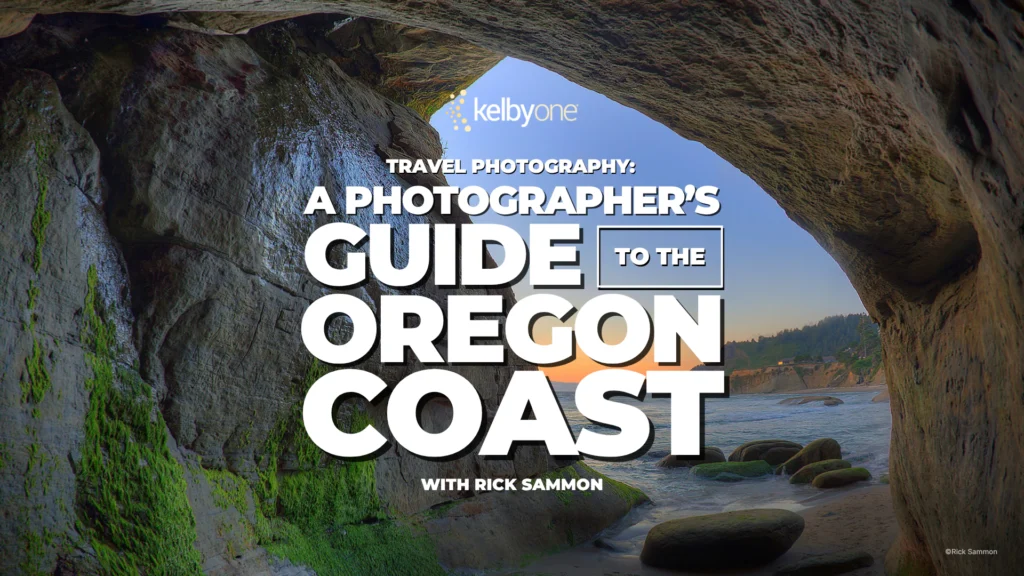
A new comprehensive online course, "Travel Photography: A Photographer’s Guide to the Oregon Coast," has been released by renowned photographer Rick Sammon through the KelbyOne educational platform. This course is designed to equip aspiring and experienced photographers alike with the necessary skills and local knowledge to effectively capture the dramatic landscapes and unique character of the Oregon coastline. Addressing common challenges such as optimal shooting locations, timing for tides and light, and essential gear considerations, the program aims to elevate participants’ photographic outcomes from mere snapshots to evocative visual narratives that convey the true essence of the region.
The Enduring Allure of the Oregon Coast for Photographers
The Oregon Coast, stretching over 360 miles from the mouth of the Columbia River to the California border, stands as one of North America’s most iconic and geologically diverse shorelines, making it a perennial magnet for landscape and travel photographers. Its rugged beauty is characterized by towering sea stacks like Haystack Rock at Cannon Beach and the dramatic formations off Bandon, expansive sandy beaches, dense coastal forests, and dynamic weather patterns that frequently shift between brilliant sunshine, dramatic fogs, and powerful storms. These elements combine to create an ever-changing canvas for photographers, offering unparalleled opportunities for capturing breathtaking scenes.
Beyond its aesthetic appeal, the Oregon Coast is also a region of significant ecological importance. It hosts a rich array of marine life, including migrating whales, resident harbor seals, sea lions, and diverse bird species such as tufted puffins. The interplay of land and sea has carved out unique geological features like sea caves, natural bridges, and blowholes, exemplified by the Devil’s Punchbowl and Thor’s Well at Cape Perpetua. Capturing these features requires not only technical proficiency but also an understanding of tidal patterns, light conditions, and safety protocols, which are central themes within Sammon’s new course. The popularity of the Oregon Coast as a tourist destination is substantial, with millions of visitors annually contributing significantly to the state’s economy, underscoring the broad interest in preserving and documenting its natural splendor.
Rick Sammon: A Veteran Lensman’s Approach to Coastal Photography
The course is led by Rick Sammon, an internationally acclaimed photographer, author, and educator with a career spanning over four decades. Sammon is celebrated for his accessible teaching style and his prolific output, having published more than 40 books on photography and conducted numerous workshops and seminars worldwide. His expertise covers a vast spectrum of photographic genres, from travel and landscape to portraiture and wildlife, making him uniquely qualified to guide photographers through the multifaceted challenges of coastal imaging.
Sammon’s teaching philosophy emphasizes practical application and creative problem-solving. He advocates for photographers to go beyond merely documenting a scene and instead strive to capture the emotional resonance and unique atmosphere of a location. This aligns perfectly with the goal of the new course: to enable photographers to come home with images that "capture how the place felt." His extensive experience in diverse environments, coupled with his reputation for demystifying complex photographic concepts, positions him as an ideal mentor for tackling the specific demands of the Oregon Coast, where conditions can change rapidly and opportunities can be fleeting.
Course Curriculum: A Deep Dive into Mastering Coastal Imagery
"Travel Photography: A Photographer’s Guide to the Oregon Coast" is structured as a comprehensive journey along Highway 101, the scenic artery that parallels the coastline. Sammon leverages over 100 of his own photographs as case studies, providing real-world examples to illustrate his techniques and decision-making processes. The curriculum systematically addresses critical aspects of travel and landscape photography tailored specifically for the coastal environment:
- Composition: The course delves into compositional principles such as the rule of thirds, leading lines, framing, negative space, and the strategic use of foreground elements. Sammon demonstrates how to apply these concepts to dynamic coastal scenes, from vast seascapes to intimate tide pool details, ensuring visual balance and impact.
- Exposure: Understanding exposure is paramount in environments with high dynamic range, such as bright skies meeting dark cliffs or reflective water. Sammon explains the interplay of aperture, shutter speed, and ISO, along with advanced techniques like bracketing and the use of neutral density (ND) and polarizing filters to manage challenging light conditions and create desired effects like silky water.
- Tides and Timing: Perhaps the most crucial element for coastal photography, the course provides in-depth guidance on reading tide charts and understanding how tidal movements influence both safety and photographic opportunities. Low tide reveals tide pools and dramatic reflections on wet sand, while high tide can bring powerful waves and dramatic spray, each offering distinct visual possibilities. The importance of scouting locations at different times of day and in varying light conditions is also emphasized.
- Gear Selection: Sammon offers practical advice on essential equipment, whether photographers are using advanced mirrorless cameras or the increasingly capable cameras found in modern iPhones. Discussions include lens choices (wide-angle for expansive views, telephoto for isolating distant sea stacks or wildlife), tripods for stability in low light or long exposures, and protective gear to safeguard equipment from salt spray and sand.
- Safety Considerations: The Oregon Coast can be as treacherous as it is beautiful. The course dedicates significant attention to safety protocols, covering risks such as sneaker waves, slippery rocks, sudden weather changes, and hypothermia. Sammon underscores the importance of situational awareness, respecting nature, and staying informed about local conditions to ensure a safe and productive photographic outing.
The course’s holistic approach ensures that photographers gain not just technical skills but also a deeper appreciation for the environment and the responsible practices necessary when photographing sensitive natural areas.
Journey Through Iconic Locations: A Chronological Exploration
Sammon’s course meticulously guides participants through a curated selection of the Oregon Coast’s most celebrated photographic destinations, presented in a logical, northward-to-southward progression along Highway 101:
- Haystack Rock (Cannon Beach): The course begins at this iconic 235-foot sea stack, one of the most recognizable landmarks on the Oregon Coast. Sammon provides insights into capturing its grandeur, especially during sunrise or sunset, and discusses techniques for photographing the vibrant tide pools and nesting seabirds, including tufted puffins, that inhabit the area during certain seasons.
- Cape Kiwanda (Pacific City): Known for its unique sandstone dory boats and the dramatic dory boat launches directly from the beach, Cape Kiwanda offers distinct photographic opportunities. Sammon addresses the challenges of capturing the vibrant orange rock formations, the dynamic ocean activity, and the intricate patterns left by the receding tide.
- Newport: This bustling coastal city serves as a hub for marine activity and features several photogenic spots. The course explores capturing the historic Yaquina Head Lighthouse, the vibrant bayfront with its fishing fleet and resident sea lions, and the architectural beauty of the Yaquina Bay Bridge, especially at twilight.
- Devil’s Punchbowl (Otter Rock): This unique geological formation, a hollow rock structure open to the ocean, is a testament to the powerful forces of erosion. Sammon instructs on how to best photograph the churning water within the bowl, especially at high tide, and the dramatic light play that occurs as the sun interacts with the waves.
- Cape Perpetua (Yachats): Offering the highest viewpoint on the Oregon Coast accessible by car, Cape Perpetua provides sweeping panoramic vistas. The course delves into capturing the dramatic natural features like Thor’s Well, a deep sinkhole that appears to drain the ocean, and the Spouting Horn, a blowhole that erupts with seawater, emphasizing the critical timing required for these dynamic shots.
- Bandon: The course concludes in Bandon, a locale renowned among landscape photographers for its dramatic sea stacks, including Face Rock and Wizard Hat. Sammon provides expert guidance on composing these majestic formations against the backdrop of powerful waves, often bathed in the golden light of sunrise or sunset, and techniques for incorporating the expansive beaches and intricate patterns in the sand.
By focusing on these specific locations, Sammon provides actionable advice that can be directly applied by photographers visiting these sites, while also imparting broader principles applicable to any coastal environment.
The Evolving Landscape of Photography Education and its Broader Impact
The launch of "Travel Photography: A Photographer’s Guide to the Oregon Coast" underscores the increasing demand for specialized online photography education. Platforms like KelbyOne have revolutionized access to high-quality instruction, allowing enthusiasts and professionals worldwide to learn from industry leaders at their own pace and convenience. This accessibility is particularly significant in an era where photographic technology, from advanced mirrorless systems to sophisticated smartphone cameras, has made photography more democratic than ever.
From an industry perspective, this course not only reinforces Rick Sammon’s position as a leading educator but also enhances KelbyOne’s reputation as a premier resource for photography training. The partnership leverages Sammon’s vast experience and the platform’s reach to deliver niche-specific content that caters to a growing community of travel and landscape photographers.
While direct official statements regarding the course are not publicly available at the time of release, the implications are clear. KelbyOne’s Vice President of Content, in a hypothetical statement, might express enthusiasm for "partnering with a legend like Rick Sammon to bring such a visually stunning and technically rich course to our members, fulfilling a significant demand for specialized regional travel photography guides." Sammon himself, in line with his philosophy, would likely reiterate that "the goal of this course is not just to show photographers where to point their cameras, but to empower them to tell compelling stories and capture the true spirit of this incredible coastline, ensuring they leave with images that resonate deeply." Local tourism boards, while not directly involved, could indirectly benefit from such courses. Promoting responsible photography practices and highlighting the coast’s beauty can attract a discerning segment of tourists who are keen to explore and document the region respectfully.
The course’s emphasis on safety and environmental awareness also contributes positively to responsible tourism initiatives. By teaching photographers how to navigate challenging terrain and respect natural habitats, it indirectly supports the preservation efforts of local communities and environmental organizations dedicated to protecting the Oregon Coast. The availability of a free lesson serves as an accessible entry point, inviting a broad audience to experience Sammon’s teaching style and the course content before committing to the full adventure. This strategic approach maximizes engagement and ensures that high-quality photographic education remains within reach for a diverse audience.
In conclusion, "Travel Photography: A Photographer’s Guide to the Oregon Coast" represents a significant addition to the landscape of online photography education. By combining the expertise of Rick Sammon with the unparalleled beauty and unique challenges of the Oregon Coast, the course offers a practical, enriching, and inspiring resource for anyone looking to master the art of coastal photography and capture the profound "feel" of this magnificent stretch of shoreline.