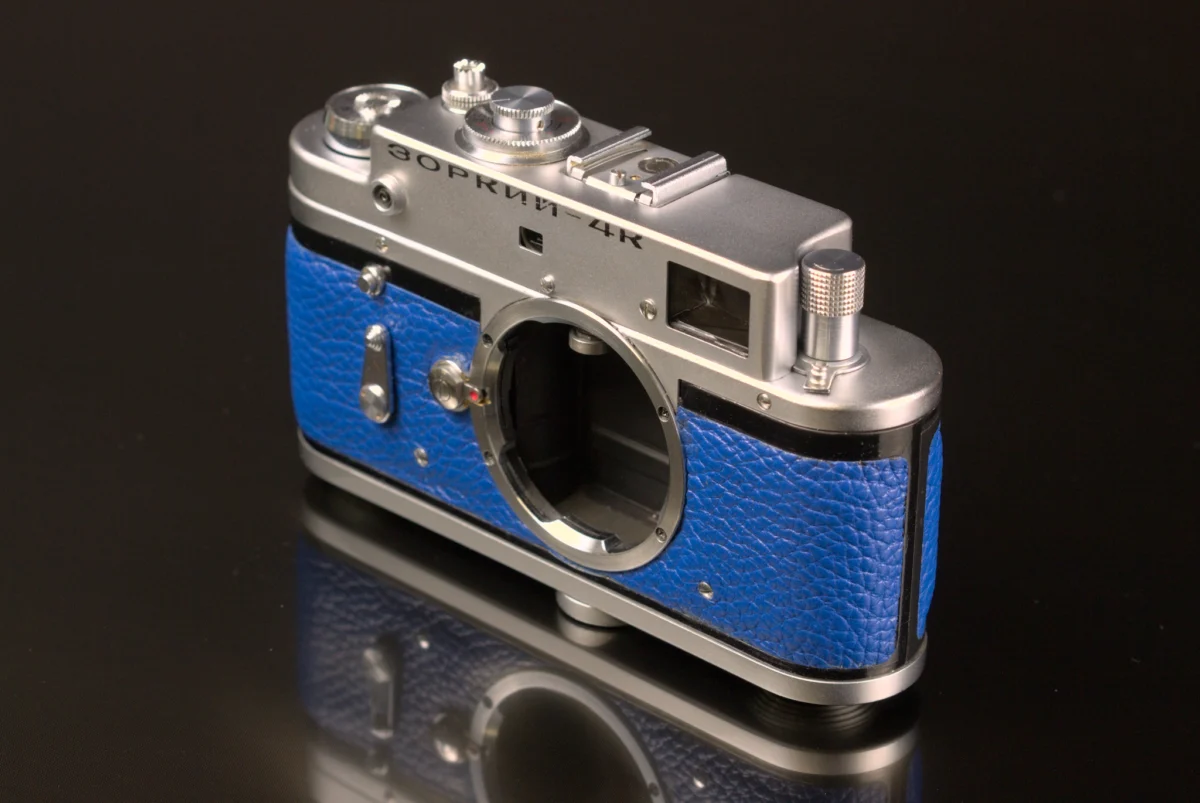
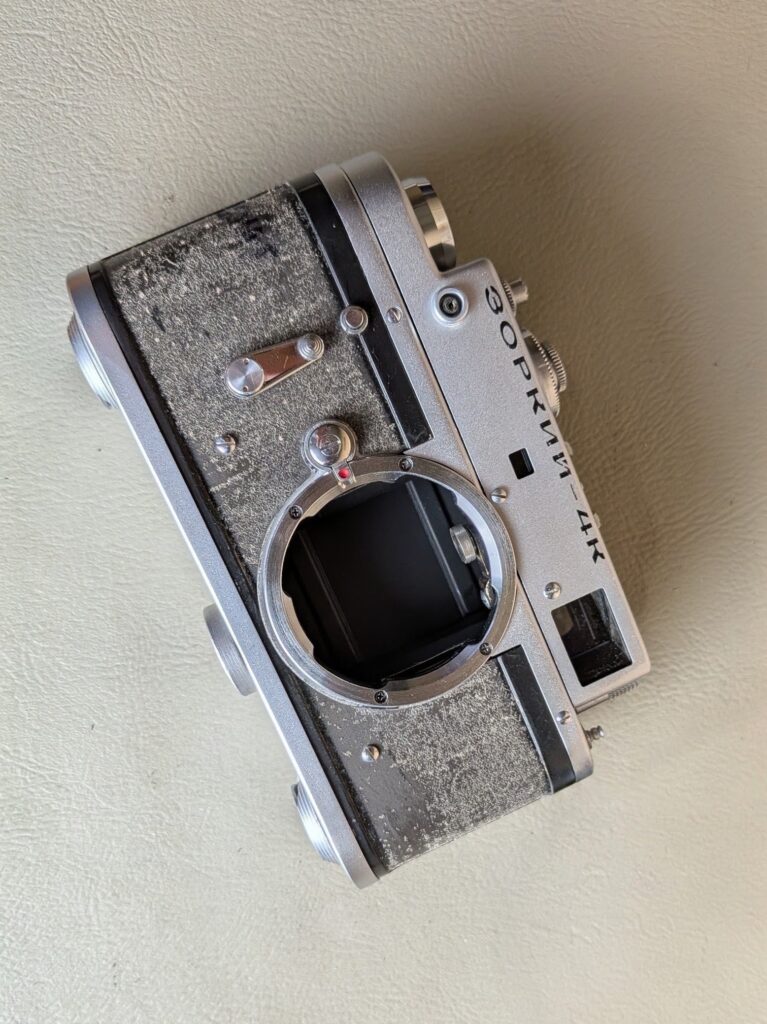
The field of analog camera restoration has recently seen a significant shift from routine maintenance toward complex mechanical engineering, as evidenced by a recent project involving the total conversion of a Soviet-era Zorki 4K. This ambitious endeavor sought to address two primary objectives: the mastery of advanced camera repair techniques and the technical verification of whether a Leica Thread Mount (LTM) camera could be successfully adapted to the Leica M mount system. While the Zorki 4K is historically a derivative of the Leica III design, the transition to an M-mount interface represents a formidable engineering challenge due to significant differences in flange focal distance, mount diameter, and rangefinder coupling mechanics.
Historical Context and Technical Specifications
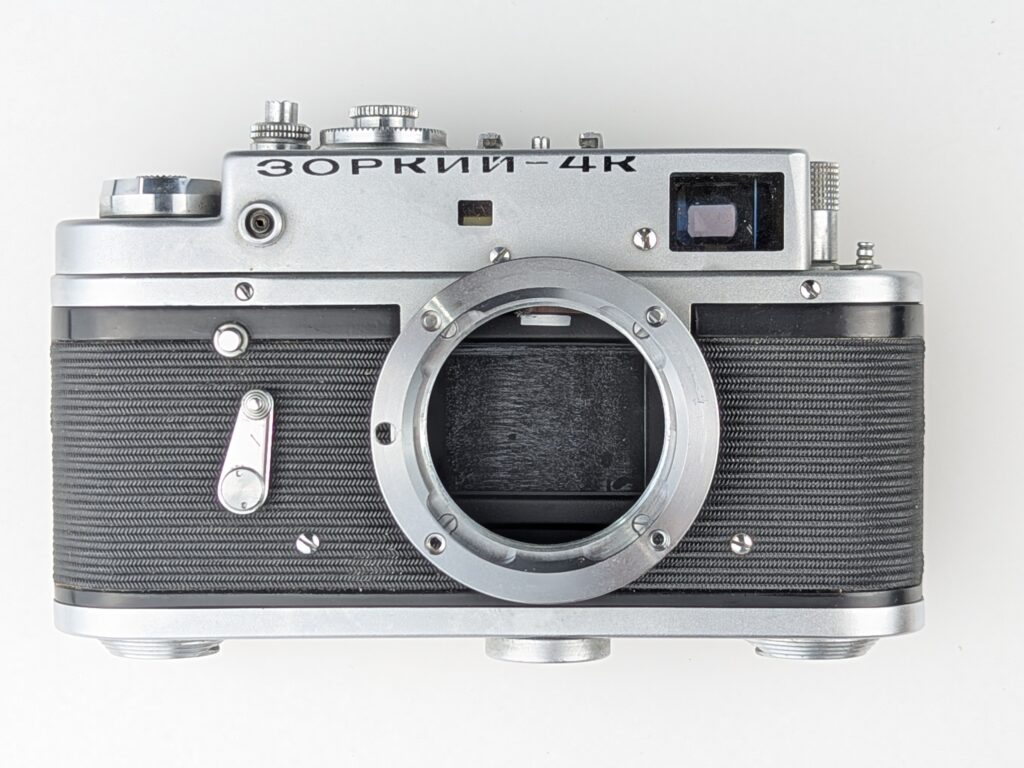
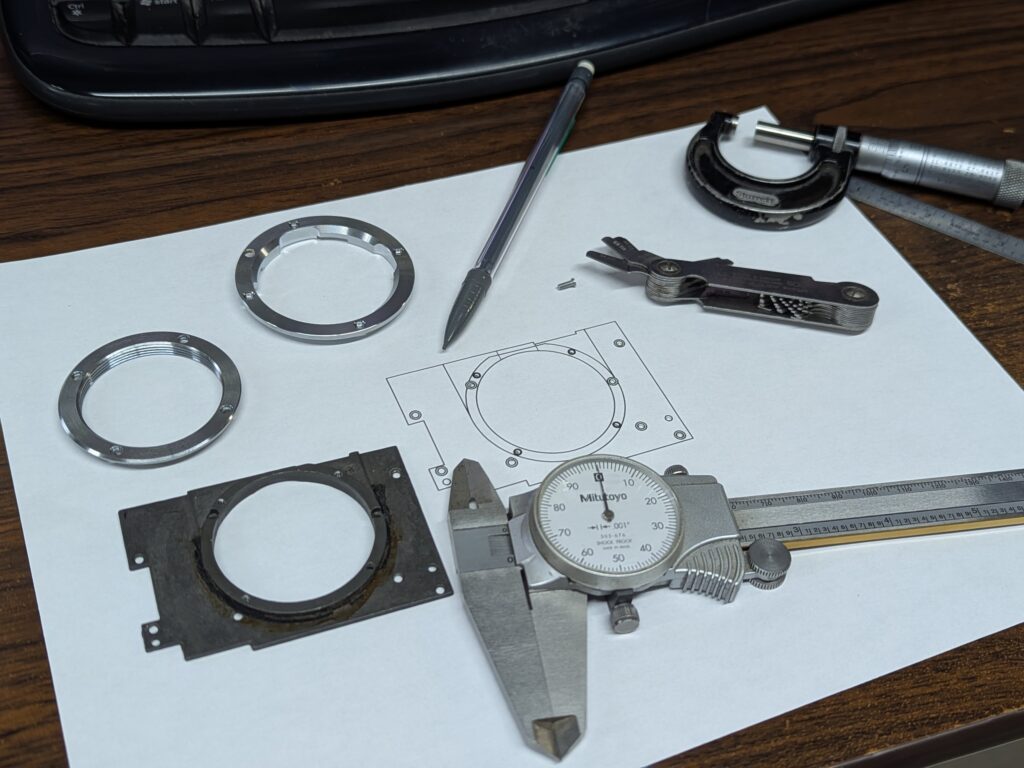
The Zorki 4K, produced by the Krasnogorsk Mechanical Works (KMZ) in the Soviet Union between 1972 and 1978, was a refined version of the Zorki 4, featuring a fixed take-up spool and a lever wind. Like many Soviet rangefinders, it utilized the M39 Leica Thread Mount, which features a flange focal distance of 28.8mm. In contrast, the Leica M mount, introduced in 1954, utilized a bayonet system with a shorter flange focal distance of 27.8mm.
To successfully convert an LTM body to an M-mount body, an engineer must find a way to "lose" exactly 1.0mm of depth while simultaneously widening the mount opening to accommodate the larger M-bayonet. This requires precision machining of the camera’s front casting. The project in question utilized a Zorki 4K "parts camera" as the testbed, chosen for its relatively low market value—often under $50 USD—making it an ideal candidate for high-risk experimental modification.
The Machining Challenge: Precision on a Budget
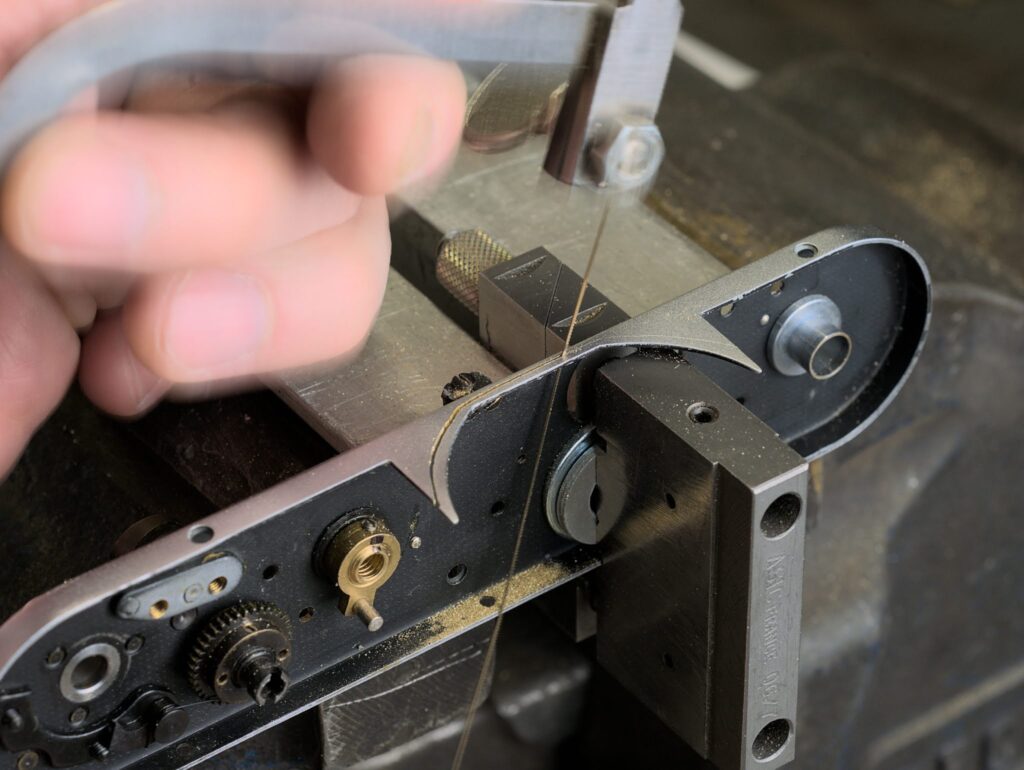
The conversion process required the removal of metal from the Zorki’s front plate to compensate for the 1mm difference in flange distance. The technician employed a semi-retired professional background in machine design to navigate the limitations of entry-level equipment. The primary tool used was a low-cost CNC engraver, often found on secondary markets such as eBay.
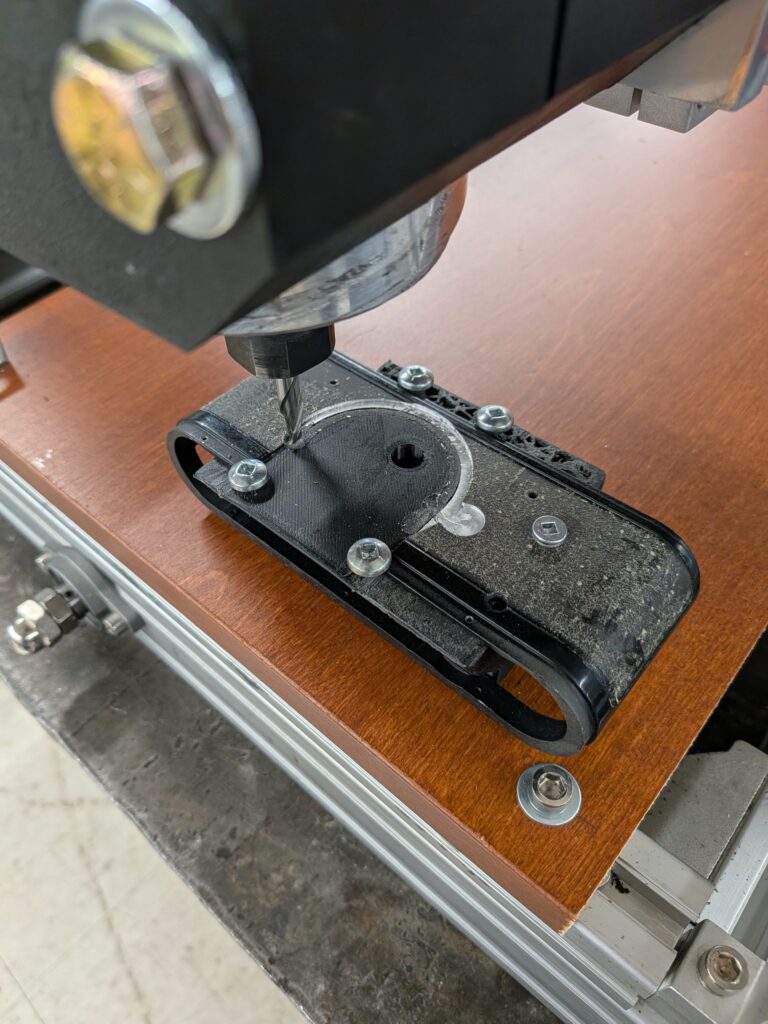
Despite the machine’s perceived lack of rigidity—evidenced by a particle board table and 3D-printed spindle brackets—the technician successfully integrated it with LinuxCNC via a parallel port. Through careful calibration and slow feed rates, the setup achieved an accuracy of 0.0015 inches (0.04mm). This level of precision is critical in rangefinder calibration, where even a fraction of a millimeter can result in noticeable focus errors, particularly when using wide-aperture lenses like the Voigtländer 40mm f/1.2 used during testing.
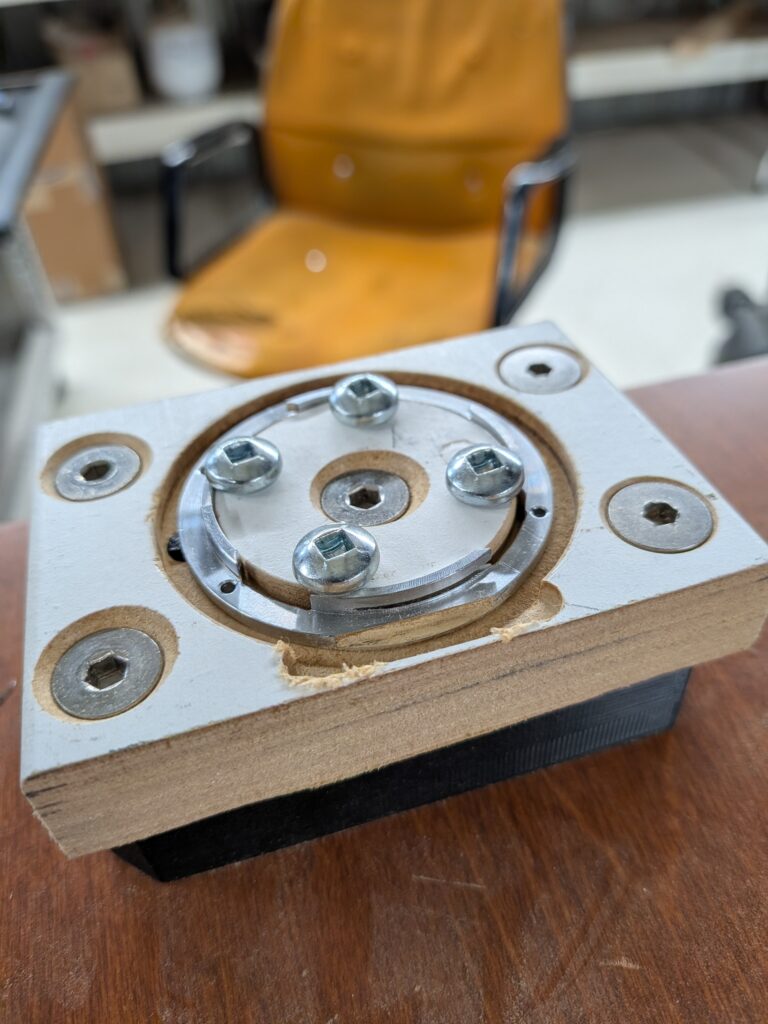
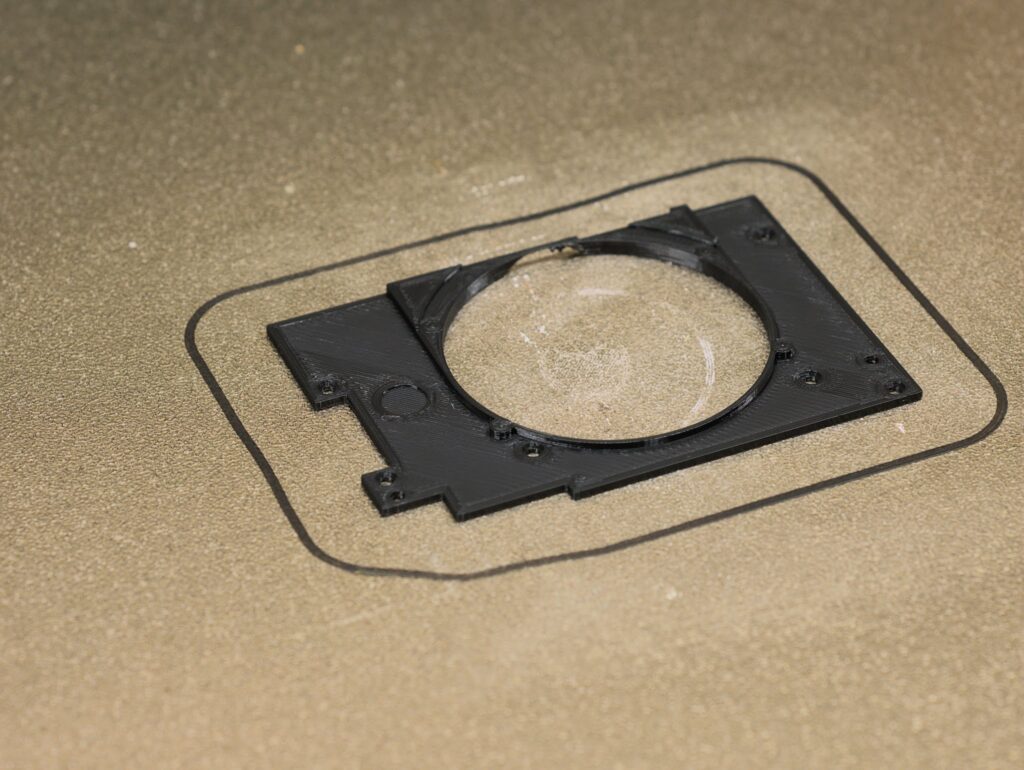
Work-holding proved to be another hurdle. Initial attempts using 3D-printed fixtures were abandoned after the heat generated during the machining of aluminum and brass caused the plastic to deform. The technician eventually pivoted to Medium-Density Fibreboard (MDF) fixtures, which provided the necessary stability for one-off custom machining tasks.
Optical Restoration and Rangefinder Re-Silvering
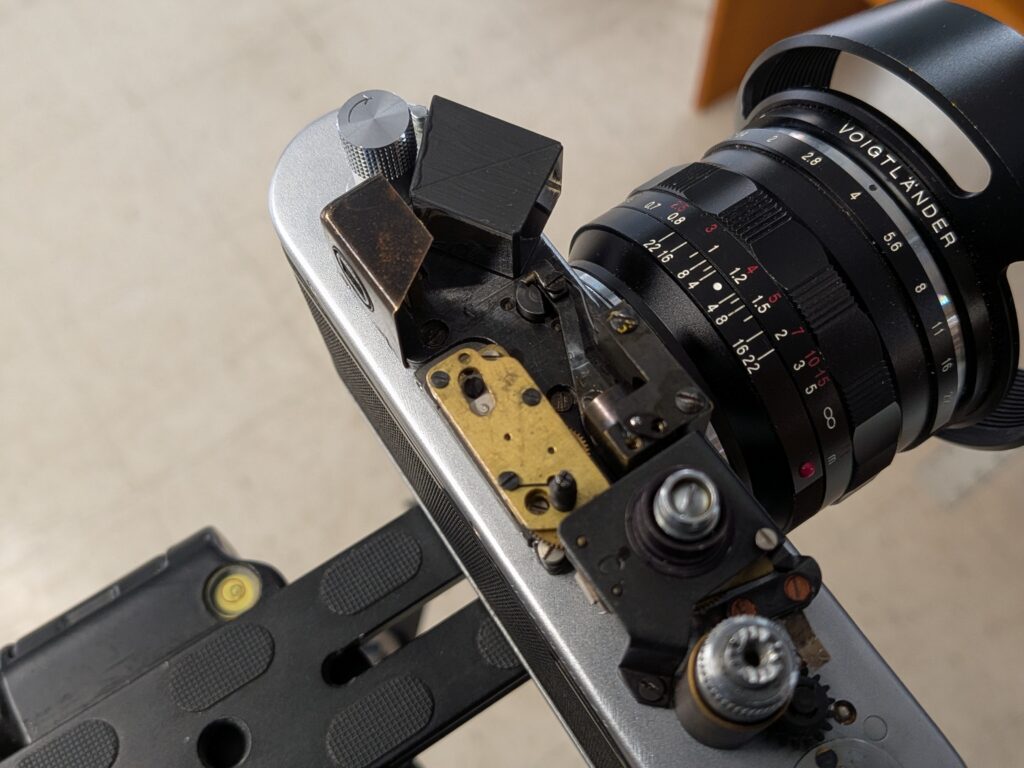
Beyond the mount conversion, the project addressed deep-seated reliability issues common in vintage Soviet hardware. A significant portion of the restoration focused on the rangefinder’s optical path. The Zorki 4K’s viewfinder often suffers from a dim or invisible rangefinder patch, usually attributed to the degradation of the beam splitter’s silvering.
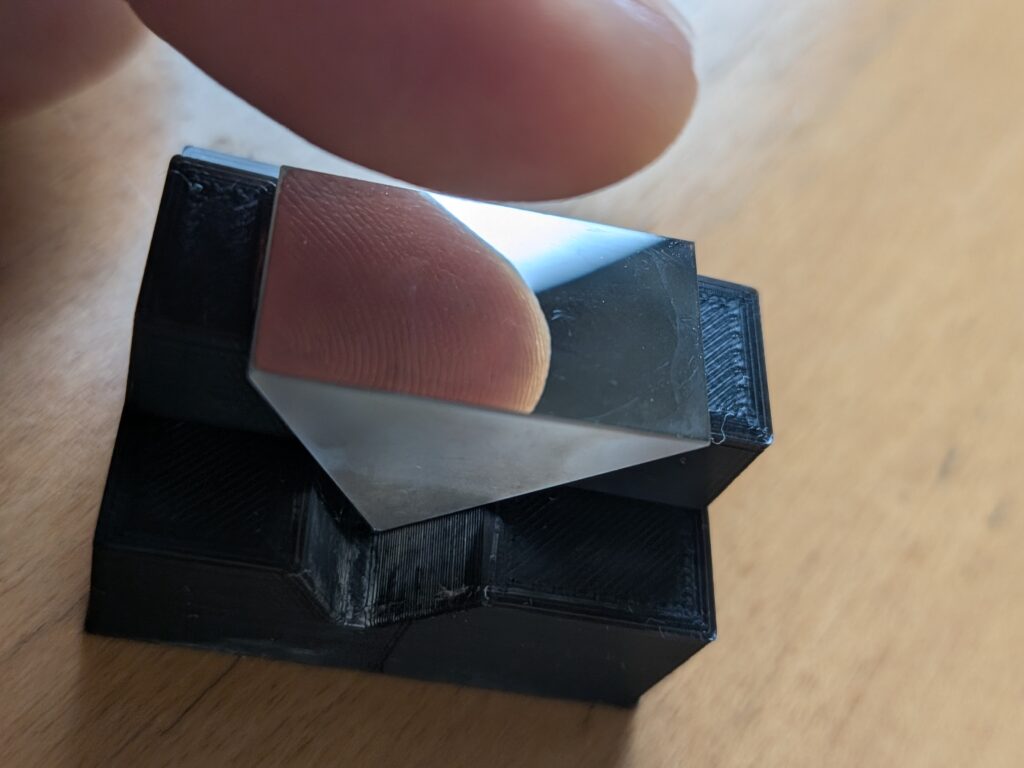
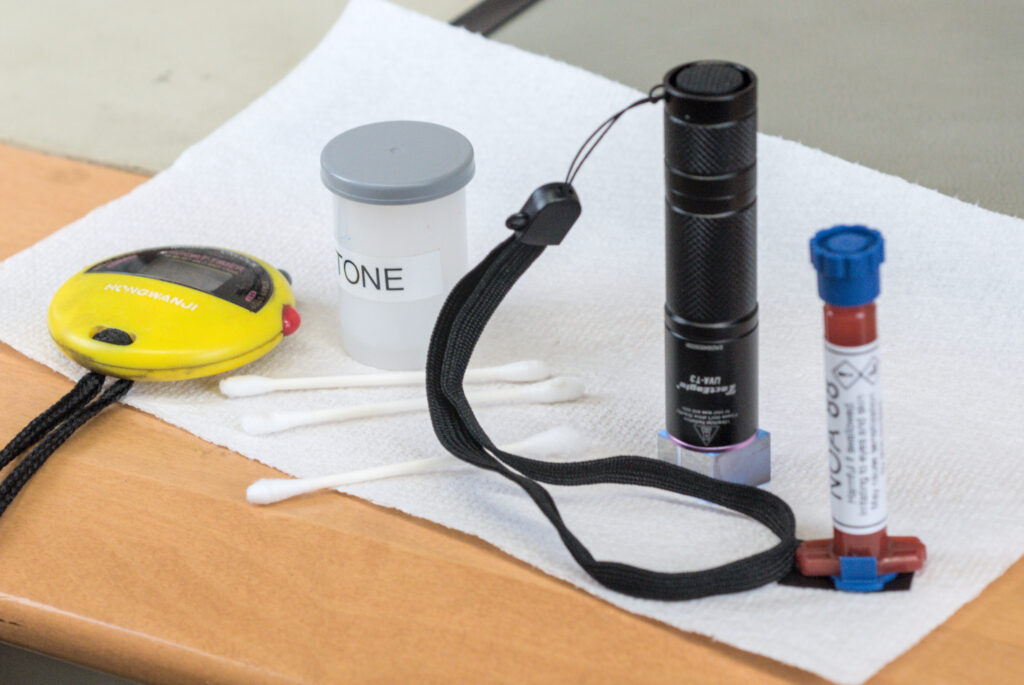
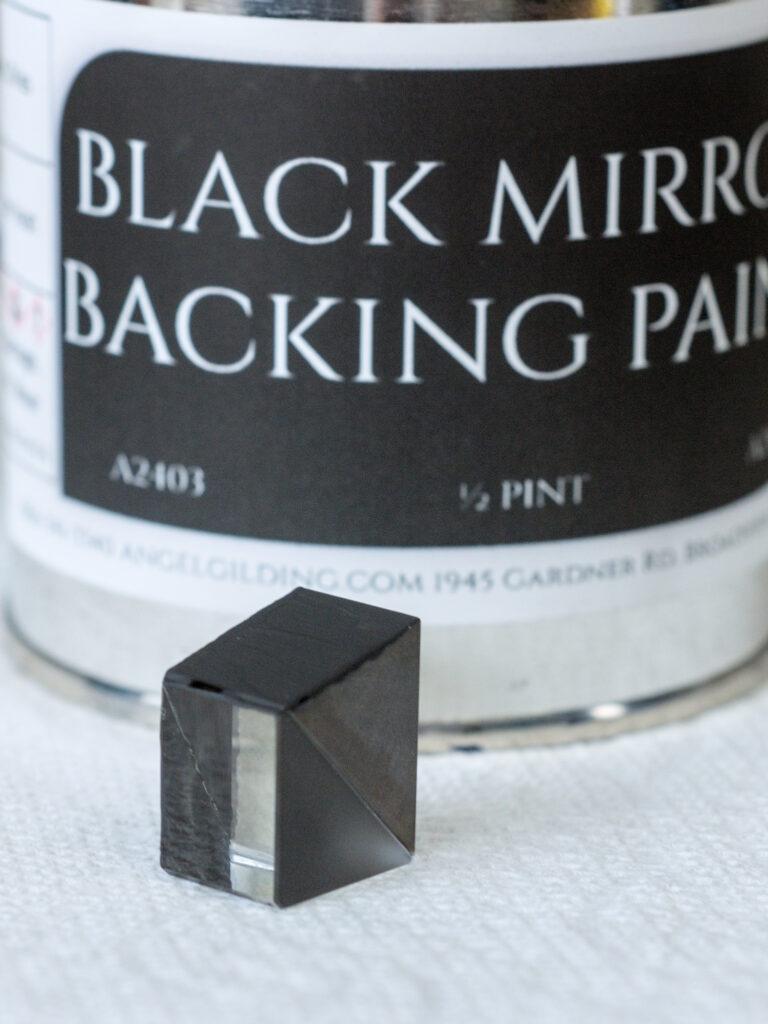
The technician performed a full disassembly of the main viewfinder prism, soaking the component in acetone to dissolve the original balsam or adhesive. Upon inspection, the original Soviet mirroring was found to be streaky and insufficient. To rectify this, a mirror repair kit from Angel Gilding was employed alongside UV-curable optical glue from Edmund Optics.
The re-silvering process is notoriously temperamental; excessive silvering results in a dark viewfinder, while insufficient silvering prevents the rangefinder patch from appearing. It took five attempts to reach an acceptable balance. The use of UV-cured glue allowed for precise positioning of the prism halves before permanent setting, a significant advantage over traditional two-part epoxies. Following the optical repair, the prism’s non-light-penetrating sides were repainted to prevent internal reflections, effectively restoring the viewfinder to a state exceeding its original factory specifications.
Mechanical Overhaul and Parts Sourcing
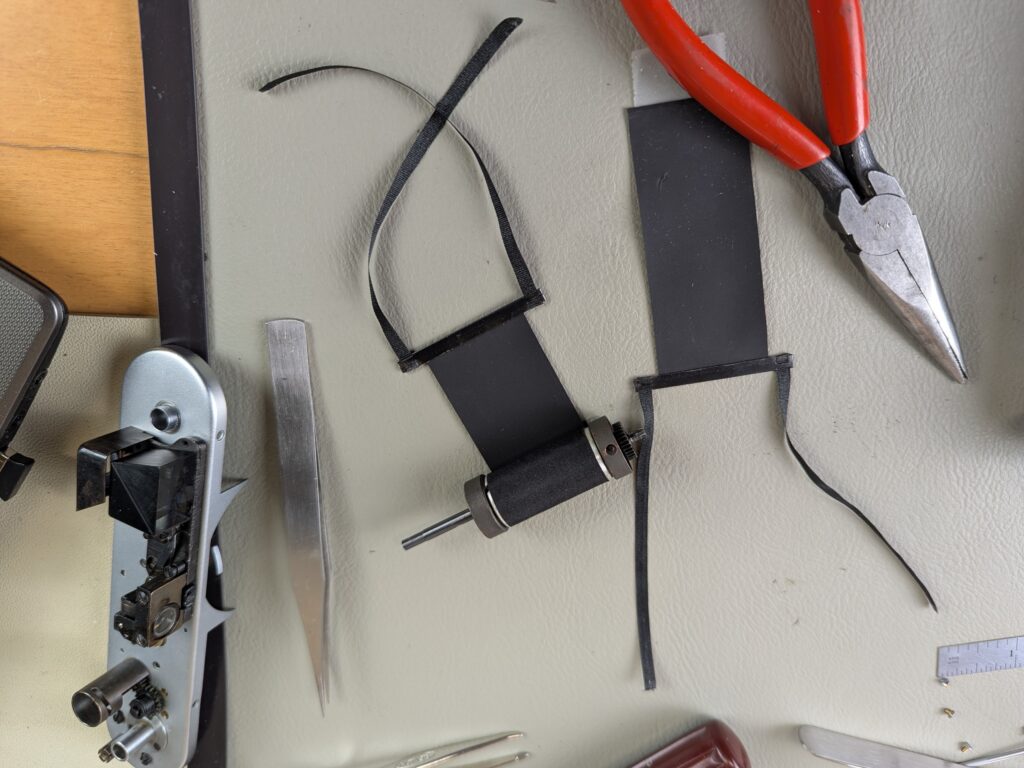
A functional camera requires more than just a mount and a viewfinder; the shutter and film advance mechanisms must operate with consistency. The technician replaced the crumbling cloth shutter curtains and ribbons using materials sourced from specialized Japanese suppliers, such as Nobbysparrow, who provides high-quality components for Leica III and its various clones.
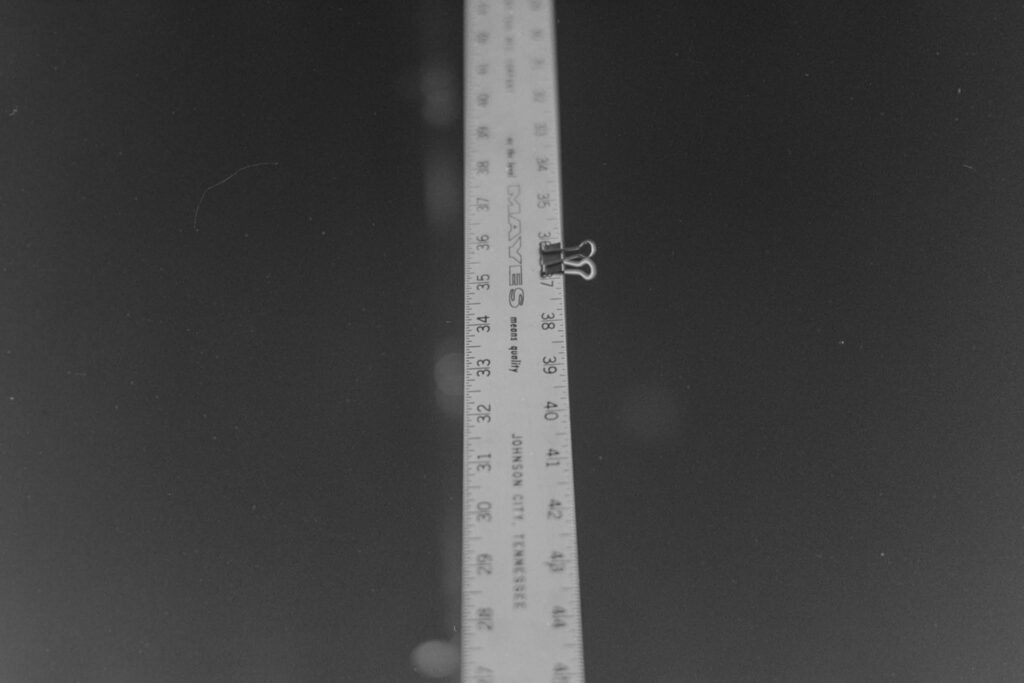
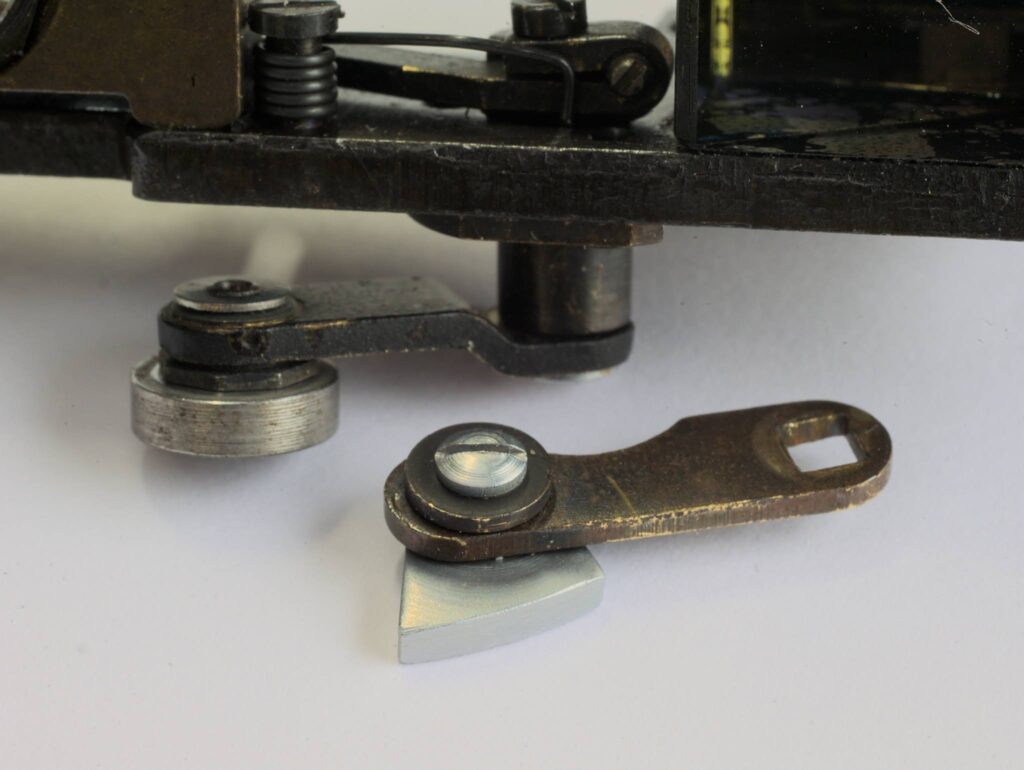
A notable modification was made to the rangefinder cam follower. The original Zorki "pointy" follower is known for its potential inaccuracy when used with lenses featuring ramped cams. The technician replaced this with a roller-style follower, likely from a Leica III variant. This required minor filing of the square mounting hole but resulted in a smoother, more accurate coupling between the lens and the rangefinder mechanism.
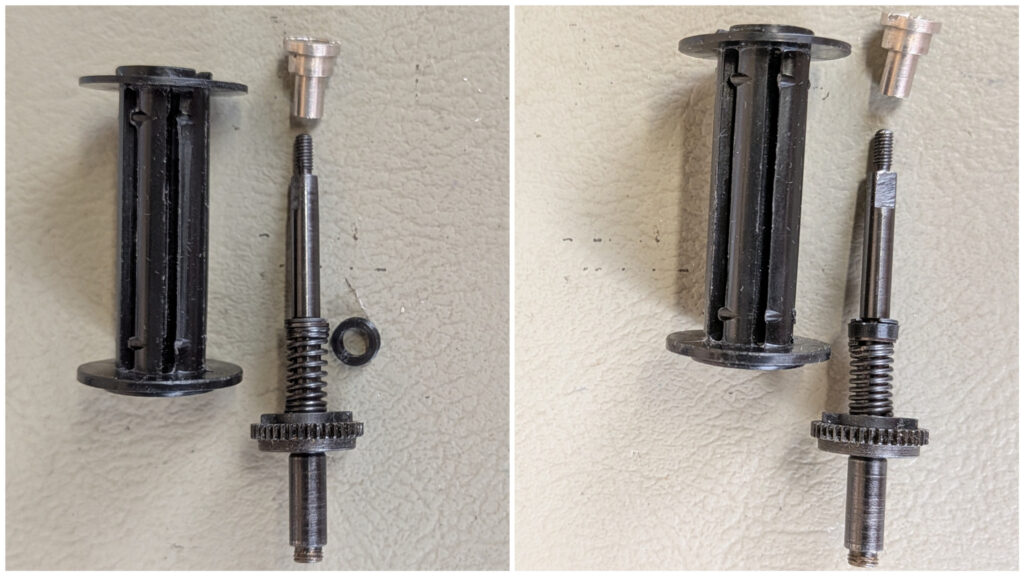
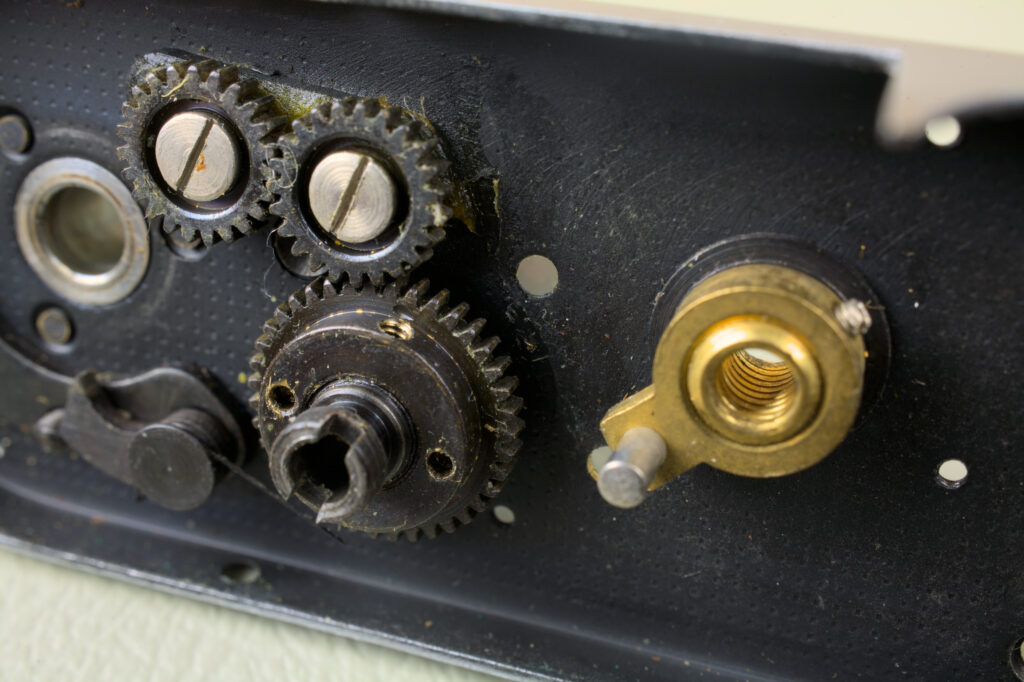
However, the inherent limitations of Soviet manufacturing became apparent during the reassembly of the gear train. The technician noted significant eccentricity in the reversing gears, which created "tight spots" in the film advance. Furthermore, issues with film tension required the creation of a 3D-printed shim to add spring force to the take-up spool, preventing the film from slipping or tearing at the sprocket holes.
Economic Analysis and Educational Value
The financial breakdown of the project highlights the disparity between hobbyist engineering and practical consumer repair.
- Original Camera Cost: Approx. $30–$40 CAD
- Materials and Tools: Over $300 CAD (including silvering kits, UV glue, shutter materials, and shipping/tariffs)
From a strictly economic standpoint, the project is irrational; the cost of materials alone is ten times the value of the camera, and the labor hours involved would be prohibitive in a commercial setting. However, as a "cost of education," the project provided invaluable insights into CAD/CAM integration, chemical optical restoration, and the mechanical nuances of rangefinder systems.
The technician’s analysis suggests that the barrier to entry for such modifications is no longer the cost of heavy industrial machinery, but rather the time required to master software and work-holding techniques. The rise of desktop CNC and 3D printing has democratized the ability to perform "impossible" repairs on legacy hardware.
Broader Implications for the Analog Community
The success of the Zorki-M conversion serves as a proof of concept for the "Right to Repair" movement within the niche world of film photography. As professional repair services for vintage cameras become increasingly scarce and expensive, the burden of maintenance falls on the user base.
This project demonstrates that even "lousy" cameras—described by the technician as a "polished dog turd"—can be elevated through modern engineering. The conversion allows for the use of high-performance M-mount glass on a body that provides a tactile, purely mechanical experience. While the resulting camera remains noisy and mechanically inconsistent compared to a genuine Leica, it offers a unique "joy of the process" that modern, automated systems lack.
Furthermore, the technician’s investigation into a 21mm angle-of-view beam combiner suggests that the next frontier for DIY camera hacking may involve the complete redesign of optical viewfinders. This would allow vintage bodies to support ultra-wide lenses without the need for external accessory finders.
Conclusion and Final Field Results
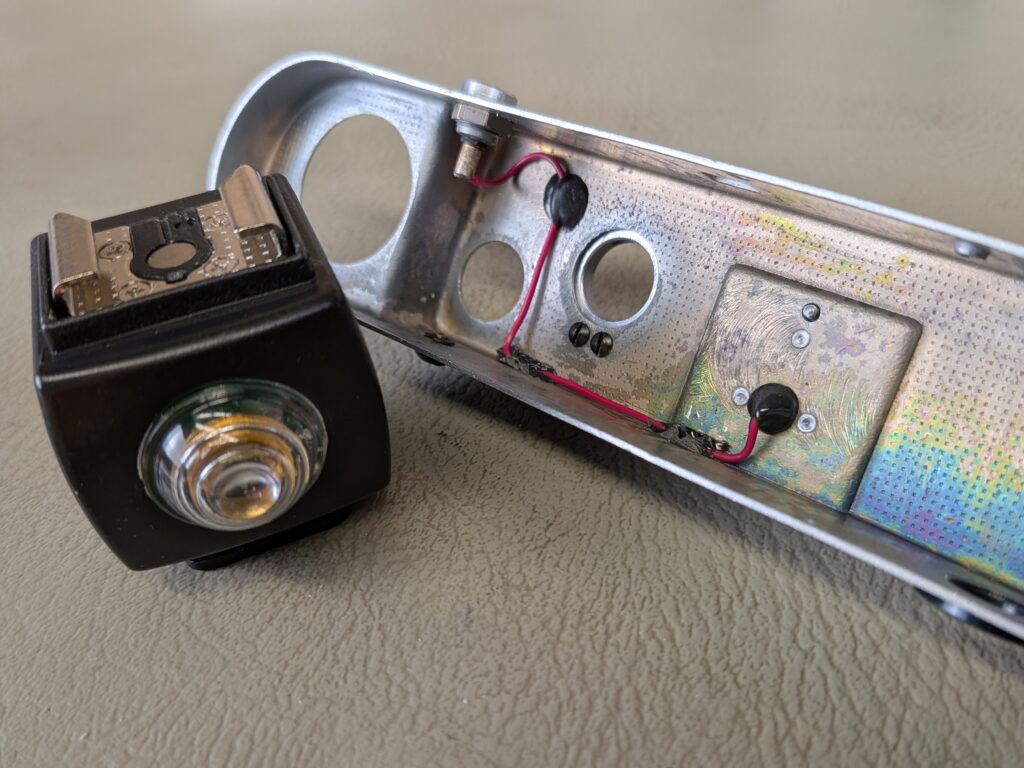
The final phase of the project involved converting the camera’s cold shoe into a functional hot shoe, using a center pin from a donor optical trigger and a 3D-printed isolation ring. This required intricate hand-filing and soldering to fit within the constrained height of the Zorki’s top plate.

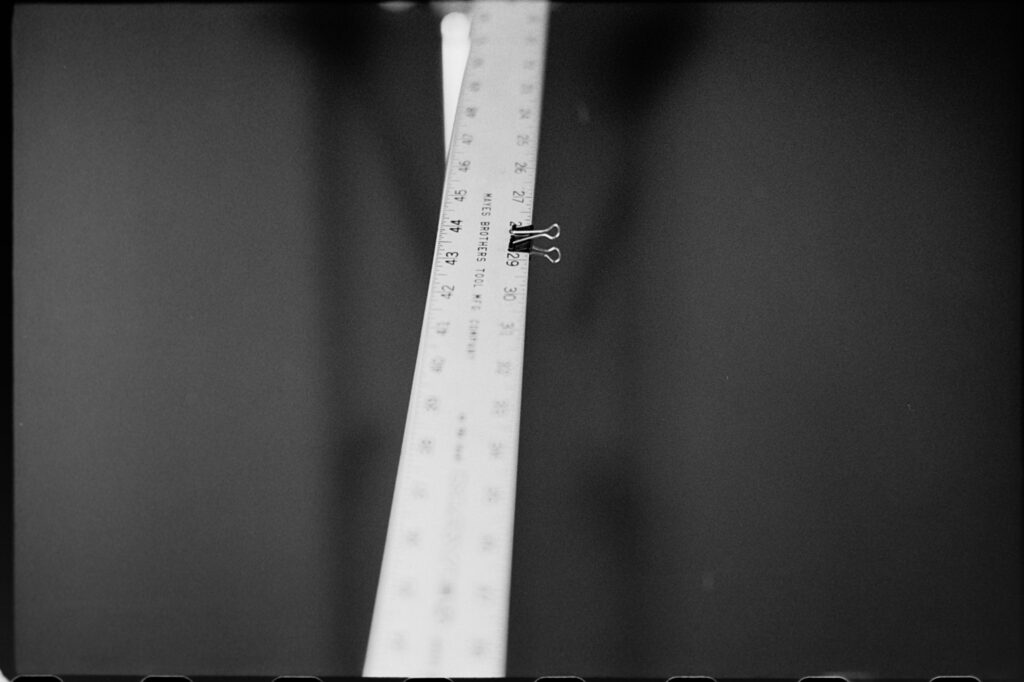
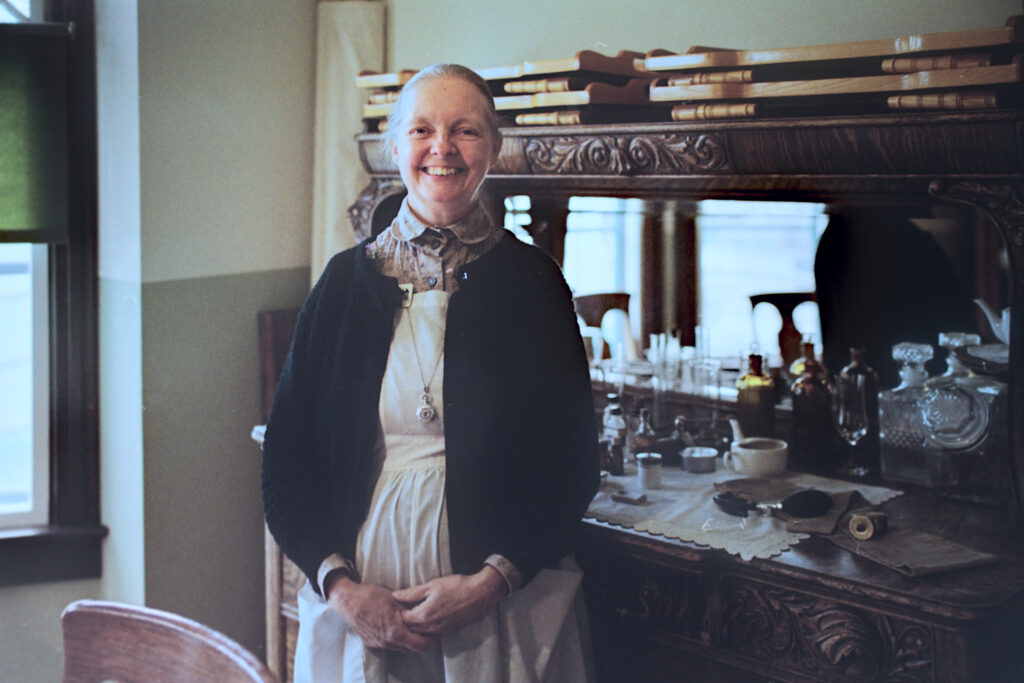
Field testing at Heritage Park during Alberta Day confirmed the project’s success. Using HP5 and Kodacolor 100 film, the technician captured images that demonstrated accurate focus at distances ranging from 0.7m to 1.2m. While some vertical alignment issues in the rangefinder persisted—likely due to a slight tilt in the re-glued prism—the camera proved to be a viable tool for creative photography.
The Zorki 4K "M-Edition" stands as a testament to the intersection of legacy mechanics and modern maker culture. It proves that with sufficient curiosity and a willingness to "kill a few cameras in the process," the technical boundaries of 20th-century equipment can be expanded for the 21st-century user. The project concludes that while the practical choice would always be to buy an M-mount camera, the act of building one provides a depth of understanding that no purchase can replicate.