The ambitious undertaking of transforming a beloved, sprawling animated epic into a live-action series often carries immense risk, especially when the source material is as iconic as Eiichiro Oda’s One Piece. With over 500 million manga copies sold worldwide, an anime running for more than two decades, and a global fanbase deeply invested in its fantastical world and characters, Netflix’s announcement of a live-action adaptation was met with a mixture of excitement and trepidation. The scale of the challenge was monumental: not only balancing fervent fan expectations but also orchestrating a massive production involving a crew of 400 to 500 people, all while constructing a believable yet utterly fantastical pirate world.
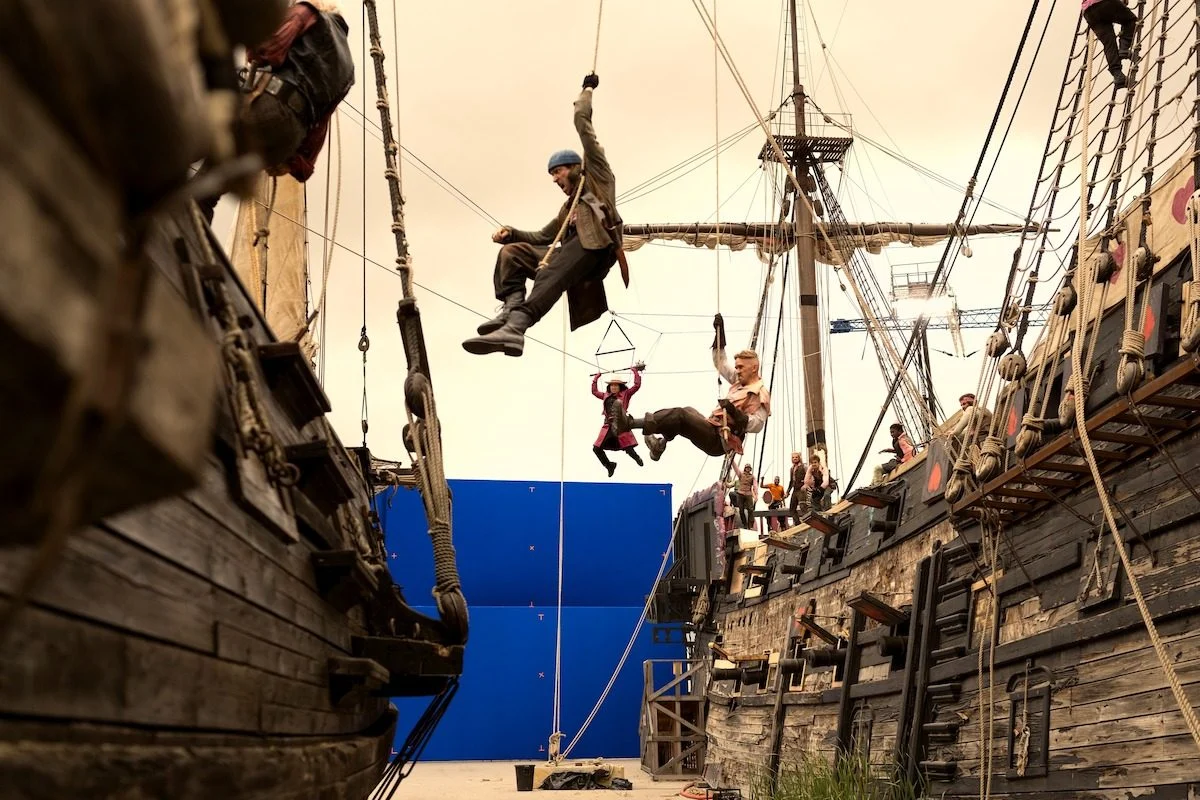
The decision by Netflix and the creative team to eschew an over-reliance on green screens and virtual production for a more traditional, practical filmmaking approach proved to be a defining factor in the show’s eventual success. This strategy involved extensive on-location filming, a commitment that absorbed seven months of production time in South Africa, necessitated the creation of custom anamorphic glass by Hawk, and required meticulous scheduling of shoot days around natural light – a method reminiscent of classic Hollywood productions. This commitment to tangible environments and practical effects aligns with a growing sentiment among creators and audiences alike, a trend vividly observed during recent industry conventions.
The Immense Challenge of Adapting a Global Phenomenon
One Piece is not merely a story; it’s a cultural institution. Its narrative, spanning over 1,000 manga chapters and anime episodes, is celebrated for its intricate world-building, diverse characters, and thematic depth exploring freedom, friendship, and the pursuit of dreams. The history of live-action anime adaptations is fraught with cautionary tales, where attempts to translate the unique visual language and narrative elasticity of animation into live-action often fall short, struggling with tone, character design, and the sheer impossibility of replicating animated physics. Fans, acutely aware of these past failures, approached the One Piece live-action announcement with a protective skepticism, placing immense pressure on Netflix to deliver an authentic and respectful interpretation.
The inherent differences between animation and live-action filmmaking amplify these challenges. Animation offers boundless creative freedom; anything imaginable can be drawn and brought to life without the constraints of physical reality. Live-action, however, is tethered to feasibility. Camera limitations, the availability of suitable locations, and stringent special effects budgets all demand pre-approval and careful planning. Yet, Netflix embarked on what many considered an impossible feat: to adapt this popular, pirate-themed anime, where much of the action unfolds on the open sea, with a steadfast dedication to practical effects and real-world locations.
A Deep Dive into Production: Crafting the World of One Piece
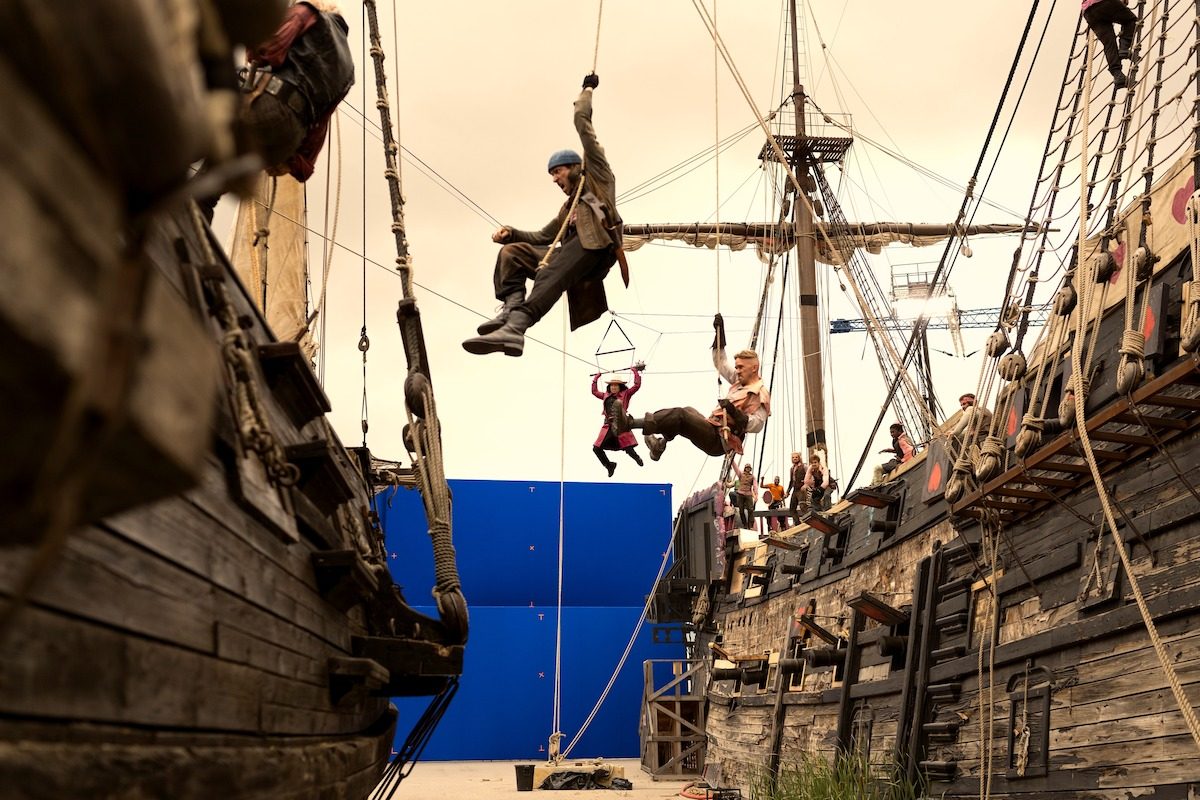
The choice to shoot One Piece with a focus on practical effects and on-location filming meant embracing logistical complexities that often defied conventional practicality. South Africa became the primary canvas for the Straw Hat Pirates’ initial adventures, a choice that involved constructing elaborate sets and environments, and coordinating a massive crew. Director of Photography Nicole Hirsch Whitaker, in an interview with Buzz magazine, highlighted the unique challenges posed by this approach: "Available daylight is always an issue, and not being able to rotate the ships. We had very big rigs, and it’s windy in South Africa! It took some time to work out how to make it all look really good, but with a great crew, we learned to schedule things around the sun."
These challenges translated into an extended and demanding production timeline. First announced in January 2020, the series embarked on its principal photography in late 2021, lasting approximately seven months. The meticulous attention to detail, the construction of multiple practical ship sets, and the management of a large international crew contributed to a development and filming period that culminated in the Season One premiere in August 2023. The impressive visual fidelity and widespread critical and fan acclaim that followed the release led to a swift renewal for a second season, announced just two weeks after its debut, underscoring the success of this ambitious production strategy.
The Technical Arsenal: Cameras, Lenses, and Netflix’s Stamp of Approval
For a Netflix original production, adherence to the platform’s stringent technical specifications, particularly its "Netflix Approved Cameras" list, is mandatory. For One Piece, the production team selected some of the industry’s most esteemed equipment. Season One was primarily shot on large-format ARRI Alexa Mini LF cameras, known for their cinematic image quality, dynamic range, and exceptional color science. This choice provided the expansive, immersive look crucial for bringing One Piece‘s fantastical world to life.
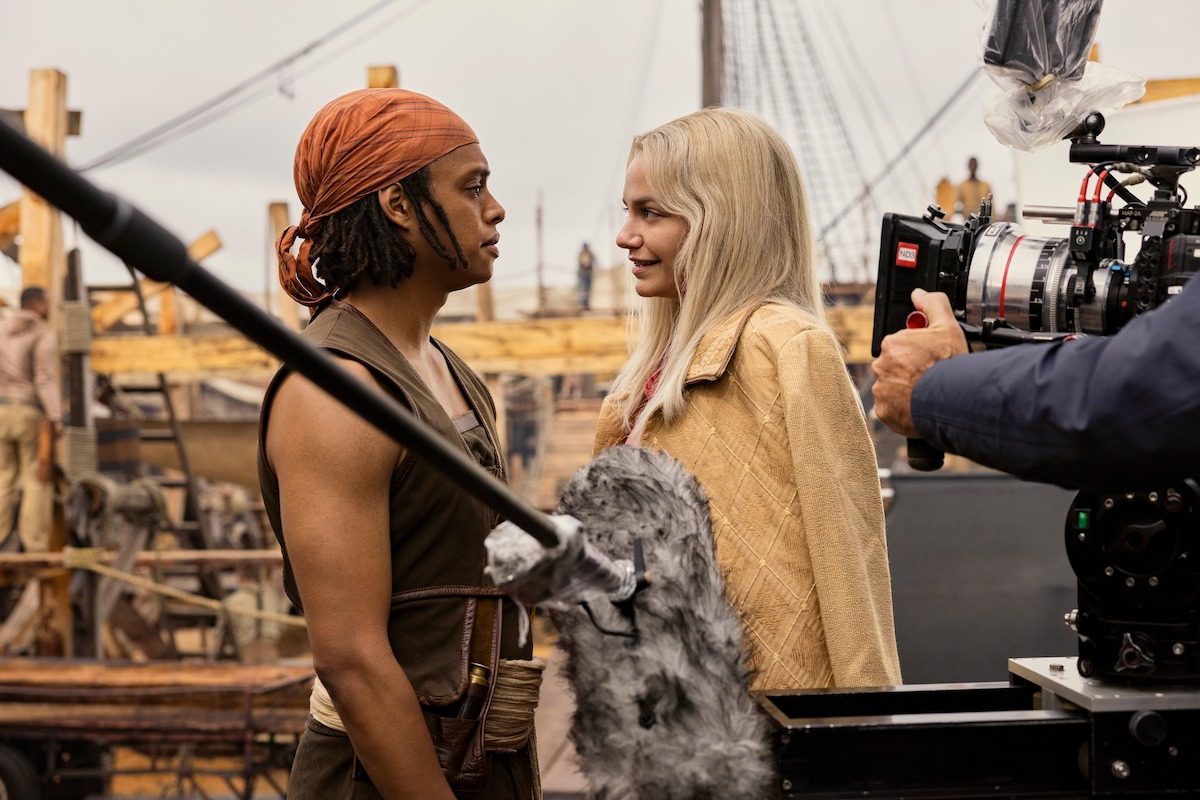
However, a truly distinctive element of the production was the custom-made Hawk MHX / MiniHawk hybrid anamorphic lenses utilized for Season One. Cinematographer Nicole Hirsch Whitaker revealed to NoFilmSchool the extraordinary effort behind securing these unique optics: "We actually went to Hawk, and they built us a set of lenses from scratch to basically allow us to do what we needed to do because there really wasn’t a large format lens out there that we could do the same type of photography with if they hadn’t built us those lenses. I knew I wanted to shoot ARRI large format, and there isn’t much large-format glass. Basically, they went to the drawing board and built them for us. Netflix got on board since they had to pay for them. It was a big deal. We had to do a lot of convincing, but everybody was really cool and allowed them to get made. Hawk got the lenses delivered, and they had my name on them. It was really fun." This bespoke lens development underscores the production’s unwavering commitment to achieving a specific aesthetic vision, pushing the boundaries of available technology to honor the source material. For Season Two, the production opted for the legendary Panavision Primo 70 lenses, signaling a continued pursuit of premium large-format cinematography.
The Practical Bet Pays Off: A Timeless Approach to Filmmaking
The core philosophy guiding One Piece‘s production – prioritizing practical effects and real locations – proved to be a strategic masterstroke that resonated deeply with audiences and critics alike. In an era where digital effects and virtual production stages (like volume walls) are increasingly prevalent, there’s a growing sentiment across the industry and among viewers that digital does not always equate to better. The "uncanny valley" effect, or the visual disconnect often experienced when actors interact with overly digital environments, has become more discernible to the discerning eye. One Piece deftly sidestepped this potential pitfall by embracing a tried-and-true methodology: working with tangible elements to craft an immersive viewer experience.
While undeniably expensive – the seven months of location shooting, the hundreds of crew members, and the development of custom lenses represent a substantial investment – the practical approach delivered an authenticity that many feel is difficult to replicate digitally. The tactile quality of real sets, the interplay of natural light, and the physical presence of actors within genuine environments contributed to a heightened sense of immersion, drawing viewers deeper into the world of the Straw Hat Pirates. This commitment not only honored the adventurous spirit of the original anime but also tapped into a timeless aspect of filmmaking that prioritizes the visceral impact of reality.
Implications for Aspiring Creators: Bridging the Budget Gap
The success of One Piece‘s practical filmmaking strategy carries significant implications beyond the realm of multi-million-dollar studio productions. For independent filmmakers and content creators operating with significantly smaller budgets, the practical approach often represents the most accessible and effective pathway to achieving high production value. Real locations, natural light, and carefully chosen lenses can elevate a project dramatically, proving that creative vision and resourceful execution can often compensate for a lack of blockbuster funds. The adage, "If Netflix can do it, so can you," transforms from a motivational slogan into a tangible roadmap.
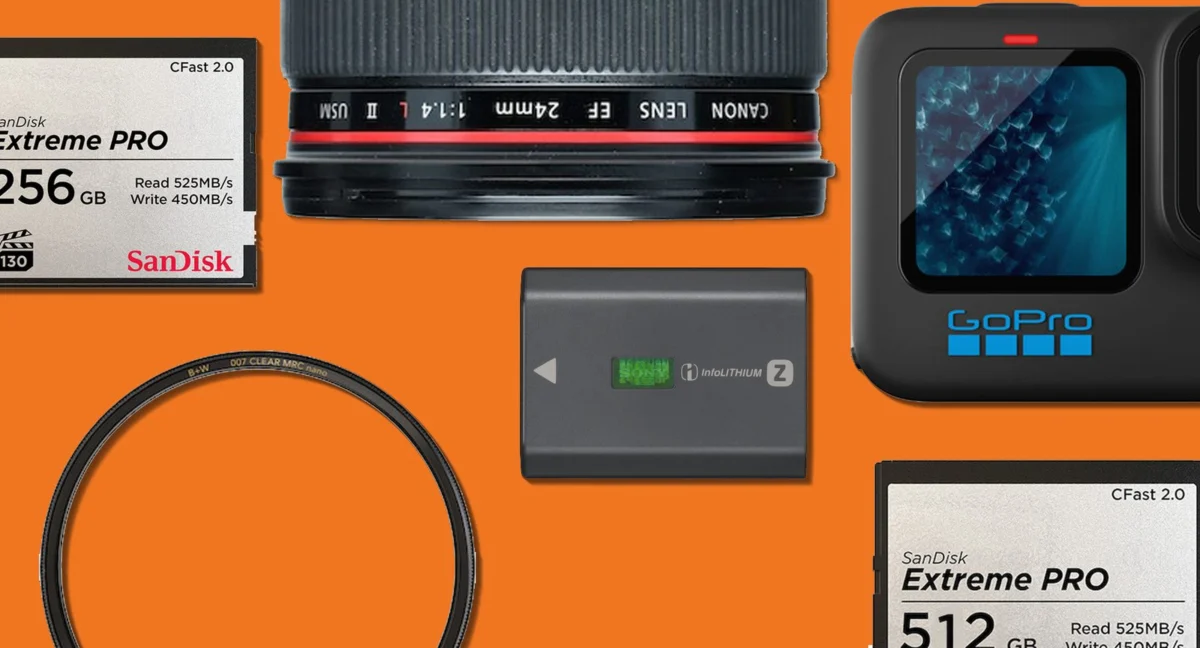
This sentiment was strikingly evident at Dream Con, a Houston convention focused on anime, gaming, cosplay, TV, and film, where Lensrentals.com actively engaged with its client base. What emerged from these interactions was a clear pattern: creators, irrespective of their budget, are chasing the same high-quality visual ambition seen in productions like One Piece. While they may not command Netflix’s financial resources, they share the same desire for professional-grade results. A key insight from Dream Con was that creators often prioritize owning their camera body, viewing it as a foundational element of their identity and workflow. However, what they consistently seek to rent is the accompanying professional-grade equipment: primarily high-quality glass (lenses), followed by streaming gear and other additive pieces that push a project’s production tier upwards. Nobody was asking to rent a camera body they could buy; instead, the focus was on the specialized lenses that truly unlock the camera’s potential and make it "worth owning."
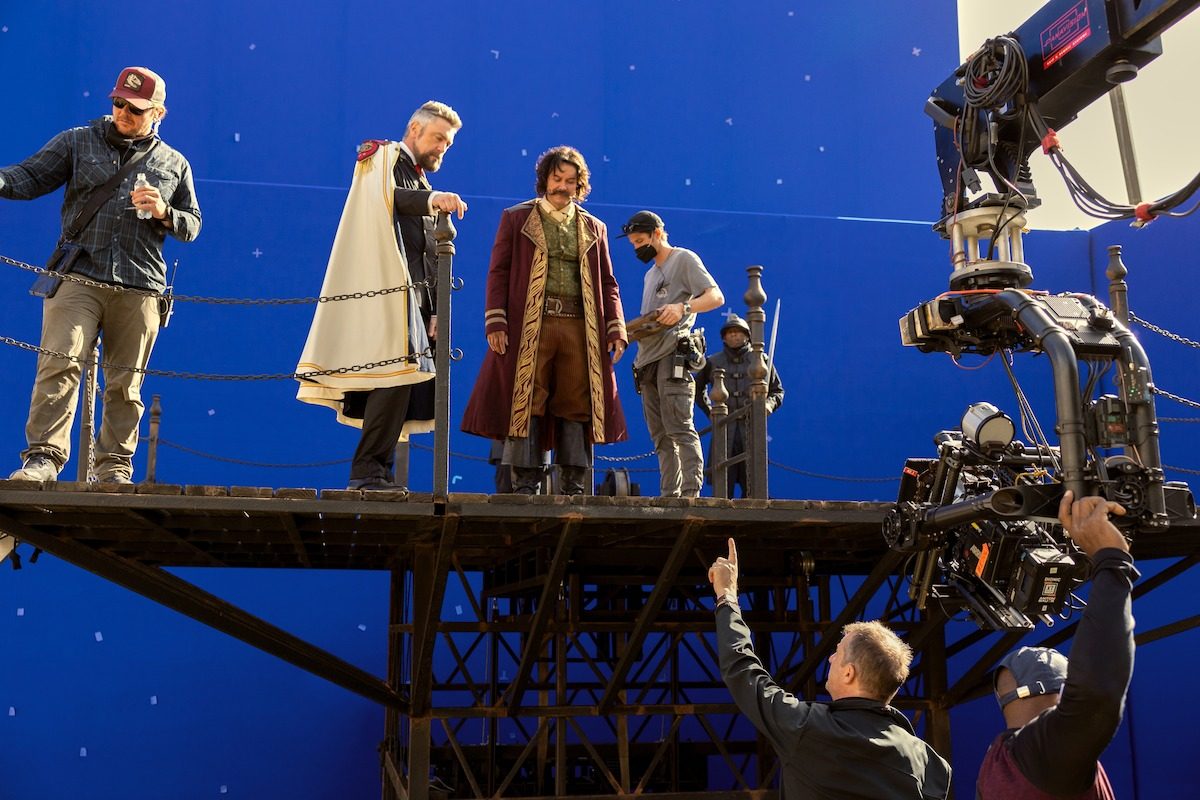
For those without Netflix’s budget, the technical prowess displayed in One Piece is surprisingly within reach. While Nicole Hirsch Whitaker’s custom Hawk lenses remain exclusive to the production, the core cinematic tools are widely available through rental services. The ARRI Alexa Mini LF, the very camera body used for One Piece, is accessible for rent, providing independent creators with the same foundational image quality. For aspiring cinematographers seeking the large-format anamorphic look, lines such as the Atlas Mercury Full-Frame 1.5x lenses offer the characteristic oval bokeh and barrel distortion that contribute to a distinct cinematic aesthetic. Alternatively, for a clean, spherical large-format image, options like the Zeiss Supreme Primes cover the 46.3mm image circle that Whitaker sought, delivering exceptional clarity and resolution.
A Shifting Landscape: Indie Success and the Power of Accessible Tools
The creative landscape is undergoing a profound transformation, driven by a new generation of artists demonstrating that groundbreaking projects don’t always require astronomical budgets. Kane Parsons, for instance, initially built the "Backrooms" as a web series in his teenage years. This concept was later developed into a feature film with a modest budget of approximately $10 million, which then grossed over $400 million worldwide, becoming A24’s biggest film in history. Similarly, Curry Barker’s film "Obsession," shot in just twenty days for $750,000, went on to clear half a billion dollars. These examples serve as powerful proof points: passionate creators, even with starting budgets that may closely mirror your own, can attract massive fan bases and achieve commercial success by focusing on compelling storytelling and high-quality execution.
This paradigm shift underscores the critical role of equipment accessibility. Rental services empower creators to utilize the same high-end tools employed by major studios, allowing them to translate their creative visions into visually stunning realities. Whether it’s exploring a full anamorphic lineup, from full-frame sets to kits compatible with existing camera systems, or accessing the professional-grade ARRI Alexa Mini LF, the resources are increasingly available. For independent filmmakers seeking to elevate their productions, investing in specialized lenses and professional accessories through rentals can be the strategic differentiator, bridging the gap between ambition and cinematic achievement. The success of Netflix’s One Piece serves not only as a testament to the enduring power of practical filmmaking but also as an inspiring blueprint for creators at every level, demonstrating that the pursuit of cinematic excellence is more attainable than ever before.