The Technical Necessity of Precision in Vehicle Graphics
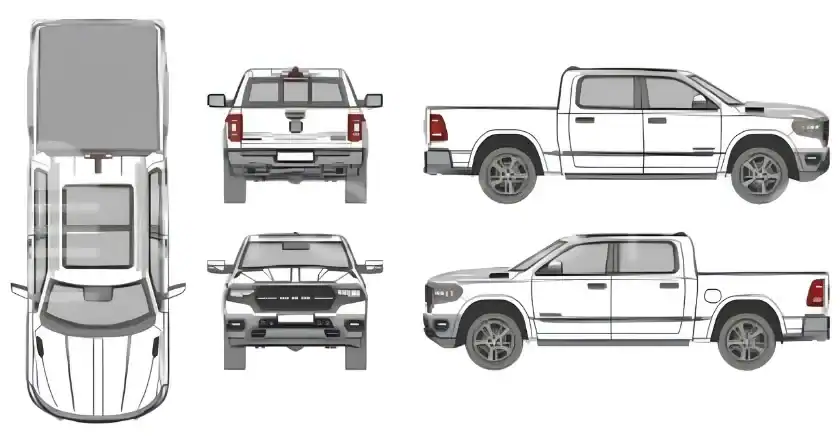
Designing graphics for a three-dimensional object using a two-dimensional interface presents unique geometric challenges. Traditional methods often relied on manual measurements and high-resolution photography, which frequently failed to account for the complex contours and recesses of modern automotive engineering. A standard photograph, while useful for conceptualization, suffers from lens distortion and lacks the mathematical precision required for print-ready production.
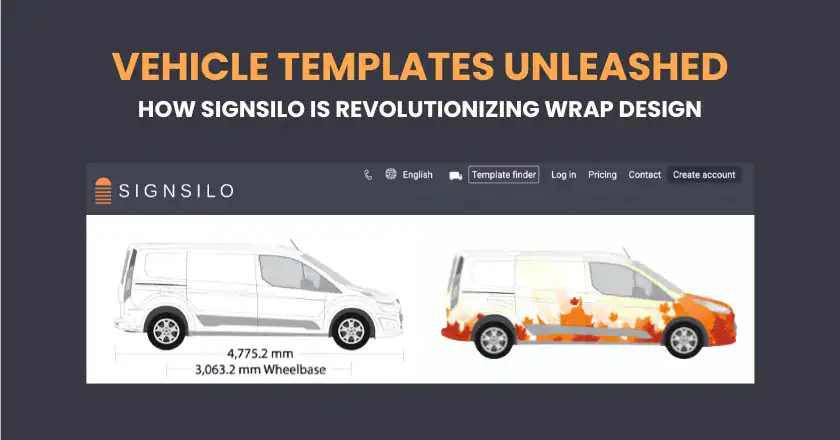
SignSilo addresses this by providing vector-based outlines. Unlike raster images, vector graphics are composed of paths defined by mathematical equations, allowing them to be scaled infinitely without losing clarity. These templates include critical details such as fuel doors, door handles, light fixtures, and body molding. When a designer utilizes a 1:10 scale template, they are working within a framework where every millimeter on the screen corresponds exactly to ten millimeters on the actual vehicle. This level of accuracy ensures that branding elements do not get "lost" in a wheel well or awkwardly bisected by a door seam during the installation phase.
The Evolution of Wrap Design: A Chronological Perspective
The methodology of vehicle branding has undergone a radical transformation over the last four decades. Understanding the current impact of SignSilo requires a look at the historical progression of the trade:
- The Hand-Painting Era (Pre-1980s): Sign painting was a manual craft. Artisans used mahl sticks and enamel paints to apply lettering directly to vehicle panels. Accuracy depended entirely on the steady hand of the painter, and errors required a complete strip-and-repaint process.
- The Rise of Plotter-Cut Vinyl (1980s–1990s): The introduction of computer-aided design (CAD) and vinyl cutters allowed for more consistent lettering. However, designs were largely restricted to solid colors and simple shapes. Templates were rudimentary, often consisting of hand-drawn sketches transferred to digital formats.
- The Digital Print Revolution (2000s): Wide-format inkjet printers enabled full-color photographic wraps. This increased the complexity of designs exponentially. The industry saw the first wave of digital vehicle templates, though many were inconsistent in quality and lacked the comprehensive coverage of newer models.
- The Integrated Platform Era (2015–Present): Platforms like SignSilo have consolidated the design process. No longer do shops need to purchase individual templates for $50 to $100 per vehicle. Instead, subscription-based models provide instant access to thousands of models, updated in real-time as manufacturers release new vehicle generations.
Economic Impact and Material Efficiency
In the professional wrapping industry, the cost of high-performance cast vinyl can range from $15 to $25 per linear yard. A full wrap for a large commercial van like a Ford Transit or a Mercedes-Benz Sprinter can require upwards of 20 to 30 yards of material. When labor costs for printing, laminating, weeding, and installation are factored in, a failed wrap due to a design misalignment can cost a business between $1,500 and $3,500 in immediate losses.
Data from industry workshops suggests that shops utilizing high-precision templates like those provided by SignSilo report a 30% reduction in material waste. By accurately visualizing the "safe zones" and "bleed areas" on a 1:10 scale template, designers can nest their print files more efficiently. Furthermore, the ability to present a "perfect-fit" digital proof to a client reduces the number of revision cycles, accelerating the transition from the design phase to the production floor.

The SignSilo Ecosystem: Beyond the Blueprint
While vehicle templates are the cornerstone of the platform, SignSilo’s impact on the industry is bolstered by its integrated media library. Modern wrap design is rarely just about the vehicle’s shape; it involves complex textures, high-resolution imagery, and bespoke typography.
The platform provides:
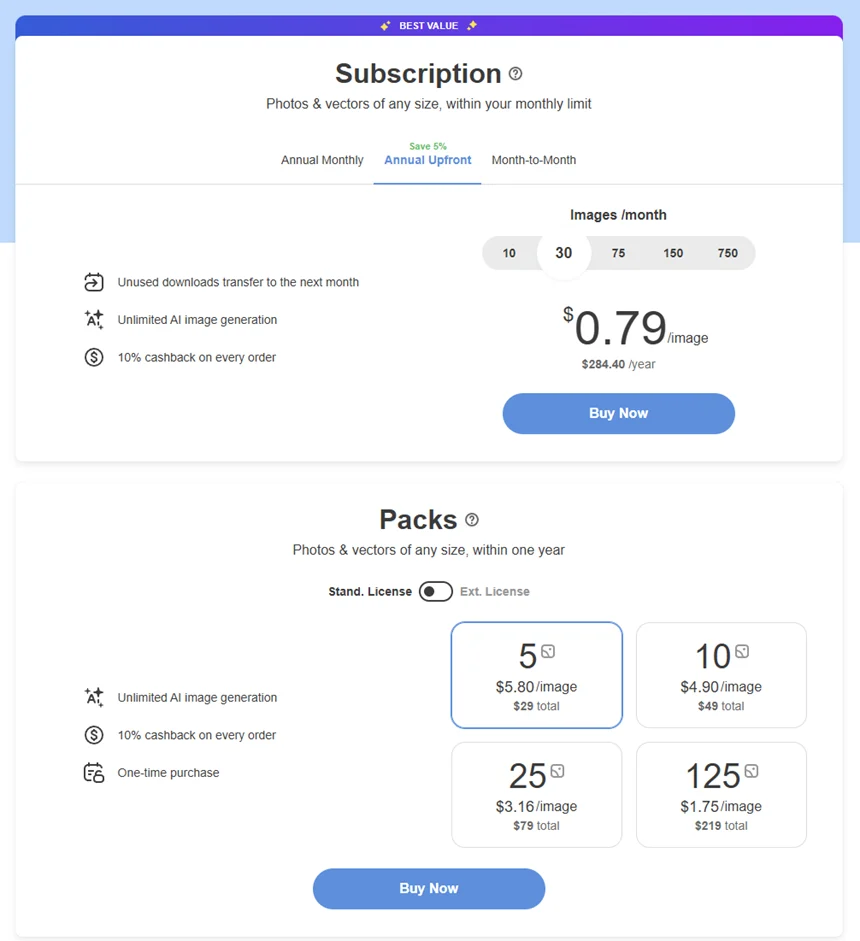
- High-Resolution Stock Photography: Specifically curated for large-scale environmental graphics, ensuring that images do not pixelate when enlarged to cover a box truck.
- Vector Graphics and Wraps: Ready-made patterns, including carbon fiber, camouflage, and geometric gradients, which can be manipulated within the template.
- Specialized Fonts: Typography designed for legibility at high speeds and varying distances.
- Wrap Textures: Digital overlays that simulate the look of metallic, matte, or satin finishes, allowing designers to provide clients with a realistic preview of the final product.
This holistic approach allows a sign shop to function as a full-service creative agency without the overhead of maintaining multiple high-cost stock photography subscriptions.
Industry Reactions and Professional Adoption
Feedback from the print and sign-making community indicates that the democratization of high-quality templates is leveling the playing field between small independent shops and large-scale franchise operations. "The primary barrier to entry for high-end vehicle wraps was always the technical accuracy of the setup," notes one industry analyst. "By providing a centralized, affordable repository of vehicle blueprints, SignSilo has shifted the competitive focus from who has the best measurements to who has the best creative vision."
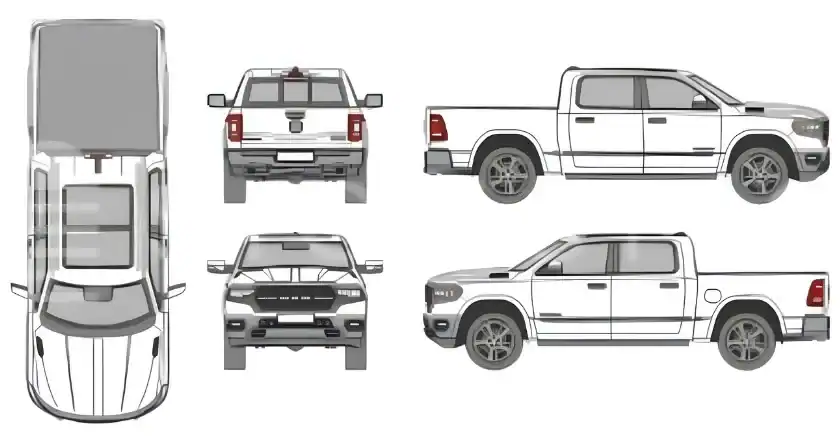
Designers have specifically praised the "five-view" standard adopted by SignSilo, which includes the front, rear, driver side, passenger side, and roof views. In fleet branding, the roof view is often overlooked but is critical for vehicles operating in urban environments where they are frequently viewed from high-rise buildings. Having a standardized template for this perspective ensures brand consistency across the entire vehicle surface.
Broader Implications for Fleet Management and Branding
For corporations managing hundreds or thousands of vehicles, brand consistency is a logistical challenge. A fleet may consist of various vehicle types—sedans for sales teams, vans for technicians, and heavy-duty trucks for logistics. SignSilo’s extensive library allows brand managers to adapt a single visual identity across diverse vehicle geometries while maintaining a unified look.
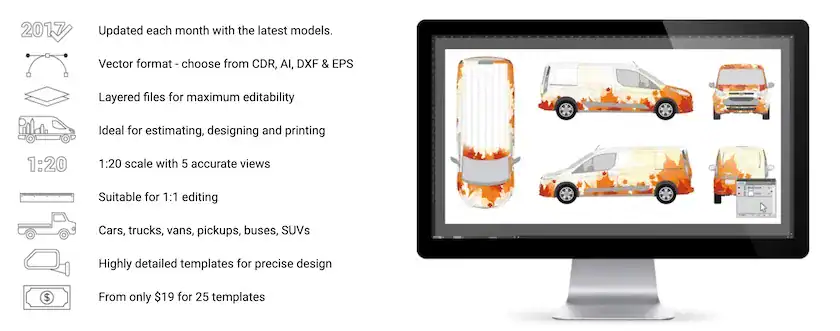
Furthermore, the "unleashing" of these templates facilitates better communication between the client and the installer. When a client approves a design on a SignSilo template, they are approving a mathematically accurate representation. This serves as a "visual contract," significantly reducing disputes regarding the placement of logos or contact information relative to the vehicle’s physical features.
Future Outlook: AI and 3D Integration
As the industry moves forward, the role of platforms like SignSilo is expected to evolve alongside emerging technologies. The integration of Augmented Reality (AR) is already beginning to take root, where a client can view a 3D model of their wrapped vehicle through a smartphone before a single inch of vinyl is printed.
SignSilo’s commitment to updating its library with the latest electric vehicles (EVs) and autonomous delivery pods ensures its relevance in a changing automotive landscape. As vehicle designs become more aerodynamic and complex—featuring fewer flat surfaces and more integrated sensors—the necessity for precision-engineered templates will only intensify.

In conclusion, SignSilo is not merely a provider of digital files; it is an infrastructure for the modern sign-making industry. By solving the fundamental problem of spatial accuracy, it has unleashed a new era of creativity and efficiency in vehicle wrap design. For the professional designer, these templates represent the difference between a project that is merely "good enough" and one that achieves a flawless, factory-finish aesthetic. As the vehicle wrap market continues its aggressive growth, the reliance on high-precision, vector-based design assets will remain a defining characteristic of successful print and sign operations.