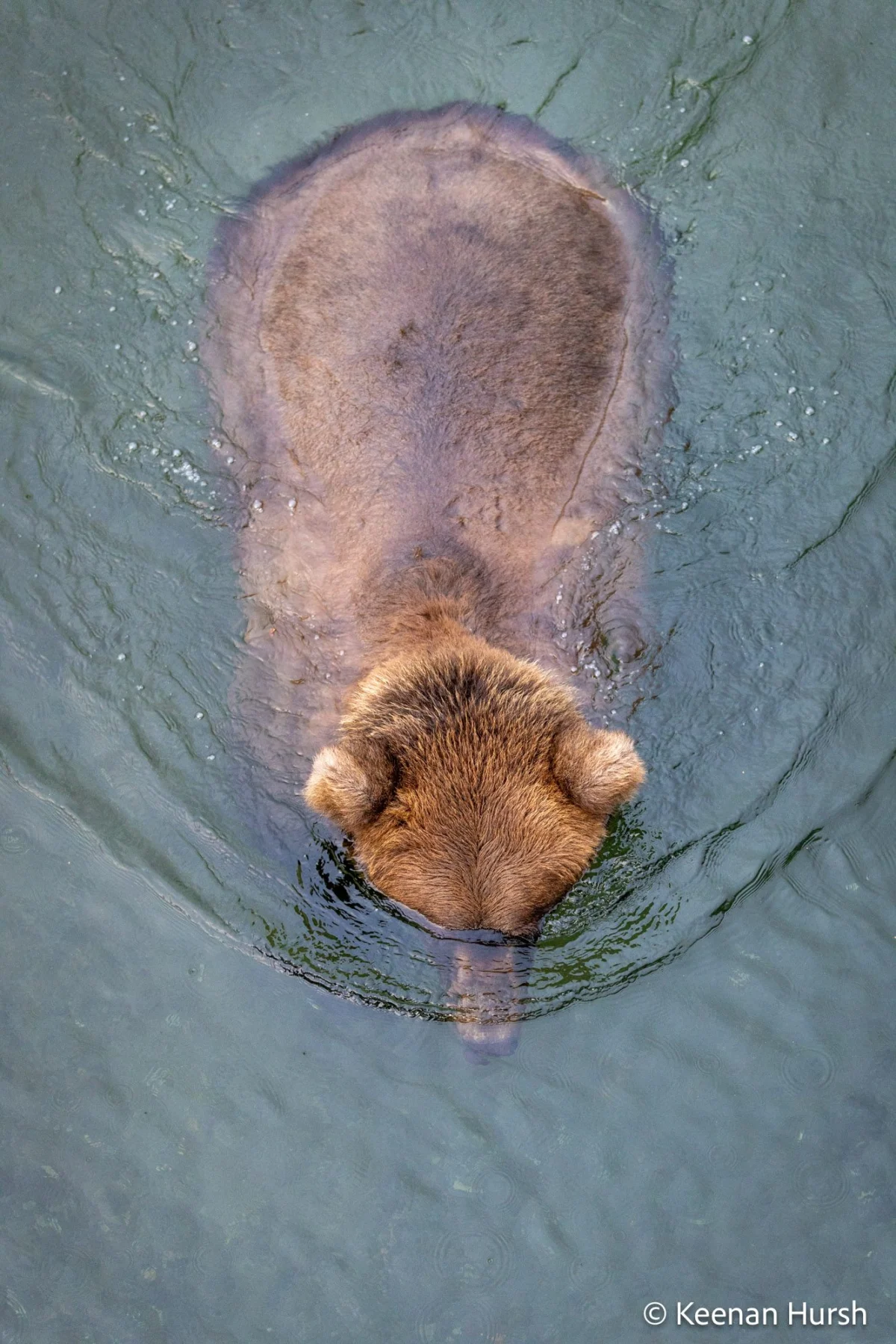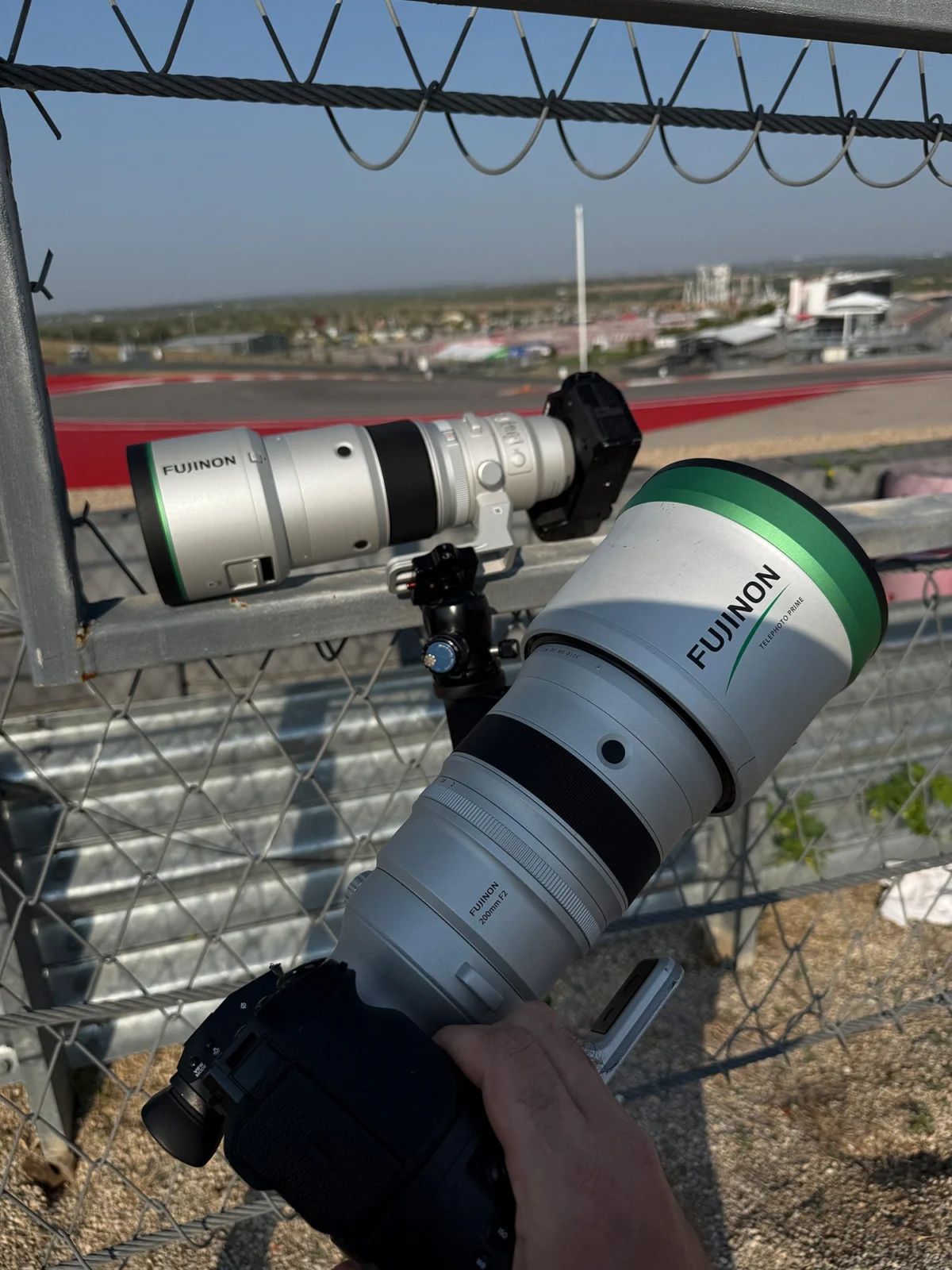
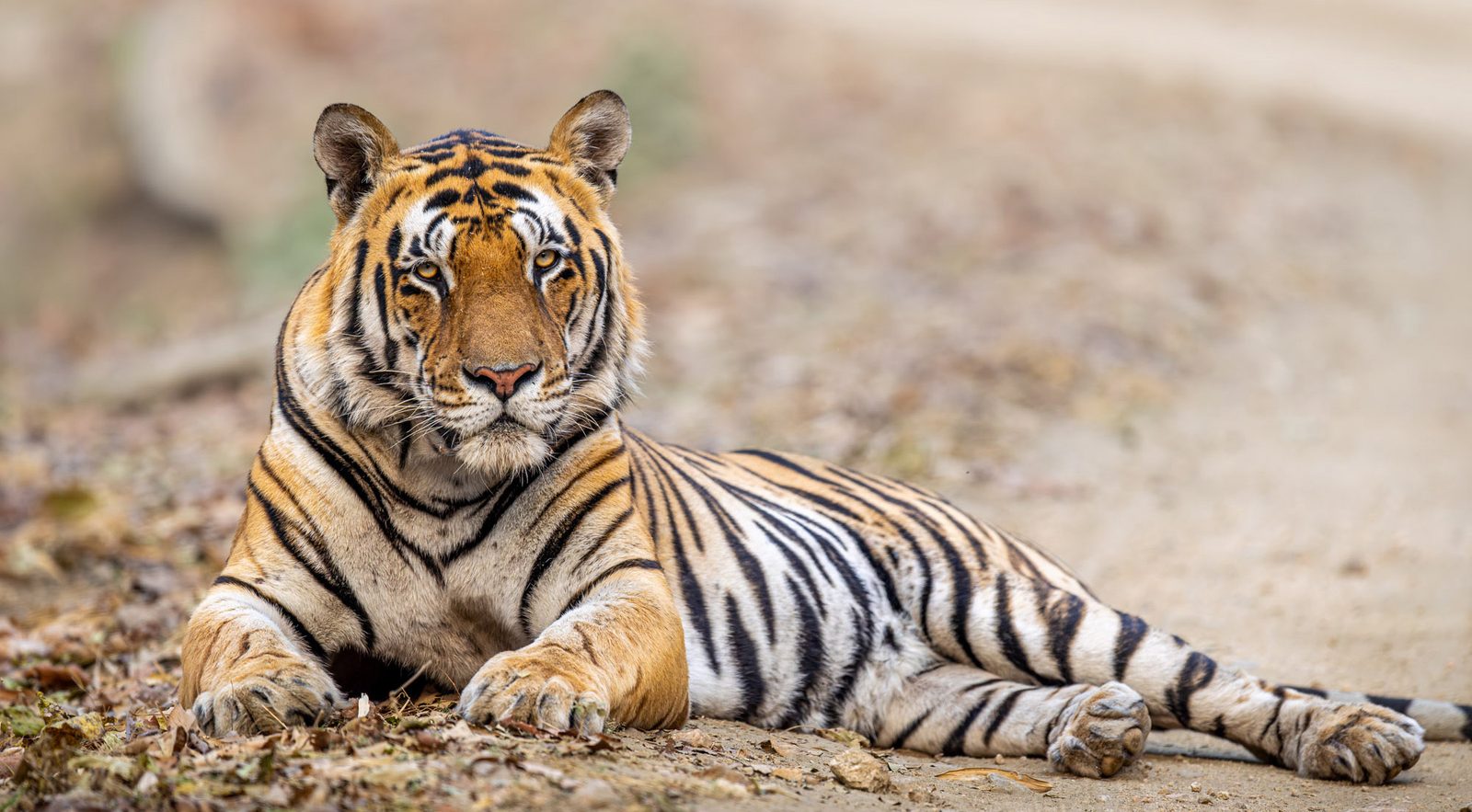
The evolution of camera technology has fundamentally reshaped the landscape of wildlife photography, transforming it into an art form increasingly reliant on advanced capabilities. This progress was recently underscored during a professional wildlife photography workshop in India, where seasoned nature photographer and guide Keenan Hursh conducted a real-world, side-by-side comparison of Canon’s prominent mirrorless cameras: the EOS R5 and its successor, the EOS R5 Mark II. The expedition, focused on capturing Bengal tigers and other indigenous species in their natural habitats, provided an unparalleled setting for evaluating the practical performance distinctions between these two highly regarded bodies.
The Technological Leap in Wildlife Photography
Over the past two decades, photographic equipment has undergone a dramatic transformation, with mirrorless camera systems leading the charge. For wildlife photographers, these advancements are particularly impactful. Key innovations include massively improved autofocus (AF) capabilities, superior low-light performance, increased burst speeds essential for capturing fleeting moments, and the introduction of groundbreaking features like pre-capture technology, electronic viewfinders (EVFs), and stacked sensors. These technological leaps have made it possible to achieve images that were once considered unfeasible, drastically expanding the creative and documentary potential for professionals and enthusiasts alike.
Keenan Hursh, a professional nature photographer, guide, and writer affiliated with Backcountry Journeys, regularly experiences these technological improvements firsthand. His career demands gear that can withstand diverse and often challenging environmental conditions while delivering uncompromising performance. The perceived "staggering" difference between his initial setup and his current arsenal highlights a broader industry trend where rapid innovation dictates the benchmarks for photographic excellence. This continuous improvement, particularly evident in the mirrorless segment, prompted Hursh’s decision to critically assess the upgrades offered by the Canon EOS R5 Mark II against his long-trusted EOS R5 bodies.
Expedition to India’s Tiger Sanctuaries: Bandhavgarh and Kanha
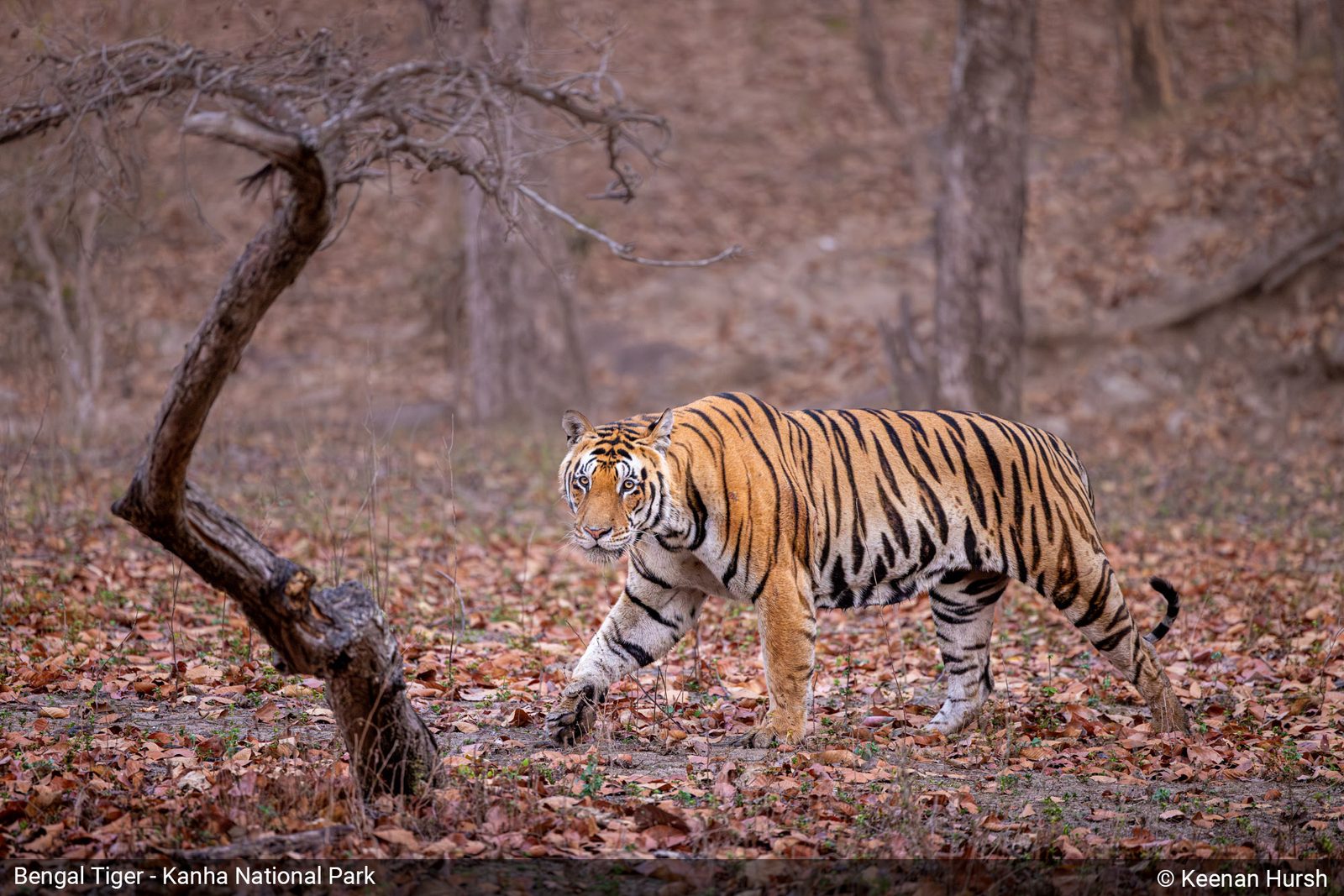
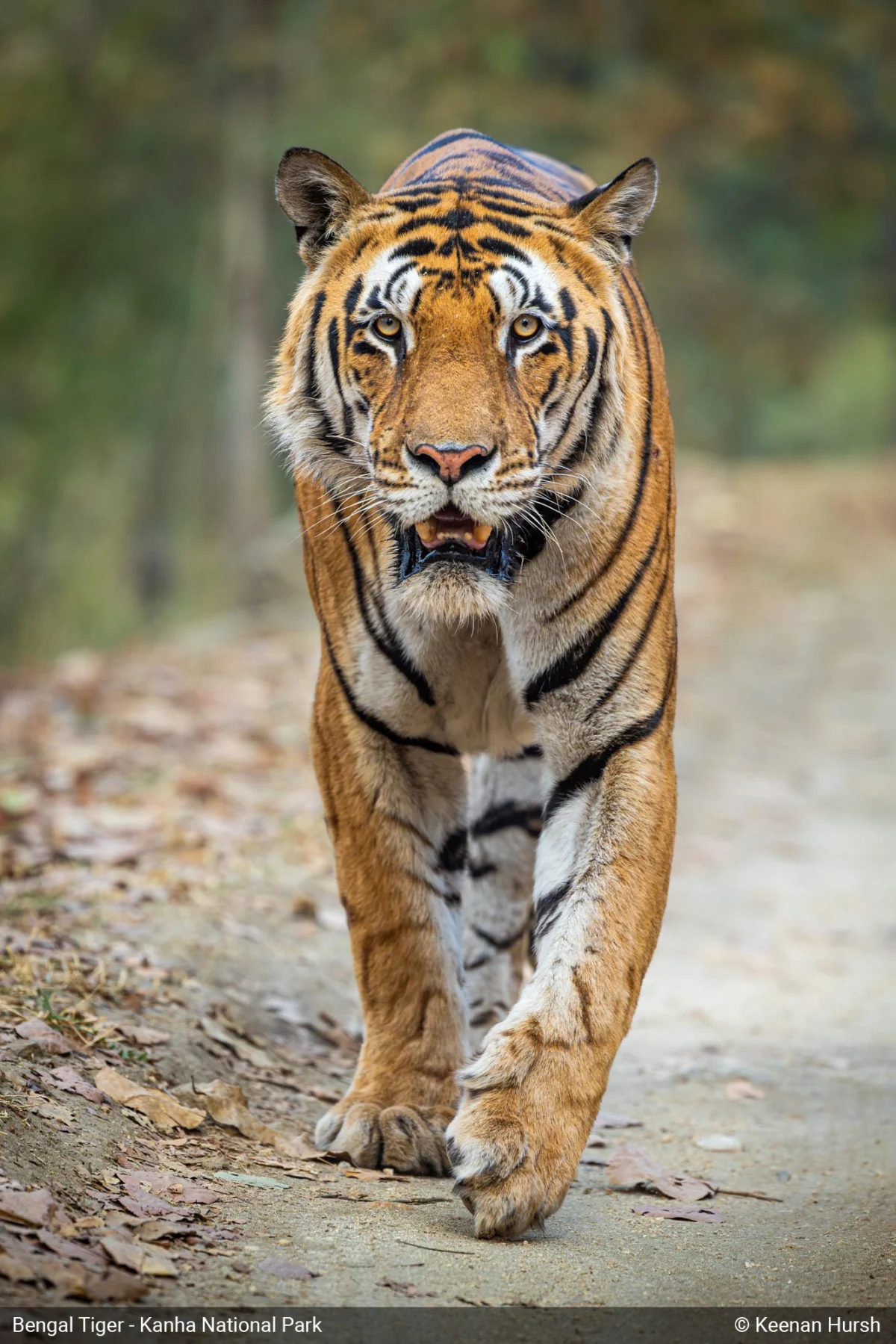
The stage for this rigorous field test was set across a 10-day "Tiger Safari" workshop, led by Hursh, through two of India’s most renowned tiger reserves: Bandhavgarh and Kanha National Parks. Located in Madhya Pradesh, these parks are celebrated for their high density of Bengal tigers and rich biodiversity, offering exceptional opportunities for wildlife photography. The journey commenced with the group’s arrival in Delhi, followed by travel to Bandhavgarh, situated northeast of Jabalpur. After several days of intensive safari drives, the expedition transitioned six hours south to Kanha National Park.
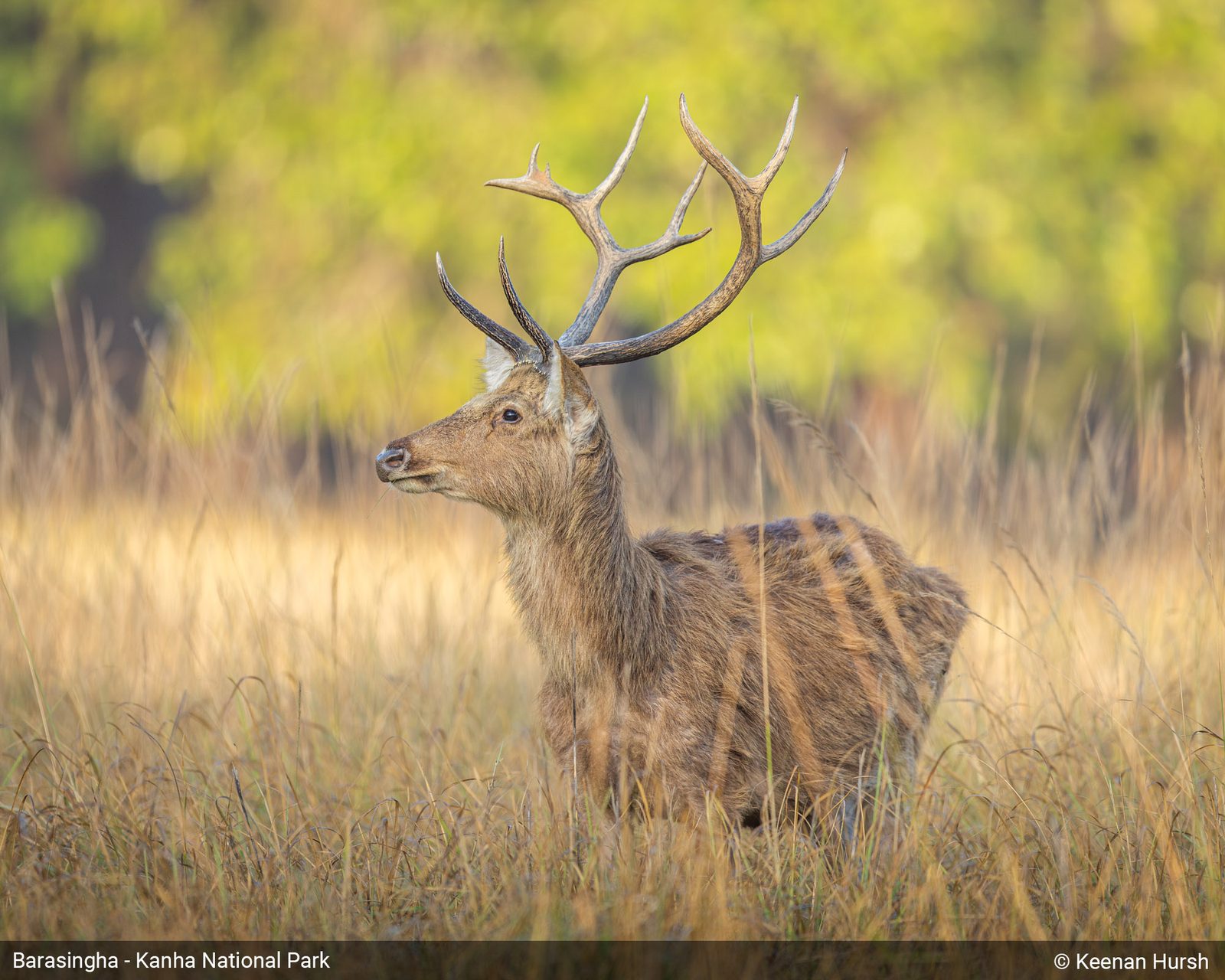
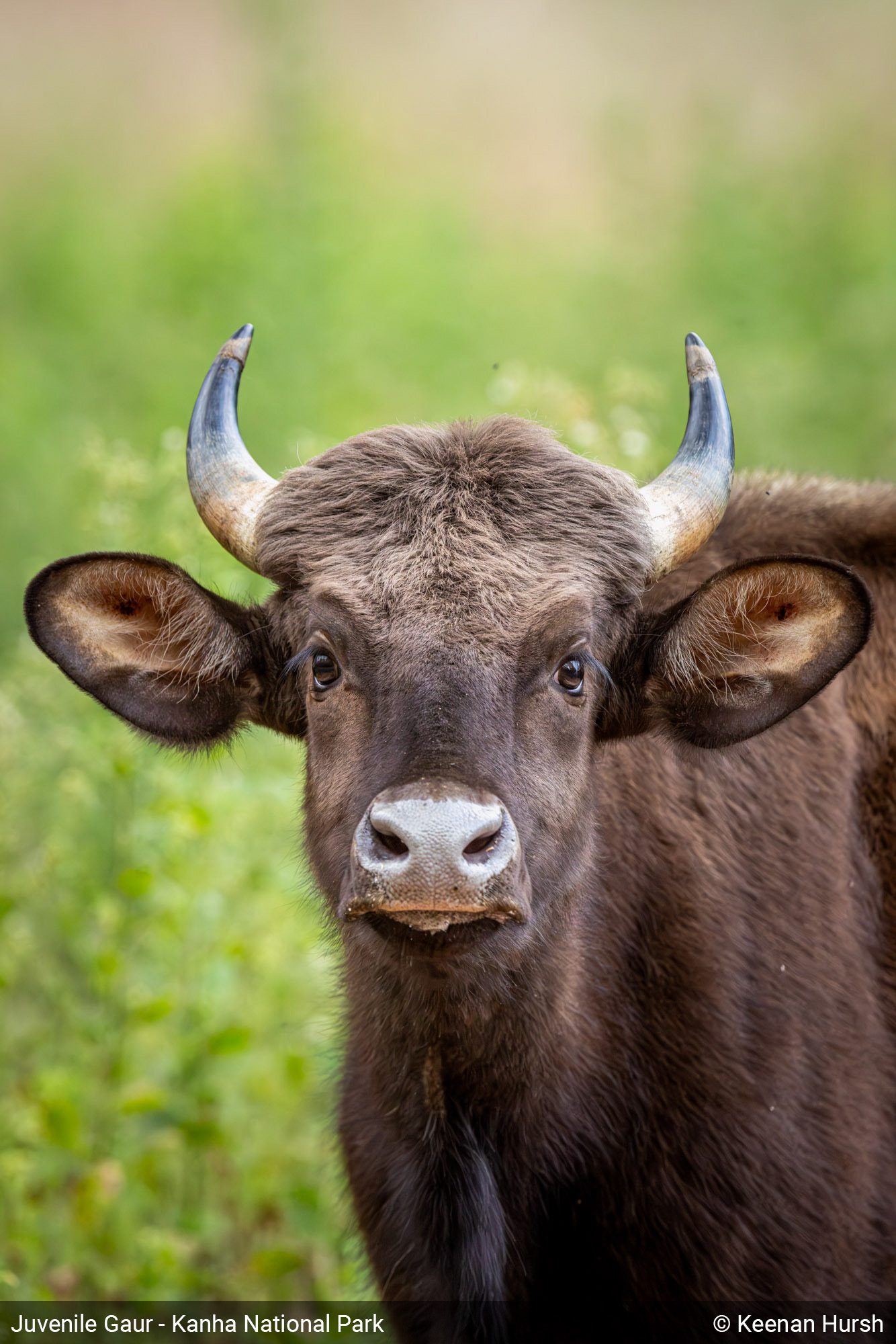
Each park presented unique photographic challenges and opportunities. Bandhavgarh is known for its dramatic landscapes and relatively higher tiger sighting probability, while Kanha boasts diverse ecosystems, including sal forests and vast grasslands, supporting a wide array of wildlife. Throughout the workshop, participants enjoyed remarkable success, observing 15 individual tigers—surpassing initial expectations—alongside numerous other mammal and bird species. For Hursh, this trip represented a lifelong aspiration, fulfilling a dream of documenting India’s iconic wildlife. The immersive experience allowed him to encounter over 25 new species within the first day, underscoring the ecological richness of these protected areas. Such expeditions are not only pivotal for photographers seeking iconic shots but also contribute to raising awareness for conservation efforts.
The Canon EOS R5: A Benchmark in Mirrorless Performance
Prior to the R5 Mark II’s release, the original Canon EOS R5 had established itself as a formidable tool in professional wildlife photography. Launched approximately six years ago, it represented a significant leap from traditional DSLR systems, quickly becoming a staple for many photographers, including Hursh, who acquired two bodies. Its enduring appeal lies in a robust feature set tailored for demanding scenarios.
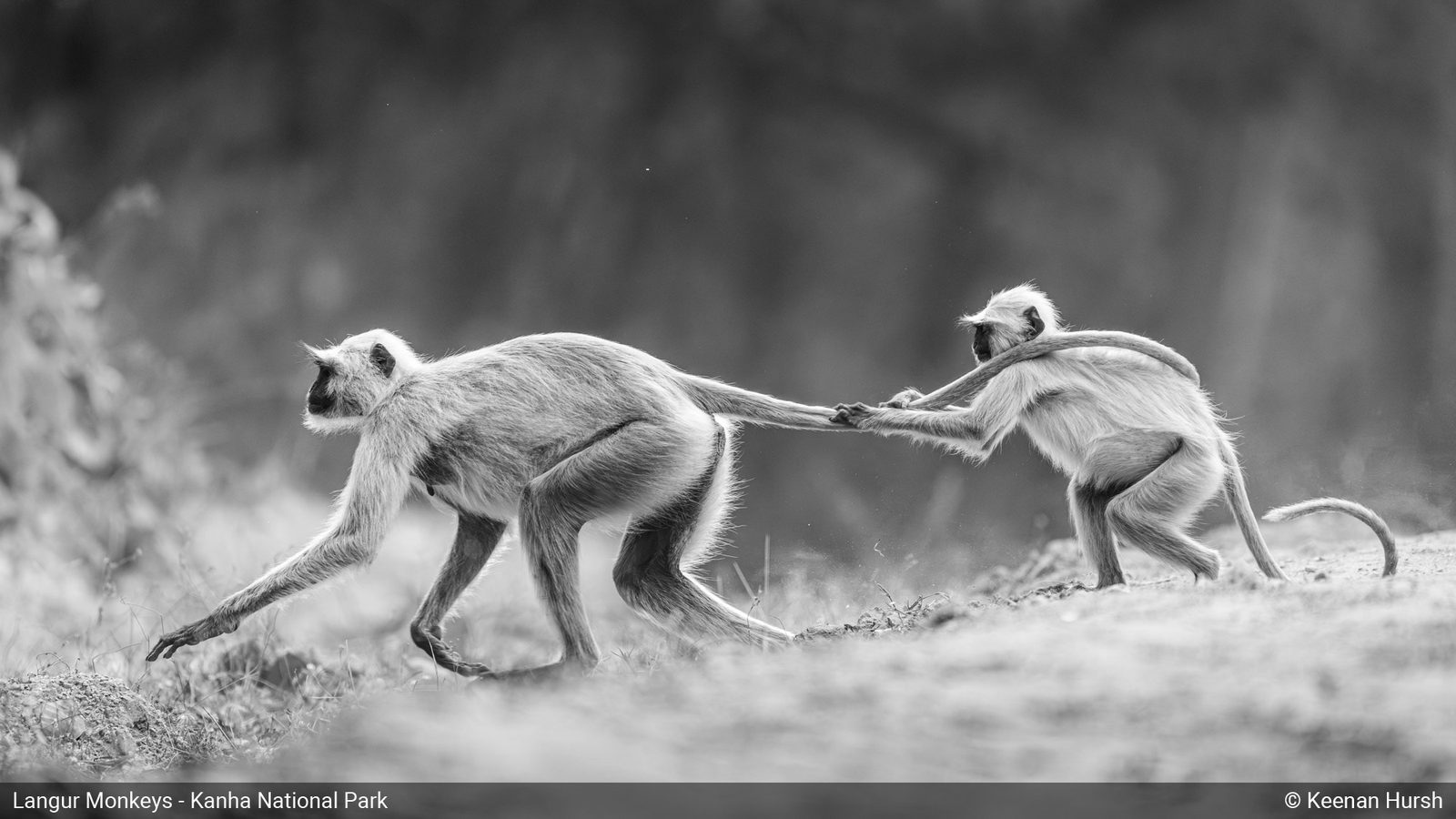
Key specifications and observed strengths of the Canon EOS R5 include:
- Sensor: A high-resolution 45-megapixel full-frame sensor, delivering exceptional detail and cropping flexibility.
- Autofocus: Solid AI-assisted autofocus capabilities with capable and accurate subject and eye detection, crucial for tracking unpredictable wildlife.
- Burst Speed: A respectable maximum burst rate of 20 frames per second (fps) with the electronic shutter, allowing photographers to capture sequences of fast-moving subjects.
- Low Light Performance: Good performance at high ISO values, enabling shooting in challenging light conditions often encountered during dawn or dusk safaris.
- Image Stabilization: Excellent In-Body Image Stabilization (IBIS), providing up to 8 stops of shake correction when paired with certain RF lenses, vital for sharp images at long focal lengths.
- Durability: A magnesium alloy body with quality weather sealing, ensuring reliability in varied environmental conditions, from scorching deserts to humid coastlines and sub-zero temperatures.
Despite its strong performance, Hursh identified a few operational aspects that, while minor, could impact efficiency in fast-paced wildlife scenarios. The process of switching between photo and video modes was noted as cumbersome in its default configuration. Furthermore, when utilizing the electronic shutter, the lack of auditory feedback coupled with blackout moments in the electronic viewfinder (EVF) meant photographers weren’t continuously aware of image capture or real-time action, a potential drawback when milliseconds matter. While its autofocus was generally effective, occasional "jumpiness" or failure to consistently identify subjects or eyes left room for improvement in high-pressure situations.
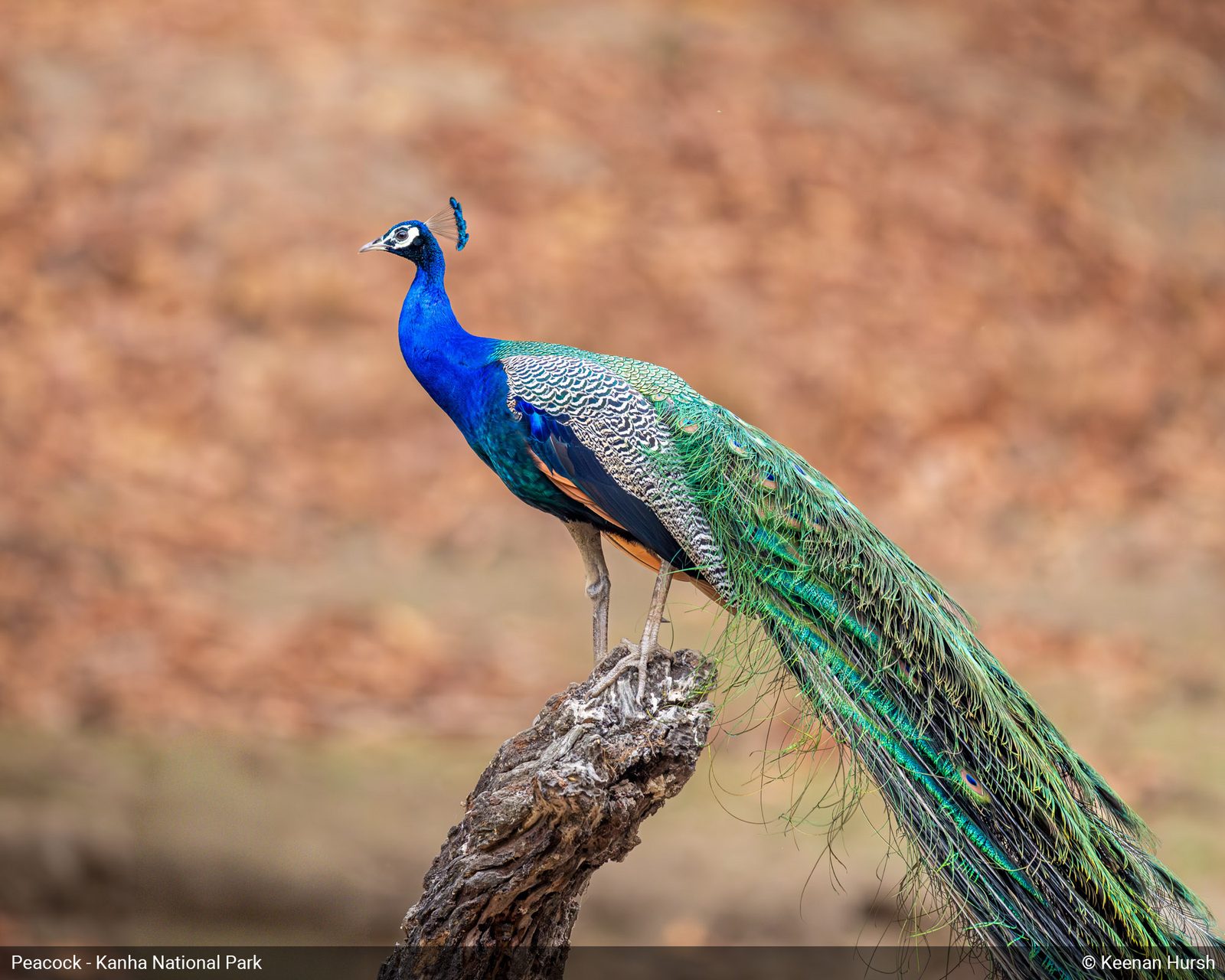
The Canon EOS R5 Mark II: Refining Excellence
The introduction of the Canon EOS R5 Mark II sparked considerable interest, prompting Hursh to rent a unit from Lensrentals.com for his India expedition, specifically to conduct a direct field comparison against his R5 bodies. While his initial research suggested minimal upgrades that might not justify the cost or the need for new batteries, real-world testing quickly revealed substantial enhancements, particularly beneficial for wildlife photographers.
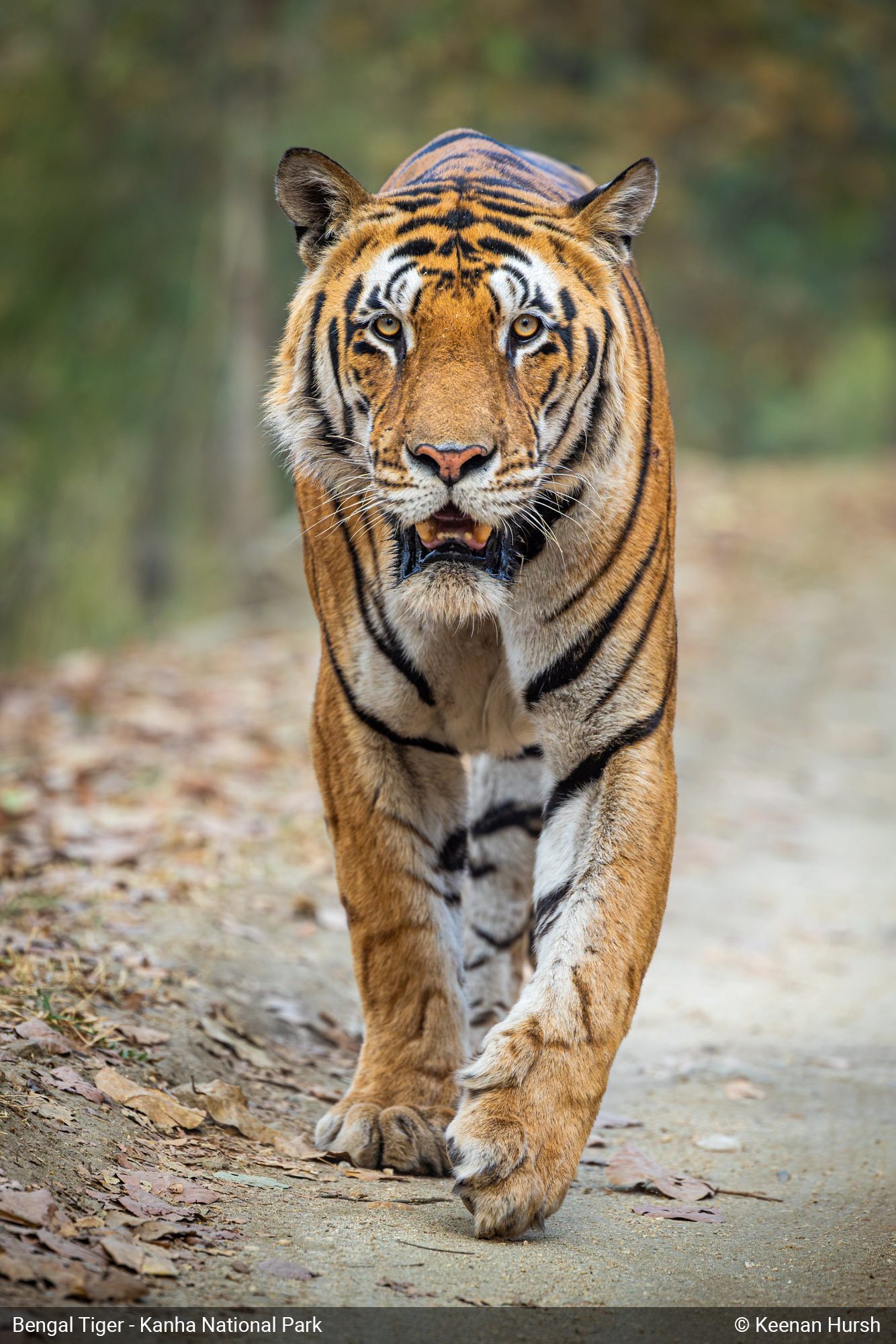
The EOS R5 Mark II retains the core strengths of its predecessor, including the 45MP resolution, exceptional IBIS, high-quality EVF and LCD, and robust weather-sealed magnesium alloy construction. However, it introduces several critical improvements:
- Enhanced Autofocus System: The most significant and appreciated upgrade, according to Hursh’s findings. The R5 Mark II’s AF system demonstrates superior speed, accuracy, reliability, and smoothness. It excels at acquiring and maintaining focus on subjects, with improved ability to switch between multiple identified targets and significantly reduced "jumpiness" compared to the R5. This translates to a higher keeper rate for challenging wildlife action.
- Pre-Capture Feature: A "game-changer" for specific scenarios, this feature allows the camera to record images before the shutter button is fully pressed, enabling photographers to capture events that would otherwise be impossible, such as a bird taking flight.
- Dedicated Photo/Video Switch: Addressing a minor but persistent complaint, the R5 Mark II features a dedicated physical switch for transitioning between photo and video modes, streamlining workflow, especially for hybrid shooters.
- Stacked Sensor Technology: While maintaining the same resolution, the integration of a brand-new stacked sensor brings several advantages, particularly when using the electronic shutter:
- Increased Burst Speed: The R5 Mark II achieves an impressive 30 fps, a significant leap from the R5’s 20 fps, providing more frames for critical moments.
- 14-bit RAW Files with Electronic Shutter: Unlike the R5, which compressed RAW files to 12-bit when using the electronic shutter, the Mark II maintains 14-bit RAW quality, preserving dynamic range and color depth.
- Blackout-Free EVF: The stacked sensor enables a continuous, blackout-free viewing experience through the EVF during high-speed shooting, offering a much more natural and immersive feel.
- Reduced Rolling Shutter: The stacked design inherently mitigates rolling shutter effects, which can distort fast-moving subjects.
- Auditory Feedback for Electronic Shutter: The option to enable an audible noise when using the electronic shutter provides reassuring feedback, addressing a minor annoyance from the silent operation of the original R5.
Despite these substantial upgrades, Hursh noted a few minor points of contention. The primary concern revolved around battery compatibility; the R5 Mark II necessitates new, more powerful batteries to access its full capabilities, rendering existing R5 batteries less effective. This represents an additional investment for current R5 owners considering an upgrade. Additionally, a marginal decrease in low-light performance was observed, with the Mark II introducing slightly more noise at equivalent ISO values compared to the R5. This is a common trade-off associated with stacked sensor designs, where increased speed and readout performance can sometimes slightly compromise noise characteristics. However, Hursh deemed this a "small price" for the overall benefits.
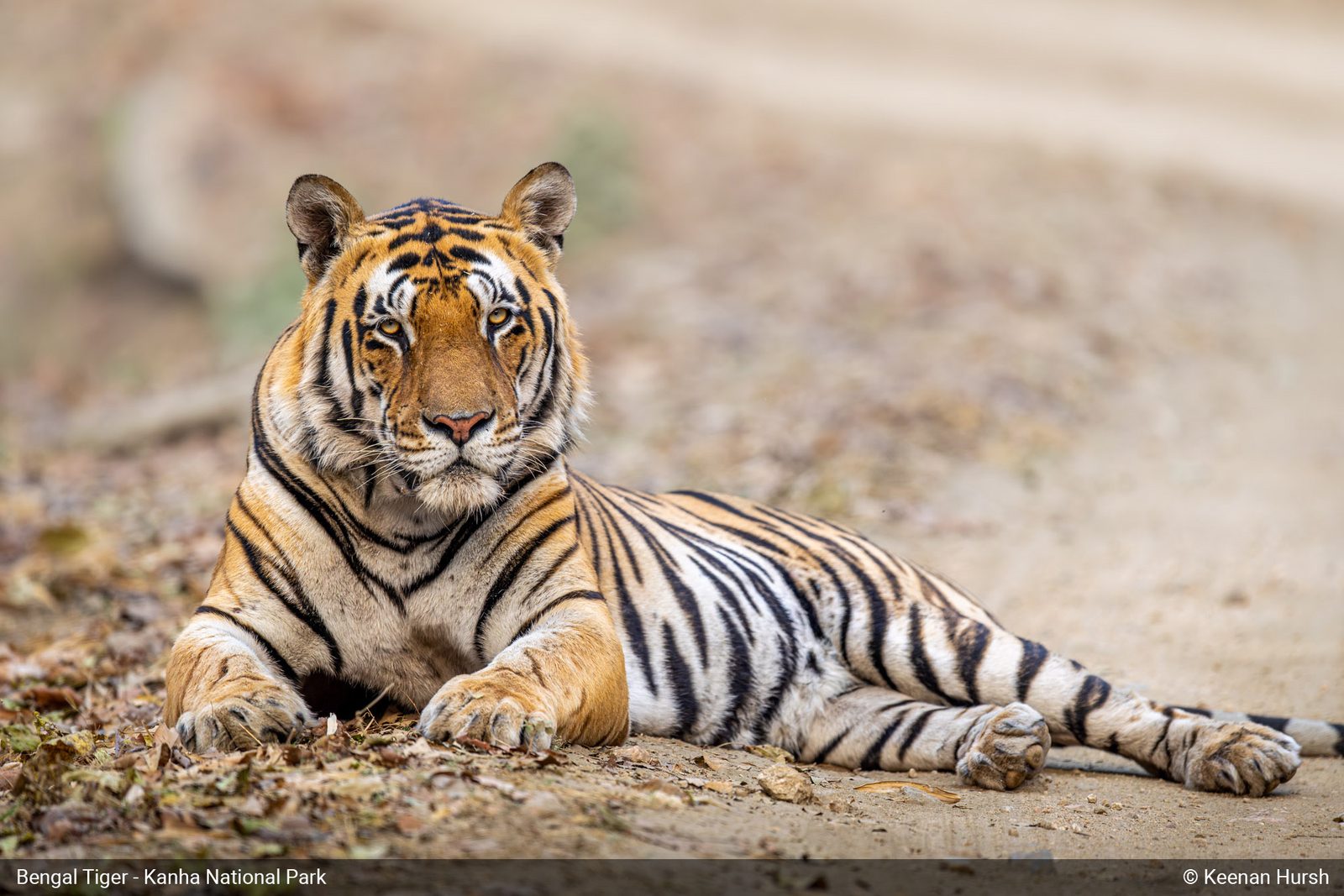
Implications for Professional and Enthusiast Photographers
The head-to-head comparison in the demanding environment of an Indian tiger safari led to clear takeaways regarding the suitability of each camera for different users. The Canon EOS R5 Mark II is unequivocally a superior camera, particularly for specialized applications like wildlife and sports photography, where instantaneous response, precise tracking, and high-speed capture are paramount. For professionals like Hursh, who constantly operate at the cutting edge of their craft and prioritize every possible advantage, the Mark II’s enhanced autofocus and stacked sensor benefits justify the additional investment, which, at the time of writing, stood at approximately $1,000 more than the original R5.
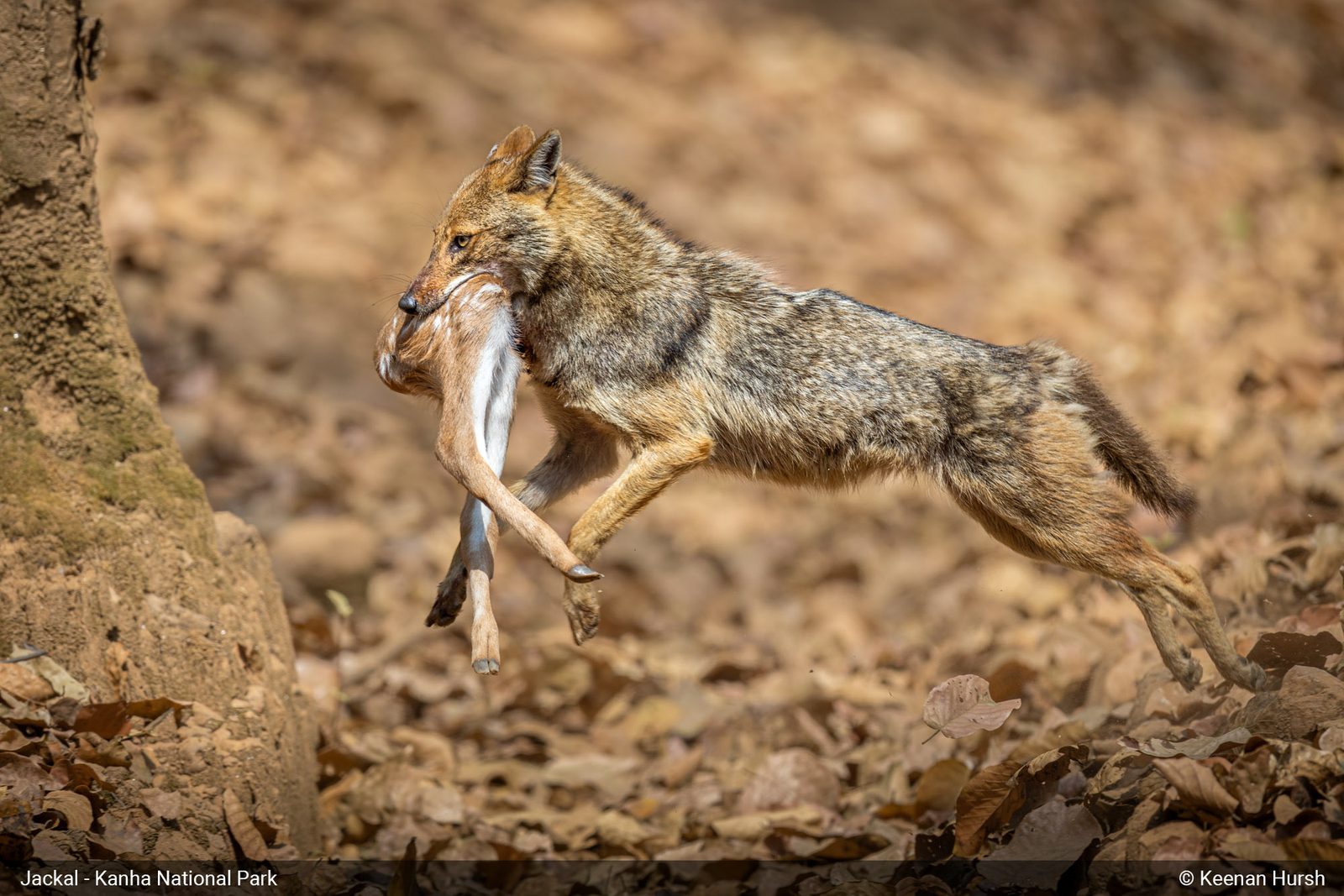
However, for photographers whose primary focus lies outside of fast-moving subjects—such as landscape photographers, or those operating under tighter budget constraints—the original Canon EOS R5 remains an exceptionally capable and cost-effective choice. Its 45MP sensor, robust build, and strong overall performance continue to deliver professional-grade results. The decision to upgrade or invest in the Mark II largely hinges on the specific demands of one’s photographic pursuits and budget considerations.
Broader Impact of Technology on Wildlife Documentation
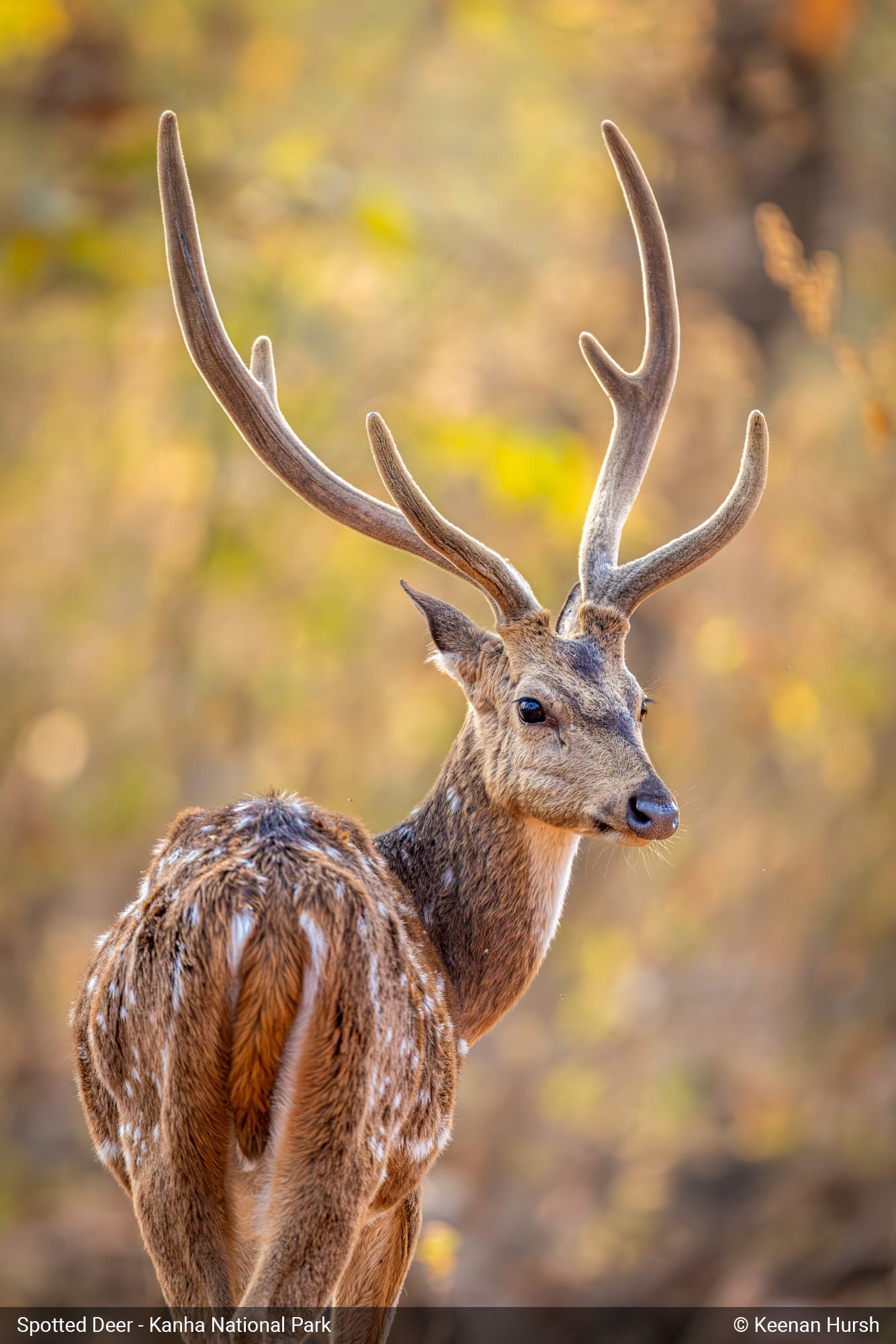
Beyond the technical specifications, the continuous advancement of camera technology, as exemplified by the R5 Mark II, holds significant implications for wildlife conservation and scientific documentation. The ability to capture sharper images of elusive species, document intricate behaviors at high frame rates, and operate effectively in challenging conditions contributes valuable data for researchers and conservationists. Photographs taken with such advanced gear not only serve as artistic expressions but also as powerful tools for advocacy, raising public awareness about endangered species and critical habitats. Workshops like the one led by Keenan Hursh also play a role in sustainable tourism, providing economic incentives for local communities to protect their natural heritage.
The experience of testing these cameras in the wild reinforces the idea that while technology is a critical enabler, it complements, rather than replaces, the photographer’s skill, knowledge, and patience. The combination of meticulous planning, deep understanding of wildlife behavior, and state-of-the-art equipment is what ultimately culminates in capturing that "dream shot." For those deliberating between the Canon EOS R5 and R5 Mark II, the consensus from field testing suggests that while both are outstanding, the Mark II offers refined performance that can make a tangible difference in the most challenging wildlife photography scenarios. Renting either camera for a real-world trial is highly recommended to inform a purchase decision, providing practical insights beyond any technical review.