As the industry pivots from a period of introspective analysis of past performance, such as the comprehensive review of rental and purchase data shared by LensRentals.com for 2025, the focus invariably shifts to the horizon. January traditionally marks this forward-looking posture, setting ambitious goals for the year ahead. For the professional and enthusiast communities in photography and videography, 2026 is poised to be a year of significant evolution, building on the technological advancements introduced over the past two years. This outlook, informed by market trends and a deep understanding of equipment utility, identifies five critical areas anticipated to see substantial growth and innovation, promising to enhance creative capabilities and streamline professional workflows.
The Expanding Horizon for Third-Party Mirrorless Lenses
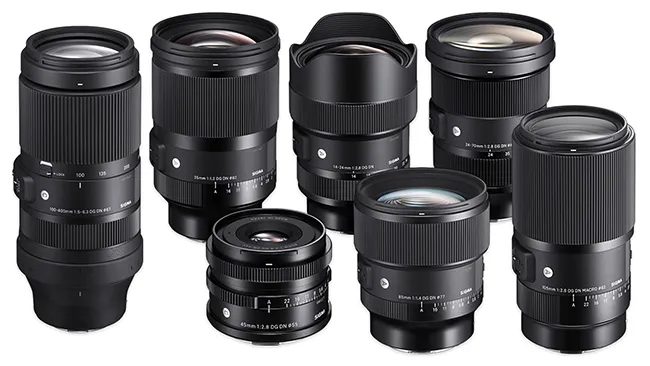
For over a decade, photographers and videographers operating within the DSLR ecosystem enjoyed an expansive array of third-party lens options. Brands such as Sigma, Tamron, and Tokina consistently offered high-quality, often more affordable alternatives to first-party lenses across various focal lengths, fostering a competitive and innovation-rich market. However, the industry’s decisive pivot to mirrorless camera systems, particularly with the introduction of proprietary mounts like Canon’s RF and Nikon’s Z in 2018, presented a significant challenge to this established dynamic. Early on, the development of third-party lenses for these new mounts was notably slower, largely due to manufacturers’ initial reluctance to license their mount specifications or the complex process of reverse-engineering communication protocols. This contrasted sharply with Sony’s E-mount, which, benefiting from an earlier and more open approach to third-party integration, saw a rapid proliferation of lenses from independent manufacturers.
The landscape, however, is now shifting dramatically. Recent years have seen a renewed and vigorous commitment from leading third-party lens manufacturers to support the RF and Z mounts. This commitment is evidenced by a growing number of new lens announcements and releases, signaling a crucial maturation phase for these mirrorless platforms. Industry analysts suggest that this surge is driven by several factors: the widespread adoption of mirrorless systems by professionals and enthusiasts, the increasing demand for diverse and cost-effective optical solutions, and potentially, a more collaborative environment between camera and lens manufacturers. The implications are profound: increased competition will likely drive down prices for consumers, stimulate innovation in optical design, and provide creators with an unprecedented choice of specialized and general-purpose lenses, allowing for greater creative flexibility without the premium price tag often associated with first-party offerings. As these third-party options become more prevalent, they will solidify the mirrorless ecosystem as the undeniable standard, offering a comprehensive and accessible range of tools for every photographic and videographic need.
The Accessibility Revolution in Fast Prime Lenses
Historically, fast prime lenses—those boasting wide apertures like f/1.2 or f/1.4—have been the exclusive domain of professional photographers and affluent enthusiasts. Their engineering demands, involving large, precisely ground glass elements and complex optical designs, have traditionally translated into prohibitively high manufacturing costs and, consequently, premium retail prices. While iconic lenses from brands like Leica have set benchmarks for optical excellence since the 1960s, and even Canon experimented with fast primes in the 1980s, their widespread accessibility remained limited.
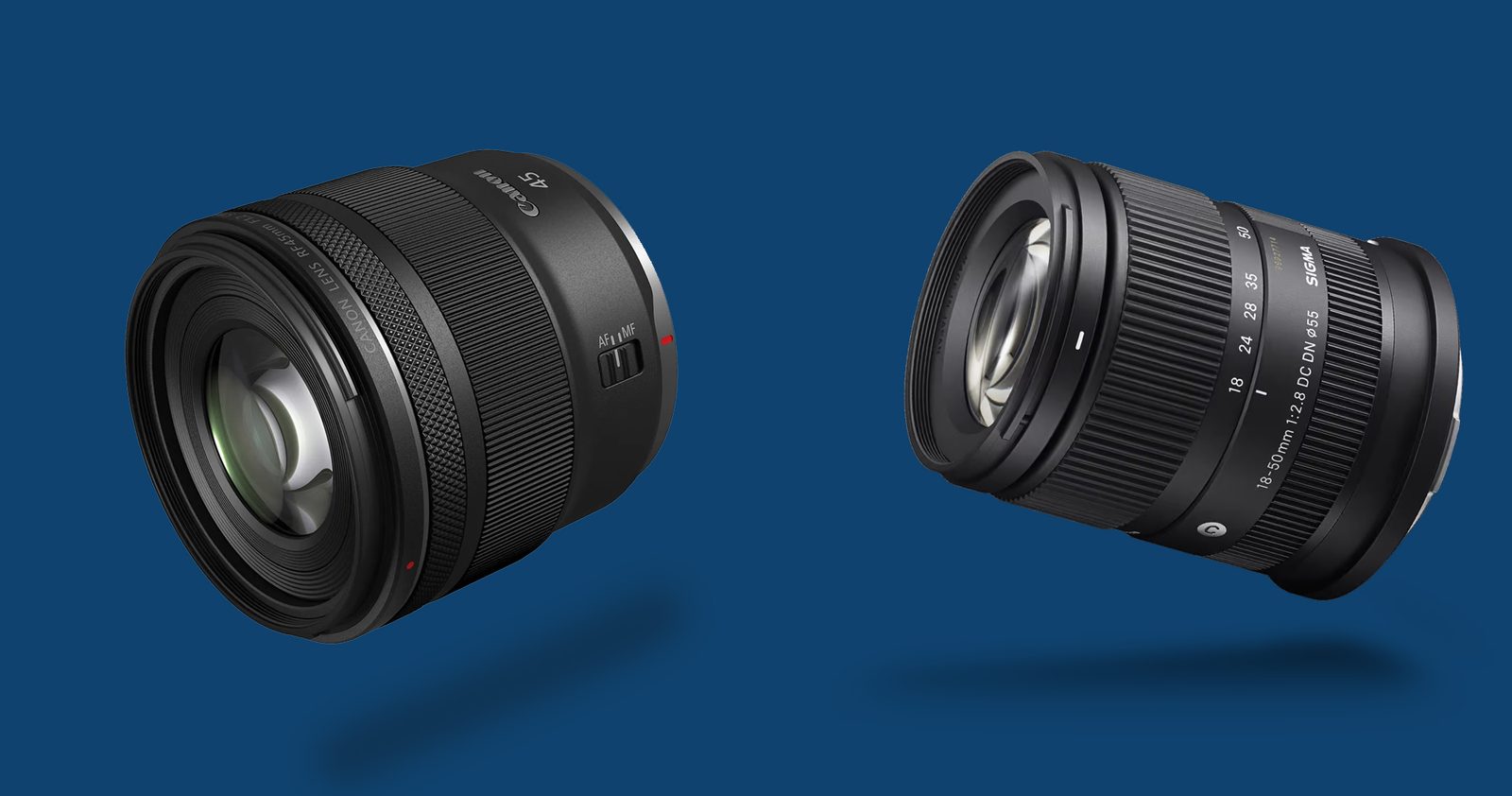
However, a significant turning point emerged approximately six months prior to this outlook, with Canon’s release of the RF 45mm f/1.2 STM lens. This particular lens, priced remarkably under $500, represented a groundbreaking development. Its introduction shattered previous market expectations, demonstrating that an exceptionally fast aperture lens could be delivered at a price point previously unimaginable for such performance. This achievement is largely attributable to advancements in lens manufacturing processes, including more efficient production of aspherical elements, sophisticated coating technologies, and streamlined assembly lines. The ability to mass-produce high-performance optics at a reduced cost is democratizing access to tools that were once considered luxury items.
The implications of this trend are transformative. Affordable fast primes enable a broader spectrum of creators to achieve shallow depth of field, stunning bokeh, and superior low-light performance—qualities that significantly enhance artistic expression and technical versatility. This strategic pricing by manufacturers like Canon signals a potential paradigm shift in market strategy, aiming to make high-performance optics accessible to a wider demographic, from aspiring professionals to advanced hobbyists. For 2026, the industry anticipates that other major brands will follow suit, introducing their own lines of fast, affordable prime lenses across various focal lengths and mount systems. This movement will not only enrich the creative possibilities for photographers and videographers but also foster a new era of optical innovation driven by market demand for high performance at accessible prices.
Redefining AI: From Generative Art to Professional Workflow Efficiency
The past few years have undeniably placed Artificial Intelligence at the forefront of technological discourse, with the photography and videography sectors being no exception. The period from 2023 to 2025 witnessed an explosion of generative AI tools capable of creating art, corporate headshots, and even complex video sequences from simple text prompts in mere seconds. While these advancements have showcased AI’s impressive creative potential, they have also ignited considerable debate surrounding ethics, copyright, and the very definition of artistic originality. The creative community has, understandably, approached these generative tools with a mix of fascination and apprehension.
However, a significant gap persists: the relative scarcity of AI applications designed specifically to enhance the workflow of working professionals, rather than replacing the creative process itself. While existing tools like Adobe Lightroom’s intelligent masking and noise reduction features, or third-party solutions such as Topaz AI for upscaling and sharpening, offer glimpses into this potential, a truly integrated, end-to-end AI workflow assistant remains largely aspirational. For 2026, the industry is poised for a crucial reframe of AI’s role, moving away from an exclusive focus on generative output towards intelligent automation that supports, rather than supplants, human creativity.
The vision for workflow AI encompasses a broad range of functionalities. Imagine affordable studio management software that leverages AI to automate invoice reminders, intelligently categorize client communications, and even identify optimal times for client outreach. Picture advanced image processing tools that, with a single click, can intelligently identify and remove distracting elements like trash bins or telephone poles from compositions, saving countless hours in post-production. Envision AI-powered systems that can sift through vast collections of creative inspiration, cataloging thoughts, mood boards, and client preferences onto a concise, shareable document. Such tools would empower creatives by significantly reducing administrative burdens and repetitive tasks, allowing them to dedicate more time and mental energy to the core creative act. This shift represents AI evolving into a powerful, indispensable assistant, seamlessly integrated into the professional’s daily routine, thereby deepening engagement with the creative process rather than diminishing it. Leading software developers in the creative industry are reportedly exploring advanced AI integrations that go beyond simple image manipulation, focusing on intelligent automation for routine tasks that currently consume significant professional time.
Bridging the Gap: The Imperative for Enhanced Camera App Support
The advent of mirrorless camera systems was accompanied by a compelling promise: seamless integration with smartphones through dedicated applications. The vision was clear—to empower photographers and videographers to review, edit, and instantly publish their high-quality images and videos directly from their mobile devices, leveraging the speed and connectivity of modern smartphones. This promise, however, has largely remained unfulfilled, with the reality of existing camera apps often falling far short of expectations. Users frequently encounter a frustrating litany of issues, including persistent connectivity problems, frequent app freezes, unexpected crashes, slow image transfer speeds, and unresponsive user interfaces.
This disparity between promise and reality has been a consistent source of frustration for professionals and enthusiasts alike. While camera manufacturers like Canon (Camera Connect), Nikon (SnapBridge), and Sony (Imaging Edge Mobile) have developed their own applications, their performance and reliability often lag behind the intuitive and robust experiences offered by other mobile applications. Even Fujifilm’s Camera Remote app, often cited as one of the better options among first-party offerings, has seen limited progress in usability and functionality over several years, despite its relative superiority. The technical hurdles are considerable, involving complex issues with Wi-Fi and Bluetooth reliability, compatibility across diverse operating systems, and the intricacies of camera firmware integration.
For 2026, there is a strong imperative for camera manufacturers to invest significantly in improving their mobile application ecosystems. The modern content creator relies heavily on mobile devices for immediate sharing, client feedback, and on-the-go editing. A truly robust and reliable app would enable seamless remote control, efficient image and video transfer, sophisticated in-app editing capabilities, and direct publishing to social media platforms or cloud services. Such enhancements would not only streamline the workflow for professionals working in fast-paced environments but also significantly improve the overall user experience, potentially influencing purchasing decisions in a highly competitive market. Industry insiders suggest that camera manufacturers, recognizing the crucial role of mobile connectivity in modern content creation, are dedicating more resources to refining their software ecosystems, aiming for parity with the user-friendly interfaces common in other smart devices. The goal is to transform camera apps from a source of frustration into indispensable tools that truly bridge the gap between high-performance cameras and the ubiquitous power of smartphones.
Ushering in a New Era: The Promise of Electronic Global Shutters
Among the most anticipated technological advancements for 2026 is the widespread adoption of electronic global shutters in more camera models. The significance of this technology was powerfully underscored by Sony’s pioneering introduction of it in their a9 III camera, launched in late 2023 for early 2024 availability. This marked a monumental leap forward, addressing fundamental limitations inherent in traditional camera designs.
For videography, the advantages of a fully electronic global shutter are immediately apparent and transformative. It entirely eliminates the "Jello effect," or rolling shutter distortion, which has long plagued video footage captured with fast camera movements or rapidly moving subjects. This distortion, a characteristic of focal plane shutters that scan the image frame sequentially, can render professional-grade video unusable in dynamic scenarios. A global shutter, by contrast, captures all pixels simultaneously, ensuring perfectly synchronized image acquisition regardless of motion.

The benefits extend equally to still photography, particularly in specialized and demanding applications. Traditional mechanical shutters and even electronic rolling shutters impose a maximum flash sync speed, typically around 1/250s for APS-C sensors and 1/200s for full-frame sensors. This limitation is determined by the time it takes for the shutter curtains to fully open and close. While techniques like high-speed sync (HSS) and leaf shutters offer workarounds, they come with their own compromises, such as reduced flash power output or higher equipment costs. An electronic global shutter fundamentally eradicates this problem. By allowing flash synchronization at any shutter speed, it liberates off-camera flash users to shoot at extremely fast speeds, enabling them to overpower ambient light more effectively, control depth of field with wide apertures even in bright conditions, and freeze ultra-fast motion with unprecedented precision.
The widespread integration of global shutters into more camera bodies in 2026 promises a revolutionary impact across various photographic and videographic genres, from sports and action to commercial and portrait photography. It will simplify complex lighting setups, open new creative possibilities for high-speed capture, and deliver cleaner, undistorted footage. While the technical challenges in sensor design, data readout speeds, heat management, and cost have historically restricted global shutter implementation to niche applications, Sony’s breakthrough signals that these barriers are being overcome. Following Sony’s pioneering move, industry experts anticipate a rapid acceleration in global shutter technology adoption across professional camera lines, with other major brands likely to unveil their own iterations within the next few years, initially targeting high-performance segments. This technology stands poised to redefine what is possible in capturing both still and moving images.
These anticipated developments collectively paint a picture of a dynamic and progressive year for photography and videography in 2026. From the expansion of accessible lens options to the fundamental changes brought by global shutters and intelligent AI, the tools available to creators are becoming more powerful, efficient, and democratized. The industry stands at the precipice of a significant evolution, promising an exciting future for visual storytelling.