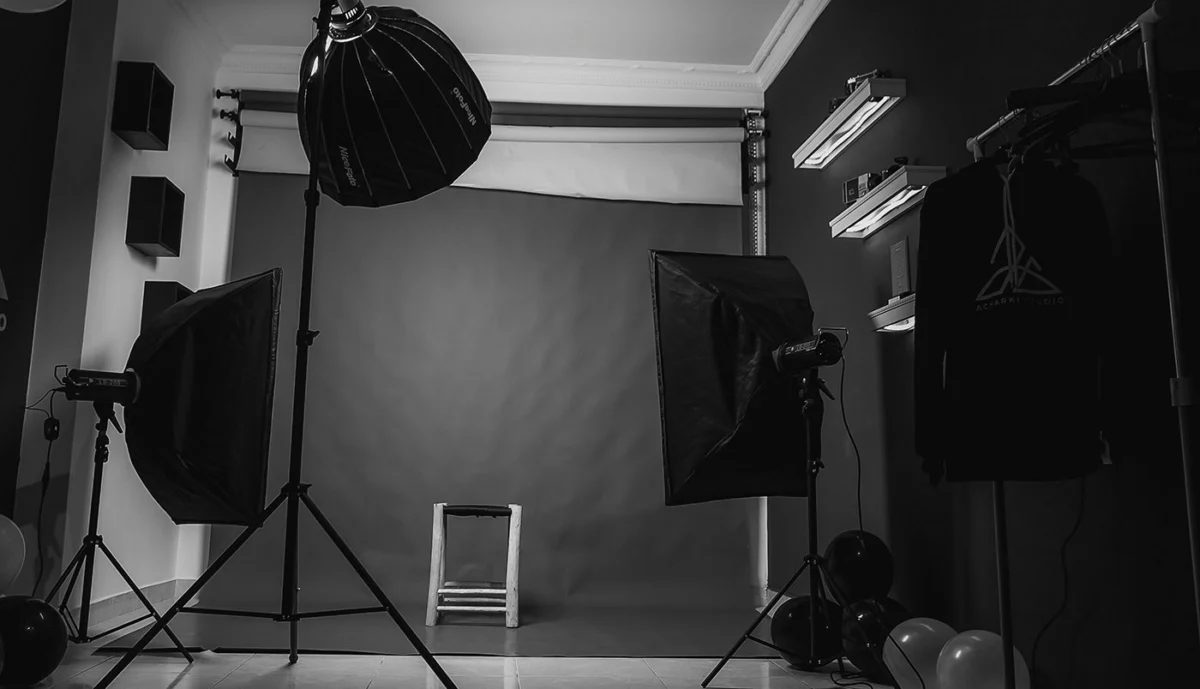
In the dynamic realms of photography and videography, the manipulation of light transcends mere technical proficiency, emerging as the quintessential language through which visual narratives are crafted, emotions evoked, and perceptions shaped. While advancements in camera technology and post-production software continue to redefine creative possibilities, the fundamental understanding and application of lighting principles remain the bedrock of compelling imagery. Industry experts and educators consistently assert that true mastery lies not in the acquisition of expensive equipment, but in the nuanced control of three core variables: Intensity, Quality, and Direction. These principles, far from being confined to studio environments, are equally critical in harnessing the ever-changing nuances of natural light, offering a universal framework for visual artists to transition from simply "taking a picture" to deliberately "crafting an image."
The evolution of photographic and cinematic lighting mirrors the broader history of visual arts, dating back to the Renaissance masters who meticulously studied natural light to imbue their paintings with unparalleled depth and realism. Early photography, constrained by slow emulsions and cumbersome equipment, was largely a slave to ambient sunlight. The advent of flash powder in the late 19th century, followed by incandescent bulbs and eventually electronic flash (strobes) in the mid-20th century, revolutionized the ability of photographers to control their illumination. The late 20th and early 21st centuries have witnessed another paradigm shift with the widespread adoption of LED technology, offering unprecedented control over intensity, color, and even programmed light sequences. Throughout this technological progression, the underlying principles of Intensity, Quality, and Direction have remained constant, serving as the timeless tools for visual expression. Understanding how these variables interact is not merely an academic exercise; it is a practical necessity for anyone aiming to produce professional-grade visual content.
I. Intensity of Light: The Luminous Volume Control
The intensity of light, often likened to the "volume knob" of an illumination source, refers to the sheer quantity of light reaching a subject and, consequently, the camera’s sensor. This principle directly dictates the exposure settings (aperture, shutter speed, and ISO) required to capture a correctly illuminated image. While seemingly the most straightforward of the three principles, its precise control is vital for achieving desired aesthetic outcomes.
In studio settings, the intensity of artificial light sources like strobes or high-powered LEDs is typically adjusted via physical dials or digital controls on the units themselves, often calibrated in fractions of full power or in f-stops. For natural light scenarios, photographers employ tools such as Neutral Density (ND) filters to reduce the overall light entering the lens without altering other exposure parameters, or adjust the camera’s ISO sensitivity. A higher ISO amplifies the sensor’s sensitivity to light, effectively increasing the perceived intensity, though often at the cost of increased digital noise.
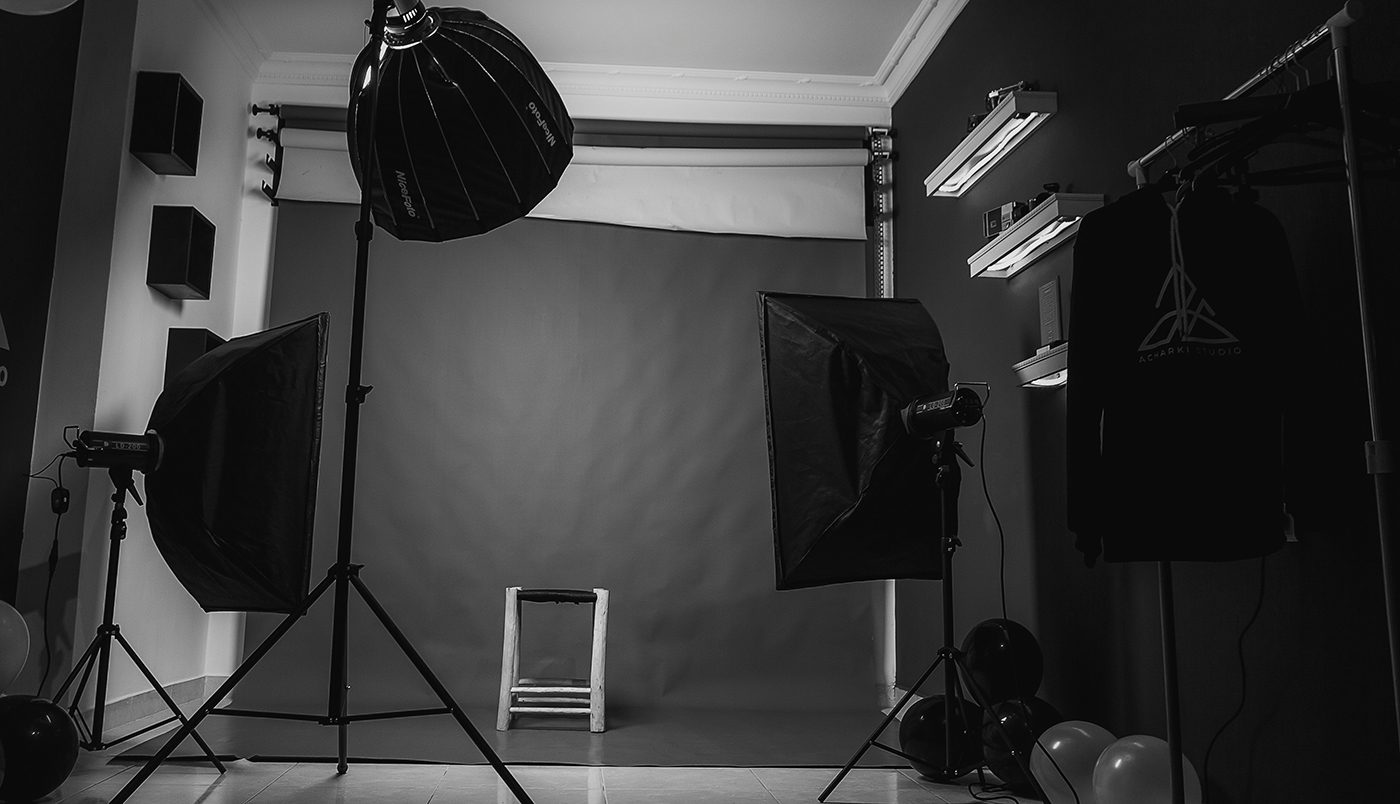
Beyond mere exposure correction, manipulating light intensity serves profound creative purposes. High-key lighting, characterized by bright, even illumination and minimal shadows, often conveys feelings of optimism, purity, or lightness, commonly seen in commercial product photography, fashion, and baby portraits. Conversely, low-key lighting, which utilizes significant contrast and predominantly dark tones with selective highlights, evokes drama, mystery, or introspection, a staple in noir cinema, fine art portraiture, and certain advertising campaigns. The judicious application of the inverse square law—which states that the intensity of light decreases proportionally to the square of the distance from the source—is also crucial here. Moving a light source closer to a subject significantly increases its intensity and creates a more rapid fall-off, leading to higher contrast, while moving it further away reduces intensity and produces a gentler, more even light spread. Mastering intensity allows visual artists to sculpt the tonal range of their images, dictating the mood and impact without fundamentally altering the nature of the light itself.
II. Quality of Light: Shaping the Luminous Texture
The quality of light is arguably the most complex and creatively influential of the three principles, encompassing a broad spectrum of characteristics that define the visual texture and mood of illumination. This principle delves into aspects such as the hardness or softness of light, its color temperature, and its spectral properties.
A. Hard vs. Soft Light: The primary distinction in light quality lies between hard and soft light. Hard light originates from a relatively small light source in relation to the subject. It produces sharply defined shadows, high contrast, and accentuates texture. This quality is often desired in dramatic portraiture, architectural photography, or to highlight intricate details in products. Examples include direct sunlight on a clear day, a bare flash, or a spotlight.
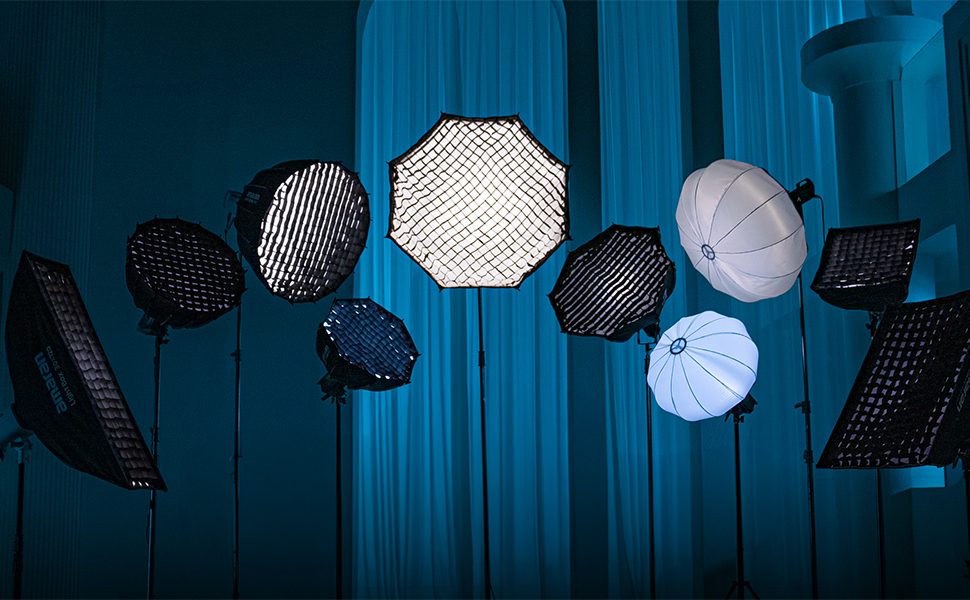
Conversely, soft light emanates from a large light source relative to the subject. It creates gradual transitions between light and shadow, producing diffused, less defined shadows and lower contrast. Soft light is generally more flattering for portraits, as it minimizes skin imperfections and provides a more ethereal or gentle aesthetic. Common modifiers used to achieve soft light include large softboxes, umbrellas (especially white shoot-through or bounce), large diffusion panels, or even reflected light from a broad, matte surface. The perceived "size" of the light source is critical; even a small light can become a large, soft source if brought very close to the subject.
B. Color Temperature and Spectral Quality: Another vital aspect of light quality is its color temperature, measured in Kelvin (K). This refers to the color cast of the light source, ranging from warm (reddish-orange, lower Kelvin values like candlelight at 1800K or tungsten bulbs at 3200K) to cool (bluish, higher Kelvin values like daylight at 5500K-6500K or overcast skies at 7000K+). Understanding color temperature is essential for achieving accurate color rendition and for creative color grading. While daylight-balanced sources (around 5500K) are often preferred for their neutrality, RGB LED panels offer the unprecedented ability to dial in specific colors, opening vast creative avenues for mood and artistic expression in both photography and cinematography.

Beyond color temperature, the spectral quality of light, often quantified by metrics like the Color Rendering Index (CRI) or Television Lighting Consistency Index (TLCI), describes how accurately a light source renders the colors of objects compared to natural daylight. High CRI/TLCI values (90+) are crucial in applications where color fidelity is paramount, such as fashion, product photography, and film production.
C. Light Modifiers: The vast array of light modifiers available underscores the importance of light quality. From highly reflective silver umbrellas that produce a punchy, slightly harder light, to soft white diffusion fabrics that yield a more muted and even illumination, each modifier serves a specific purpose. Specialized tools like parabolic reflectors, often favored by commercial photographers and cinematographers (such as the Parabolic 45 mentioned by the original author), are prized for their ability to deliver a focused, yet beautifully sculpted light with a gradual fall-off, offering a unique blend of softness and crispness. The continuous innovation in modifier design and the strong preference professionals develop for specific tools highlight the intricate role light quality plays in defining a visual artist’s signature style. The discontinuation or alteration of a beloved modifier can significantly impact a professional’s workflow, emphasizing the tangible value placed on consistent light quality.
III. Direction of Light: Sculpting Form and Narrative
The direction of light, referring to the spatial relationship between the light source, the subject, and the camera, is perhaps the most potent tool for creating depth, dimension, and emotional resonance within an image. It defines the interplay of highlights and shadows, revealing form, texture, and the psychological undertones of a scene.
Conventionally, a general "rule" in lighting is to emulate natural light, which typically originates from above (like the sun or overhead indoor lighting). Lighting a subject from above often results in natural-looking shadows that define facial features and body contours in a flattering manner, grounding the subject in a realistic space. Deviating from this natural direction, however, can be incredibly effective when used with deliberate intention. For instance, lighting a face from directly below (often called "monster lighting" or "up-lighting") creates unsettling, elongated shadows that distort features, frequently employed in horror films or to evoke a sense of menace.
The precise angle of the light source relative to the subject profoundly impacts the visual outcome. Common lighting patterns, meticulously studied and codified, illustrate this:
- Frontal Lighting: Light coming directly from the camera’s position flattens features, reduces shadows, and minimizes texture, often used for ID photos or to soften wrinkles.
- Rembrandt Lighting: Characterized by a triangular patch of light on the cheek opposite the main light source, this pattern adds drama and dimension, often associated with a classic, painterly aesthetic. The light source is typically positioned at about a 45-degree angle to the subject and slightly above eye level.
- Butterfly Lighting (Paramount Lighting): With the main light positioned directly in front of and slightly above the subject, this creates a butterfly-shaped shadow under the nose, ideal for glamor portraits and highlighting cheekbones.
- Split Lighting: Placing the light source at a 90-degree angle to the subject, illuminating precisely half the face while leaving the other half in shadow, generates a strong, dramatic, and mysterious mood.
- Backlighting: Positioning the light source behind the subject creates a rim light or halo effect, separating the subject from the background and adding a sense of depth and ethereal beauty.
- Edge Lighting/Kicker Light: Often used in conjunction with other lights, a kicker light is typically placed behind and to the side of the subject, creating a subtle highlight along the edge of the subject’s form, adding separation and sparkle.
In professional lighting breakdowns, the direction of light is frequently described in degrees from the subject, often along a horizontal and vertical axis, sometimes also noting the height. This standardized language facilitates communication among crews and allows for precise replication of lighting setups, moving beyond a two-dimensional understanding to encompass the full three-dimensional sculpting of a scene. The strategic placement of key lights (main illumination), fill lights (to soften shadows), hair lights, and background lights allows cinematographers and photographers to meticulously control every shadow and highlight, guiding the viewer’s eye and reinforcing the narrative.
Broader Impact and Implications
Mastery of these three fundamental principles—Intensity, Quality, and Direction—is not merely an aesthetic pursuit; it holds significant professional and creative implications across various visual industries. For commercial photographers and videographers, the ability to consistently produce high-quality, impactful visuals directly translates into client satisfaction and career longevity. A product photographer who can precisely control light quality to highlight textures and finishes, or a portrait artist who can use direction to flatter a subject and convey emotion, commands greater respect and demand.
In the realm of cinematic storytelling, the intentional manipulation of light is paramount to establishing mood, foreshadowing events, defining character psychology, and guiding the audience’s emotional journey. The stark, hard light of a film noir creates suspense, while the soft, warm glow of a romantic comedy fosters intimacy. This deliberate control transforms light from a passive necessity into an active storytelling element, influencing perception at a subconscious level. Film schools and photography academies worldwide dedicate extensive curriculum to these principles, recognizing them as foundational skills that transcend technological trends. Leading directors of photography and acclaimed photographers consistently emphasize that gear is merely a tool; the true artistry lies in understanding and applying these timeless concepts.
As visual media continues its pervasive expansion across digital platforms, the demand for sophisticated and effective visual communication only grows. Professionals who possess a deep, intuitive understanding of how Intensity, Quality, and Direction of light interact are exceptionally well-equipped to meet these demands, adapting their skills to diverse challenges, from intimate studio portraits to expansive outdoor cinematic productions. This foundational knowledge empowers artists to not only replicate existing styles but to innovate, push boundaries, and ultimately, to speak fluently in the universal language of light. The journey from novice to master in visual arts is paved with continuous learning and experimentation within this enduring framework.