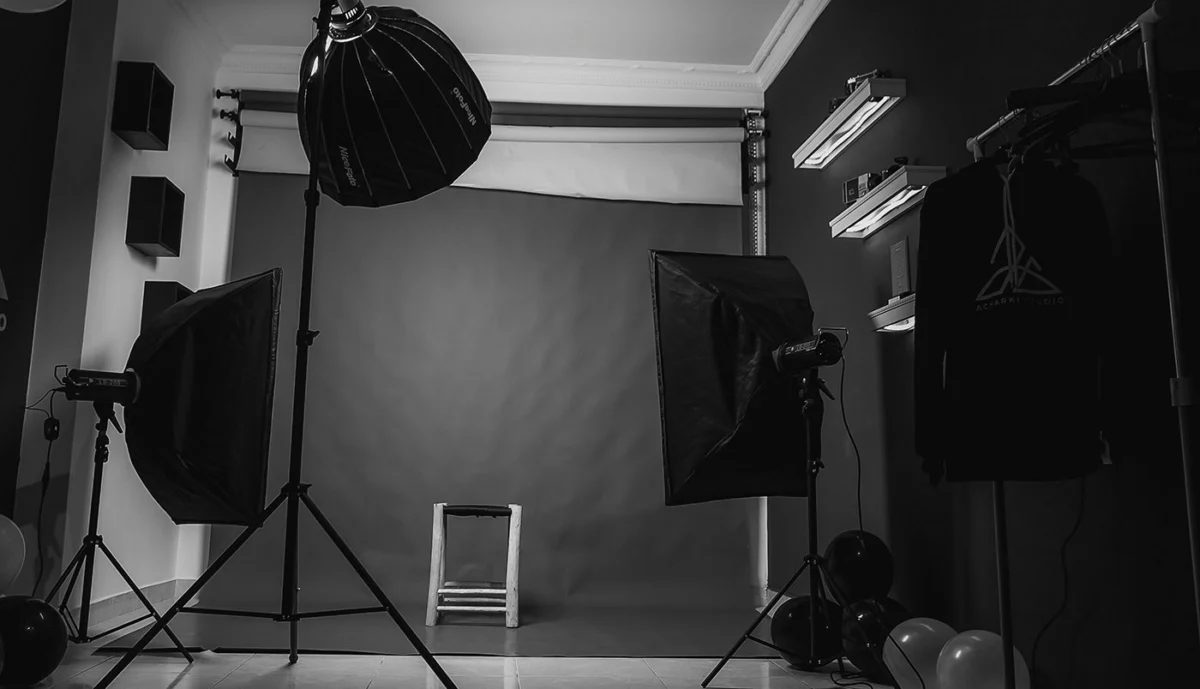
The intricate art and science of manipulating light stand as the cornerstone of compelling visual media, transcending mere technical proficiency to define the very essence of an image or video sequence. Industry experts consistently emphasize that true mastery in photography and videography stems not from the acquisition of the latest gear, but from a profound understanding and skillful manipulation of three fundamental principles of light: Intensity, Quality, and Direction. These foundational elements dictate how a scene is perceived, how subjects are rendered, and ultimately, the emotional resonance of the final output, applying equally to meticulously crafted studio setups and the dynamic interplay of natural light.
Historical Context and the Evolution of Lighting Principles
The journey to codify the principles of light in visual arts is as old as art itself, with painters and sculptors for centuries intuitively understanding how light reveals form and evokes mood. With the advent of photography in the 19th century and cinematography in the early 20th, these intuitive understandings began to evolve into a more systematic and reproducible science. Early pioneers like Louis Daguerre and later cinematographers such as Billy Bitzer, D.W. Griffith’s frequent collaborator, experimented extensively with available light and nascent artificial sources, laying the groundwork for what would become standard lighting practices. The Golden Age of Hollywood, particularly from the 1930s to the 1950s, saw the deliberate development of lighting techniques—like three-point lighting—to sculpt actors’ faces, create dramatic shadows, and establish distinct visual styles for genres ranging from film noir to musicals. This period cemented the understanding that light was not merely for illumination but a powerful narrative tool. Over the decades, as technology advanced from incandescent bulbs to strobes, then HMI lights, and now sophisticated LED panels, the tools for controlling light have diversified immensely. However, the core principles governing its effect have remained immutable, forming the bedrock of education in film schools and photographic academies worldwide.
Intensity of Light: The Foundational "Volume Knob"
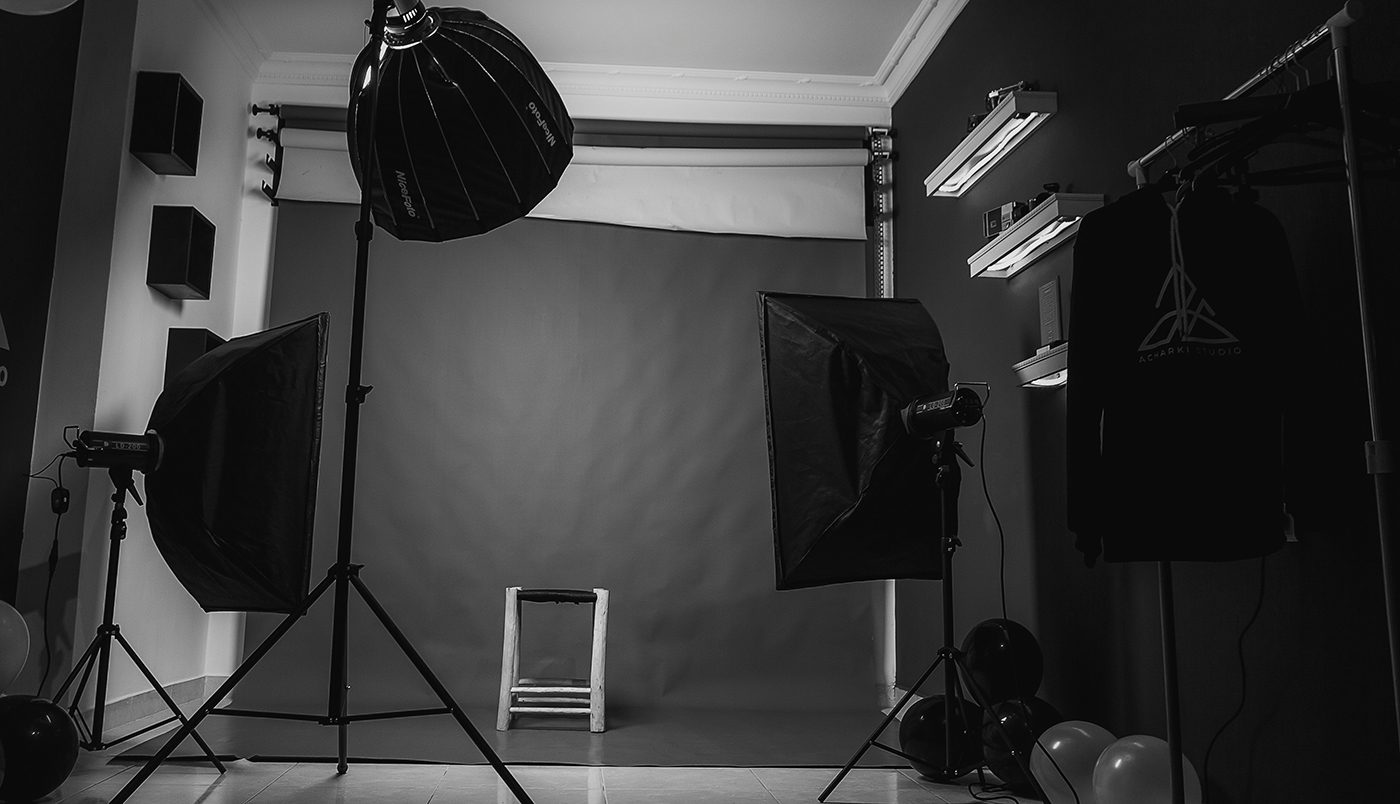
The first, and perhaps most straightforward, principle is the Intensity of Light, often conceptualized as the "volume knob" of any light source. This principle quantifies the sheer amount of light reaching the subject and, by extension, the camera’s sensor or film plane. Its primary role is to dictate the exposure settings of an image or video. In controlled environments, such as a studio, intensity is precisely managed through physical dials or digital controls on strobes and continuous light sources, often measured in watt-seconds for flashes or lumens/lux for continuous lights. For natural light scenarios, photographers and videographers adjust intensity indirectly through camera settings—modifying ISO sensitivity, aperture, and shutter speed—or by employing Neutral Density (ND) filters to physically reduce the amount of light entering the lens without altering other exposure parameters.
While perhaps the least nuanced in terms of creative shaping compared to its counterparts, intensity is absolutely critical for achieving a technically sound exposure. An insufficient intensity results in underexposed, muddy images, while excessive intensity leads to blown-out highlights and loss of detail. Beyond mere technical accuracy, intensity plays a subtle yet significant role in establishing mood. High-key lighting, characterized by bright, even illumination and minimal shadows, often conveys lightness, optimism, or purity. Conversely, low-key lighting, which utilizes minimal light and deep shadows, typically evokes drama, mystery, or somberness. The ability to precisely control intensity ensures that the artist can capture the desired dynamic range and convey the intended emotional tone without compromising image integrity. Recent advancements in camera sensor technology, offering wider dynamic range, underscore the industry’s continuous effort to provide greater flexibility in handling varying light intensities, thus empowering creators to push artistic boundaries.
Quality of Light: Shaping Character and Texture
The second principle, Quality of Light, delves into the inherent characteristics of light itself and is arguably the most multifaceted and creatively impactful. This principle addresses whether light is "hard" or "soft," its color temperature, and its specularity, all of which profoundly affect how a subject appears.
-
Hard vs. Soft Light: The distinction between hard and soft light is determined by the apparent size of the light source relative to the subject. A small, direct light source (like the sun on a clear day or a bare strobe head) produces hard light, characterized by sharp, well-defined shadows and high contrast. This quality emphasizes texture, form, and can convey drama or grittiness. Conversely, a large, diffused light source (such as an overcast sky, a large softbox, or light bounced off a vast white wall) creates soft light. Soft light yields gentle, gradual transitions from light to shadow, minimizes harsh lines, and tends to flatter subjects, often used in portraiture and beauty photography for its smoothing effect. The inverse square law, while primarily pertaining to intensity, implicitly influences this by demonstrating how the effective size of a light source changes with distance, impacting its perceived softness.

-
Color Temperature: Light possesses a color temperature, measured in Kelvin (K), which describes its warmth or coolness. Daylight typically registers around 5500K, appearing neutral. Tungsten bulbs emit warmer light (around 3200K), while shade or certain artificial lights can be cooler (higher Kelvin values). The choice of color temperature, either through natural sources, artificial lights, or corrective gels, dramatically influences the mood and realism of an image. Modern RGB LED lights offer unprecedented control, allowing creators to dial in virtually any hue, opening new avenues for stylized and conceptual lighting design. White balance adjustments in-camera or during post-processing are critical to accurately rendering colors or intentionally shifting them for artistic effect.
-
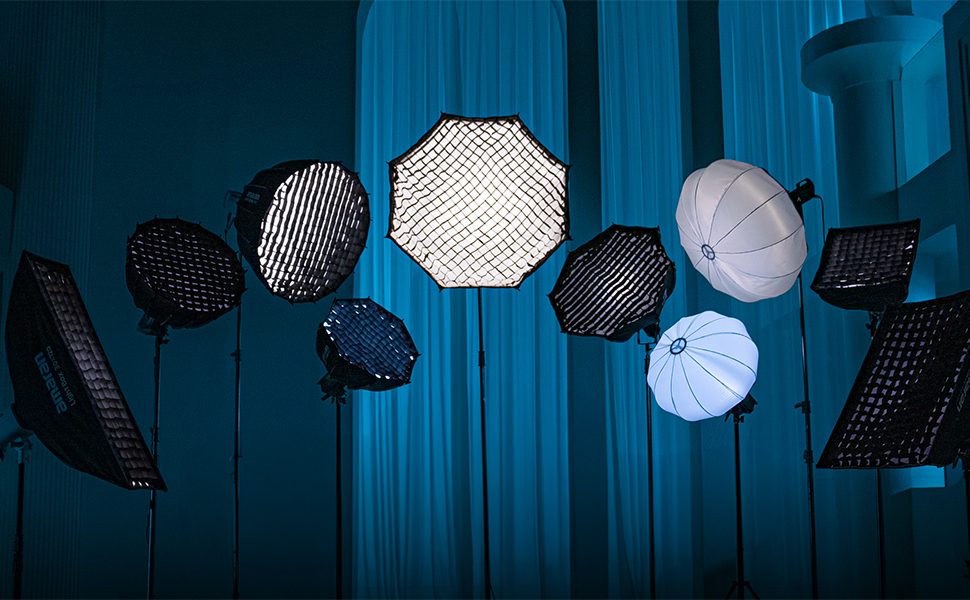
Specularity and Modifiers: The quality of light is heavily influenced by light modifiers. A highly reflective silver umbrella, for instance, produces a more specular, punchy light with distinct highlights, while a soft white diffusion panel or a large octabox creates a much more diffused, wrap-around light. The design and material of these modifiers—from parabolic reflectors known for their precise control and unique falloff, to various shapes and sizes of softboxes—are subjects of continuous innovation and fervent discussion among professionals. Manufacturers frequently refine their offerings, and the discontinuation of a beloved modifier can cause significant disruption within specialized photographic and cinematic communities, highlighting their critical role in shaping light quality. The subtle differences in light throw patterns from recessed light heads versus bulb heads further exemplify the granular control professionals seek in defining the character of their illumination.
Direction of Light: Sculpting Form and Narrative
The third principle, Direction of Light, refers to the precise positioning of the light source relative to the subject and the camera. This is arguably the most potent tool for creating a sense of depth, volume, and three-dimensionality in a two-dimensional medium, effectively sculpting the subject and influencing the narrative.
-
Naturalistic vs. Stylized Direction: Generally, light positioned above and slightly to the side of a subject is considered the most naturalistic, mirroring how we perceive light in the real world (e.g., sunlight from above). This conventional placement helps define facial features and body contours in a pleasing, recognizable manner. However, intentionally deviating from this norm can yield powerful artistic results. Lighting from below, often referred to as "monster lighting," can distort features, create unsettling shadows, and plunge a subject into the "uncanny valley," a technique frequently employed in horror or psychological thrillers to evoke unease. Similarly, strong backlighting can create a dramatic silhouette, separating the subject from the background and adding a sense of mystery or grandeur.
-
Classic Lighting Patterns: Understanding direction is crucial for implementing classic lighting patterns that are staples in portraiture and cinema. Examples include:
- Rembrandt Lighting: Characterized by a small, inverted triangle of light on the shadowed cheek, created by placing the key light at about a 45-degree angle to the subject and slightly above. It imparts drama and depth.
- Butterfly Lighting (Paramount Lighting): Positioned directly in front and slightly above the subject, creating a butterfly-shaped shadow under the nose. It’s flattering and often used in beauty photography.
- Split Lighting: A single light source positioned at a 90-degree angle to the subject, illuminating half the face and leaving the other in shadow, used for dramatic, moody portraits.
- Rim/Hair Light: Placed behind and to the side of the subject, creating a highlight along the edges to separate the subject from the background and add dimensionality.
-
Three-Dimensional Communication: In technical breakdowns, the direction of light is often described in degrees from the subject, specifying its horizontal and vertical axes. This standardized nomenclature allows professionals to communicate complex lighting setups accurately, translating a three-dimensional arrangement into understandable terms for a two-dimensional diagram. This precision is vital in film production, where lighting continuity across scenes is paramount, and in commercial photography, where specific looks must be replicated consistently. The strategic use of fill lights, reflectors, and flags (goboes) further refines the directionality, controlling shadow density and light spill.
Broader Impact and Implications
The comprehensive understanding and application of Intensity, Quality, and Direction of light are not merely academic exercises; they form the bedrock of professional practice across the entire visual media landscape.
- Educational Foundation: These three principles constitute the core curriculum in photography, cinematography, and digital media programs globally. Mastery of them distinguishes a technically competent operator from a visionary artist capable of crafting compelling visual narratives. Institutions continually update their courses to reflect technological advancements, but the underlying principles remain constant.
- Technological Innovation: The demand for finer control over these principles drives continuous innovation in lighting technology. Manufacturers invest heavily in developing more powerful, portable, energy-efficient, and precisely controllable light sources (e.g., bi-color LEDs, high-output strobes with TTL functionality) and a vast array of modifiers that offer specific light shaping characteristics. The market for lighting equipment, accessories, and related services represents a multi-billion-dollar segment of the creative industry.
- Cross-Disciplinary Relevance: Beyond traditional photography and videography, these principles are critical in emerging fields. Virtual production environments, which blend physical sets with real-time digital backgrounds, require virtual lighting designers to apply these exact principles to digital light sources for seamless integration. Architectural lighting designers use them to enhance spaces, evoke moods, and guide human perception. Even in user interface design, understanding how light interacts with digital elements contributes to more intuitive and aesthetically pleasing experiences.
- Economic Impact: The proficiency in lighting directly correlates with professional success in competitive fields like advertising, fashion, film, and broadcast. Specialized lighting technicians, cinematographers, and photographers command high rates for their expertise in manipulating these elements to achieve client objectives and artistic visions.
- Future Outlook: As artificial intelligence and machine learning begin to influence image and video creation, the human understanding of these lighting principles will become even more valuable. AI tools might automate aspects of lighting, but the creative direction, the conceptualization of a scene’s mood and narrative through light, will remain firmly in the domain of human artistry, guided by these timeless tenets.
In conclusion, the ability to control the Intensity, Quality, and Direction of light transcends mere technical skill; it represents the ultimate toolkit for visual storytelling. These three principles, honed over centuries of artistic and technological evolution, provide a universal language for creators to shape perception, evoke emotion, and transform transient moments into enduring visual masterpieces. As the tools evolve, the fundamental understanding of how light behaves and how it can be manipulated will remain the most critical asset for anyone aspiring to excellence in photography and videography.