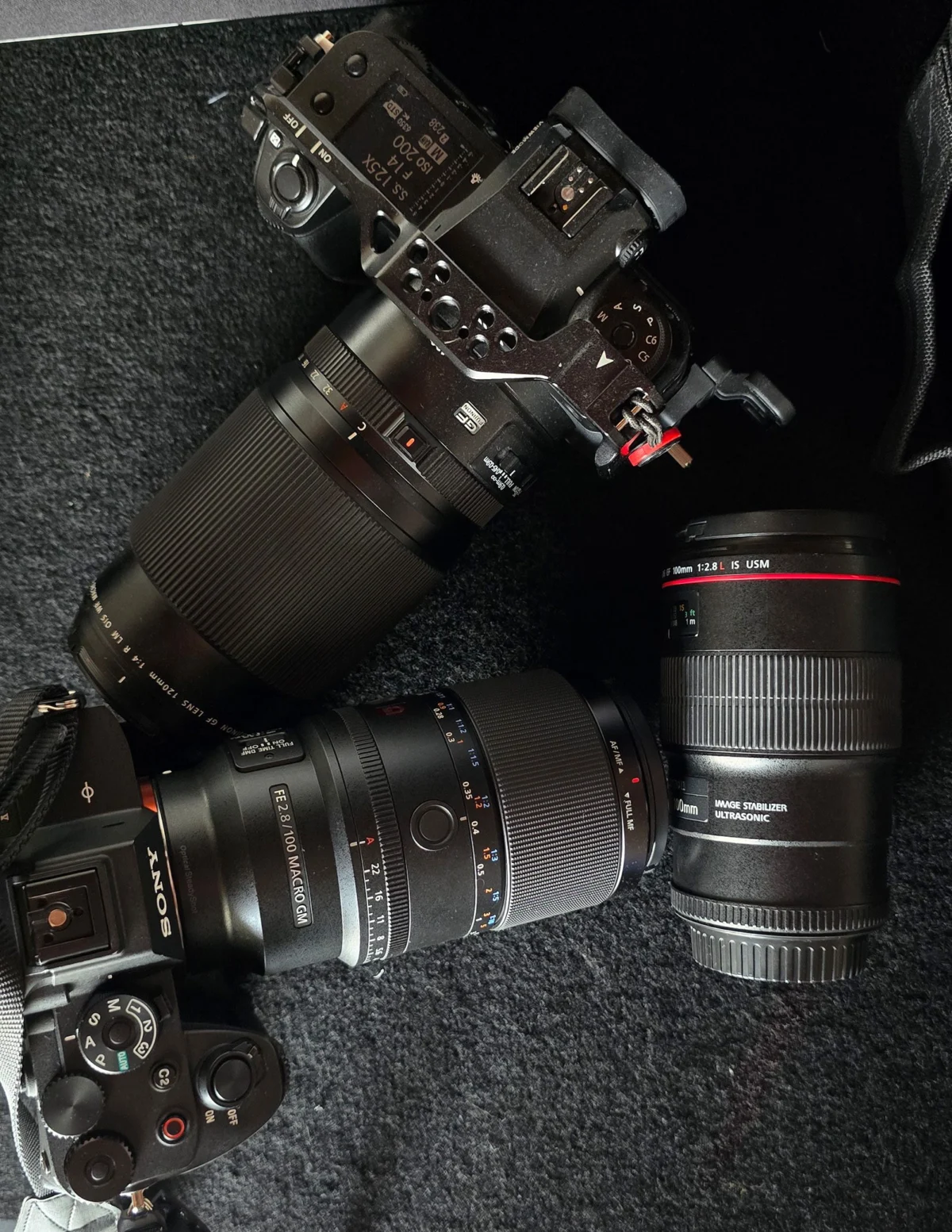
The photographic industry has recently been stirred by the quiet unveiling of Sony’s latest addition to its esteemed G Master lineup: the Sony FE 100mm f/2.8 Macro GM lens. This lens, which had been under a non-disclosure agreement, promises to redefine expectations for macro photography, combining unparalleled optical fidelity with groundbreaking autofocus capabilities. The announcement comes as a significant development for professional photographers and enthusiasts alike, particularly those with a deep appreciation for the intricate world of macro imaging.
The journey to the market for a high-performance lens often begins with whispers and NDAs, a typical prelude for significant product launches in the competitive camera equipment sector. For seasoned professionals with extensive experience in macro photography, the arrival of a new G Master macro lens from Sony signals a serious commitment to pushing the boundaries of what is possible in close-up imaging. The reviewer, boasting ownership of half a dozen macro lenses and regular use of several more over the past decade, and even exclusively relying on a macro lens for their personal Fuji GFX100S, quickly surmised the nature of the upcoming release. This anticipation underscores the niche yet critical role macro lenses play in a photographer’s toolkit.
Understanding the Essence of Macro Photography
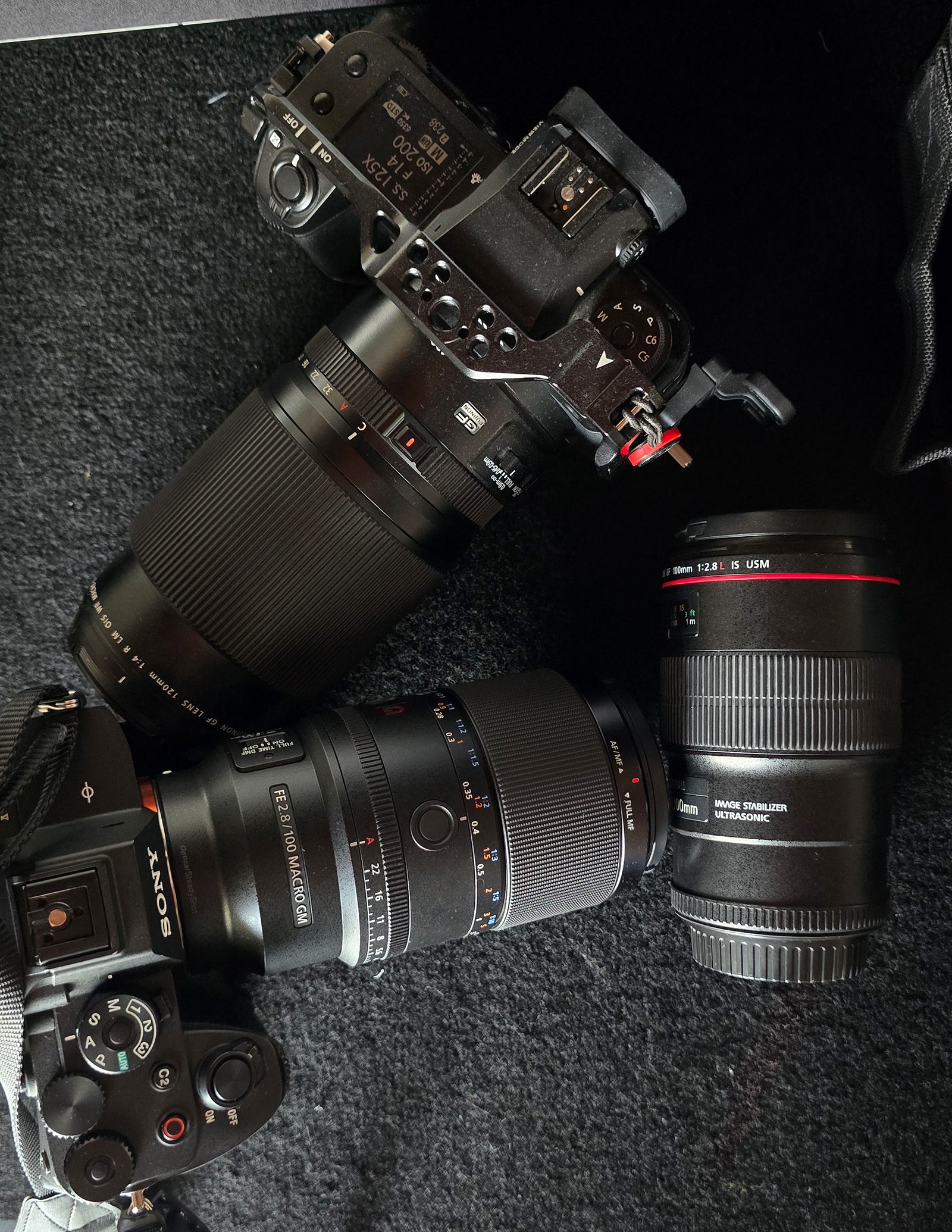
To the casual observer, a macro lens might simply appear as a tool for capturing extreme close-ups of flowers, insects, or human eyeballs, subjects often seen dominating photography forums. However, the true significance of macro lenses extends far beyond their eponymous function. By their very design and intended purpose, macro lenses represent a culmination of advanced optical engineering, often incorporating the best features a manufacturer can offer. Historically, these lenses are renowned for their exceptional sharpness, making them some of the most resolving optics available from any given brand. This inherent sharpness is crucial for rendering the minute details that define macro photography.
Furthermore, macro lenses have traditionally been praised for their autofocus accuracy. While this precision sometimes comes at the expense of outright speed compared to other prime lenses, the meticulous design ensures that focus is achieved with pinpoint accuracy, a non-negotiable requirement when working with shallow depths of field at high magnifications. The added benefits of macro lenses include a remarkably short minimum focusing distance, allowing photographers to get incredibly close to their subjects. Crucially, their superior optical characteristics also make them excellent general-purpose lenses, often outperforming standard primes in terms of sharpness and detail rendition, even when not used for macro-specific applications. This versatility means a macro lens can be a valuable asset for portraits, product photography, and even landscape work, thanks to their flat field of focus and distortion control.
Sony’s Groundbreaking Innovations: The FE 100mm f/2.8 Macro GM
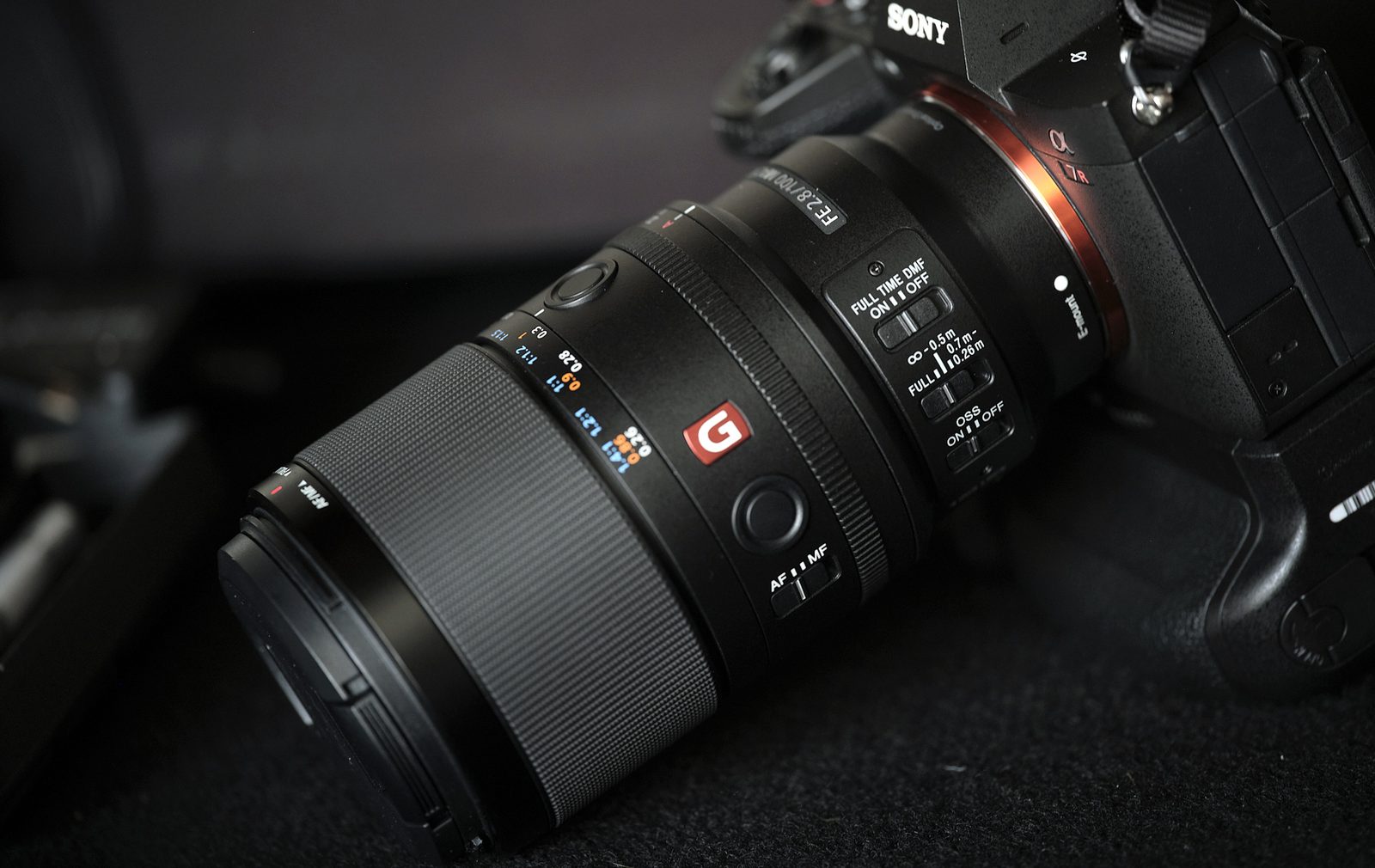
At first glance, the Sony FE 100mm f/2.8 Macro GM might appear to conform to the established norm of ~100mm f/2.8 macro lenses, a common specification among competitors. However, a deeper dive into its specifications reveals several subtle yet profound innovations that position it distinctly above its peers.
One of the most compelling differentiators is its impressive 1.4x magnification ratio. While many industry-standard 100mm macro lenses offer a 1:1 (or 1x) magnification, Sony’s offering pushes this boundary, allowing photographers to capture subjects at 1.4 times their actual size on the sensor. This enhanced magnification provides an immediate advantage, enabling the capture of even finer details without resorting to additional extension tubes or close-up filters, streamlining workflow and maintaining optical integrity. The optical structure, comprising 17 elements arranged in 13 groups, is a testament to Sony’s commitment to delivering best-in-class optical resolution. This complex design meticulously controls aberrations, ensuring corner-to-corner sharpness and minimal distortion. Complementing this optical prowess is Sony’s proprietary Nano AR coating, which effectively suppresses internal reflections, ghosting, and flare, crucial for maintaining contrast and clarity in challenging lighting conditions.
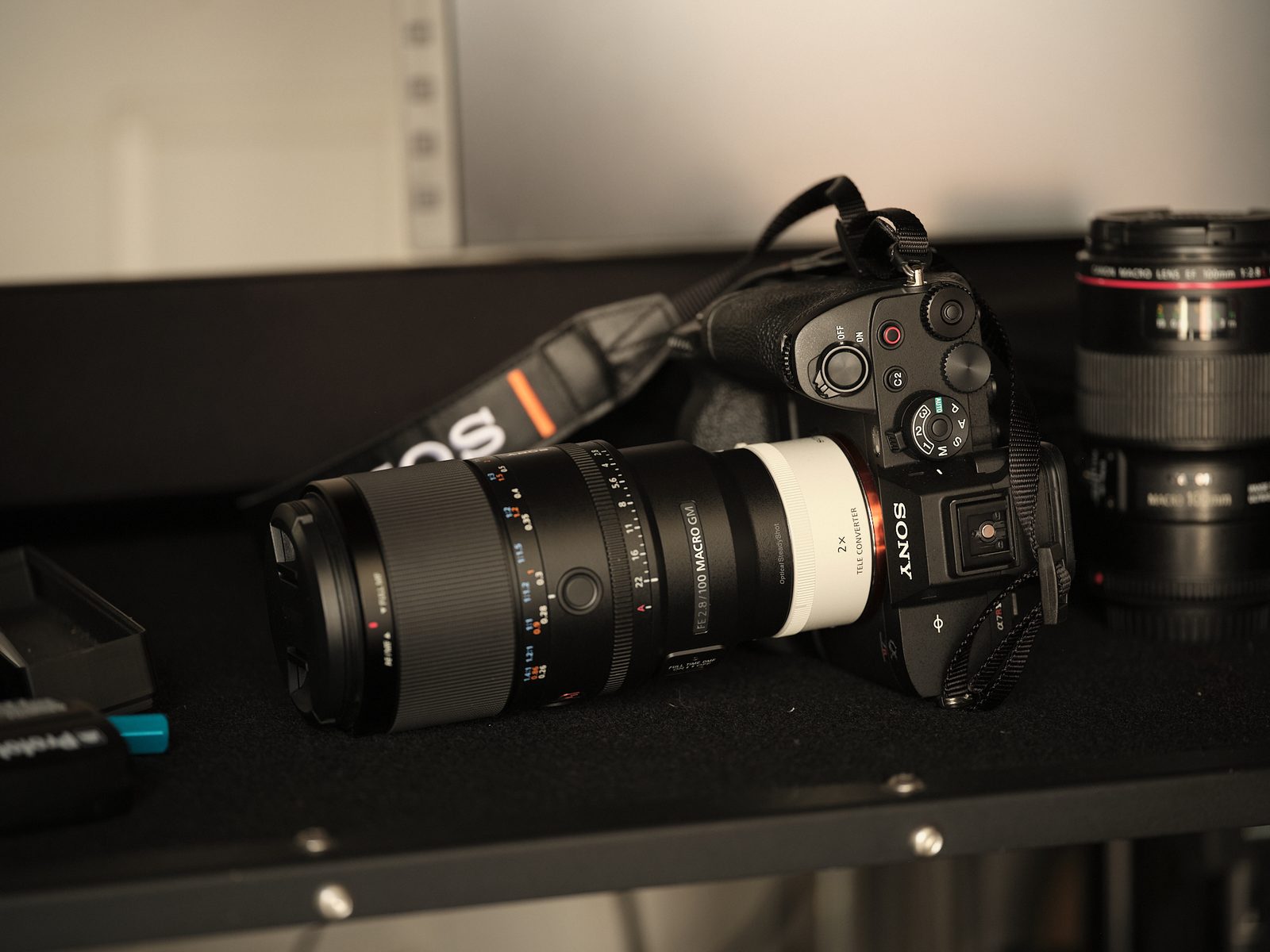
Perhaps the most exciting feature for many photographers, particularly those engaged in specialized fields like beauty macro, is the lens’s compatibility with Sony’s FE 2.0x teleconverter. This capability transforms the 100mm f/2.8 Macro GM into a formidable 200mm f/5.6 macro lens, simultaneously doubling the magnification level to an astonishing 2.8x. This extension significantly increases the working distance from the subject, a critical advantage for photographers who need to illuminate their subjects precisely without physically obstructing the light source or disturbing delicate subjects. For capturing minute details on faces in beauty photography, or elusive insects in their natural habitat, this extended reach and magnification offer unprecedented creative freedom and practical benefits.

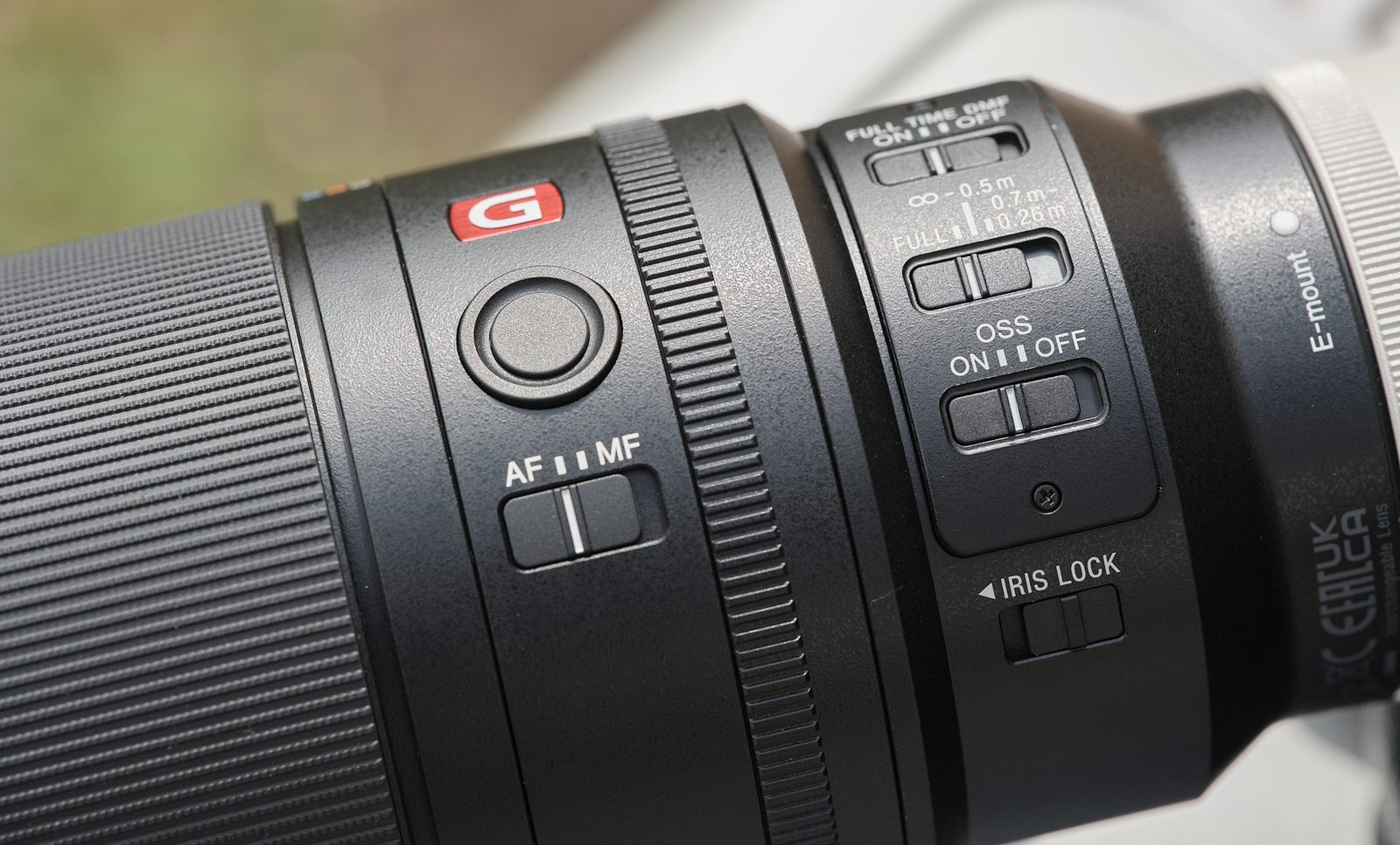
Addressing a long-standing challenge in macro lens design – the trade-off between accuracy and speed in autofocus – Sony has engineered a revolutionary solution. The FE 100mm f/2.8 Macro GM is equipped with four XD (extreme dynamic) linear motors. This advanced autofocus system propels the lens elements with exceptional precision and speed, making it, according to initial assessments, the fastest autofocusing macro lens currently on the market. This technological leap means photographers no longer have to sacrifice rapid subject acquisition for the sake of critical focus, opening up new possibilities for dynamic macro subjects that require quick reaction times. The integration of a five-stop image stabilization system further enhances usability, mitigating camera shake and allowing for sharper handheld shots, especially beneficial in low-light environments or when working at higher magnifications where even minor movements are greatly amplified.
Field Testing and Initial Impressions

Early access to the Sony FE 100mm f/2.8 Macro GM allowed for preliminary testing in a controlled studio environment. The independent reviewer, known for a healthy skepticism towards marketing claims and a belief that most modern lenses already exceed the resolution capabilities of many photographers, found themselves genuinely impressed. The primary benchmark for comparison was the reviewer’s established setup: the Fujifilm GFX 100s medium format camera paired with the Fujifilm GF 120mm f/4 Macro lens. While the Fujifilm lens offers commendable close-focusing capabilities and exceptional sharpness inherent to the medium format system, its magnification level is limited to 0.5x.
The contrast in performance was striking. When the Sony 100mm GM was mounted on a Sony a7R V body, the combination delivered faster autofocusing and visibly sharper images than the Fujifilm medium-format kit. Critically, it also surpassed the Fujifilm’s magnification level, even without the teleconverter. This finding is particularly significant given the GFX 100s’s renowned 102-megapixel sensor and the Fujifilm lens’s premium status. The fact that a full-frame system could outperform a medium-format setup in key macro metrics such as magnification and sharpness (when comparing 100% crops) speaks volumes about Sony’s engineering achievements with the new GM lens. The ability to then augment the Sony lens with a 2x teleconverter further widens the performance gap in terms of reach and magnification, offering a compelling argument for its superiority in certain macro applications.

Comparative Analysis within the Macro Lens Market
To provide a comprehensive perspective, the Sony FE 100mm f/2.8 Macro GM must be evaluated against its closest competitors. While the Fujifilm GF 120mm f/4 Macro serves as a premium benchmark, other full-frame macro lenses from Canon also warrant consideration.

| Feature | Sony FE 100mm f/2.8 GM | Fujifilm GF 120mm f/4 | Canon EF 100mm f/2.8L IS | Canon RF 100mm f/2.8L IS |
|---|---|---|---|---|
| Lens Design | 17 Elements in 13 Groups | 14 Elements in 9 Groups | 15 Elements in 12 Groups | 17 Elements in 13 Groups |
| Stabilization | Yes, five-stop | Yes, five-stop | Yes, two-stop | Yes, five-stop |
| Magnification Level | 1.4x Magnification | 0.5x Magnification | 1x Magnification | 1.4x Magnification |
| Minimum Focus Distance | 0.26m | 0.45m | 0.30m | 0.26m |
| Size Dimensions (DxL) | 81.4 x 147.6 mm | 89.2 x 152.5 mm | 77.7 x 123 mm | 81.5 x 148 mm |
| Weight | 646 g | 980 g | 625 g | 730 g |
| Price (approx.) | $1,399 – $1,699 (TBD) | $3,099 | $1,399 | $1,199 |
Analyzing this data, the Sony FE 100mm f/2.8 GM immediately stands out for its high 1.4x magnification, matching the cutting-edge Canon RF version and significantly surpassing the Fujifilm’s 0.5x and the older Canon EF’s 1x. Its advanced 17-element, 13-group optical design mirrors that of the RF 100mm, suggesting a sophisticated approach to aberration correction and image quality. The five-stop image stabilization is competitive, offering a significant advantage over the older Canon EF model’s two-stop system and matching the modern capabilities of Fujifilm and Canon RF.
The minimum focus distance of 0.26m is also highly competitive, allowing for extremely close working distances, on par with the Canon RF. In terms of physical attributes, the Sony lens strikes a good balance between size and weight. At 646g, it is lighter than the Canon RF and considerably lighter than the Fujifilm GF, making it a more portable option for fieldwork. The anticipated price range positions it as a premium offering, but one that appears to deliver exceptional value given its advanced features and performance, especially when compared to the significantly more expensive medium-format Fujifilm option.
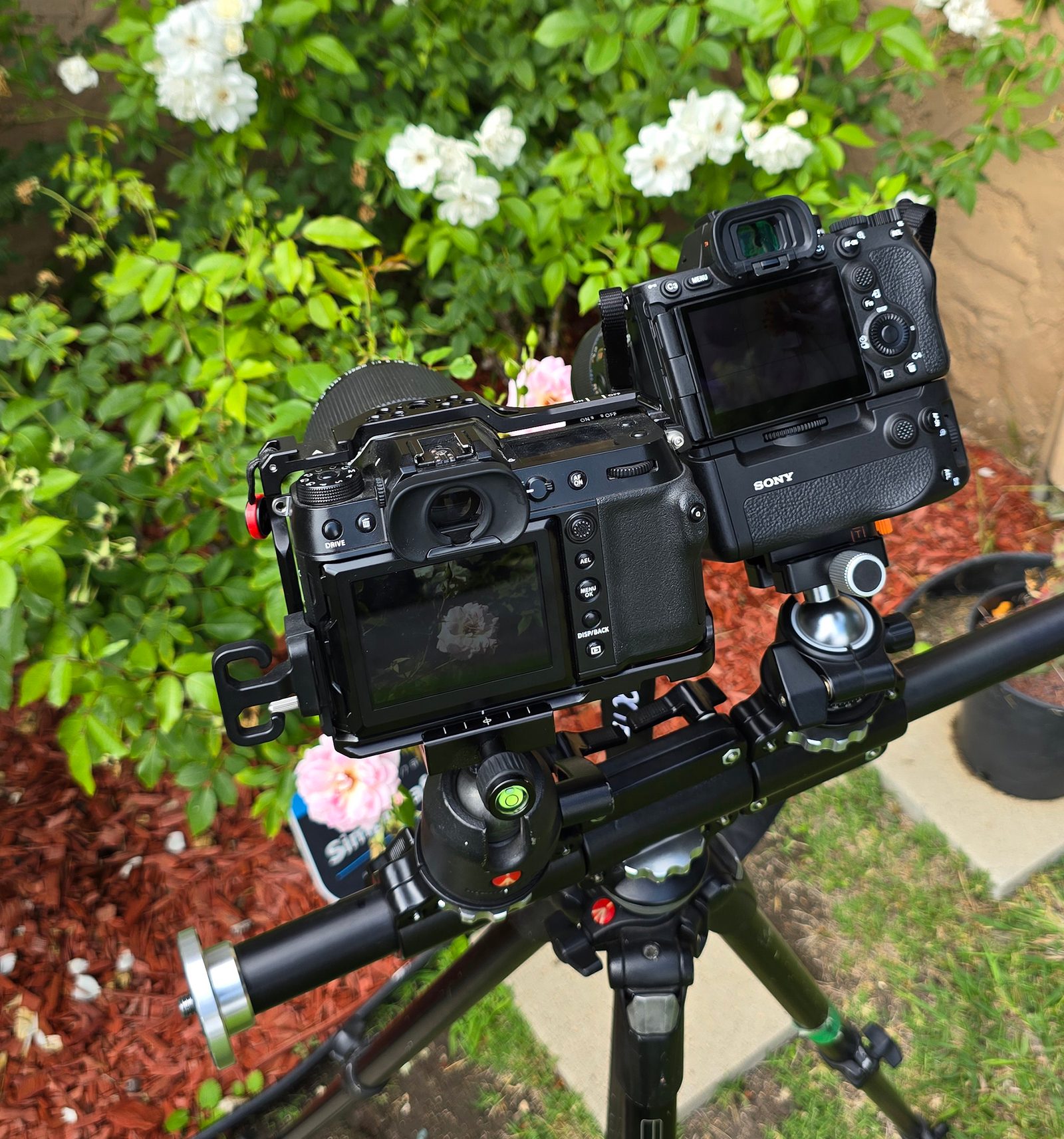
The detailed comparison with the Fujifilm GF 120mm f/4 Macro further illustrates the Sony lens’s impact. While the Fujifilm system boasts nearly double the resolution of a Sony a7R V sensor, the Sony FE 100mm f/2.8 GM, particularly when combined with the 2x teleconverter, closes the gap in effective detail capture. The teleconverter transforms the Sony setup into a 200mm lens with an astounding 2.8x magnification, enabling a photographer to capture details that would be challenging even for a medium format sensor at its native 0.5x magnification. This comparison is not about declaring one system definitively "better" overall, but rather highlighting how Sony’s latest macro lens provides a highly competitive, if not superior, solution for extreme magnification and sharpness within a more compact and often faster full-frame ecosystem.
Broader Market Implications and Future Outlook

The introduction of the Sony FE 100mm f/2.8 Macro GM lens is poised to have significant implications for the broader photographic market. For Sony, it solidifies its position as a leader in optical innovation, particularly within its G Master series, which is synonymous with uncompromising image quality. This lens directly challenges competitors by setting new benchmarks in macro magnification, autofocus speed, and overall optical performance for full-frame mirrorless systems.
Canon, which also offers a 1.4x macro lens in its RF lineup, will face renewed pressure to innovate, especially concerning autofocus speed in macro applications. For other manufacturers, the bar has been raised, potentially catalyzing further research and development in advanced motor technologies and optical designs to match Sony’s latest offering. The enhanced versatility provided by teleconverter compatibility also adds a new dimension to macro lens utility, potentially influencing future lens designs across the industry.

For photographers, the new Sony FE 100mm f/2.8 Macro GM represents an exciting leap forward. Its blend of high magnification, exceptional sharpness, and lightning-fast autofocus opens up new creative avenues for various genres, from scientific and industrial imaging to artistic nature and portrait photography. The ability to work at greater distances with teleconverters will be particularly welcomed by wildlife macro photographers who often struggle to approach timid subjects.
In conclusion, the Sony FE 100mm f/2.8 Macro GM lens is not just another addition to the macro lens segment; it is a statement of intent from Sony. Despite the initial limited testing period, the overwhelming first impressions point towards a lens that truly pushes the boundaries of macro photography. Its combination of advanced optical engineering, industry-leading magnification, and revolutionary autofocus speed positions it as a groundbreaking tool that will likely influence the direction of future macro lens development. With pre-orders now available and an anticipated release in the coming weeks, the photographic community eagerly awaits the opportunity to fully explore the capabilities of this remarkable new G Master lens.