The realms of street photography and photojournalism, while often sharing common ground in their candid capture of reality, represent fundamentally distinct approaches to visual documentation and artistic expression. Understanding these differences is crucial for appreciating the intent, ethics, and impact of each genre, illuminating how they inform different practices, responsibilities, and audience expectations. While both rely on keen observation, decisive moments, and the ability to translate the fleeting into the enduring, their ultimate objectives diverge significantly, shaping their methodologies, ethical frameworks, and the very criteria by which their success is measured.
The Core Distinctions: Intent and Objective
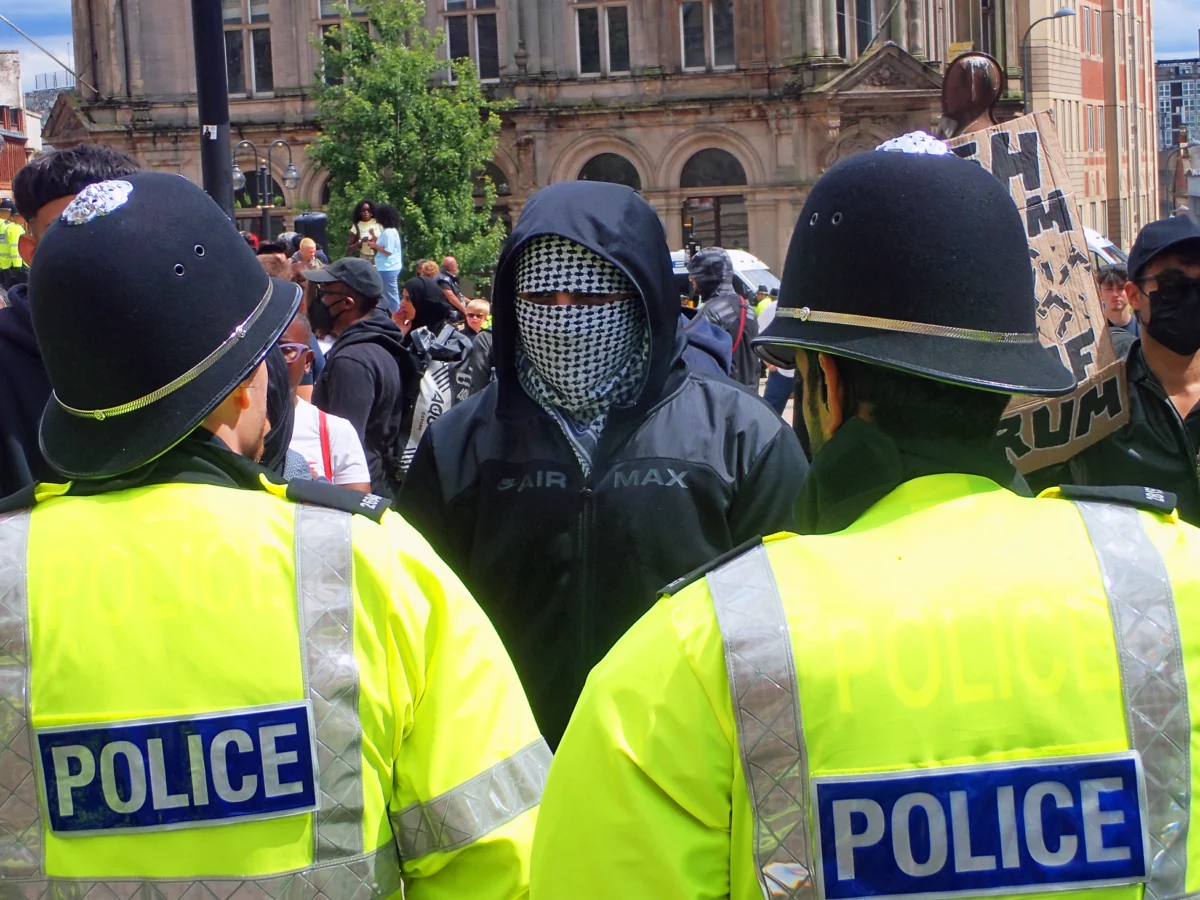
At its heart, photojournalism is driven by the imperative to inform. Its primary duty is factual storytelling, aiming to document news, events, and societal occurrences with accuracy and contextual depth. This often involves providing a clear, unambiguous narrative for media outlets, adhering to stringent ethical standards that emphasize objectivity and a commitment to minimizing manipulation. The photojournalist’s lens is a tool for bearing witness, preserving evidence, and educating the public about the world around them. Their work is typically commissioned or intended for publication, where it serves to complement written reports and provide a visual anchor to unfolding events.
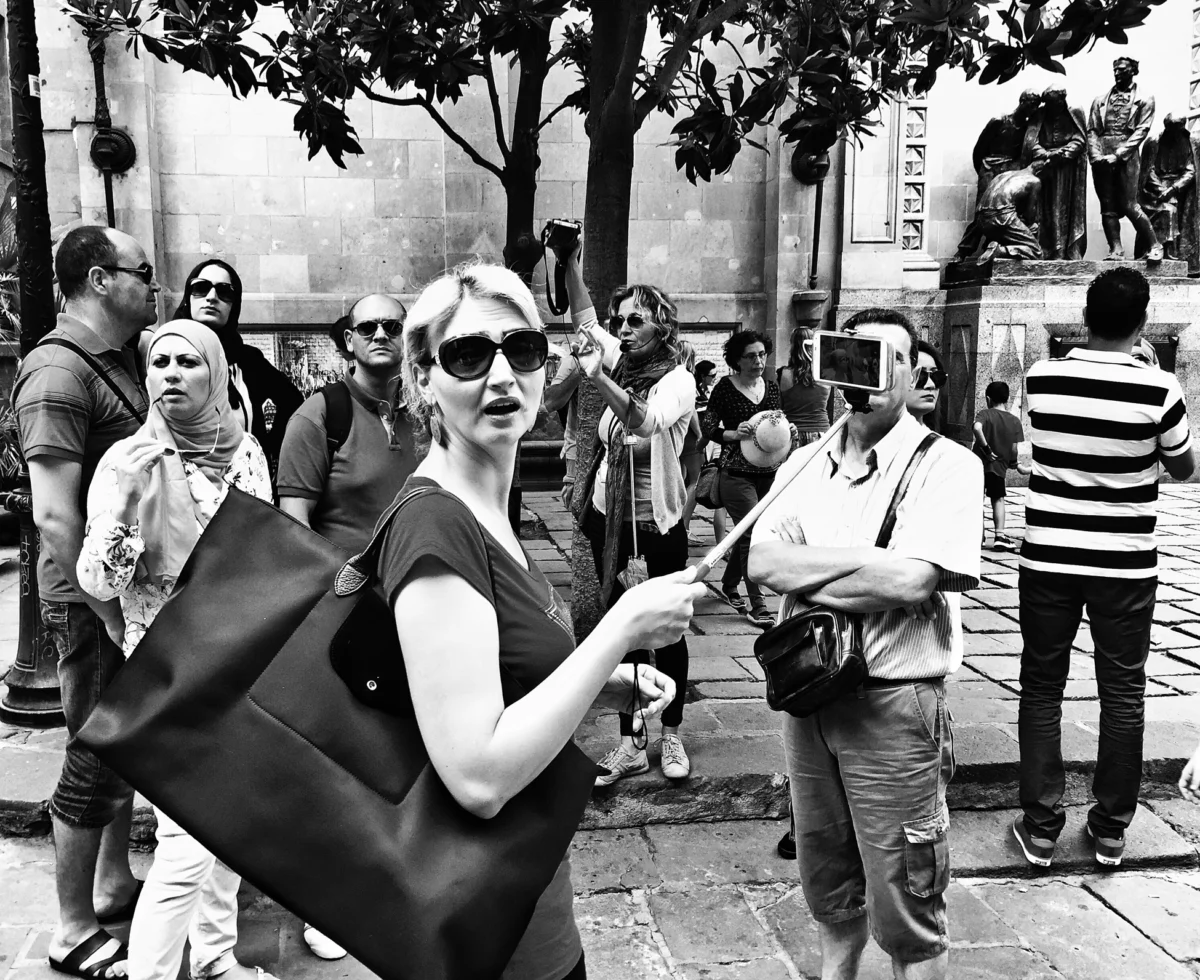
Street photography, conversely, prioritizes personal vision and aesthetic exploration. It focuses on candid, often artistic images of everyday life and urban scenes, valuing mood, composition, humor, juxtaposition, and the capture of spontaneous, often ephemeral moments. While street photographers also rely on candid shooting and observational skill, their intent is less about objective reporting and more about subjective interpretation and artistic expression. The ambiguity and inherent questions raised by a street photograph are often part of its allure, inviting viewers to engage with the image on a deeper, more personal level. The social commentary, light or dark humor, and unexpected juxtapositions that characterize strong street photography are elements that stem from the artist’s unique perspective and their engagement with the urban environment.
Methodologies: Serendipity vs. Structured Coverage
The practical execution of these genres also reveals their divergence. Great street photography is frequently reliant on serendipity and timing. Capturing fleeting, unplanned moments with perfect composition, light, and expression demands constant presence, quick reflexes, and an element of luck. The street photographer is an explorer, navigating the unpredictable currents of public life, ready to seize an opportunity when it arises. Their work often appears as a result of sustained observation and immersion in the environment, where the unexpected can manifest at any moment.
Photojournalism, while also requiring sharp reflexes, often involves a more structured approach. Coverage is frequently staged around known events, predictable beats, or assignments that offer a degree of foresight. While spontaneity can certainly occur and be captured, the initial framework for the photojournalist’s work is often established by the news cycle and editorial requirements. This allows for the planning of resources, access to events, and a more deliberate approach to covering a story from multiple angles.
Furthermore, the narrative construction differs significantly. Street photographers generally must achieve narrative cohesion and strong visual design—composition, contrast, mood—with implied storytelling within a single frame. Their work stands alone, inviting interpretation through its visual elements. Photojournalists, on the other hand, can build narratives across sequences of images, supplemented by captions that provide crucial context, factual information, and direct explanations. This allows for a more comprehensive and explicit storytelling process, where the written word and the visual work in tandem.
Ethical Frameworks: Institutional Obligations vs. Self-Regulation
The ethical considerations for both genres are paramount, yet they operate under different frameworks. Photojournalists adhere to institutional guidelines and editorial policies, which often include strict rules regarding consent, especially for sensitive stories involving vulnerable individuals or traumatic events. Their obligation to truth and harm avoidance is often institutionally enforced, with professional bodies and media organizations holding them accountable to established ethical codes. The pursuit of accuracy and fairness is a cornerstone of their practice, ensuring that their images do not misrepresent reality or cause undue distress.
Street photographers, while also needing ethical awareness, operate within a more self-regulated space. Their practice demands a careful, self-directed balancing of artistic freedom with respect for subjects. While there are no universal, legally binding codes of conduct for street photographers, a strong sense of personal ethics and a consideration for privacy norms are crucial. The "artistic freedom" often invoked in street photography must be navigated responsibly, ensuring that the pursuit of a compelling image does not infringe upon the dignity or rights of individuals. This often leads to a more subjective and personal interpretation of ethical boundaries, relying on the photographer’s conscience and their understanding of societal norms.
The Subjectivity of "Greatness"
The criteria for judging the success of each genre also reflect their inherent differences. Great street photography is often judged on personal vision, originality, and emotional resonance. This inherently subjective nature makes it harder to meet universal consensus, leading to a more fluid and individualistic standard of "greatness." What one viewer finds profoundly moving or artistically brilliant, another might overlook. This subjectivity is a hallmark of art, where interpretation and personal connection play a significant role.
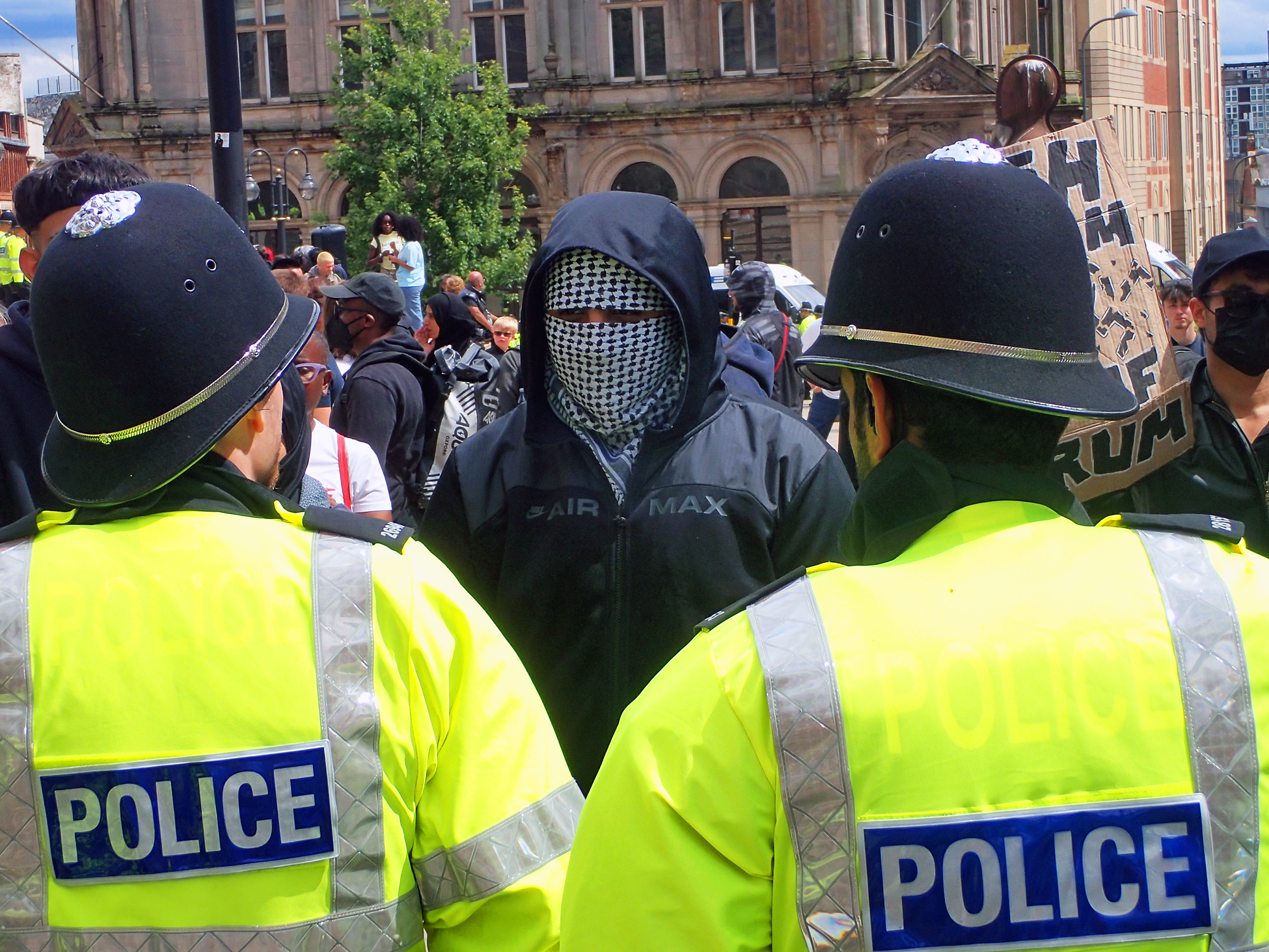
In contrast, photojournalism has clearer factual and editorial criteria that guide successful outcomes. Accuracy, relevance, timeliness, and the ability to effectively inform an audience are key metrics. While aesthetic quality is certainly valued, the primary measure of success in photojournalism lies in its ability to convey information truthfully and impactfuly, contributing to public understanding of important issues.
Intersections and Overlaps
Despite their distinctiveness, street photography and photojournalism are not mutually exclusive. Images captured in the spirit of street photography can become newsworthy, offering a raw and authentic perspective on events that might otherwise be overlooked. Conversely, photojournalistic photographs can adopt the aesthetic sensibilities of street photography, employing strong composition, evocative mood, and compelling juxtapositions to enhance their impact. These intersections highlight the fluid nature of visual storytelling and the potential for different approaches to enrich one another. However, understanding the fundamental goals of each genre remains crucial for clarifying the photographer’s approach, their responsibilities, and the expectations of their audience.
The Role of the Photographer: Observer vs. Witness
The street photographer is often an anonymous observer, blending into the urban fabric to capture candid moments. Their presence is typically unobtrusive, allowing them to document life as it unfolds organically. This requires a deep understanding of human behavior, social dynamics, and the rhythms of the city. The success of their work often hinges on their ability to anticipate moments, to be in the right place at the right time, and to react instinctively.
The photojournalist, while also an observer, often assumes a more active role as a witness, particularly in conflict zones or during significant public events. Their presence may be more overt, as they document events of public interest. The narrative they construct is often part of a larger journalistic endeavor, contributing to a collective understanding of events. Their work is intrinsically linked to the dissemination of information and the shaping of public discourse.
Legal and Societal Implications
The legal and ethical considerations surrounding both genres also have significant societal implications. Photojournalism, with its direct link to news reporting, often faces greater scrutiny regarding libel, defamation, and privacy rights. Legal frameworks are more established to address the impact of published images on individuals and public figures.
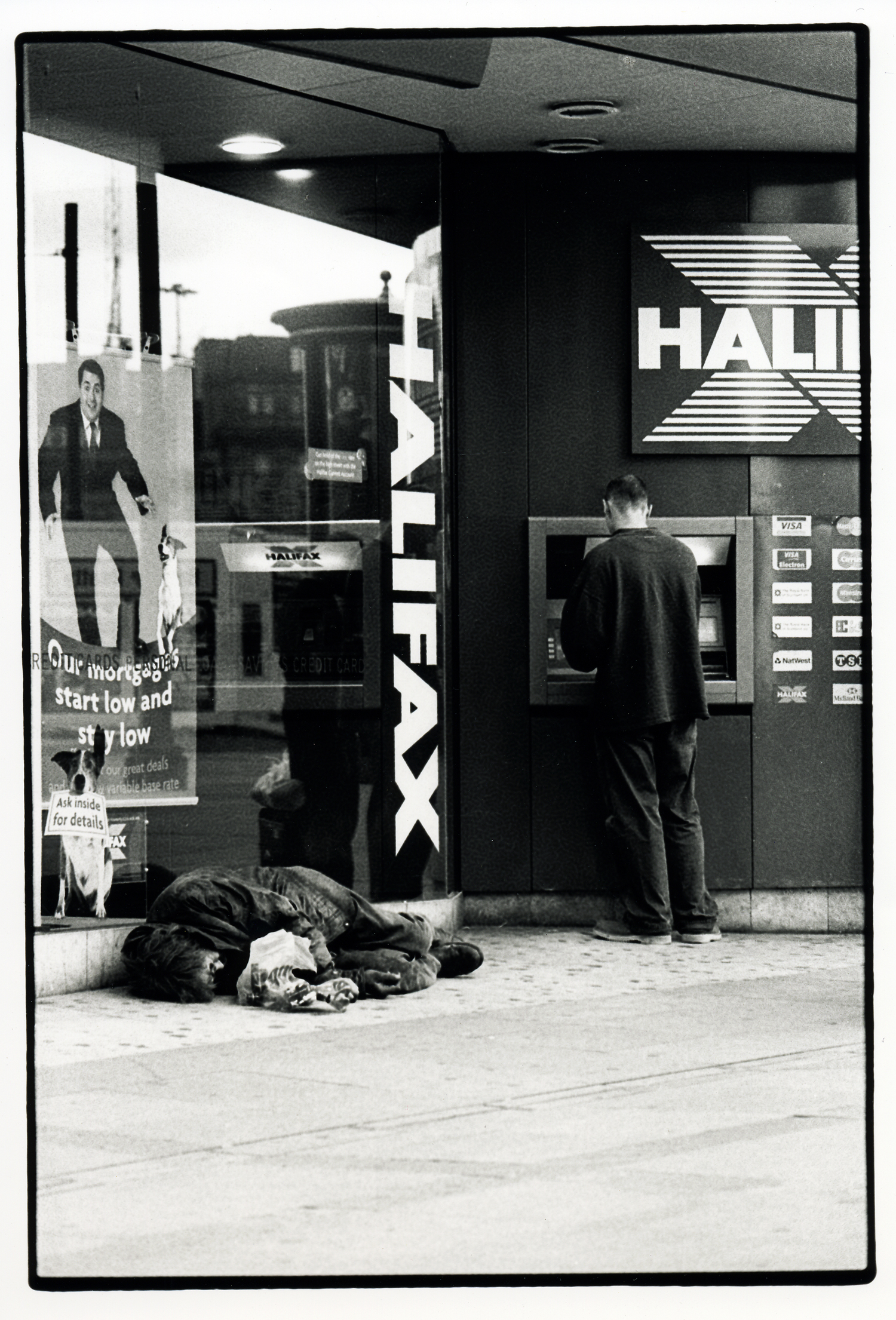
Street photography, operating in a more gray area of artistic expression, navigates complex issues of privacy and public space. While generally permissible to photograph in public areas, the context and intent of the photograph can influence its legality and ethical standing. The debate over the right to photograph versus the right to privacy is ongoing and has led to varying legal interpretations and societal expectations across different jurisdictions. The rise of social media has further amplified these discussions, as images captured on the street can be disseminated globally with unprecedented speed.
Conclusion: Distinct Paths, Shared Purpose
In essence, street photography and photojournalism, while sharing a foundation in capturing reality through the lens, embark on distinct paths with divergent objectives. Photojournalism serves as the diligent chronicler of our times, committed to factual accuracy and informing the public. Street photography, on the other hand, acts as the poetic interpreter of everyday existence, exploring the aesthetic, emotional, and often unexpected dimensions of urban life. Both demand a high degree of skill, dedication, and ethical consideration, contributing in their own unique ways to the rich tapestry of visual storytelling. Recognizing their individual strengths and purposes allows for a deeper appreciation of the power and versatility of photography in documenting, interpreting, and reflecting the human experience. The continuous evolution of visual media ensures that the dialogue between these genres will remain dynamic, offering new perspectives and challenges for photographers and audiences alike.