The author’s initial encounter with the Colorado River Delta, from the perspective of a Canadian experiencing the vastness of the North American continent, marked the genesis of a profound connection to a landscape of immense scale and delicate beauty. What began as a personal quest to understand fundamental questions about human existence and our place in the natural world evolved into a powerful visual narrative of both degradation and nascent renewal. The author, reflecting on a childhood initiated into exploration at the age of nine with the unsupervised operation of a snowmobile, developed an early and intimate understanding of wild animal habitats. This formative experience fostered a deep appreciation for the interconnectedness of life, a sentiment that would later be profoundly tested and ultimately reignited by the stark realities of the Colorado River Delta.
The Grandeur and the Grief of a Once-Mighty Waterway
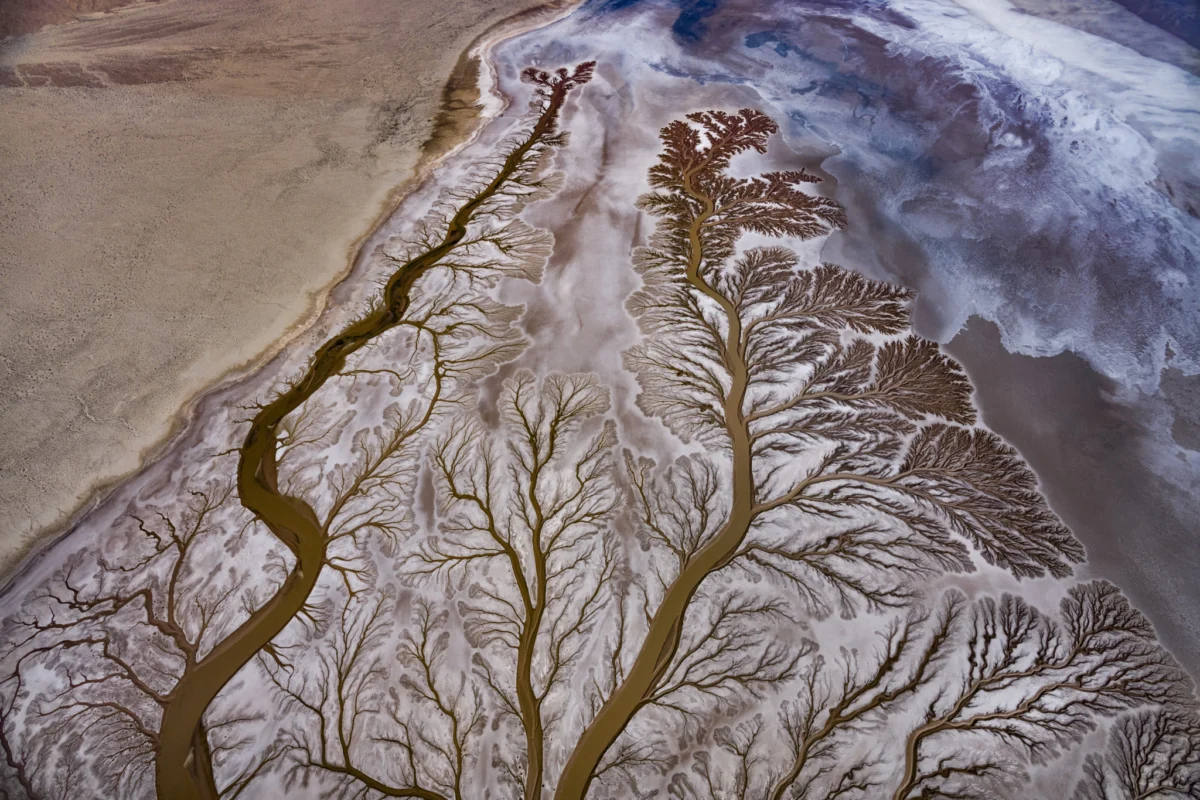
From an altitude of 10,000 feet, the initial expectation was of a simple dendritic pattern, a series of "little fingers" emanating from the river. The reality, however, was a breathtaking panorama stretching over five miles, a landscape so expansive and intricate that it defied immediate photographic capture. The challenge became not just to document its aesthetic grandeur but to translate its essence – the potent message of life and renewal – into compelling imagery.
This artistic endeavor, however, is underscored by a somber truth. The Colorado River, a vital artery originating in the Rocky Mountains, has a storied history of being a lifeblood for seven U.S. states and a significant portion of northwest Mexico, historically emptying into the Sea of Cortez. Its journey, spanning over 1,500 miles, traverses diverse ecosystems, from alpine forests to arid desert floodplains, carving through iconic red rock canyons. Yet, since the mid-20th century, the narrative of the Colorado River has transformed into one of depletion and distress.
A Legacy of Over-Allocation and Environmental Strain
The current state of the Colorado River Delta is a stark testament to decades of unsustainable water management practices. The river’s flow has been significantly reduced due to extensive dam construction, irrigation demands from agriculture, and the burgeoning needs of a growing human population. This over-allocation has resulted in the river frequently failing to reach its natural terminus, the Sea of Cortez, leading to the desiccation of vast areas of its delta.
Compounding the issue of human demand is the persistent environmental challenge of drought. The region is currently experiencing the most severe drought in the last 1,200 years, a climatic shift that exacerbates the existing water scarcity. This prolonged dry spell intensifies the pressure on an already overburdened ecosystem, pushing it to the brink of collapse. The once-vibrant wetlands and estuarine habitats of the delta, crucial for biodiversity and local livelihoods, have suffered immense degradation.
The Artistic Interpretation: A Three-Dimensional Canvas of Life
As the author and pilot Rodrigo explored different altitudes, ranging from 200 to 1,000 feet, a deeper appreciation for the delta’s intricate patterns emerged. Flying at lower elevations transformed the experience into navigating a "three-dimensional canvas of poetry and art." The mesmerizing patterns observed from the air – a "quilted mosaic of silt and sediment" – were seen as symbolic of the "tree of life," its interwoven veins, capillaries, and branches evoking the very lungs of the Earth. This profound visual metaphor underscored the delicate balance of natural systems and the critical role the river played in sustaining them. The challenge for the photographer was to capture these ephemeral moments of natural artistry, to translate these intricate patterns of life into images that could resonate with viewers and foster a deeper connection to the landscape.
The Turning Tide: A Binational Effort of Restoration
Despite the grim realities of environmental degradation, a beacon of hope has emerged in recent years. The story of the Colorado River Delta is not solely one of loss; it is also a testament to the power of collaborative conservation and restoration. A groundbreaking binational initiative, involving a coalition of conservation organizations, the governments of the United States and Mexico, and local communities in the Mexicali Valley, has begun to breathe new life into the delta.
Key Milestones in Restoration Efforts:
- Minute 64 (2010): A landmark agreement between the U.S. and Mexico that allocated a small but significant portion of water – 1.23 million acre-feet over three years – for environmental flows. This marked the first time water was intentionally released to benefit the environment in decades.
- The Pulse Flow (2014): Following Minute 64, a coordinated "pulse flow" of water was released, allowing the Colorado River to reach the Sea of Cortez for the first time in years. This event revitalized vegetation and created temporary wetland habitats.
- Minute 319 (2017): This agreement further solidified binational cooperation, establishing a framework for future environmental flows and collaborative management of the river basin, even during drought conditions.
- Ongoing Conservation Projects: Numerous projects focus on restoring riparian habitats, reintroducing native species, and promoting sustainable water use practices among local communities and agricultural operations.
These concerted efforts have resulted in water flowing into the delta once again, albeit on a limited and carefully managed basis. This resurgence, dependent on the eventual end of the current severe drought, represents a significant shift from a narrative of terminal decline to one of potential recovery and renewal.
Broader Implications and the Path Forward
The story of the Colorado River Delta carries profound implications for water management, conservation, and international cooperation in arid regions worldwide. The success of the binational restoration effort serves as a compelling case study for how human intervention, when guided by scientific understanding and a commitment to collaboration, can begin to mend ecosystems damaged by decades of unsustainable practices.
Supporting Data and Analysis:
- Historical Flow Reduction: Prior to significant water diversion in the mid-20th century, the Colorado River’s average annual flow into the Sea of Cortez was approximately 15 million acre-feet. By the early 21st century, this figure had plummeted to less than 1 million acre-feet in many years, with significant periods of zero flow.
- Biodiversity Loss: The ecological consequences of the river’s desiccation have been severe, leading to the decline of numerous native fish species, migratory birds, and the overall health of the delta’s unique estuarine ecosystem. Studies have documented a significant reduction in bird nesting sites and fish populations.
- Economic Impact: The delta’s ecosystems historically supported vibrant fishing and agricultural communities. The decline of these natural resources has had a direct economic impact on local populations, highlighting the interconnectedness of environmental health and human well-being.
- The Role of Agriculture: Agriculture accounts for approximately 70-80% of the Colorado River’s water use. While essential for food security, the efficiency of irrigation practices and the cultivation of water-intensive crops are critical areas for ongoing reform and innovation.
The restoration efforts, while promising, are inherently fragile and dependent on a complex interplay of factors. The ongoing drought remains a significant threat, and the long-term sustainability of these initiatives will require continued political will, robust scientific monitoring, and sustained community engagement. The "terrible beauty" described by the author—the juxtaposition of breathtaking natural formations with the stark evidence of environmental damage—underscores the urgency and importance of these ongoing endeavors. The ability to capture these patterns of life, not just as art but as a call to action, is paramount. The author’s journey from the Canadian North to the arid landscapes of the Colorado River Delta embodies a universal human pursuit: understanding our place within the grand tapestry of life and actively participating in its preservation and renewal. The photographer’s lens, in this instance, becomes a powerful tool for witnessing both the wounds inflicted and the promising signs of healing, offering a visual testament to resilience and the enduring hope for ecological recovery.