The global stock media industry has undergone a radical transformation over the last decade, transitioning from a niche resource for advertising agencies into an essential utility for the burgeoning creator economy. At the center of this evolution is Depositphotos, a content marketplace that has positioned itself as a primary competitor to industry titans like Shutterstock and Adobe Stock. Founded in 2009 by Dmitry Sergeev and later acquired by the multi-national design and marketing giant Cimpress (Vista) in 2021, Depositphotos has expanded its library to include more than 304 million files. For businesses, freelancers, and marketing professionals, the platform’s utility is defined not just by its volume of content but by a pricing structure designed to accommodate a vast spectrum of budgetary requirements and download frequencies.
The Strategic Evolution of Depositphotos and Market Context
To understand the current pricing and plan structures of Depositphotos, one must look at the company’s trajectory within the broader digital asset market. Since its inception in Kyiv, Ukraine, the agency has prioritized accessibility and technological integration. The 2021 acquisition by Cimpress for an estimated $85 million signaled a strategic shift, integrating Depositphotos into the "Vista" ecosystem alongside VistaPrint and 99designs. This integration has allowed the platform to leverage a massive global infrastructure, now serving over 43 million clients and supporting 26 languages.
The stock media market is currently projected to grow at a compound annual growth rate (CAGR) of over 6% through 2030, driven by the demand for high-quality visual content in social media marketing, e-commerce, and digital publishing. Depositphotos has responded to this demand by diversifying its content beyond traditional photography to include vectors, illustrations, high-definition videos, and royalty-free music tracks.

Analysis of Subscription-Based Pricing Models
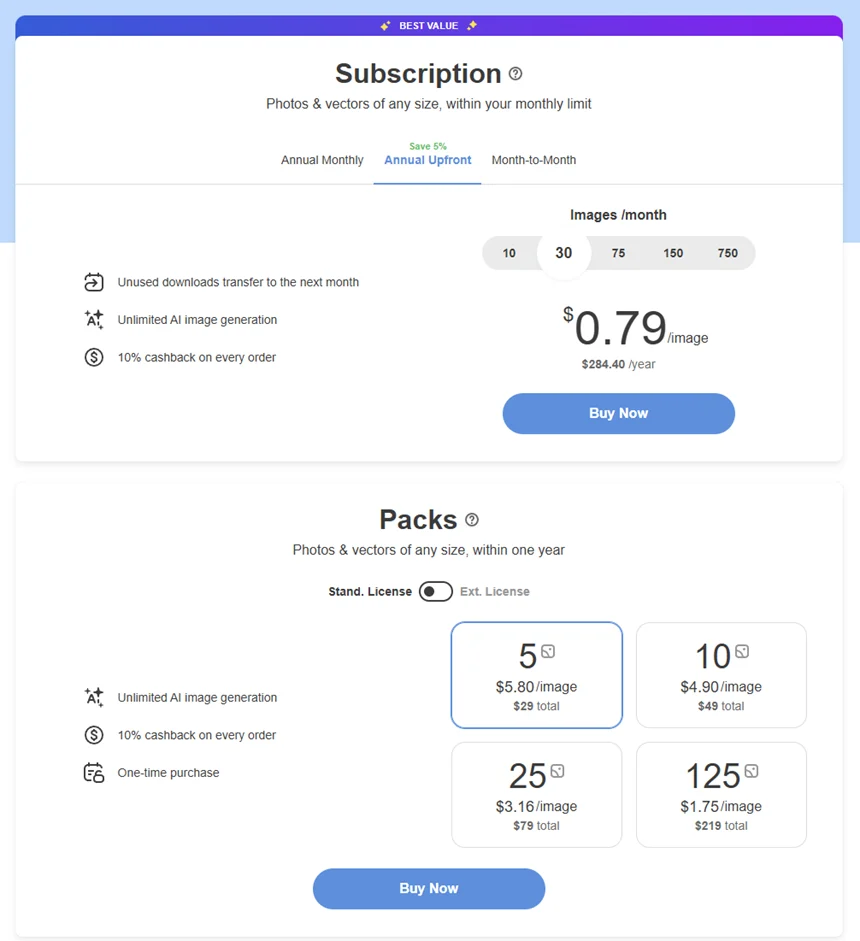
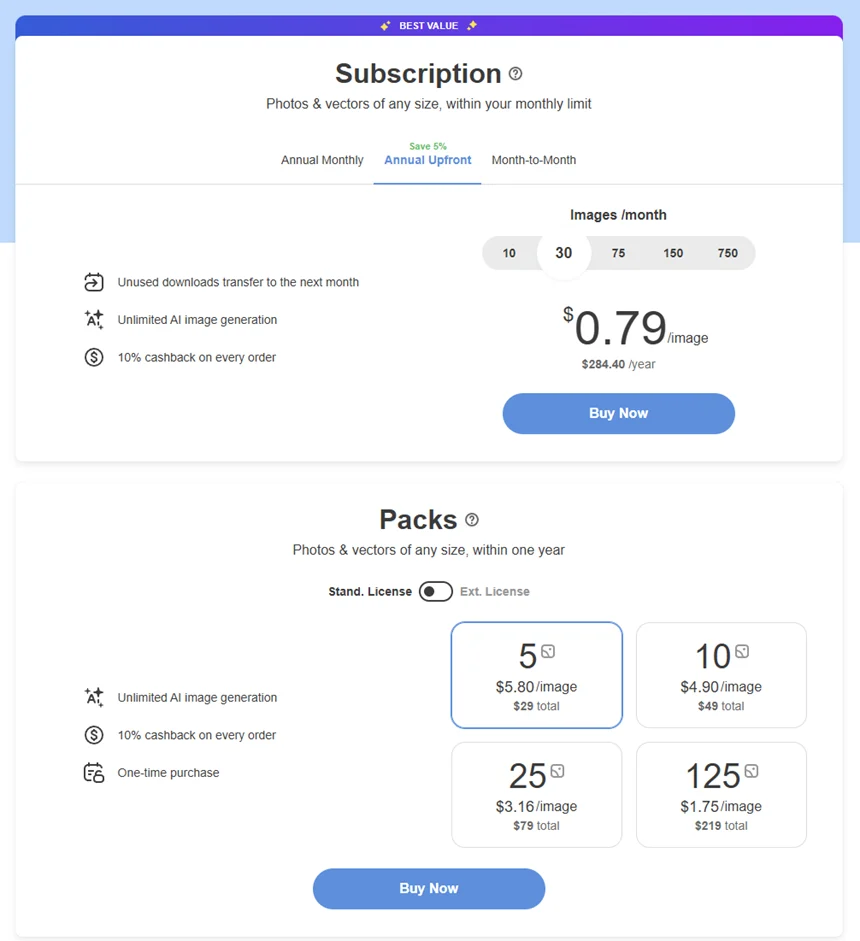
Depositphotos utilizes a tiered subscription model that incentivizes long-term commitment through significant discounts on annual billing. These plans are categorized by the number of downloads permitted per month, providing a scalable solution for users with predictable content needs.
Low-Volume and "Flexible" Plans
For individual creators or small startups, the "10 Images" and "30 Images" plans serve as entry points. The 10-image plan is currently positioned at approximately $10.90 per month when billed monthly. However, the cost-effectiveness increases when the user opts for annual billing, reducing the monthly overhead. A unique feature of the Depositphotos model is the "Flexible Plan," which historically allowed for a low monthly fee with a set number of downloads and a fixed price for additional downloads, preventing the "use it or lose it" frustration common in the industry.
High-Volume Professional Plans
For agencies and large-scale marketing departments, the 150-image and 750-image monthly plans represent the highest value in terms of "cost per image."
- The 150-Image Tier: Billed monthly at approximately $97.50, this plan is designed for mid-sized entities managing multiple social media accounts or blog platforms.
- The 750-Image Tier: At roughly $187.50 per month (monthly billing), this plan reduces the cost of a single high-resolution image to a fraction of a dollar.
A critical data point for prospective subscribers is the "Annual Paid Upfront" option. For the 750-image plan, an upfront payment of $1,699 per year can result in substantial savings compared to the month-to-month rate, making it the preferred choice for established creative firms with consistent high-volume requirements.

On-Demand Credits: The Alternative for Occasional Users
Recognizing that not every project requires a monthly commitment, Depositphotos offers an on-demand credit system. This model is tailored for users who may need five images one month and none for the next three.
Unlike subscription downloads, which typically expire at the end of a billing cycle (unless the plan specifically allows for rollover), on-demand credits are generally valid for one year from the date of purchase. This provides a "buffer" for freelancers working on sporadic client projects. Prices for credit packs vary based on the size of the pack, with larger investments yielding a lower price per credit. These credits can be used to download not only photos and vectors but also more expensive assets like 4K videos or extended licenses.
Licensing Framework and Legal Protections
A pivotal aspect of the Depositphotos value proposition is its licensing structure. The platform primarily operates under a Royalty-Free (RF) model.
- Standard License: Included with all subscription and standard credit downloads, this allows for use in digital marketing, websites, social media, and printed materials (up to 500,000 copies).
- Extended License: Required for products intended for resale (such as t-shirts, mugs, or website templates) or for print runs exceeding 500,000 copies. The Extended License is notably more expensive and is usually purchased via on-demand credits rather than standard subscription downloads.
Industry analysts note that Depositphotos’ legal indemnification—protection against copyright infringement claims—is a major factor in its adoption by corporate clients. By vetting its 100,000+ contributors and utilizing sophisticated AI-detection tools to prevent the upload of unauthorized content, the platform offers a layer of security that "free" stock sites cannot provide.

Technological Integration and User Experience Features
Beyond the price of the assets, the "cost" of a stock photo service also involves the time spent searching for the right image. Depositphotos has invested heavily in AI-driven search algorithms to minimize this "search time cost."
- Advanced Filtering: Users can filter results by color palette, orientation, the presence of people (including age, gender, and ethnicity), and even the amount of "copy space" available for text overlays.
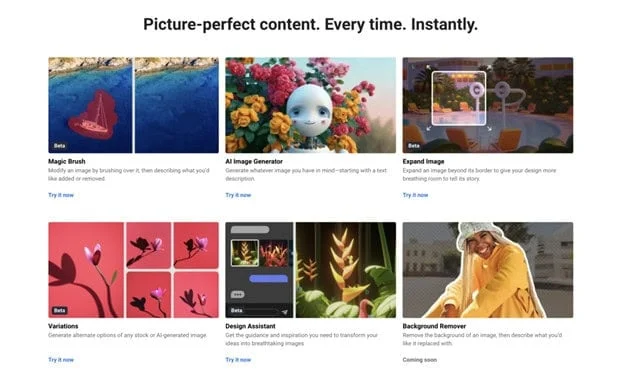
- AI Background Remover: In 2022, the platform introduced an integrated background removal tool, allowing users to edit assets directly within the browser before downloading, further streamlining the workflow for social media managers.
- Multi-User Accounts: For corporate teams, the platform offers sub-account functionality, allowing managers to allocate download quotas to different team members while maintaining a centralized billing system.
Comparative Industry Analysis: Depositphotos vs. Competitors
When placed alongside its primary competitors, Depositphotos often occupies the "high-value, mid-cost" bracket.
- Shutterstock: While Shutterstock boasts a larger total library, its subscription costs are generally higher. Depositphotos often appeals to those who find Shutterstock’s pricing prohibitive but require a more professional library than what is found on budget-tier sites.
- Adobe Stock: Adobe’s primary advantage is its deep integration with the Creative Cloud (Photoshop, Illustrator). Depositphotos counters this by offering more aggressive discounts on its annual plans and a more intuitive interface for non-designers.
- Getty Images: Getty remains the premium choice for editorial and high-end commercial work, with prices that can reach hundreds of dollars per image. Depositphotos serves the "microstock" market, where quantity and affordability are paramount.
Broader Impact on the Digital Content Ecosystem
The competitive pricing of Depositphotos has broader implications for the creative industry. By lowering the barrier to entry for high-quality visuals, the platform has empowered small businesses in developing markets to compete visually with global brands. With 24/7 support in 26 languages, Depositphotos has seen significant growth in non-English speaking markets, particularly in Eastern Europe, Latin America, and Southeast Asia.
Furthermore, the platform’s "Contributor" ecosystem provides a vital revenue stream for photographers and illustrators worldwide. As AI-generated imagery begins to enter the market, Depositphotos has taken a proactive stance by developing ethical AI tools and ensuring that contributors are compensated when their work is used to train these models, a move that has been praised by artist advocacy groups.

Final Assessment for Decision Makers
Choosing the correct Depositphotos plan requires a three-step internal audit:
- Volume Assessment: Determine the average monthly need for assets. If the number is consistently above 10, a subscription is almost always more economical than on-demand credits.
- Budgetary Cycle: If capital is available, the "Annual Paid Upfront" option offers the best ROI, reducing the per-image cost by as much as 20% compared to monthly billing.
- Usage Type: For those creating merchandise for sale, the cost of Extended Licenses must be factored into the project budget, as these are not covered by standard subscriptions.
In conclusion, Depositphotos continues to be a formidable force in the stock media landscape. Its combination of a 304-million-file library, flexible pricing tiers, and robust legal protections makes it a versatile tool for the modern digital landscape. As the demand for visual content continues to escalate, the platform’s ability to balance affordability with professional-grade quality remains its most significant competitive advantage.