In the burgeoning field of performance arts documentation, the tension between high-speed digital acquisition and the deliberate pace of analog film has become a focal point for artistic and technical debate. This discourse was recently exemplified by a multi-stage photographic project documenting the intensive preparations for a high-stakes regional dance competition. The project, which transitioned from a high-performance digital workflow to a traditional black-and-white film methodology, provides a comprehensive case study on how equipment choice and environmental factors dictate the narrative efficacy of sports and performance photography.
The initial phase of documentation occurred during a guided rehearsal session led by a professional dance instructor. The primary objective was to capture the kinetic energy and fluid choreography of the lead dancer. To meet the demands of a fast-moving subject in a dynamic environment, the photographer deployed a Fujifilm X-Pro3, a flagship mirrorless camera known for its hybrid viewfinder and advanced autofocus capabilities. The technical strategy relied on the "speed-priority" paradigm: utilizing a fast prime lens, high shutter speeds to freeze motion, wide apertures to isolate the subject, and continuous autofocus (AF-C) to track movement across the frame.
However, the architectural realities of the professional dance school introduced significant technical hurdles. Standard dance studios are characterized by wall-to-wall mirrors, a design choice intended for student self-correction but one that presents a "visual minefield" for photographers. The proliferation of reflections made it nearly impossible to maintain the photographer’s invisibility—a core tenet of documentary-style coverage. Furthermore, the presence of other students and the instructor created a cluttered background, diluting the focus on the primary subject. Despite the high-resolution output of the digital sensor, the resulting images were deemed insufficient in their ability to convey the emotional and physical gravity of the preparation process.
Chronology of the Redemptive Session
Following the challenges of the first rehearsal, a strategic pivot was implemented for the second session, which took place several days later. This session occurred in a controlled, private studio environment, devoid of the distractions inherent in a public dancing school. This shift in venue allowed for a more intimate and focused exploration of the dancer’s journey.
The timeline of the project’s second phase is detailed below:
- Phase 1: Environmental Assessment: Selection of a private studio with minimal visual clutter to allow for a "clean" background and better light control.
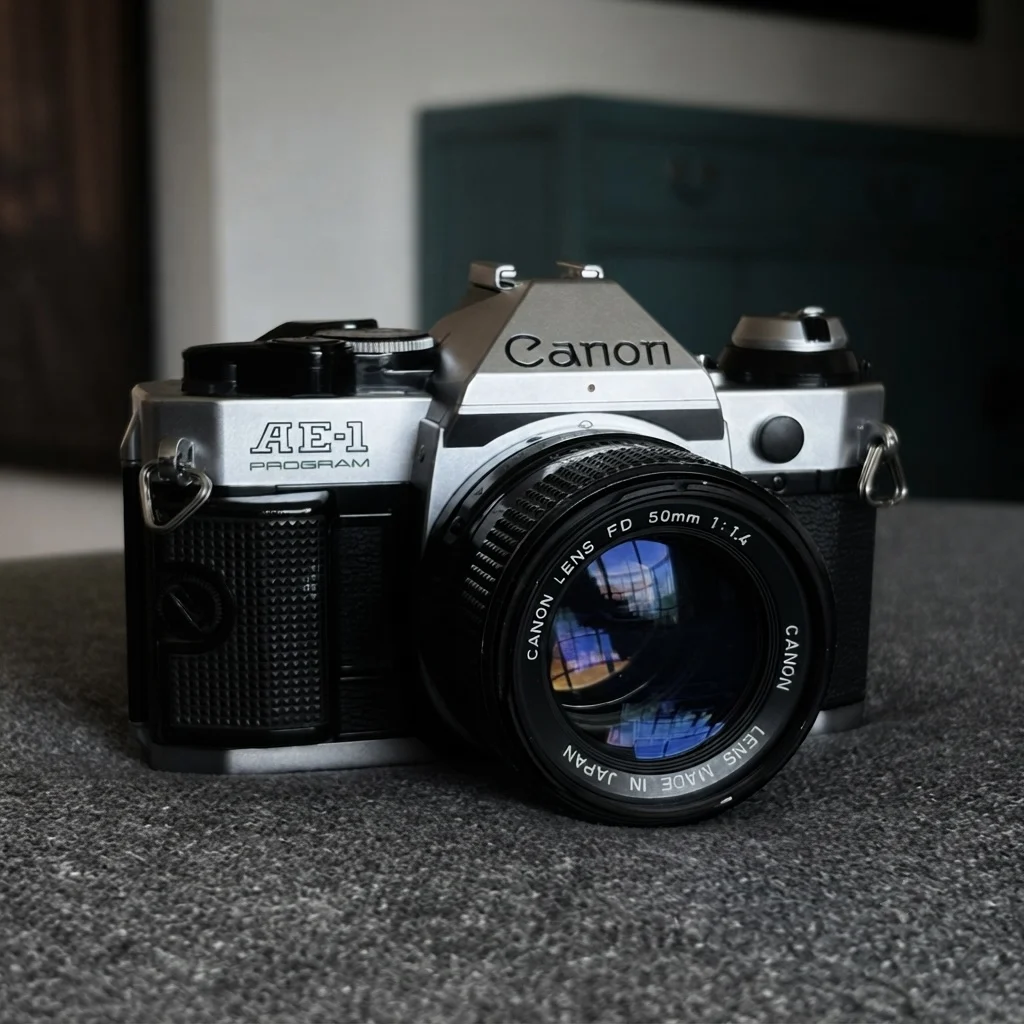
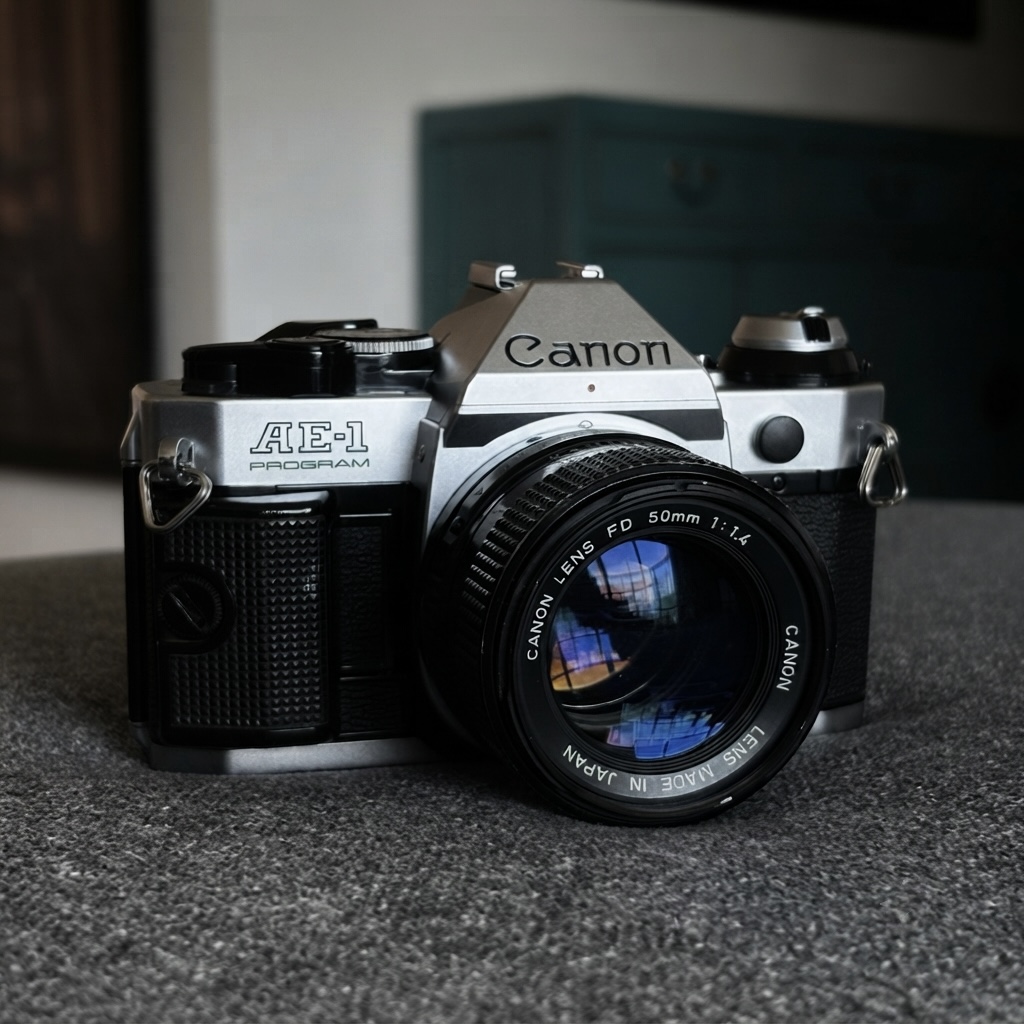
- Phase 2: Equipment Transition: Abandoning the digital "burst-rate" mentality in favor of a manual, film-based approach. The photographer selected a Canon AE-1 Program, a 1980s-era 35mm SLR, paired with a Canon FD 50mm f/1.8 lens.
- Phase 3: Medium Selection: The choice of Kodak Professional Tri-X 400 (400TX) film. This choice was predicated on the film’s legendary latitude, high contrast, and classic grain structure, which are well-suited for the "philosophical" and "exhausted" mood of the session.
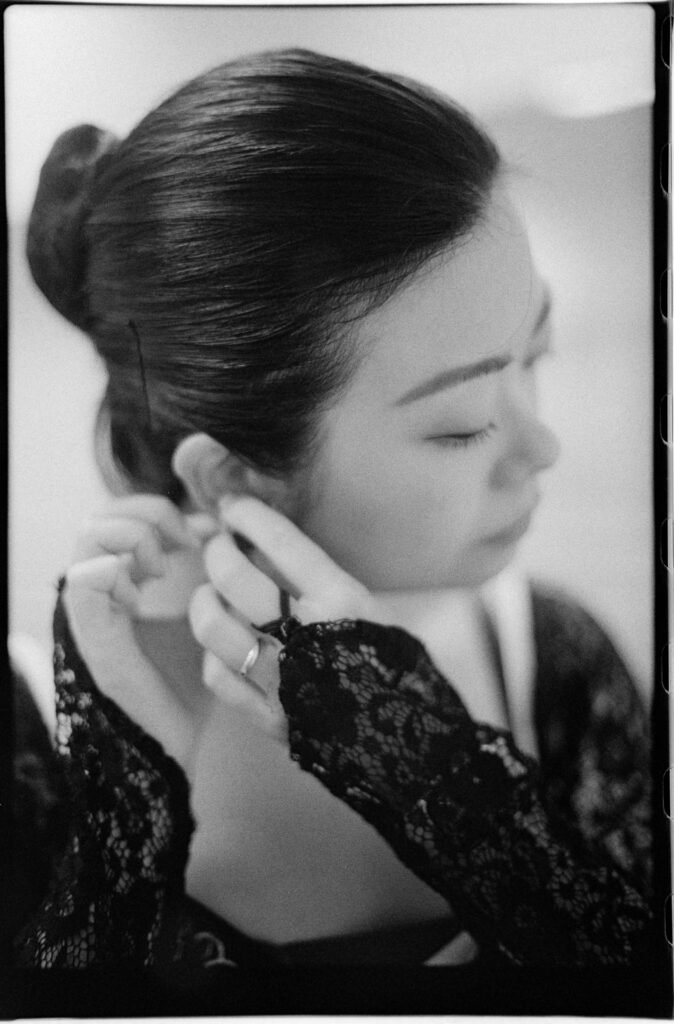
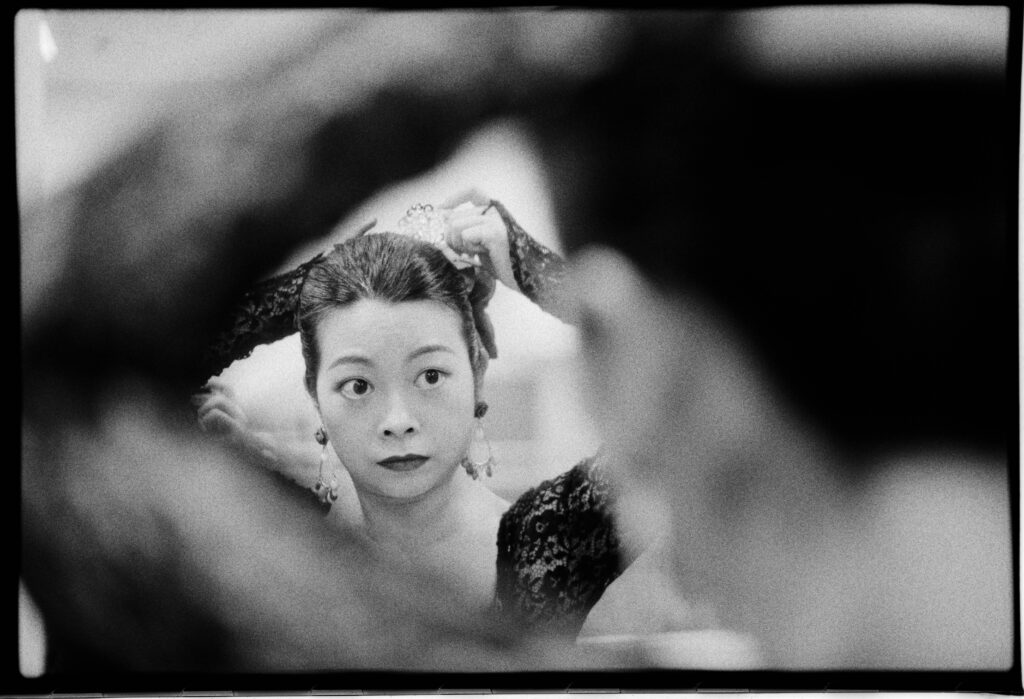
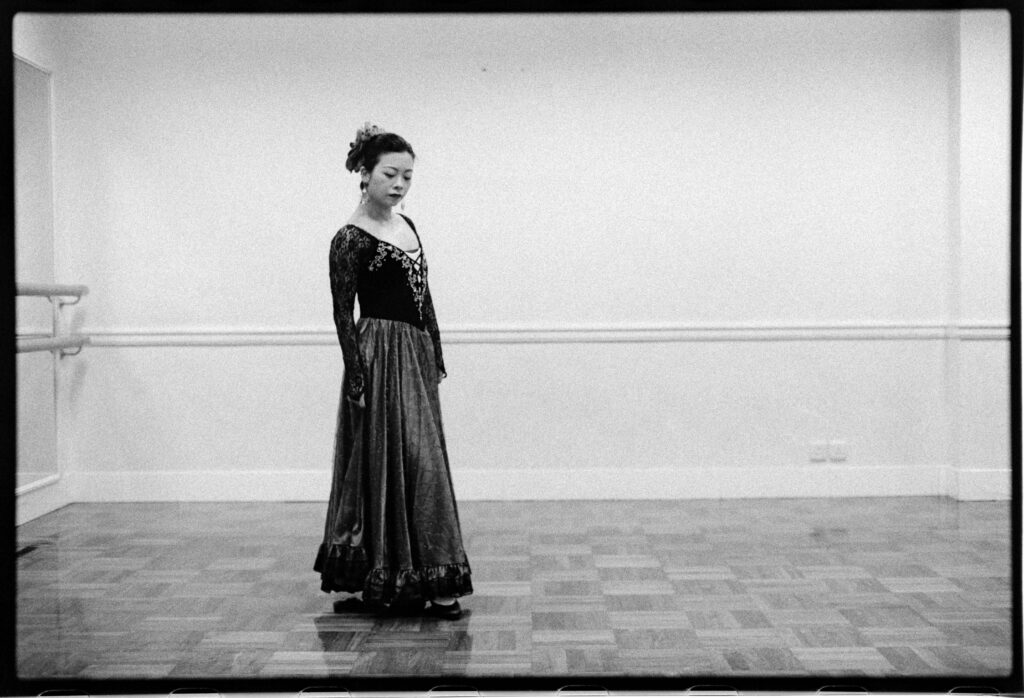
- Phase 4: Execution: A shift from tracking motion to capturing "stationary documentary" moments. This included the meticulous preparation of the dancer’s attire, hair setting, and, most crucially, the moments of physical fatigue between routines.
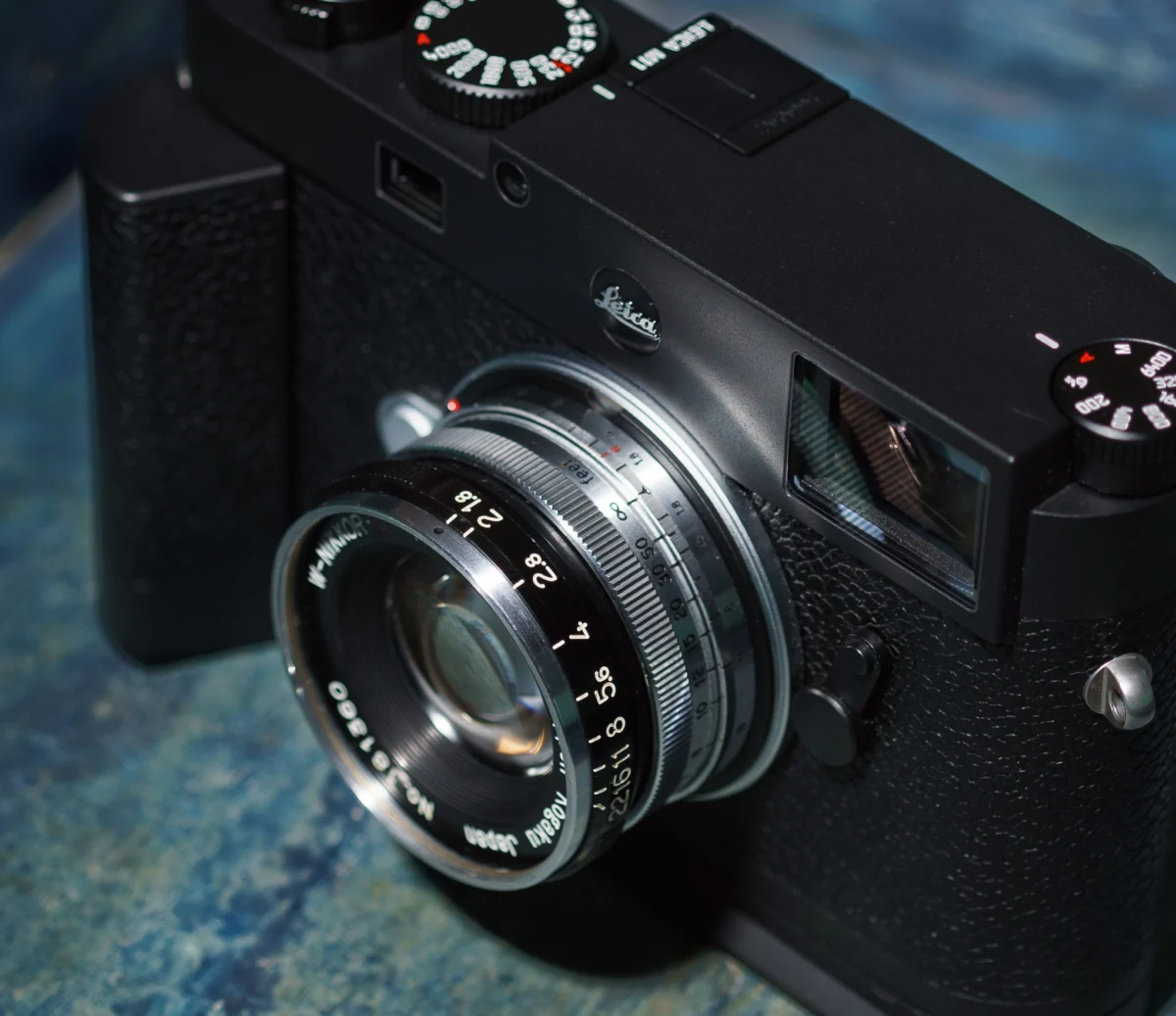
- Phase 5: Post-Processing and Digitization: Professional development of the film followed by home-based scanning using a Fujifilm X-Pro3 (acting as a digital back) with a 7Artisans 60mm f/2.8 Macro lens and the Valoi Easy35 v2 scanning system.
Technical Data and Equipment Analysis
The transition from the Fujifilm X-Pro3 to the Canon AE-1 Program represents more than a change in brand; it represents a fundamental shift in the philosophy of image capture. The Fujifilm system, while technically superior in terms of "hit rate" and low-light performance (ISO 1600-6400), often encourages a "spray and pray" approach where the volume of images replaces the intentionality of the frame.
In contrast, the Canon AE-1 Program, limited by the 36-exposure count of a standard roll of Kodak 400TX, forces the photographer to wait for the decisive moment. The manual focus of the FD 50mm lens requires the photographer to anticipate where the subject will be, rather than reacting to where they are. This "slow photography" movement has seen a resurgence in the 2020s, with Kodak reporting a significant increase in the production of still film to meet global demand.
Data from the second session indicates that the "keeper rate"—the ratio of usable images to total shots taken—was significantly higher on film than on digital. While the digital session produced hundreds of files, many were discarded due to background clutter or a lack of emotional resonance. The film session, resulting in just over 30 frames, yielded several high-impact images that captured the "inner struggle" of the athlete.
Perspectives on Performance Documentation
The dancer, who served as the subject for both sessions, noted a distinct difference in the atmosphere of the two rehearsals. According to reports, the presence of the digital camera, with its rapid shutter clicks and constant movement, felt more intrusive, even when the photographer attempted to remain "invisible." The second session, characterized by the slower, rhythmic "clack" of the manual SLR and the longer pauses between shots, allowed the dancer to enter a more introspective state.
"The mirrors in the first studio are a tool for the dancer, but they are an enemy to the image," stated a photography analyst specializing in performance arts. "By moving to a private space and using a medium that emphasizes texture and shadow over clinical sharpness, the photographer was able to move past the ‘what’ of the dance and get to the ‘how’ and the ‘why.’ The grain of the Kodak 400TX adds a layer of grit that mirrors the physical exertion of the subject."
The photographer’s decision to leave the scanned frames uncropped is also a significant stylistic choice. In the modern era of AI-driven image perfection and aggressive cropping, retaining the original frame edges serves as a "certificate of authenticity." It signals to the viewer that the composition was intentional and that the flaws—light leaks, dust, or slight misalignments—are part of the narrative of the medium.
Broader Implications for the Photography Industry
This case study highlights a growing trend among professional and enthusiast photographers: the return to analog workflows as a means of creative rejuvenation. As digital sensors become more capable, the "perfection" of the image can sometimes lead to a sterile aesthetic. The "film revival" is not merely a nostalgic trend but a technical choice made to achieve a specific look that digital filters often fail to replicate accurately.
Furthermore, the project underscores the importance of environmental control in performance photography. The "visual mess" of a standard rehearsal space can be mitigated by equipment that prioritizes depth and mood over autofocus speed. This has implications for how dance companies and athletic organizations approach their media kits and archival documentation.
In conclusion, the documentation of the dance competition rehearsal serves as a reminder that the most advanced technology is not always the most effective tool for storytelling. The "slower" approach facilitated by the Canon AE-1 and Kodak 400TX provided a more profound insight into the dancer’s dedication and exhaustion than the high-speed digital alternative. For the modern photographer, the ability to switch between these two paradigms—the fast-paced digital and the deliberate analog—remains a critical skill set in a diverse media landscape. The success of the second session confirms that in the realm of artistic documentation, the quality of the observation often outweighs the speed of the acquisition.