The traditional boundaries of landscape and documentary photography are undergoing a significant transformation as high-performance, low-cost action cameras are integrated into the workflows of professional and amateur practitioners alike. A long-term documentary project focused on the River Thames illustrates this shift, moving from conventional shoreline portraiture to sub-surface exploration through the use of specialized, waterproof imaging technology. By utilizing tools such as the DJI Osmo Action 4, photographers are now able to capture perspectives once reserved for high-budget underwater productions or specialized diving teams. This evolution in methodology highlights a broader trend in the creative industries: the democratization of "action" technology and its application in "conventional" documentary kit to uncover hidden narratives within the natural and urban environment.
Evolution of a Documentary Project: From Shoreline to Sub-Surface
Documentary photography regarding the River Thames has historically focused on the human element—people interacting with the water, the industrial heritage of the banks, or the shifting tides. However, for long-term projects, the limitation of the water’s surface often presents a barrier to a complete narrative. The transition from capturing images of subjects "beside the river" to capturing the environment "within the river" represents a logical progression in visual storytelling.
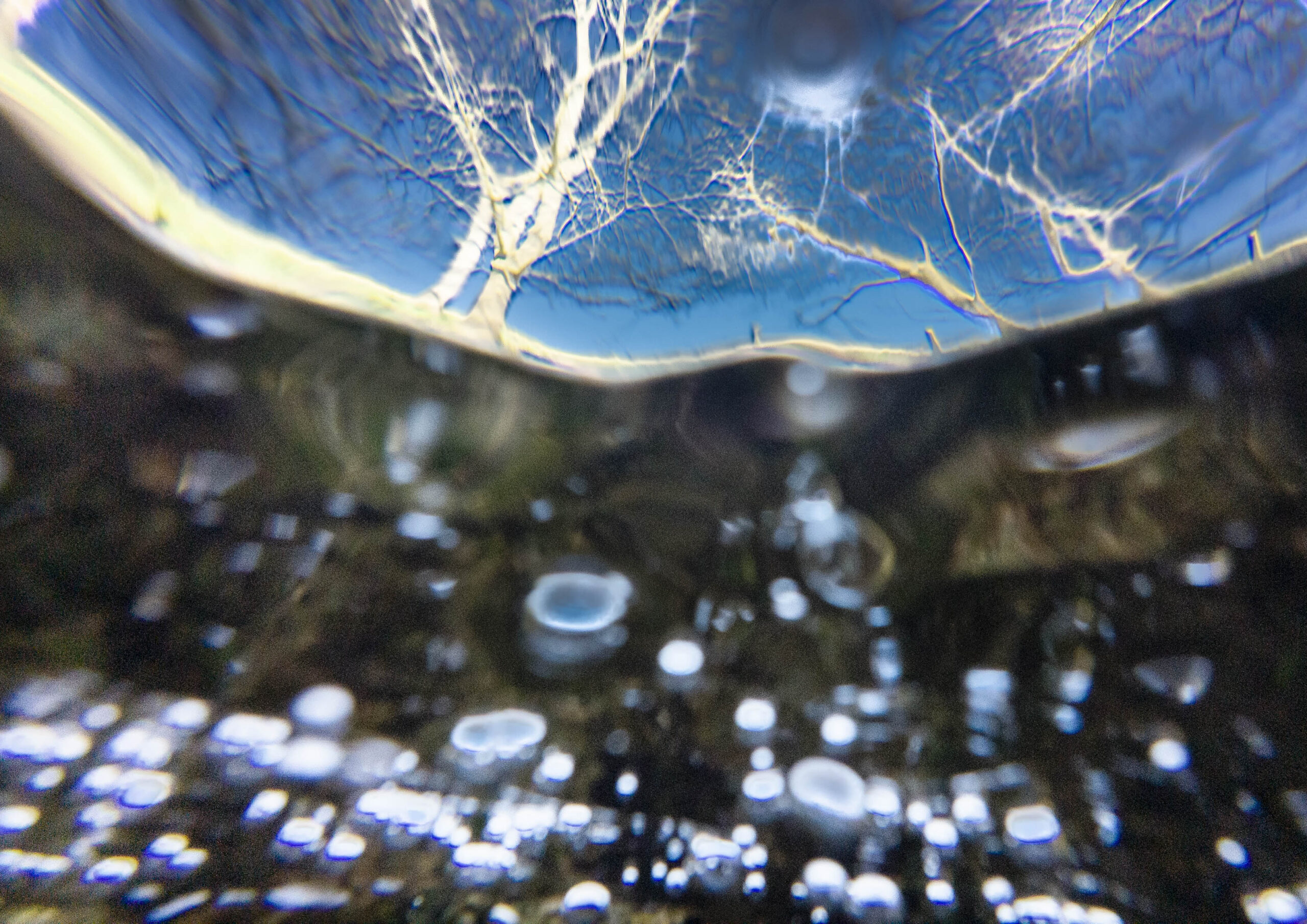
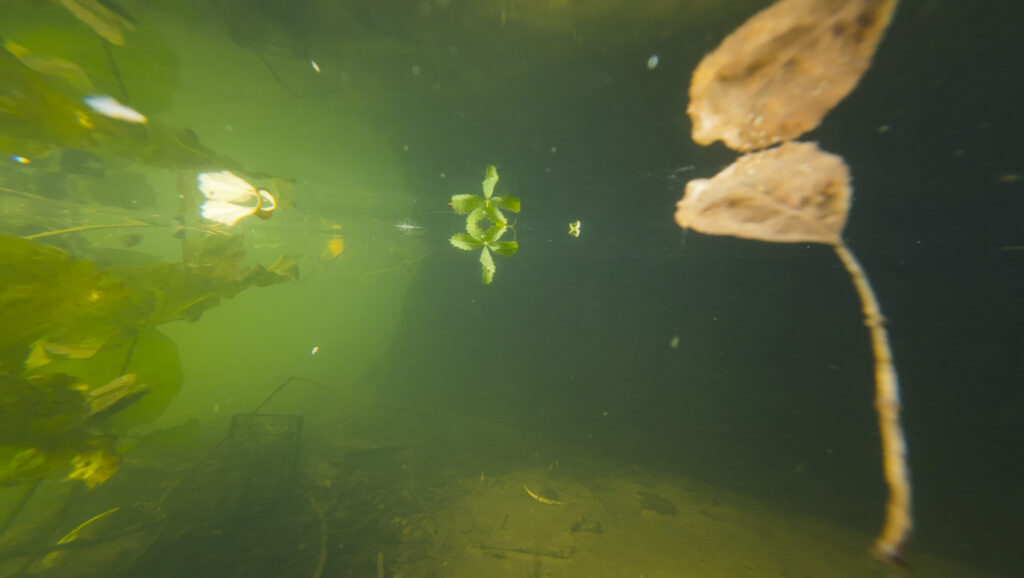
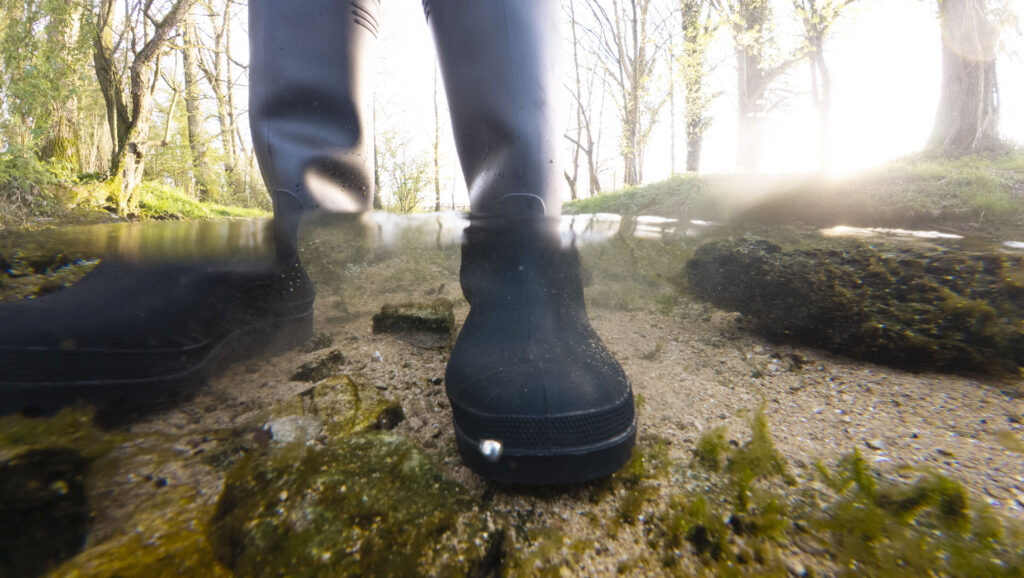
In a recent expedition to the source of the Thames, conducted in the summer of 2026, the methodology shifted toward sub-surface imaging. Rather than utilizing traditional waterproof housings for DSLR or mirrorless systems, which can be cumbersome and prohibitively expensive, the project utilized a "box on a stick" approach. By mounting a compact action camera to a telescopic pole, the photographer could probe the riverbed without the need for personal submersion. This technique allows for the documentation of the river’s "Strange Eden"—a world of distorted light, submerged debris such as discarded tires, and the unique flora of the Thames Head.
Technical Specifications and the Choice of Hardware
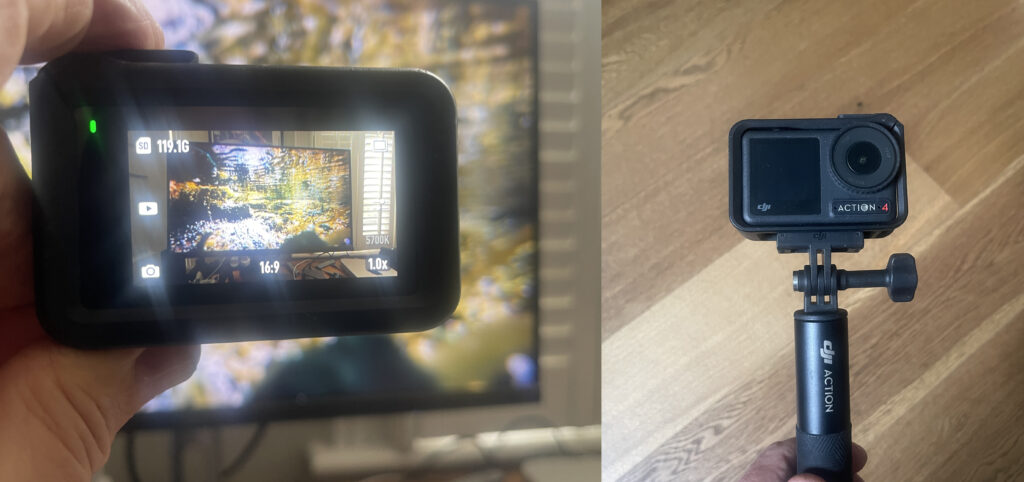
The selection of the DJI Osmo Action 4 for this project underscores the competitive nature of the current action camera market. Retailing at approximately £170 in the 2024-2026 period, the device offers a suite of features that rival more expensive counterparts like the GoPro Hero series.
Key technical specifications relevant to documentary work include:
- Sensor Performance: The device features a 1/1.3-inch sensor, which provides improved low-light performance—a critical factor when shooting in the murky, sediment-heavy waters of a river like the Thames.
- Resolution and Frame Rates: Capability to shoot 4K video in both wide-angle and 4:3 aspect ratios allows for high-detail captures that can be stabilized digitally.
- Imaging Formats: The ability to shoot in RAW (DNG) for stills and D-Log M for video provides the dynamic range necessary for post-production color grading, which is essential for correcting the green and brown casts of river water.
- Waterproofing: Native waterproofing without an external case allows for immediate deployment in shallow or medium-depth environments.
While the GoPro remains a dominant force in the market, the DJI Osmo Action 4 has gained traction among "prosumer" users due to its robust magnetic mounting system and perceived value for money. The expansion of this sector is driven by the "creator economy," where the demand for high-quality video for platforms like YouTube and Instagram has accelerated the development of durable, high-fidelity imaging tools.
Overcoming Environmental and Technical Constraints
The application of action cameras in a documentary context is not without significant technical hurdles. The Thames project highlighted several key challenges inherent in underwater photography, particularly when the operator remains above the surface.
Signal Attenuation and Remote Control
One of the primary obstacles is the physics of wireless communication. The Osmo Action 4, like most modern cameras, relies on Bluetooth and Wi-Fi for remote operation via a smartphone application. However, water is highly effective at absorbing radio frequency (RF) signals. At a depth of even one foot, the Bluetooth connection between the camera and the mobile device typically fails. This necessitates a "cat and mouse" approach to capturing RAW stills, where the camera must be brought near the surface to re-establish a link before being submerged for a timed or manual capture.
The Focus and Refraction Dilemma
Focusing underwater presents another layer of complexity. The refractive index of water differs from that of air, effectively changing the focal length and minimum focus distance of the lens. Action cameras generally utilize a fixed-focus lens with a wide hyperfocal distance, designed to keep everything from a few feet to infinity in sharp focus. However, when documenting small details on the riverbed or close-up textures, photographers often encounter the "minimum focus" limit. Recent industry discussions among vloggers and technical experts have suggested the use of macro filters or specific legacy models, such as the GoPro Hero 5, which some practitioners claim offered superior close-up capabilities.
Video Frame Extraction
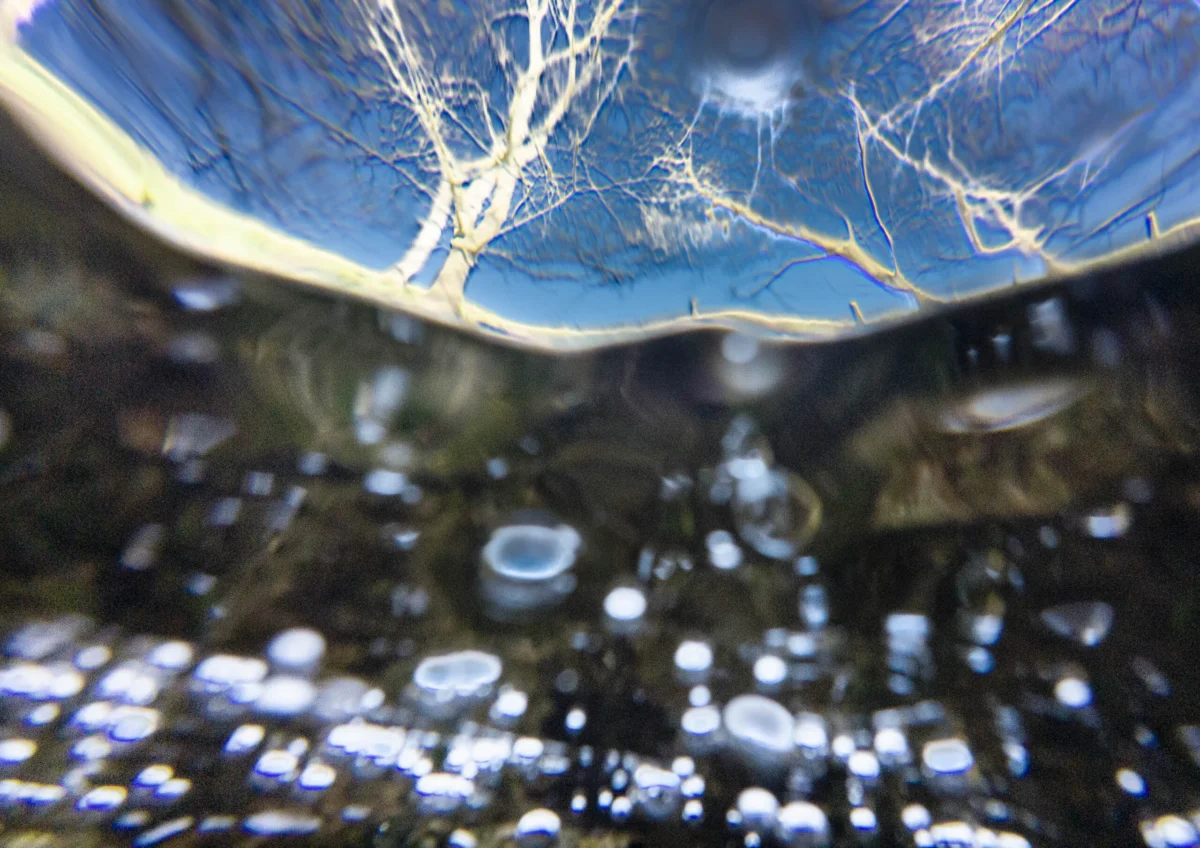
To circumvent the difficulty of timing a single RAW still at depth, practitioners often resort to "frame grabbing" from 4K video. While this ensures that the photographer does not miss a fleeting moment of light or movement, it results in a lower-resolution image compared to a dedicated still. Despite the resolution loss, these frames can possess a "magical, surreal" quality that captures the chaotic interplay of light and silt in a way that traditional photography cannot.
The Thames Spring: A Case Study in Fluctuating Ecosystems
The 2026 expedition to the Thames Head—the traditional source of the river near Kemble in Gloucestershire—serves as a case study for the environmental utility of these cameras. The source of the Thames is notoriously ephemeral, moving several miles downstream during periods of drought.
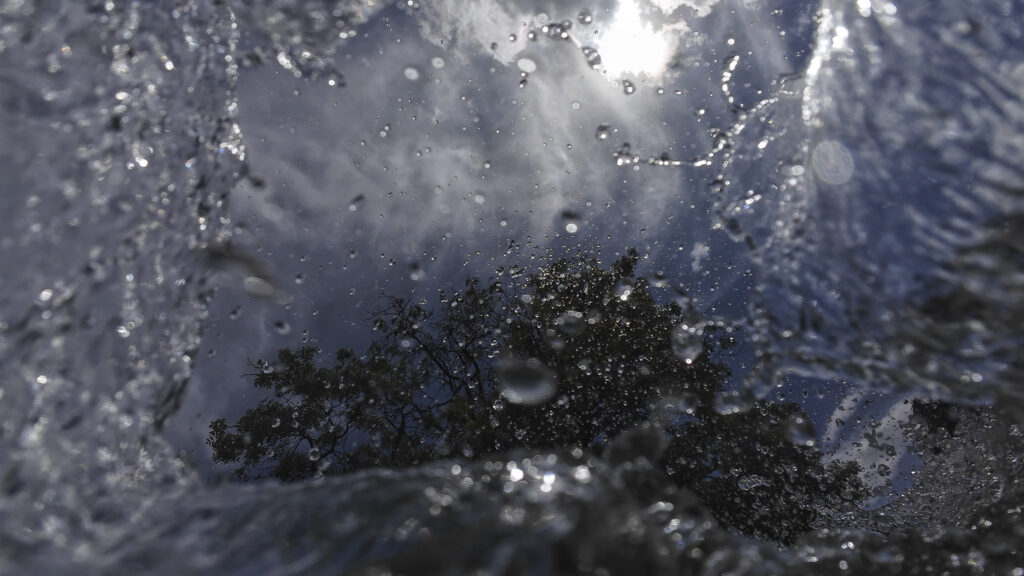
By using sub-surface imaging, the project documented the state of the spring during a period of activity. The imagery revealed a "strange water world" existing just inches below the surface, where clear spring water meets the accumulated detritus of the landscape. However, the environmental context is somber; observers note that these springs are increasingly prone to drying up entirely due to changing climate patterns and groundwater extraction. The ability to quickly and cheaply document these micro-ecosystems provides a vital record for environmental historians and ecologists.
The Proliferation of Low-Cost Production Technology
The integration of the Osmo Action 4 into a documentary kit is part of a larger trend involving the "treasure chest" of modern production tech. As noted by industry insiders in the television and film sectors, the gap between consumer-grade and professional-grade equipment is narrowing.
The current market offers an array of affordable tools that enhance documentary capabilities:
- Wireless Microphones: Compact systems that allow for high-quality field recordings.
- Gimbals: Electronic stabilizers that provide cinematic fluidity to handheld footage.
- Drones: Providing aerial context that was previously only accessible via helicopter.
- Telescopic Poles: Simple but effective tools for "reach-in" photography in hazardous or inaccessible locations.
This "low-cost tech" does not replace conventional high-end gear but rather augments it, allowing photographers to take risks with a £170 camera that they would never take with a £5,000 professional body.
Broader Impact and Implications for Visual Journalism
The use of action cameras in projects like the Thames documentary has broader implications for visual journalism and environmental reporting. Firstly, it allows for a more "immersive" form of storytelling. By placing the viewer "in" the river, the photographer creates a visceral connection to the subject matter that a telephoto lens from the bank cannot achieve.
Secondly, it facilitates a "citizen-scientist" approach to documentation. As these cameras become more affordable, more individuals are capable of recording the state of their local environments. This creates a vast, decentralized archive of environmental data. In the case of the Thames, images of "Philly the mudlark" or submerged "dumped tyres" serve as both art and evidence of human impact on the waterway.
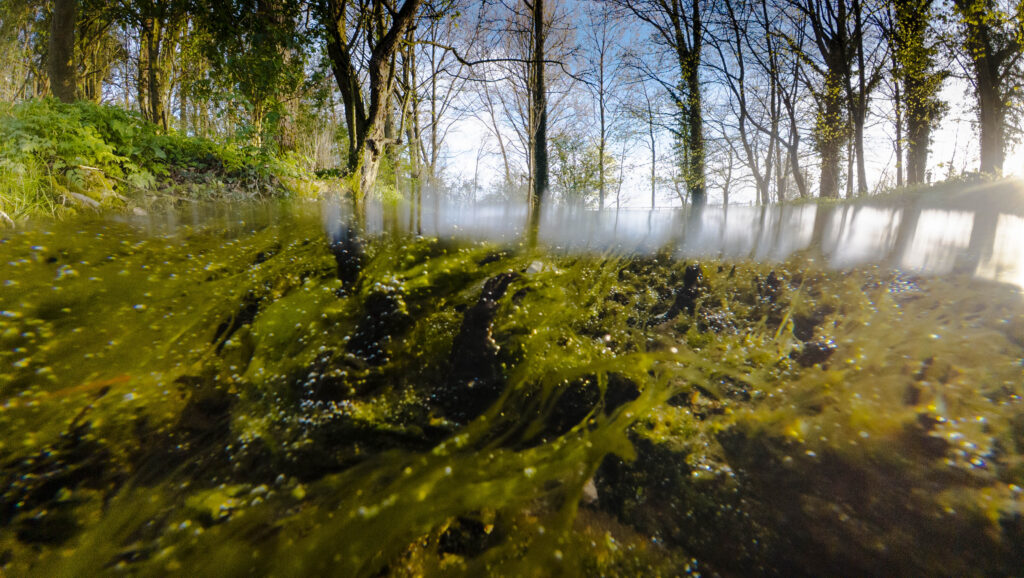
Finally, the shift toward these tools reflects a change in the aesthetic of documentary photography. The "distorted, magical, and surreal" images produced by action cameras underwater represent a departure from the clinical sharpness of modern digital photography. They embrace the imperfections of the environment—the silt, the bubbles, and the refracted light—to create a more authentic representation of the hidden world beneath the surface.
In conclusion, the River Thames project demonstrates that the future of documentary photography lies in the creative application of versatile, rugged technology. By overcoming the technical limitations of signal loss and focus, and by embracing the unique aesthetic of sub-surface imaging, photographers can continue to expand the boundaries of how we perceive and record the natural world. As the technology continues to evolve, the "box on a stick" may become as essential to the documentary photographer as the tripod and the light meter.