The discipline of macro wildlife photography is experiencing a significant evolution, shifting its lens beyond the traditionally popular subjects of insects and flowers to encompass a broader, often overlooked spectrum of the natural world. This photographic genre, celebrated for its ability to reveal intricate details invisible to the naked eye, is increasingly being leveraged to document the minute complexities of reptiles, amphibians, birds, mammals, marine life, and fungi, fostering a deeper appreciation for biodiversity and contributing to scientific understanding. This expanding focus marks a pivotal moment for nature photographers, challenging them to explore new territories and uncover the hidden beauty that lies within the miniature ecosystems surrounding us.
The Enduring Allure of Macro Photography
Macro photography, by its very definition, involves capturing extreme close-ups of small subjects, revealing details often missed by casual observation. It transforms the mundane into the magnificent, allowing viewers to marvel at the delicate structures of a spider’s eye or the vibrant hues of a pollen-laden stamen. For decades, this photographic niche has drawn enthusiasts and professionals alike, providing a unique avenue for creative expression and scientific inquiry. Its popularity has surged with advancements in camera technology and the widespread sharing capabilities of digital platforms, turning once-niche imagery into mainstream fascination. Social media platforms, in particular, have become a showcase for stunning macro shots, with countless accounts dedicated to the intricate world of insects and botanical wonders, often garnering significant engagement. This broad appeal underscores the human fascination with detail and the unseen, making macro photography a consistently rewarding pursuit.
Beyond the Bloom: A Paradigm Shift in Subject Matter
While insects and flowers undeniably offer a wealth of captivating visual opportunities – from the metallic sheen of a beetle’s carapace to the symmetrical perfection of a wildflower petal – a growing movement within the macro photography community advocates for a more expansive view. This shift is driven by a desire to push creative boundaries, uncover new photographic challenges, and highlight the often-underrepresented facets of wildlife that possess equally compelling macro potential. Photographers are now actively seeking out less conventional subjects, recognizing that extraordinary details exist in nearly every corner of the natural world, waiting to be illuminated. This strategic broadening of subject matter not only enriches the photographer’s portfolio but also educates the public on the vast diversity of life forms that coexist with us.

Unveiling Overlooked Macro Subjects
The expanded repertoire of macro subjects offers a fresh perspective and new challenges for photographers. Each category presents unique characteristics and demands specific approaches to capture its micro-beauty effectively.
-
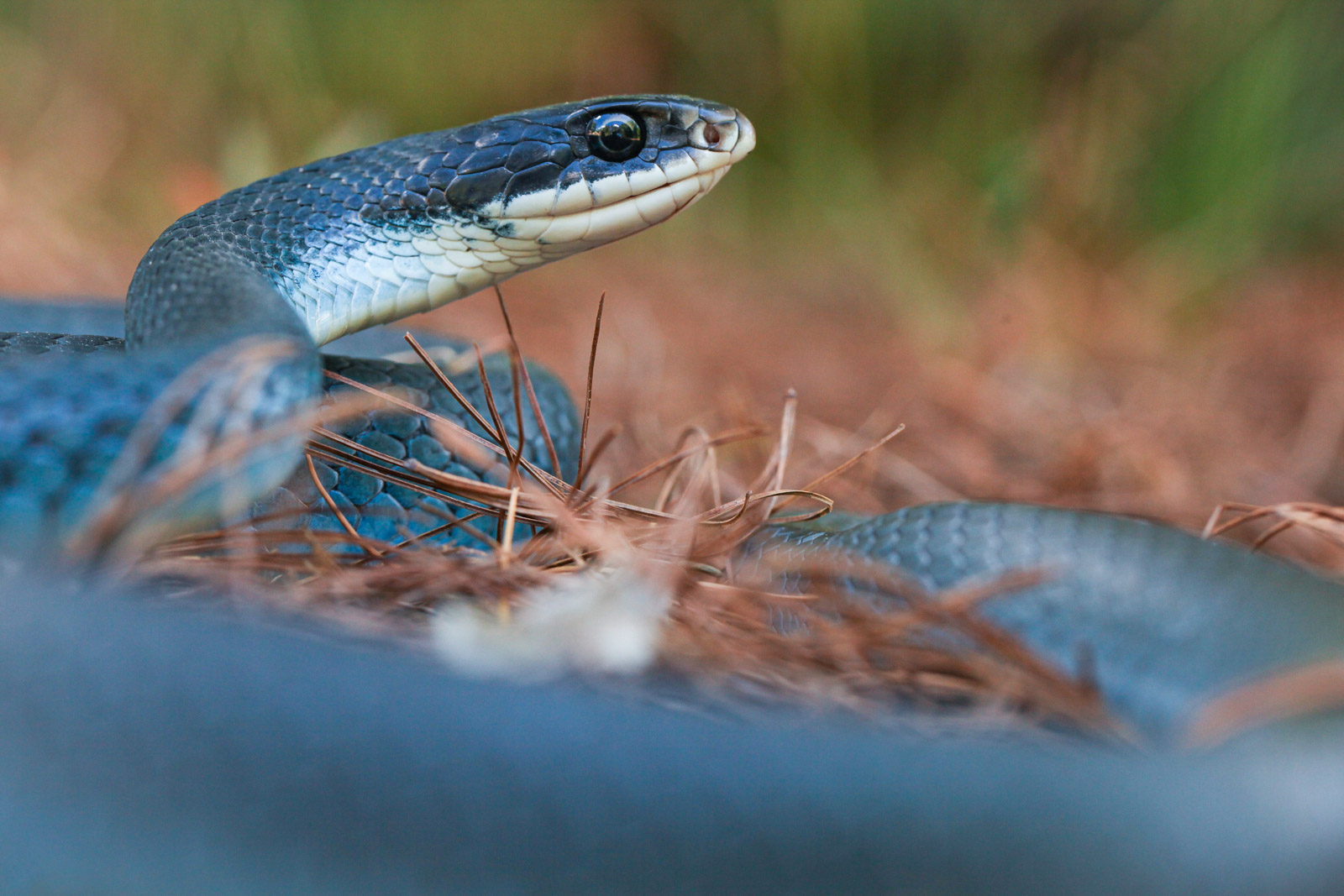
Reptiles and Amphibians: These cold-blooded creatures, often characterized by their scaly or textured skin, offer a treasure trove of patterns and details for macro lenses. The iridescent scales of a snake, the intricate skin folds of a frog, or the surprisingly complex eyes of a lizard provide endless opportunities for dramatic close-ups. Such imagery can reveal adaptive camouflage, unique epidermal structures, and even subtle shifts in coloration, which are crucial for scientific identification and ecological studies. Documenting these features at a macro level helps biologists understand species differentiation, health, and environmental adaptations.

-
Avian and Mammalian Miniatures: While capturing a full-frame shot of a bird in flight or a large mammal might be the typical goal for wildlife photographers, macro photography offers an alternative, intimate perspective. Focusing on specific body elements such as individual feathers, the intricate structure of a bird’s talon, the texture of a beak, or the delicate whiskers and expressive eyes of a mammal can yield surprisingly powerful and artistic results. These close-up details can convey character, texture, and a sense of connection that broader wildlife shots might miss, offering a novel way to appreciate familiar species. The challenge here often lies in getting close enough without disturbing the animal, making patience and respect paramount.
-
Subaquatic Miniatures: Marine Life: The underwater world is a realm teeming with macro wonders, largely inaccessible to conventional photography without specialized equipment. With the right underwater housing and macro lens, photographers can plunge into a vibrant universe of marine invertebrates, tiny fish, and fascinating crustaceans. Nudibranchs, often called "sea slugs," are a particular favorite, known for their flamboyant colors, intricate gills, and elaborate sensory organs, which are rarely seen by the general public. Documenting these fragile ecosystems at a macro level is not only visually stunning but also vital for marine conservation, helping to catalog species and monitor the health of coral reefs and other aquatic habitats.
-
Fungi: Static Artistry: Perhaps one of the most accessible yet often overlooked macro subjects is fungi. Unlike mobile wildlife, fungi offer the advantage of being static, allowing photographers ample time to compose and perfect their shots. Their diverse forms, from delicate caps to intricate gill structures and varied textures, provide a rich canvas for abstract and visually compelling imagery. Capturing the subtle iridescence of certain mushroom caps or the intricate mycelial networks can transform a simple forest floor into a gallery of natural art. Fungi play a critical role in ecosystem health, and macro photography aids in their identification and public appreciation.

Essential Gear and Technological Facilitators
Successful macro wildlife photography hinges on specialized equipment designed to magnify the miniature world. Recent advancements in optical technology and lighting solutions have made this discipline more accessible and capable of producing higher-quality results than ever before.
-
Macro-Capable Optics: At the heart of macro photography is the lens. True macro lenses offer a 1:1 magnification ratio or greater, meaning the subject is projected onto the camera sensor at life-size or larger. For those on a budget or looking to experiment, alternatives such as extension tubes (which increase the lens-to-sensor distance) or close-up filters (which act like magnifying glasses) can transform standard lenses into macro-capable tools. The choice of lens often depends on the subject; longer focal length macro lenses (e.g., 100mm or 180mm) are often preferred for wildlife, allowing for a greater working distance between the camera and potentially skittish subjects, thereby minimizing disturbance.

-
Advanced Illumination Strategies: Lighting is arguably as crucial as the lens in macro photography. Due to the extreme close-up nature, subjects often cast shadows or appear underexposed. Natural light can be utilized, but controlled artificial lighting, typically a flash, paired with a diffuser, is frequently necessary to illuminate subjects evenly and creatively. Off-camera flashes provide greater flexibility in directing light, allowing photographers to sculpt shadows and highlights, creating dramatic effects such as rim lighting or low-key compositions. Ring flashes, which mount around the lens, offer even, shadowless illumination, ideal for revealing fine details. Diffusers, ranging from professional softboxes to DIY solutions, soften the harsh light of a flash, preventing overexposure and harsh reflections, particularly on glossy surfaces like insect exoskeletons or reptilian scales.
Mastering the Art: Techniques for Captivating Close-Ups
Beyond the gear, specific techniques are paramount to consistently capturing high-quality macro wildlife images, especially when dealing with live, often unpredictable subjects.

-
Camera Stabilization for Dynamic Environments: Unlike studio macro setups that often rely on tripods for absolute stability, macro wildlife photography frequently demands mobility. Handheld shooting is common, requiring photographers to master techniques for minimizing camera shake. Utilizing two hands, bracing against natural supports, or even lying on the ground for low-angle shots can provide necessary stability. For ground-dwelling subjects, a beanbag offers a versatile and quick-to-deploy stabilizer, conforming to uneven terrain and allowing for precise angle adjustments without the bulk of a tripod.
-
Precision in Focus and Aperture Control: Achieving critical focus is challenging in macro photography due to extremely shallow depth of field. Modern cameras offer various autofocus modes; AI Servo or continuous autofocus can be beneficial for moving subjects, while single-shot autofocus allows for precise locking on a static point. Many experienced macro photographers, however, opt for manual focus for ultimate control, often employing focus peaking or magnification aids. The choice of aperture is equally critical. While wide apertures create beautiful bokeh, they can render too little of the subject in focus. A starting point of f/11 is often recommended for small-subject macro, providing a reasonable depth of field while maintaining sharpness. Experimentation is key, as the ideal aperture will vary based on subject size, desired depth, and lighting conditions.
-
The RAW Advantage in Post-Processing: Shooting in RAW format is a widely accepted best practice in professional photography, and it is particularly beneficial in macro wildlife scenarios. RAW files capture the maximum amount of image data directly from the camera sensor, offering significantly more latitude for adjustments in post-processing compared to compressed JPEG files. This flexibility is invaluable when capturing fleeting wildlife encounters where perfect exposure or white balance might not be achievable in the field. Photographers can recover highlights, lift shadows, correct color casts, and fine-tune sharpness without introducing significant image degradation, ensuring the highest quality output from their captures.

-
Patience and Practice: The Photographer’s Virtues: Macro wildlife photography is as much a mental game as it is a technical one. Patience is an indispensable virtue. Animals are unpredictable, and ideal moments can be brief and infrequent. Frustration can quickly set in after missed shots or uncooperative subjects. The ability to remain calm, observant, and persistent is crucial for success. Furthermore, consistent practice, ideally in controlled environments or with more static subjects at home, allows photographers to refine their technical skills and develop an intuitive understanding of their gear and lighting. This preparation translates directly to improved efficiency and success rates in the field, minimizing disturbance to wild subjects.
Ethical Imperatives in Wildlife Macro Photography
As macro photography increasingly focuses on live subjects, ethical considerations become paramount. The welfare of the animal or plant must always take precedence over the pursuit of a photograph. Adherence to a strict ethical code not only ensures the well-being of wildlife but also upholds the integrity of the photographic community.

-
Minimizing Disturbance: Responsible photographers make every effort to avoid stressing, disturbing, or harming their subjects. This means maintaining an appropriate distance, moving slowly and quietly, and avoiding sudden movements or loud noises. For macro subjects, this often involves getting low to the ground and approaching with extreme caution. Researching the species beforehand can inform the best approach, such as understanding flight distances or behavioral patterns. Practicing techniques at home or with readily accessible, non-sensitive subjects helps photographers become more efficient in the field, reducing the time spent near wild animals.
-
In-Depth Species Knowledge: Before venturing into the field, it is crucial to acquire knowledge about the local wildlife. This includes understanding if a species is protected, endangered, venomous, or particularly sensitive to human presence. Consulting local field guides, conservation websites, or engaging with wildlife experts can provide invaluable insights. This knowledge not only enhances safety for the photographer but also informs ethical decision-making, such as knowing when to retreat or avoid interaction altogether. For example, knowing that certain amphibians have sensitive skin makes direct handling unacceptable.
-
Setting a Positive Precedent: By consistently adhering to ethical guidelines, macro wildlife photographers contribute positively to the broader conservation effort and set a commendable example for peers and aspiring photographers. This commitment helps ensure that natural environments remain undisturbed and that wildlife populations continue to thrive for future generations to observe and appreciate. Prioritizing animal welfare reinforces a respectful relationship with nature, demonstrating that captivating imagery can be achieved without compromising ecological principles.

Broader Implications and Future Outlook
The expanding scope of macro wildlife photography carries significant implications for various fields. Scientifically, detailed macro images can aid in species identification, behavioral studies, and the documentation of morphological characteristics that are otherwise difficult to observe. For instance, the intricate structures of insect wings or the unique epidermal patterns of reptiles can provide vital data for entomologists and herpetologists.
Educationally, these captivating close-ups serve as powerful tools to engage the public, fostering curiosity and an appreciation for the natural world’s smaller inhabitants. When viewers see the complex beauty of a fungus or the delicate features of a tiny marine creature, it can inspire a greater understanding of biodiversity and the importance of conservation. Artistically, this evolution pushes the boundaries of creative expression, allowing photographers to craft images that are both scientifically informative and aesthetically profound. The growth of this specialized field also spurs innovation in photographic equipment, leading to more accessible and capable tools for capturing these miniature marvels.

In conclusion, the journey into macro wildlife photography is rarely a dull experience. Whether it’s revealing the intricate venation of a butterfly’s wing, the mesmerizing scales of a snake, or the surprisingly human-like details in a mammal’s eye, the ability to capture these often-overlooked subjects at a level that reveals their hidden qualities is truly unique. This evolving discipline not only broadens the creative horizons for photographers but also profoundly changes how individuals perceive the natural world. By embracing a wider array of subjects and adhering to rigorous ethical standards, macro wildlife photographers are poised to continue unveiling nature’s hidden wonders, inspiring awe and contributing valuable insights into the intricate tapestry of life around us.