The vast, undulating landscapes of Brazil’s Lençóis Maranhenses National Park, a place of immense natural beauty characterized by a unique ecosystem of interlacing river systems, crystal-clear lagoons, and sprawling sand dunes, recently captured the attention of photographer [Insert Photographer’s Name Here, e.g., renowned nature photographer Paul Nicklen], transforming a planned transit point into an extended artistic exploration. Initially en route to Patagonia, the photographer found himself compelled to dedicate significant time to documenting this extraordinary environment, a decision that yielded a profound artistic experience.
A World Heritage Site of Dynamic Beauty
Located in the northeastern corner of Brazil, the Lençóis Maranhenses National Park, officially recognized as a UNESCO World Heritage Site, presents a breathtaking spectacle of natural artistry. Spanning approximately 600 square miles, the park is defined by its colossal white sand dunes, a landscape that undergoes a dramatic seasonal transformation. During the rainy season, these dunes become interspersed with thousands of rain-filled lagoons, creating a mesmerizing mosaic of water and sand. This ephemeral beauty, where the desert-like environment gives way to vibrant aquatic oases, is a key feature of the park’s ecological significance.
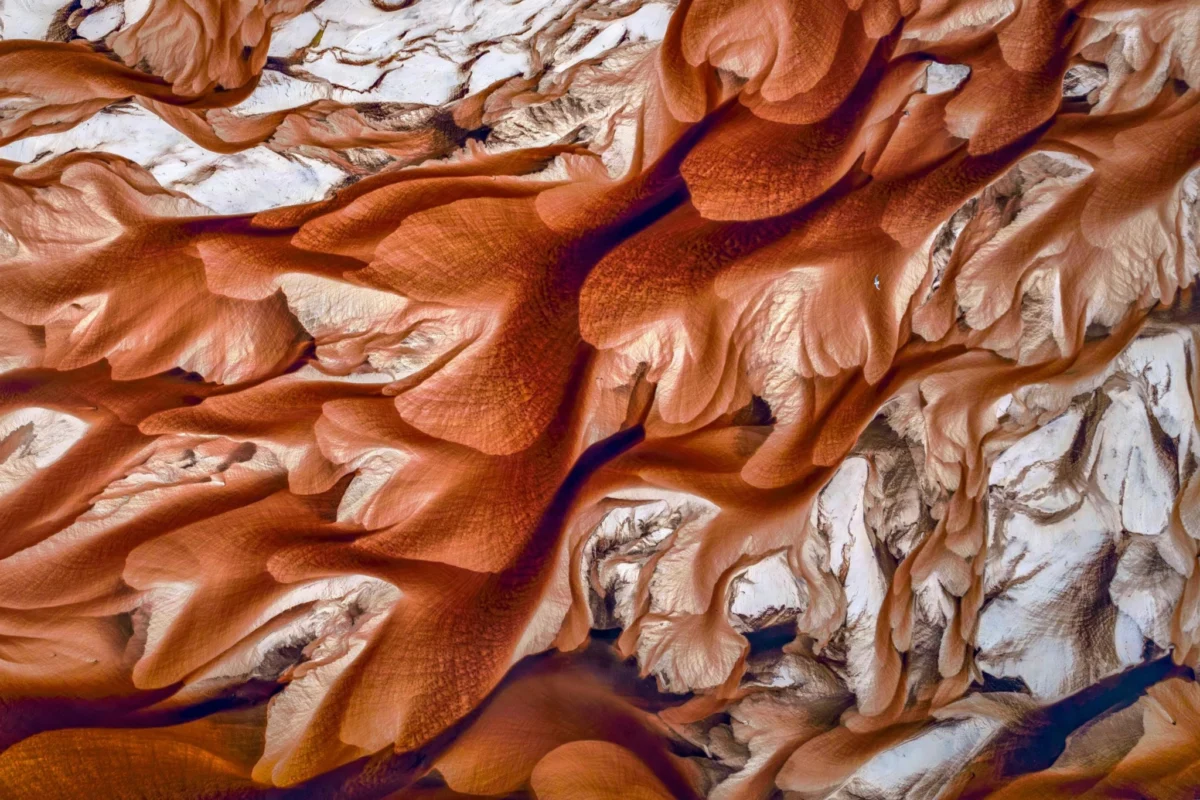
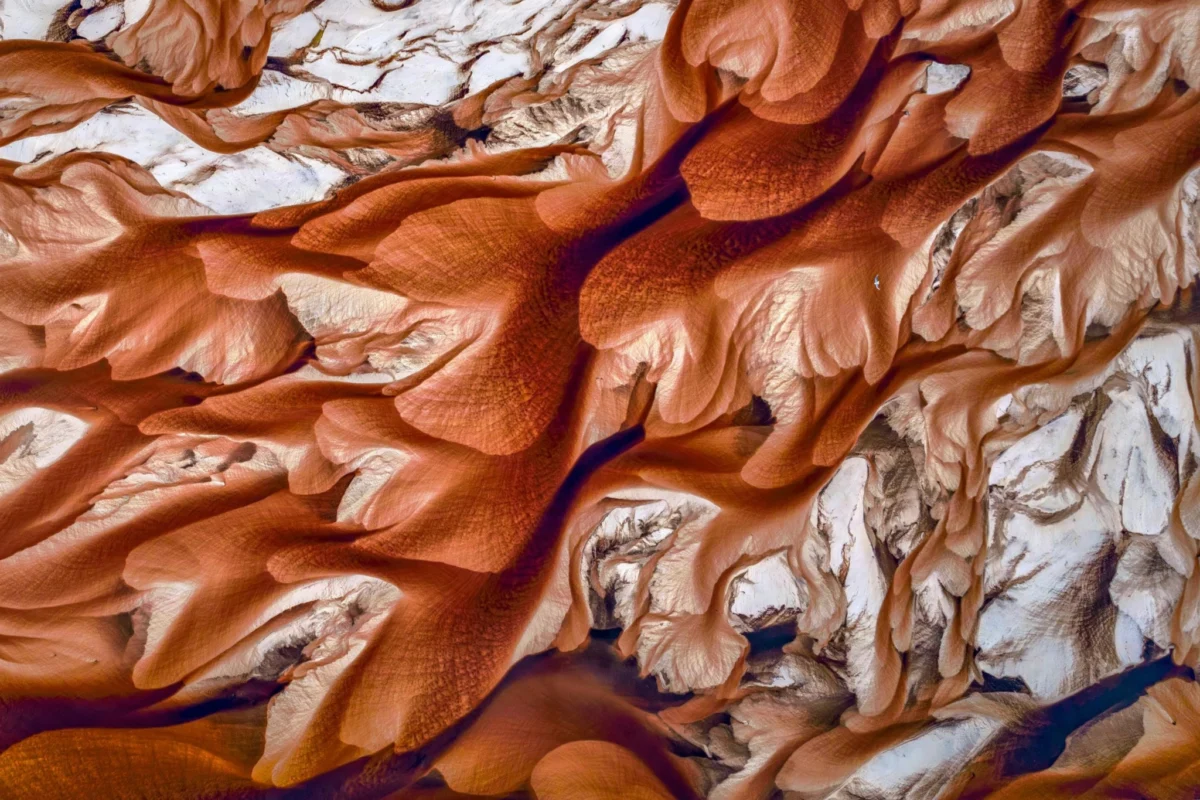
The park’s eastern border is demarcated by over 40 miles of coastline, punctuated by traditional fishing villages that offer a glimpse into the human element within this wild expanse. This edge slopes gently into the vastness of the Atlantic Ocean. Winding river systems, their waters tinted a deep, tannin-rich brown from decaying vegetation, carve serpentine paths through the gleaming white dunes, eventually merging with the sea. Scattered throughout this textured canvas are pools of water reflecting the sky in hues of turquoise and jade, adding to the park’s visual splendor. To the west, the landscape transitions from this unique desert-wetland dichotomy to the drier vegetation of the cerrado (savanna grasslands) and then to forested areas, before ultimately giving way to agricultural lands.
The dynamic interplay of sand and water is a defining characteristic of Lençóis Maranhenses. The annual rainfall, which can exceed 1,200 millimeters in some areas, fills the depressions between the dunes, creating temporary lagoons that teem with aquatic life. These lagoons typically form between May and September and begin to recede by October, a natural cycle that shapes the park’s ecosystem and its visual appeal. This transient nature makes the park a particularly challenging yet rewarding subject for photographers and naturalists alike.
Aerial Perspectives: Capturing the Grandeur from Above
Overwhelmed by the sheer scale and intricate beauty of the park, the photographer recognized the need for an elevated perspective to fully comprehend its grandeur. Historically, aerial photography of such remote and challenging terrain often involved the use of cramped ultralight aircraft or small planes with doors removed, offering limited maneuverability and comfort. However, the advent of drone technology and Unmanned Aerial Vehicles (UAVs) has revolutionized aerial imaging, opening up unprecedented creative possibilities.
Utilizing advanced drone technology, the photographer was able to capture the park’s expansive vistas with remarkable detail and artistic control. The drones were operated at altitudes that allowed for the capture of the faintest topographical details while simultaneously encompassing the full panorama of the landscape. This allowed the lens to "roam freely," as described by the photographer, over the terrain, revealing the intricate patterns and vastness of the park.

The aerial footage and imagery highlight the ever-changing nature of the Lençóis Maranhenses. Shifts in wind patterns constantly reshape the delicate sandy peaks, creating a fluid and dynamic canvas. The glassy waters of the lagoons reflect the sky and the surrounding dunes, adding layers of visual complexity. The colors within the landscape are particularly striking: veins of red, deep brown, and rust, derived from tannins leached from decaying vegetation into the water, refract across the dunes. The Black River, a prominent feature, snakes through the coastal lowlands like an inky ribbon, its dark waters contrasting sharply with the white sand as it merges with the Parnaíba River. The sheer beauty of these formations, stretching from horizon to horizon, proved almost overwhelming, challenging the photographer’s ability to frame each natural masterpiece effectively.
A Legacy of Artistic Inspiration
The human endeavor to replicate and interpret the beauty of nature is a thread that has woven through art history for millennia. From the prehistoric cave paintings of Chauvet Cave in France, dating back approximately 30,000 years, to the meticulous observations of Renaissance masters, artists have consistently sought to capture the essence of the natural world. This pursuit, spanning vast stretches of time and diverse cultures, underscores a fundamental human connection to nature’s artistry.
Even with the sophisticated tools of modern digital photography, the photographer expresses a sentiment echoed by many who engage with nature’s grandeur: the inherent difficulty in fully translating its boundless beauty into a static image. The challenge lies in conveying the immense depth and complexity of natural phenomena, whether it is the vastness of a planetary landscape or the intricate molecular structure of a cell’s nucleus. Nature’s artistry, it is argued, permeates all life in ways that defy complete representation in a printed format.
Broader Implications and Conservation Efforts
The designation of Lençóis Maranhenses National Park as a World Heritage Site in 2023 underscores its global significance and the imperative for its conservation. This recognition by UNESCO highlights the park’s "outstanding universal value," acknowledging its unique natural processes and exceptional beauty. Such designations often lead to increased international attention and can bolster conservation efforts, potentially attracting funding and expertise for research and protection.
The park’s fragile ecosystem faces several challenges, including the impacts of climate change, which can alter rainfall patterns and affect the formation and longevity of the lagoons, and the pressures of tourism. While tourism can provide economic benefits to local communities, it must be managed sustainably to prevent environmental degradation. Ensuring that visitor access and infrastructure development do not harm the delicate balance of the dunes and the aquatic life within the lagoons is a critical ongoing concern for park authorities.
Supporting data on the park’s biodiversity reveals a complex web of life adapted to its unique conditions. While the lagoons are temporary, they support a variety of fish species, including tilapia and various small fish, which are crucial food sources for wading birds. The dunes themselves are home to specialized flora and fauna, with insects and reptiles exhibiting remarkable adaptations to the arid environment. The tannin-rich rivers also support unique microbial communities.
The photographer’s work, by highlighting the park’s extraordinary visual appeal, contributes to a broader awareness of its importance. Such powerful imagery can serve as a catalyst for public engagement and support for conservation initiatives. By sharing these breathtaking vistas, the aim is to inspire appreciation for the natural world and advocate for its protection for future generations. The artist’s journey through Lençóis Maranhenses serves as a poignant reminder of nature’s unparalleled creative power and the profound privilege of attempting to capture its essence, even if imperfectly. The hope is that by sharing these visual narratives, a deeper understanding and commitment to preserving these natural wonders will be fostered. The ongoing effort to document and share such landscapes is not merely an artistic pursuit but a vital component of conservation advocacy, bridging the gap between the natural world and the human audience it strives to protect.