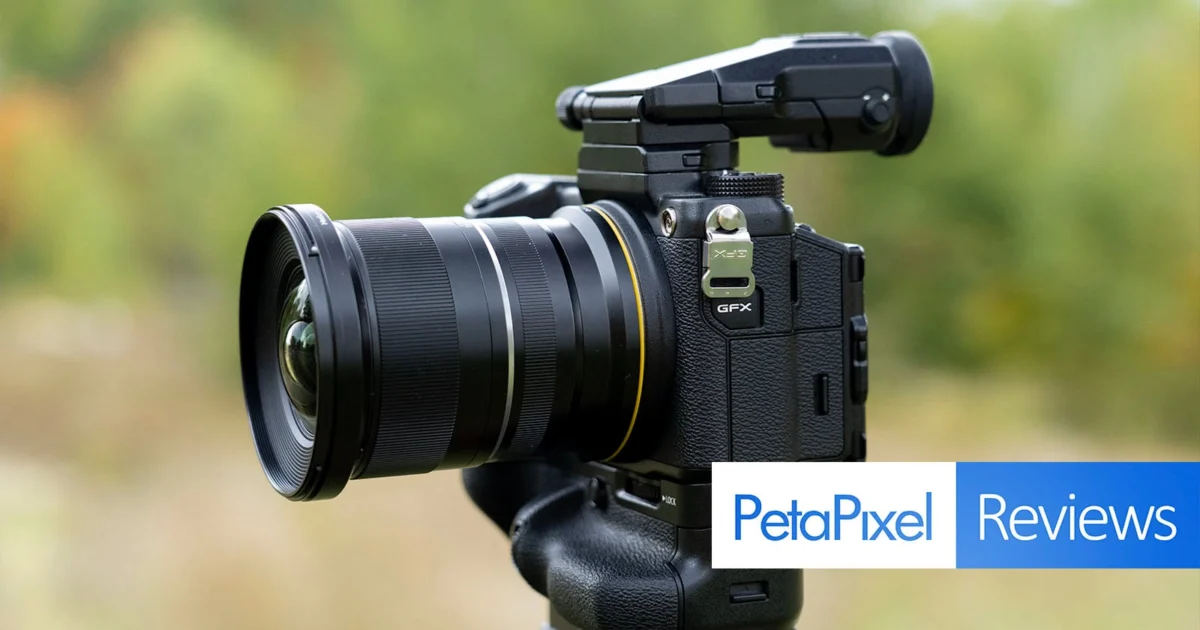
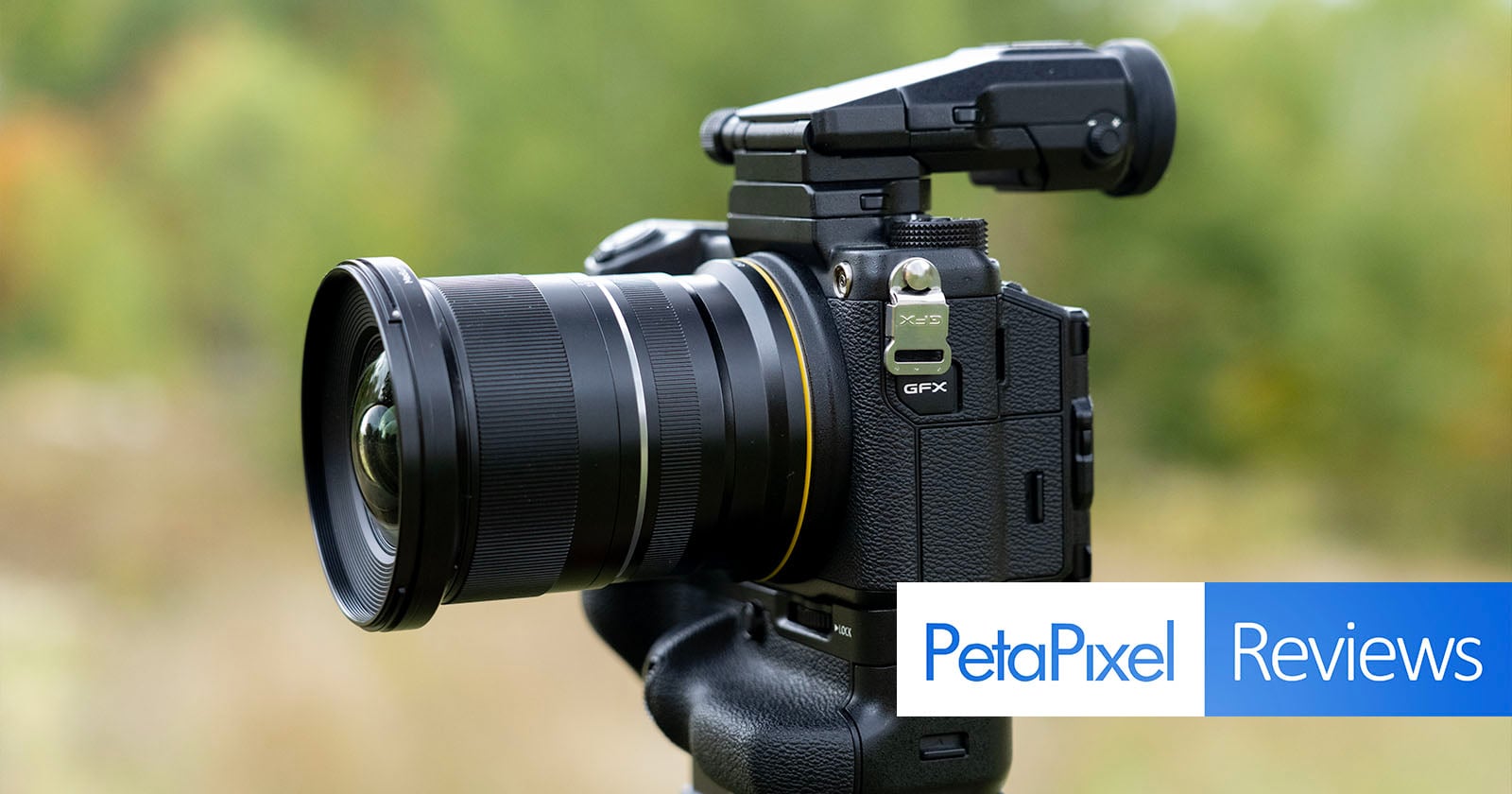
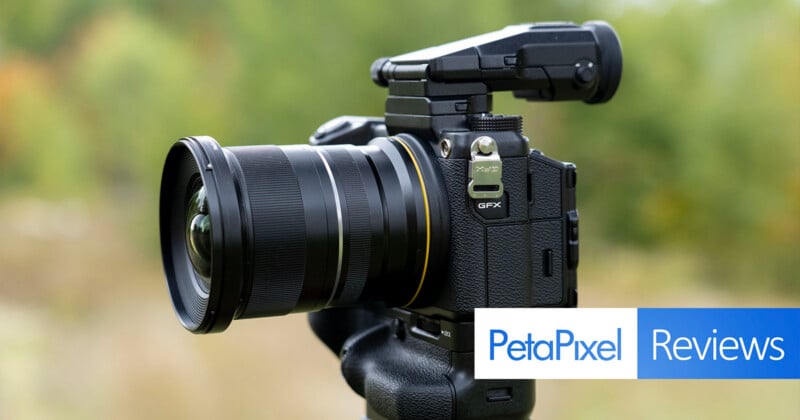
The Fujifilm GFX medium format system, now approaching its tenth anniversary, has firmly established itself as a significant player in the professional photography landscape, carving out a successful niche between traditional full-frame and larger format digital backs. This success is underscored by a growing interest from third-party lens manufacturers, a critical indicator of a robust and expanding ecosystem. Among these, NiSi, a brand widely recognized for its high-quality optical filters, has made notable strides in lens production, including the subject of this review: the NiSi 16mm f/2.8 ASPH. lens. This ultra-wide prime lens is designed to serve both full-frame and medium-format camera systems, offering a unique proposition within the Fujifilm GFX lineup.
The Evolution of Medium Format and NiSi’s Strategic Entry
Fujifilm introduced the GFX system in 2017 with the GFX 50S, aiming to make medium format photography more accessible and portable. By utilizing a sensor significantly larger than full-frame (43.8 x 32.9 mm, approximately 1.7 times larger than a 35mm sensor), the GFX system delivers exceptional image quality, characterized by superior resolution, outstanding dynamic range, and a distinctive three-dimensional rendering often associated with larger sensors. Over the years, Fujifilm has expanded its GFX portfolio with higher-resolution models like the GFX100, GFX100S, and the recent GFX100 II, alongside a comprehensive range of native GF lenses.
The entry of third-party manufacturers like NiSi into this ecosystem signifies the GFX system’s maturity and market confidence. NiSi, traditionally renowned for its precision-engineered filters that are a staple for landscape and long-exposure photographers, has also built a substantial reputation in the realm of cinema lenses. Their "65 Prime" series for large-format video cameras, for instance, showcases their optical design and manufacturing capabilities. The NiSi 16mm f/2.8 ASPH. lens for stills photography appears to leverage this expertise, sharing optical similarities with its cinema counterparts, suggesting a foundation of robust design and performance. This cross-pollination of technology allows NiSi to offer specialized optics that might otherwise be overlooked by first-party manufacturers focused on broader appeal.
Unpacking the Ultra-Wide Perspective

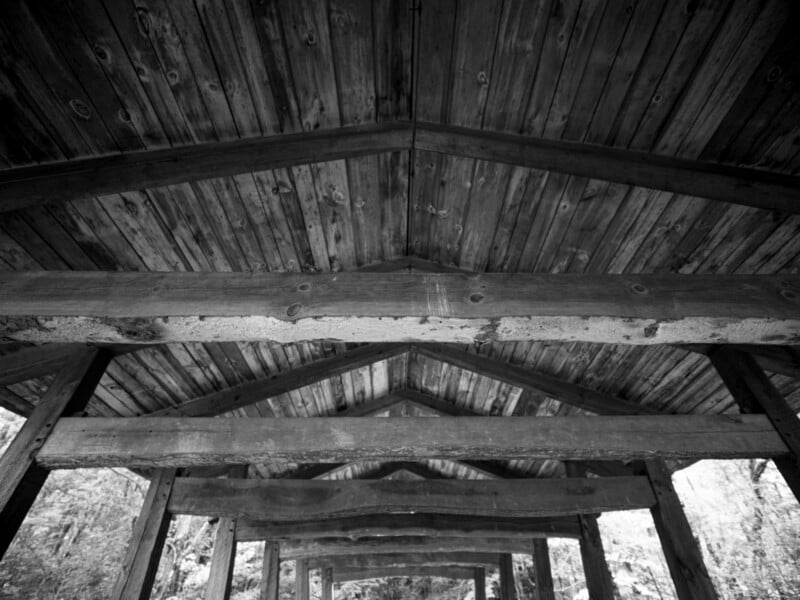
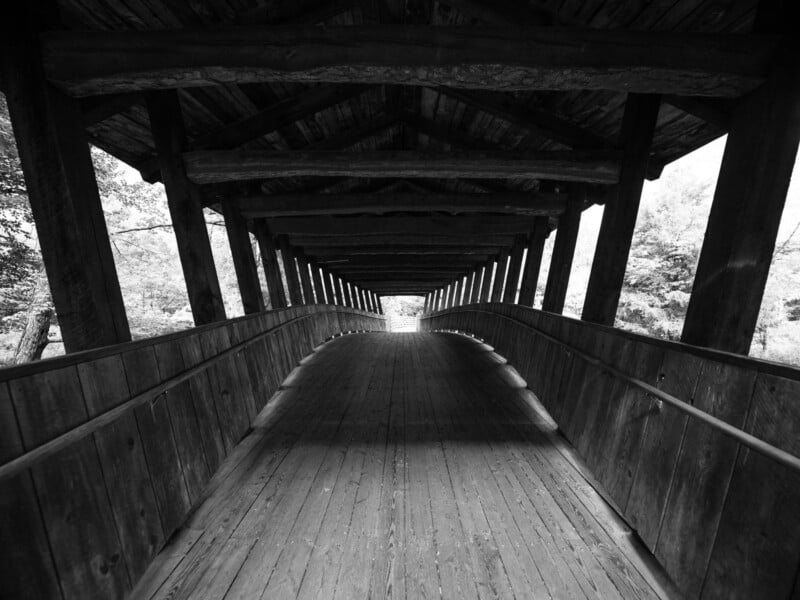
Mounted on a Fujifilm GFX 50S, the NiSi 16mm f/2.8 ASPH. delivers an astonishingly wide field of view. Due to the GFX’s 4:3 aspect ratio medium format sensor, the 16mm focal length effectively translates to approximately a 12.6mm equivalent on a full-frame 3:2 sensor. This extreme wide-angle perspective, boasting a 118-degree angle of view, sets it apart from many other lenses available for the GFX system. While not every photographer’s daily driver, such an ultra-wide lens is invaluable for specific genres like expansive landscapes, architectural interiors, astrophotography, and creative compositions that emphasize vastness and depth. It compels photographers to rethink their approach, encouraging dynamic foregrounds and immersive perspectives that are difficult to achieve with narrower focal lengths.
Optical and Mechanical Engineering: A Closer Look
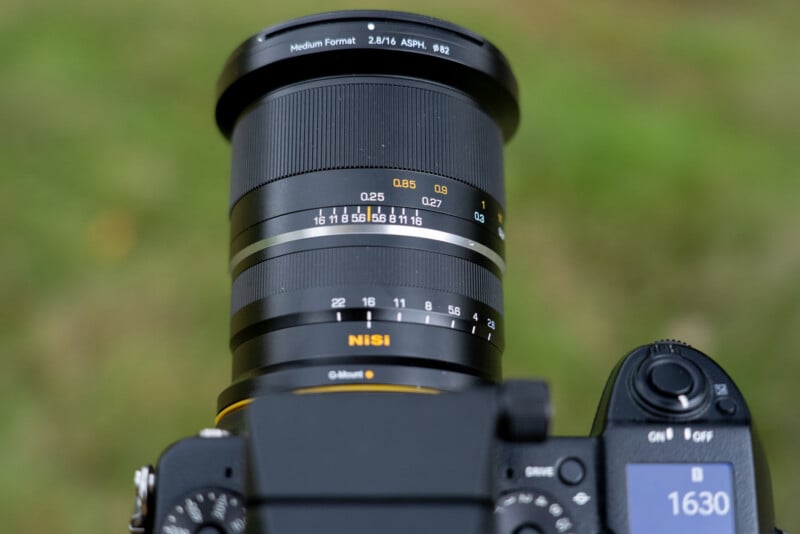
The NiSi 16mm f/2.8 ASPH. is constructed with a robust all-metal barrel, immediately conveying a sense of durability and premium craftsmanship. Measuring 108 millimeters (4.3 inches) in length, it’s comparable in size to Fujifilm’s native GF 23mm f/4 R LM WR lens. Despite this similarity in dimensions, the NiSi lens feels substantial, a perception likely amplified by its solid metal construction. This heft contributes to a stable handling experience, making it comfortable for handheld shooting despite its manual focus operation. The lens also features a weather-sealed design, enhancing its utility for outdoor and challenging environments, a crucial attribute for a lens often used in landscape photography.
Central to its operation is the focus ring, which exhibits an excellent degree of resistance – a welcome characteristic in an era where many modern focus-by-wire rings feel overly loose. This tangible feedback allows for precise and deliberate adjustments, which is paramount for a manual focus lens where accuracy is entirely dependent on the photographer’s input. The aperture control ring, with distinct full-stop detents from f/2.8 to f/22, provides clear tactile feedback for aperture selection. While intermediate stops are technically possible, the lack of electronic communication means these cannot be precisely replicated or recorded in the camera’s metadata.
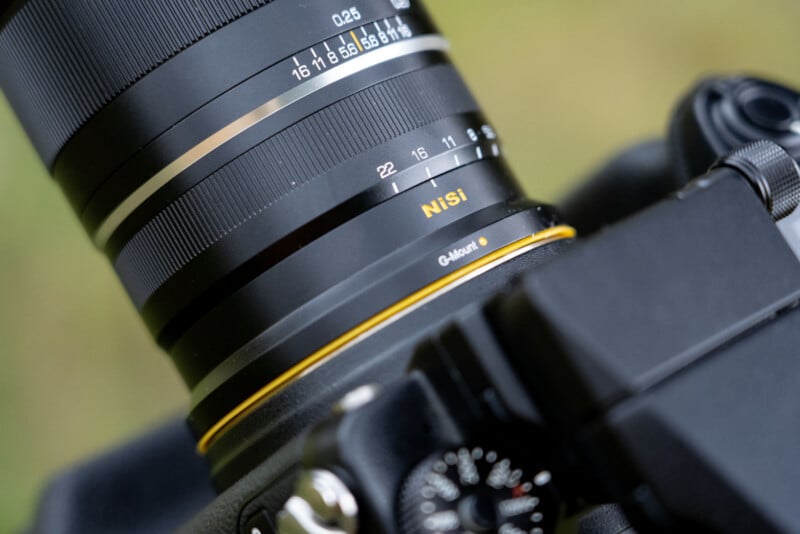
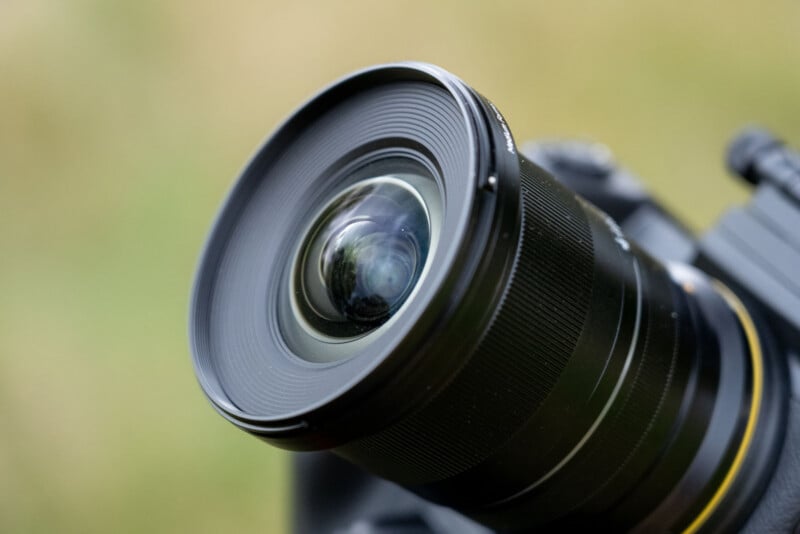
Optically, the NiSi 16mm f/2.8 ASPH. incorporates a sophisticated design comprising 16 elements arranged in 12 groups. This includes three aspherical elements and four ultra-low dispersion (ULD) elements. Aspherical elements are crucial for correcting spherical aberrations and reducing distortion, particularly in wide-angle designs, ensuring sharpness from the center to the edges of the frame. ULD elements, conversely, are employed to minimize chromatic aberrations, which appear as colored fringes around high-contrast edges. This complex optical formula is indicative of NiSi’s commitment to delivering high-resolution images with well-controlled optical imperfections, a promise that is largely borne out in its performance.
Performance Evaluation: A Deep Dive
The lens’s performance is a critical factor, especially given its ultra-wide perspective and manual focus design. NiSi advertises "sharp detail from the center to the edge" even at its maximum aperture of f/2.8. In practical use, the lens indeed delivers commendable sharpness in the center at f/2.8. While a slight degree of vignetting and minor chromatic fringing can be observed at wide open apertures, these are generally manageable and within expectations for such a wide-angle lens. Stopping down to f/4 and especially f/5.6 significantly improves overall resolution and edge-to-edge sharpness, demonstrating the lens’s capability to resolve fine detail across the medium format sensor.
Beyond sharpness, the NiSi 16mm f/2.8 ASPH. features an eight-bladed aperture diaphragm. This design choice is particularly relevant for photographers who appreciate distinct sunstars when shooting into bright light sources. The lens consistently produces well-defined, attractive sunstars, adding a creative dimension to landscape and architectural photography.
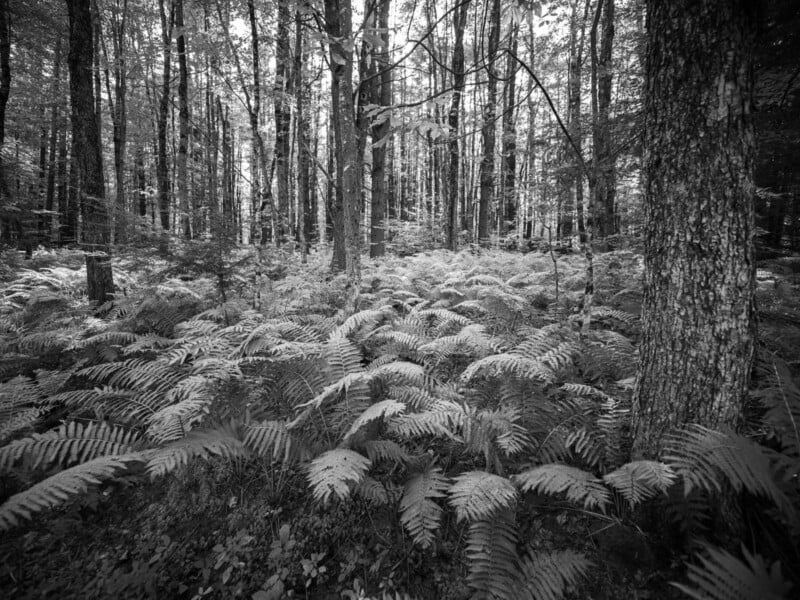
A notable strength is its impressive close-focusing distance of just 0.25 meters (less than 10 inches). This capability, unusual for an ultra-wide lens, allows photographers to create dynamic compositions with exaggerated foreground elements, drawing viewers into the scene. This versatility can be a significant creative asset, enabling unique perspectives that blend macro-like proximity with an expansive background.
The Astrophotography Test: A Niche Application
The Fujifilm GFX system has historically faced a dearth of fast, ultra-wide lenses suitable for astrophotography. Native Fujifilm GF lenses, while optically superb, are often slower, making them less ideal for capturing faint celestial bodies in low light. The NiSi 16mm f/2.8 ASPH., with its wide aperture and extreme field of view, presents itself as a compelling option for this niche.
In astrophotography tests, the lens demonstrates good sharpness at f/2.8, with stars generally rendering as circular points. Some minor aberrations can appear towards the extreme corners, but overall, the performance is quite respectable. The primary challenge encountered during astrophotography with this lens is significant vignetting, particularly visible at wider apertures. While post-processing tools can largely correct this, it adds an extra step to the workflow and requires careful attention to detail. Despite this, for GFX users seeking a dedicated astrophotography lens, the NiSi 16mm f/2.8 ASPH. emerges as a leading contender, effectively filling a critical gap in the system’s capabilities. It demands a bit more effort in post-production, but the results are genuinely impressive, allowing GFX users to capture the grandeur of the night sky with their high-resolution medium format cameras.
Manual Focus and Workflow Considerations: A Photographer’s Adaptation
The manual focus design and complete absence of electronic communication are defining characteristics of the NiSi 16mm f/2.8 ASPH. and introduce several workflow considerations. Firstly, users must configure their GFX camera to fire without a lens attached, a minor but necessary initial adjustment. More significantly, the lack of electronic contacts means no aperture data is recorded in the EXIF metadata, which can be an inconvenience for photographers who rely on this information for post-processing decisions, learning from past shots, or cataloging their image library. The aperture must be manually observed on the lens barrel, rather than displayed in the viewfinder or on the camera’s LCD.

The manual focus experience itself is highly dependent on the camera body. On older GFX models like the 50S, with its comparatively modest electronic viewfinder (EVF) and slower interface, achieving precise focus can be a deliberate and time-consuming process involving magnification aids. Newer GFX bodies, such as the GFX100 II, with their high-resolution, fast-refreshing EVFs and enhanced focusing aids (like focus peaking and split image), would undoubtedly offer a more fluid and enjoyable manual focusing experience. For photographers accustomed to or preferring autofocus, this manual-only approach requires a fundamental shift in shooting style and patience. However, for those who appreciate the tactile control and deliberate pace of manual focusing, especially in genres like landscape or studio photography where speed is less critical, the NiSi’s well-damped focus ring is a pleasure to use.
Filter System and Practicalities

Another practical consideration is the lens’s filter compatibility. While it can accept standard 82mm screw-on filters, using them often introduces vignetting, particularly at the widest apertures. To mitigate this, NiSi thoughtfully includes its JetMag Pro 95MAG magnetic filter adapter ring with the lens. This adapter allows the use of larger 95mm filters, which are less prone to vignetting at this extreme focal length. However, it’s important to note that 95mm filters themselves represent an additional investment, as they are typically more expensive than their 82mm counterparts. This design choice likely stems from the lens’s shared optical design with NiSi’s large-format cinema lenses, which commonly utilize 95mm filter threads.
Market Positioning and Alternatives

In the Fujifilm GFX ecosystem, the NiSi 16mm f/2.8 ASPH. occupies a unique position, primarily due to its extreme focal length and price point. Fujifilm’s native ultra-wide options, while optically exceptional, do not offer a field of view as wide as the NiSi 16mm. The widest first-party prime is the Fujinon GF 23mm f/4 R LM WR, priced at approximately $2,999.95. Fujifilm also offers the GF 20-35mm f/4 R WR zoom, which is slightly wider at its shortest focal length but still falls short of the NiSi’s 16mm and carries a price tag of around $2,899.95.
The NiSi 16mm f/2.8 ASPH., often available with discounts from its regular price of $1,399, presents a significantly more affordable option. However, this cost advantage comes with trade-offs. Fujifilm’s native lenses feature autofocus, electronic communication for full EXIF data, and benefit from in-camera lens corrections for distortion and vignetting. They also offer robust weather sealing and often superior optical performance across the board. The NiSi, while optically strong, lacks these modern conveniences.

Another third-party alternative is the TTArtisan 17mm f/4 Tilt-Shift lens for GFX, priced around $549. While offering a similar focal length and a tilt-shift mechanism for perspective control, it is a stop slower and offers reduced tilt/shift capabilities compared to full-frame equivalents. For photographers specifically seeking a fast, ultra-wide prime without tilt-shift functionality, the NiSi 16mm f/2.8 ASPH. stands largely unrivaled in its focal length class within the GFX system.
Implications for GFX Photographers

The NiSi 16mm f/2.8 ASPH. is, without question, a niche lens. Its ultra-wide field of view, while incredibly powerful for certain photographic visions, can also be challenging to compose effectively, often leading to busy frames if not handled skillfully. This extreme perspective demands a deliberate approach and a keen eye for composition to avoid extraneous elements.
Despite these challenges, the lens provides a genuinely enjoyable and rewarding photographic experience. Its solid build, excellent close-focusing capabilities, and ability to render pleasing sunstars contribute to its appeal. Critically, it delivers on its core promise of optical sharpness, especially when stopped down, making it a valuable tool for specific applications.

For Fujifilm GFX and Hasselblad XD series camera owners who have a strong affinity for ultra-wide perspectives, and are willing to embrace the manual focus workflow and the lack of electronic communication, the NiSi 16mm f/2.8 ASPH. represents a compelling and cost-effective addition to their kit. It expands the creative possibilities of the medium format system, particularly for genres like astrophotography, architectural interiors, and grand landscapes, where its unique combination of focal length and aperture truly shines. While it may not be a lens for everyone, for those who understand and can leverage its specific strengths, it performs its specialized role exceptionally well.