Renowned portrait photographer and educator Felix Kunze is set to redefine how photographers approach studio lighting with his latest offering, "Lighting for Everyone." This comprehensive course, launched recently, marks Kunze’s first major studio lighting class since the highly acclaimed "Lighting Series" in 2017. However, Kunze emphasizes that "Lighting for Everyone" is not merely a sequel but an entirely new pedagogical approach, meticulously crafted to address the evolving demands of modern photography. The course is designed to equip photographers with the skills to create striking, world-class portraits using minimal equipment and under challenging, real-world conditions, moving beyond the traditional reliance on soft, diffused light.
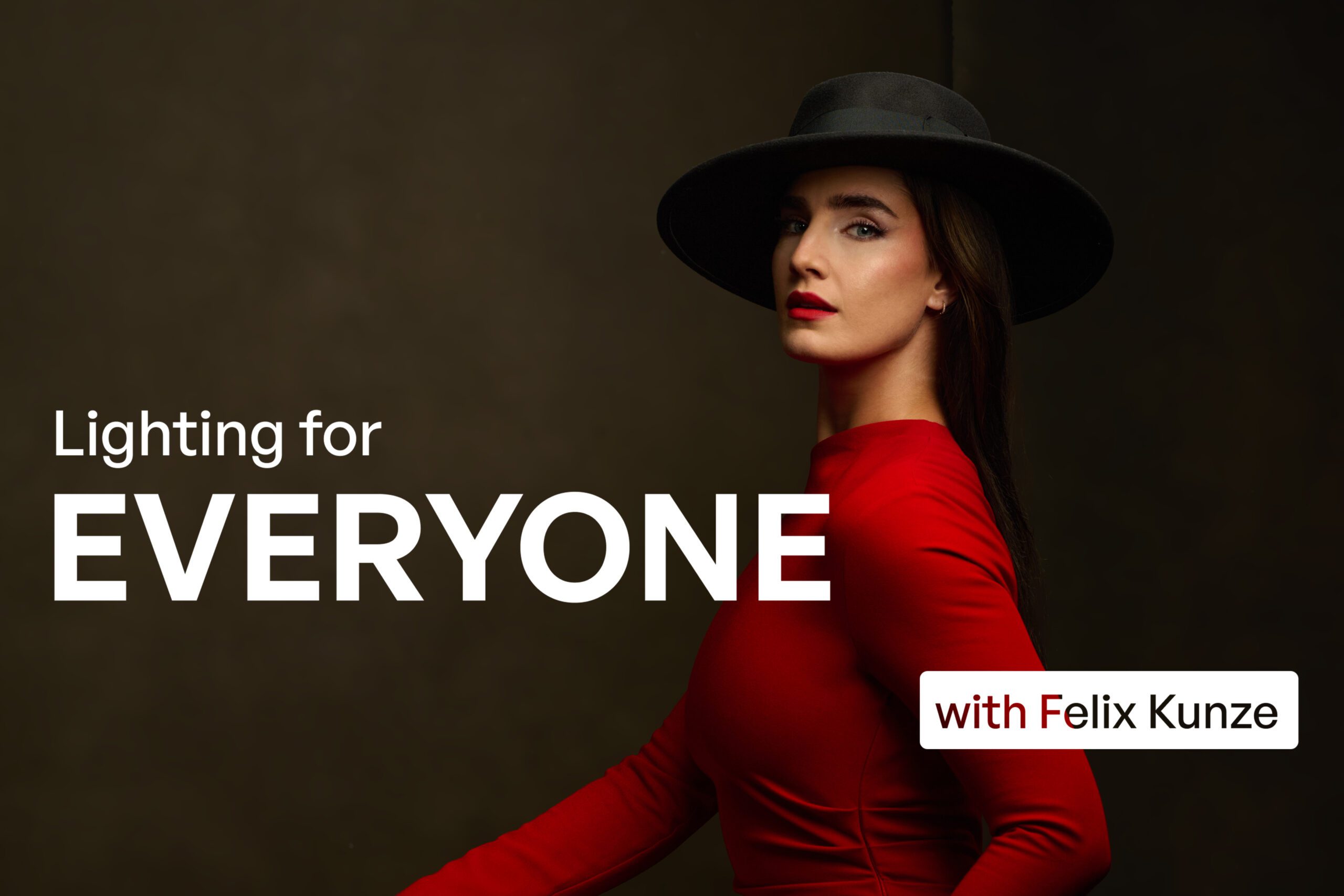
The fundamental premise of "Lighting for Everyone" challenges a pervasive myth in the photographic community: that effective studio lighting is inherently complex and requires an extensive array of specialized gear. Kunze, whose illustrious career spans collaborations with astronauts and features on Vogue covers, asserts that the key to impactful lighting lies not in the quantity of equipment but in the photographer’s understanding of its fundamental principles. "The world has changed," Kunze explains in a statement accompanying the course launch. "Shoots move faster. Spaces are tighter. We don’t always get an hour and a softbox. So I built the class I wish I had at the beginning, something that helps you create world-class light with less gear, less stress, and way more confidence."
This philosophy is central to the course’s design. "Lighting for Everyone" systematically demystifies studio lighting by stripping away technical jargon and focusing on practical, accessible techniques. Kunze eschews the traditional studio setting, instead filming the course on-location in everyday environments. This includes demonstrations using common household items, such as bounce boards crafted from insulation foam, and shooting in living rooms rather than purpose-built studios. The aim is to mirror the unscripted, often time-constrained scenarios that wedding and portrait photographers encounter daily. The course content emphasizes that powerful lighting effects, such as dramatic contrast and compelling dimensionality, can be achieved with a single light source, provided the photographer understands how to manipulate its direction, shape, and intensity. "Lighting is about direction, shape, and feel," Kunze elaborates. "You don’t need five lights to create drama. You just need to know what to do with one."
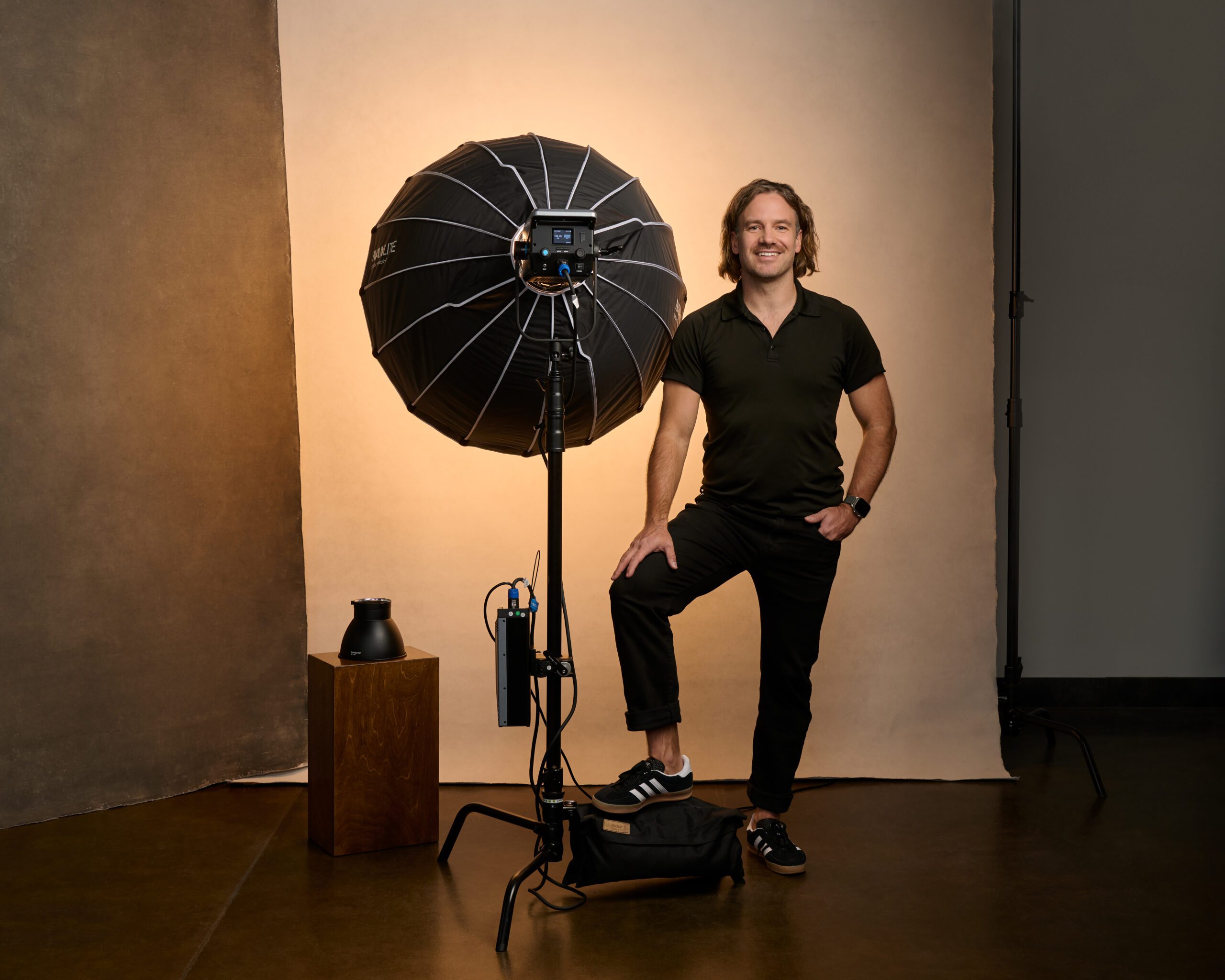
A significant pedagogical innovation within "Lighting for Everyone" is Kunze’s deliberate inclusion of mistakes and their subsequent corrections. Each segment of the course was filmed in real-time, showcasing the unscripted challenges of on-location shoots. Kunze intentionally allows errors to occur on camera, providing viewers with an invaluable opportunity to observe his problem-solving process firsthand. This approach directly addresses the reality of professional photography, where unexpected issues are common. "I mess things up on camera. That’s the point," Kunze states. "You get to watch how I fix it. Because that’s what we do on real shoots." This transparency is intended to foster greater confidence and adaptability among photographers, demonstrating that mastering lighting is an iterative process of experimentation and adjustment.
The impetus behind "Lighting for Everyone" stems from a perceived need to democratize lighting knowledge in an increasingly demanding photographic landscape. The rise of AI-powered retouching tools, shrinking client budgets, and the proliferation of "content-style" imagery have placed immense pressure on photographers to deliver high-quality, emotive images with unprecedented speed and efficiency. Many photographers, particularly those early in their careers, often feel intimidated by lighting, viewing it as either an insurmountable technical hurdle or a peripheral aspect of their craft. Kunze aims to dismantle this perception, positioning lighting as an essential component of creative freedom. "Lighting is your thing," he insists. "If you want creative freedom, you have to understand it. But that doesn’t mean it has to be complicated."

The course’s structure is designed for broad appeal. For novice photographers, "Lighting for Everyone" offers an accessible and unintimidating entry point into studio lighting principles. For experienced professionals, it serves as a refreshing reminder that sophisticated results can be achieved through simplified techniques. Anecdotal evidence from early testers highlights the course’s practical value, with several reporting that a single technique, the "wrap-around light setup," alone justified the investment in the course. This specific technique, which Kunze details within the curriculum, is lauded for its versatility in creating flattering and dimensional portraits with minimal effort.
A key differentiator of "Lighting for Everyone," compared to many existing lighting tutorials, is its focus on decision-making and artistic intent rather than solely on gear specifications. Kunze’s teaching style transcends technical instruction, delving into the emotional and psychological aspects of portraiture. He discusses lighting in terms of how it evokes feelings, communicates intent, and enhances the overall client experience, alongside more technical considerations like exposure and light falloff. This holistic approach emphasizes that true mastery of lighting involves developing a discerning eye – the ability to "see light differently." In an era where photographers are increasingly expected to be agile, intuitive, and capable of working in diverse and unpredictable environments, this mental shift is presented as paramount.
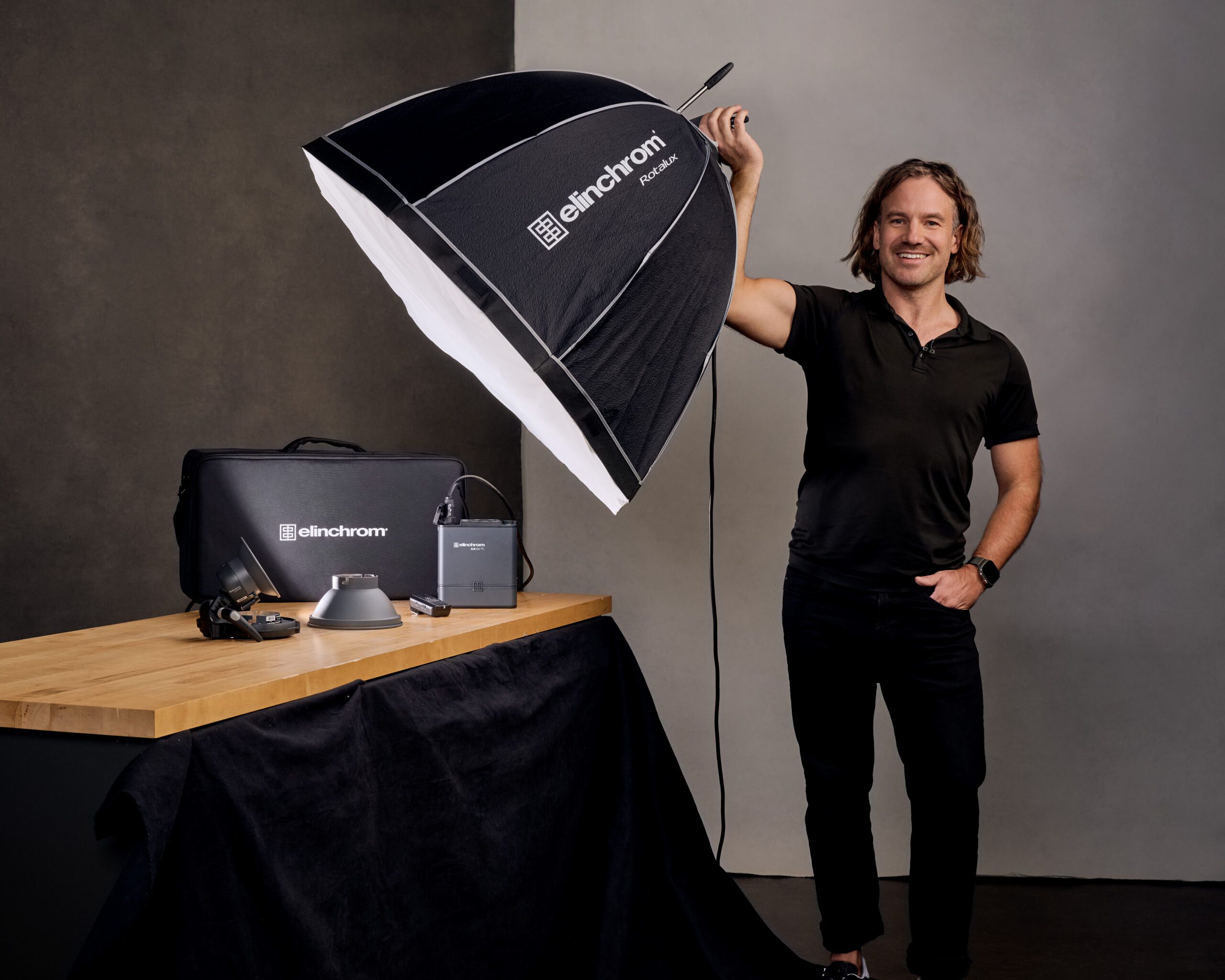
The course’s structure also prioritizes practical application over theoretical abstraction. Each lesson is filmed in a context that directly relates to the challenges faced by working photographers. Kunze demonstrates how to achieve specific lighting effects that are relevant to various photographic genres, including weddings, portraits, editorial assignments, and headshots. The curriculum is built around the idea that understanding the fundamental properties of light—its direction, intensity, and quality—is the bedrock upon which all effective lighting strategies are built. By focusing on these core elements, Kunze empowers photographers to adapt their knowledge to any situation, regardless of the specific equipment available.
The implications of Kunze’s approach extend beyond individual skill development. In an industry that is constantly evolving, the ability to adapt and deliver consistent, high-quality results under varying conditions is crucial for professional longevity. "Lighting for Everyone" provides photographers with a robust toolkit of practical strategies that can be implemented immediately, leading to improved client satisfaction and potentially opening up new creative avenues. The course’s emphasis on efficiency and resourcefulness is particularly relevant in today’s economic climate, where clients are often seeking high-value services without the associated high costs. By teaching photographers to achieve professional-grade results with less, Kunze is helping them to become more competitive and resilient in their businesses.
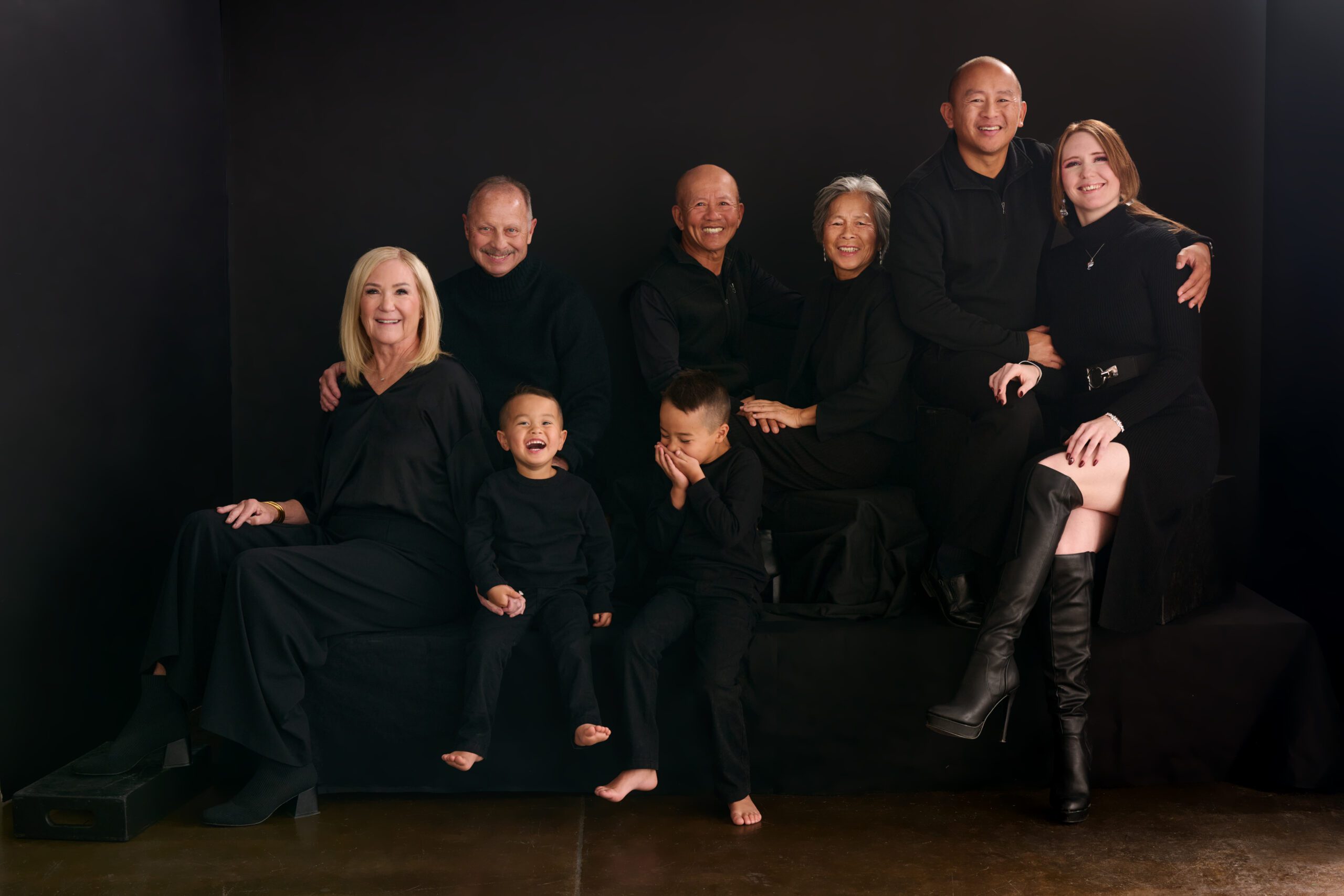
Furthermore, the course’s philosophy challenges the notion that photographers must constantly invest in the latest, most expensive equipment to produce exceptional work. While technological advancements are undeniable, Kunze’s teachings underscore the enduring power of fundamental principles and creative problem-solving. This is a crucial message for photographers at all career stages, encouraging them to focus on honing their craft rather than chasing gear trends. The emphasis on understanding "what the light is doing and how to shape it" is a timeless skill that transcends the rapid obsolescence of photographic technology.
"Lighting for Everyone" is positioned not merely as a technical course but as a confidence-building masterclass. It aims to empower photographers by equipping them with the knowledge and practical skills necessary to overcome lighting challenges and unlock their full creative potential. As Felix Kunze himself states, "You don’t need to wait until you have the perfect space or gear. You just need to understand what the light is doing and how to shape it." This accessible and empowering approach is set to make a significant impact on how photographers approach and execute their work in the coming years, fostering a new generation of confident and adaptable lighting artists. The course’s comprehensive curriculum, practical on-location filming, and Kunze’s signature teaching style promise to be a transformative resource for photographers worldwide.