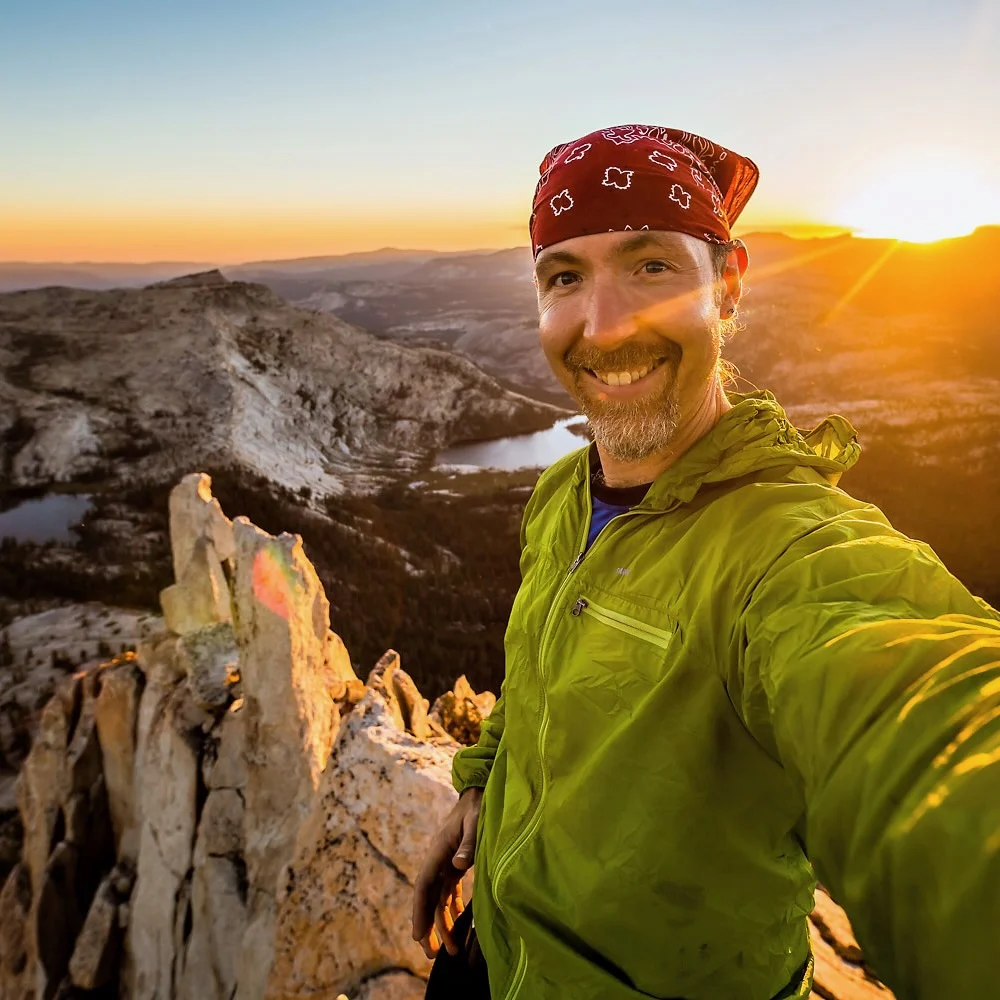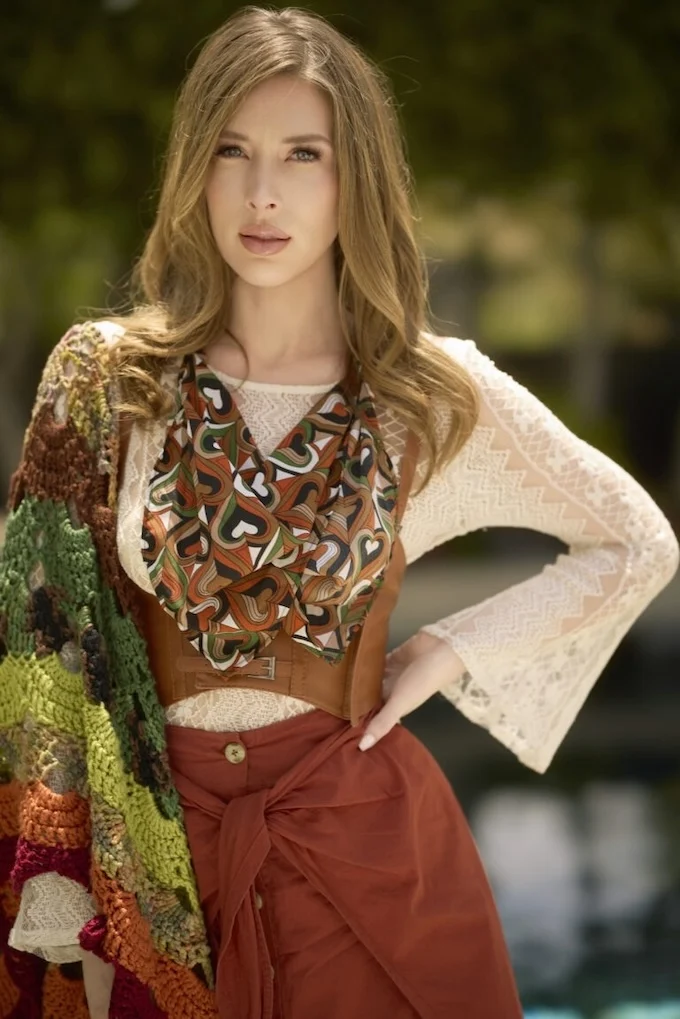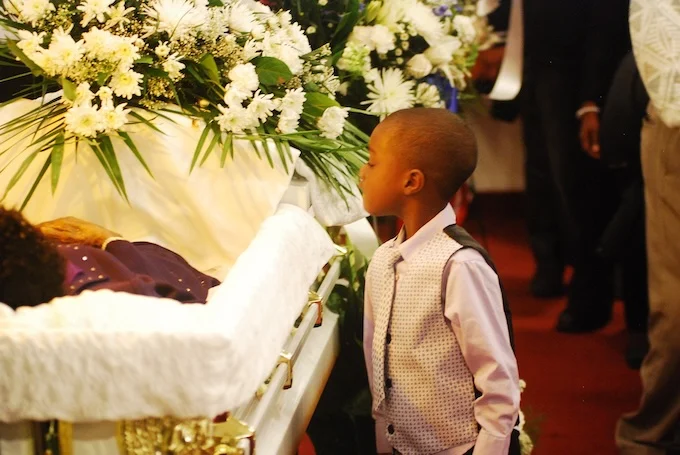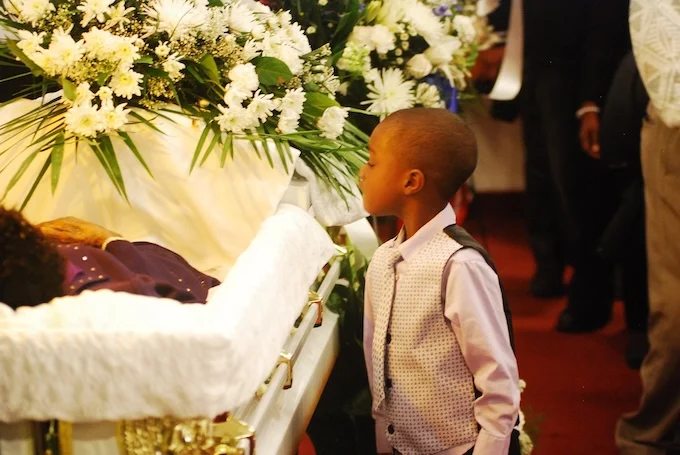
Funeral photography, a practice that once held a prominent place in Victorian society, has experienced a significant shift, moving from a commonplace custom to a largely taboo subject in contemporary times. However, photographer Duane Knight, proprietor of Your Legacy Photography, is spearheading a movement to reintroduce and legitimize this genre, asserting its profound value as a crucial tool for individuals navigating the complex terrain of grief through artistic expression. Knight estimates that there are currently only about 50 funeral photographers globally, a number he is actively working to expand by educating fellow professionals on integrating this sensitive yet vital service into their offerings.
A Historical Perspective on Mourning and Memory
The practice of memorializing the deceased through photography has deep historical roots. In the Victorian era, particularly between the 1840s and the early 1900s, post-mortem photography was relatively common. The high mortality rates, coupled with the nascent stages of photographic technology, meant that capturing images of loved ones, even after their passing, was a way to preserve their memory for posterity. These photographs served as cherished keepsakes, especially for families who might not have had many living portraits of the deceased. This practice was often seen as a way to provide a tangible connection to those who were gone, a way to process loss in a society where open displays of grief were sometimes discouraged.

However, as societal norms evolved and photographic technology became more accessible, the practice began to wane. The rise of affordable portrait studios and the increasing prevalence of pre-death photography shifted the focus. Coupled with evolving cultural sensitivities around death and mourning, funeral photography gradually became less accepted, often perceived as intrusive or morbid. This shift has led to the current landscape where the practice is considered unusual by many, despite its potential for therapeutic benefit.
The Unseen Value of Capturing Farewell Moments
Many photographers, even those who specialize in family portraits or weddings, have likely encountered situations where a client expresses profound gratitude for a portrait of a recently deceased loved one. These images, often the only well-preserved photographs available, become invaluable during funeral services, serving as a focal point for remembrance. Yet, the proactive capture of the funeral itself – the gathering of mourners, the palpable emotions, the final farewells – has remained largely outside the consideration of most photographers.
Duane Knight, with over a decade of experience and having produced approximately 150 Legacy Funeral Albums, highlights the unique role photography plays in these emotionally charged events. He observes that funerals often bring together extended family and friends, sometimes from across the country or even the globe, for a brief but significant period. The intensity of grief can make it challenging for attendees to fully absorb and retain the details of the day, including who was present. In this context, a funeral album can become a profoundly valuable memento, not only of the departed individual but also of the collective community that gathered to honor them. For those unable to attend, receiving such an album can provide a crucial link, offering a sense of inclusion and shared experience.

Knight draws a parallel between funerals and other significant life events like weddings, birthdays, and christenings. These occasions, while celebrating life and marking milestones, also serve as rare opportunities for dispersed families and friends to convene. Just as a wedding album captures the joy and connection of a union, a funeral album can encapsulate the love, support, and shared sorrow surrounding a loss. This visual record can be instrumental in the healing process, providing a concrete reference point for memories that might otherwise fade or become fragmented.
Navigating the Taboo: A Mission for Memory Preservation
Knight acknowledges that the acceptance of funeral photography is deeply intertwined with cultural beliefs and individual preferences. "Funerals being photographed is definitely a cultural thing," he states. "Some cultures don’t want any photos, and to them, it’s taboo. In a group of ten people you might get two or three who want funeral photography." This reality underscores the sensitive nature of the practice and the need for discretion and respect.
Despite these cultural nuances, Knight’s mission through Your Legacy Photography is to ensure that those who desire photographic documentation of a loved one’s funeral have the opportunity to receive it. He firmly believes that "all families who want funeral photography should have the opportunity to get it." This conviction stems from his understanding that for many, these images are not merely snapshots but vital components of their grieving and memorialization process. By offering his services, Knight aims to fill a void, providing a form of solace and remembrance that aligns with the family’s needs.

The perception of funeral photography often swings between being seen as a morbid intrusion and a treasured collection of memories. Knight’s work aims to shift this perception by emphasizing the artistic and therapeutic aspects. He approaches each assignment with a deep sense of empathy and professionalism, understanding the profound emotional weight of the occasion. His goal is to create a visual narrative that honors the deceased, supports the grieving family, and preserves a unique moment in time that will be revisited for generations to come.
Cultivating a New Generation of Funeral Photographers
Recognizing the scarcity of practitioners in this field, Knight is dedicated to educating and empowering other photographers to embrace funeral photography. He actively participates in industry conferences, such as WPPI (Wedding & Portrait Photographers International) in Las Vegas, to demystify the genre and share his expertise. His goal is to equip photographers with the technical skills, ethical considerations, and emotional intelligence necessary to excel in this specialized area.
Knight’s approach to education focuses on the nuances of capturing sensitive moments with respect and discretion. This includes understanding how to document the solemnity of the service, the quiet moments of reflection, the embrace of loved ones, and the subtle gestures of support. It also involves mastering the art of working unobtrusively, ensuring that the presence of the photographer does not detract from the family’s ability to mourn and connect. He teaches photographers how to anticipate key moments, manage lighting in often challenging environments, and curate a collection of images that tells a coherent and comforting story.

His distinctive presence at conferences – often identifiable by a hat that reads "I Love Funeral Photography" and a vest emblazoned with "Ask Me about the Art of Funeral Photography" – serves as a conversation starter. This bold approach is designed to break down barriers and encourage dialogue about a subject that is often avoided. Knight believes that by openly discussing and promoting funeral photography, he can help normalize it and make it a more accessible option for families in need.
The implications of this educational initiative are significant. By increasing the number of trained funeral photographers, Knight aims to make these services more widely available, potentially reducing geographical barriers and cost considerations for grieving families. This expansion could also foster a greater understanding and acceptance of funeral photography as a legitimate and valuable art form that contributes to the broader spectrum of therapeutic practices.
The Future of Memorialization Through Lens
The journey of funeral photography from a Victorian staple to a modern-day niche is a testament to evolving societal norms and the enduring human need to remember and honor loved ones. Duane Knight’s dedication to this art form is not merely about taking pictures; it is about providing a pathway to healing, a tangible link to cherished memories, and a way to preserve the legacy of those who have passed.

As Knight continues his mission, the potential for funeral photography to become a more integrated aspect of the grieving process appears increasingly likely. The growing recognition of the importance of mental health and therapeutic outlets in dealing with loss further strengthens the argument for its utility. By educating photographers and advocating for its acceptance, Knight is not just building a business; he is cultivating a movement that reframes how we approach death and remembrance in the digital age.
For those interested in learning more about Duane Knight’s work or the art of funeral photography, his website, YourLegacyPhotography.com, and his Instagram profile, @funeral.photos, offer valuable insights. His willingness to engage with feedback and answer questions further underscores his commitment to fostering a more open and understanding dialogue around this often-misunderstood, yet deeply meaningful, photographic genre. The continued efforts of individuals like Knight are crucial in ensuring that the practice of capturing these final, poignant moments is seen not as a morbid fascination, but as a profound act of love and remembrance.