The intersection of legacy technology and modern photographic practice has been highlighted by the recent re-evaluation of the Olympus IS-5000, a late-era 35mm SLR that represents the final peak of the "bridge camera" concept. Originally released in 2002, the IS-5000 has surfaced in contemporary discourse through the lens of veteran photographer Tony Warren, whose recent experiences with the device underscore a growing trend of intergenerational technology transfer within the analog community. As the global film revival continues into the mid-2020s, the hardware of the early 21st century—once dismissed as consumer-grade "prosumer" gear—is undergoing a rigorous reassessment by both seasoned professionals and a new generation of photographers preparing for international travel and long-term documentary projects.
The Genesis of the Integrated System: A Historical Overview
The Olympus IS-5000 was the culmination of the "iS" (Integrated System) series, a line of cameras Olympus marketed as "ZLR" or Zoom Lens Reflex cameras. Launched in 1990 with the IS-1000, the series sought to combine the high-end optics and through-the-lens (TTL) viewing of a traditional SLR with the ease of use and fixed-lens convenience of a point-and-shoot. By the time the IS-5000 arrived in 2002, the photographic industry was on the precipice of a total digital shift.
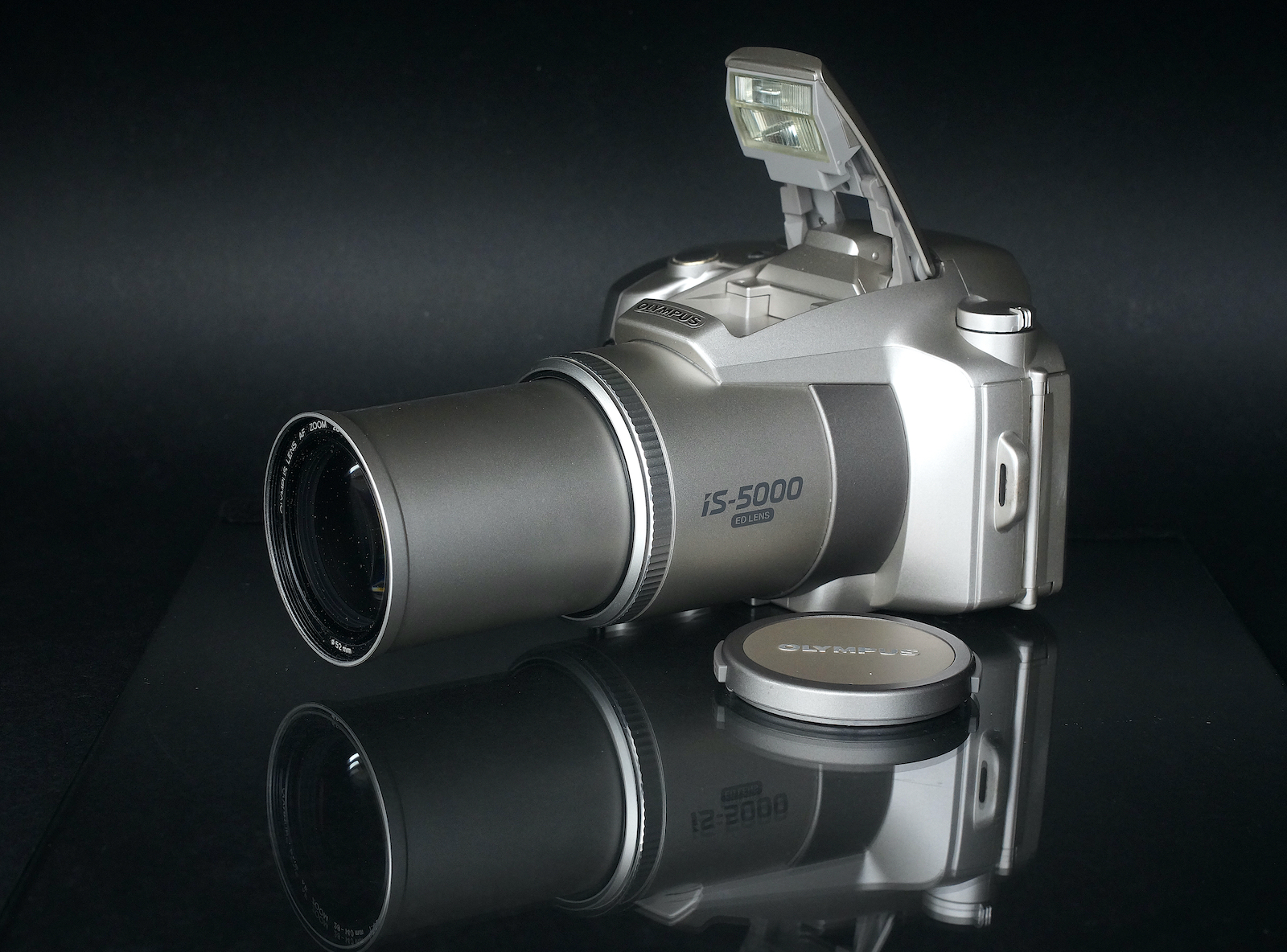
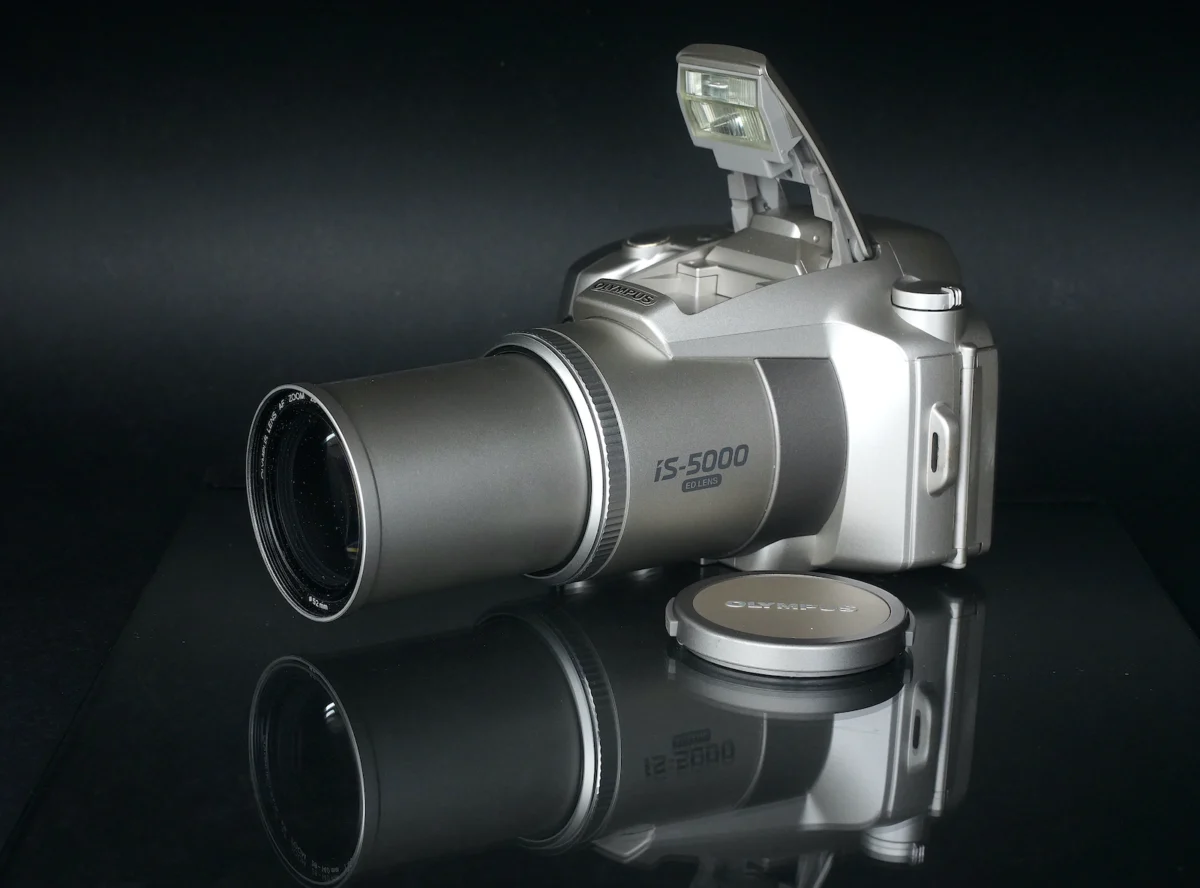
The IS-5000 was designed to be the ultimate consumer tool, featuring a high-performance 28-140mm zoom lens. This 5x magnification range was significant for its time, utilizing Extra-low Dispersion (ED) glass elements to minimize chromatic aberration—a feature usually reserved for expensive interchangeable lenses. The camera targeted the "advanced amateur" market, individuals who desired professional results without the complexity of carrying multiple lenses or managing the intricacies of manual exposure.
In the context of 2026, these cameras are being rediscovered for their ergonomics and "all-in-one" utility. For a young photographer embarking on a "Big OE" (Overseas Experience), a cultural rite of passage for New Zealanders traveling to Europe or North America, the IS-5000 offers a robust, albeit bulky, alternative to modern digital mirrors.
Technical Specifications and Ergonomic Design
One of the most praised aspects of the IS-5000 is its ergonomic handling. Unlike the boxy SLRs of the 1980s or the modular digital cameras of today, the IS-5000 features a molded, "bridge-style" grip that accommodates the natural contour of the hand. This design was intentional, aimed at stabilizing the camera during long-focal-length shots where camera shake is most prevalent.
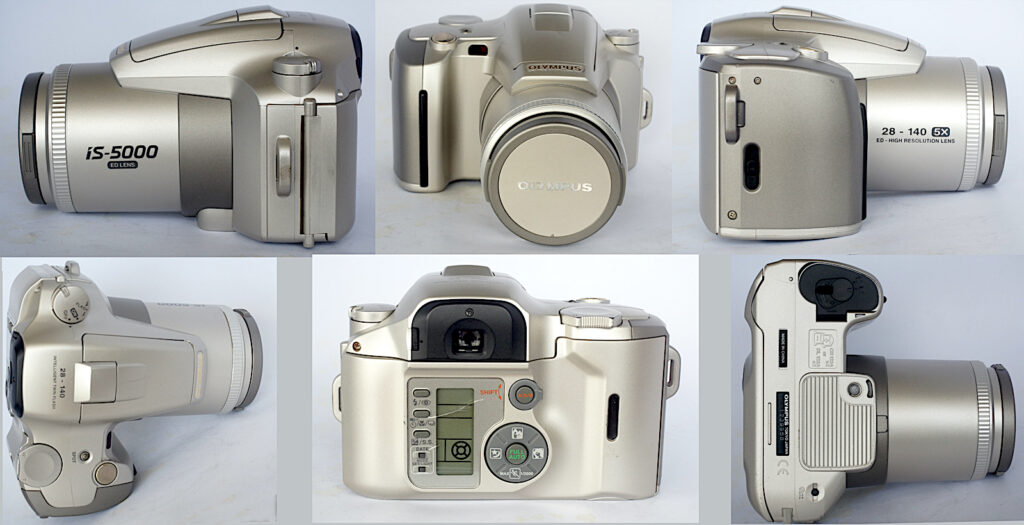
The camera’s viewfinder, however, remains a point of technical debate. Offering approximately 85% coverage, it does not provide the full-frame accuracy found in professional-grade SLRs like the Nikon F5 or the Canon EOS-1V. Analysis suggests this was a deliberate engineering choice rather than a limitation. During the early 2000s, the vast majority of consumer film was "trade processed" at commercial labs. Standard automated printing and scanning equipment often cropped the edges of the negative to ensure no black borders appeared on the final 4×6 print. By providing an 85% view, Olympus ensured that what the user saw in the viewfinder would almost certainly be what appeared on the final physical print, effectively "pre-cropping" the image for the commercial market.
The Chemistry of the Image: Ilford FP4+ and Rodinal Development
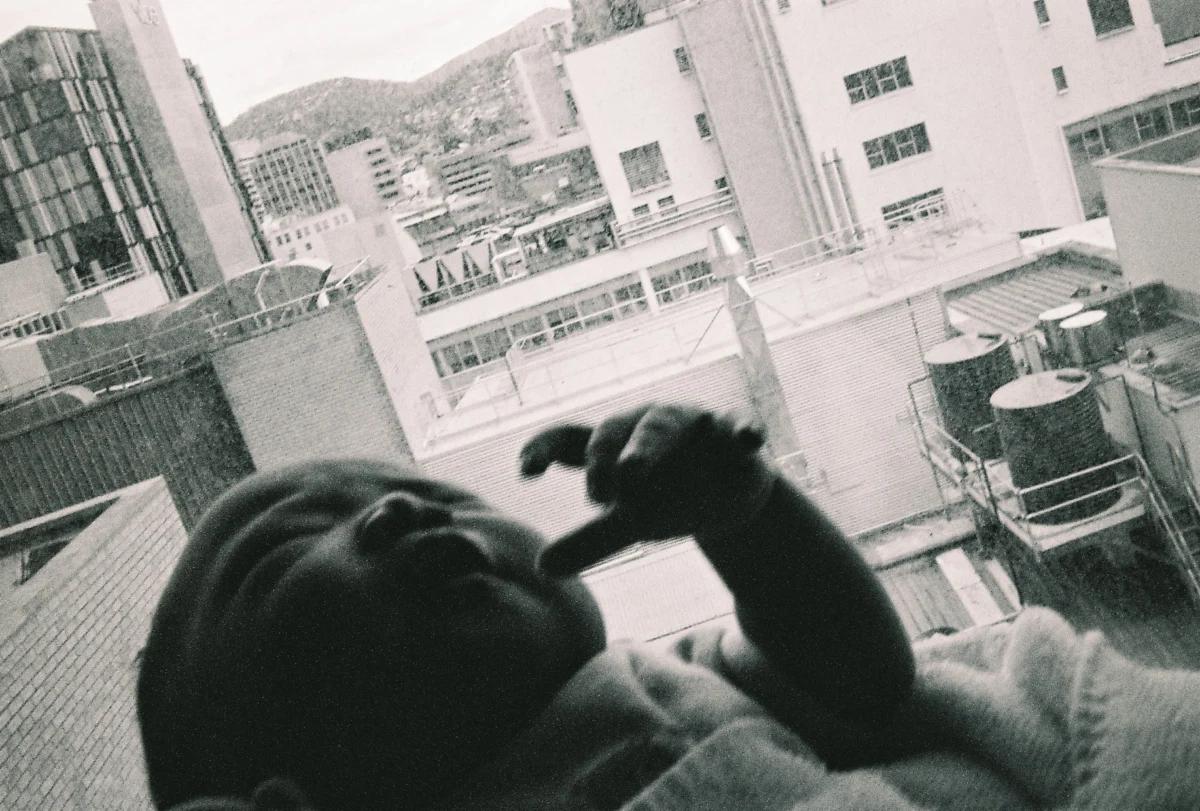
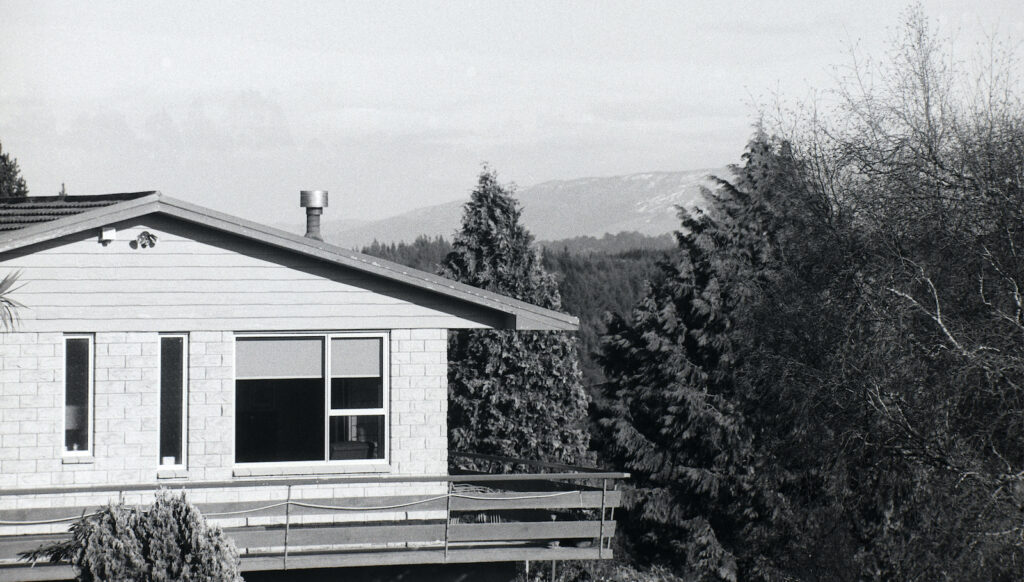
The recent testing of the IS-5000 involved the use of Ilford FP4+, a medium-speed black-and-white film known for its fine grain and wide exposure latitude. The choice of film is critical when evaluating vintage optics, as it reveals the lens’s ability to resolve detail and manage contrast.
In this instance, the film was developed using Rodinal (p-aminophenol) at a 1:25 dilution. Rodinal is one of the oldest chemical developers still in use, patented by Agfa in 1891. It is celebrated for its "acutance"—the perceived sharpness of the edges in an image—but it can also produce prominent grain and high contrast if not managed carefully.

Development Observations:
- Contrast Levels: In strong, direct morning light, the 1:25 dilution resulted in a "contrasty" aesthetic. This is typical for Rodinal, which often requires a higher dilution (such as 1:50 or 1:100) to tame highlights in bright conditions.
- Shadow Detail: The IS-5000’s metering system appeared to handle the Ilford FP4+ well, though the combination of high-acutance developer and harsh spring sunlight pushed the film’s highlights to the edge of the tonal scale.
- Optical Clarity: Despite being a 24-year-old fixed lens, the 28-140mm glass showed remarkable sharpness with no significant distortion at the wider settings. However, the lack of a dedicated lens hood makes the system prone to flare when shooting toward the sun, a common trait of complex multi-element zoom lenses from that era.
Chronology of the Bridge Camera’s Decline and Resurgence
To understand the current relevance of the IS-5000, one must look at the timeline of the "Bridge" category:
- 1990–1995: The Golden Age of ZLRs. Olympus and Yashica dominate the market with cameras like the IS-3000 and the Samurai series.
- 1996–2001: The transition period. Manufacturers begin integrating more sophisticated autofocus and flash systems (like the Twin Flash on the IS series) to compete with entry-level digital prototypes.
- 2002: The release of the IS-5000. It stands as one of the last high-end film bridge cameras before Olympus pivots its resources toward the E-system and the digital Four Thirds sensor.
- 2005–2015: The "Dark Ages." Bridge cameras are largely relegated to thrift stores and "junk bins" as the world moves to DSLRs and smartphones.
- 2020–2026: The Analog Renaissance. Young photographers, priced out of the "cult" status cameras like the Olympus Mju-II or Contax T2, begin looking for high-performance alternatives. The IS-5000 emerges as a "hidden gem" due to its SLR quality and affordable price point.
Sociocultural Impact: The "Big OE" and Intergenerational Legacy
The narrative of the IS-5000 is not merely one of technical specs but of cultural movement. In New Zealand and Australia, the "Big OE" represents a period of extended international travel, often lasting one to two years. For a 22-year-old traveler in 2026, carrying a film camera is a deliberate choice to slow down the documentation of their journey.
By passing the IS-5000 from a grandfather to a grandson, the device moves from being a relic of the past to a functional tool for the future. Industry analysts suggest that this "hand-me-down" economy is sustaining the film industry. "We are seeing a significant percentage of the market being driven by ‘legacy users’—young people who inherit high-quality late-era film cameras," says a spokesperson for a leading film distributor. "These cameras are often more reliable than the mechanical SLRs of the 1970s because their electronic components, if well-maintained, offer superior metering and automation for someone traveling across different climates and lighting conditions."
Market Implications and the Future of Fixed-Lens SLRs
The IS-5000 represents a specific "dead end" in camera evolution that has ironically become a path forward for modern enthusiasts. It was a "bridge" to digital not because of its sensor, but because of its interface. It taught a generation of users how to interact with a menu-driven, button-heavy system that would become the standard for the next two decades of digital photography.
For the current market, the implications are clear:
- Value Retention: Prices for "bridge" SLRs are beginning to rise as the supply of premium point-and-shoots dwindles.
- Accessibility: The IS-5000 remains one of the most accessible ways to access high-quality zoom optics without the investment required for a multi-lens system.
- Durability Concerns: While ergonomically superior, the reliance on early 2000s electronics and plastic gear trains for the zoom mechanism means these cameras have a finite lifespan. Unlike a mechanical Leica, an IS-5000 is difficult, if not impossible, to repair once the internal flex cables or motors fail.
Conclusion: A Tool for the Casual and the Committed
The Olympus IS-5000 occupies a unique space in the history of photography. It is a camera designed for the casual shooter that accidentally provided enough quality to satisfy the enthusiast. While it may not be the primary choice for a studio professional, its role in fueling the interest of a new generation of photographers cannot be overstated.
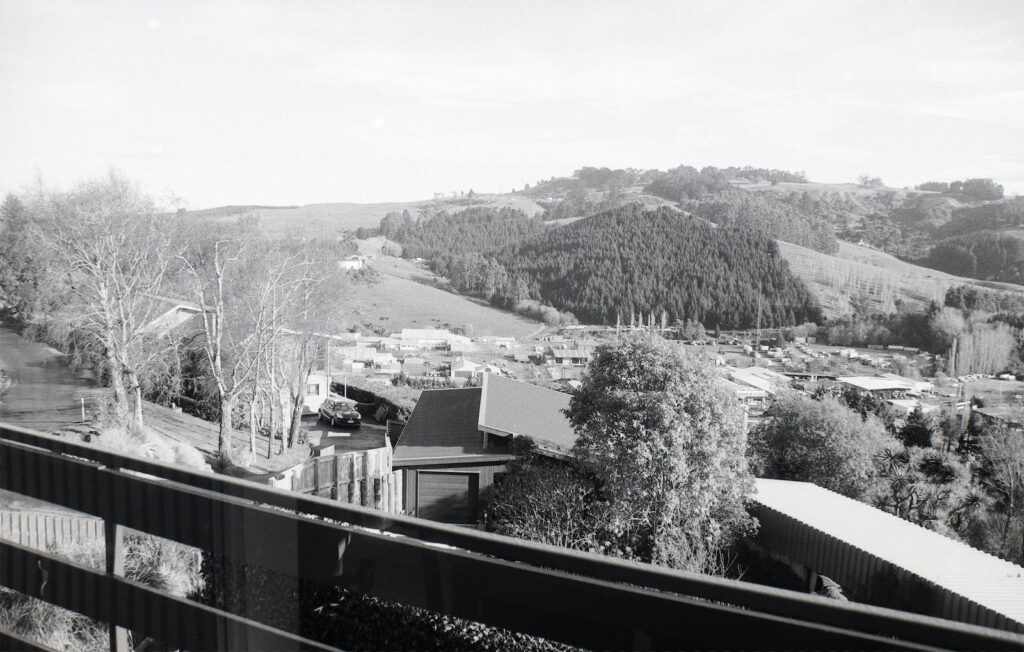
As Tony Warren’s grandson heads to Canada with a backpack and a roll of processed FP4+, the IS-5000 fulfills its original mission: to be the reliable, all-in-one companion for the moments that matter. It remains a testament to a time when camera manufacturers dared to experiment with form factors, creating a "bridge" that continues to carry photographers across the divide between the digital present and the silver-halide past. In the clear light of a 2026 spring morning, the images produced by this "beautifully designed little camera" prove that good glass and thoughtful ergonomics are timeless, regardless of how the industry has shifted in the decades since its release.