Observations from seasoned photographic judges and assessors, spanning roles in national clubs, international salons, and prestigious honors panels like those for the Photographic Society of South Africa (PSSA) and the Photographic Society of America (PSA), confirm this trend. Assessments conducted between 2024 and 2026 reveal a persistent adherence to conventional photographic principles, even as modern equipment unlocks unprecedented creative avenues. This suggests a critical juncture where technical proficiency, once the paramount differentiator, is no longer sufficient to achieve distinction in a saturated visual landscape.
The Foundational Years: The Slide Photography Era (Circa 1990s – Early 2000s)
For many veteran wildlife photographers, the period dominated by slide film, roughly from the early 1990s to the mid-2000s, represents a foundational era. During this time, achieving recognition in photographic clubs or salon acceptances hinged critically on a deep understanding of light. The "golden hours"—early morning or late afternoon—were not merely preferred but essential, offering the soft, warm illumination that rendered subjects with clarity and vibrancy. Beyond light, composition followed strict guidelines: subjects were typically positioned according to the rule of thirds, demanding absolute sharpness and the quintessential "catchlight" in the subject’s eye to convey vitality. Full-frame compositions or very tight cropping were the prevailing norms, emphasizing the subject in isolation.
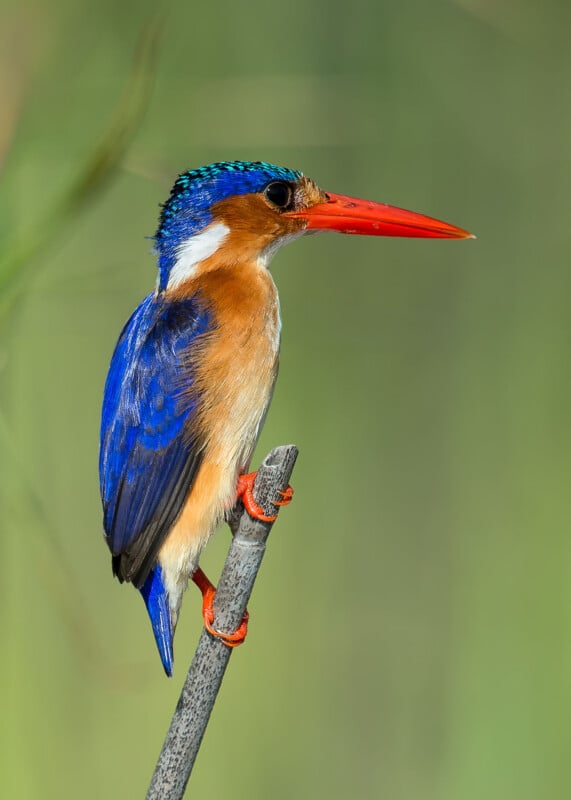
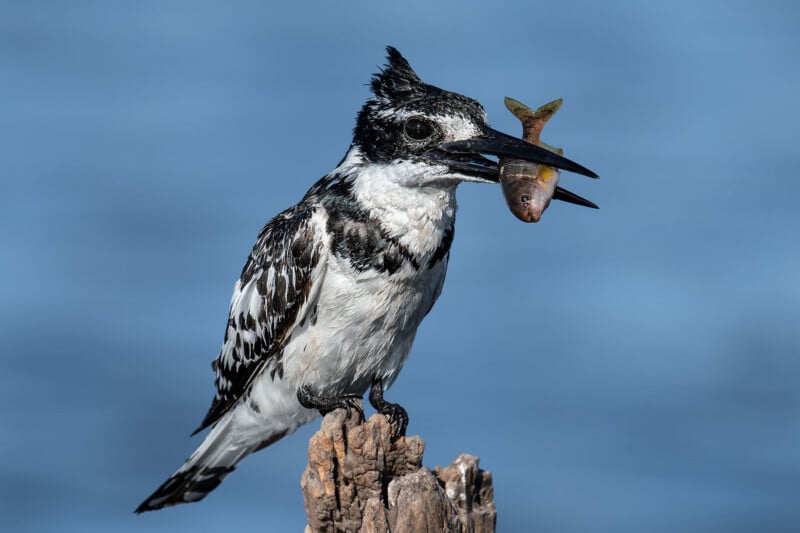
The subject matter itself often adhered to simple, iconic representations. A "voëltjie op ‘n stokkie" (Afrikaans for "bird on a twig") or a serene waterbird swimming were common motifs. The pinnacle of success could often be a kingfisher, vividly colored, perched on a clean branch with a fresh catch, bathed in ideal light and set against an uncluttered background. Such an image, epitomizing technical precision and classic aesthetics, was frequently sufficient to secure top honors in competitive circuits.
Success in this demanding medium required an intimate command of the exposure triangle: shutter speed, aperture, and film speed (ISO). Photographers needed to adjust these settings with speed and intuition in the field, often under rapidly changing conditions. Manual focusing was not an option but a core skill, particularly challenging when tracking elusive birds. The unforgiving nature of film photography meant there was minimal room for error; each shutter press committed an image to film, with the outcome unknown until the laborious development process was complete. This period fostered a generation of photographers with unparalleled technical discipline and an acute eye for light and composition within stringent limitations.
The Dawn of Digital and the Rise of Action (Mid-2000s – Early 2010s)
The transition to digital photography marked a pivotal shift, liberating photographers from the constraints of film and darkroom processes. Early digital single-lens reflex (DSLR) cameras, coupled with nascent autofocus systems, opened up new photographic possibilities. While initial digital sensors struggled with noise at higher ISOs and lacked the resolution of film, the immediate feedback provided by a digital screen was revolutionary. This instant review capability allowed for rapid adjustments to exposure and composition, accelerating the learning curve for many.
Critically, digital technology made capturing birds in flight and dynamic action sequences significantly more accessible. The ability to shoot multiple frames without the cost of film, combined with improving autofocus, meant photographers could experiment more freely. Subsequent technological leaps further propelled this evolution, with manufacturers introducing larger, higher-resolution sensors, dramatically faster shutter speeds, and progressively sophisticated autofocus systems. Perhaps one of the most impactful advancements was the substantial reduction in digital noise at higher ISO settings. Whereas high-quality slide film might offer an ISO of 50, digital cameras rapidly pushed usable ISOs to 1600, 3200, and even 6400, fundamentally altering shooting conditions and creative choices.
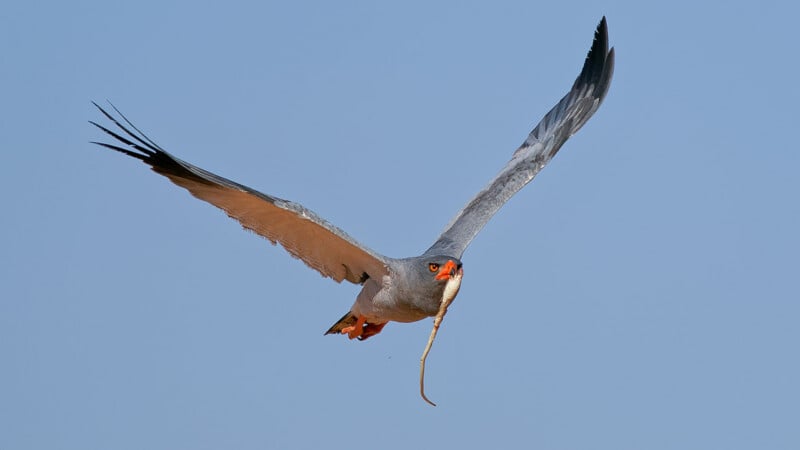
This newfound flexibility in ISO allowed for faster shutter speeds in challenging light, enabling photographers to freeze rapid motion more effectively. Cropping, which was once a compromise leading to significant detail loss with lower-resolution sensors, became increasingly practical with higher megapixel counts. This was particularly beneficial for action and bird-in-flight photography, where getting extremely close to the subject was often impossible, and aggressive cropping could simulate the effect of a longer lens. Images that were once prohibitively difficult to capture consistently, such as a raptor in mid-air with its prey, began to appear with greater frequency, signaling a new era of dynamic wildlife imagery.
The Mirrorless Revolution: Democratizing Technical Excellence (Mid-2010s – Present)
The most transformative technological leap in recent years has arguably been the widespread adoption of mirrorless camera systems. Arriving in force in the mid-2010s, mirrorless technology, devoid of the complex mechanical mirror assembly, enabled faster processors and more sophisticated electronic integration. This innovation effectively leveled the playing field between seasoned veterans and aspiring novices by automating many previously challenging technical aspects of photography.
Key advancements in mirrorless cameras include:
- Advanced Subject and Eye Recognition: Sophisticated artificial intelligence algorithms allow cameras to identify and lock onto specific subjects, such as birds or animals, and even pinpoint their eyes, ensuring critical focus with remarkable accuracy.
- Extremely Fast Autofocus and Tracking: Mirrorless systems boast hundreds, sometimes thousands, of autofocus points covering nearly the entire sensor, coupled with advanced tracking capabilities that follow fast-moving subjects seamlessly across the frame.
- Pre-capture Functionality: Some cameras offer modes that buffer images before the shutter is fully depressed, ensuring that fleeting moments, even those milliseconds before a photographer reacts, are captured.
- Blazing Shutter Speeds and Frame Rates: Electronic shutters enable speeds of 1/8,000 second and faster, combined with burst shooting capabilities of 30 frames per second or more, allowing for unprecedented capture of micro-movements and precise action.
- High-Resolution Sensors: Modern mirrorless cameras routinely feature 50-megapixel sensors or higher, providing immense detail and flexibility for cropping.
Once properly configured, a modern mirrorless camera significantly reduces the technical burden on the photographer. The primary challenge often simplifies to keeping the subject within the viewfinder and activating the shutter. The camera’s intelligent automation can now reliably produce technically excellent images of birds in flight or complex animal interactions, even in challenging conditions, without requiring the decades of experience or the intuitive manual dexterity once demanded. This technological democratization has fundamentally reshaped the competitive landscape of wildlife photography.
The New Standard: When Technical Excellence Is No Longer Enough
The extraordinary capabilities of modern mirrorless cameras have profoundly raised the baseline for what constitutes a "technically excellent" photograph. Images that were once considered exceptional—a perfectly sharp bird in flight, or an animal with its prey caught mid-action—are now within reach of a vastly larger number of photographers. For instance, a Goshawk captured mid-flight carrying a snake, or a heron delivering nesting material, were once triumphs of skill and luck. Today, while still requiring fieldcraft and patience, the technical aspects of such captures are considerably simplified by camera automation. Thousands of photographers globally are now capable of producing such images, leading to a saturation of technically proficient work.
This paradigm shift compels critical questions for the evolving genre: How can innovative photographers differentiate their work in such a crowded field? And why do competitive platforms, such as nature salons and honors assessments, continue to reward images that, in terms of visual impact and conceptual approach, closely resemble the standards of the bygone slide era? The answer lies in understanding the inertia of established photographic cultures and the evolving definition of photographic merit.
The Enduring "Slide-Era Mindset"
Many photographers, particularly those starting their journey in local clubs, naturally progress through a "slide criteria" phase. This learning process is valuable, as it instills fundamental principles of composition, exposure, and subject isolation. They learn from club judges, emulate successful salon entries, and draw inspiration from classic wildlife photography books, which often showcase the archetypal "bird on a stick" in perfect light. This foundational learning phase is undeniably beneficial for developing core skills.
The challenge arises when photographers become entrenched in this mindset, failing to evolve their creative approach despite possessing equipment that offers vastly expanded possibilities. Several factors contribute to this stagnation:
- Club-Level Reinforcement: Often, conventional, technically competent images are consistently rewarded at the club level. Judges, operating within established parameters, may inadvertently reinforce the "slide-era" aesthetic, providing little incentive for photographers to experiment or deviate from the norm.
- Judging Panel Composition: A significant proportion of club and even salon judges may not specialize in wildlife photography. They might apply general photographic principles, which prioritize technical perfection and conventional composition, rather than a nuanced understanding of contemporary wildlife aesthetics or the innovative use of modern camera capabilities.
- Technological Underutilization: Many photographers, daunted by the complexity of modern mirrorless camera menus, do not fully explore the advanced creative functionalities their equipment offers. They tend to use the camera primarily as a sophisticated "capture" device rather than a tool for "creation," missing opportunities for artistic expression through deliberate settings and techniques.
Consequently, a substantial proportion of submissions to photographic clubs, salons, and honors panels continue to reflect a conventional, technically competent but often aesthetically conservative style, perpetuating the "slide-era mindset" even in the digital age.
The Demands of Elite Competitions: Beyond the Conventional
For photographers aspiring to compete at national and international elite levels, the rules of engagement are fundamentally different. Unlike many club and salon systems that might accept a predetermined percentage of entries (e.g., 20-25% out of thousands, irrespective of overall quality), elite competitions operate on a principle of absolute merit. There is no quota to fill; selections are based purely on the exceptional quality and impact of the images.
A prime example is the Natural History Museum’s Wildlife Photographer of the Year (WPY) competition, where a minuscule fraction of tens of thousands of global entries are selected for recognition. In such an intensely competitive environment, merely being technically correct or presenting a beautifully exposed animal portrait is no longer sufficient. The threshold for distinction is exponentially higher, demanding originality, artistic vision, and a powerful narrative. As one veteran judge aptly puts it, the "login name" for this world is "Different," and the "password" is "Unique," with the absolute key to success being "IMPACT."
This stark reality forces successful competition photographers to consciously break away from the trends of mass photography and conventional club/salon aesthetics. The widespread accessibility of technically excellent images, facilitated by modern equipment, means that uniqueness and impact have become the ultimate currency.
Create, Don’t Just Capture: The Modern Imperative
The core philosophy for success in contemporary wildlife photography, particularly at the highest levels, is to create an image rather than simply capture it. With competitions like WPY receiving tens of thousands of entries, relying on technical excellence alone offers an infinitesimally small chance of standing out. The differentiator lies in vision, storytelling, and artistic interpretation.
This shift necessitates a departure from the tight-cropping mentality prevalent in earlier eras. While there will always be instances where a tightly cropped image serves to powerfully focus attention on a subject, this should be a deliberate artistic choice, not a default or a compensation for an inability to get closer. Modern photographic discourse emphasizes:
- Giving the Subject Space: Allowing the subject room within the frame often enhances its presence and allows the viewer’s eye to breathe.
- Showing the Environment: The surrounding habitat provides crucial context, atmosphere, scale, and emotion. It can transform a mere portrait into a narrative.
- Telling the Story: An image should convey more than just the subject’s appearance; it should hint at behavior, interaction, challenges, or triumphs. Sometimes, the bird itself is only one element of a larger, more profound story.
The environment, for instance, can establish a sense of place, illustrate ecological relationships, or evoke a particular mood. A bird framed against its vast, natural backdrop can speak volumes about its solitude, resilience, or integration within an ecosystem, far beyond what a tightly cropped headshot might convey.
A New Approach in Practice
This evolving philosophy has led many photographers to fundamentally alter their approach. Instead of singularly pursuing a technically perfect rendition of a subject, the focus shifts to creating an image that speaks volumes. This involves actively seeking opportunities to depict:
- Behavior and Interaction: Capturing animals engaged in characteristic activities, such as hunting, mating, feeding, or social interactions.
- Environment and Atmosphere: Using natural elements, weather conditions, and ambient light to establish a strong sense of place and mood.
- Movement and Relationships: Employing techniques like slow shutter speeds to convey motion, or framing subjects to highlight their relationships with others or their surroundings.
Crucially, this creative process involves deliberate use of camera settings to accentuate or transform reality, rather than merely record it. Asking "How can I use my camera settings to create impact and something different?" becomes central to the photographic act. The modern camera, with its immense automation, excels at capturing the moment with technical precision. The challenge for the contemporary wildlife photographer, therefore, is no longer just to seize that moment, but to wield the camera as a creative brush, painting a unique and impactful visual story.
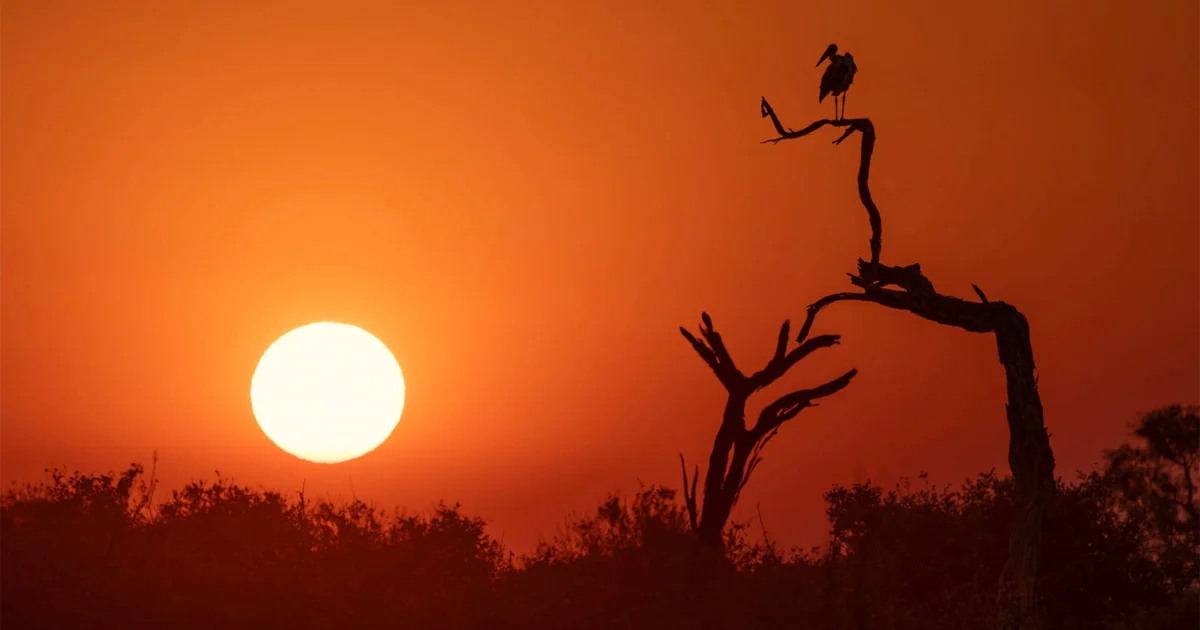
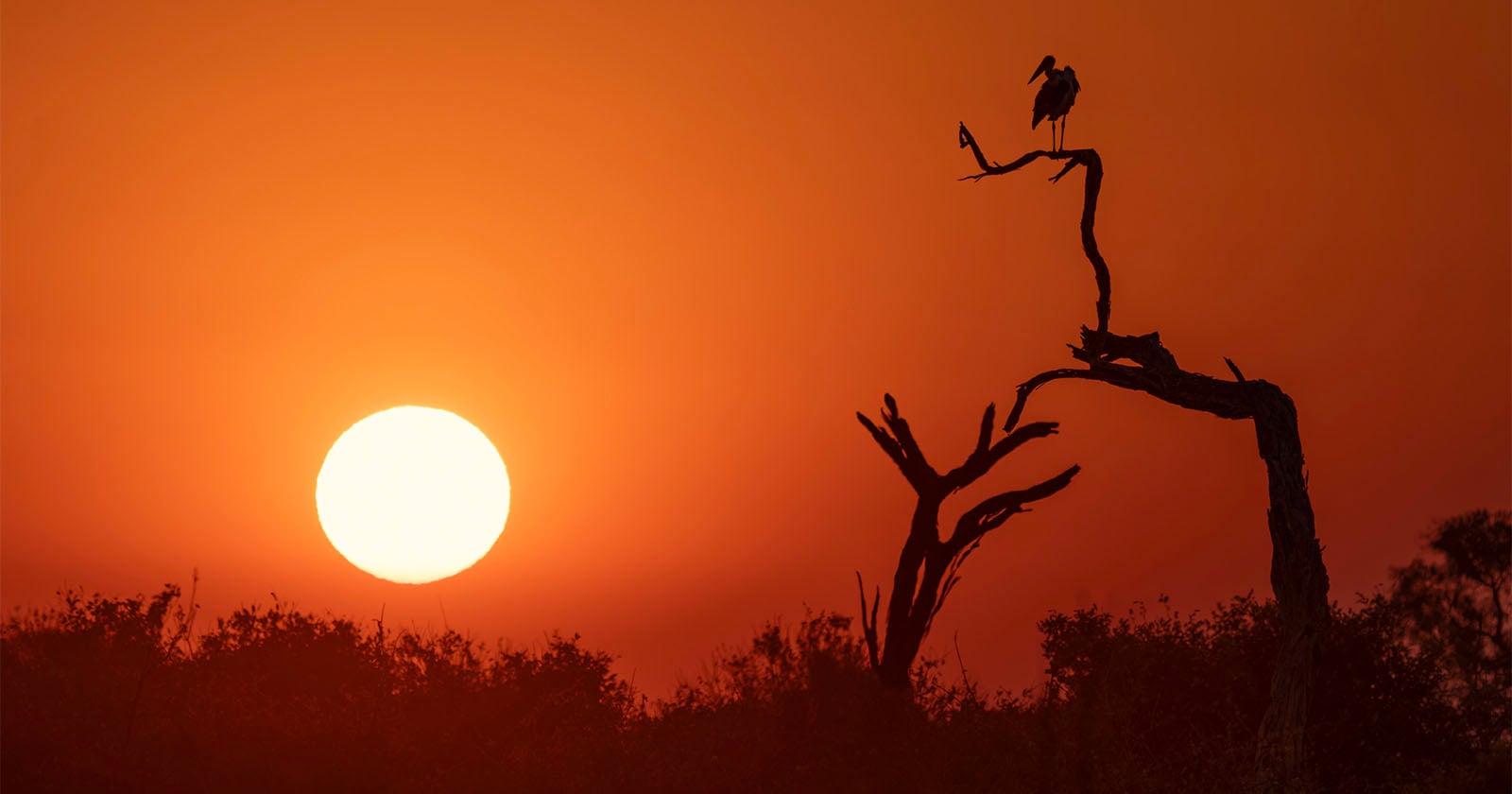
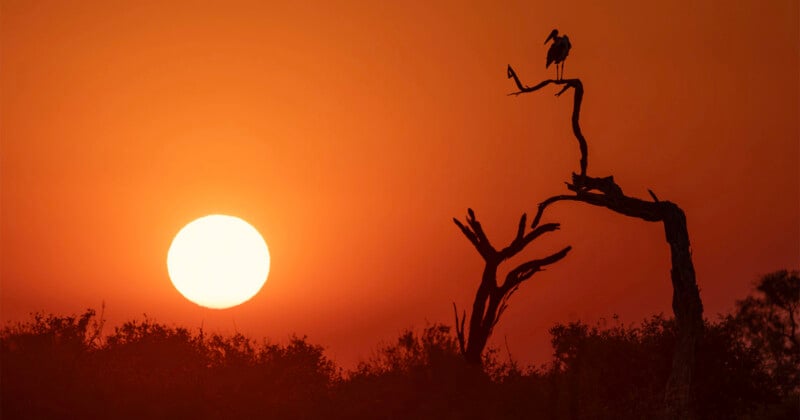
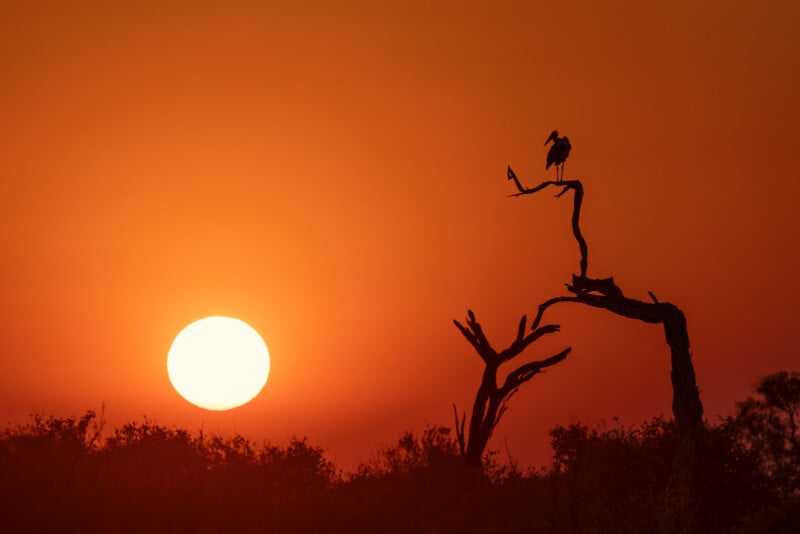
Consider the example of a Marabou stork silhouetted against a vibrant sunset. Instead of a sharp, detailed portrait, the photographer intentionally sought out a specific perch and waited for the perfect light, creating a minimalist composition where the small figure of the stork against a deep red sky evokes a profound sense of the day’s end and the natural cycle. The environment, though simple, becomes integral to the narrative.
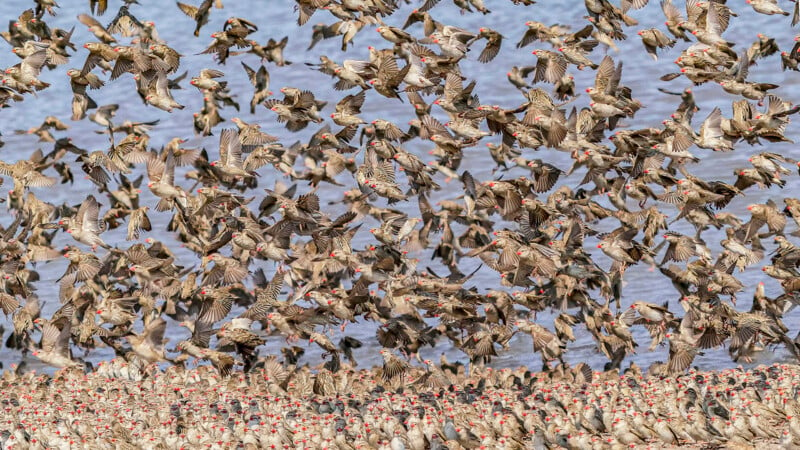
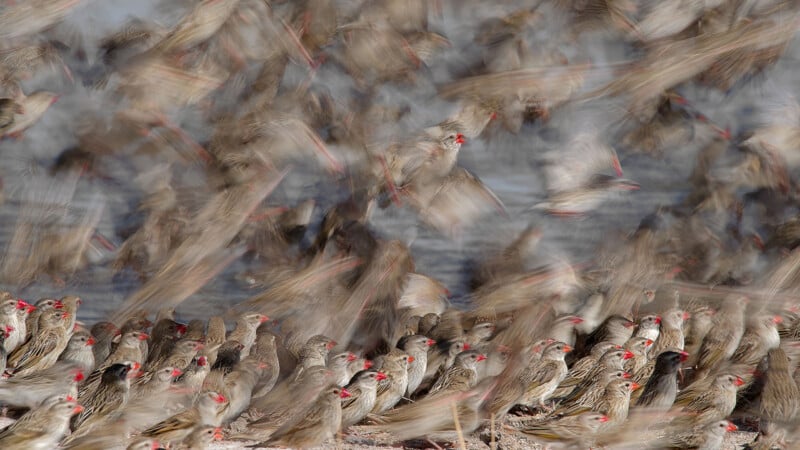
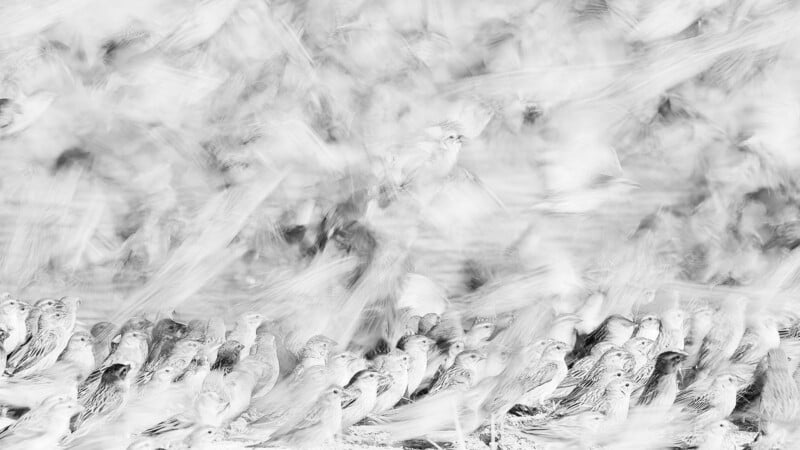
Similarly, photographing mass bird movements, like a flock of red-billed queleas, offers opportunities for diverse creative interpretations. A high shutter speed (e.g., 1/8000s) can freeze every bird sharply in flight and on landing, creating an image of immense detail and chaotic energy. Alternatively, a slow shutter speed (e.g., 1/20s) with a low ISO (50) can be employed to blur the birds in flight, conveying motion and dynamism, while keeping those on the ground sharp, adding a layer of artistic abstraction and impact. Further post-processing, such as a high-key black and white conversion, can then be used to enhance the abstract quality and visual impact, transforming a literal depiction into an evocative artistic statement.
Even with challenging subjects like ostriches, which can be difficult to photograph with high impact in the wild, creative approaches yield compelling results. Experimenting with underexposure for backlit silhouettes in dusty conditions, or overexposure with slow shutter speeds to capture the blur of a dust-bathing bird, demonstrates a conscious effort to move beyond conventional documentation. A particularly poignant example involves intentionally cropping out most of an adult ostrich to focus on its chicks resting in the shade of its wings in a white sand road. This deliberate compositional choice, using a long lens, shifts the narrative from a general animal portrait to an intimate moment of parental care and vulnerability, highlighting the power of selective framing to tell a story.
Finally, while action shots remain vital for their inherent drama, the approach to capturing them can also be nuanced. Following a secretary bird for an extended period to capture the precise moment it kills and tosses a lizard into the air, while a technically demanding feat, also embodies patience and an understanding of animal behavior. Capturing such an image "as is" with a long lens showcases the raw power and natural instinct, delivering high impact through the intensity of the action itself.
Conclusion: The Future of Wildlife Photography is Creative Vision
In conclusion, the relentless march of technological progress has made technically proficient wildlife photography more accessible than ever before. The era where a sharp, well-exposed image alone guaranteed recognition is largely behind us. To truly distinguish their work in this new landscape, wildlife photographers must evolve beyond mere capture. The real challenge, and indeed the exciting frontier, lies in creating images imbued with originality, profound impact, and layered meaning.
This demands a holistic approach that integrates astute composition, a deep appreciation for the environment, an understanding of animal behavior, mastery of light, and the innovative application of camera techniques. Technical skill remains an indispensable foundation, but it is now the creative vision, the ability to tell a compelling visual story, and the courage to experiment that differentiate a commonplace image from a truly winning one. The future of wildlife photography belongs to those who view their cameras not merely as recording devices, but as powerful instruments for artistic expression, transforming observations of the natural world into profound visual narratives.