A videographer has successfully demonstrated that professional-grade product videography is achievable outside of traditional studio settings, transforming a home dining room into a sophisticated production space to create a promotional video for an unreleased cocktail shaker from a prominent culinary brand. The project, undertaken as a creative response to a standard product feedback request, showcases innovative techniques in lighting, camera movement, and spatial utilization, challenging conventional notions of what is required for high-quality commercial content.
The Genesis of a Home-Grown Production
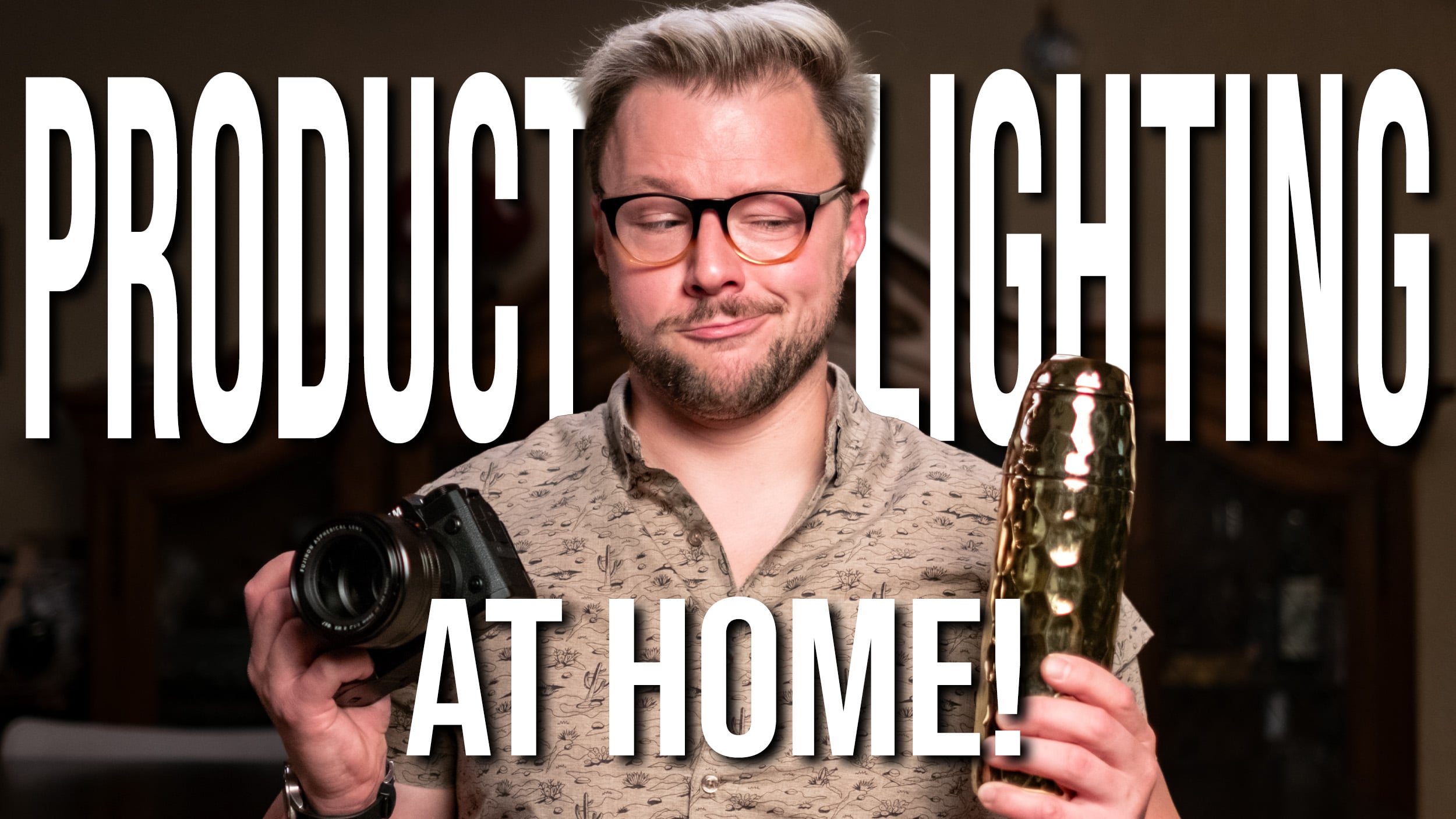
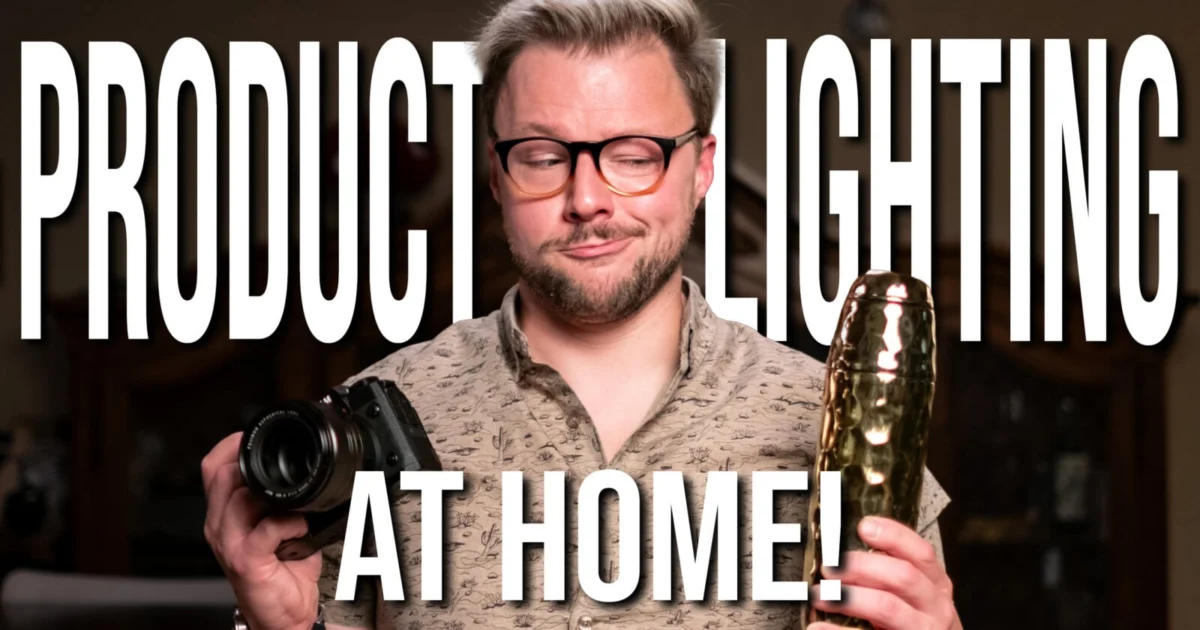
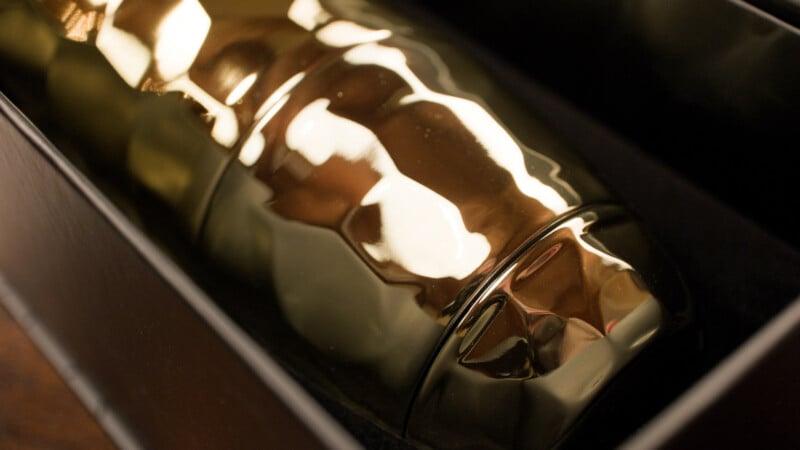
The initiative began when the videographer received an unreleased cocktail shaker from a well-known culinary brand, with the expectation of providing feedback via a simple survey. Instead, recognizing an opportunity to go beyond a basic assessment, the videographer opted to produce a comprehensive promotional video. This decision underscored a broader industry trend where skilled individuals leverage accessible technology to create high-value content, often surpassing initial brand expectations. The product itself, described as a "gorgeous" shaker with a "sleek design" and numerous gold facets, presented a unique set of challenges due to its highly reflective surface, demanding meticulous attention to lighting and camera work.
This impromptu project also highlights a shift in brand engagement, moving beyond mere consumer feedback to embracing user-generated content, especially when it reaches professional standards. In an increasingly competitive e-commerce landscape, compelling visual content, particularly video, is paramount. Studies consistently show that product videos can significantly boost conversion rates—some reports indicating increases of 40% to 80%—and enhance customer engagement, with over 90% of consumers finding videos helpful in making purchase decisions. For a culinary brand, effectively showcasing the aesthetics and functionality of a new product like a cocktail shaker through dynamic video can be a critical differentiator.
Chronology of the Production:
The production unfolded in several distinct phases, each meticulously planned despite the unconventional setting:
- Initial Assessment and Concept Development: Upon receiving the cocktail shaker, the videographer immediately identified its visual potential and the inherent challenges of its reflective surface. The concept of creating a full promo video was conceived as an elevated form of feedback.
- Environmental Transformation (Morning/Daytime): Given time constraints, particularly as a parent of a young child, shooting at night was not feasible. The videographer executed "Plan B" by blacking out the main dining room window and drawing curtains on another, effectively creating a near-full blackout during daylight hours. This critical step minimized ambient light interference.
- Lighting Setup (Mid-morning): The core of the studio setup involved the precise placement and modification of professional LED lights. This phase included positioning the key light, followed by two edge lights, all equipped with specific modifiers and grids to control light spill and shape.
- Camera Rigging and Movement Planning (Late morning): Tripods were set up for static shots, and specialized equipment like a motorized slider and a turntable were integrated into the workflow. This phase also included conceptualizing the specific camera movements required to highlight the shaker’s features and the cocktail preparation process.
- Shooting Static and Macro Details (Early afternoon): The first shots focused on capturing intricate details such as citrus preparation (lemon squeezing, slicing) and close-ups of ingredients. Manual focus was critical to ensure sharpness and depth. Overhead shots, achieved by creatively positioning the tripod on the table, were also captured during this phase.
- Dynamic Shots with Turntable and Slider (Mid-afternoon): The turntable was employed to capture rotating shots of the shaker and cocktail glass, emphasizing reflections and the product’s form. High frame rate (120 fps) recording was utilized for potential slow-motion effects. Subsequently, the motorized slider was used for tracking shots, notably the innovative approach to filming the packaging.
- Post-Production (Subsequent days): The captured footage would then undergo editing, color grading, and sound design to assemble the final promotional video, incorporating the slow-motion elements and dynamic cuts.
Mastering Illumination: The Core of Product Videography
The central technical hurdle for the project was managing the highly reflective surface of the gold-faceted cocktail shaker. This necessitated a rigorous approach to lighting control, a fundamental principle in high-end product photography and videography. The videographer’s initial task was "shaping and controlling light," recognizing that uncontrolled reflections could detract from the product’s aesthetic.
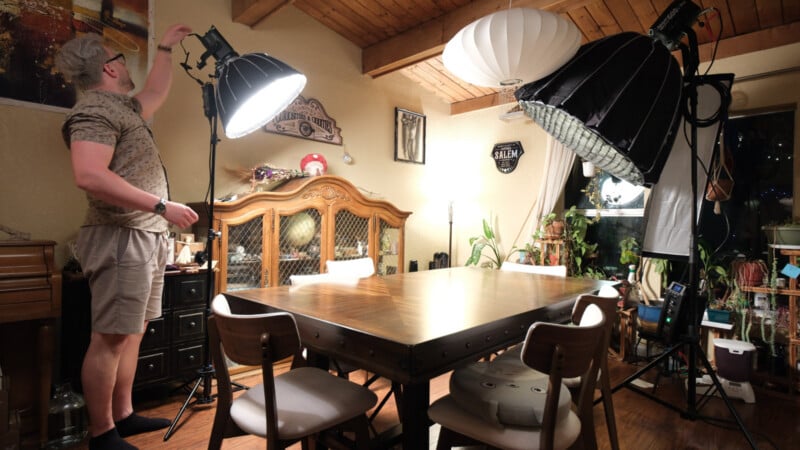
To achieve studio-like conditions in a home environment, the dining room was effectively converted into a "blackout" studio. By obscuring natural light sources, the videographer gained complete command over the artificial lighting setup. This control allowed for precise adjustment of the color temperature, set between 2,700 and 2,900 Kelvin. This warmer range was chosen to complement the existing warm tones of the dining room environment, creating a consistent and inviting visual palette suitable for a culinary product.
The lighting array consisted of a multi-light setup, each serving a specific purpose:
- Key Light: An Aputure 600 Bicolor LED, fitted with a medium dome softbox and a grid, served as the primary light source. Positioned to cover the cocktail preparation area, the softbox diffused the light, creating soft, flattering illumination, while the grid narrowed the beam and controlled light spill, preventing unwanted reflections or hotspots on the shiny shaker.
- Edge Lights: Two Nanlite 150s were deployed as edge lights, crucial for separating the product from the background and accentuating its contours. One Nanlite 150 was equipped with a small circular dome softbox, providing a gentle wrap-around light. The second Nanlite 150 utilized a narrow Godox softbox, specifically chosen for its ability to fit into tight spaces and deliver precise illumination. Both edge lights were also gridded, further refining the light distribution and preventing spill into other areas of the shot. This meticulous arrangement of key and edge lighting is a hallmark of professional product videography, ensuring the subject is well-defined and visually appealing against its environment.
Dynamic Perspectives: The Art of Movement
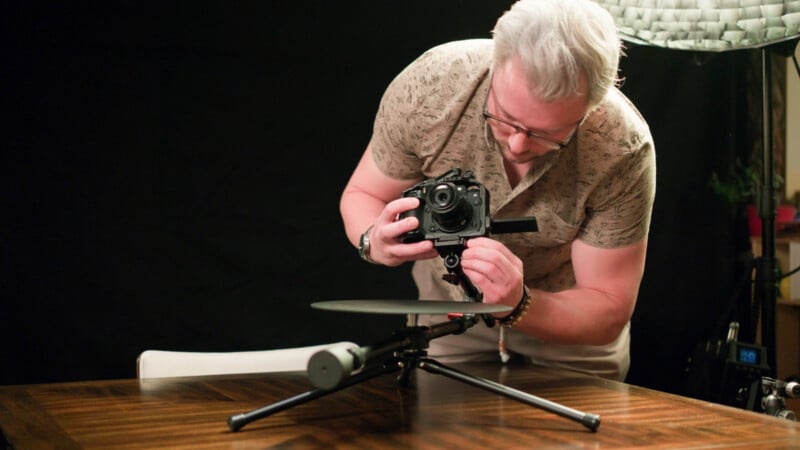
While static, perfectly lit shots are foundational, professional product videography thrives on motion. The videographer recognized that dynamic camera movements—slow push-ins, dollies, and rotational shots—are essential for conveying a product’s form, texture, and overall appeal.
To achieve this, a combination of specialized equipment was employed:
- Motorized Slider: A 30-inch motorized slider was used for controlled linear camera movements, creating smooth push-ins and tracking shots. This tool is indispensable for cinematic effects, allowing the camera to glide effortlessly, revealing details or creating a sense of progression.
- Product Turntable: For cylindrical products like the cocktail shaker and glass, a small turntable was acquired. This allowed the product to rotate smoothly while the camera maintained focus, capturing the interplay of light and reflections across its gold facets. The continuous rotation creates a mesmerizing effect, highlighting the product’s three-dimensional form. Capturing multiple takes at 120 frames per second further enhanced creative options, enabling the incorporation of elegant slow-motion sequences in post-production, adding a premium feel to the final video.
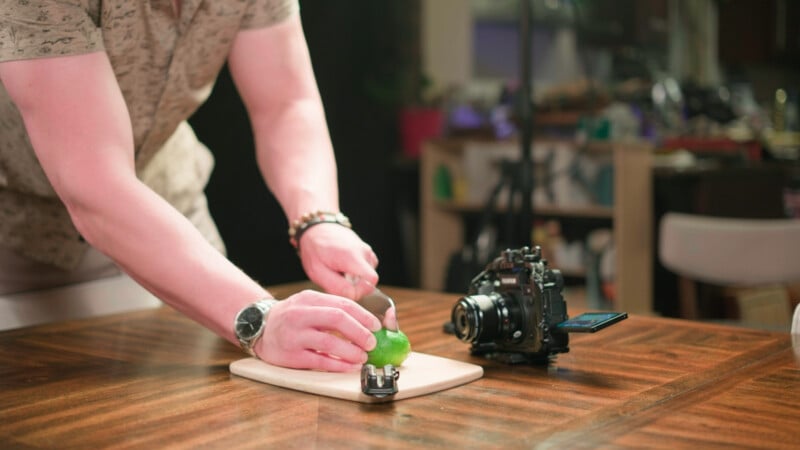
- Tripod for Precision: Traditional tripods were vital for stable shots, particularly for capturing intricate macro details. These included close-ups of a lemon being squeezed, detailed preparatory actions, and the precise slicing of citrus garnishes. The challenge lay in achieving manual focus and orchestrating all actions within that specific focal plane, ensuring every drop and slice was rendered with crisp clarity.
- Innovative Overhead Shots: Demonstrating ingenuity, overhead shots were achieved by simply placing the tripod directly on the dining table and pointing the camera downwards onto the shaker. This resourceful approach yielded unique perspectives without requiring specialized overhead rigging.
One of the most creative applications of the equipment involved the motorized slider. Instead of moving the camera, the videographer kept the camera stationary and placed the product’s plastic packaging on the slider. This created the illusion of the camera tracking a razor blade as it glided across the packaging, when in reality, only the packaging was in motion. This clever technique exemplifies how understanding the mechanics of visual perception can lead to highly effective and visually engaging shots using limited resources. The result was a captivating sequence that highlighted the unboxing experience, a crucial element in modern product marketing.
The Broader Impact and Implications
This project serves as a compelling case study in the democratization of high-quality content creation. It profoundly challenges the traditional reliance on expensive, dedicated studio spaces for professional product videography. The successful execution, despite the inherent limitations of a home dining room and the videographer’s personal time constraints as a parent, underscores several significant implications:
- Resourcefulness Over Riches: The project emphatically demonstrates that creativity and strategic planning can often outweigh the need for vast budgets or state-of-the-art facilities. By skillfully controlling light, introducing dynamic movement, and devising unique setups with existing gear, surprisingly high-quality video content can be produced.
- Empowering Content Creators: This example empowers aspiring videographers and small businesses to pursue ambitious visual projects without being deterred by perceived barriers. The availability of increasingly sophisticated yet affordable prosumer equipment means that the technical capability for professional output is more accessible than ever before.
- Value for Brands: For culinary and other consumer brands, this scenario presents an opportunity to rethink how they gather product feedback and generate promotional material. Collaborating with talented individuals who can leverage home setups can yield authentic, high-quality content that resonates with consumers, often at a fraction of the cost of traditional agency productions.
- Innovation in Marketing: The innovative use of a slider to create the razor blade tracking shot is a testament to the power of creative problem-solving. Such ingenuity not only produces visually striking results but also fosters a culture of experimentation and pushing the boundaries of what’s possible with available tools.
- A Call to Action: The project’s ultimate message is a powerful one for all creative professionals: "keep creating and challenging yourself." It advocates for overcoming "artificial limitations" based on equipment access or ideal spaces, encouraging a mindset of innovation and continuous improvement.
In conclusion, the transformation of a dining room into a professional product video set for an unreleased cocktail shaker is more than just a successful individual project; it is a testament to the evolving landscape of media production. It highlights that with a profound understanding of lighting principles, creative application of movement, and an innovative spirit, stunning commercial-grade visuals can be achieved, proving that true artistry and technical skill transcend the confines of a traditional studio.