Weeks after the glitz and glamour of the Academy Awards, when the focus often shifts to the cameras that captured cinematic masterpieces, a deeper dive into the art of filmmaking reveals a less-discussed but equally crucial element: lighting. While the technical specifications of cameras, lenses, and sensor sizes are readily available and frequently analyzed, the intricate lighting setups that breathe life and emotion into a scene often remain a closely guarded secret, understood only by the industry’s most esteemed cinematographers. This article embarks on an analytical journey to explore the sophisticated lighting techniques deployed in recent acclaimed films and television productions, encouraging a more discerning appreciation for the subtle yet profound impact of light on visual storytelling.
The Craft Behind the Lens: Beyond the Camera
The cinematographic landscape is vast, encompassing everything from camera choice to lens selection, but it is in the manipulation of light that a Director of Photography (DP) truly sculpts the visual narrative. Light defines mood, reveals character, emphasizes crucial details, and guides the audience’s eye. A few weeks prior, industry discussions often centered on the specific camera models — from ARRI ALEXA to RED KOMODO — that were instrumental in capturing the year’s Oscar-nominated films. While such technical insights are valuable for gear enthusiasts and aspiring filmmakers, they represent merely a fraction of the complex ecosystem required to elevate a production to award-winning status. The true magic, the ability to transform a set into a living, breathing environment, largely resides in the masterful application of light.
The challenge, however, lies in deciphering these lighting blueprints. Unlike camera models, which are often listed in production notes or interviews, detailed lighting breakdowns for specific scenes are notoriously difficult to find. This scarcity underscores the specialized knowledge and artistic intuition possessed by top cinematographers, whose ability to craft bespoke lighting schemes commands significant remuneration within the industry. Their expertise is not merely technical; it’s a creative interpretation of the script, a collaboration with the director to evoke specific emotions and reinforce thematic elements through illumination.
The Evolution of Light in Storytelling
The history of cinema is, in many ways, a history of lighting. Early filmmakers, constrained by nascent technology, relied heavily on natural sunlight, leading to the open-air studios of pioneers like Georges Méliès. The advent of artificial lighting – initially cumbersome arc lights, followed by incandescent lamps – revolutionized filmmaking, allowing for controlled environments and the birth of distinct lighting styles. German Expressionism, for instance, masterfully used high-contrast, chiaroscuro lighting to create psychological tension and dramatic shadows, influencing generations of filmmakers.
Over the decades, lighting technology advanced dramatically, from large, power-hungry tungsten and HMI fixtures to the versatile and energy-efficient LED panels and RGBWW lights prevalent today. These modern tools offer unprecedented control over color, intensity, and diffusion, enabling DPs to paint with light in ways previously unimaginable. The shift has also democratized access to sophisticated lighting for independent filmmakers, though the art of applying that technology remains firmly in the hands of seasoned professionals. Industry experts, such as veteran cinematographer Roger Deakins, ASC, BSC, often articulate that lighting isn’t about simply illuminating a scene, but about revealing it, shaping it, and ultimately, telling a story through it.
Deconstructing Masterful Scenes: A Practical Approach
To demystify the art of cinematic lighting, an exercise in deconstruction becomes invaluable. By analyzing still images from popular films and television series, one can begin to reverse-engineer the lighting setups, understanding the choices made by the cinematographers. This process, while not claiming absolute accuracy in specific gear, serves as an educational framework for understanding fundamental lighting principles. For this analysis, a specialized 3D modeling software like set.a.light 3d proves to be an indispensable tool. Designed for crafting detailed lighting diagrams for both still photography and video, it allows for the virtual recreation of scenes, enabling users to deduce light placement, modifiers, and intensity. This tool, while not a sponsored endorsement, highlights the growing accessibility of advanced simulation for educational purposes, helping bridge the gap between aspirational learning and professional practice.
Let’s examine a few instances from recent productions:
Marty Supreme – Key Advert Image: The Power of Hard Light
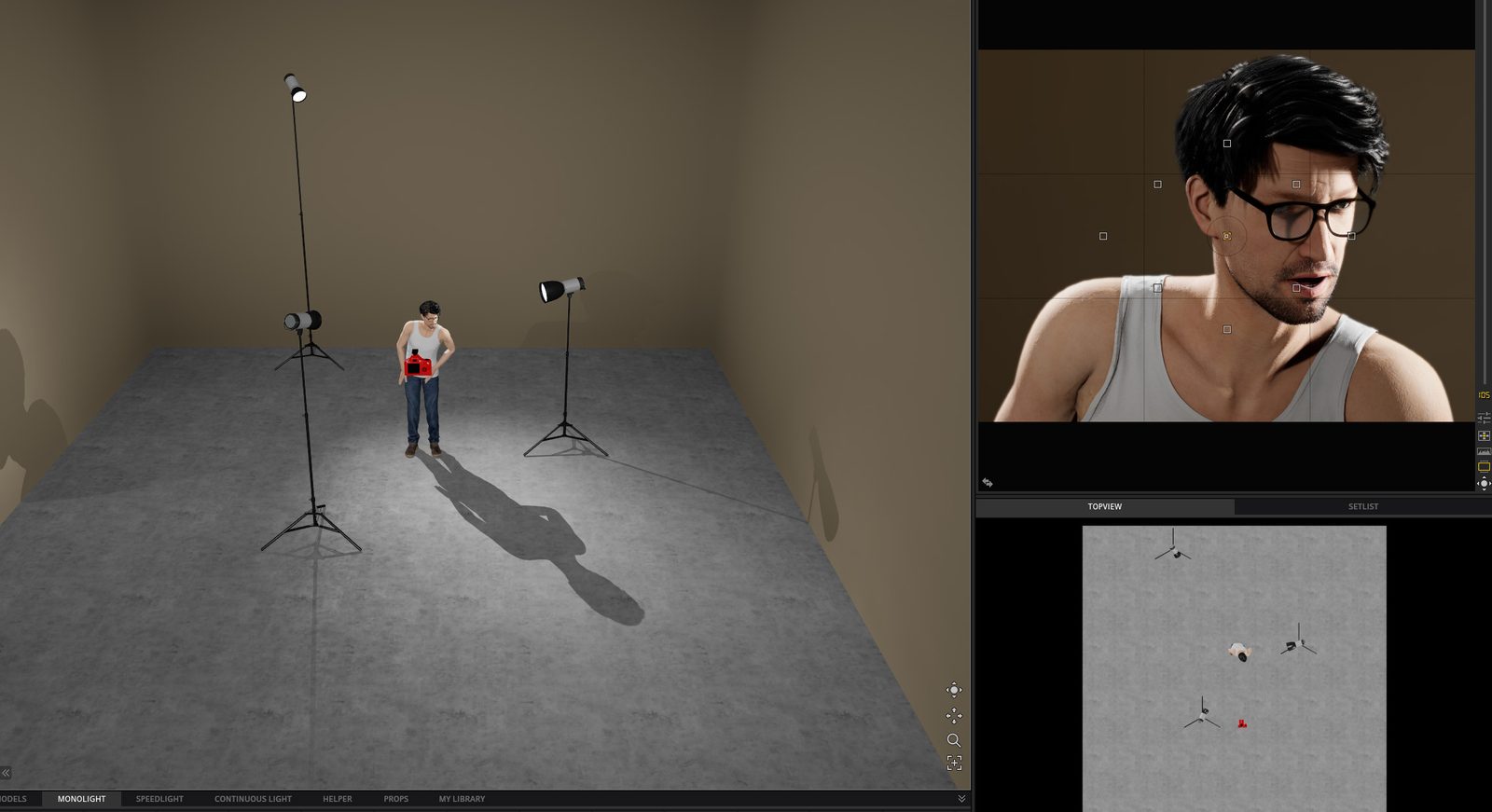
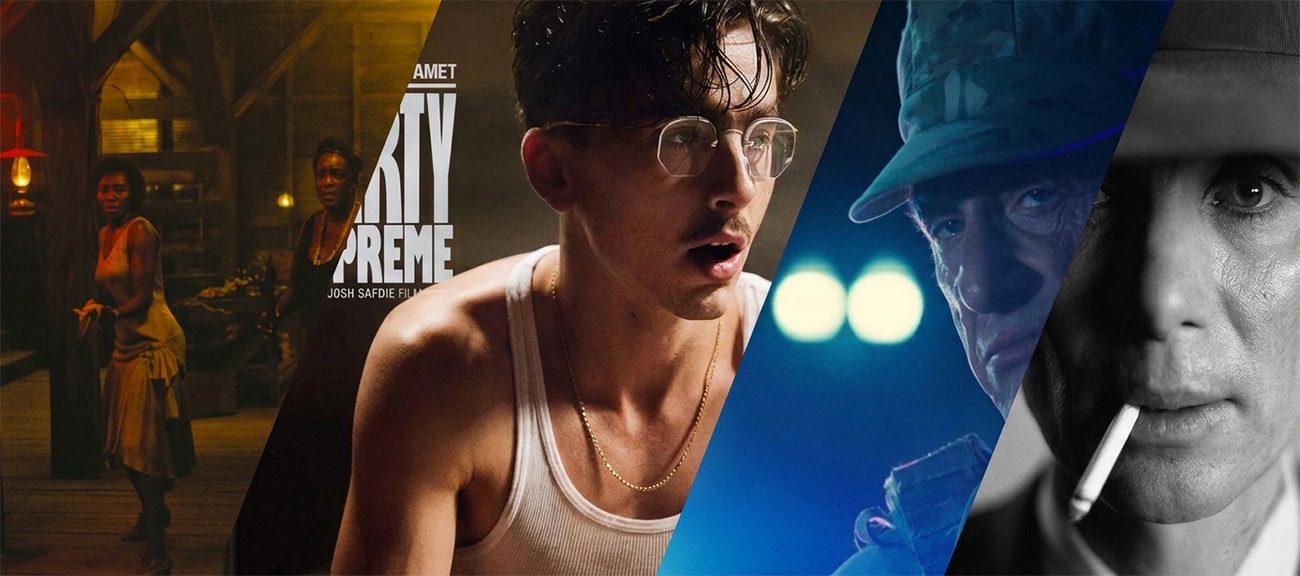
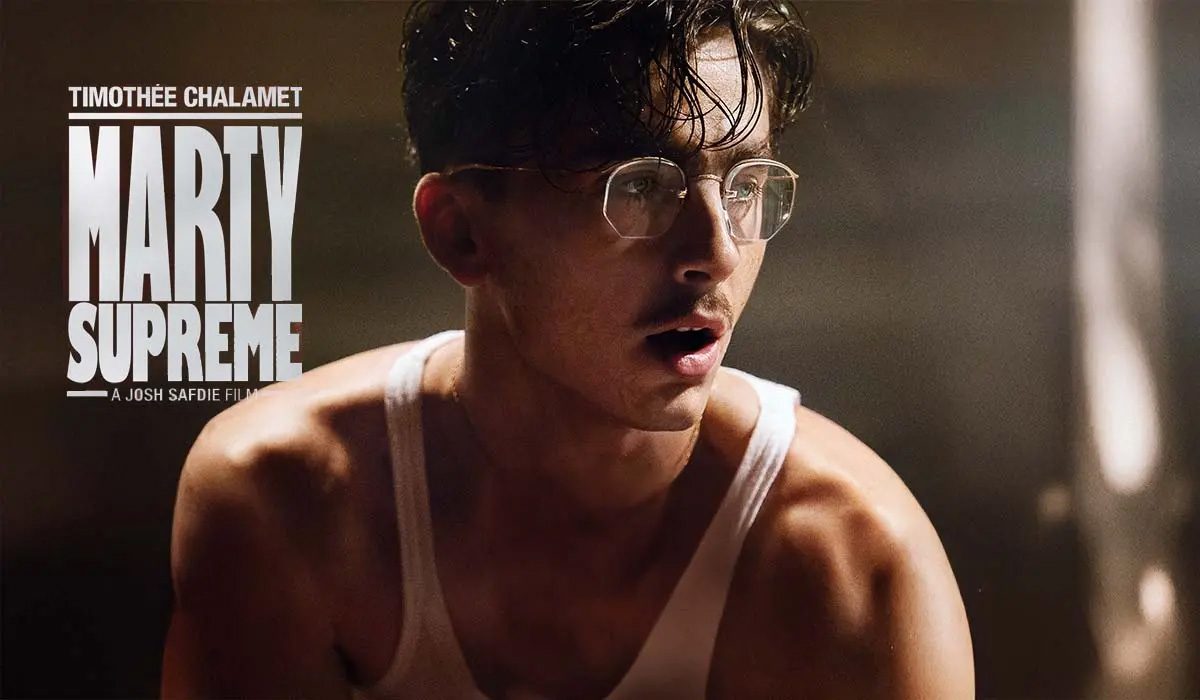
The promotional image for "Marty Supreme" presents a compelling study in hard lighting. The pronounced specular highlights and deep, well-defined shadows, particularly evident on the contours of the subject’s nose and beneath his glasses, are definitive indicators of undiffused light sources. This aesthetic choice often serves to create a sense of drama, intensity, or a raw, unfiltered reality, perfectly aligning with the visual language often employed in high-impact advertising or gritty narratives.
To recreate this effect, a three-light setup without diffusion appears to be the most accurate approximation. A primary hard light, likely positioned off-camera, would define the key side of the face, generating the prominent highlights. For the rim light on the subject’s right, a gridded light would be employed. Grids are crucial for controlling light spill, concentrating the beam precisely on the shoulders and the edge of the face, creating a distinct separation from the background and adding a sense of depth and three-dimensionality. A similar gridded light from the opposite side would contribute to the stark backlighting, a signature visual motif observed throughout the film, often used to create a powerful silhouette or emphasize character isolation. Finally, a fill light, positioned camera left, would subtly lift the shadows on the unlit side of the face, ensuring crucial details remain visible without compromising the overall high-contrast aesthetic. This careful balance of light and shadow underscores the deliberate choices made to evoke a specific emotional response from the viewer.
Sinners – Key Group Scene: Evoking Atmosphere with Color
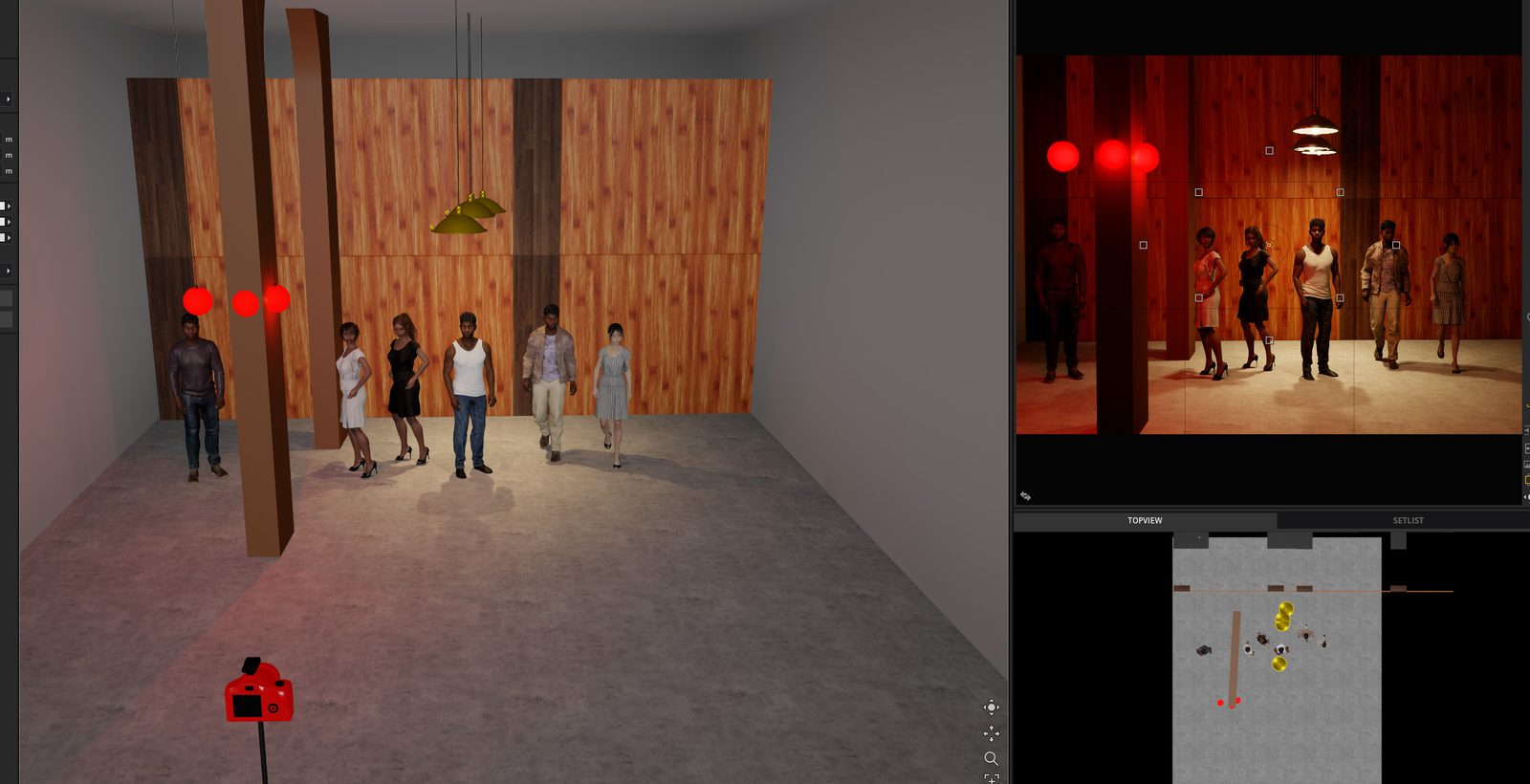
The "Sinners" key group scene is a masterclass in atmospheric lighting, leveraging multicolored sources to craft a potent mood. As a pivotal moment within the film, the cinematographers clearly aimed for maximum cinematic impact. The scene is bathed in the warm, flickering glow of various fire sources, complemented by strategic applications of red and orange bulbs. This combination creates an environment steeped in tension and a visceral sense of foreboding, a hallmark of effective mood lighting.
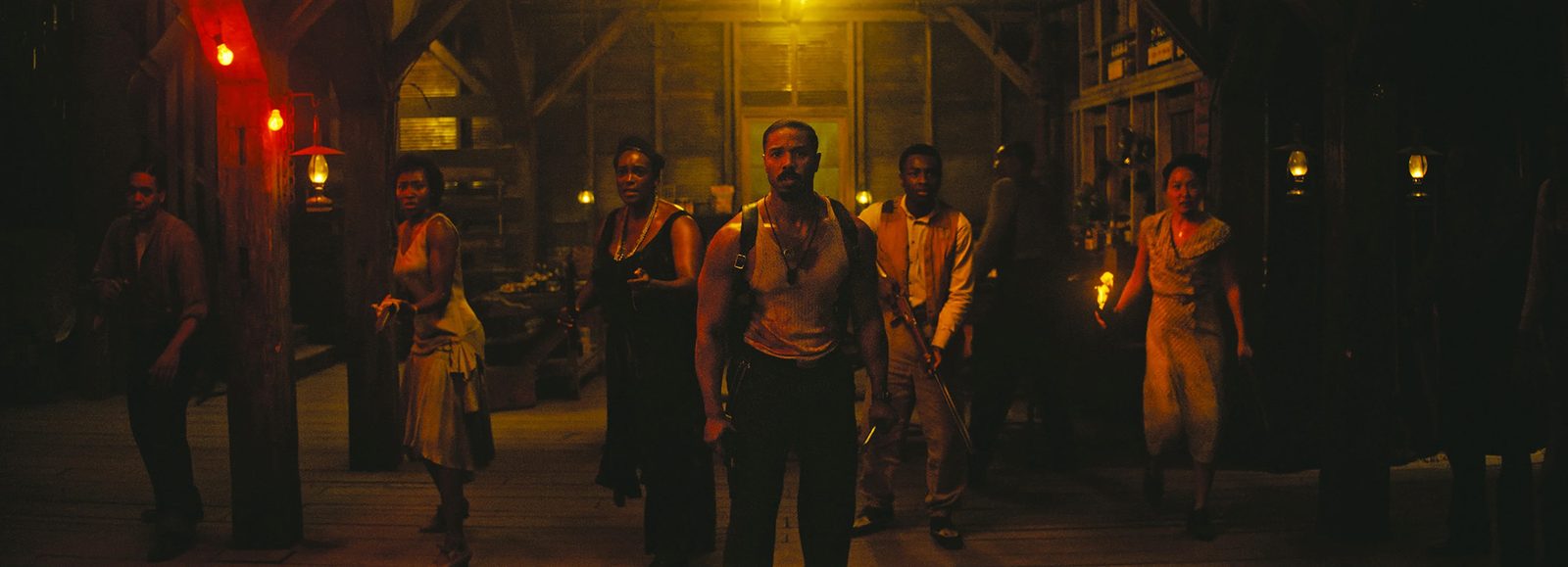
Given its interior setting, the lighting strategy began with a foundational understanding of the architectural space. The building’s structure itself, with its framing elements and depth, becomes an active participant in the shot composition. By referencing the existing practical lights and their relation to the subjects, a virtual model can be populated with characters arranged in a staggered pattern. This arrangement is not arbitrary; it creates visual interest and contrast, allowing light to fall differently on each individual, highlighting their distinct presences within the group. The colored lights in the frame, likely achieved using versatile RGBWW LED fixtures such as Aputure B7c bulbs or similar, are then meticulously placed. These programmable lights allow for precise color matching to the scene’s established palette. The final adjustments involve fine-tuning the power of each light, ensuring the desired intensity and balance are achieved, resulting in a scene that is both visually striking and emotionally resonant.
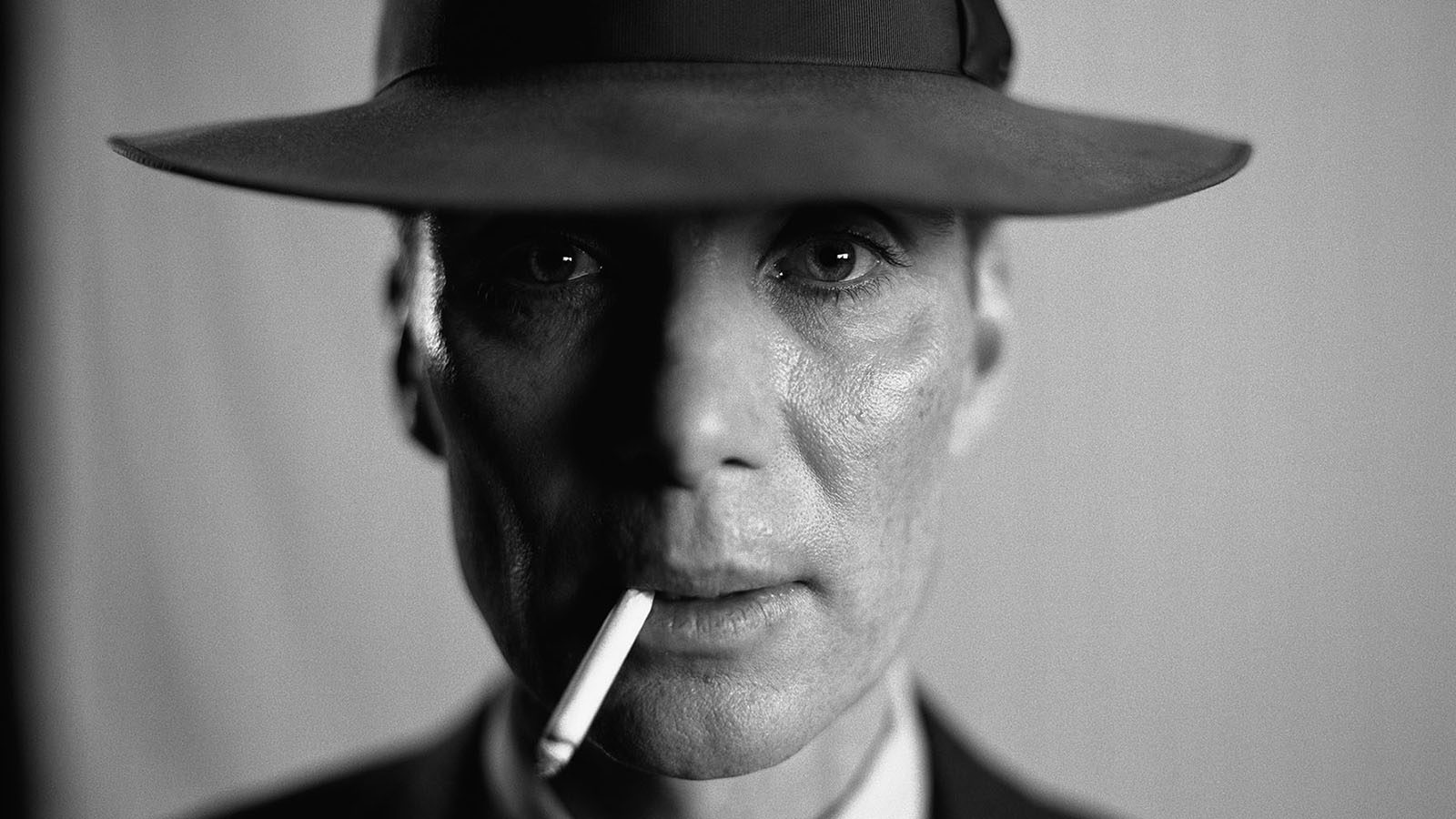
Oppenheimer – Hero Shot: Dramatic Portraiture Through Contrast
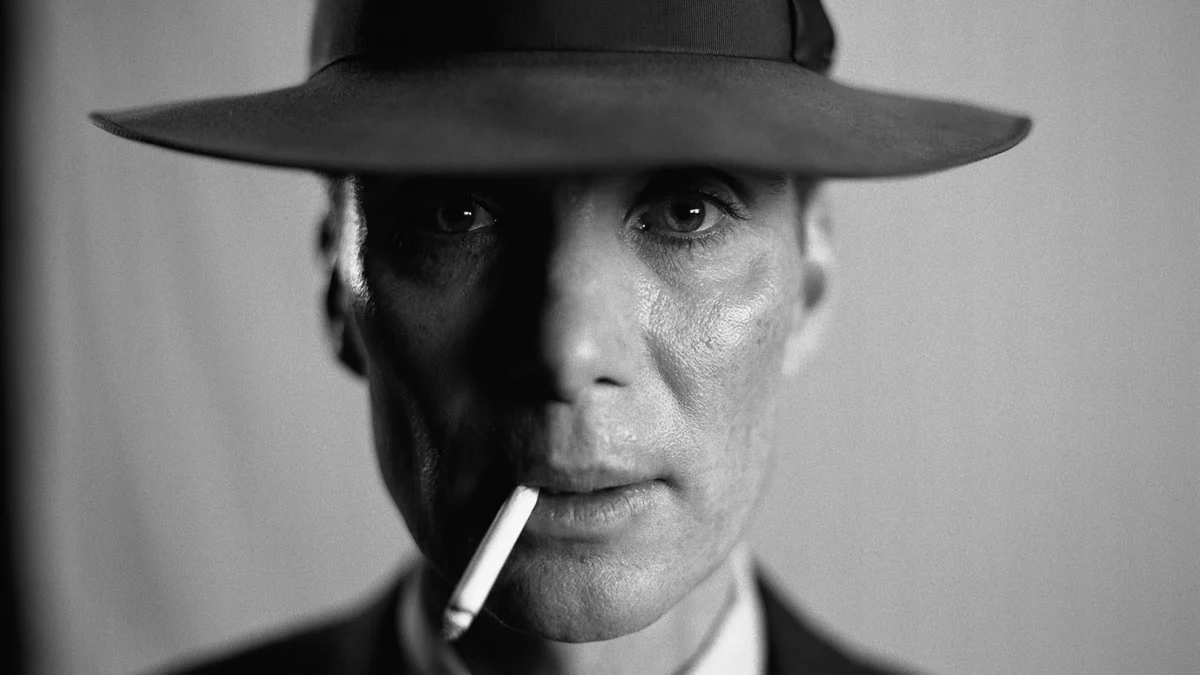
Cillian Murphy’s iconic "Oppenheimer" hero shot, extensively used in the film’s promotional campaign, is a testament to the power of high-contrast portraiture. The dramatic interplay between strong rim light and deep split lighting shadows imbues the image with a profound sense of gravitas and intensity. Crucially, the subtle catchlights in the subject’s eyes provide a window into his inner world, adding emotional depth and character to an otherwise austere portrayal.
The lighting setup for this shot is remarkably efficient yet impactful. A relatively small, gridded Octobox positioned camera right serves as the key light. The grid is essential for precisely controlling the light spread, preventing spill and ensuring the light is focused where needed, thus maintaining the sharp definition of highlights and shadows. The Octobox’s octagonal shape, while small, contributes to a slightly larger and more natural catchlight in the eyes compared to a circular light source, which is vital for conveying emotion. To amplify the contrast, a black blocking board is strategically placed close to the subject on camera left. This negative fill absorbs ambient light, deepening the shadows and enhancing the dramatic separation between illuminated and unlit areas of the face. Finally, a bare light, positioned behind and to the left of the subject, creates a distinct rim light, further sculpting the subject’s silhouette and adding another layer of visual interest and dimensionality. This meticulous arrangement underscores the film’s thematic exploration of a man burdened by immense responsibility and internal conflict.
One Battle After Another – Lockjaw Scene: Narrative Illumination
"One Battle After Another," a film celebrated for its masterful cinematography and profound storytelling, earned the coveted Best Picture award, captivating audiences with its nuanced narrative. While much of the film embraced natural light for its on-location shoots, the night scenes, particularly those featuring Sean Penn’s antagonist, Lockjaw, stood out for their deliberate and impactful lighting. The chosen scene, a tense encounter, effectively utilizes hard lighting to underscore the character’s menacing presence.
The distinct, sharp shadows cast on Sean Penn’s face immediately suggest the use of multiple hard light sources. The setup begins with powerful rim lights on each side of the subject. Crucially, one of these rim lights is colored blue, a deliberate choice to signify the flashing lights of an unseen police car, adding contextual realism and heightening the tension. After establishing these primary rim lights, a less powerful, bare light is introduced from the front. This serves as a subtle fill light, preventing the shadows on the face from becoming absolute black, thus retaining critical detail and allowing for character expression, even in the scene’s overall somber tone. The choice of an anamorphic lens for this shot is also evident through the characteristic horizontal lens flare visible on the right side of the frame. This aesthetic choice not only adds a cinematic flourish but can also serve to heighten dramatic tension or create a sense of expansive scale, even in a close-up. The combination of hard lights, narrative-driven color, and anamorphic aesthetics creates a scene that is both visually striking and deeply integrated into the film’s overarching narrative.
Tools of the Trade: Bridging Art and Technology
The ability to analyze and recreate these complex lighting setups, even virtually, highlights the evolving landscape of filmmaking education and production. Software like set.a.light 3d democratizes a skill traditionally honed over years on set. While no digital tool can fully replace the tactile experience and intuitive adjustments of a seasoned gaffer or DP, these platforms offer invaluable training grounds for aspiring filmmakers, enabling them to experiment with light placement, modifiers, and power settings without the prohibitive cost and logistical challenges of physical equipment. This accessibility fosters a deeper understanding of lighting principles, allowing students and enthusiasts to develop their visual literacy and translate theoretical knowledge into practical application. The rise of versatile and affordable LED lighting solutions, such as the Aputure B7c mentioned in the "Sinners" breakdown, further empowers creators to execute sophisticated lighting schemes on various budgets, pushing the boundaries of independent cinema.
The Enduring Impact of Expert Illumination
Ultimately, the analysis of cinematic lighting transcends mere technical fascination; it reveals the profound artistry involved in shaping a viewer’s emotional experience. Each light source, each shadow, and each color choice is a deliberate stroke in the larger canvas of the film, contributing to its mood, character development, and narrative progression. From the dramatic intensity of hard light in a promotional shot to the atmospheric glow of multicolored sources in a pivotal scene, expert illumination is the unsung hero that elevates good filmmaking to great.
The discussion surrounding cinematic lighting continues to evolve, fueled by technological advancements and a renewed appreciation for its narrative power. For those inspired to delve deeper into this critical aspect of visual storytelling, the opportunity to experiment and learn has never been more accessible. Understanding these techniques is not just for professionals; it’s for anyone who seeks to truly comprehend the magic woven on screen, fostering a richer, more informed appreciation for the art of cinema.