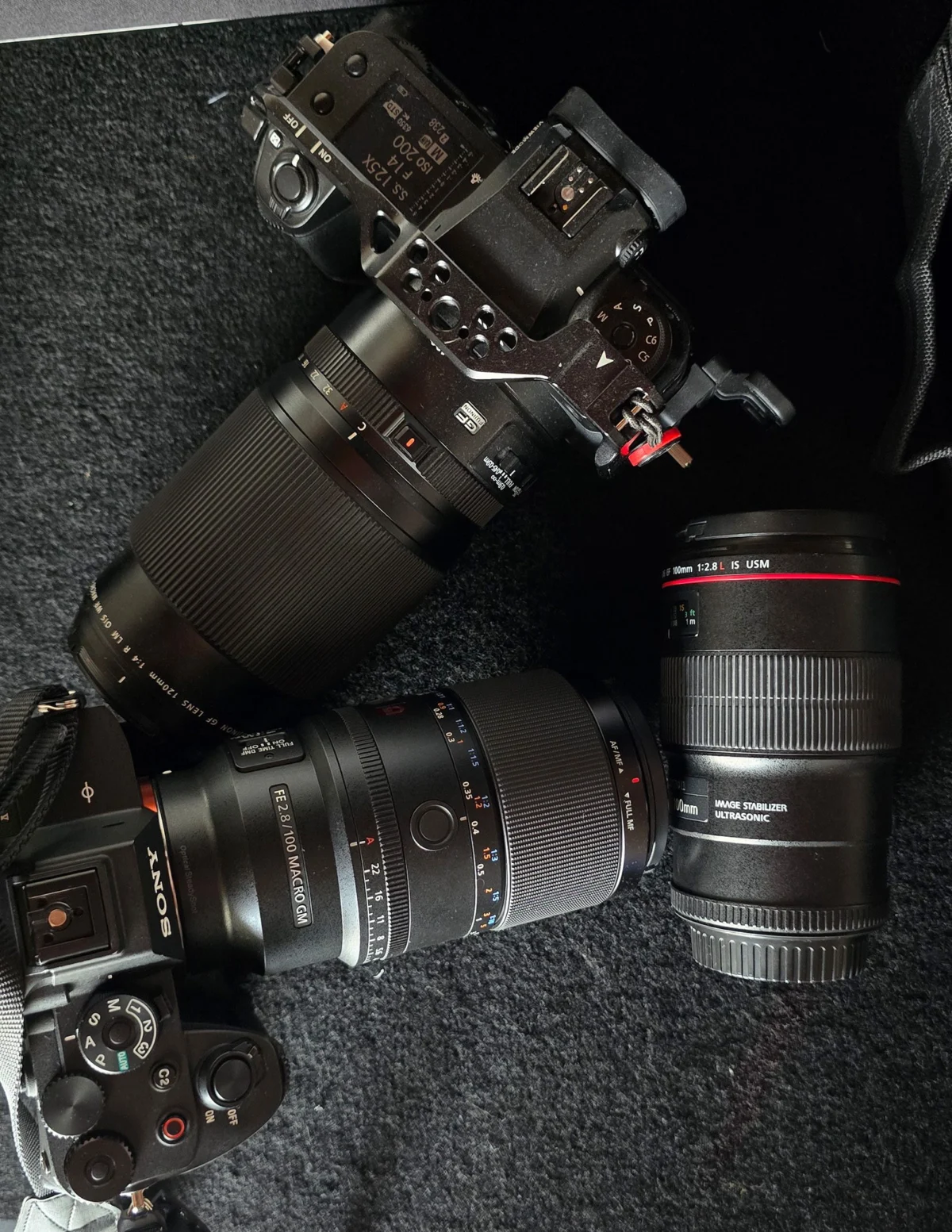
The photography industry is abuzz with the introduction of Sony’s latest addition to its esteemed G Master (GM) series, the Sony FE 100mm f/2.8 Macro GM lens. This highly anticipated optic, revealed following an extensive non-disclosure agreement period, is poised to redefine expectations for macro photography, combining unparalleled optical performance with groundbreaking autofocus capabilities. The announcement comes after a period of intense evaluation by select industry professionals, including a seasoned macro photography expert who noted its transformative potential in a rigorous studio testing environment.
The Enduring Appeal and Technical Prowess of Macro Lenses
For many photographers, macro lenses represent a specialized niche, often associated with capturing intricate details of subjects like insects, flowers, or human eyeballs. However, this perception only scratches the surface of their true utility. Due to their inherently demanding design requirements, macro lenses are historically celebrated for being among the sharpest and most optically precise lenses available from any manufacturer. Their specific use case – rendering subjects at extreme magnifications with exacting detail – necessitates optical designs that minimize aberrations, maximize resolution, and ensure superior color rendition. This commitment to optical fidelity often positions macro lenses as ideal choices not only for close-up work but also for portraiture, product photography, and even landscape photography where intricate detail is paramount.
Historically, the pursuit of extreme magnification and pinpoint accuracy in autofocus has often come at the expense of speed. While macro lenses are known for their precise autofocus, their motors have typically been slower compared to their prime lens counterparts designed for general photography. This trade-off has long been a characteristic accepted by macro enthusiasts, who prioritize the resolving power and minimum focusing distance inherent to these specialized optics. The new Sony FE 100mm f/2.8 Macro GM, however, signals a significant departure from this norm, promising to deliver both uncompromising accuracy and unprecedented speed. This innovation addresses a long-standing challenge in macro photography, where capturing fast-moving subjects or working in dynamic environments often required compromises between image quality and operational efficiency.
Unpacking the Innovations of the Sony FE 100mm f/2.8 Macro GM
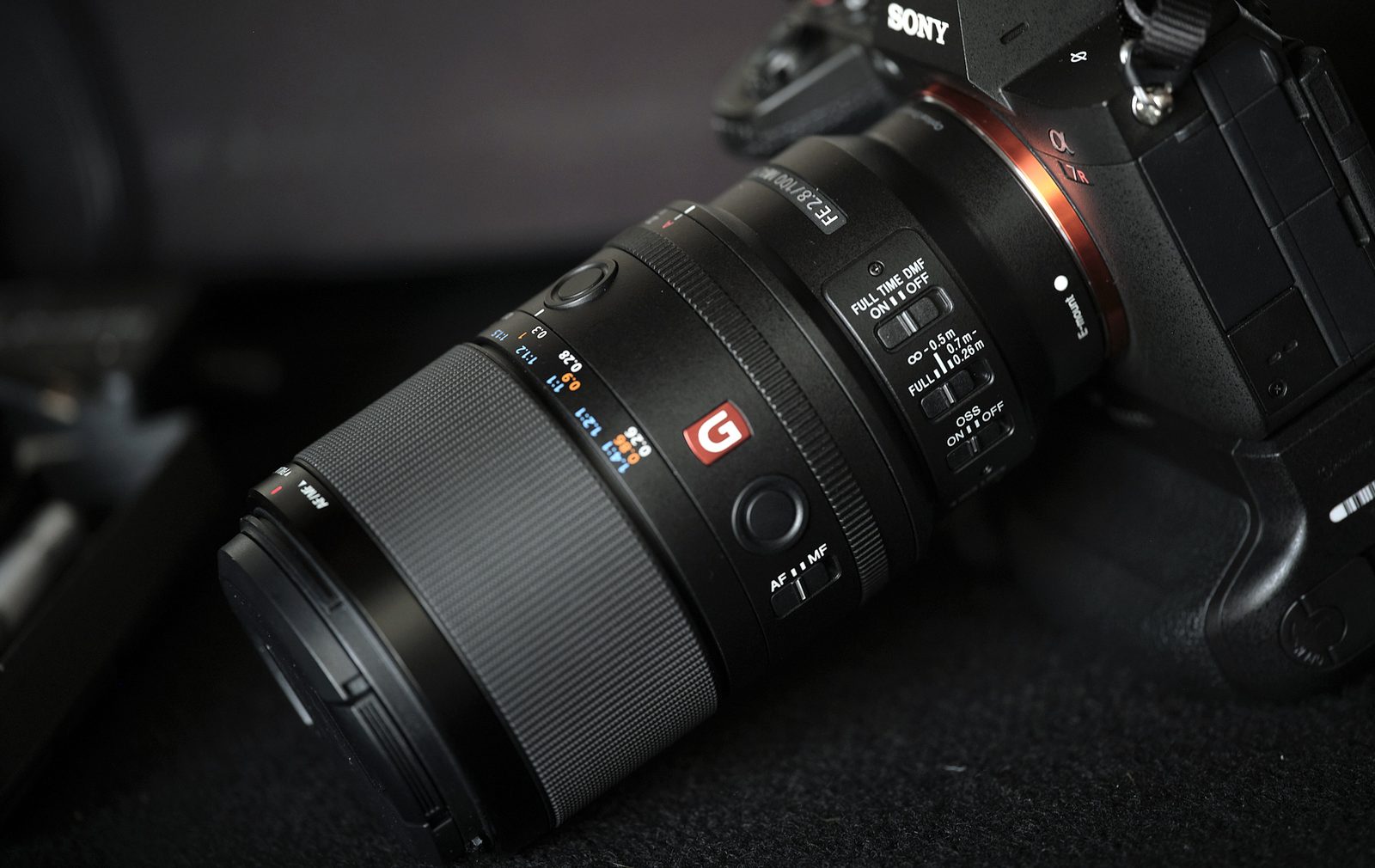
At first glance, the Sony FE 100mm f/2.8 Macro GM appears to align with the contemporary trend of ~100mm f/2.8 macro lenses, many of which also feature built-in image stabilization. Yet, a closer examination of its specifications and performance reveals a suite of advanced features that position it distinctly ahead of its competition, embodying the G Master philosophy of pushing technical boundaries.
One of the most significant advancements is its exceptional magnification level. While many premium macro lenses offer a 1:1 magnification ratio, meaning the subject is projected onto the sensor at its actual size, the Sony FE 100mm f/2.8 GM achieves an impressive 1.4x magnification. This allows photographers to capture subjects at 1.4 times their actual size on the sensor, revealing even finer details than standard macro lenses. This increased magnification provides a critical advantage for specialized fields such as scientific imaging, detailed product photography, philately, numismatics, and forensic analysis, where minute features must be rendered with absolute clarity.
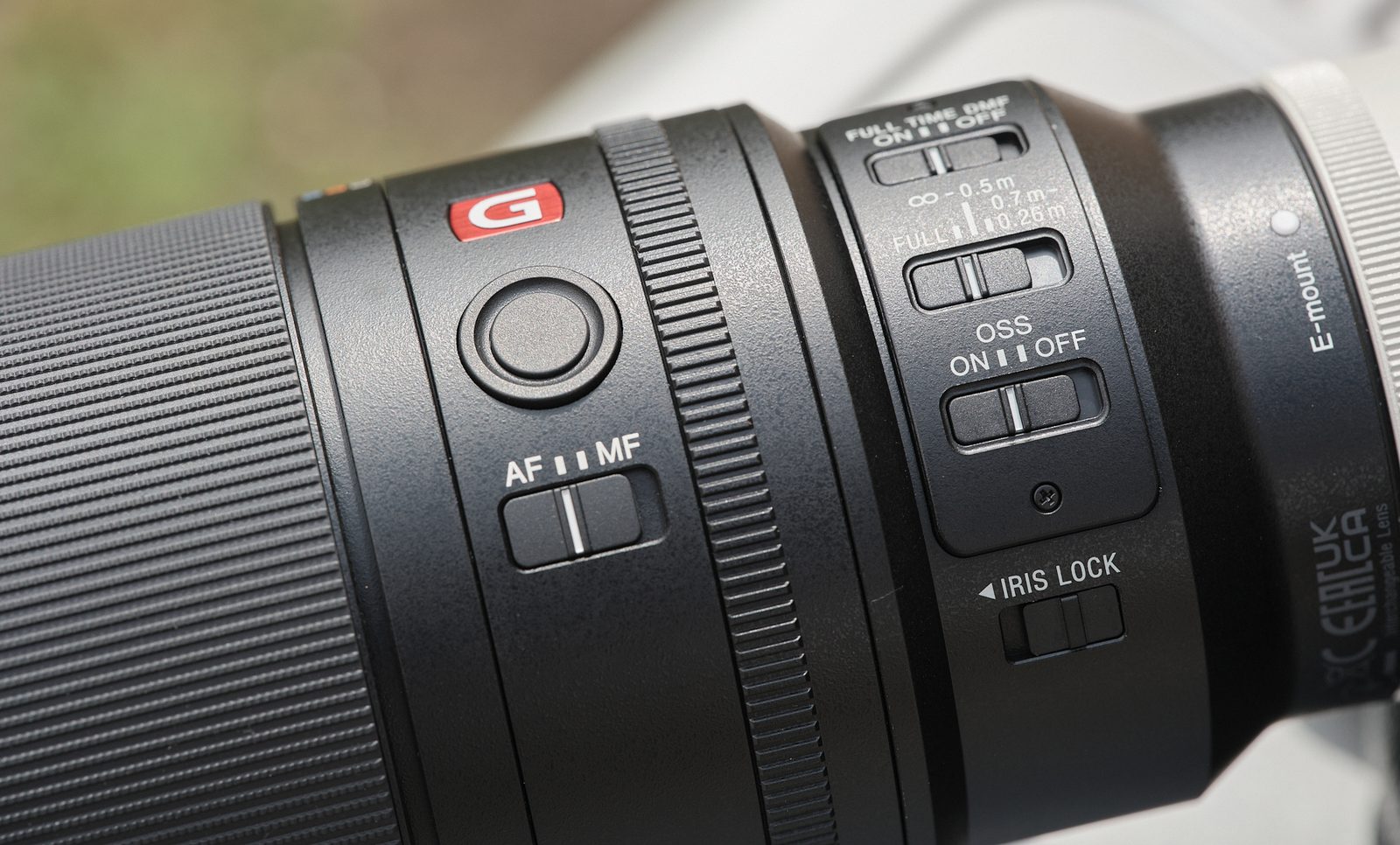
The optical architecture of the lens is equally remarkable. It boasts a sophisticated 17-element, 13-group optical design, a complex arrangement engineered to deliver best-in-class optical resolution power across the entire frame, from edge to edge. Such intricate designs typically incorporate specialized elements like aspherical lenses, extra-low dispersion (ED) glass, and super ED glass to combat chromatic aberration, spherical aberration, and distortion, ensuring razor-sharp images with minimal optical imperfections. Furthermore, the inclusion of Sony’s advanced Nano AR coating technology plays a crucial role in suppressing internal reflections, ghosting, and flare, thereby maintaining high contrast and clarity even when shooting into challenging light sources. This attention to detail in optical design is a hallmark of the G Master series, known for its ability to extract maximum detail from high-resolution sensors.
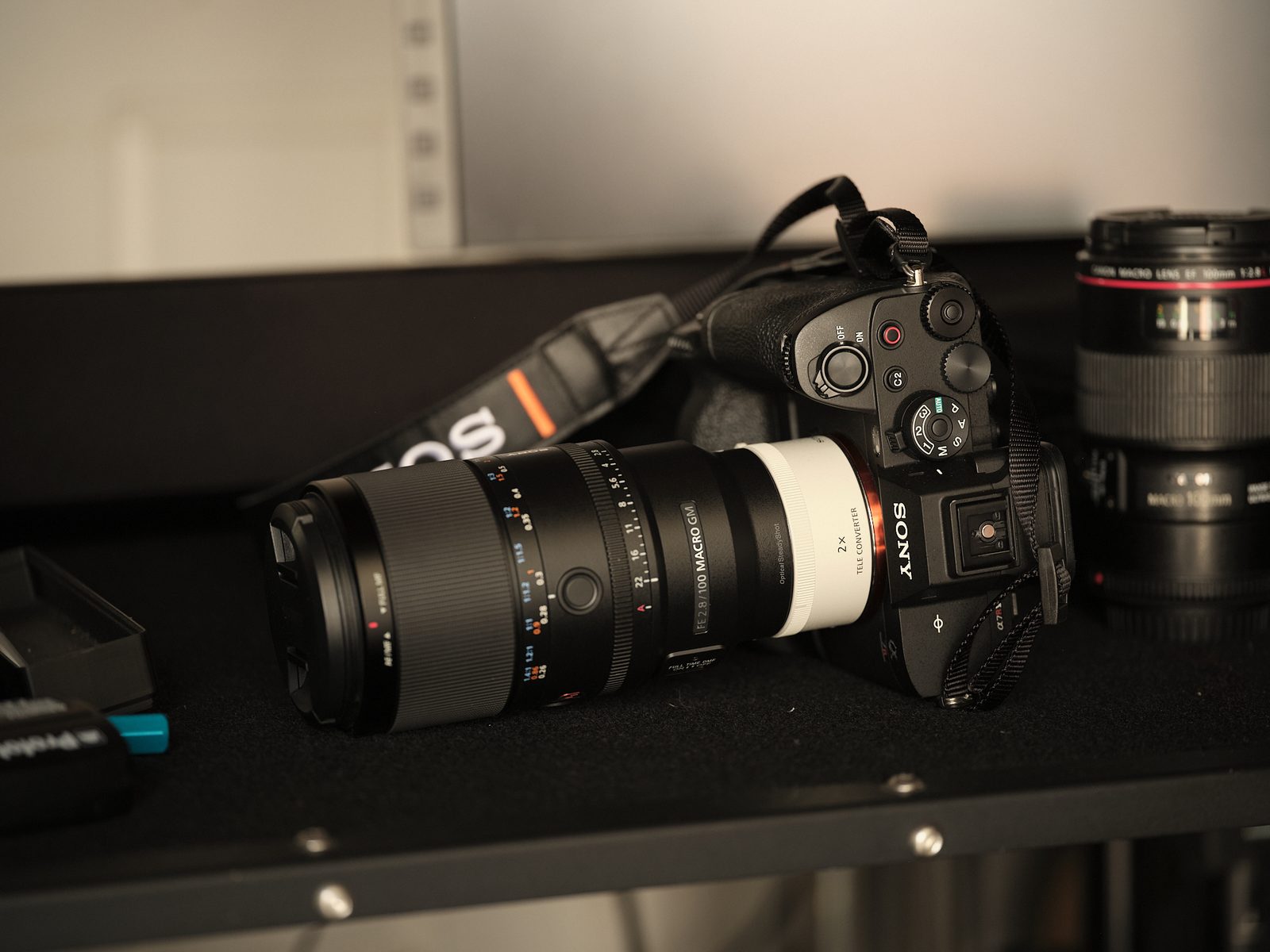
Beyond its inherent optical excellence, a standout feature that has generated considerable excitement among testers is the lens’s compatibility with Sony’s FE 2.0x teleconverter. This capability transforms the 100mm f/2.8 Macro GM into a 200mm f/5.6 equivalent lens, effectively doubling the focal length and, more critically for macro enthusiasts, doubling the magnification level to an astounding 2.8x. This extended reach is particularly beneficial in scenarios where maintaining a greater working distance from the subject is essential, such as when photographing skittish insects, delicate studio setups where light placement needs to be unobstructed, or capturing details of objects that cannot be approached closely. The ability to achieve such extreme magnification without resorting to specialized macro bellows or extension tubes offers unprecedented flexibility and convenience for professionals.

However, perhaps the most revolutionary aspect of the Sony FE 100mm f/2.8 Macro GM is its autofocus system. Addressing the traditional Achilles’ heel of macro lenses – speed – Sony has integrated four advanced XD (Extreme Dynamic) linear motors. These motors are renowned for their ability to deliver precise, fast, and quiet autofocus performance, making this lens arguably the fastest-focusing macro lens currently available on the market. This innovation effectively eliminates the common frustration of slow autofocus in macro photography, allowing photographers to capture fleeting moments and track subjects with a responsiveness previously unattainable in this lens category. Combined with five-stop optical image stabilization, the lens promises exceptional performance even in challenging low-light conditions or when shooting handheld, further broadening its versatility for both static and dynamic macro subjects.
Rigorous Testing and Performance Benchmarking

Prior to its public unveiling, Sony provided advanced copies of the FE 100mm f/2.8 Macro GM to a select group of professional photographers for independent evaluation. One such expert, known for his extensive experience with macro lenses across various platforms, conducted comprehensive studio tests to assess its performance against leading competitors. The reviewer, typically critical of incremental lens advancements, expressed profound admiration for the new Sony offering.
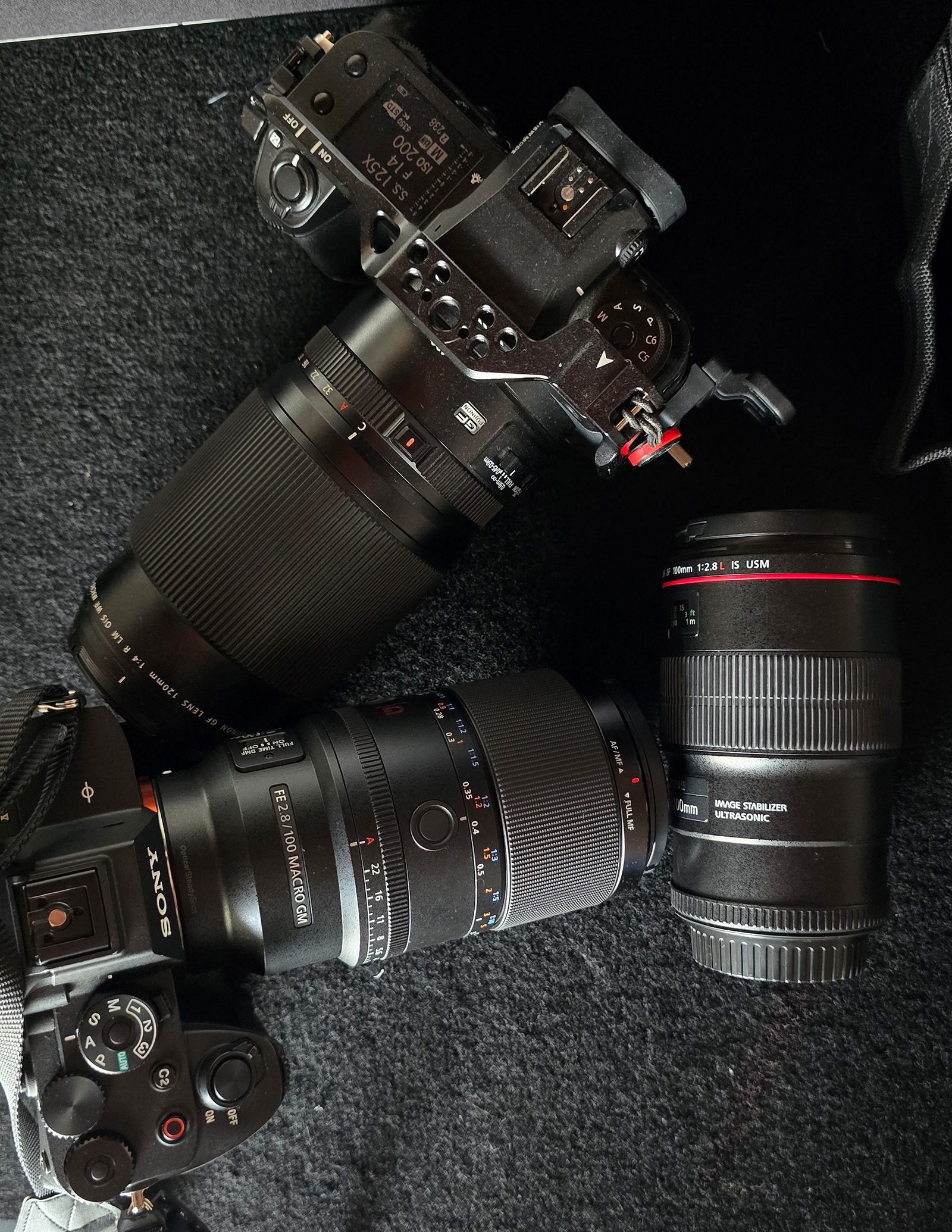
The testing methodology involved direct comparisons with established high-performance macro setups, notably the Fujifilm GFX 100s medium-format camera paired with the Fujifilm GF 120mm f/4 Macro lens. This particular Fujifilm combination is widely regarded for its unparalleled sharpness and resolution, characteristic of medium-format systems, and represents a significant investment. Despite the Fujifilm lens’s nominal 0.5x magnification (which, while offering close focusing, does not achieve true 1:1 macro), its close focusing prowess and optical clarity on a 100-megapixel sensor provided a formidable benchmark against which any new macro lens would be severely tested.

The results of these comparative tests were striking. When mounted on a Sony a7R V, a high-resolution full-frame mirrorless camera, the new Sony 100mm GM lens consistently demonstrated faster autofocus acquisition and produced images of superior sharpness, even when compared at a 100% crop. Crucially, it also outshone the Fujifilm medium-format kit in terms of effective magnification level, especially when paired with the Sony FE 2.0x teleconverter. The combination yielded a 2.8x magnification at an effective 200mm focal length, providing significantly greater detail and working distance than the Fujifilm setup could achieve natively. This outcome challenged the reviewer’s preconceived notions about the supremacy of medium-format in all detailed work, demonstrating that the Sony FE 100mm f/2.8 Macro GM, even on a full-frame sensor, could surpass the macro capabilities of a high-resolution medium-format system in specific performance metrics critical to macro photography. The ability to achieve such detail with faster autofocus on a more portable system underscores the technological leap Sony has achieved.
Competitive Landscape and Market Implications

The release of the Sony FE 100mm f/2.8 Macro GM arrives in a competitive market segment, where several strong contenders vie for professional and enthusiast attention. A detailed comparison highlights Sony’s strategic positioning within this dynamic landscape:
| Feature | Sony FE 100mm f/2.8 GM | Fujifilm GF 120mm f/4 | Canon EF 100mm f/2.8L IS | Canon RF 100mm f/2.8L IS |
|---|---|---|---|---|
| Lens Design | 17 Elements in 13 Groups | 14 Elements in 9 Groups | 15 Elements in 12 Groups | 17 Elements in 13 Groups |
| Stabilization | Yes, five-stop | Yes, five-stop | Yes, two-stop | Yes, five-stop |
| Magnification Level | 1.4x Magnification | 0.5x Magnification | 1x Magnification | 1.4x Magnification |
| Minimum Focus Distance | 0.26m | 0.45m | 0.30m | 0.26m |
| Size Dimensions | 81.4 x L: 147.6 mm | 89.2 x L: 152.5 mm | 77.7 x L: 123 mm | 81.5 x L: 148 mm |
| Weight | 646 g | 980 g | 625 g | 730 g |
| Price (Estimated) | $1399 – $1,699 | $3,099 | $1,399 | $1,199 |
Analyzing the table, the Sony FE 100mm f/2.8 GM immediately stands out for its high 1.4x magnification, matching the cutting-edge Canon RF 100mm f/2.8L IS Macro, and significantly surpassing the 1x standard of the Canon EF version and the 0.5x of the Fujifilm GF 120mm f/4. Its minimum focus distance of 0.26m is also among the best in class, allowing for extremely close-up captures.
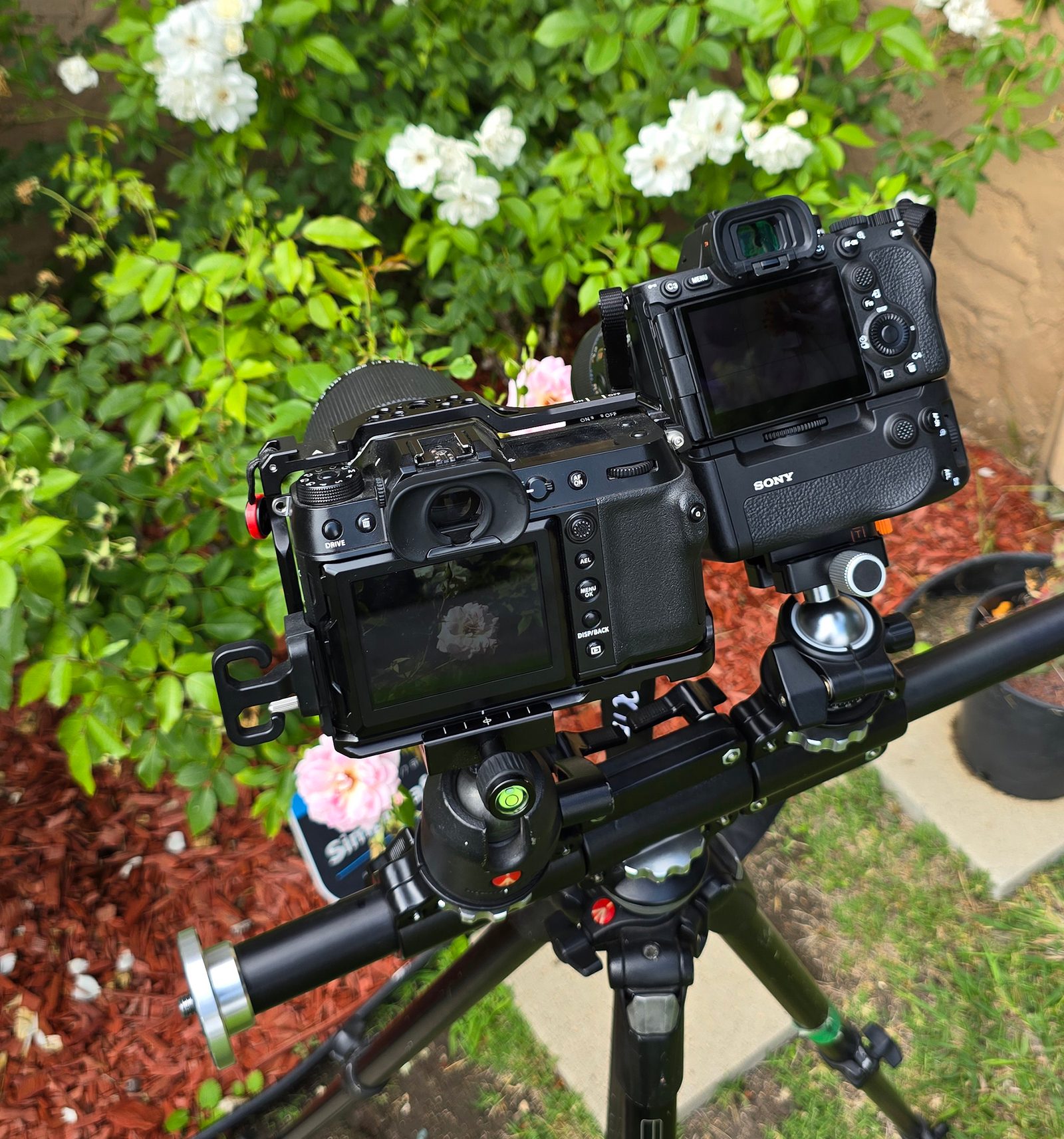
The Fujifilm GF 120mm f/4 Macro, despite its superior price point and medium-format heritage, offers less magnification and a longer minimum focus distance. While its larger sensor captures more detail overall, the Sony’s ability to achieve higher magnification on a full-frame sensor, especially with the teleconverter, presents a compelling argument for specialized macro work where extreme detail and working distance are prioritized. The size and weight of the Sony lens are also notably competitive, offering a more compact and lighter package than the Fujifilm counterpart, making it more agile for field use and extended shooting sessions.
Compared to its direct full-frame rivals, the Canon RF 100mm f/2.8L IS Macro offers similar magnification and stabilization. However, the Sony’s integration of four XD linear motors for autofocus speed and its detailed optical design (17 elements in 13 groups, matching the RF lens) suggest a performance edge, particularly in dynamic macro shooting scenarios. The estimated price point of $1399 – $1699 positions the Sony FE 100mm f/2.8 GM competitively within the premium macro lens market, offering advanced features at a value proposition that is likely to attract a wide range of users looking for top-tier performance without the medium-format price tag.

Broader Impact and Future Outlook
The introduction of the Sony FE 100mm f/2.8 Macro GM represents a significant milestone in optical engineering. By combining class-leading magnification, an advanced optical design, powerful five-stop image stabilization, and an unprecedentedly fast autofocus system, Sony has not merely released another macro lens; it has set a new benchmark for what photographers can expect from this highly specialized category. This innovation is a clear demonstration of Sony’s ability to leverage its technological prowess, particularly in motor development, to overcome traditional limitations in lens design.

This lens is expected to resonate strongly with professionals in scientific research, industrial inspection, and commercial product photography, where detail, accuracy, and efficiency are paramount. For nature and wildlife macro photographers, the extended working distance with a teleconverter and rapid autofocus will unlock new creative possibilities, allowing for the capture of intricate behaviors with greater ease and precision, even in challenging field conditions. The combination of speed and resolution also makes it an exceptionally versatile tool for general photography, including portraiture, where its sharpness and accurate focusing will be highly valued.
Furthermore, this release underscores Sony’s ongoing commitment to innovation within its E-mount system, continually pushing the boundaries of lens performance and expanding the capabilities of its mirrorless camera lineup. It may also prompt other manufacturers to accelerate their own research and development in macro lens technology, fostering healthy competition that ultimately benefits photographers across all systems by driving further advancements.

The Sony FE 100mm f/2.8 Macro GM is now available for preorder, with an anticipated release in the coming weeks. Its early performance evaluations suggest that it is not just an incremental update but a genuine leap forward, promising to become an indispensable tool for photographers seeking the ultimate in close-up imaging. The photography community eagerly awaits the opportunity for a full, in-depth review to further explore its capabilities and long-term impact on the art and science of macro photography.