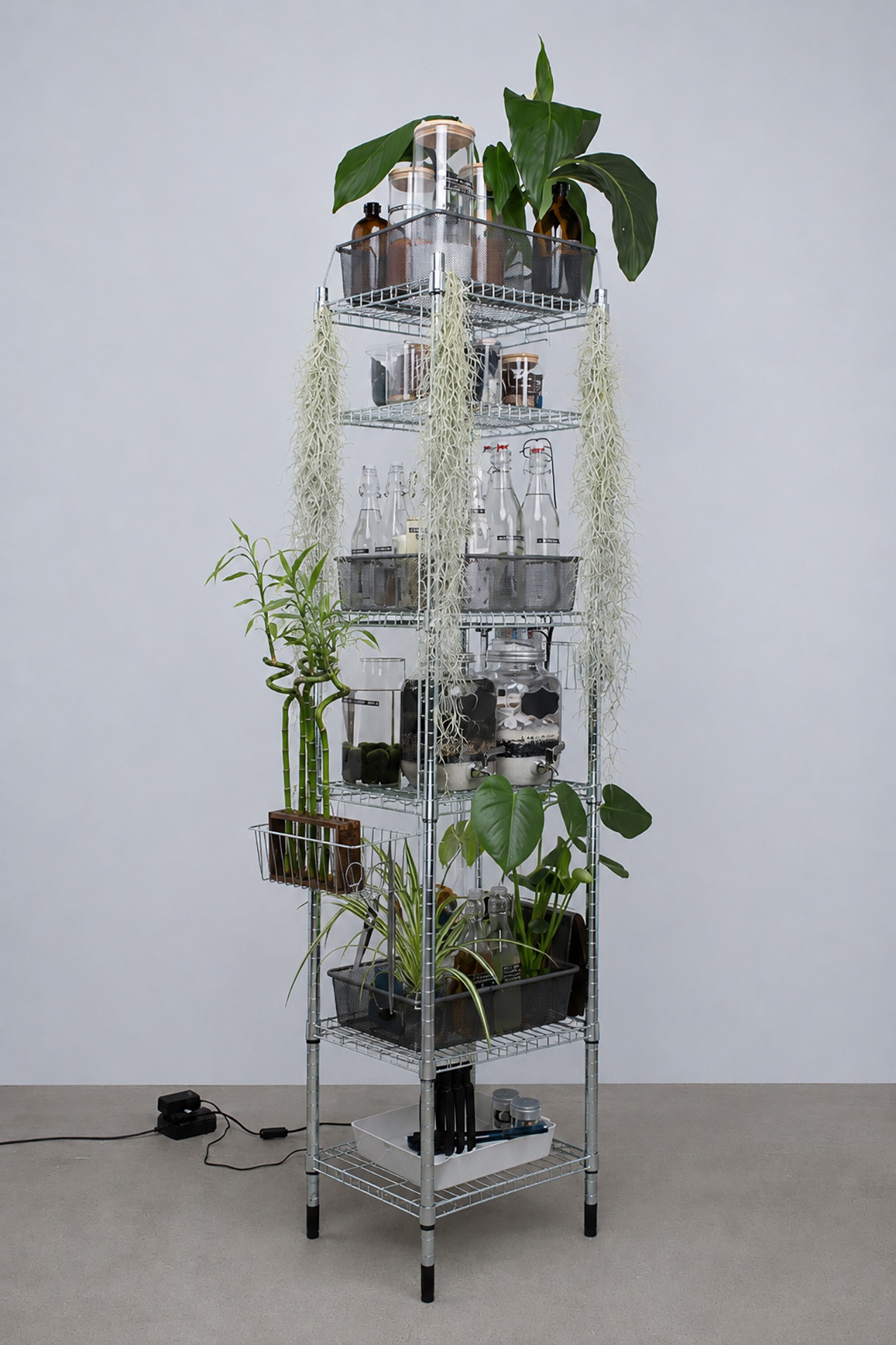
The intersection of nineteenth-century photographic tradition and twenty-first-century environmental accountability has found a new focal point in The Ecological Wetroom™, a research-led installation developed by Irish-German photographer and researcher Aindreas Scholz. As the global photographic community approaches the bicentenary of the medium’s invention, Scholz’s work at Technological University (TU) Dublin represents a significant shift in analogue practice, moving away from a focus on the final image toward a rigorous examination of the material by-products of the process. The project specifically addresses the "afterlife" of the cyanotype, a cameraless photographic method known for its distinctive Prussian blue hues, by capturing and treating the chemical-laden washwater that is typically discarded during production.
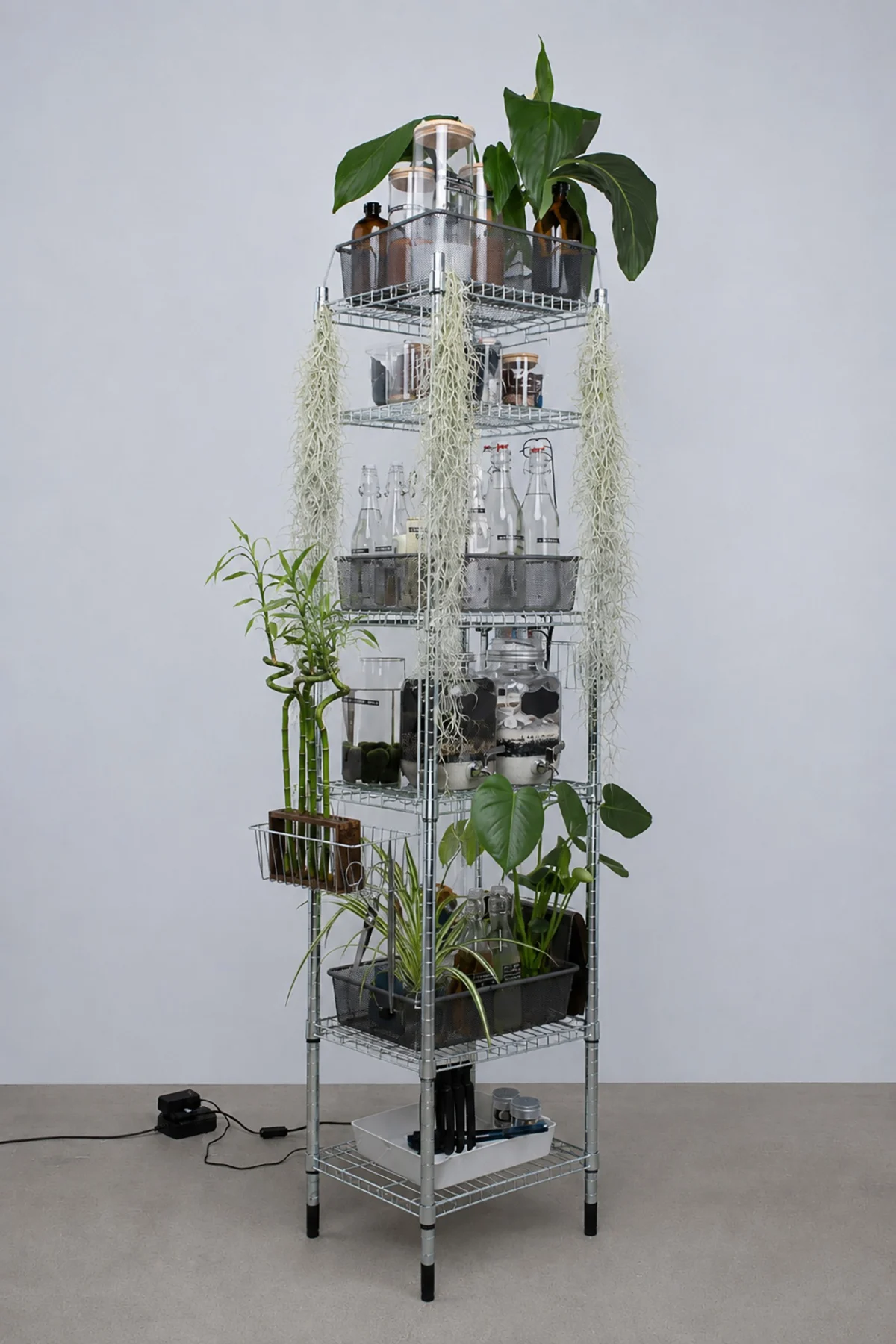
The Ecological Wetroom™ functions as both a working laboratory and a conceptual installation. It challenges the traditional photographic workflow, which historically concludes when the print is removed from the final wash. By refusing to let the chemistry disappear down the drain, Scholz has created a closed-loop observation system that utilizes DIY filtration and hydroponic plant life to monitor, measure, and mitigate the environmental impact of photographic waste. This initiative comes at a time when the "Sustainable Darkroom" movement is gaining traction globally, as artists seek to reconcile their tactile practices with the realities of the climate crisis.
Historical Context and the Legacy of Anna Atkins
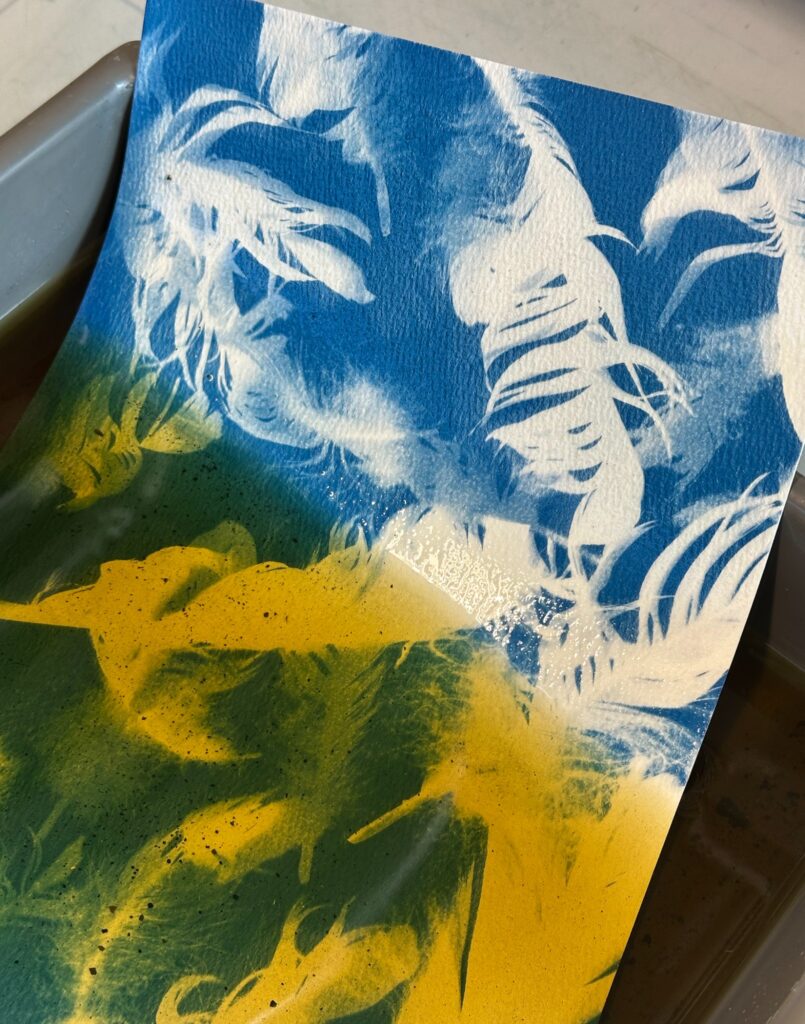
To understand the significance of The Ecological Wetroom™, one must look back to the origins of the cyanotype process. Invented by Sir John Herschel in 1842, the process was almost immediately adopted by Anna Atkins, a British botanist and photographer. In 1843, Atkins began publishing Photographs of British Algae: Cyanotype Impressions, which is widely recognized as the first book to be illustrated with photographic images. Atkins’ work utilized "material intimacy," placing botanical specimens directly onto sensitized paper to create contact prints through the interaction of chemistry and sunlight.
Scholz’s PhD research at TU Dublin centers on this nineteenth-century legacy, asking how Atkins’ methods can be adapted for a contemporary era defined by resource scarcity and pollution. The "climate-adapted" cyanotype, a term used by Scholz, involves the use of responsibly gathered rainwater, pollution-affected seawater, and site-specific environmental conditions. By connecting the historical importance of the cyanotype to modern ecological questions, the project frames the 2026–2027 bicentenary period of photography not as a static celebration of the past, but as a critical moment for reformulating the medium’s relationship with nature.
The Mechanics of the Ecological Wetroom
The practical application of The Ecological Wetroom™ begins with the containment of the cyanotype washwater. In standard practice, a print is washed in running water to remove unexposed sensitizer—typically a mixture of ferric ammonium citrate and potassium ferricyanide. This washwater, containing residual iron and cyanide compounds, is usually lost to the municipal sewage system. Scholz’s system intercepts this flow, collecting the liquid in transparent, labeled vessels for immediate observation.
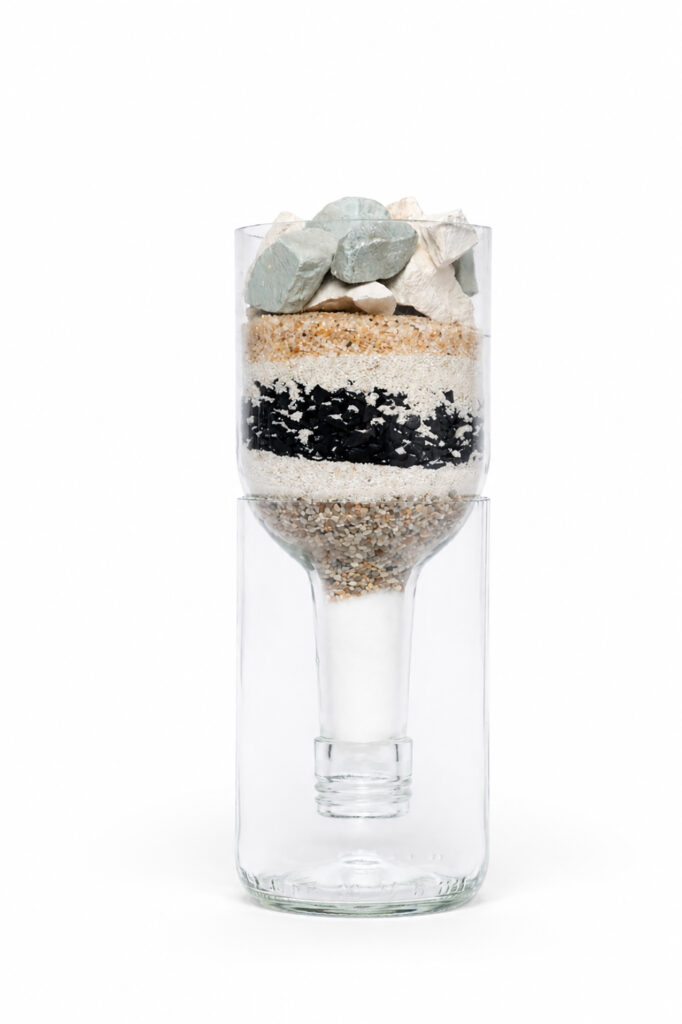
The core of the installation is a series of gravity-fed, DIY filtration columns. These filters are constructed from accessible materials, arranged in strategic layers to maximize the removal of particulates and dissolved chemistry. The filtration media typically includes:
- Gravel and Coarse Sand: For the removal of larger sediment and debris.
- Fine Sand and Cotton: To trap smaller suspended particles.
- Zeolite and Chalk: Utilized for their ion-exchange properties and ability to neutralize acidity.
- Activated Charcoal: To adsorb dissolved chemical compounds and improve water clarity.
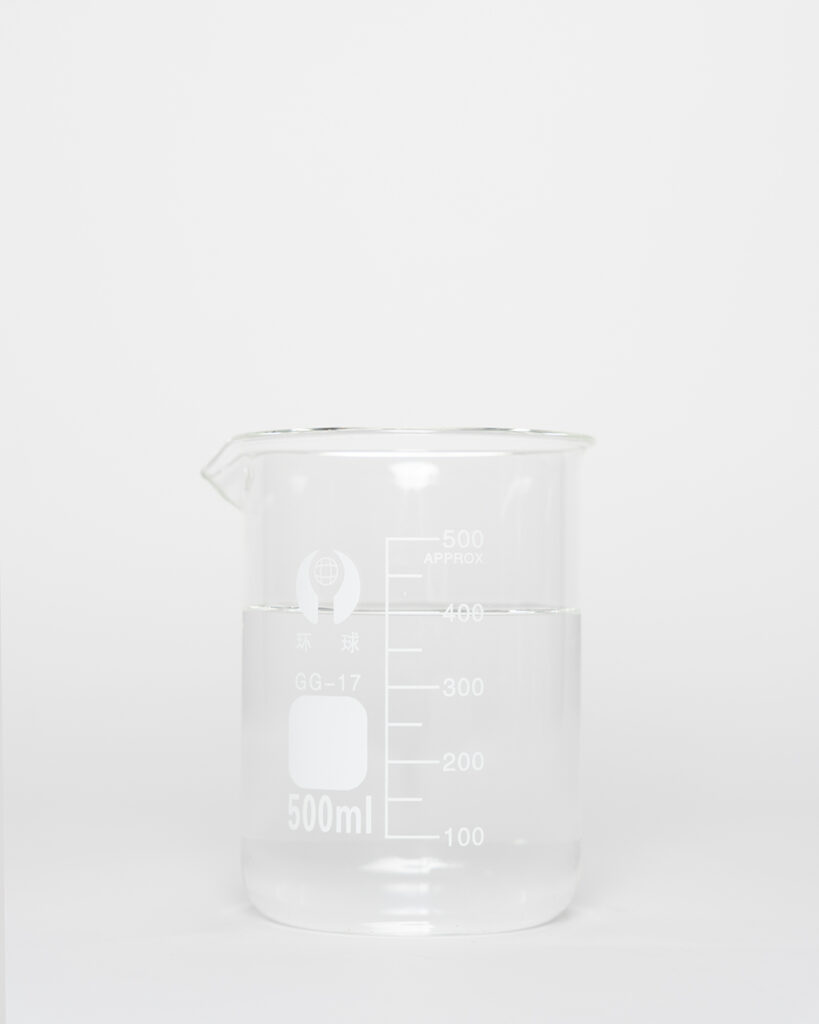
The washwater is passed through these columns multiple times, a process that visibly transforms the liquid from a yellow-green tint to a clear state. However, Scholz maintains a cautious stance on the efficacy of these DIY methods. While the water appears clean, the project emphasizes that "clear" does not equate to "environmentally safe." The filtration process effectively transfers the problem from a liquid state to a solid state, as the photographic residues accumulate within the filter media. This creates a secondary challenge: the responsible disposal or treatment of the saturated charcoal and minerals.
Supporting Data and Laboratory Analysis
A critical component of The Ecological Wetroom™ is the integration of empirical data to move beyond anecdotal evidence of sustainability. Preliminary laboratory analysis conducted at Technological University Dublin has provided a quantitative baseline for the system’s performance.
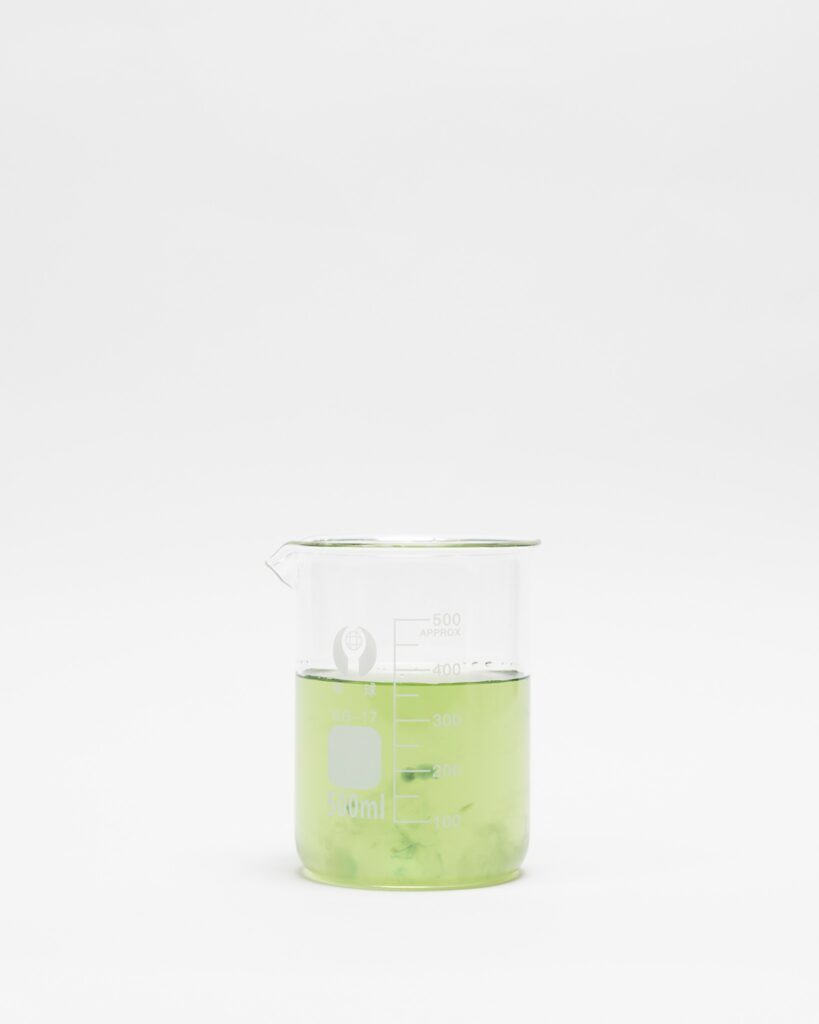
In a controlled comparison between untreated cyanotype washwater and a sample passed through the DIY filtration column, researchers measured a significant reduction in iron levels. The untreated sample contained 366.849 parts per billion (ppb) of iron, whereas the filtered sample showed a concentration of 87.110 ppb. This represents an approximately 76 percent decrease in measurable iron.
Despite these promising figures, Scholz’s reporting remains rooted in journalistic objectivity. The project documentation notes that these results do not guarantee a similar reduction in all potential contaminants, nor do they suggest the water is safe for unrestricted reuse or human consumption. Instead, the 76 percent reduction is presented as a "measurable point of comparison" that validates the research structure without claiming a total solution to the problem of photographic waste.
The Role of Hydroponics and Phytoremediation
The installation further complicates the traditional darkroom by introducing living elements. Hydroponic vessels containing plants, such as the hardy Epipremnum aureum (Pothos), are integrated into the system. These plants are irrigated with the repeatedly filtered washwater, allowing for long-term observation of how the chemical by-products interact with biological life.
The use of plants serves two purposes. First, it makes the passage of time visible; the growth, discoloration, or stasis of the roots provides a slow-motion record of the water’s quality. Second, it touches upon the field of phytoremediation—the use of living plants to clean up soil, air, and water contaminated with hazardous chemicals. However, Scholz is careful to avoid "greenwashing" the process. The plants are described as part of a "contained observational system" rather than a proven wastewater treatment mechanism. This distinction is vital in maintaining the integrity of the research, as it acknowledges the complexity of bio-accumulation and the potential for plants to suffer from long-term chemical exposure.
Broader Impact and Industry Implications
The implications of The Ecological Wetroom™ extend beyond the individual artist’s studio. As the analogue photography revival continues to grow, with increased sales of film and darkroom chemistry, the environmental footprint of the hobby and the industry is under renewed scrutiny. Scholz’s work suggests that "material responsibility" must become a core tenet of photographic education.
The project has already begun to influence pedagogical approaches. In workshops led by Scholz, participants are taught to consider the volume of water and the source of energy before a single exposure is made. This shift in behavior—thinking about the wash before the print—marks a departure from the "disposable" mindset that has characterized much of industrial-era photography. By encouraging photographers to build their own experimental filters and compare washwater samples, Scholz is fostering a culture of "tactile intelligence" that extends to the waste stream.
Chronology of Upcoming Research and Public Engagement
As the project moves into its next phase, a series of international research visits and public events have been scheduled to share these findings. In October 2026, Scholz will conduct a research residency in New York, supported by the Peter E. Palmquist Memorial Fund for Historical Photographic Research. This visit aims to bridge the gap between historical study and contemporary ecological practice.
- October 8, 2026: Scholz will deliver an illustrated talk titled "Unfixed Landscapes: From Anna Atkins to The Ecological Wetroom™" at Baxter St at the Camera Club of New York (CCNY). The presentation will detail the evolution of climate-adapted cyanotypes and the technical challenges of the Wetroom project.
- October 10, 2026: A one-day workshop, "Cyanotype to Concertina: Building a Folded Sequence," will be held at the Center for Book Arts in New York. This session will integrate nineteenth-century techniques with modern "washwater awareness," teaching artists how to create sustainable photographic sequences.
- 2027 and Beyond: The project will conclude its current PhD phase with a comprehensive report on the long-term effects of filtered washwater on hydroponic systems and a proposal for the management of spent filtration media.
Conclusion: A System of Questions
The Ecological Wetroom™ does not offer a "magic bullet" for the environmental challenges of analogue photography. Instead, it provides a framework for asking better questions about the materials that define the medium. By refusing to look away from the yellow-green water in the tray, Aindreas Scholz has highlighted a fundamental truth of the photographic process: matter does not disappear; it only changes form.
As the industry reflects on 200 years of photographic history, the Wetroom serves as a reminder that the future of the medium may depend less on technological advancement and more on a return to a more mindful, material-conscious way of working. The project suggests that true sustainability in the arts begins with the act of noticing—measuring the parts per billion, observing the growth of a root, and taking responsibility for the chemistry that remains after the image has been made.