In the specialized worlds of vintage automotive restoration and high-end analog photography, the synergy between a precision-engineered machine and the tool used to document it often defines the quality of the narrative. A recent technical session featuring a 1974 Porsche 911 Safari build and the Rolleiflex 6003 SRC 1000 medium format camera highlights a growing trend among enthusiasts: the rejection of "shelf queen" status in favor of functional, high-performance utility. This session, documented using Bergger Pancro 400 film, serves as a case study in the intersection of mid-century mechanical design and modern off-road engineering.
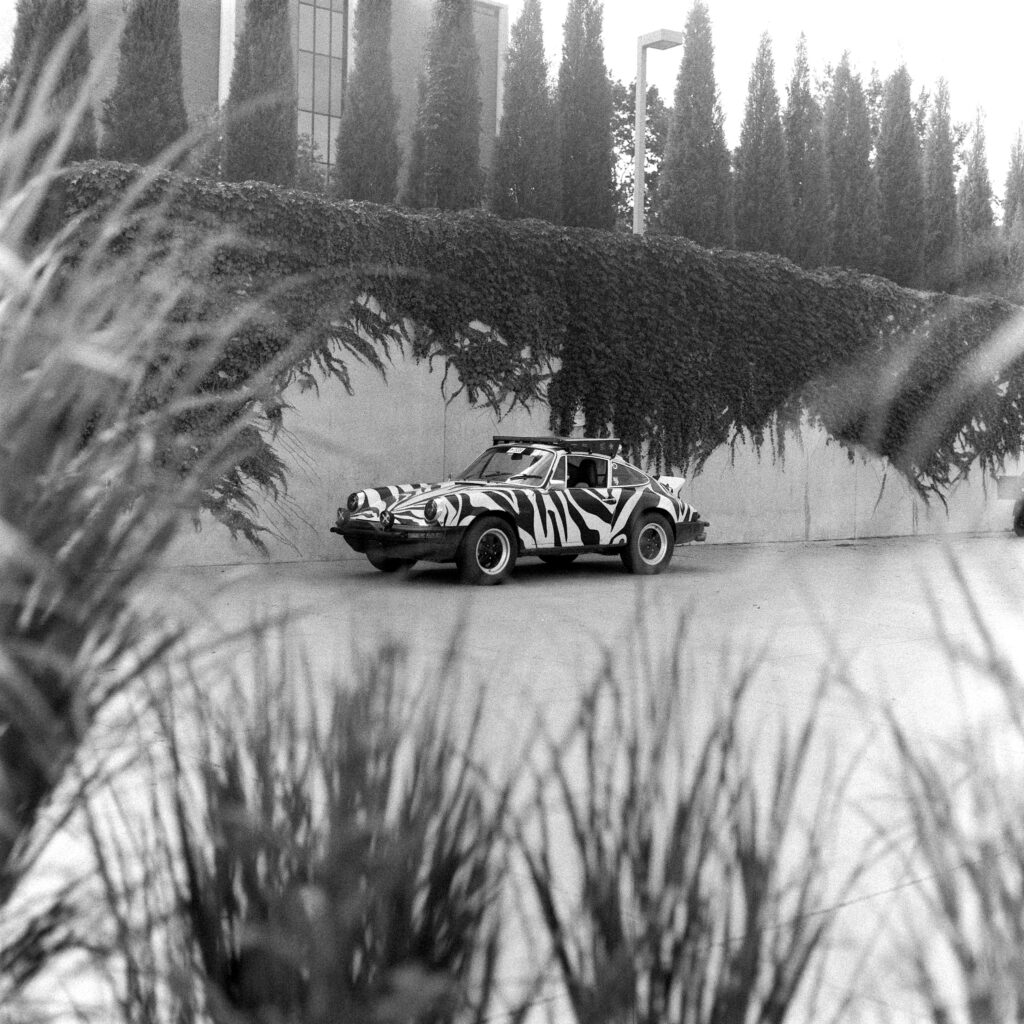
The Safari Build: Engineering a Resurrection from Salvage
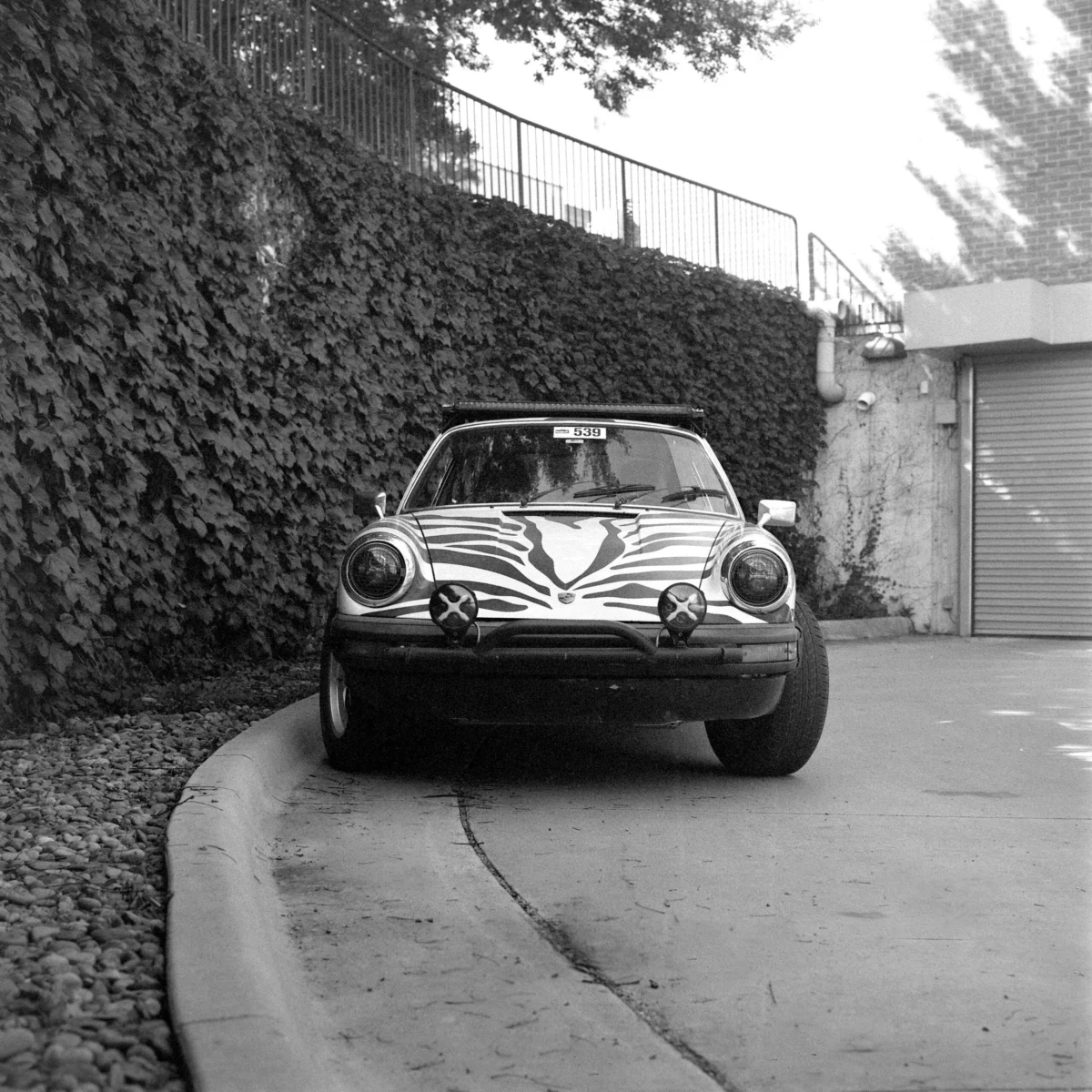
The subject of the study, a 1974 Porsche 911, represents a radical departure from traditional concours restoration. Originally acquired by its current owner, Austin, as a disassembled project described as being "literally in a box," the vehicle had suffered from decades of substandard maintenance. Initial inspections revealed a litany of improvised repairs, including the use of household wire nuts, duct tape, and PVC plumbing components within the critical systems.
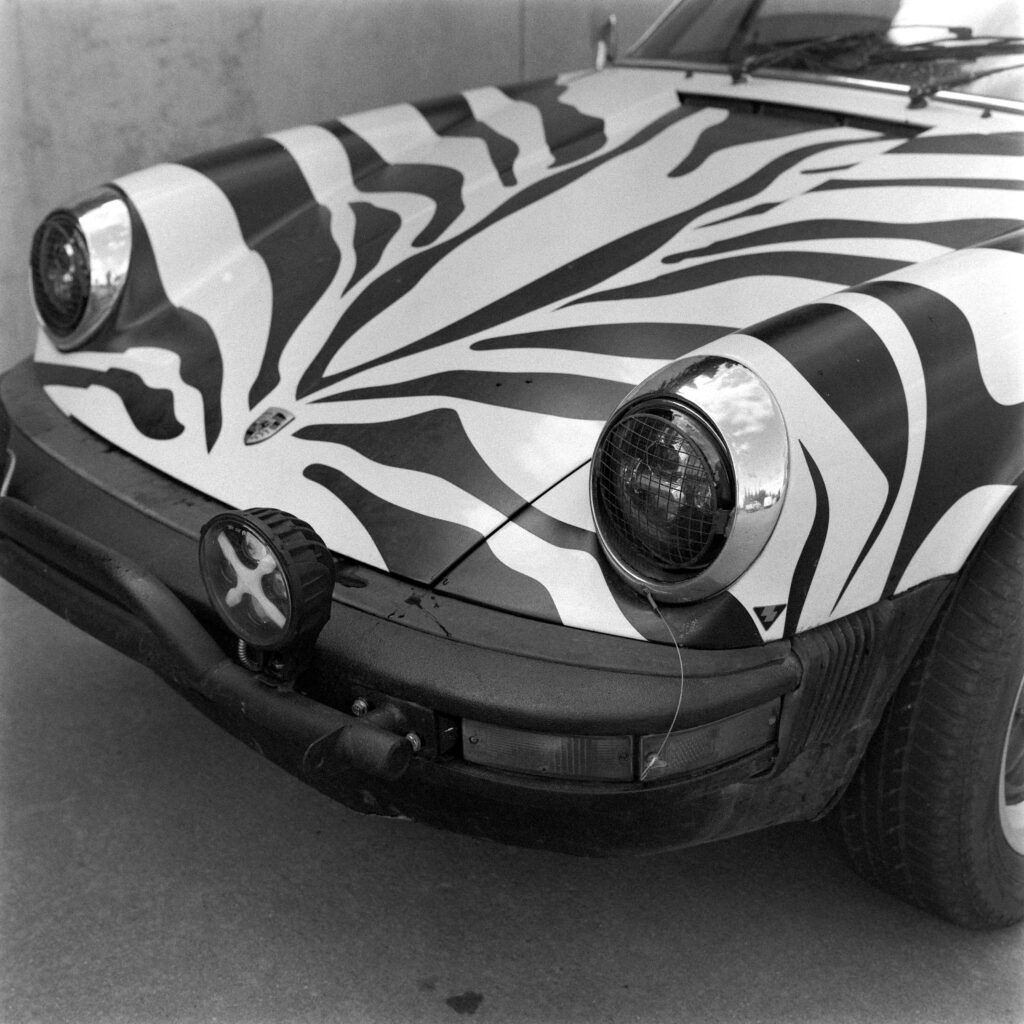
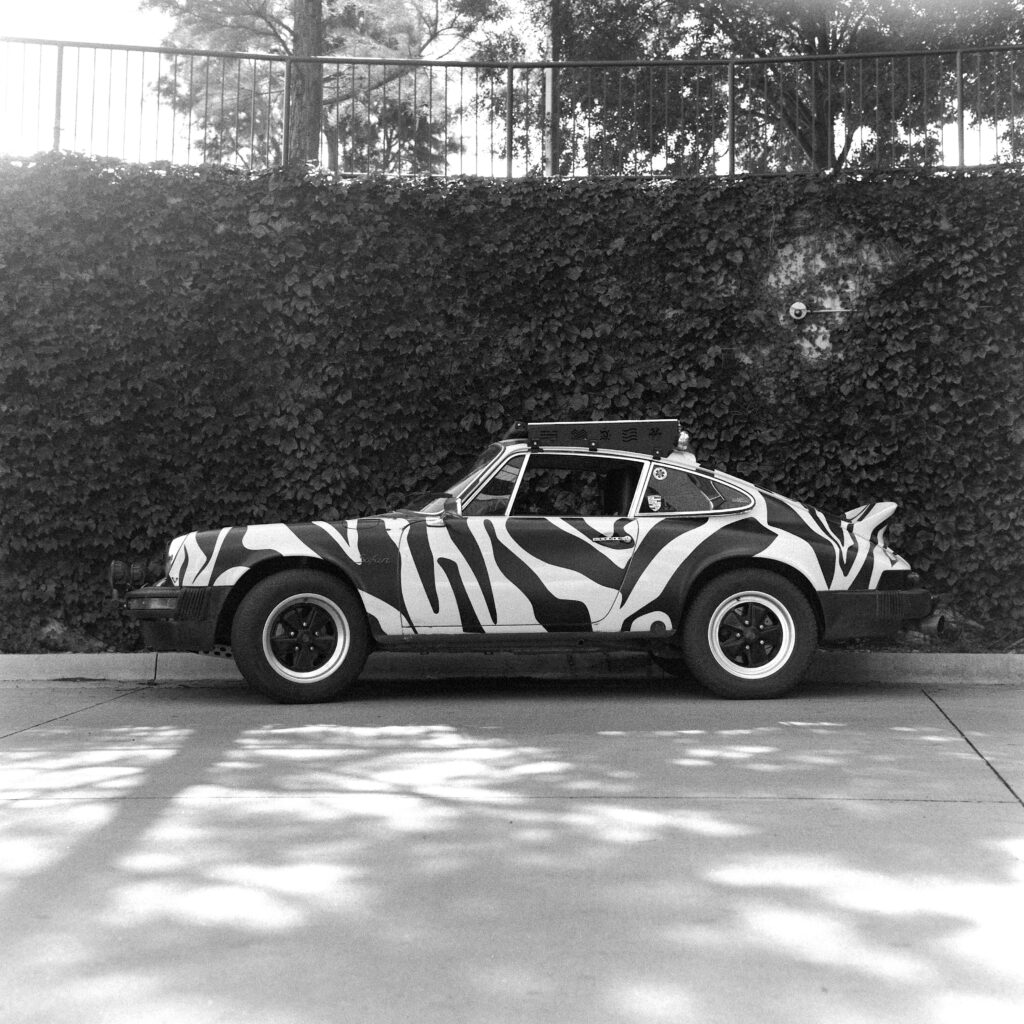
Rather than returning the vehicle to its factory-original 1974 specifications, the owner opted for a "Safari" conversion—a style of modification that traces its lineage back to the East African Safari Rally of the 1970s. The engineering process involved stripping the car to its bare chassis to address structural integrity before implementing a series of heavy-duty upgrades designed for rugged terrain.
Key technical modifications include:
- Chassis Reinforcement: The integration of an Elephant Racing "Urban Assault" kit. This system is designed to stiffen the vintage G-body chassis, allowing it to withstand the torsional stresses of off-road driving without compromising the classic silhouette.
- Powertrain Upgrade: The original 2.7-liter flat-six engine, known for thermal management challenges in its stock configuration, was replaced with a more robust 3.0-liter Super Carrera (SC) engine. This displacement increase provides the torque necessary for navigating steep inclines and loose surfaces.
- Electrical Overhaul: Recognizing the safety limitations of 1970s lighting, the vehicle was rewired with a modern fuse block and high-output LED headlights. A custom third brake light was integrated to ensure visibility among modern, larger-profile vehicles.
- Utility Customization: The owner engineered a bespoke roof rack featuring a military-style aircraft cannon plug. This allows for a single-point electrical disconnect for the auxiliary lighting system, ensuring a watertight seal and ease of maintenance.
The Photographic Medium: Bergger Pancro 400 and Rodinal Chemistry
To document the textures and mechanical nuances of the Safari 911, the session utilized Bergger Pancro 400, a premium black-and-white film produced in France. Unlike modern T-grain films that prioritize clinical smoothness, Pancro 400 is a dual-emulsion film composed of both silver bromide and silver iodide. This composition results in a classic "filmic" look characterized by high exposure latitude and a distinct, organic grain structure.
The film’s 400 ISO rating proved essential for a session conducted during the transitional light of early morning. The speed allowed for handheld operation at wider apertures in deep shadows while maintaining enough versatility to handle direct sunlight as it crested the horizon.
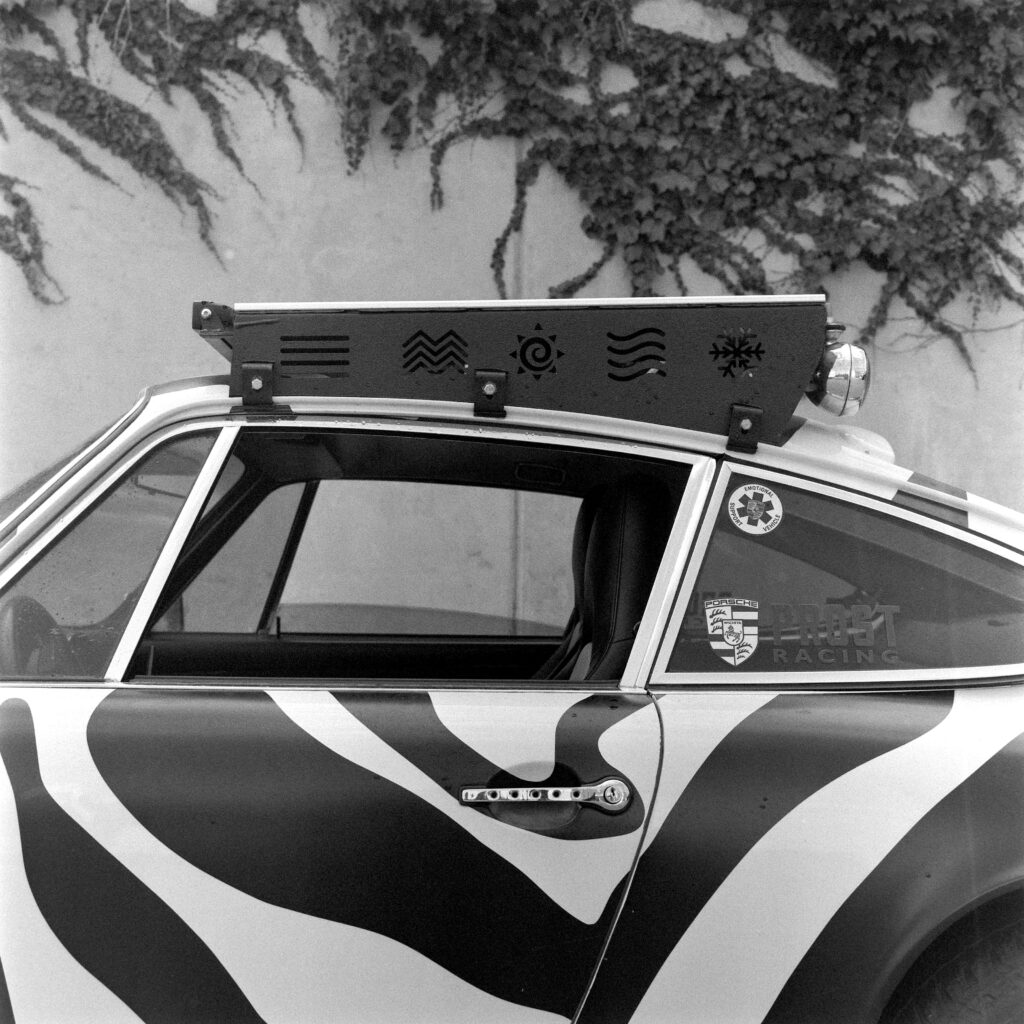
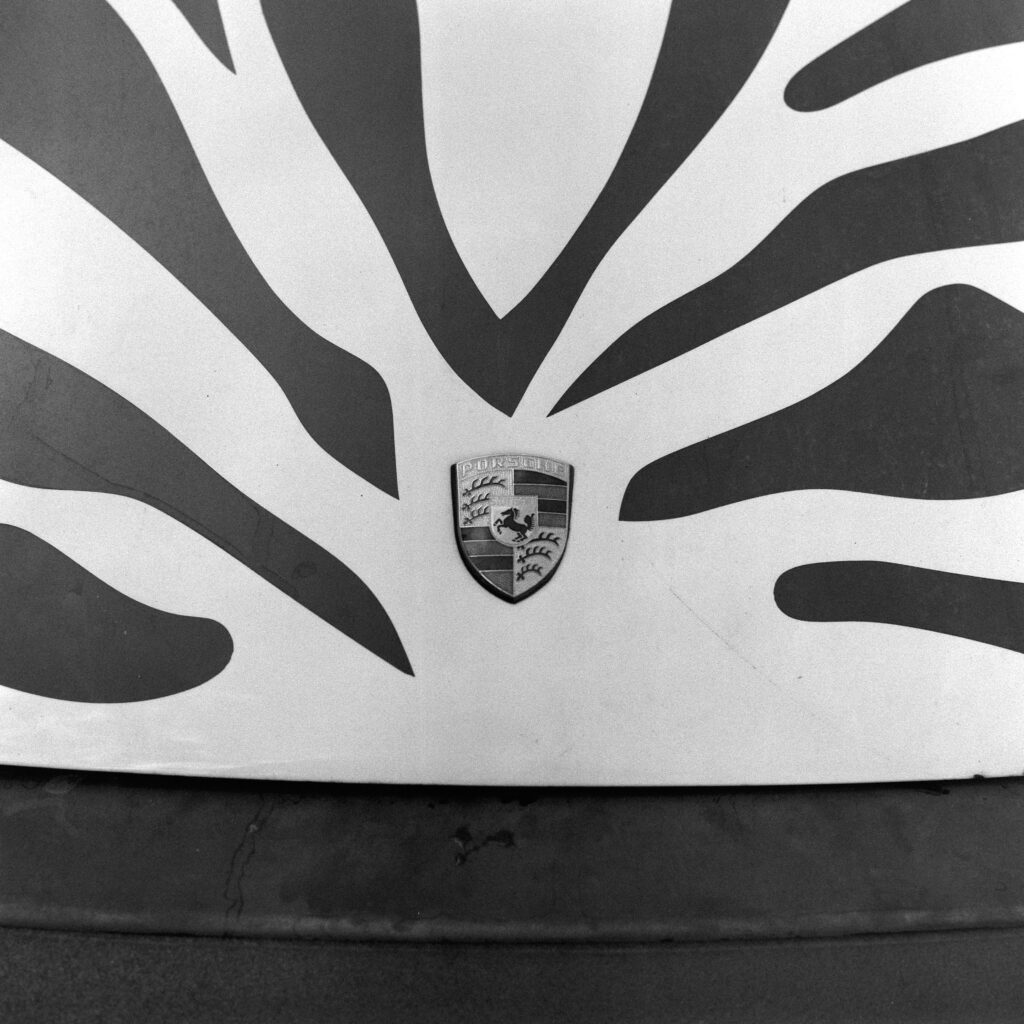
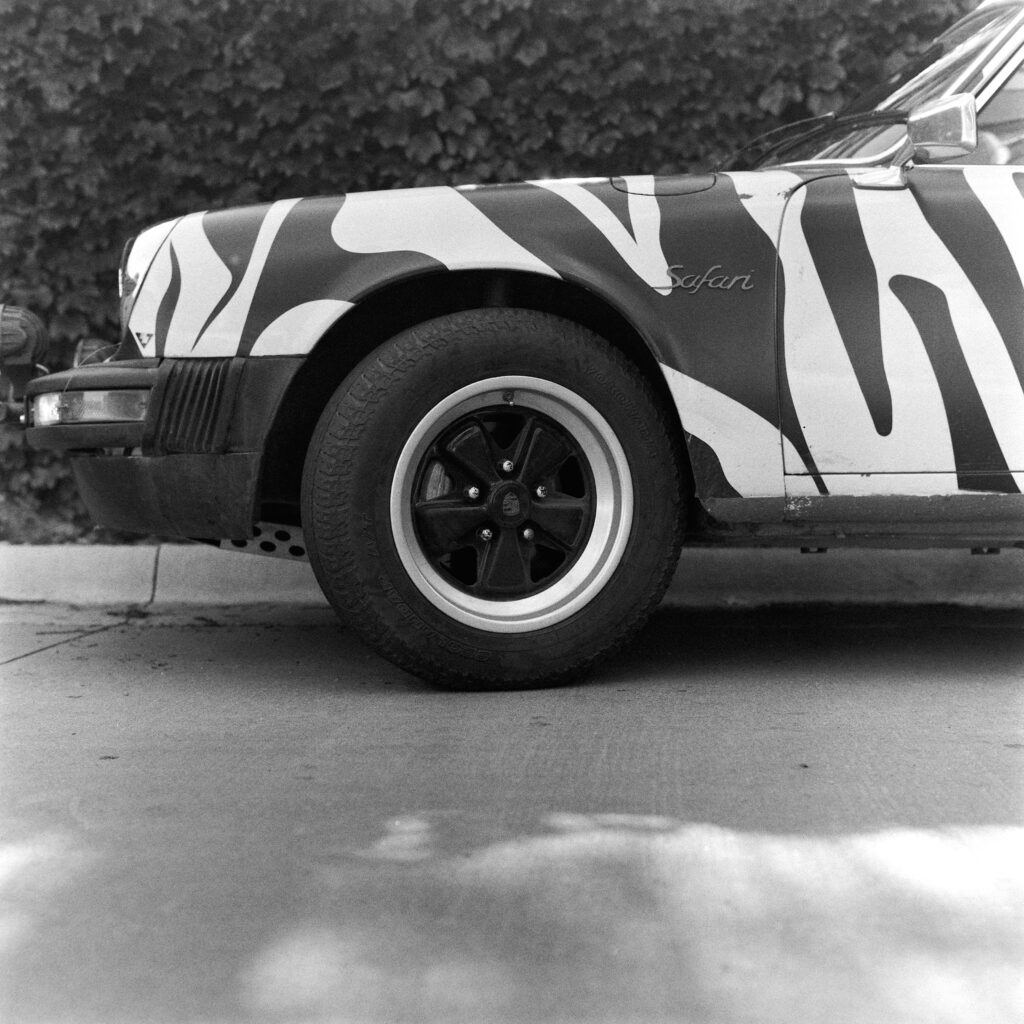
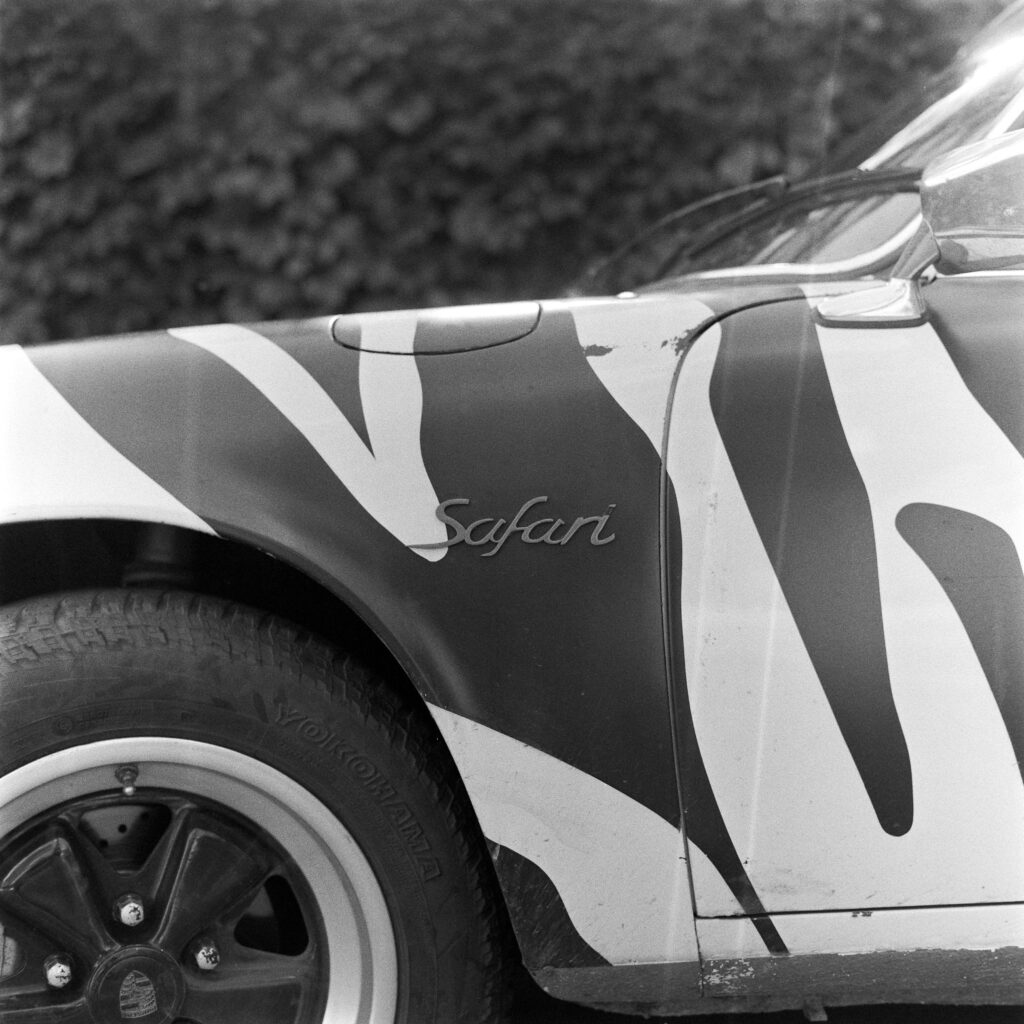
The chemical processing of the film was executed using Rodinal, the oldest patented chemical developer still in production. Known for its "acutance-enhancing" properties, Rodinal (p-Aminophenol) does not dissolve grain but rather sharpens the edges of the grain structure. This combination yielded negatives with high micro-contrast, making it ideal for highlighting the gritty details of the Porsche’s zebra-patterned livery, the CNC-machined Safari badges, and the Rhino-lined interior floors.
Technical Performance of the Rolleiflex 6003 SRC 1000
The Rolleiflex 6003 SRC 1000, a product of Franke & Heidecke’s late-20th-century innovation, was selected for its balance of medium format image quality and modern electronic convenience. Part of the System 6000 lineup, the 6003 offers several features that are critical for time-sensitive automotive shoots:
- Integrated Metering: The camera’s built-in light meter allows for rapid exposure adjustments without the need for external handheld readings, a factor that significantly increased the "frames-per-hour" yield during the one-hour shooting window.
- Motorized Film Advance: The automatic film transport system allowed the photographer to maintain visual contact with the subject between frames, facilitating the capture of fleeting light conditions.
- Modular Viewing: The ability to swap between a prism finder for eye-level tracking and a waist-level finder for low-angle "hero shots" was instrumental in capturing the Porsche’s lifted suspension and underbody protection.
- Optics: The session utilized the 80mm Zeiss Planar lens, a legendary optic known for its lack of distortion and edge-to-edge sharpness. The lens’s HFT (High Fidelity Transfer) coating minimized flare during shots where the sun was positioned near the edge of the frame.
Chronology of the Session and Vehicle History
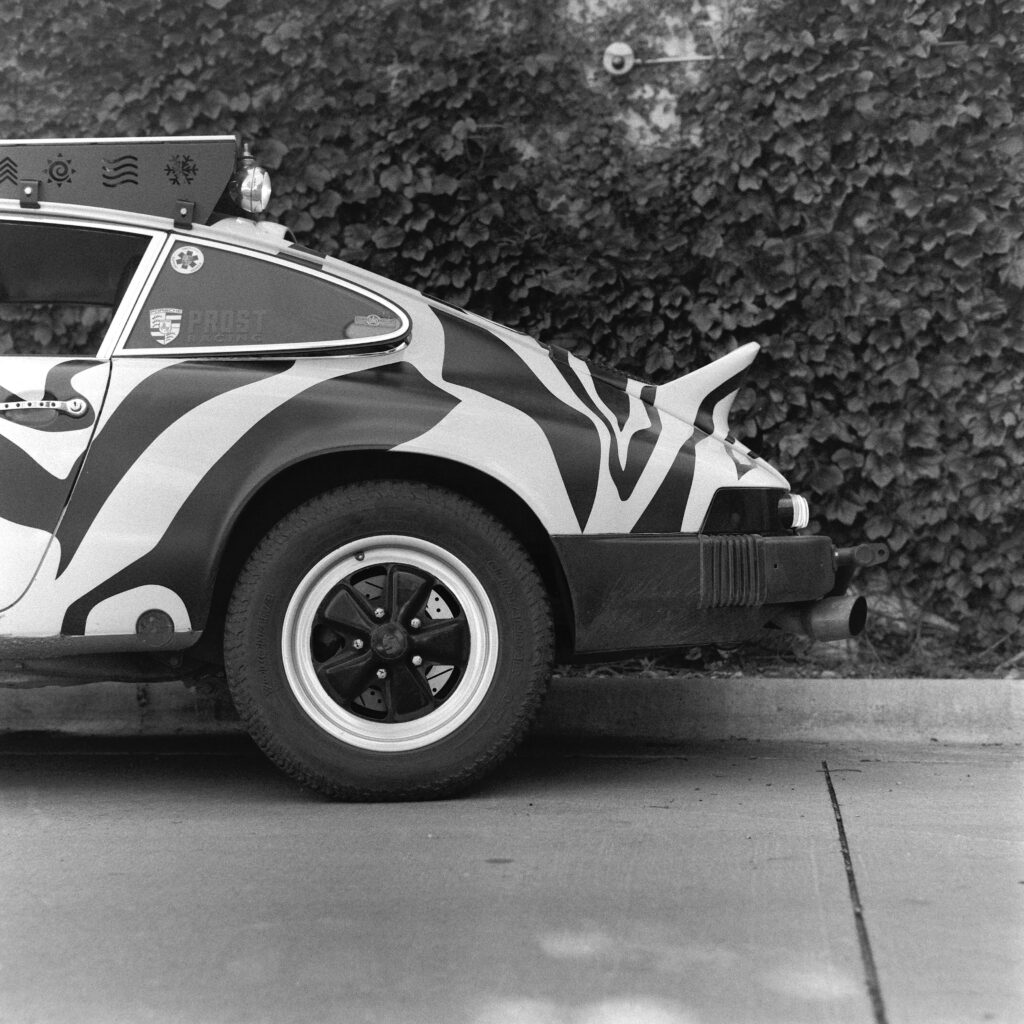
The session took place over a sixty-minute period, beginning in the low-light shadows of an ivy-covered perimeter wall. This environment tested the limits of the Pancro 400’s shadow detail. The photographer transitioned from wide-angle environmental portraits to macro-level detail shots, focusing on the custom "ducktail" spoiler and the Yokohama tires mounted on classic Fuchs-style wheels.
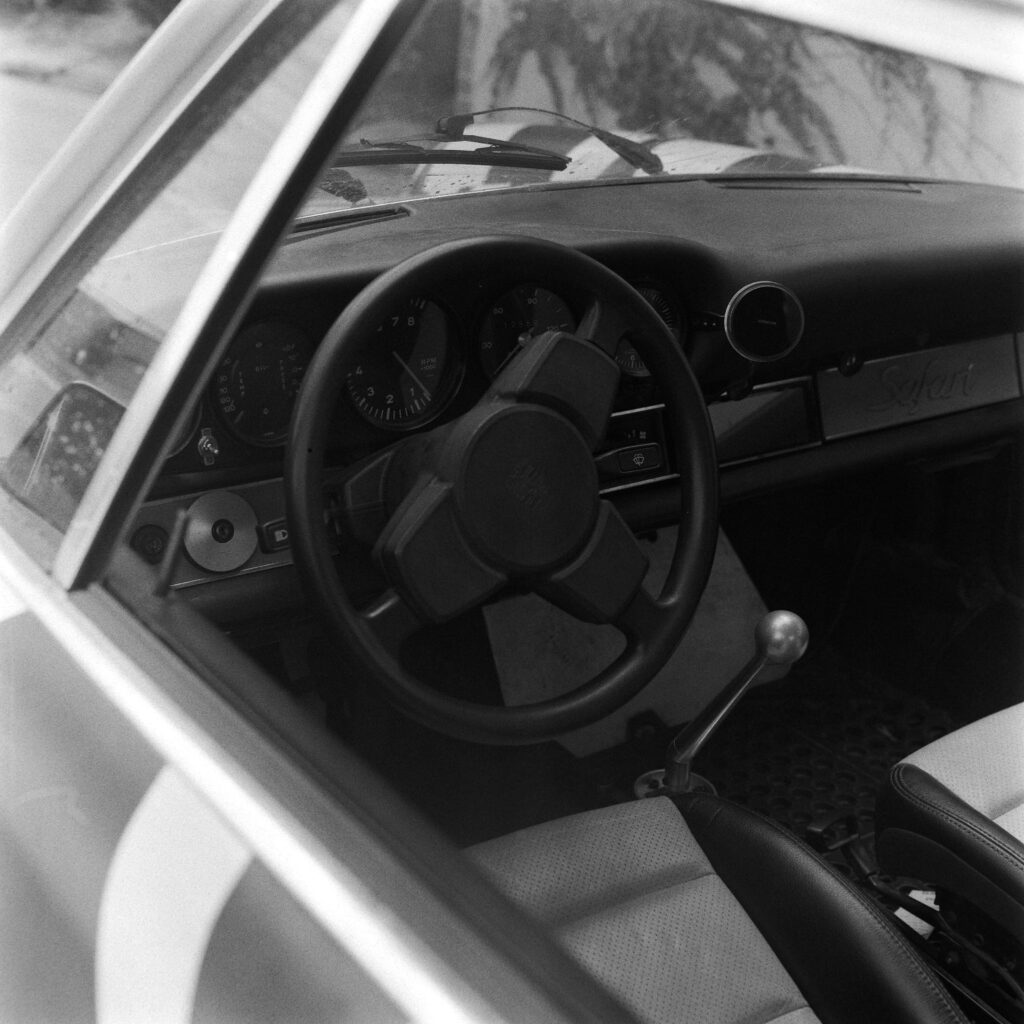
The vehicle itself has a documented history of extreme use since its "Safari" rebirth. It has successfully navigated the dirt trails of the Appalachian Mountains and completed a high-altitude ascent of Pikes Peak in Colorado. This operational history stands in stark contrast to the broader market trend of "investment-grade" Porsches that rarely leave climate-controlled storage.
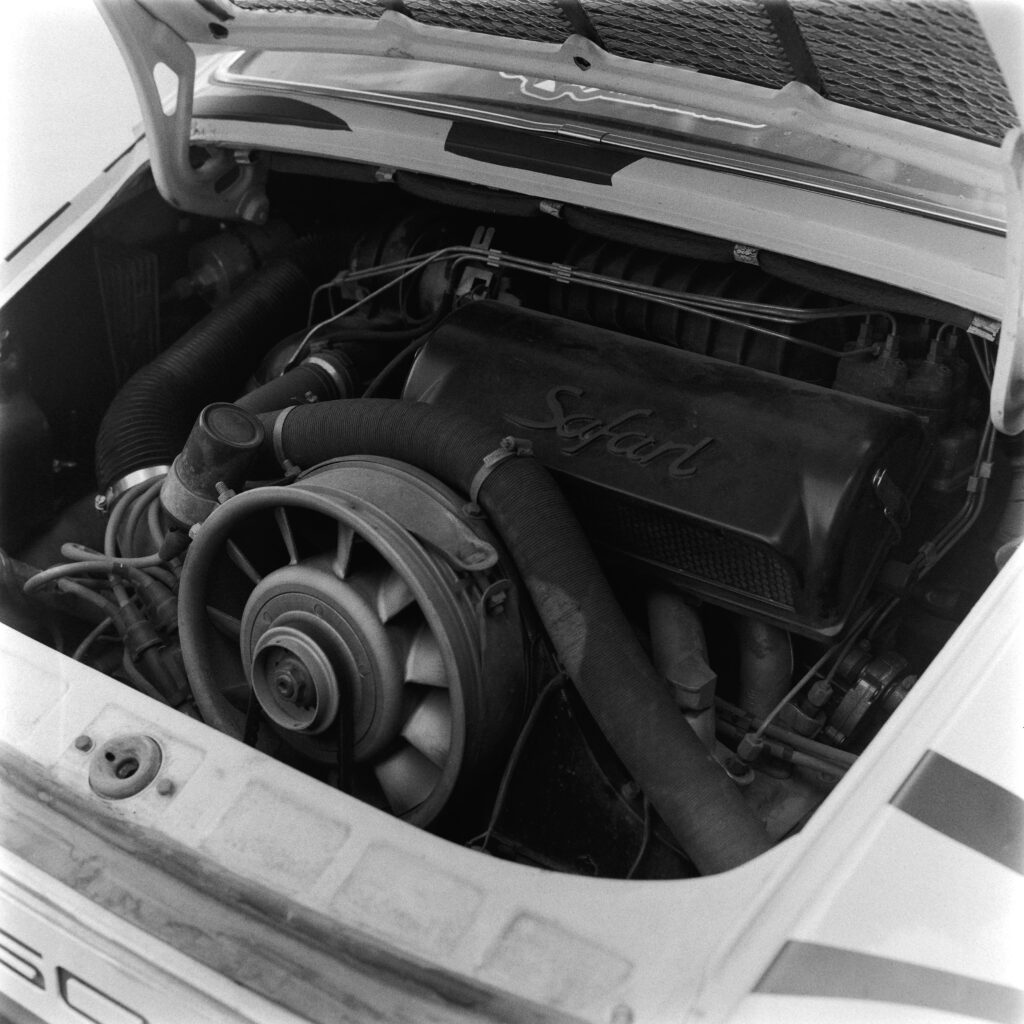
Market Context: The Rise of the "Safari" Aesthetic
The emergence of builds like Austin’s 1974 911 Safari reflects a broader shift in the automotive industry. In recent years, the "Safari-style" modification has moved from a niche subculture to a mainstream phenomenon, culminating in Porsche’s own factory-production "911 Dakar" and Lamborghini’s "Huracán Sterrato."
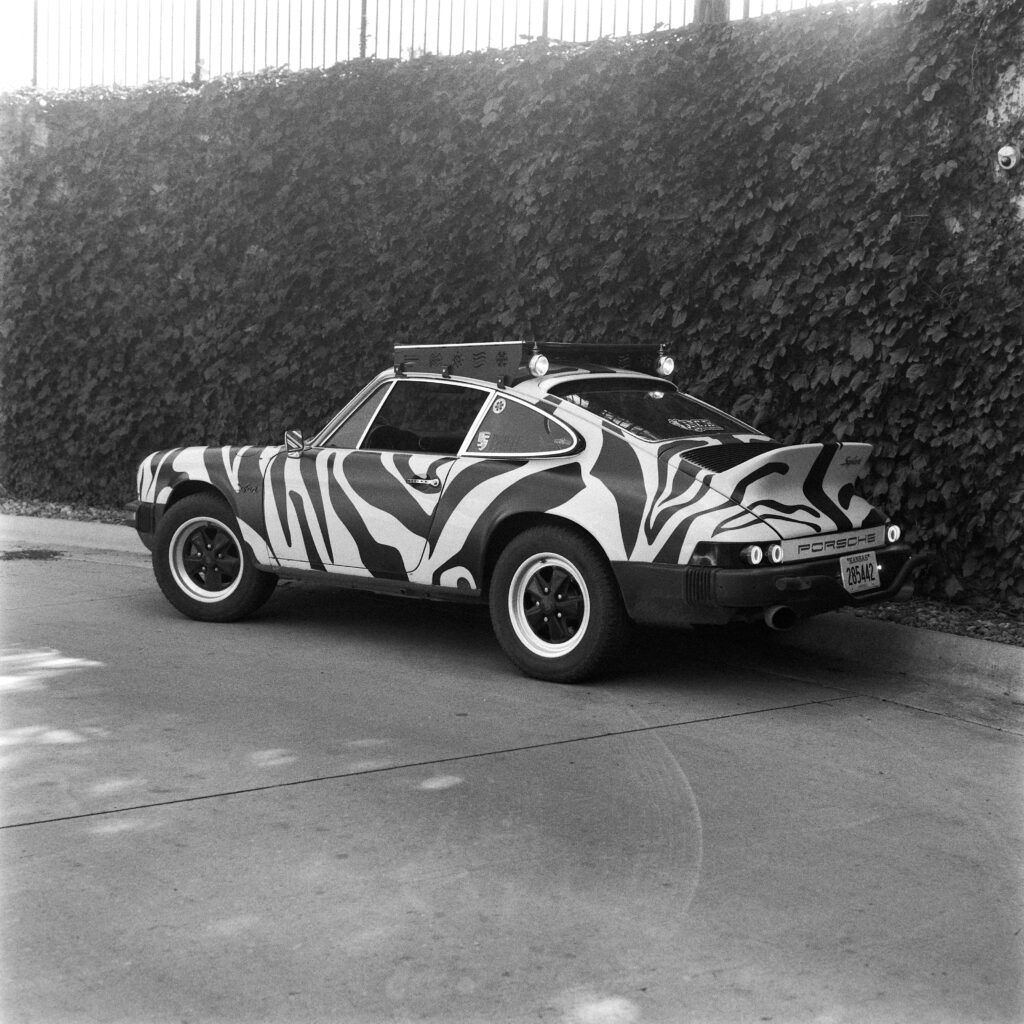
Industry analysts suggest this trend is driven by a desire for "go-anywhere" versatility in a market saturated with fragile supercars. The Safari 911 represents a "restomod" philosophy where historical aesthetics are preserved, but mechanical reliability and utility are modernized. This movement has also revitalized interest in analog documentation, as the tactile nature of film photography is seen as the most authentic way to capture the tactile nature of a mechanical, air-cooled vehicle.
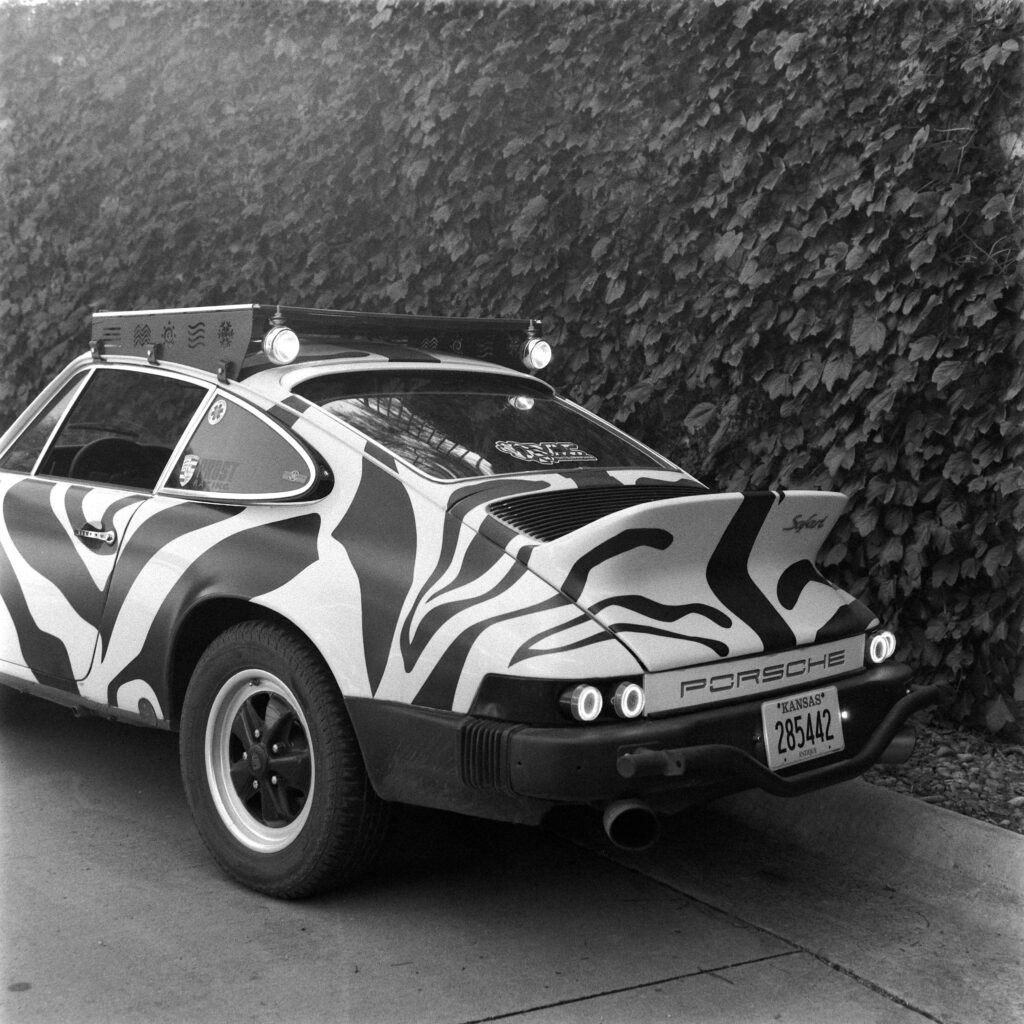
Broader Implications and Technical Conclusion
The documentation of the 1974 Porsche 911 Safari via the Rolleiflex 6003 system underscores a fundamental principle in both engineering and art: the most sophisticated tools are those that facilitate action rather than observation. The owner’s decision to Rhino-line the floors and weld in a stiffening kit mirrors the photographer’s decision to use a 40-year-old medium format camera in the field; both prioritize the experience of the "work" over the preservation of the "object."
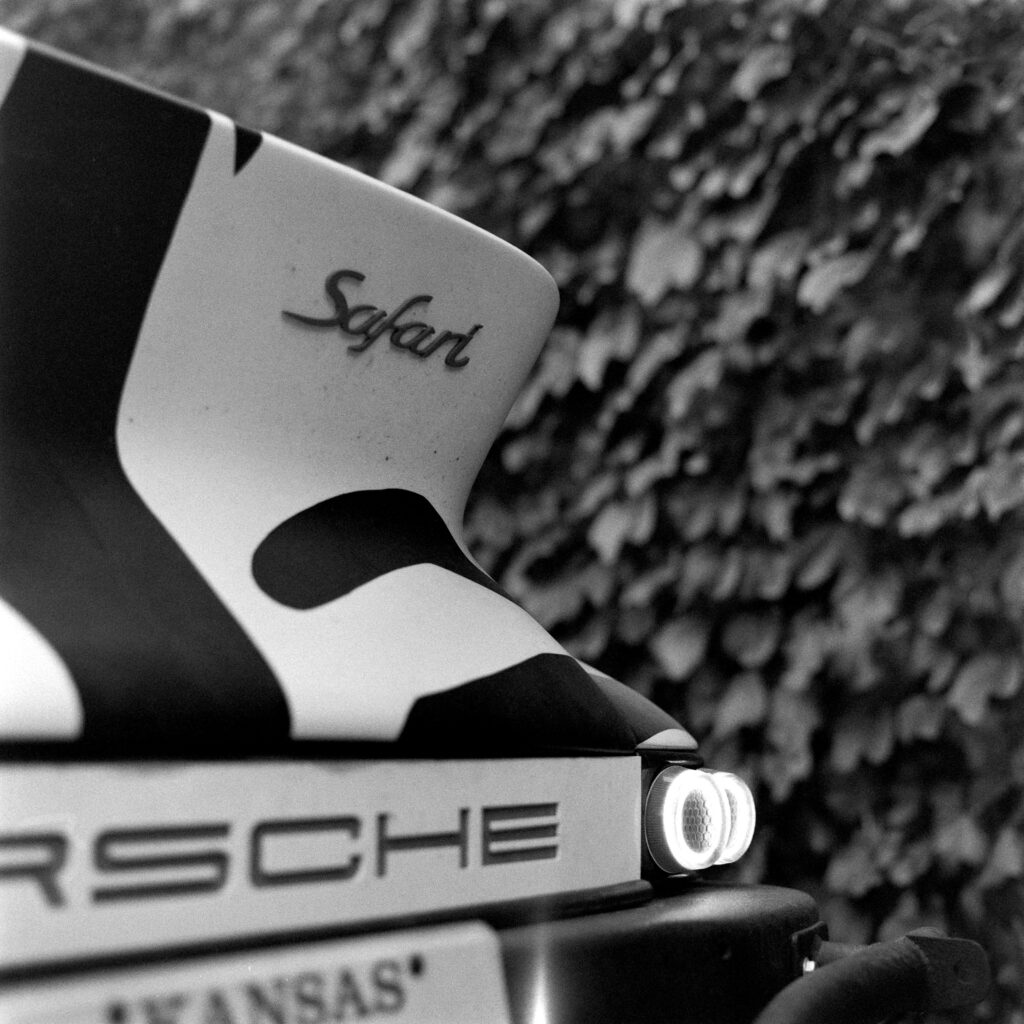
From a technical standpoint, the session demonstrates that vintage analog formats remain highly competitive for professional documentation when paired with modern chemistry and precision optics. The resulting large-format darkroom prints will provide a level of resolution and tonal depth that serves as a permanent record of a vehicle that is, by design, intended to be driven to its limits.
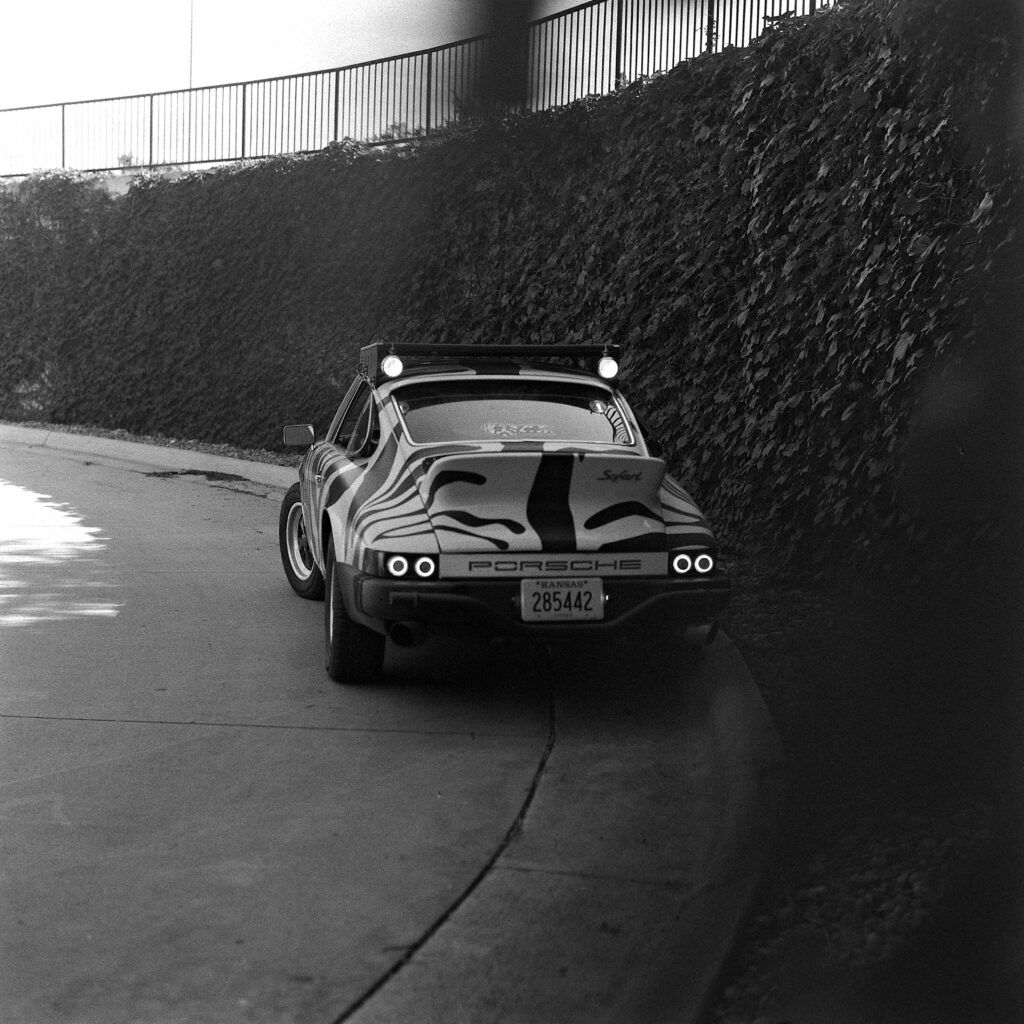
As the automotive world continues to grapple with the transition to electrification and digital interfaces, the enduring appeal of air-cooled engines and silver-halide film suggests a lasting value in mechanical transparency. Austin’s Safari 911 is not a relic of the past, but a re-engineered tool for the present, captured by a camera system that remains as relevant today as it was at its inception.