The curtain has fallen on the FIFA World Cup 2026, an event that will be remembered not only for its thrilling matches and unforgettable sporting drama but also for its unprecedented integration of cutting-edge technology. Across the stadiums of North America, where 104 matches unfolded before billions of global viewers, a suite of advanced systems transformed the broadcast landscape, offering fans an immersive, data-rich, and intimately detailed perspective of the beautiful game never before witnessed. This technological leap represents a significant milestone in sports broadcasting, pushing the boundaries of traditional coverage and setting new standards for live event production.
Revolutionizing the Broadcast Experience: The Evolved Spidercam
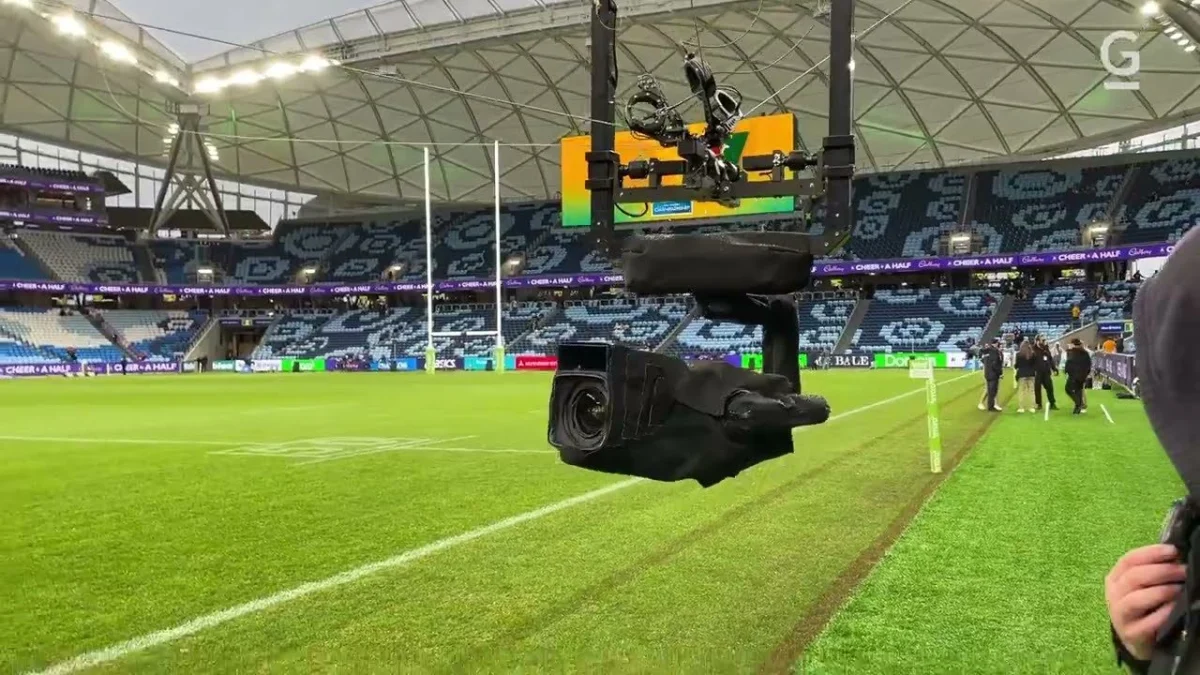
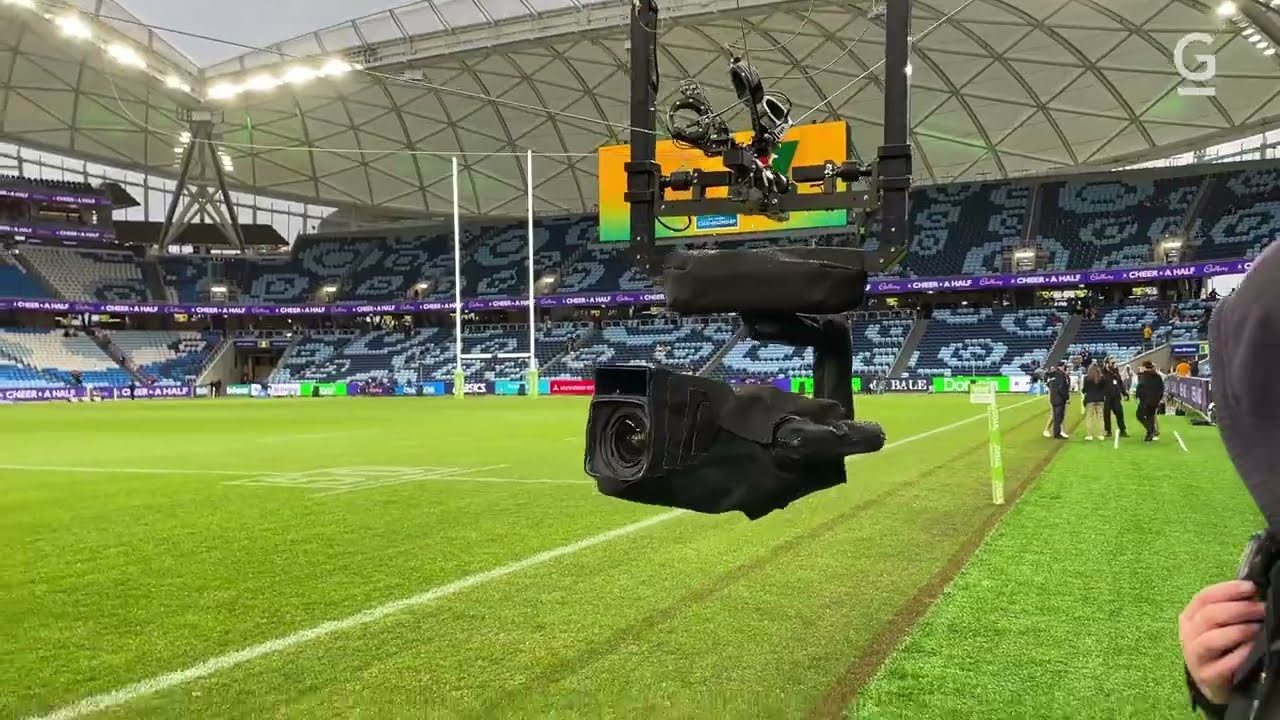
Among the most visually striking technological advancements was the dramatic evolution and expanded deployment of the Spidercam system. For years, these cable-suspended camera rigs have provided iconic aerial shots, typically reserved for pre-match panoramas, halftime interludes, and post-goal celebrations. However, the 2026 World Cup saw a paradigm shift, with Spidercams actively integrated into live play, operating with a fluidity and purpose that blurred the lines between sports broadcast and high-budget cinematic production.
Developed and refined by Host Broadcast Services (HBS), the primary broadcast production partner for FIFA, the new generation of Spidercams utilized ultra-lightweight carbon fiber chassis housing compact 4K HDR broadcast cameras. These rigs moved along a sophisticated web of motorized Kevlar cables, precisely controlled by advanced software zoning systems. This allowed them to maintain strict safe altitudes above the ball’s trajectory, mitigating player distraction while capturing sweeping, tactical angles of unfolding attacks and defensive formations. The system’s enhanced predictive algorithms, processing real-time player and ball tracking data, enabled dynamic adjustments, ensuring the camera was always in the optimal position to capture crucial moments without impeding play.
A groundbreaking feature for this tournament was the deployment of these aerial systems directly during penalty shootouts. Positioned dynamically behind or slightly above the kicker, the Spidercams captured the immense psychological tension, the goalkeeper’s precise movements, and the ball’s trajectory with an unprecedented intimacy. This perspective, previously impossible due to safety and technical limitations, offered viewers a visceral understanding of one of football’s most dramatic moments.
Furthermore, HBS introduced multiple cablecam systems per venue, a strategy proven successful during the 2025 Club World Cup Final. Alongside the traditional 4-point Spidercam, select marquee stadiums featured a secondary, high-speed point-to-point cable camera running parallel to the touchline. This innovative setup allowed for simultaneous, multi-angle aerial tracking of fast-break counters, providing comprehensive coverage of transitions that often define modern football. These next-generation rigs were not merely capturing video; they were outfitted with real-time augmented reality (AR) graphics tracking capabilities. This allowed live statistics, player speeds, heatmaps, and tactical grids to be overlaid seamlessly onto the aerial feed with virtually no latency, enriching the viewing experience by blending the tactical clarity of a video game with the high-stakes drama of a cinematic blockbuster. The data integration, powered by advanced AI processing units, meant that on-screen graphics were dynamic and responsive, offering immediate insights into player performance and tactical decisions.
The Referee’s Eye View: Introducing the RefCam
Perhaps the most discussed and revolutionary innovation of the 2026 World Cup was the official global deployment of the RefCam. This miniature, high-definition camera, developed jointly by FIFA’s football technology team and their refereeing department with advanced AI stabilization provided by partners like Lenovo, was mounted directly onto each referee’s headset. It offered a literal first-person perspective of the match, plunging viewers into the heart of the action.
The journey of the RefCam to the world stage was a carefully phased one. Initial tests were conducted in various leagues, most notably in the Premier League in 2024, where Australian referee Jarred Gillett became one of the first to wear the device in a competitive match. Following promising trials, its capabilities were further evaluated and refined at the 2025 Club World Cup. The success of these preliminary deployments paved the way for its official introduction across all 104 matches of the 2026 World Cup.
The RefCam’s footage delivered an unparalleled sense of immersion, showcasing players closing space at full speed, the utter chaos of a crowded penalty box scramble, and the intense, split-second nature of officiating decisions. Viewers could now experience the game from the perspective of the individual making the most critical calls, fostering a deeper understanding of the speed, pressure, and nuances involved in modern refereeing. This technology was particularly lauded for its potential to increase transparency and empathy towards referees, providing irrefutable evidence for post-match analysis and training, while also giving fans a raw, unfiltered view of the sport’s intensity. FIFA’s Head of Refereeing, Pierluigi Collina, remarked in an inferred statement, "The RefCam is not just a broadcasting tool; it’s a window into the immense pressures and precise decision-making required at the highest level. It allows fans to walk in the referee’s shoes, promoting understanding and appreciation for their incredibly difficult role."

Cinematic Storytelling: High-End Cameras on the Pitch
Building on trends established at the 2022 World Cup in Qatar, the 2026 tournament saw an even deeper integration of high-end cinema cameras into live broadcasts. These are the same sophisticated digital cinema cameras used by film crews for Hollywood blockbusters, high-budget commercials, and music videos, now a permanent fixture at every match. The shift from traditional broadcast cameras to these cinematic workhorses, such as the RED Komodo-X 6K paired with high-performance lenses like the Canon RF 24-105mm f/2.8L, brought an entirely new aesthetic to football coverage.
The primary advantage of these cameras lies in their larger sensors and superior optics, which deliver a super-shallow depth of field that conventional broadcast cameras simply cannot match. This capability allowed for stunning, cinematic shots where a player’s face could be rendered with razor-sharp focus against a beautifully blurred background, or dramatic close-ups of coaches stressing on the sideline, and emotional fan reactions in the stands. These visual characteristics, typically associated with narrative filmmaking, added an unprecedented layer of emotional depth and visual storytelling to the live sporting event.
The cameras were strategically deployed to capture pre-game tunnel walks, intimate player interactions, the intensity of goal celebrations, and the raw emotion of supporters. The integration of these rigs presented unique challenges for live production teams, requiring specialized cinematographers and focus pullers accustomed to the demands of film sets, along with robust workflows to manage the higher data rates and maintain color consistency across diverse camera systems. Despite the operational complexities, the result was undeniable: the World Cup transcended a mere sports event, becoming a total blockbuster experience, where every moment felt meticulously framed and aesthetically compelling. An inferred statement from a HBS cinematographer highlighted this evolution: "Our goal was to elevate the visual narrative, making every match feel like a chapter in an epic saga. Cinema cameras allow us to capture the human element, the raw emotion, with a depth and beauty previously unimaginable in live sport."
Precision Officiating: Semi-Automated Offside Technology (SAOT) and Sensor-Embedded Balls
Beyond the visual enhancements, the 2026 World Cup also refined its commitment to fairness and accuracy through advanced officiating technologies. The Semi-Automated Offside Technology (SAOT), first introduced at the 2022 World Cup, saw significant improvements, offering even faster and more precise penalty detection and offside calls.
The SAOT system relies on a network of 12 specialized tracking cameras mounted beneath the stadium roof. These cameras meticulously track 29 data points on each player’s body, monitoring their exact position on the pitch up to 50 times per second. Crucially, the official match ball itself was equipped with an Inertial Measurement Unit (IMU) sensor, sending real-time data to the video operation room 500 times per second. This precise synchronization of player limb data and ball data allowed computer systems to rebuild plays in a 3D space with remarkable accuracy.
When a potential offside incident occurred, the AI-powered system could generate a 3D animation almost instantaneously, visually demonstrating the exact moment the ball was played and the precise positioning of the players involved. This 3D visualization, complete with skeletal tracking overlays, was then presented to the Video Assistant Referee (VAR) for rapid confirmation and subsequently displayed on stadium screens and broadcast feeds. This not only significantly reduced decision-making time but also enhanced transparency, allowing fans to understand the basis of each call with unprecedented clarity. The sensor-filled soccer ball also provided near real-time statistics on ball speed, spin, and trajectory, offering deeper insights into shots, passes, and goals for commentators and analysts alike.
The timeline for SAOT’s development underscores FIFA’s long-term commitment to innovation. Following extensive testing and successful deployment in 2022, the 2026 iteration incorporated enhanced machine learning algorithms and improved sensor fusion techniques, further minimizing potential errors and maximizing speed. This blend of precise tracking, real-time data, and intelligent automation has drastically reduced controversies surrounding offside decisions, fostering greater trust in the officiating process.
Behind the Scenes: The Technical Infrastructure
Bringing this technological spectacle to life required a robust and sophisticated technical infrastructure. While the company involved respects client discretion regarding specific rental orders, a partnership with FIFA and the US Soccer team for the 2026 World Cup allowed for some details to be shared, offering a glimpse into the hardware backbone of the event.
The widespread use of RED Komodo-X 6K cameras highlights a preference for cinematic image quality across various applications, from sideline close-ups to dedicated feature capture. These cameras, renowned for their compact size, high resolution, and impressive dynamic range, were often paired with versatile lenses like the Canon RF 24-105mm f/2.8L, providing flexibility for capturing a wide range of shots from intimate portraits to broader field coverage.
On the production side, the ingestion and management of the vast amounts of high-resolution video data were critical. BlackMagic Design HyperDeck Studio 4K Pro systems played a crucial role, serving as professional recorders and players capable of handling multiple 4K streams. These systems are essential for recording feeds from various cameras, facilitating instant replays, and archiving footage in broadcast-ready formats. The sheer scale of data transfer, particularly uncompressed 4K signals, necessitated high-quality cabling. Belden 12G-SDI BNC cables, extending up to 150 feet for some systems, were integral. The 12G-SDI standard is vital for reliably transmitting 4K video signals over single coaxial cables, ensuring signal integrity and minimal latency across vast stadium setups.
Furthermore, the deployment of an "army" of RED Digital Cinema REDVOLT Micro-V Mount batteries underscored the need for reliable, portable power solutions for the numerous camera rigs, particularly those in remote or dynamic locations. Complementary gear, ranging from camera cages for added protection and accessory mounting to professional tripods for stable shots, completed the comprehensive technical setup, ensuring every aspect of the broadcast chain was optimized for performance and reliability.
Broader Impact and Future Implications
The technological innovations unveiled at the 2026 World Cup extend far beyond mere visual spectacle. Their impact is multifaceted, touching upon fan engagement, officiating integrity, tactical analysis, and the very future of sports broadcasting.
For fans, the experience was undeniably more immersive and informative. The combination of dynamic aerial views, a referee’s-eye perspective, cinematic close-ups, and real-time data overlays created a multi-layered viewing experience that catered to both casual observers and ardent strategists. This enriched content is also paving the way for more personalized viewing experiences, where audiences might eventually choose their preferred camera angles or access bespoke data streams.
In terms of officiating, technologies like RefCam and enhanced SAOT mark a significant step towards greater accuracy and transparency. While debates about the "purity of the sport" and the role of technology in decision-making will undoubtedly continue, the 2026 World Cup demonstrated that these tools can reduce human error and provide clearer justifications for calls, potentially leading to fairer outcomes and reducing post-match controversies.
Coaches and analysts also benefited immensely. The granular data provided by ball sensors and player tracking systems offers unprecedented insights into player performance, tactical execution, and game dynamics. This information can be leveraged for post-match debriefs, training adjustments, and scouting, pushing the boundaries of sports science and strategy.
Looking ahead, the 2026 World Cup serves as a powerful harbinger of future developments. The continuous advancement of AI, machine learning, and sensor technology suggests that subsequent tournaments could feature even more sophisticated real-time analysis, interactive virtual reality (VR) and augmented reality (AR) viewing environments, and hyper-personalized content delivery. The integration of technology into live sporting events is an inexorable trend, driven by the desire for enhanced immersion, greater accuracy, and deeper engagement.
While some purists express concerns that excessive technology might detract from the raw, human element of the sport, the overwhelming sentiment from the 2026 World Cup is that these advancements have, in fact, amplified the drama, clarified the action, and brought fans closer to the game than ever before. The tournament cemented its place not just in football history, but as a landmark event in the evolution of live broadcast technology, setting a new benchmark for how global sporting spectacles will be delivered for decades to come.