The vast, undulating landscape of Lençóis Maranhenses National Park in northeastern Brazil recently became the unexpected focal point of an artistic exploration, transcending its role as a mere waypoint for photographer Paul Nicklen. What was intended as a brief stop en route to Patagonia transformed into a profound immersion in one of the planet’s most unique ecosystems, a sprawling 600-square-mile expanse characterized by an intricate network of waterways, crystal-clear lagoons, and seemingly endless, sun-drenched sand dunes. Nicklen’s encounter with this mesmerizing environment underscores a broader human fascination with capturing the essence of the natural world, a pursuit that spans millennia and continues to challenge even the most advanced technological tools.
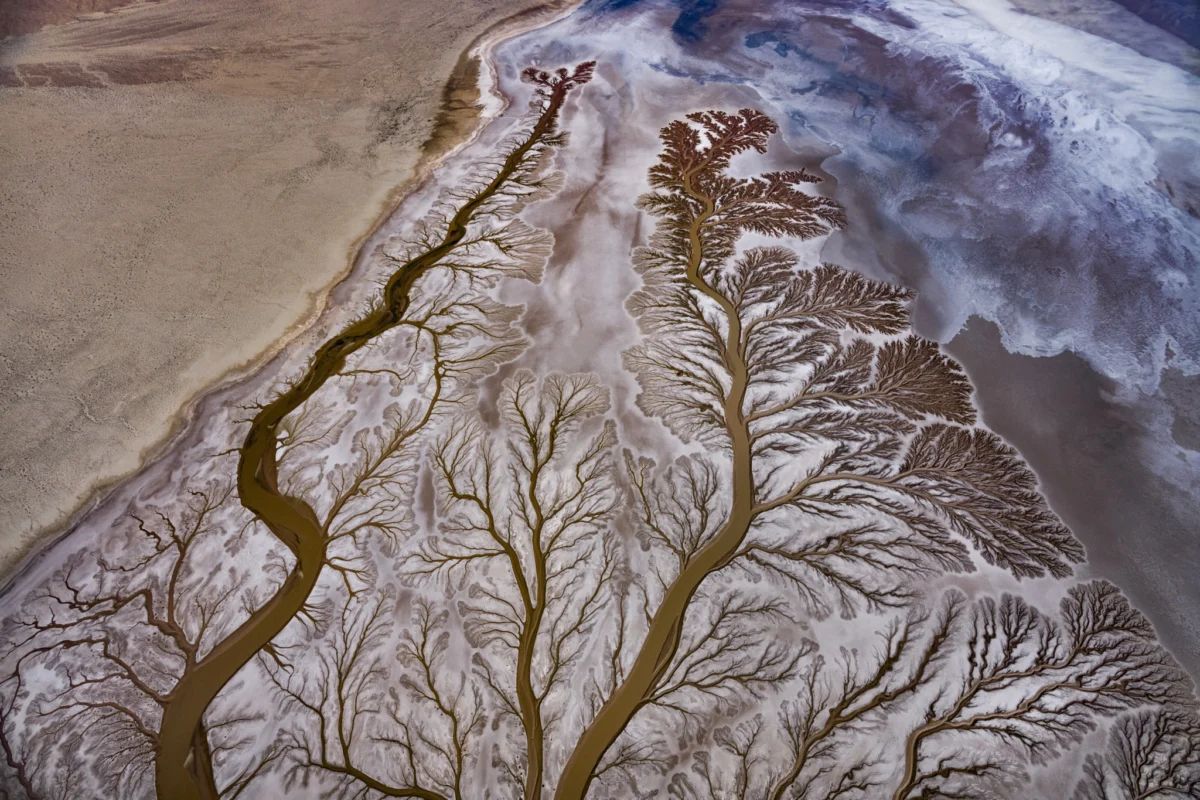
The park, recently recognized as a UNESCO World Heritage Site, presents a striking visual dichotomy. Its defining feature is the seasonal formation of rain-filled lagoons that punctuate vast stretches of pristine white sand dunes. Along its eastern flank, over 40 miles of coastline are interspersed with traditional fishing villages, meeting the formidable expanse of the Atlantic Ocean. This dynamic border serves as a gateway to the park’s interior, where tannin-colored rivers, stained by decaying vegetation, meander through the dunes, creating a striking contrast with the surrounding sands and the scattered, jewel-like pools of turquoise and jade water. To the west, the landscape gradually transitions, giving way to the characteristic Brazilian savanna known as cerrado, followed by forested areas before ultimately yielding to agricultural lands.
Initially, Nicklen’s photographic practice typically centers on intimate portraits of wildlife and their immediate surroundings, seeking to connect the viewer with the animal and its habitat. However, the sheer scale and overwhelming beauty of Lençóis Maranhenses prompted a departure from his usual approach. "Every so often I come across a landscape so vast and moving that it is nearly impossible to pass up the chance to explore it with my camera," Nicklen stated, reflecting on the genesis of this particular project. This encounter exemplifies how natural wonders can compel artists to adapt their perspectives and embrace new methods of representation.
The Aerial Perspective: Drones and the Redefinition of Landscape Photography
The overwhelming grandeur of Lençóis Maranhenses inspired Nicklen to seek a vantage point that could encompass its full scope. "Overwhelmed by the sheer scale of the park’s beauty, I decided the only way to fully appreciate its grandeur was from a bird’s eye view," he explained. Historically, aerial photography involved the use of small aircraft like Ultralights or Cessnas, often with doors removed to facilitate unobstructed shooting. This presented significant logistical and practical challenges.
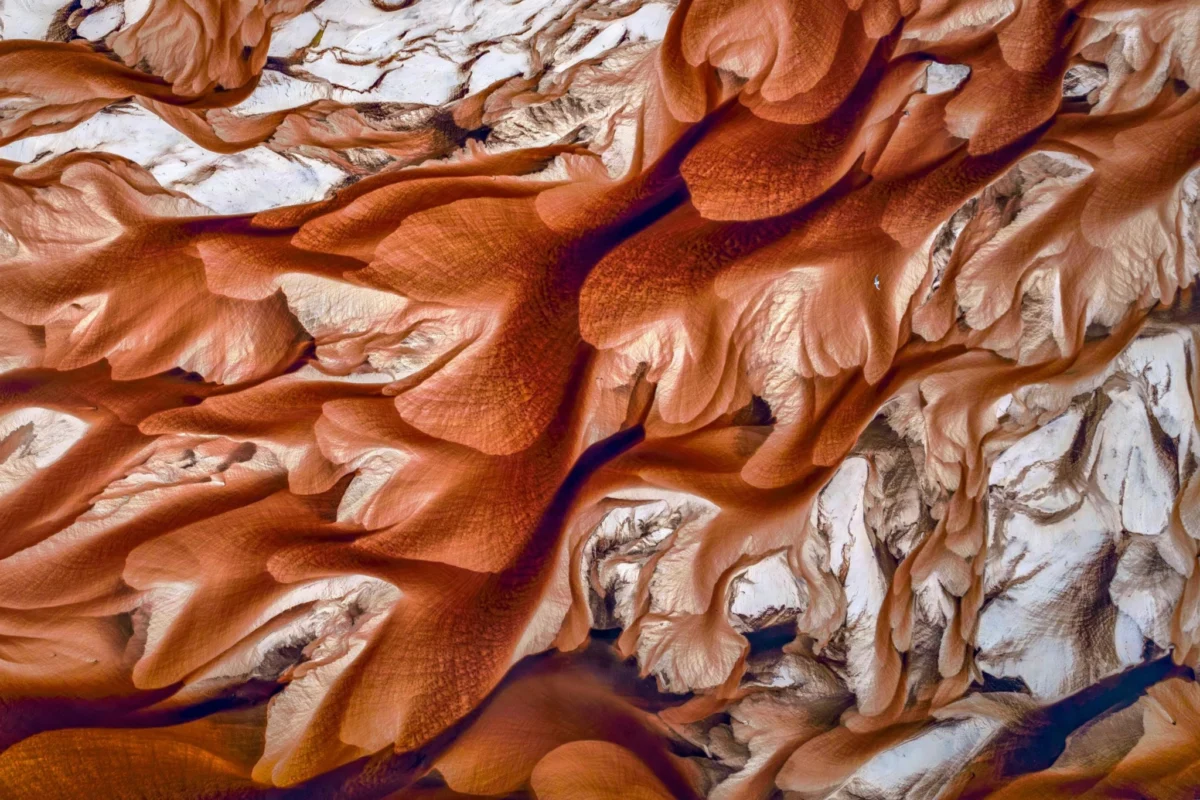
However, the advent of drone technology, or Unmanned Aerial Vehicles (UAVs), has revolutionized the possibilities for capturing expansive and intricate landscapes. Nicklen leveraged these advancements to achieve a unique perspective, flying his drone at altitudes that allowed for both intimate detail and sweeping panoramas. "Keeping the drone low enough to pick up on the faintest details while still filling the frame with the full expanse of the mural below, I allowed my lens to roam freely over the terrain," he described. This approach enabled him to document the dynamic interplay of wind and sand, the ephemeral nature of the lagoons, and the intricate patterns etched into the earth.
The ever-shifting sands, sculpted by the prevailing winds, presented a constantly changing canvas. Delicate dune formations would morph, and the glassy surfaces of the water bodies would ripple, reflecting the intense Brazilian sun. The landscape was further accentuated by the rich hues of the tannin-stained rivers, their deep reds, browns, and rust tones a testament to the decomposition of organic matter. The Black River, a significant waterway in the region, was observed "weaving like a giant snake through the coastal lowlands," its dark waters contrasting sharply with the pale dunes as it eventually merged with the Parnaíba River. Nicklen conveyed the almost overwhelming visual experience, noting, "Each change in angle or altitude revealed another natural masterpiece latticing the crust of the Earth from horizon to horizon, leaving me dizzy from the effort of trying to frame it."
A Timeless Human Impulse: Art as an Attempt to Replicate Nature
The drive to capture and interpret the natural world is not a modern phenomenon. For millennia, humans have sought to replicate what they observe in nature through various artistic mediums. Archaeological evidence, such as the ancient animal paintings found in France’s Chauvet Cave, dating back approximately 30,000 years to the Aurignacian period, highlights this deep-seated impulse. Throughout history, artists across diverse cultures and epochs, from the Upper Paleolithic to the Renaissance, have dedicated their lives to the meticulous study of nature’s forms and processes, striving to translate its complexity onto their chosen canvases.

Nicklen’s work, while employing cutting-edge digital technology, reflects this enduring human endeavor. He articulates a sense of humility in the face of nature’s inherent artistry, stating, "Even with the advanced technology of my digital camera, I still feel that I can never quite do her beauty justice. How can an image capture the full depth of something as vast as our planet and as minuscule as the structure of a cell’s nucleus?" This sentiment echoes the philosophical questions that have long accompanied artistic creation, particularly in the realm of nature representation. The challenge lies not only in replicating visual accuracy but also in conveying the profound essence, the subtle nuances, and the sheer scale of the natural world.
The Ecological Significance and Future of Lençóis Maranhenses
Lençóis Maranhenses National Park plays a crucial role in the regional ecosystem and holds significant ecological and economic importance. The park’s unique hydrological system, where seasonal rains create thousands of temporary freshwater lagoons amidst the vast dune fields, is a remarkable natural phenomenon. These lagoons are vital habitats for a variety of aquatic life that thrives during the wet season, often surviving the drier months in a dormant state.
Supporting Data:
- Area: Approximately 1,500 square kilometers (600 square miles).
- Precipitation: The region receives an average of 1,200 to 1,600 millimeters (47 to 63 inches) of rainfall annually, primarily between January and June. This rainfall is crucial for the formation of the lagoons.
- Dune Formation: The dunes are composed of fine white sand, primarily quartz, which has been shaped by wind erosion over thousands of years.
- Biodiversity: Despite the arid appearance of the dunes, the park supports a diverse range of flora and fauna, including various fish species that inhabit the lagoons, migratory birds, and reptiles.
- UNESCO World Heritage Status: Designated in 2023, this recognition highlights the park’s "outstanding universal value" and underscores the need for its conservation.
The park’s status as a World Heritage Site brings increased international attention to its preservation. This designation often leads to enhanced conservation efforts, increased funding for research, and stricter regulations to protect its fragile environment from potential threats such as unsustainable tourism, invasive species, and the impacts of climate change.
Background Context and Chronology:
- Formation of Dunes: The geological processes that formed the Lençóis Maranhenses dunes began millions of years ago, influenced by coastal erosion and wind patterns.
- Human Habitation: Indigenous communities have inhabited the region for centuries, developing sustainable practices for living within this unique environment.
- Establishment of National Park: Lençóis Maranhenses was established as a National Park in 1981 to protect its natural beauty and ecological integrity.
- UNESCO Designation: The formal recognition as a World Heritage Site in 2023 marked a significant milestone, acknowledging its global importance.
Implications and Broader Impact
The artistic documentation of places like Lençóis Maranhenses National Park serves multiple critical functions. Beyond aesthetic appreciation, it acts as a powerful tool for environmental advocacy and education. By showcasing the breathtaking beauty and unique ecological characteristics of such landscapes, photographers like Nicklen can foster a deeper connection with the public, highlighting the intrinsic value of these natural wonders and the urgent need for their protection.
The increasing accessibility of remote and pristine environments, facilitated by technological advancements and improved infrastructure, presents both opportunities and challenges. While it allows for greater appreciation and understanding, it also necessitates careful management to mitigate the impacts of human visitation. The designation as a World Heritage Site offers a framework for balancing tourism with conservation, ensuring that the park’s ecological integrity is maintained for future generations.
The enduring human desire to capture nature’s artistry, as exemplified by Nicklen’s journey and the historical legacy of artists before him, speaks to a fundamental relationship between humanity and the natural world. This relationship is increasingly vital in an era where environmental challenges demand a renewed sense of stewardship and a profound appreciation for the planet’s diverse and irreplaceable ecosystems. Nicklen’s concluding thought encapsulates this sentiment: "Nature’s artistry permeates all life on Earth in a way we can never truly translate into a print – but it has been the greatest privilege of my life to try." This ongoing effort to translate the untranslatable underscores the profound impact of nature on human creativity and the critical importance of preserving these natural masterpieces.