The captivating journey of Rowan Dear, a renowned underwater photographer, illustrates a profound evolution from childhood fascination with nature on a Welsh farm to a celebrated professional capturing the mysteries of the deep. This narrative, part of an exclusive interview series, delves into the pivotal moments, challenges, and triumphs that have shaped his distinctive photographic practice. His story highlights the transformative power of dedication, the courage to confront personal fears, and the relentless pursuit of artistic and ecological understanding.
Early Inspirations and the Genesis of a Passion
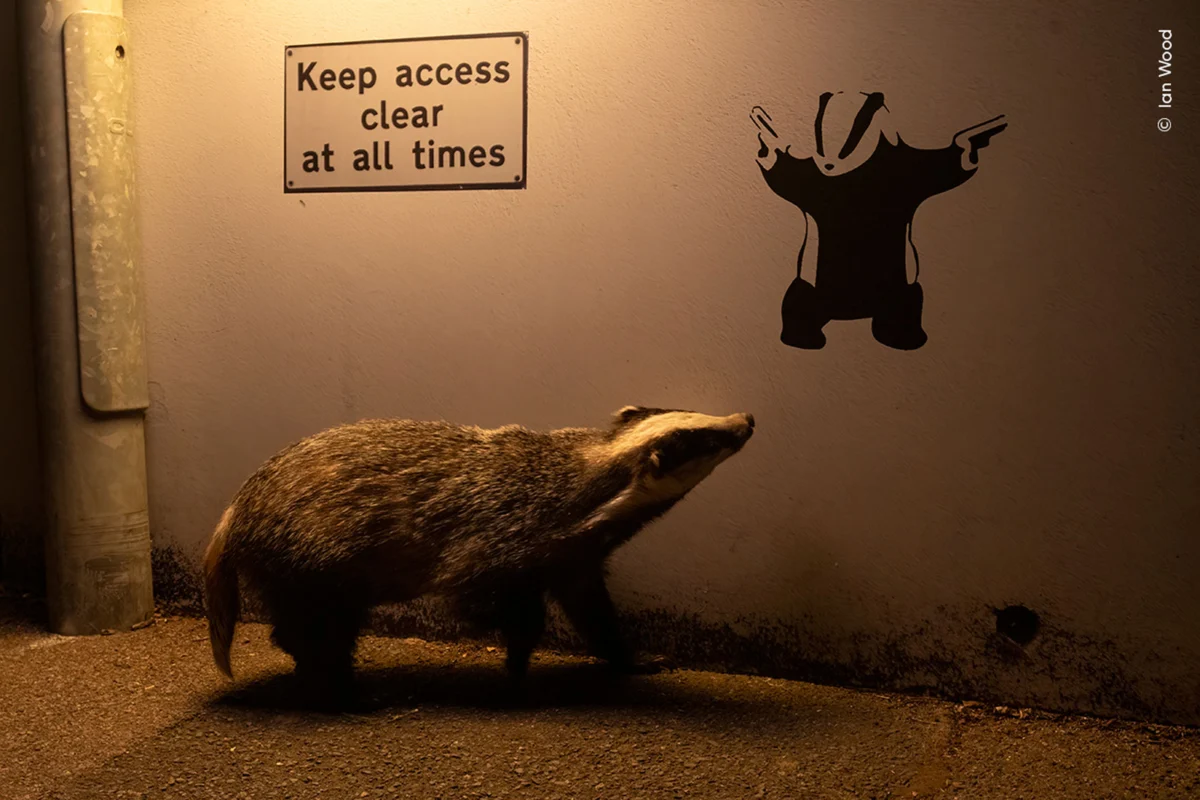
Rowan Dear’s initial connection with the natural world was forged in the idyllic landscapes of rural Wales. Growing up on a farm, his days were spent immersed in the British countryside, observing local wildlife such as badgers, foxes, hedgehogs, and diverse bird species. This early exposure cultivated a deep appreciation for biodiversity, a sentiment further amplified by the iconic BBC nature documentaries presented by David Attenborough. These cinematic explorations of the planet’s ecosystems, particularly the enchanting underwater realm, ignited a fervent desire in young Rowan to witness these wonders firsthand.

His first forays into photography were humble, utilizing a disposable camera to document domestic animals like his dogs and cats. Attempts to photograph wild creatures, however, met with limited success, often due to the limitations of his equipment and nascent skills. At that juncture, the ambition of becoming a wildlife photographer seemed distant, an exclusive pursuit for those with significant financial resources and privileged access. This perception underscored a common barrier for aspiring artists in specialized fields, where entry costs for high-quality equipment and travel can be prohibitive. Despite these early challenges, the seed of passion had been sown, waiting for the right conditions to flourish.
Confronting Fears and Diving into the Depths
A significant turning point in Dear’s life occurred in 2017 when he consciously decided to confront a long-standing fear of water. This courageous step led him to embark on dive courses in Sydney, Australia. Sydney, with its vibrant marine life and numerous dive sites, provided an ideal backdrop for this personal challenge. This decision was not merely about learning a new skill but about unlocking a previously inaccessible world—the underwater domain that had captivated him since childhood.
The transition from a land-based enthusiast to an underwater explorer paved the way for his true calling. By 2020, Dear fully embraced underwater photography, a move that quickly garnered recognition. His exceptional talent and unique perspective led to multiple competition wins, signaling the beginning of an exciting and distinguished career as an underwater photographer. This rapid ascent from novice diver to award-winning photographer in just three years is a testament to his innate ability, rapid learning, and unwavering commitment.

The Evolution of a Vision: From Early Attempts to Masterpieces
Recalling his early attempts with a dedicated underwater camera, Dear shared an image of a giant cuttlefish captured at a dive site near Sydney. This creature, long a subject of fascination for him, was one he eagerly sought to photograph with his new, sophisticated equipment. The resulting image, in his own retrospective assessment, was "flat, uninteresting, and not very colourful." While he initially found satisfaction in it and shared it on social media, he soon recognized its limitations when compared to the work of professional and semi-professional photographers. This critical self-assessment is a hallmark of an artist’s growth, where initial contentment gives way to a more discerning eye and a relentless drive for improvement.
In stark contrast to this early attempt, Dear now presents images that are rich with life, color, and narrative. One of his current favorites depicts two male giant cuttlefish engaged in a dominance battle for mating rights. This photograph, teeming with vibrant hues and dynamic action, perfectly encapsulates the cuttlefish’s character and behavior, offering viewers an immersive experience. The ability to convey such emotion and intricate behavior through a still image is a testament to his evolved technique and deep understanding of his subjects. Giant cuttlefish (Sepia apama), known for their remarkable camouflage, rapid color changes, and complex mating rituals, are a challenging yet rewarding subject for underwater photographers. Their annual aggregation off Whyalla, South Australia, is one of the world’s most spectacular marine events, attracting divers and researchers globally.
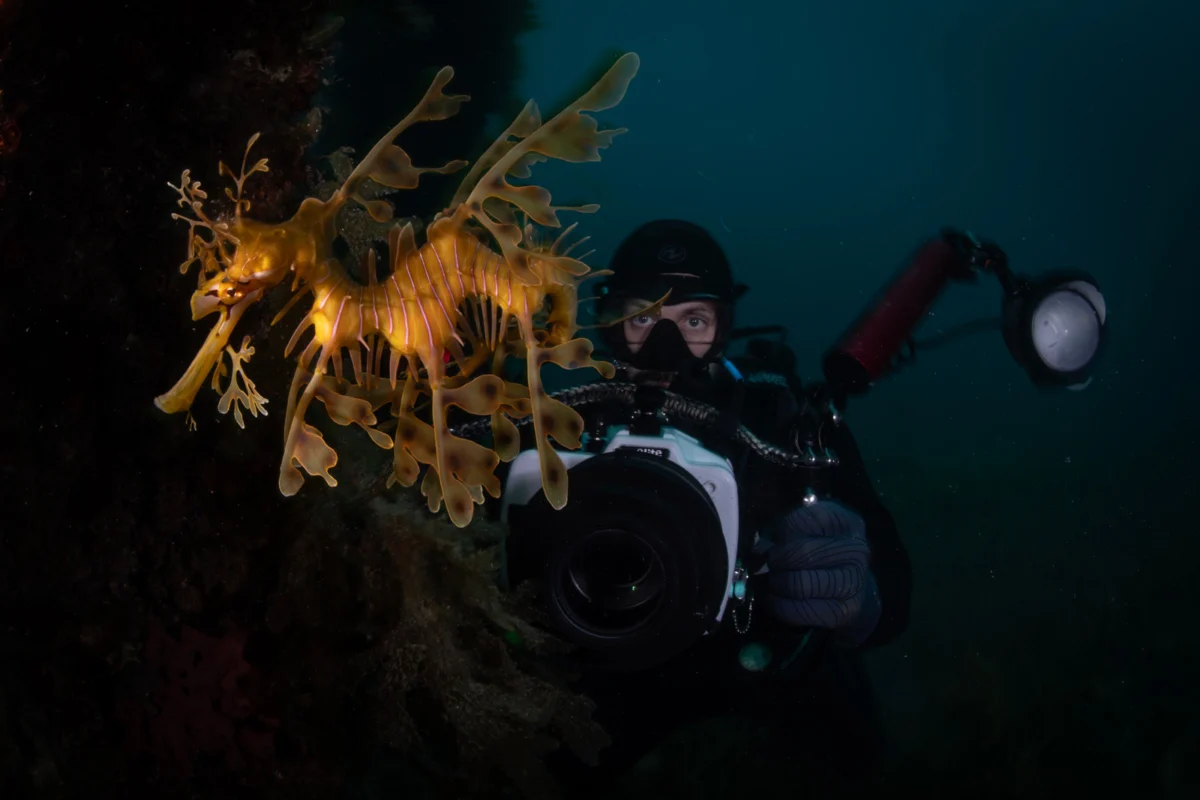
Another celebrated image is a portrait of a leafy seadragon. This photograph is lauded for its exquisite symmetry and the sheer difficulty involved in its capture. Leafy seadragons (Phycodurus eques) are masters of camouflage, blending seamlessly with seaweed beds, making them notoriously difficult to spot and photograph. Dear’s dedication to capturing this elusive creature involved shooting at night, using a red focus light to minimize disturbance, and patiently waiting for the seadragon to orient itself perfectly for a full, front-on headshot. This level of patience, technical precision, and respect for marine life underscores the ethical approach characteristic of leading nature photographers.

Deepening Expertise: Revisiting Iconic Locations and Species
Rowan Dear emphasizes the importance of thoroughly understanding a species, its habitat, and behaviors to capture truly compelling images. This philosophy drives his practice of revisiting specific locations, allowing him to observe and document subjects over time, thereby enriching his photographic narrative.
One such revisited location is Whyalla, South Australia, a critical site where over 10,000 giant cuttlefish converge annually for their mating season. The site’s shallow depth (approximately 5 meters) and shore access allow for multiple dives daily and extended underwater immersion. This prolonged exposure provides unparalleled opportunities to capture diverse behaviors, intricate social interactions, and the subtle interplay of light filtering through the water column. Dear leverages a variety of lenses—from wide-angle to fisheye and macro—to achieve a comprehensive spectrum of shots, illustrating the cuttlefish’s environment, their interactions, and the minute details of their unique forms. The Whyalla aggregation, typically occurring between May and August, is a globally significant natural phenomenon, often referred to as the "cuttlefish capital of the world."
Another cherished destination is Byron Bay, Australia, where large aggregations of leopard sharks (Stegostoma tigrinum, also known as zebra sharks) occur each summer. This location offers dynamic photographic opportunities, allowing for close-up shallow shots bathed in sun rays, as well as top-down compositions capturing numerous sharks at varying depths. Leopard sharks are docile and often rest on sandy bottoms, making them accessible subjects for photographers, provided divers maintain respectful distances.

Heron Island, situated on the Great Barrier Reef, also holds a special place in Dear’s heart. This stunning coral cay is particularly vibrant during the turtle hatching season, typically from February to April. Here, photographers can witness the poignant spectacle of newly hatched turtles making their perilous journey to the ocean. Beyond the hatchlings, the island is home to year-round residents, including lemon sharks, countless ray species, and adult turtles. By strategically planning dives around tide times, photographers can maximize their time underwater, encountering a rich tapestry of marine life. Heron Island is a significant nesting site for green and loggerhead turtles, making it a hub for marine research and conservation efforts.
The Professional Transition: A Journey of Passion and Skill
Rowan Dear’s transition to professional photography was less a conscious decision and more an organic evolution driven by an insatiable passion for the ocean and its inhabitants. His primary motivation was to continually improve his ability to capture magical underwater experiences, initially for personal satisfaction, then for his immediate circle, and eventually for the broader community of animal and ocean enthusiasts.
This natural progression underscores a common path for many successful wildlife photographers, where an intrinsic love for the subject matter serves as the most powerful catalyst. The business aspect of photography, including sales and full-time engagement, emerged as a direct result of his dedication and the quality of his work. This journey from amateur to professional was not a sudden leap but a gradual unfolding, fueled by persistent learning and an unwavering commitment to his craft.

A significant turning point, or "eureka moment," in his career came with the recognition he received through major competition wins. These accolades provided crucial external validation, instilling confidence in his work and affirming that his images met the high standards set by his peers and the wider underwater photography community. In an era dominated by social media, where likes and followers can often distort one’s perception of artistic merit, competition wins offer a more tangible and respected measure of quality and skill. They provide a benchmark against which photographers can truly assess their standing and progress.
Dear also emphasizes that wildlife photography, particularly at a professional level, requires meticulous planning and proactive opportunity creation. Extensive research into seasonal patterns, ideal locations, and prevailing weather conditions is paramount to maximize the chances of capturing desired shots. This strategic foresight is an often-overlooked aspect of professional wildlife photography, transforming serendipitous encounters into calculated pursuits.
Refining the Craft: Workflow and Editorial Philosophy
Over time, Rowan Dear’s photography process has undergone significant refinement, particularly in his post-production workflow. He now dedicates considerably less time to editing, a change he attributes to improved in-camera skills and a deeper understanding of photographic principles. His philosophy is pragmatic: "if a photo takes too long to edit, you just need to go back out and take a better one." This approach underscores a commitment to technical excellence at the point of capture, rather than relying heavily on digital manipulation to salvage imperfect images.

He highlights common issues such as overexposure or excessive backscatter (particles in the water illuminated by flash), noting that attempts to extensively edit out these mistakes often make them more conspicuous. Dear’s preferred style emphasizes abundant natural light, aiming to create images that appear as authentic and unaltered as possible. This commitment to realism means that most of his editing now takes only a few minutes per image, reflecting a highly efficient and effective workflow that prioritizes the integrity of the original capture. This minimalist editing approach also resonates with a growing trend in nature photography that values authenticity and minimizes digital intervention.
Navigating the Wild: Persistent Challenges in Nature Photography
The inherent unpredictability of nature presents the biggest ongoing challenge for wildlife photographers. Despite meticulous planning, success is never guaranteed. As Dear explains, being in "the right place at the right time" is crucial, yet external factors often intervene. Trips planned with extensive research into optimal timing, locations, and weather can still yield disappointing results. He recounts an experience photographing minke whales where adverse weather conditions led to zero sightings, illustrating how nature can indeed have "other ideas."
For wide-angle underwater photography, the quest for optimal visibility and perfect lighting is a constant aspiration. However, these ideal conditions are rare. Photographers must frequently adapt to less-than-ideal circumstances. Dear notes that with increasing experience, one learns to make the most of challenging situations, still managing to capture compelling shots despite suboptimal visibility or rough seas.

He shares a recent experience in Argentina, photographing southern right whales under a government permit. Despite meticulous planning, the visibility was poor, and strong winds created difficult conditions. While the photographic results were constrained by these environmental factors, the experience itself remained "magical," and he was confident that the images captured were the best possible given the circumstances. Southern right whales (Eubalaena australis) are magnificent creatures, and their annual migration to calving grounds like Peninsula Valdés in Argentina offers unique photographic opportunities, albeit often under the mercy of changeable Patagonian weather. This adaptability and resilience in the face of natural variables are crucial attributes for any professional wildlife photographer.
Reflections and Enduring Advice for Aspiring Photographers
Reflecting on his journey, Rowan Dear acknowledges that a lack of confidence in his early abilities, while perhaps a driver for continuous improvement, might have also hindered him from pursuing certain opportunities he was, in hindsight, fully capable of undertaking. This self-awareness is a valuable trait, highlighting the delicate balance between critical self-assessment and self-belief. His perfectionist tendencies make it challenging for him to release work that doesn’t meet his exacting standards, reinforcing his commitment to high-quality output.
His primary advice to aspiring photographers is multifaceted:

- Define Your Destination: Understand where you want your photography to lead you.
- Seek Inspiration: Follow and learn from those whose work you admire.
- Trust Your Instincts: Develop and rely on your unique artistic vision.
- Cultivate Your Style: Forge a distinctive aesthetic that sets your work apart.
- Hone Your Craft: Continuously work on improving technical skills and artistic expression.
- Embrace Continuous Improvement: Never become complacent with your current level of achievement.
- Practice Self-Criticism (Constructively): Evaluate your work objectively to identify areas for growth.
- Appreciate Your Achievements: Acknowledge the value of your work and progress.
- Trust Your Process and Ability: Develop confidence in your methods and capabilities.
This comprehensive advice underscores the blend of artistic vision, technical mastery, strategic planning, and psychological resilience required to succeed in the demanding field of nature photography. It emphasizes that while external validation is helpful, an internal compass of self-trust and continuous improvement is paramount.
Broader Impact and Conservation Through the Lens
Rowan Dear’s work extends beyond aesthetic appeal; it serves as a powerful tool for marine conservation. By showcasing the intricate beauty and diverse behaviors of underwater life, his photographs educate the public and foster a deeper appreciation for fragile marine ecosystems. In a world increasingly aware of environmental challenges, the visual storytelling of nature photographers plays a critical role in advocacy and public engagement. Images of vibrant giant cuttlefish, elusive leafy seadragons, or majestic southern right whales not only inspire awe but also underscore the urgency of protecting these species and their habitats.
His journey from a child fascinated by Attenborough’s documentaries to a professional who now contributes to the visual narrative of the ocean exemplifies the profound impact an individual can have. Dear’s dedication to capturing natural beauty with minimal post-processing also reflects an ethical stance, presenting nature as it is, fostering genuine connection and understanding. His story is a compelling reminder that passion, when coupled with perseverance and a commitment to excellence, can transform a hobby into a impactful career, enriching both the individual and the wider world.