The ongoing debate within the photography community regarding the precise definition of street photography has become a recurring fixture, sparking impassioned discussions online every few months. While the impulse to categorize and define is understandable, particularly in an era of unprecedented visual saturation, the persistent questioning of what constitutes a "street photograph" often distracts from a more fundamental pursuit: the creation of compelling imagery. The proliferation of digital photography, leading to an estimated over five billion photographs being captured daily, has undeniably broadened the scope and blurred the lines of various photographic genres. This article explores the detrimental effects of rigid definitions on creativity within street photography and advocates for a more expansive and interpretive approach, prioritizing photographic merit over adherence to prescriptive formulas.
The Perils of Prescriptive Definitions
The drive to establish definitive criteria for street photography, and indeed for photography in general, stems from the overwhelming volume of visual content being produced. As the digital age has democratized image-making, traditional genre boundaries have become increasingly porous. This has led to a proliferation of articles and online discussions attempting to delineate what qualifies as street photography, landscape photography, portraiture, and so forth. While such explorations can offer some clarity, they also carry significant risks.
One of the most substantial drawbacks of rigidly defining street photography is its potential to stifle genuine creativity. When photographers feel compelled to adhere to a predetermined set of rules or a perceived "recipe" for a successful street photograph, the outcome is often a deluge of repetitive, uninspired, and hackneyed images. This phenomenon leads to a visual landscape where identical compositions and thematic elements are reproduced ad infinitum, diminishing the distinctiveness and impact of individual works.
This trend has become a significant impediment to attracting a broader commercial audience to street photography, especially to its more contemporary manifestations. The market, and indeed online platforms, can become inundated with predictable tropes: the ubiquitous figure holding an umbrella in a puddle, the cliché of an elderly man in a fedora silhouetted against dramatic light and shadow, or the ever-present image of a young individual positioned in front of graffiti. This visual homogeneity can make modern street photography appear less an exploration of the unexpected and more a form of visual cosplay, characterized by the same umbrellas, the same silhouettes, the same favored camera aesthetics (such as the Leica aesthetic), and countless iterations of the "decisive moment" concept, ironically turning a genre built on spontaneity into something painfully predictable.
The "Oprah Book Club" Effect on Photography
The impact of rigid definitions on creative output can be likened to the phenomenon observed with the Oprah Book Club. While intended to foster literary engagement, its success inadvertently created a formula for authors, leading to a period where many novels seemed to follow a predictable template, resulting in "cookie-cutter Oprah novels." Similarly, imposing strict rules on street photography can encourage a backward approach to the creative process. Instead of focusing on capturing compelling moments and allowing the photographs themselves to define the genre, photographers may begin creating images that are designed to satisfy an external checklist or meet the expectations of a particular set of criteria. This can lead to a stifling of individual expression and a homogenization of artistic vision. The author notes a personal aversion to judging street photography competitions, observing that a significant portion of submissions often feel as if they were produced by the same individual, highlighting a pervasive lack of originality.
Redefining the Core: Is a Definition Necessary?
At its heart, the argument suggests that perhaps a street photograph, or any photograph for that matter, simply needs to be a photograph worth looking at. The questions that frequently arise within genre debates – whether a street photograph necessitates the presence of a person or an urban landscape – are not inherently invalid. However, they may be more productively viewed as rhetorical prompts, intended to stimulate thought rather than to demand definitive, universally applicable answers.
The inherent complexity of attempting to establish such boundaries quickly becomes apparent when examining exceptions. If, for instance, an urban landscape is deemed a prerequisite for street photography, this would effectively exclude photographers working in rural or remote settings from the genre. This exclusion seems counterintuitive and potentially limiting. Consider the work of Martin Parr, whose photographs of seaside resorts, while not strictly urban, are widely recognized within the street photography canon. Similarly, William Eggleston’s iconic photograph of a tricycle, which lacks a human subject and a discernible urban backdrop, is nonetheless embraced by many in street photography circles. These examples illustrate how rigid adherence to narrowly defined criteria can lead to the arbitrary exclusion of significant and influential works.
Case Study: Susan N. Sweet’s Newfoundland Photograph
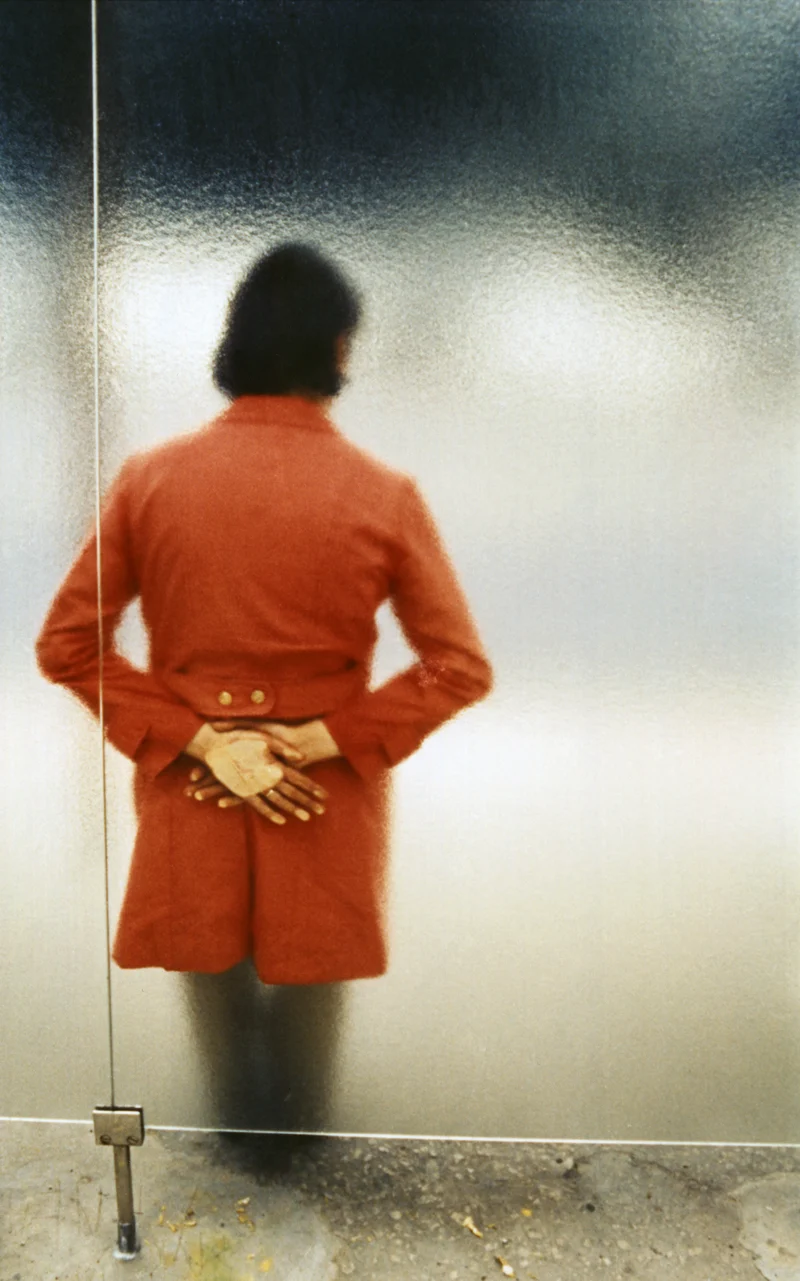
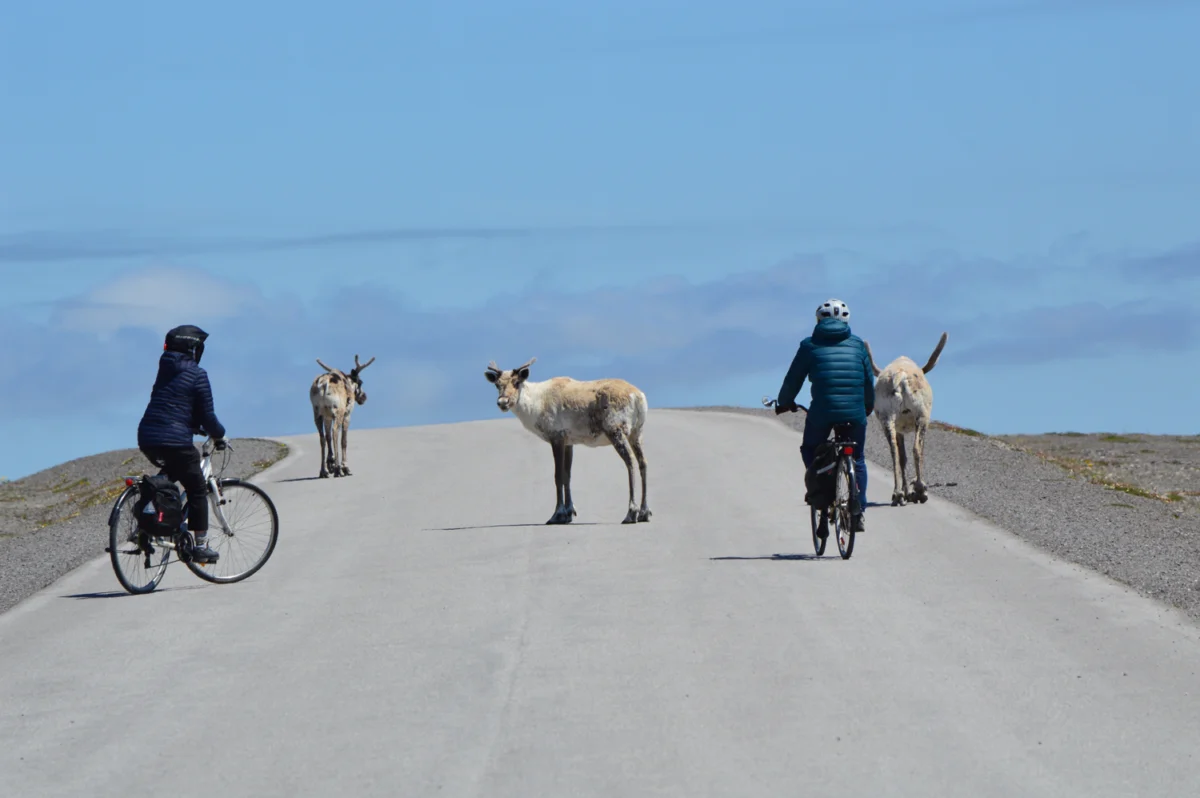
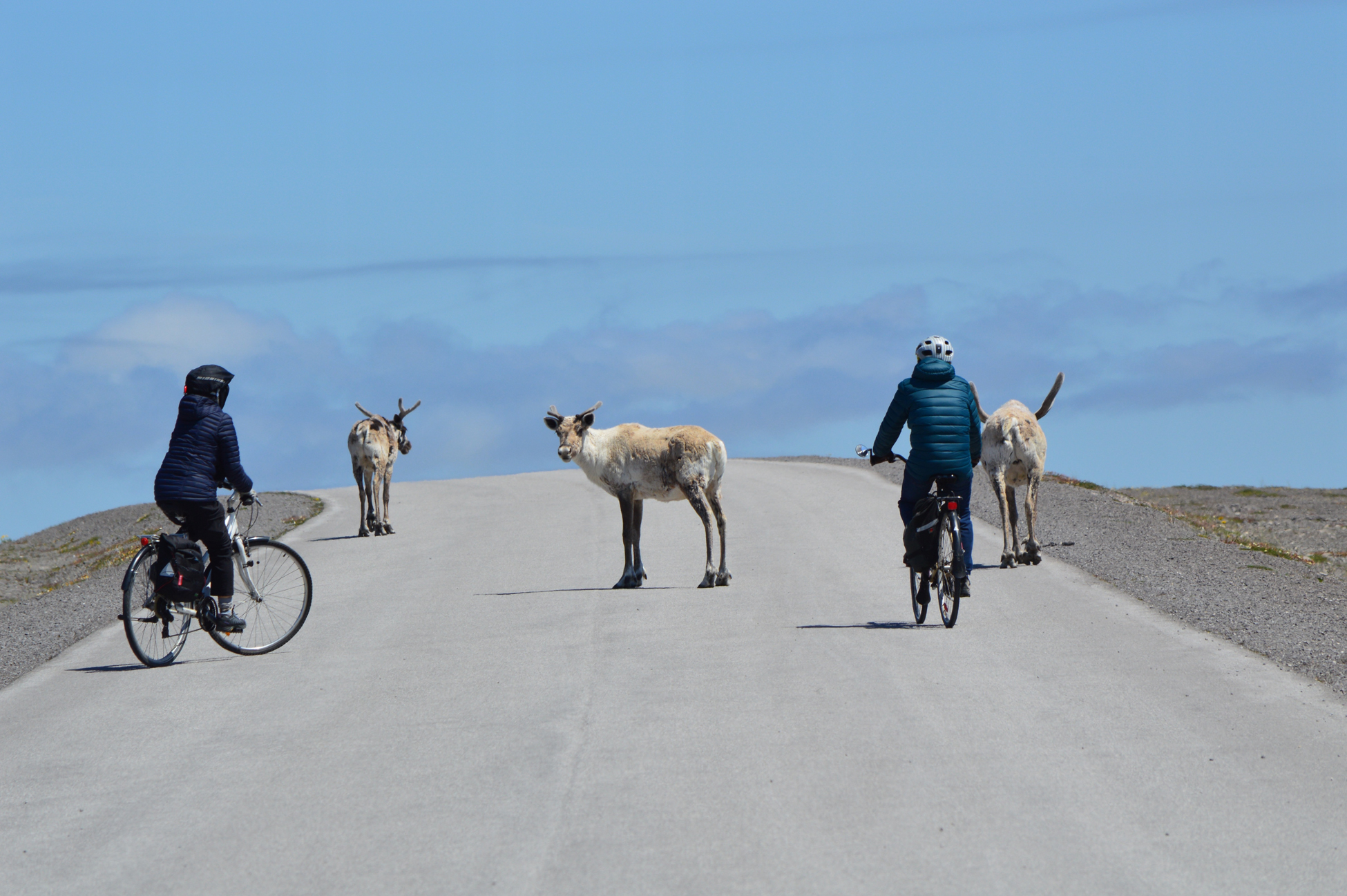
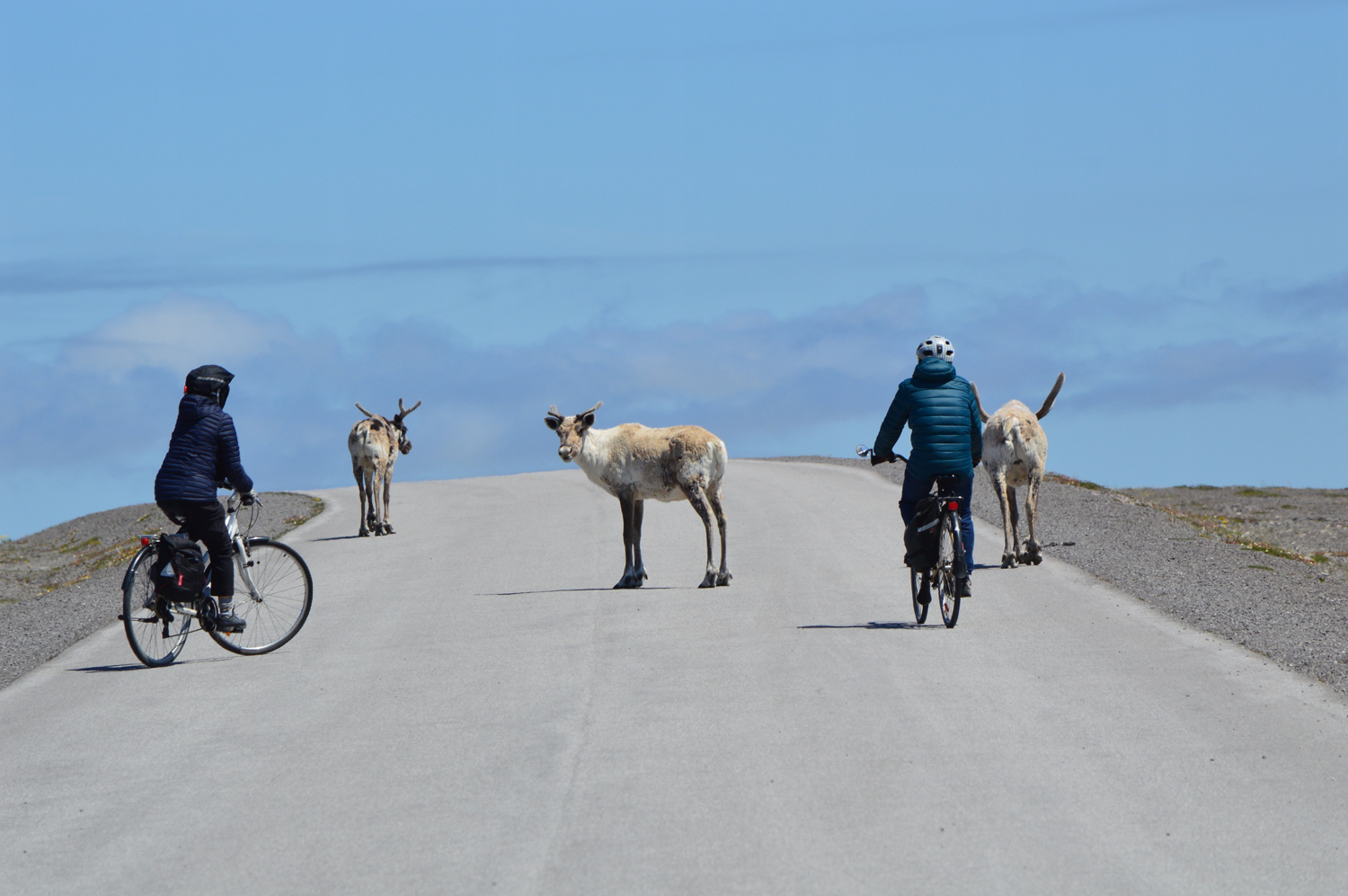
The author presents a photograph taken by his aunt, Canadian painter Susan N. Sweet, in Newfoundland during the summer. This image, a visual artifact that prompted the author’s reflections on the nature of street photography, serves as a practical example of the definitional challenges. Whether one classifies this specific image as a street photograph or not, its ability to provoke thought and discussion underscores the subjective and interpretive nature of art appreciation. The existence of such visually engaging works that defy easy categorization suggests that the genre itself might be a less critical element than the quality and impact of the photograph itself.
The Question of Genre Necessity
This leads to a broader inquiry: Does street photography, as a distinct genre, even need to exist? The author expresses a long-held appreciation for allowing photographs to communicate independently, without the need for accompanying explanations or rigid categorizations. This philosophy extends to an increasing comfort with permitting photographs to simply be photographs, open to a wide spectrum of individual interpretations. The assertion is made that great photographs have historically created genres, rather than genres having been instrumental in the creation of great photographs.
While acknowledging that genres will likely persist across artistic disciplines, including photography, music, cinema, and painting, the author advocates for a broadened perspective in accepting what can be considered street photography. The proposal is not to abandon categorization entirely but to encourage a more inclusive and less restrictive approach.
Shifting Focus: From Algorithms to Artistic Merit
The core of the argument is a call to de-emphasize the influence of social media algorithms and the labels they often reward, and instead, to concentrate more intently on the content and artistic merit of what is captured by the lens. The aim is to empower photographers with the freedom to create before feeling the immediate pressure to categorize their work.
The author posits that a photograph is generally considered "good" if it can captivate, challenge, or alter one’s perspective. For the viewer, encountering such a photograph is often sufficient in itself. The moment a definition transforms into a rigid checklist, the author contends, creativity begins to falter.
The Cost of Debate and the Legacy of Innovation
The more time a community dedicates to debating definitions, the less time is available for the creation of memorable and impactful work. History, the author observes, rarely celebrates artists who meticulously followed established rules. Instead, it remembers those who dared to challenge conventions and compelled others to rewrite them. This historical perspective reinforces the idea that genuine artistic progress often arises from breaking boundaries, not from reinforcing them.
Ultimately, the enduring principle is that genres typically emerge in the wake of groundbreaking artistic achievements, not the other way around. The focus should therefore be on fostering an environment where photographers are encouraged to explore, experiment, and produce work of substance, allowing the merit of their creations to dictate their eventual classification, or indeed, their transcendence of it. The enduring power of a photograph lies in its ability to resonate with viewers, to evoke emotion, and to offer new ways of seeing the world, qualities that are far more potent than any imposed definitional framework.