The utility of vehicle templates, long considered a staple of the commercial sign-writing and fleet-branding industries, is undergoing a significant transformation as creative professionals find novel applications for these high-precision digital assets. While the primary function of a vehicle template remains the facilitation of accurate vehicle wraps and vinyl applications, the rise of high-fidelity vector libraries, such as those curated by SignSilo, has enabled a paradigm shift. Today, these tools are being integrated into the workflows of concept artists, digital illustrators, marketing executives, and educators, moving well beyond the confines of the traditional sign shop.
The Evolution of the Digital Blueprint
Historically, vehicle templates were simple 2D line drawings used to estimate the placement of logos on commercial vans. However, as the vehicle wrap industry grew—projected to reach a global market value of over $15 billion by 2030—the demand for technical accuracy intensified. Modern templates are now sophisticated, multi-layered vector files available in industry-standard formats such as Adobe Illustrator (AI), CorelDRAW (CDR), DXF, and EPS.
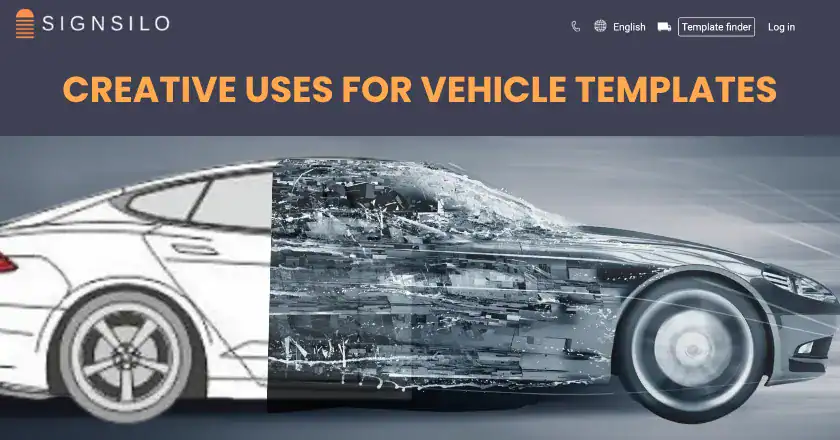
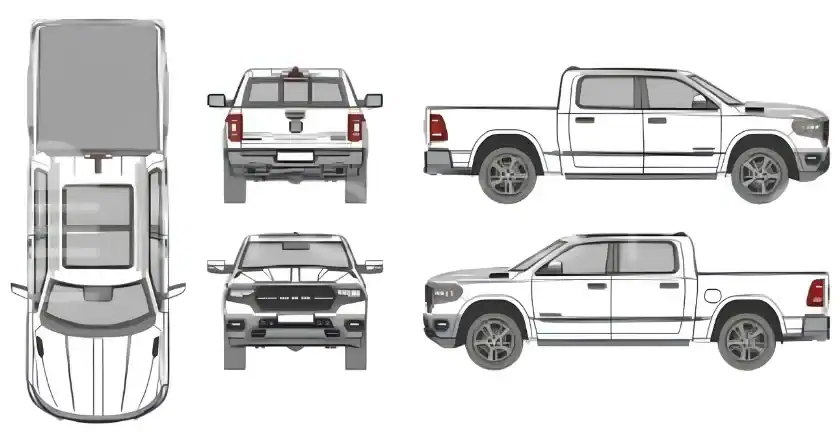
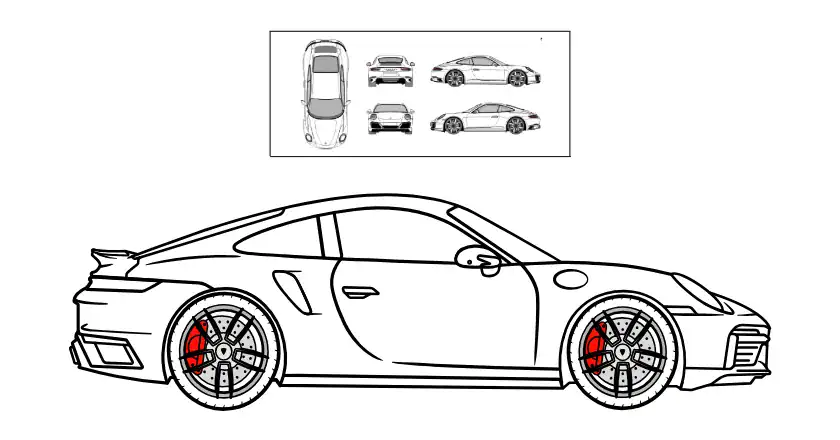
SignSilo has positioned itself at the forefront of this evolution, offering a library of over 10,000 templates that include cars, SUVs, trucks, buses, and specialized transit vehicles. These files are not merely outlines; they are precision-engineered blueprints that include multiple perspectives—front, rear, sides, and roof views—allowing for a 360-degree visualization of a creative concept. This level of detail is what has allowed the technology to migrate into other high-stakes creative sectors.
Concept Design in Entertainment and Advertising
One of the most prominent "off-label" uses for vehicle templates is in the pre-visualization stages of game development, filmmaking, and high-end advertising. Concept designers are often tasked with creating futuristic or stylized environments where vehicles must look grounded in reality. Rather than constructing a vehicle from scratch, which can take dozens of hours of labor, designers use SignSilo’s templates as a foundational "skeleton."
In the gaming industry, where "hero assets" (the main vehicles used by players) require immense detail, templates serve as the initial reference for scale and proportion. By starting with an accurate vector outline of a real-world vehicle, artists can ensure that their modifications—such as adding futuristic armor, specialized weaponry, or sci-fi engines—remain consistent with human ergonomics and realistic automotive architecture. This efficiency allows creative teams to iterate through dozens of concepts in the time it would previously have taken to sketch one.

Similarly, in film production, templates are used by transportation departments to plan "picture cars." Whether a vehicle needs to be painted a specific color, distressed for a post-apocalyptic scene, or outfitted with camera rigs, having a precise digital twin allows the crew to troubleshoot physical constraints before a single tool is touched.
The Psychology of Visualization in Marketing
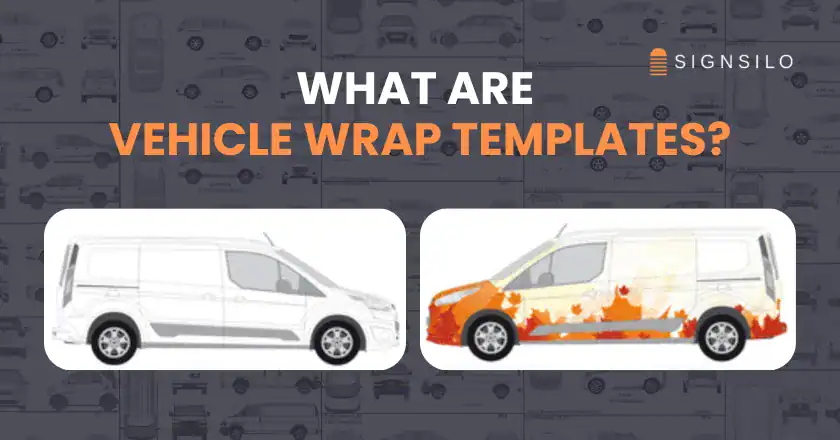
For marketing agencies, the primary challenge is often "the sell"—convincing a client that a brand identity will translate effectively to physical space. The "mockup economy" has become a central pillar of modern design presentations. A static logo on a white background rarely inspires the same confidence as seeing that logo integrated into a professional vehicle mockup.
SignSilo’s templates allow designers to create photorealistic presentations that demonstrate how a brand’s typography, color palette, and imagery interact with the complex curves and recesses of a modern vehicle. This reduces the "imagination gap" for clients. Data from marketing industry surveys suggests that clients are 40% more likely to approve a design concept when it is presented in a realistic, high-fidelity mockup rather than a flat 2D proof.
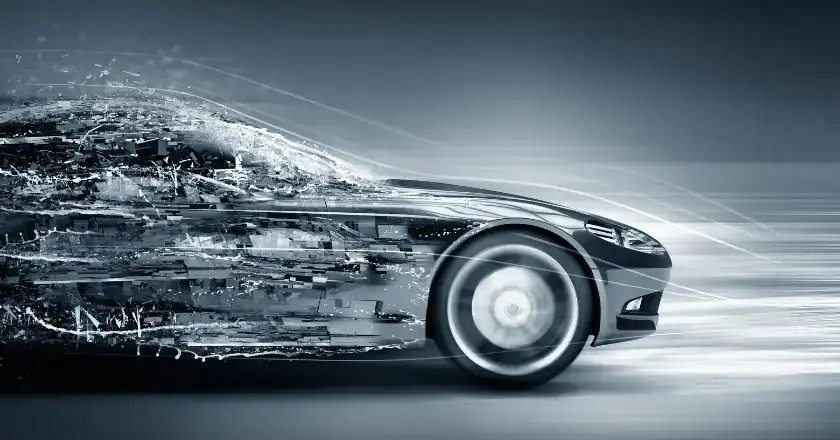
Furthermore, these templates serve a critical role in risk mitigation. Because the templates are built to scale, they help designers identify potential issues—such as a phone number being cut off by a door handle or a logo being obscured by a sliding van door—long before the design reaches the production stage. This prevents costly reprints and material waste, which is a significant factor in maintaining agency profitability.
Digital Art and the Rise of Automotive Illustration
Beyond commercial applications, a growing community of digital artists uses vehicle templates as a canvas for creative expression. The "tuning" and "livery" subcultures, which celebrate the aesthetic customization of cars, have moved from the physical garage to the digital studio.
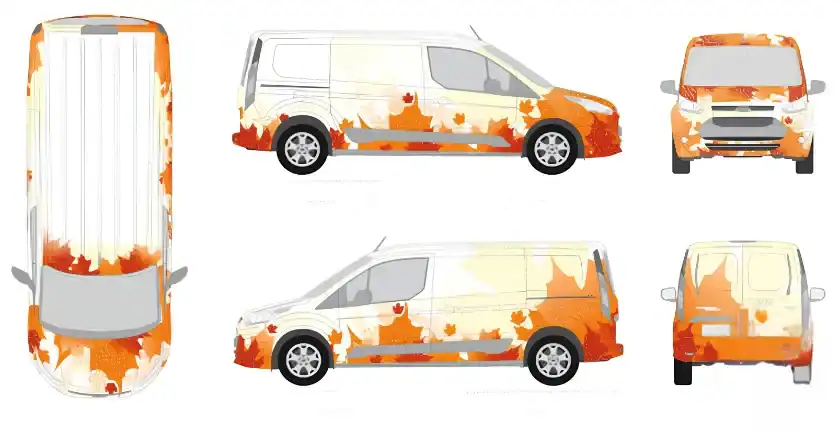
Digital illustrators use templates to experiment with complex patterns, such as "dazzle" camouflage, street art-inspired murals, and vintage racing liveries. The layered nature of SignSilo’s files means that artists can isolate specific parts of the car—the hood, the fenders, or the windows—to apply different textures and finishes, such as matte carbon fiber or high-gloss metallic. This has democratized automotive design, allowing hobbyists and professional illustrators alike to produce work that rivals the quality of factory-designed aesthetics.
Pedagogical Impact: Training the Next Generation
The academic sector has also recognized the value of professional-grade templates. Design schools and technical colleges are increasingly incorporating SignSilo’s library into their curricula. For students learning vector-based software like Adobe Illustrator, vehicle templates provide a complex, real-world challenge that goes beyond basic shapes.
In a classroom setting, these templates are used to teach:
- Technical Precision: Understanding how to work within the constraints of a physical object’s dimensions.
- Spatial Awareness: Learning how a 2D design wraps around a 3D surface.
- Production Readiness: Preparing files for large-format printing, including managing bleed, resolution, and color profiles.
By using the same tools employed by industry professionals, students graduate with a portfolio that demonstrates practical, marketable skills. This alignment between education and industry requirements is essential in a competitive job market.
Event Branding and Experiential Marketing
In the world of experiential marketing, where brands create temporary physical installations to engage with consumers, vehicles often serve as mobile hubs. Whether it is a food truck for a music festival, a promotional bus for a political campaign, or a fleet of branded SUVs for a sporting event, the timeline for production is usually incredibly tight.
Event organizers use vehicle templates to coordinate with multiple stakeholders. For a sponsorship deal, for instance, an organizer might need to show several different brands how their logos will coexist on a single vehicle. Using SignSilo’s flexible vector formats, designers can quickly swap out assets, adjust scales, and send revised proofs in minutes. This agility is crucial in the fast-paced environment of event planning, where sponsorship tiers and branding requirements can change up until the day of the event.
Strategic Accessibility: Membership Models and Market Reach
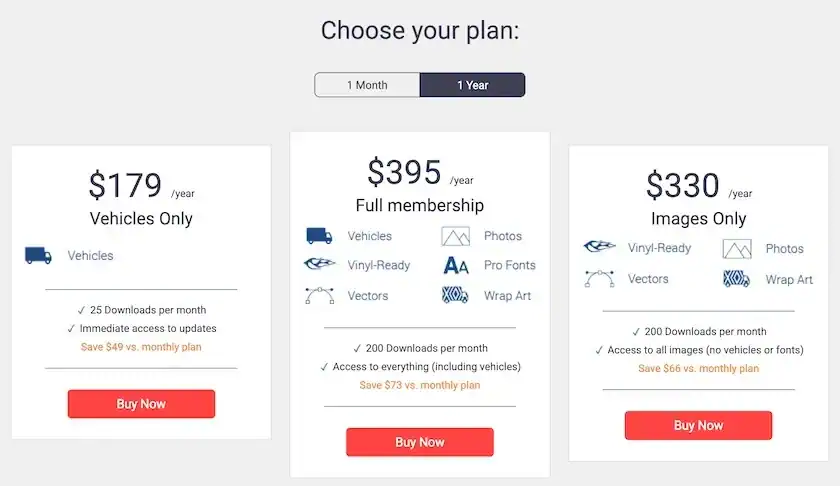
The democratization of these professional tools is largely driven by SignSilo’s accessible pricing structure, which caters to different tiers of the creative economy.
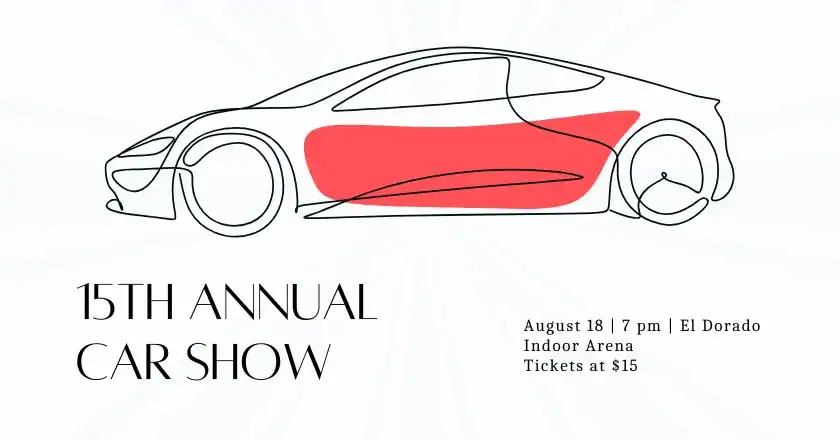
- The Full Membership: At $199 per year, this plan is designed for high-volume users, such as sign shops and mid-sized agencies. It provides 25 downloads per month and access to a massive repository of 5 million stock photos and vectors, in addition to the 10,000+ vehicle templates.
- The Vehicle Club: Priced at $99 per year, this tier is targeted at freelancers, educators, and small business owners who may only need a specific set of templates. It offers 50 vehicle template downloads per year, making it a cost-effective entry point for those who do not require a full stock photo library.
This tiered approach ensures that high-quality, technically accurate assets are not restricted to large corporations with massive budgets, but are available to the independent creator as well.
Conclusion: The Future of the Vehicle Template
As augmented reality (AR) and virtual reality (VR) continue to gain traction, the role of the vehicle template is expected to expand even further. We are moving toward a future where a designer can use a template to create a livery, and then instantly project that design onto a physical vehicle using AR glasses for a real-time preview.
SignSilo’s commitment to providing updated, accurate templates for the latest vehicle models—including the rapidly growing electric vehicle (EV) market—ensures that creative professionals have the tools they need to stay relevant. By moving beyond simple signage, vehicle templates have become an essential bridge between digital imagination and physical reality, proving that in the world of design, a professional foundation is the key to limitless creativity.