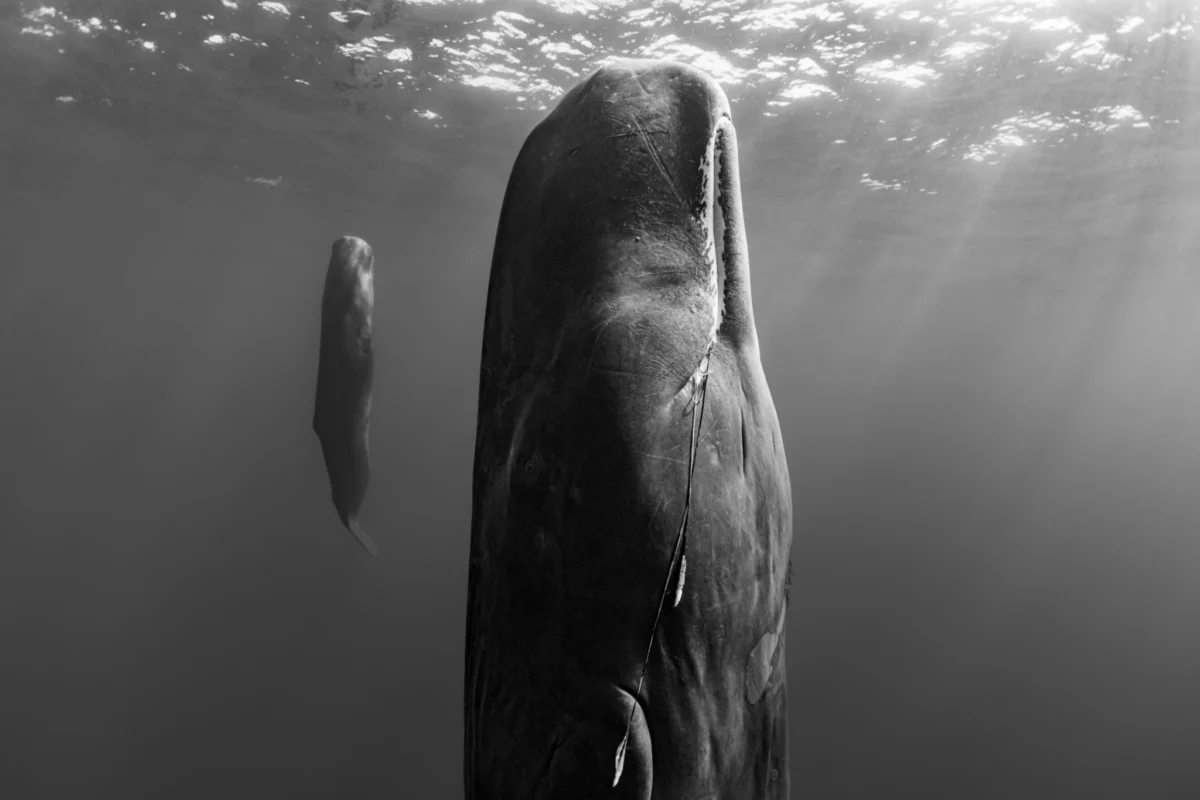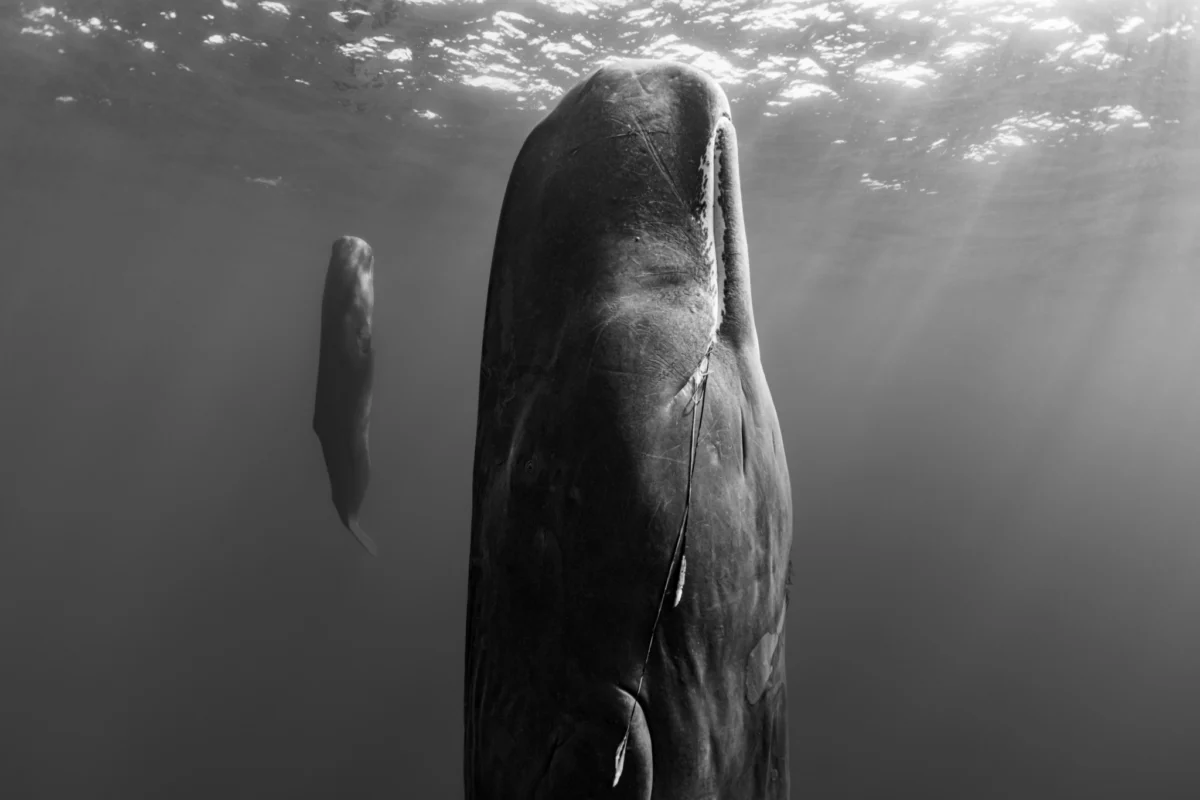
For thirty years, the author has lived on Vancouver Island, a region renowned for its high cougar population, yet has experienced only fleeting glimpses of these elusive felines. This prolonged period of observation underscores the inherent difficulty in observing apex predators in their natural habitats, a challenge echoed in the author’s recent expedition to photograph pumas in Chilean Patagonia. The journey, fraught with initial logistical hurdles including a lost passport and an emergency visa acquisition in Brazil, ultimately led to an immersive experience in one of the world’s most iconic wild landscapes.
The Gateway to Patagonia: An Estancia Embracing Ecotourism
The author’s base of operations was a converted estancia, a traditional South American ranch, situated on the periphery of Torres del Paine National Park. This working farm, still equipped with operational agricultural and livestock facilities, offered a unique blend of rural heritage and burgeoning ecotourism. The region’s dramatic granite peaks and pristine natural beauty have increasingly drawn international visitors, transforming ecotourism into a significant economic driver. The estancia owners exemplify a modern approach to land management, actively choosing to coexist with the wildlife that was once considered a threat to their livestock. This shift reflects a broader trend in conservation, where local communities are increasingly recognizing the economic and ecological value of preserving natural ecosystems and their inhabitants.
The staff at the estancia, comprised of local residents, embody the enduring values of gaucho culture – a heritage rooted in principles of honesty, diligent work, and heartfelt generosity. This cultural backdrop provided a rich context for the author’s encounters with the Patagonian puma.
Tracking the Ghost of the Andes: The Expertise of Rodrigo
Central to the photographic expedition was Rodrigo, a guide renowned for his deep understanding of the local puma population. Rodrigo’s familiarity with the cats, described as knowing them "like family," proved instrumental in navigating the vast and rugged terrain. The expedition ventured deep into puma territory, leaving behind the cultivated lands of the estancia for a landscape characterized by striking rock formations, glacial lakes fed by snowmelt, and expansive grasslands, known locally as pampas. As the trek progressed, the imposing granite spires of the Andes Mountains loomed larger, forming a dramatic backdrop to the search for the elusive big cats.
The Encounter with Petaka and Her Kittens
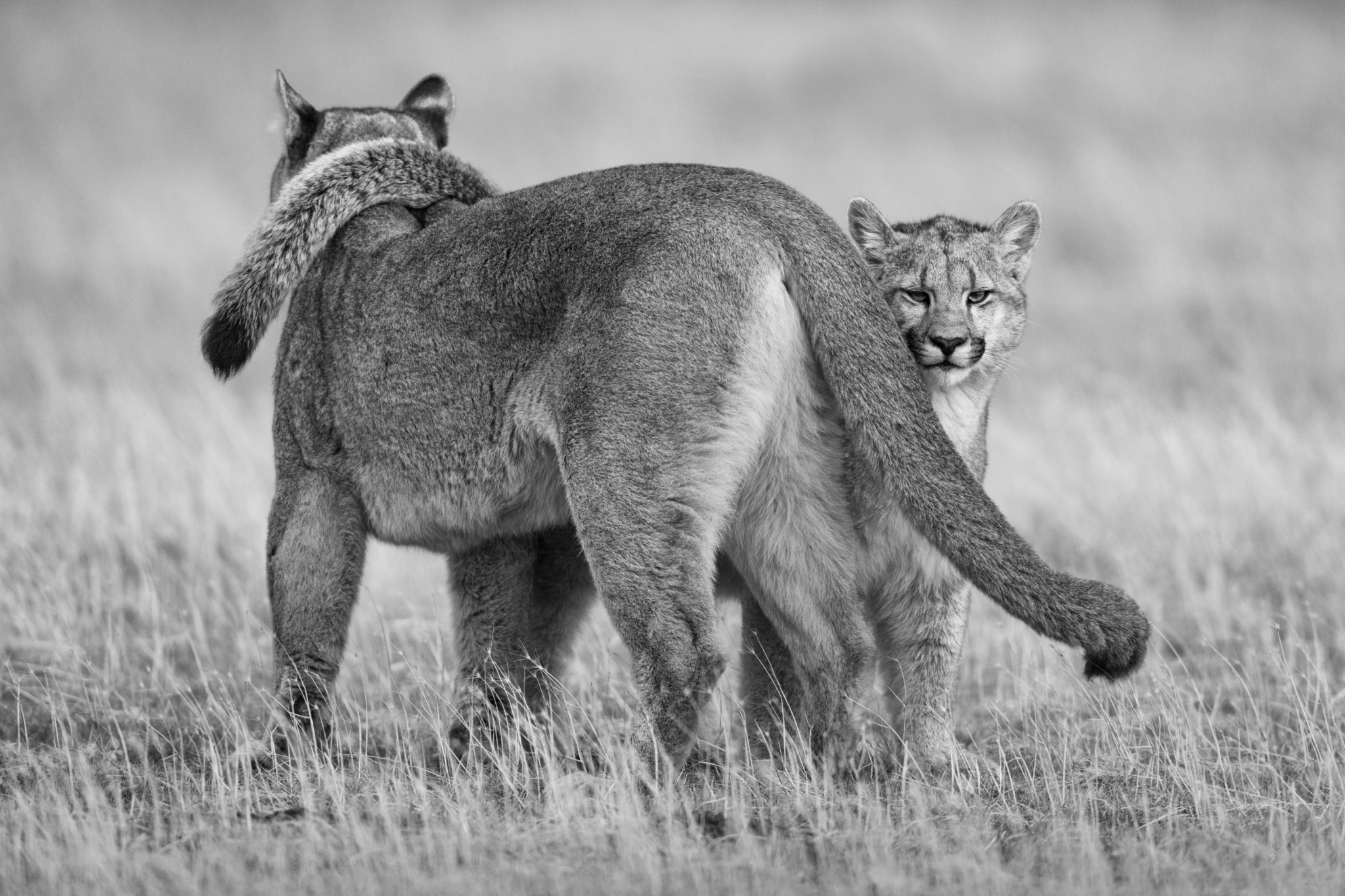
It was in the imposing shadow of these mountains that the first significant sighting occurred. The subject was Petaka, a female puma of considerable local renown, accompanied by her two young kittens. Petaka’s presence in the area is characterized by a remarkable "serene, commanding presence and complete indifference to humans." This behavioral adaptation has cemented her status as a legendary figure among those who frequent Torres del Paine and its environs.
Crucially, the legal status of pumas in Chile differs from that in neighboring Argentina. In Chile, pumas are designated as a protected species, with hunting largely prohibited. This protective legislation has, over time, allowed some puma populations within the region to habituate to the presence of humans, often by simply ignoring them. This observation is significant, as it highlights the potential for successful coexistence between humans and apex predators when appropriate conservation measures are in place and enforced. The author noted a profound sense of peace in observing a wild animal that exhibited such a calm and relaxed demeanor in their proximity. The privilege of witnessing Petaka attentively caring for her kittens, who playfully tumbled in the grass nearby, was described as an emotionally overwhelming experience.
The Unforeseen Sanctuary: A Puma in the Blizzard
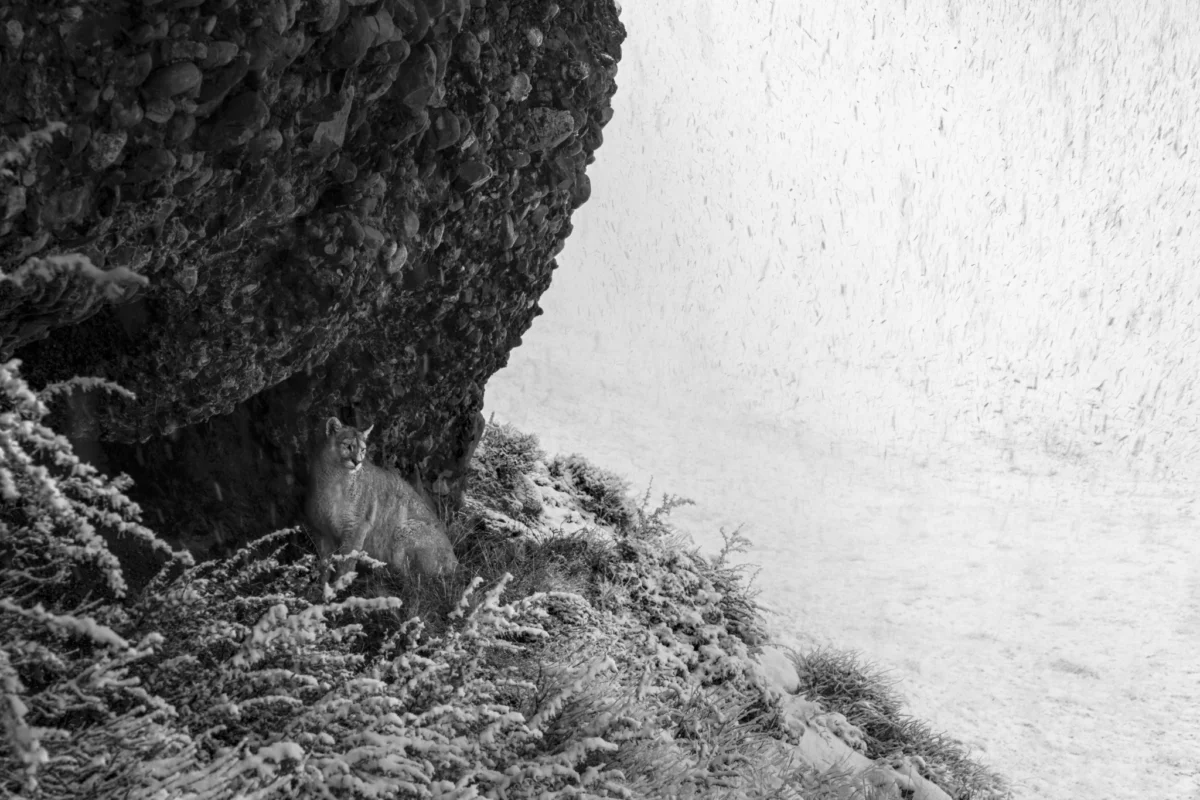
The Patagonian weather, notoriously unpredictable, soon took a dramatic turn. Winds escalated, and the first snowflakes of an impending storm began to fall, eventually engulfing the landscape in a thick blanket of snow that muffled all sound and visibility. Seeking refuge from the tempest, the author found shelter in a mountainside cave. Shortly after settling in, a large puma emerged from the swirling snow and took up a position mere feet away, also seeking warmth and protection from the elements.
The immediate instinct was to remain still, holding breath and steadying the camera, a testament to the surge of adrenaline and awe. For an extended period, an unspoken coexistence unfolded within the confines of the cave. The snow continued to fall, blanketing the willow thickets below in a pristine white canvas. The puma, the author, and the elements shared the space in profound silence. The cat, exhibiting its characteristic wildness, never once acknowledged the author’s presence, its attention fixed solely on its surroundings.
It was only after the storm abated and the landscape began to reveal itself anew, with the puma silently departing over the fresh snow, that the author allowed the pent-up emotions to surface. This experience served as a powerful testament to the profound impact of allowing nature the space to recover and flourish. Witnessing such an intimate moment of shared vulnerability with a wild creature in its natural habitat offered a glimpse into the unadulterated essence of life on Earth – "wild, raw, and beyond all imagination."
The Broader Implications of Coexistence
The author’s journey underscores a critical paradigm shift in human-wildlife interactions. The ability to observe pumas, once feared and persecuted, in a state of relaxed indifference speaks volumes about the efficacy of dedicated conservation efforts and the growing understanding of ecological interdependence. The protection afforded to pumas in Torres del Paine National Park is not merely an act of preserving a single species; it is an investment in the health and resilience of an entire ecosystem.
The implications of such successful coexistence extend beyond the immediate ecological benefits. It offers a model for other regions grappling with human-wildlife conflict. By fostering a greater appreciation for the intrinsic value of wildlife and by implementing robust protective legislation, communities can move from a stance of confrontation to one of collaboration and mutual respect. The economic opportunities presented by ecotourism, when managed sustainably, can provide a tangible incentive for local populations to become stewards of their natural heritage.
Furthermore, these encounters challenge anthropocentric perspectives, reminding humanity of its place within the intricate web of life. The "fleeting moment of camaraderie" with a wild puma, as described by the author, is not just a personal anecdote but a powerful illustration of the profound connections that can be forged when humans approach nature with humility and respect.
The future of these magnificent predators, and indeed the health of our planet’s wild spaces, hinges on our collective ability to learn from these experiences. The Patagonian landscape, with its stoic peaks and its elusive feline inhabitants, serves as a living laboratory, demonstrating that when nature is given the chance to thrive, humanity is also enriched. The continued protection of areas like Torres del Paine is paramount, ensuring that future generations can also bear witness to the untamed majesty of the natural world. The success in Chile offers a beacon of hope, illustrating that even the most formidable and elusive creatures can find a secure place in a world shared with humans, provided that respect, protection, and understanding guide our actions.