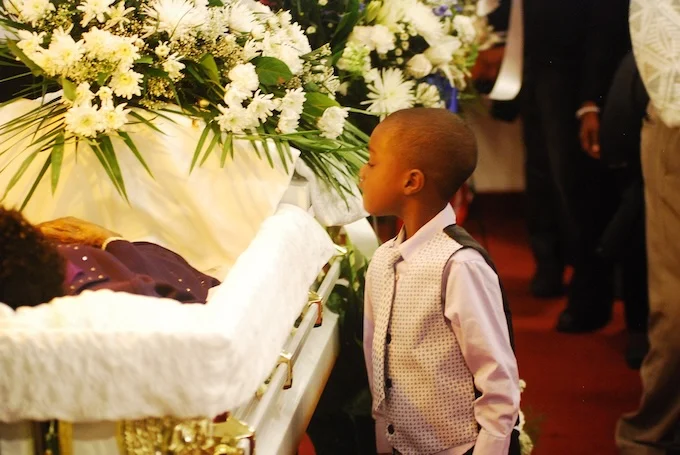
Funeral photography, a practice once a common and accepted part of commemorating the departed during the Victorian era, has largely receded into the shadows of modern society, often perceived as a taboo subject. However, photographer Duane Knight of Your Legacy Photography is spearheading a movement to reintroduce and redefine this genre, asserting its vital role in helping individuals navigate and process their grief through the enduring power of art. Knight, who has identified a mere 50 funeral photographers globally, is on a dedicated mission to expand this community by educating fellow photographers on how to incorporate this sensitive yet profoundly impactful service into their professional offerings. His work aims to transform a once-commonplace practice into a treasured avenue for healing in contemporary times.
A Historical Perspective: From Victorian Mourning to Modern Hesitation
The practice of funeral photography dates back to the mid-19th century, a period deeply influenced by societal norms surrounding death and remembrance. During the Victorian era, mortality rates were significantly higher, and death was a more overt aspect of daily life. Photography, a relatively new invention, offered a novel way to preserve memories of loved ones, especially when the lifespan of individuals, particularly children, was often tragically short. Post-mortem photography, or "memento mori" portraits, became a widespread custom. Families would commission photographs of deceased relatives, often posed as if still alive, to keep as cherished mementos. These images served as a tangible link to those who had passed, offering comfort and a way to maintain a connection in the face of profound loss. The advent of the daguerreotype and later, the tintype, made these portraits accessible to a broader segment of society, solidifying funeral photography’s place as an integral part of the mourning process.

However, as societal attitudes towards death evolved and photography became more democratized and less formal, the practice of photographing funerals began to wane. The rise of candid photography and the increasing emphasis on celebrating life rather than dwelling on death contributed to funeral photography being viewed as intrusive or disrespectful by many in the 20th century. The advent of digital photography and social media further shifted the landscape, with a greater focus on capturing joyful moments and outward expressions of happiness, often leading to a subconscious avoidance of subjects associated with sorrow and finality.
The Healing Power of Preserving Fleeting Moments
Many photographers, even those specializing in other genres, have likely encountered situations where a portrait of a deceased loved one, taken long before their passing, becomes an invaluable and sole treasured image for a grieving family. These portraits are often displayed prominently at funerals, serving as a focal point for remembrance. Yet, the potential for photography to actively contribute to the healing process during the funeral itself has been largely overlooked.
Duane Knight, with over a decade of experience as a funeral photographer and having produced approximately 150 Legacy Funeral Albums, underscores the unique emotional landscape of funeral services. He observes that funerals are often the only occasions where extended family and friends, sometimes traveling from across the country or even the globe, gather together to honor a departed loved one. The sheer emotional intensity of these events, coupled with the whirlwind of arrangements and interactions, can make it difficult for attendees to retain clear memories of who was present or the specific details of the day.

"A funeral is an incredibly emotional time," Knight explains. "People are focused on their grief, on saying goodbye. The details of who attended, the subtle interactions, the collective presence of support – these can easily become blurred in the memory."
Knight draws a parallel between funerals and other significant life events such as weddings, birthdays, and christenings. These occasions, while joyous, also serve as powerful reunions for families and friends. Just as photographs from these events become treasured keepsakes, Knight argues that funeral photography offers a similar, albeit different, form of documentation. A funeral album, he posits, can serve as a vital memento, not only of the deceased but also of the collective love and support that surrounded them and their family during their time of mourning. For those unable to attend due to distance or circumstance, receiving a comprehensive funeral album can provide a profound sense of inclusion and connection to the shared experience of remembrance.
Navigating Cultural Nuances and Overcoming Taboo
The perception of funeral photography is heavily influenced by cultural and societal norms. Knight acknowledges that in some cultures, the idea of photographing a funeral is met with strong resistance, viewed as disrespectful or inauspicious. He notes that within a group of ten individuals, there might be only two or three who are receptive to the concept of funeral photography. This cultural divide presents a significant challenge to its widespread adoption.

Despite these reservations, Knight, through his company Your Legacy Photography, is committed to making this service available to those who desire it. His core philosophy is rooted in the belief that preserving memories is a fundamental aspect of healing and remembrance. "My mission is to ensure that any family that wishes to have their loved one’s funeral photographed has the opportunity to do so," he states emphatically. "It’s about providing a choice for families to capture a significant, albeit somber, life event in a way that can aid their grieving process." He believes that by normalizing the conversation and offering professional, sensitive services, more families can come to appreciate the value of these images.
Cultivating a New Generation of Funeral Photographers
Recognizing the scarcity of practitioners in this field, Knight is dedicated to fostering a new generation of funeral photographers. He actively engages with the broader photographic community, attending major industry conferences such as WPPI (Wedding & Portrait Photographers International) in Las Vegas. At these events, he aims to demystify funeral photography, educate fellow professionals about its therapeutic benefits, and impart the skills necessary to approach this sensitive genre with professionalism and empathy.
Knight’s presence at these conferences is unmistakable. He is often seen sporting a hat emblazoned with "I Love Funeral Photography" and a vest that reads "Ask Me about the Art of Funeral Photography." This bold approach is designed to spark conversation and pique the curiosity of other photographers, encouraging them to consider how they might integrate this specialized service into their own businesses.

"There’s a misconception that funeral photography is morbid or intrusive," Knight explains. "But when done with sensitivity and respect, it’s about capturing moments of love, support, and collective memory. It’s about creating a tangible record that can be revisited during times of longing, offering solace and a reminder of the enduring bonds of family and friendship."
His educational initiatives focus on the technical and ethical considerations paramount to funeral photography. This includes mastering low-light conditions often present in funeral venues, understanding how to anticipate and capture poignant, often unscripted moments of emotion and connection without being intrusive, and developing a deep sense of empathy and discretion. Photographers are taught to be unobtrusive observers, focusing on creating a narrative of remembrance that honors the deceased and supports the grieving family.
The Broader Implications: Grief, Memory, and Legacy
The implications of a resurgence in funeral photography extend beyond the immediate grieving period. In an era where digital memories can be fleeting and often lost, a professionally curated album of a funeral service offers a lasting legacy. It provides a historical document for future generations, allowing them to connect with their ancestors and understand the context of their family’s history.

Furthermore, the act of commissioning funeral photography can itself be a part of the grieving process. For some, it provides a sense of agency and control during a time when they may feel overwhelmed and powerless. The decision to document the event, to invest in preserving these final memories, can be a proactive step towards healing.
Knight’s vision is not just about increasing the number of funeral photographers but about elevating the perception of this genre. He believes that by demonstrating its value as an art form and a therapeutic tool, funeral photography can transition from being a taboo subject to a recognized and respected service. This shift would allow more families to access a powerful means of processing their grief, creating a lasting testament to the lives of their loved ones and the bonds that continue to connect them.
As the cultural landscape continues to evolve, the need for meaningful ways to acknowledge and process loss remains constant. Duane Knight’s dedication to funeral photography offers a compelling argument for revisiting a tradition that, when approached with modern sensitivity and artistic integrity, can provide profound comfort and serve as an invaluable aid in the journey of grief and remembrance. His efforts to educate and empower other photographers are laying the groundwork for a future where this unique art form is not only accepted but actively sought after as a means of preserving legacies and fostering healing.