The art of cinematography is fundamentally about painting with light. Directors of Photography (DPs), often referred to as cinematographers, are the visual architects responsible for translating a director’s vision into a coherent and compelling visual language. Their expertise extends far beyond merely selecting a camera or lens; it encompasses a profound understanding of how light interacts with subjects, how it sculpts faces, defines spaces, and evokes mood. From the stark realism of natural light to the highly stylized effects of artificial illumination, every lighting decision is a deliberate stroke designed to serve the narrative. The emotional weight of a scene, the psychological state of a character, or the very genre of a film can be profoundly influenced, if not entirely dictated, by the lighting scheme.
While readily available resources often detail the specific cameras and lenses used in major productions—information that can be gleaned through production notes, interviews, and even metadata—uncovering comprehensive, scene-by-scene lighting breakdowns is an exceedingly rare feat. This scarcity underscores the proprietary nature of cinematographic expertise; these detailed lighting plots are often considered trade secrets, developed through years of experience and refined through countless hours on set. The ability to craft intricate lighting setups under pressure, adapt to changing conditions, and achieve precise visual outcomes is precisely why top cinematographers command significant recognition and remuneration within the industry. Their work is not merely technical; it is a highly collaborative and intuitive art form, requiring a keen eye, deep technical knowledge, and an understanding of storytelling.
Recognizing this challenge and the immense educational value in deciphering complex lighting, this analysis employs a practical approach: reverse-engineering lighting setups from still images of acclaimed films and TV shows. This method, while not claiming absolute accuracy regarding the exact gear used, aims to demystify the process and provide a framework for aspiring filmmakers and enthusiasts to develop their visual literacy. The primary tool for this exercise is set.a.light 3D, a specialized 3D modeling software designed for precisely this purpose. This intuitive platform allows users to digitally construct scenes, place subjects, and experiment with various light sources and modifiers, effectively simulating real-world lighting scenarios. It serves as an invaluable resource for planning shoots, understanding light physics, and, in this case, deconstructing the work of masters.
The Evolution of Cinematic Lighting
The history of cinematic lighting is a testament to technological innovation and artistic evolution. Early cinema largely relied on natural sunlight, giving films a raw, documentary-like aesthetic. As artificial lighting became more sophisticated, particularly with the advent of incandescent lamps and later arc lights, filmmakers began to exert greater control over their visuals. The golden age of Hollywood saw the rise of iconic lighting styles, such as the glamorous high-key lighting of musicals and comedies, designed to minimize shadows and create a flattering, often ethereal look. Conversely, film noir, with its dramatic interplay of light and shadow, chiaroscuro, and stark contrasts, used lighting to convey moral ambiguity, suspense, and psychological depth.
The mid-20th century introduced more powerful and versatile lighting instruments, like HMIs (Hydrargyrum medium-arc iodide lamps), which offered daylight-balanced light sources. The digital age further revolutionized lighting, with the proliferation of LED technology providing unprecedented control over color temperature, intensity, and hue. Modern cinematographers often blend these historical techniques with contemporary technology, using hard and soft lights, motivated and unmotivated sources, and a spectrum of colors to craft bespoke visual experiences for each project. The dialogue between the DP, director, and gaffer (chief lighting technician) is crucial, ensuring that every light placement serves the overarching artistic vision.
Analyzing Masterful Lighting in Practice
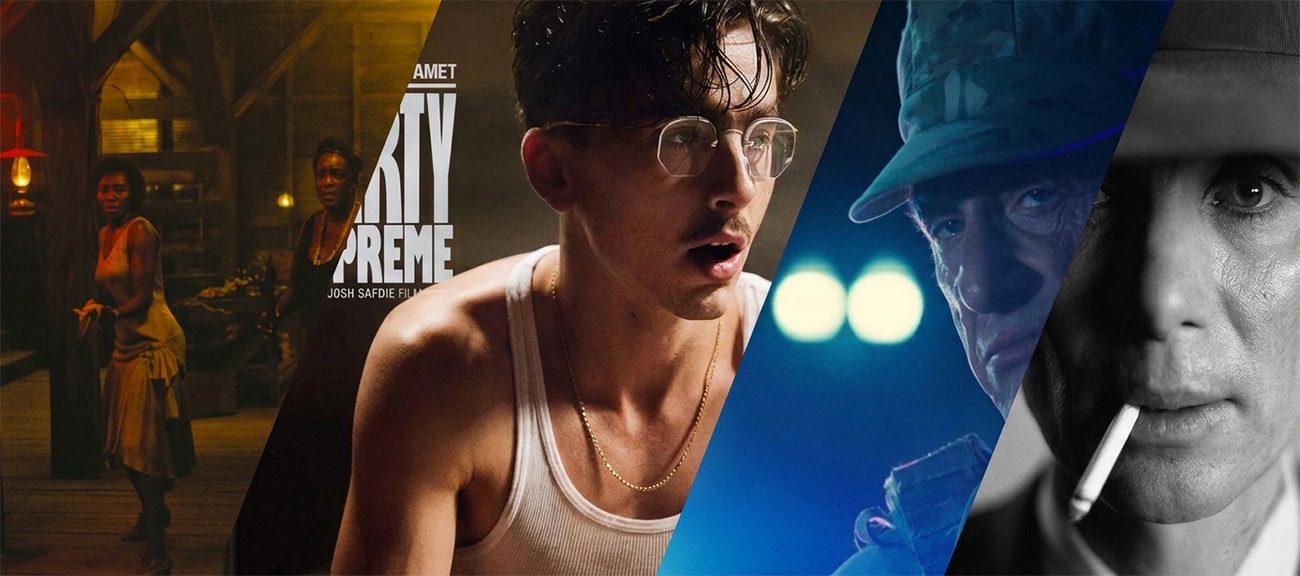
To illustrate this analytical approach, we examine several iconic stills from recent popular films and television series, attempting to deduce the lighting choices that contribute to their striking visual impact. Each breakdown, constructed within set.a.light 3D, offers a plausible interpretation of the original lighting design.
Marty Supreme – Key Advert Image: The Power of Hard Light
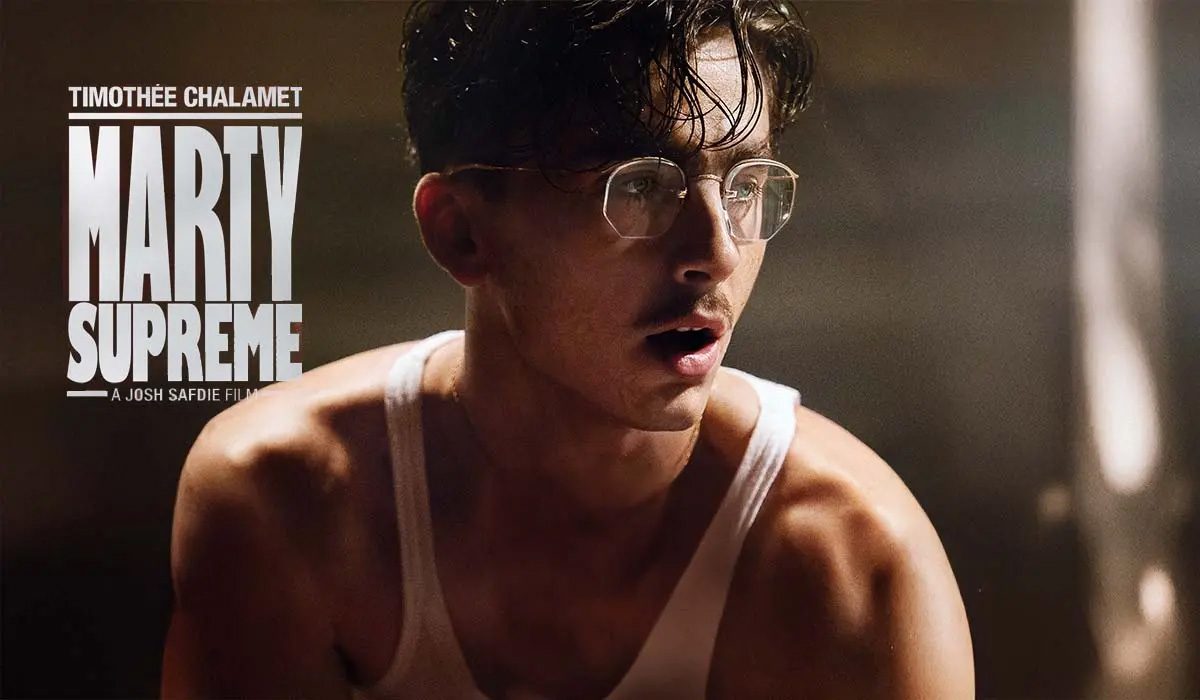
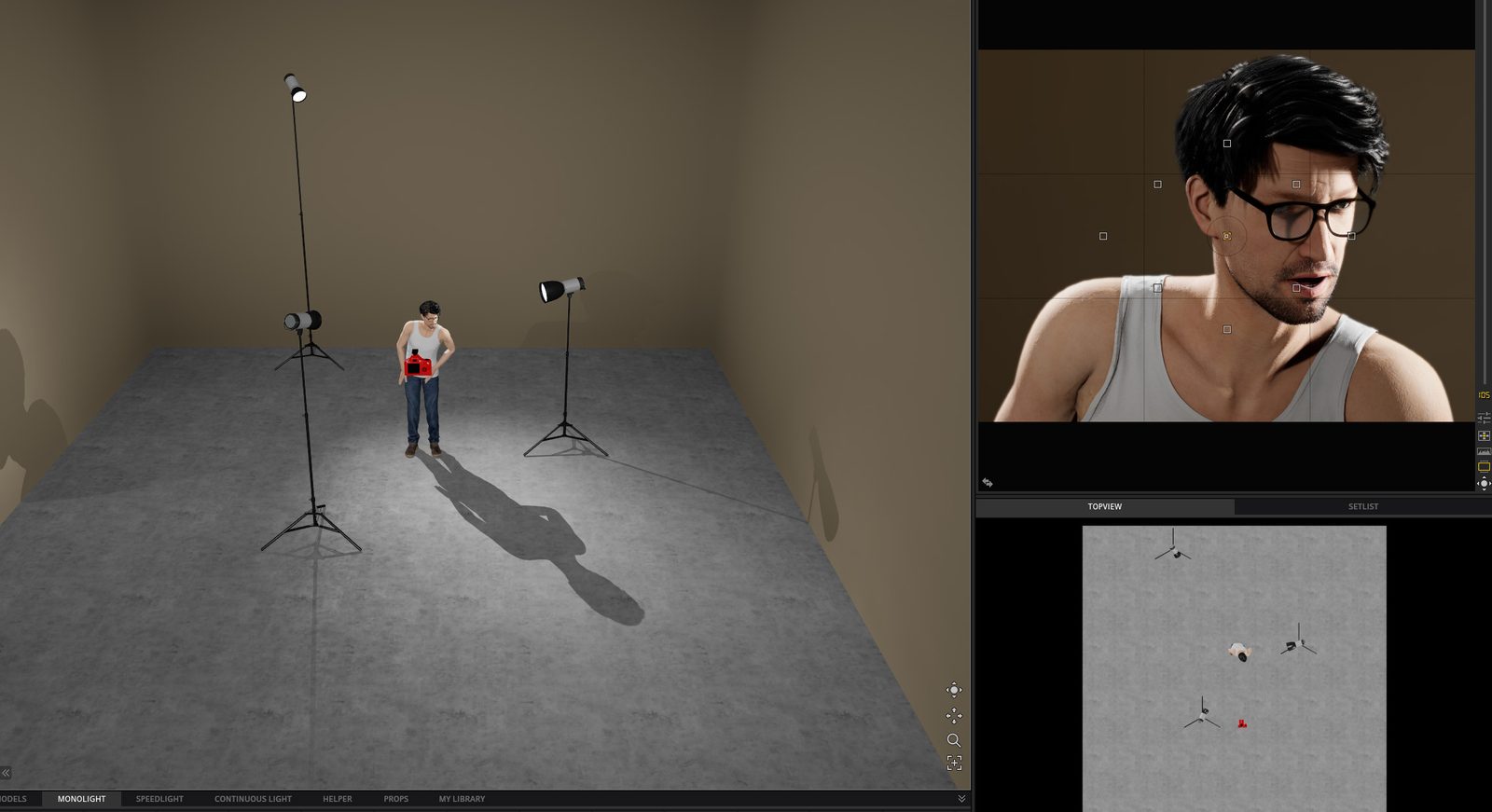
The promotional image for "Marty Supreme" immediately conveys a sense of intense drama and character depth, largely due to its assertive use of hard light. The discerning eye quickly picks up on the sharply defined specular highlights and deep, pronounced shadows. Specifically, the crisp shadow cast on the unlit side of the subject’s nose and the distinct outlines created by his glasses are tell-tale signs of undiffused, direct light sources. This stylistic choice not only adds a gritty realism but also enhances the texture and contours of the subject’s face, making him appear more rugged and formidable.
Our recreation of this look involved a three-light setup, with all lights intentionally used without diffusion to maintain the hard quality observed in the original. A key light, positioned strategically, provided the primary illumination, creating the foundational highlights and shadows. For the rim lighting, a critical element in separating the subject from the background and adding dimensionality, we employed two lights. A gridded light was placed to the subject’s right (camera left), its grid serving to concentrate the beam, meticulously highlighting his shoulders and creating a focused rim on his face. This deliberate control ensures that the rim light is impactful without spilling excessively. A similar, undiffused light was placed on the opposite side, contributing to the stark backlighting that is a signature visual motif throughout the film. Finally, a fill light was introduced camera left, subtly powered down, to gently lift the deepest shadows on the subject’s face. This fill prevents complete blackness, allowing for some detail retention while preserving the overall high-contrast aesthetic. The result is a powerful, almost sculptural image that speaks volumes about the character’s intensity.
Sinners – Key Group Scene: Crafting Mood with Color
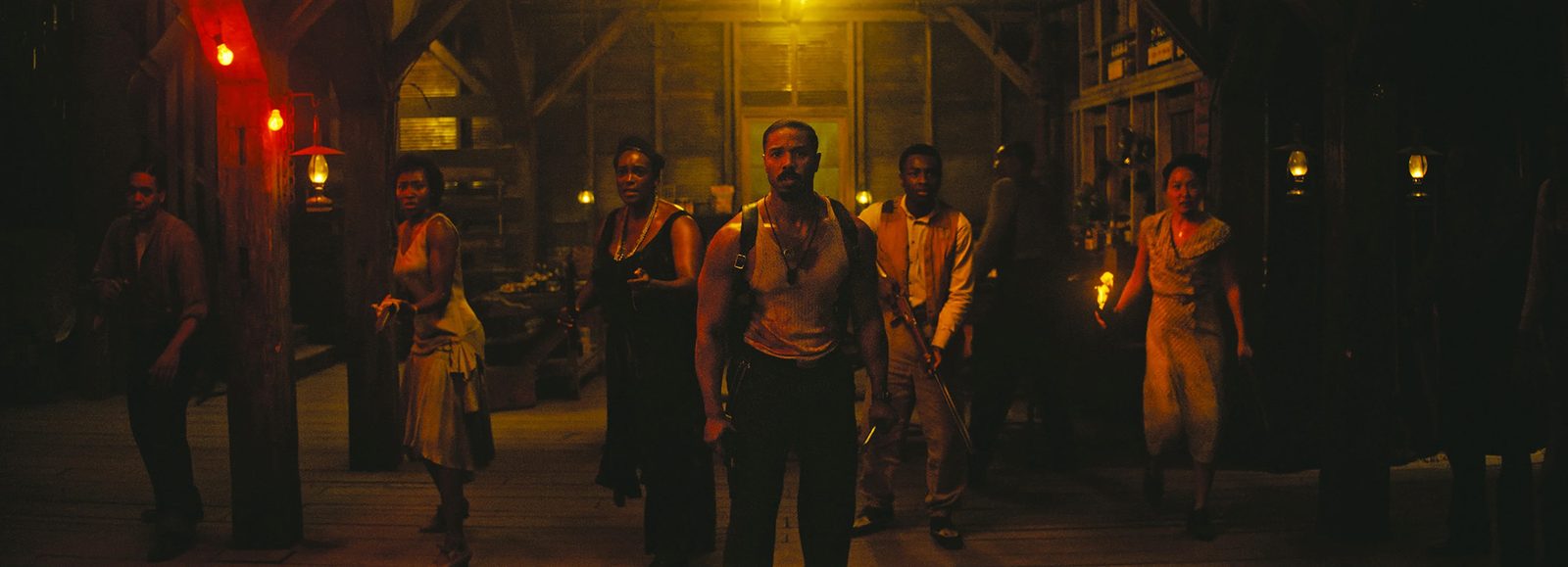
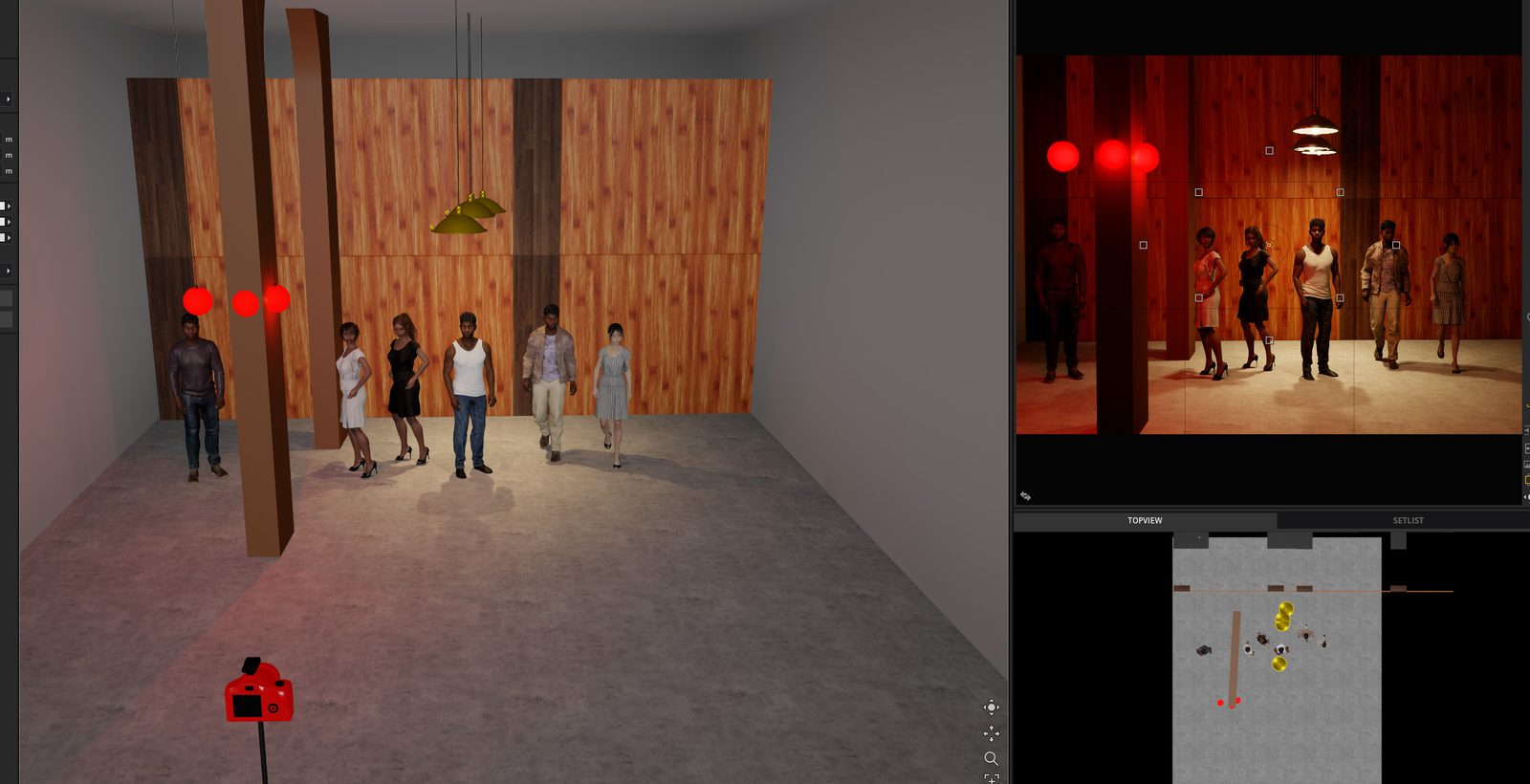
The pivotal group scene in "Sinners" stands out as a masterclass in atmospheric lighting, effectively utilizing multicolored light to establish a potent mood. The scene’s primary illumination appears to emanate from various fire sources, augmented by strategic placements of red and orange-hued practical lights. This combination immerses the viewer in an environment that feels both foreboding and intensely intimate, underscoring the narrative’s tension and emotional depth. The choice of warm, fiery tones is not accidental; it psychologically connects with themes of danger, passion, or ritual, depending on the film’s context.
To analyze this complex interior shot, the first step involved constructing a basic 3D model of the building’s architecture within set.a.light 3D. The structural elements of the environment play a crucial role in framing the subjects, creating visual depth, and interacting with the light sources through reflections and shadows. The placement of characters in a staggered pattern was crucial to mimic the original shot’s visual dynamics, ensuring contrast in their forms and faces as they interacted with the various light sources.
The subsequent phase involved placing the observed light sources, approximating their positions relative to the subjects and the environment. Given the scene’s distinctive colored illumination, the use of modern RGBWW LED fixtures, such as Aputure B7c bulbs or similar, is highly probable. These versatile lights allow for precise control over color temperature and hue, enabling cinematographers to dial in the exact red and orange spectra seen in the film. Once the basic physical placement of lights and subjects was established, the iterative process of adjusting light power and intensity began. This fine-tuning is crucial to match the interplay of highlights and shadows, the fall-off of light, and the overall luminance balance of the original scene. The result is a rich tapestry of light that enhances the narrative’s dramatic weight.
Oppenheimer – Hero Shot: The Drama of Contrast
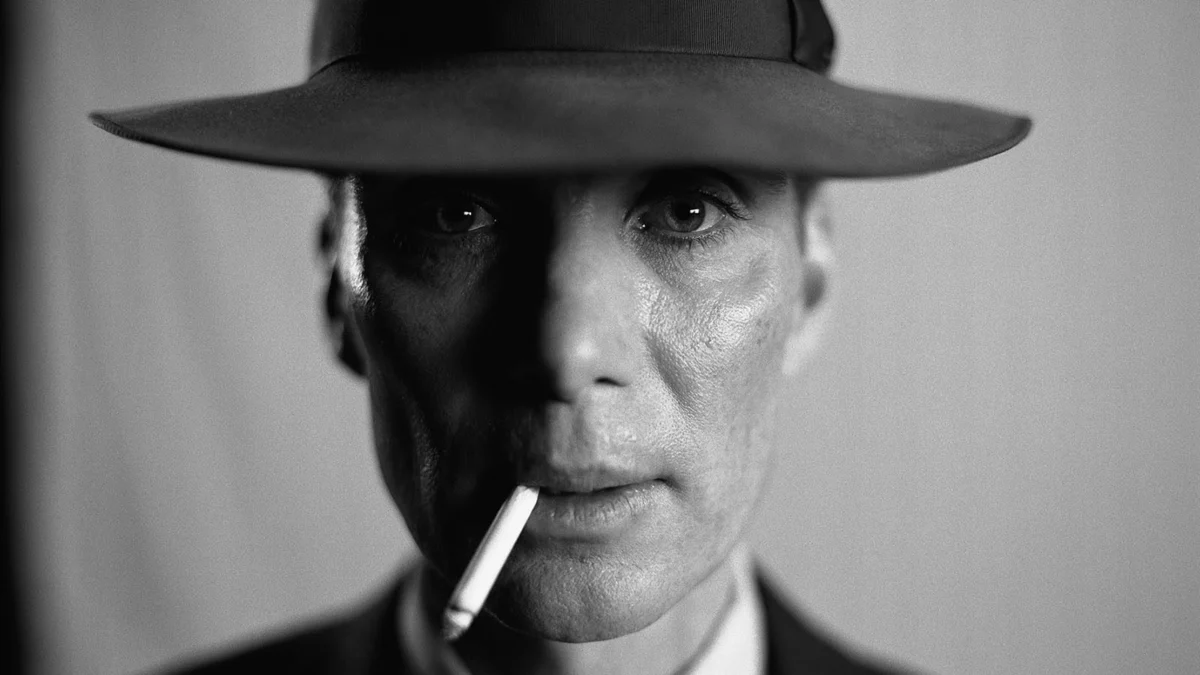
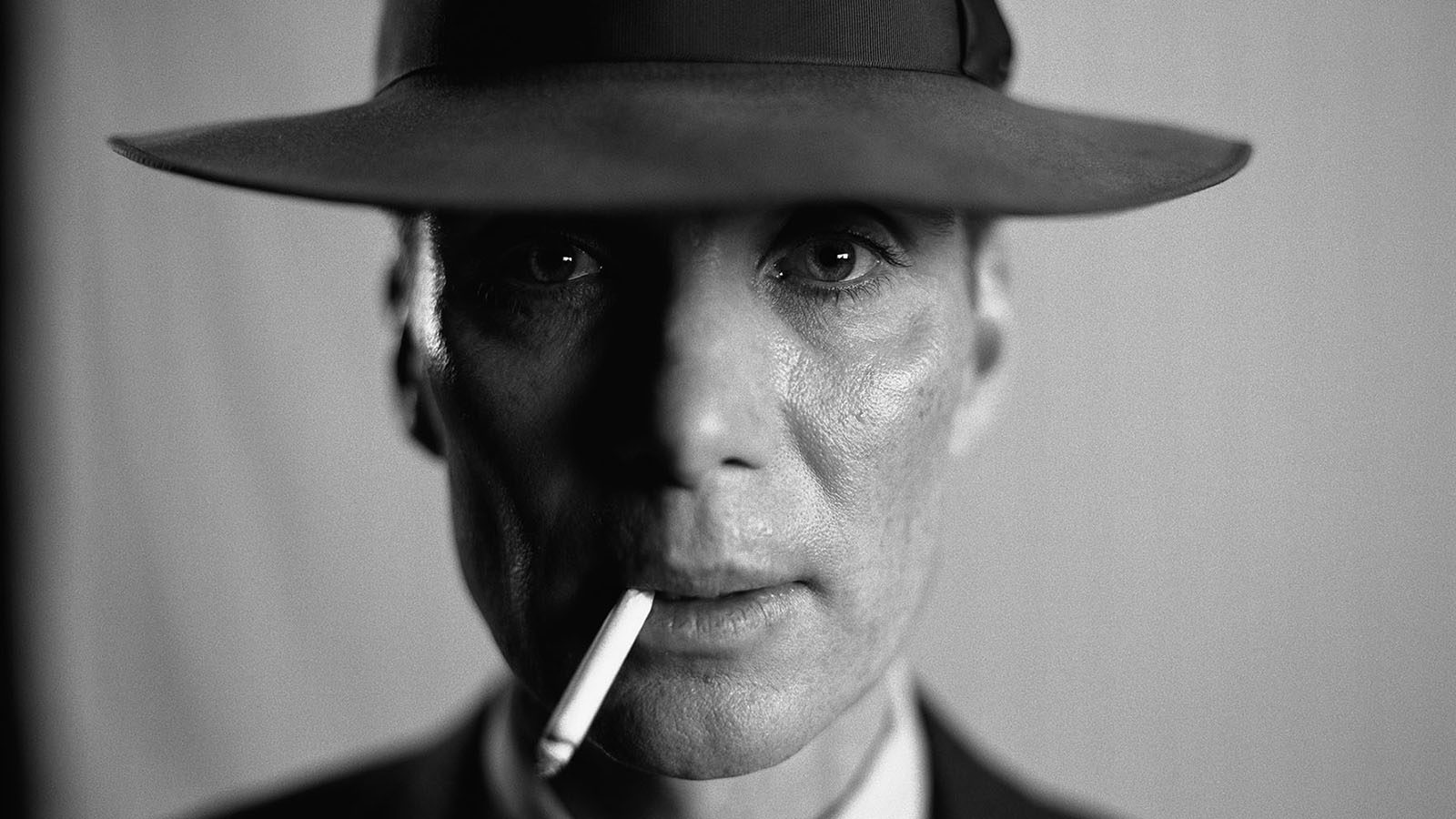
Cillian Murphy’s iconic "Hero Shot" from "Oppenheimer" served as a cornerstone of the film’s promotional campaign, captivating audiences with its stark drama and profound emotional resonance. The image masterfully employs high contrast between intensely lit highlights and deep, split lighting shadows, creating a visual metaphor for the complex and often tormented character of J. Robert Oppenheimer. The carefully placed catchlights in his eyes are particularly vital, serving as windows to his soul, adding layers of emotion and character to an already compelling portrait.
Our reconstruction of this powerful image began with the key light: a relatively small, gridded Octobox positioned camera right. The choice of an Octobox, while still a form of soft light, provides a slightly larger and more appealing catchlight in the eyes compared to a harsher bare bulb, contributing significantly to the emotional depth. The grid attached to the Octobox is critical; it limits light spill, directing the illumination precisely onto the subject and preventing it from washing out the scene’s intended high contrast. This focused beam ensures that the highlights are crisp and controlled.
To further amplify the dramatic contrast, a black blocking board was strategically placed close to the subject on camera left. This negative fill technique absorbs light rather than reflecting it, deepening the shadows on that side of his face and exaggerating the delineation between light and dark. This creates the distinctive split lighting effect, where one side of the face is brightly lit and the other is plunged into shadow. Finally, a bare light was introduced from behind and to the left of the subject. This back or rim light serves to separate Oppenheimer from the background, adding a subtle, yet impactful, halo effect that emphasizes his silhouette and contributes to the overall sense of dramatic tension. The combined effect is an image that is both technically brilliant and emotionally profound.
One Battle After Another – Lockjaw Scene: Motivated Lighting and Anamorphic Flair
"One Battle After Another," a Best Picture winner, was lauded for its masterclass in cinematography and immersive storytelling. While much of the film embraced natural light and on-location shooting, its nocturnal sequences, particularly those featuring Sean Penn’s antagonist, Lockjaw, offered compelling examples of stylized low-light cinematography. The analyzed "Lockjaw Scene" is a prime illustration of how carefully crafted artificial lighting can heighten tension and reveal character.
The shadows cast across Sean Penn’s face in this scene unequivocally point to the prevalent use of hard light sources. This deliberate choice creates a sense of starkness and unforgiving reality, mirroring the character’s formidable presence. Our breakdown began by establishing these harsh rim lights on either side of the subject. Crucially, one of these rim lights was given a distinct blue hue, motivated by the implied presence of police car lights in the background. This not only adds a layer of realism but also injects a sense of impending danger or confrontation, directly contributing to the scene’s narrative.
Following the establishment of these intense rim lights, a bare light was positioned at the front, albeit powered down significantly. This front light acts as a subtle fill, preventing the shadows on Penn’s face from becoming absolute black voids, thus preserving some facial detail while maintaining the scene’s high-contrast aesthetic. This careful balance ensures that the character remains discernible without losing the dramatic impact of the hard lighting. A notable stylistic element in the original shot is the distinct horizontal lens flare on the right side of the frame. This characteristic flare is a signature of anamorphic lenses, which are often chosen for their unique widescreen aspect ratio and their distinctive optical aberrations, including these elongated flares. The use of an anamorphic lens further enhances the cinematic quality, adding a layer of visual sophistication and a subtly epic feel to the tense encounter.
The Broader Implications and Continuing Education
This analytical exercise underscores that while cameras capture images, it is light that crafts the narrative and evokes emotion. The ability to deconstruct and understand these sophisticated lighting techniques is invaluable for aspiring cinematographers, directors, and even casual film enthusiasts. It fosters a deeper appreciation for the meticulous planning and artistic decisions that go into every frame of a professional production. The availability of tools like set.a.light 3D democratizes this learning process, allowing individuals to experiment and learn without the prohibitive costs of physical equipment and studio time.
The economic implications of complex lighting setups are significant, encompassing not only the rental or purchase of high-end equipment but also the salaries of skilled lighting crews. These investments are justified by the profound impact lighting has on a film’s overall aesthetic, its ability to attract audiences, and its potential for critical acclaim. As technology continues to evolve, offering new possibilities in light control and manipulation, the role of the cinematographer remains central to the visual integrity and artistic success of any production.
By engaging in such analyses, one develops a more critical and informed eye, moving beyond passive consumption to an active understanding of cinematic language. The next time you watch a film or TV show, consider pausing on a particularly striking frame and asking: "How was this lit?" This simple question can unlock a wealth of understanding about the craft, the narrative, and the profound power of light in storytelling. For those inspired to light their own scenes and put theory into practice, a wide array of professional lighting equipment is available for rental, providing the tools to begin your own journey into the art of cinematography.