The ambitious undertaking of transforming Eiichiro Oda’s globally beloved manga, One Piece, into a live-action series for Netflix was met with a mixture of excitement and profound skepticism. One Piece is not merely one of the longest-running and most popular anime franchises in history, boasting over 500 million manga copies sold worldwide and an anime adaptation nearing 1,100 episodes; it is a fantastical epic renowned for its vibrant, imaginative worlds and larger-than-life characters. Adapting such a sprawling, visually distinct universe into live-action presented an unprecedented challenge, requiring meticulous attention to fan expectations, the orchestration of a massive crew numbering between 400 and 500 individuals, and the daunting task of constructing a believable, yet inherently fantastical, world.
Historically, live-action adaptations of anime and manga have been fraught with peril, often failing to capture the essence of their source material or satisfying dedicated fanbases. High-profile examples like Dragonball Evolution and even Netflix’s own Death Note adaptation serve as cautionary tales, highlighting the difficulties in translating highly stylized animation and often absurd concepts into a live-action format without losing their charm or descending into unintentional parody. The core issue frequently lies in the balance between fidelity to the original vision and the practical constraints of live-action filmmaking, particularly concerning visual effects.
A Bold Bet on Practical Effects and On-Location Filming
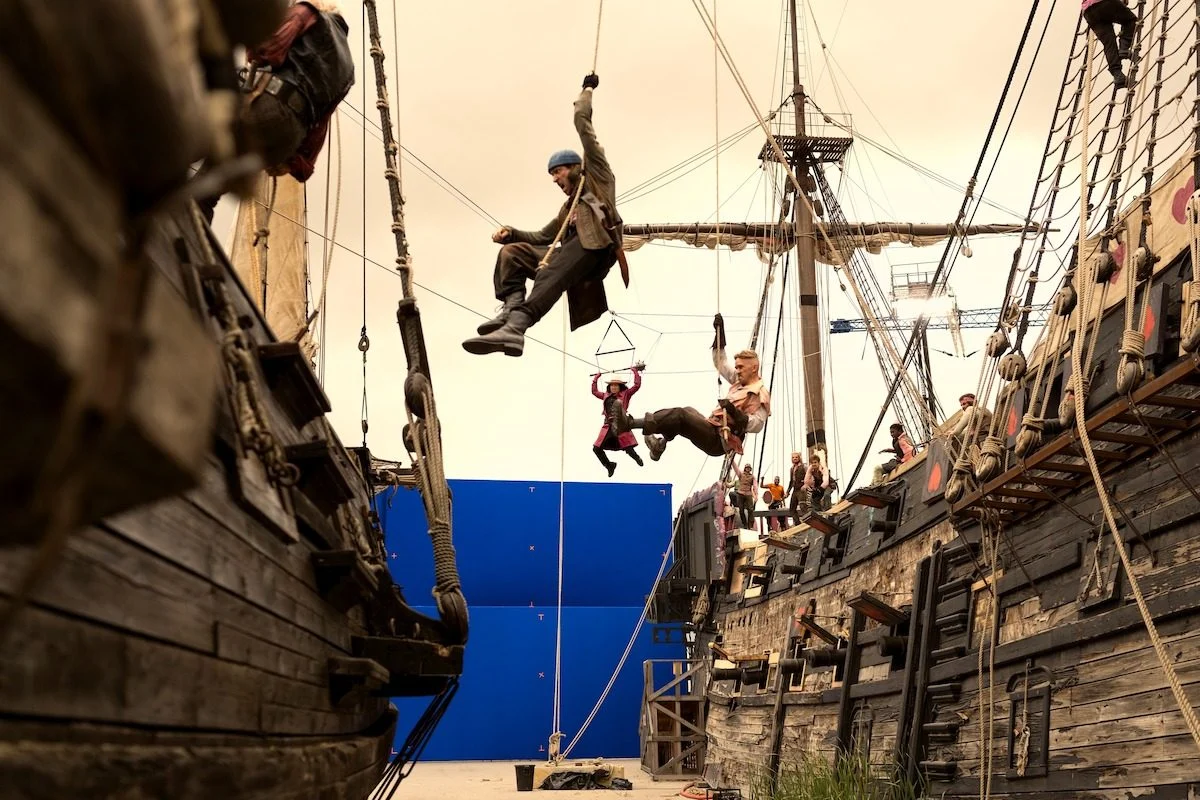
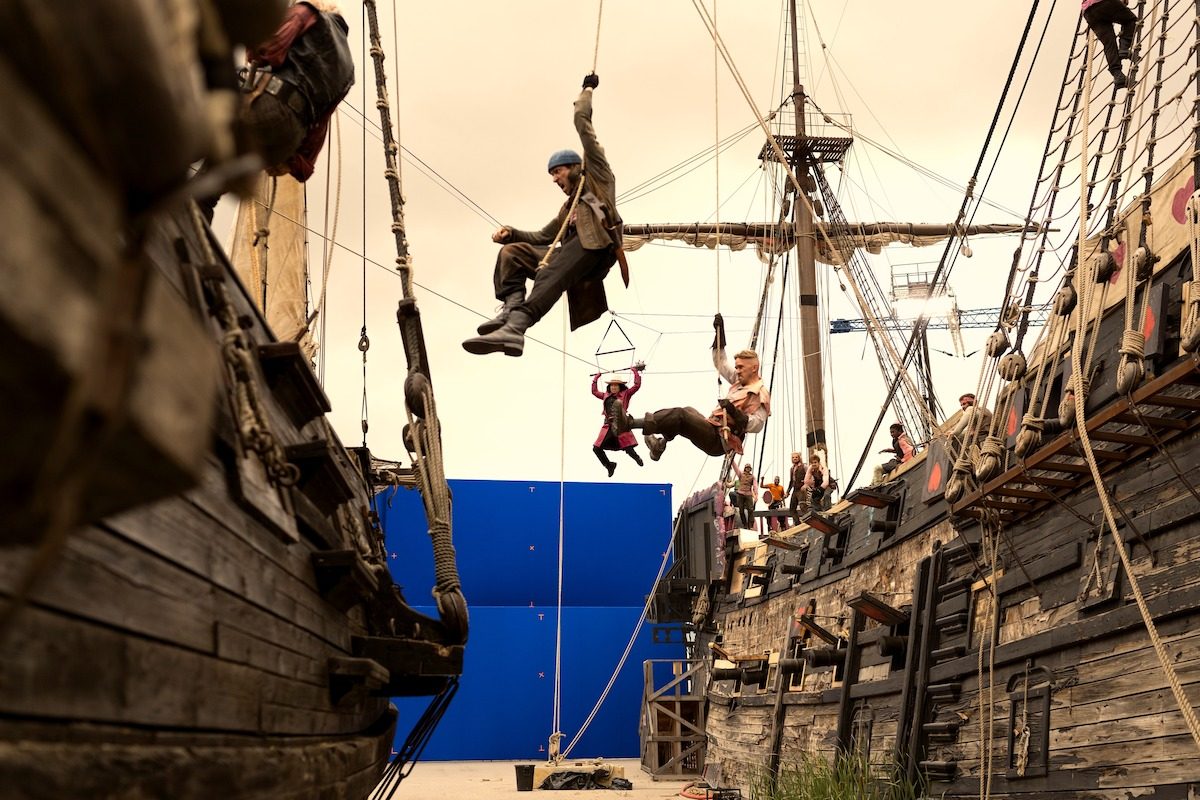
Defying contemporary trends that heavily lean on extensive green screen work and digital environments, Netflix and the One Piece production team made a pivotal decision: to prioritize filming on practical locations rather than exclusively in studio soundstages. This choice, while creatively rewarding, came with significant logistical and financial implications. It necessitated a seven-month production schedule based largely in South Africa, involved the commissioning of custom anamorphic lenses built by Hawk, and dictated shoot days meticulously scheduled around the natural arc of the sun – a method reminiscent of classic filmmaking approaches.
This strategic pivot aligns with a growing sentiment observed across the creative industry, a theme that resonated strongly with industry professionals and emerging creators alike during events such as Dream Con. Lensrentals.com, a prominent equipment rental company, routinely attends industry conventions like NAB, WPPI, and ImagingUSA to connect with its client base and discern evolving trends. This year, the addition of Dream Con – a Houston-based convention celebrating anime, gaming, cosplay, TV, and film – offered a unique insight into the aspirations of a new generation of creators. What Lensrentals representatives discovered was a collective of passionate individuals striving for the same high production values seen in One Piece, often with a fraction of the budget.
The Intricacies of Production: Building a Pirate World
Creating an anime offers boundless creative freedom; anything imaginable can be drawn and animated without the strictures of physical feasibility. Live-action filmmaking, conversely, is inherently bound by practical limitations. Camera capabilities, available locations, and special effects budgets are all pre-approved constraints that shape the final product. Yet, the One Piece team embarked on the seemingly impossible: to adapt a pirate-themed anime, with many sets designed for the open sea, predominantly through practical effects and real-world locations.
Shooting a production of One Piece‘s scale with practical effects and on-location filming meant embracing logistical complexities that bordered on the impractical. The South African shoot, employing 400 to 500 people, was dedicated to constructing elaborate sets, scouting diverse locations, and managing the intricate process of filming. When utilizing real ships as primary sets, the production team had to maximize existing conditions. Director of Photography Nicole Hirsch Whitaker, in an interview with Buzz Magazine, recounted the challenges: "Available daylight is always an issue, and not being able to rotate the ships. We had very big rigs, and it’s windy in South Africa! It took some time to work out how to make it all look really good, but with a great crew, we learned to schedule things around the sun." This dedication to working with, rather than against, natural elements became a hallmark of the production.
These inherent challenges translated into an exceptionally long production timeline. First announced in 2020, the first season of One Piece finally premiered in August 2023, following an intensive filming period of approximately seven months. The impressive critical and audience reception led to Netflix renewing the series for a second season just two weeks after its premiere, a testament to the success of its audacious production strategy.
Technical Excellence: The Gear Behind the Grand Line
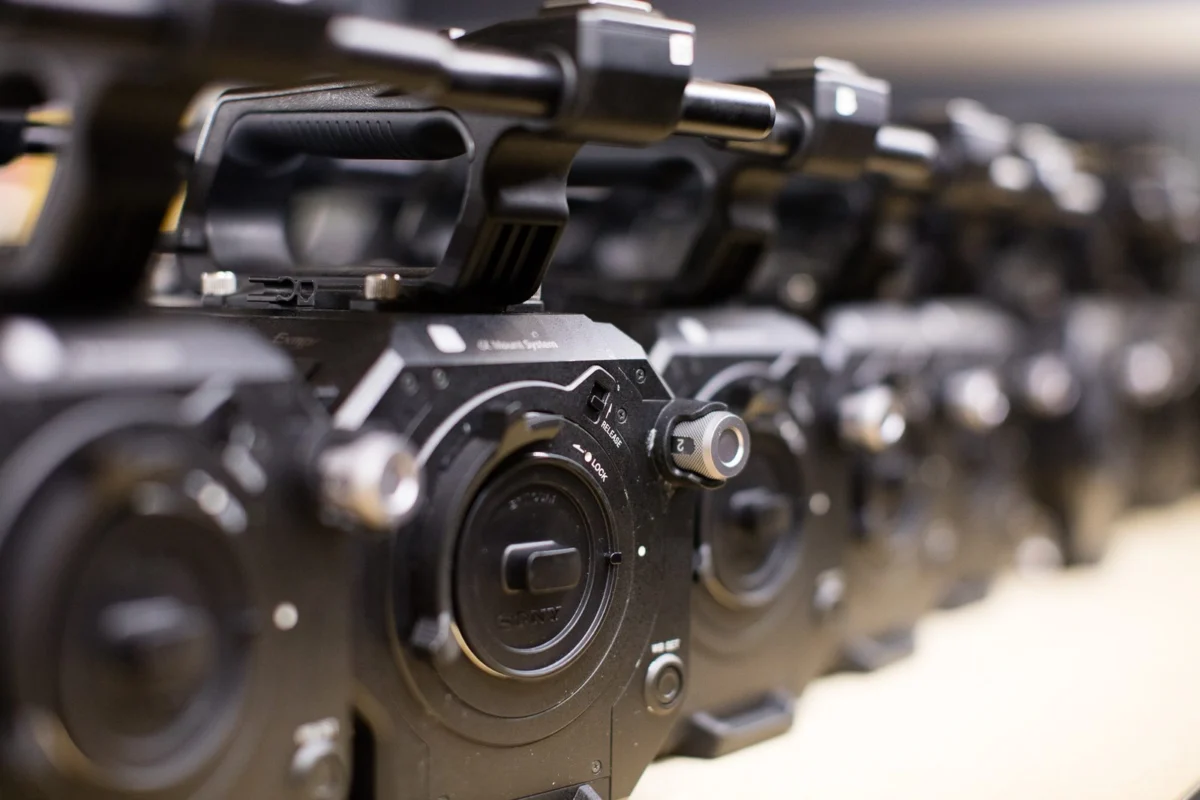
Netflix productions adhere to stringent technical specifications, notably the "Netflix Approved Camera List" which dictates the camera bodies permissible for their original content. For One Piece, the production team selected some of the highest-tier equipment available. Season One was primarily shot on large-format ARRI Alexa Mini LF cameras, renowned for their cinematic image quality and dynamic range. Complementing these state-of-the-art bodies were custom Hawk MHX / MiniHawk hybrid anamorphic lenses, specifically designed for the show. For the upcoming Season Two, the production has opted for the legendary Panavision Primo 70 lenses, indicating a continued commitment to premium optics.
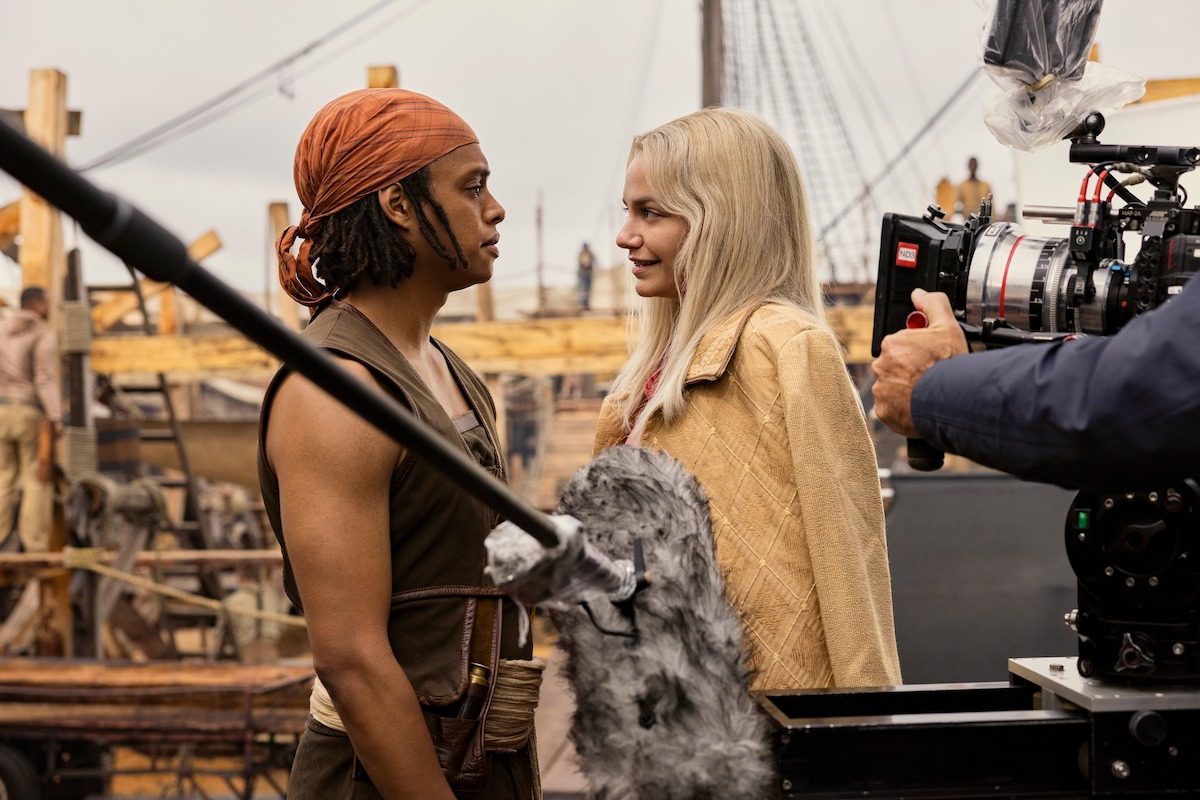
The story behind the custom Hawk MHX lenses underscores the production’s dedication to achieving a specific visual aesthetic. Cinematographer Nicole Hirsch Whitaker elaborated on this process to NoFilmSchool: "We actually went to Hawk, and they built us a set of lenses from scratch to basically allow us to do what we needed to do because there really wasn’t a large format lens out there that we could do the same type of photography with if they hadn’t built us those lenses. I knew I wanted to shoot ARRI large format, and there isn’t much large-format glass. Basically, they went to the drawing board and built them for us. Netflix got on board since they had to pay for them. It was a big deal. We had to do a lot of convincing, but everybody was really cool and allowed them to get made. Hawk got the lenses delivered, and they had my name on them. It was really fun." This extraordinary effort highlights Netflix’s investment in realizing the show’s unique visual language and the collaborative spirit required to push cinematic boundaries.
The Practical Bet Pays Off: A New Paradigm for Adaptations
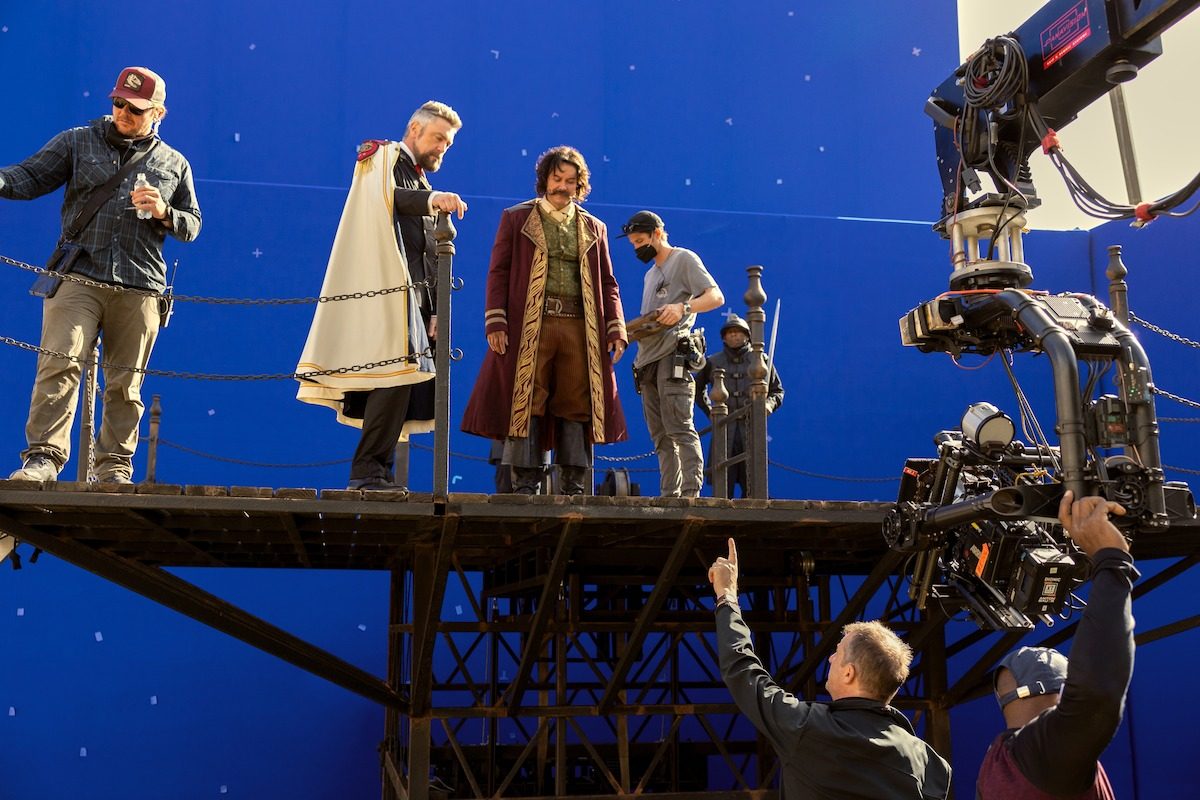
The choices made by Netflix and the One Piece creative team ultimately honored the intricate and vibrant source material. The growing sentiment within the industry, and among audiences, suggests that digital solutions do not always equate to superior results. As visual effects technology advances, so too does audience sophistication in discerning digitally rendered environments. The "volume wall," a common term for large LED screens used for virtual sets, while groundbreaking, can sometimes result in actors appearing disconnected from their digital surroundings. One Piece circumvented this potential pitfall by reverting to a tried-and-true method: a timeless approach to filmmaking that leverages real-world elements to fully immerse viewers in the narrative.
While practical filmmaking, especially on this scale, is undeniably expensive—involving months of dedicated production, hundreds of crew members, and custom-fabricated equipment—its perceived value to the audience and its aesthetic impact proved invaluable. The success of One Piece serves as a powerful case study, demonstrating that for certain ambitious projects, the investment in practical effects and on-location shooting can yield a more authentic, visually compelling, and ultimately more satisfying viewing experience, particularly for adaptations of beloved properties.
Implications for Independent Creators: Bridging the Budget Gap
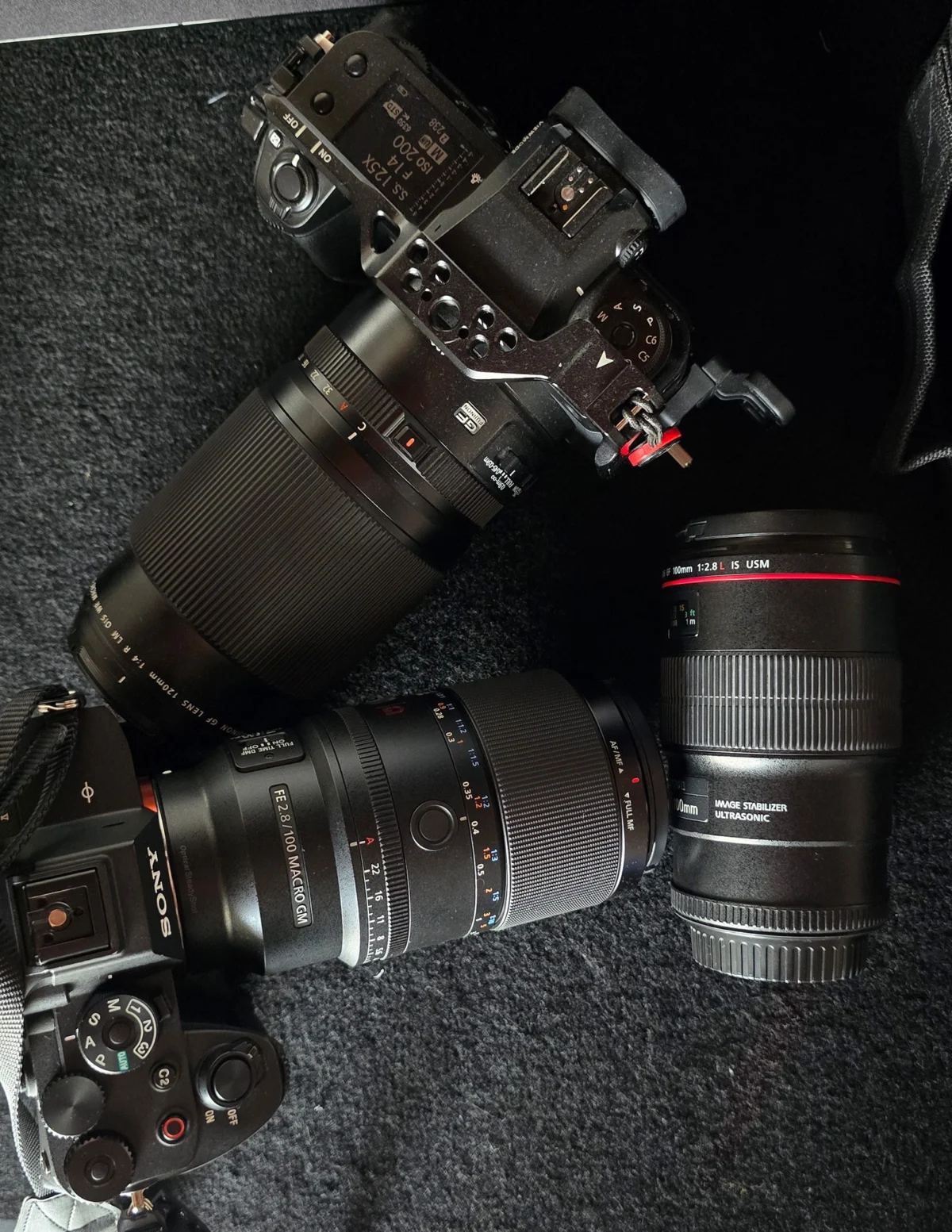
The philosophy embraced by the One Piece production offers significant inspiration and practical lessons for independent filmmakers and emerging content creators operating with significantly smaller budgets. The Lensrentals observations from Dream Con revealed a consistent pattern: creators prioritize owning their camera bodies, viewing them as the foundational tool around which their identity and workflow are built. What they predominantly seek to rent, however, are the peripheral elements that elevate their projects: high-quality glass (lenses) first, followed by specialized streaming gear and other additive pieces that push a project up a tier. The demand was not for renting camera bodies that could be purchased, but for accessing the advanced optics that truly make a camera body worth owning.
This insight underscores a crucial dynamic in modern content creation. For those without Netflix-level budgets, practical filmmaking often represents the initial foray into the craft. Real locations, natural light, and carefully chosen lenses can achieve remarkable visual depth and storytelling power, becoming more achievable as budgets shrink, not less. The core message is clear: if a multi-million-dollar Netflix production can reap the rewards of practical effects, independent creators can apply similar principles within their means.
The world of creative content is not merely shifting; it has already undergone a profound transformation. The rise of independent success stories exemplifies this paradigm shift. Kane Parsons, for instance, created "The Backrooms" as a web series in his teenage years, subsequently produced a feature film for an estimated $10 million, and saw it gross over $400 million worldwide, making it A24’s highest-earning film. Similarly, Curry Barker’s "Obsession," shot in twenty days for $750,000, cleared half a billion dollars. These examples are irrefutable proof that dedicated fans and resourceful creatives can propel productions, even those starting with budgets remarkably close to those of aspiring filmmakers, to monumental success.
Lensrentals.com actively supports this new wave of artistry by democratizing access to high-end cinematic tools. While the custom-made Hawk lenses used on One Piece remain exclusive to the production, independent creators can access other critical components that contributed to the show’s spectacular look. The ARRI Alexa Mini LF, the very camera body used on One Piece, is available for rent. For those seeking large-format anamorphic aesthetics, the Atlas Mercury Full-Frame 1.5x line offers full-frame sensor coverage with characteristic oval bokeh and barrel distortion. Alternatively, for a clean, spherical look, the Zeiss Supreme Primes cover the same 46.3mm large-format image circle that Nicole Hirsch Whitaker required.
By providing a comprehensive anamorphic lineup, from full-frame sets to kits compatible with existing camera systems, Lensrentals empowers creators. Whether the goal is to emulate the cinematic quality of a blockbuster series like One Piece or to carve out a unique visual identity, access to professional-grade lenses and camera bodies is no longer an insurmountable barrier. The message is one of encouragement and enablement: with the right tools and a practical, creative vision, the next generation of filmmakers can achieve professional-tier results and realize their most ambitious projects, proving that the spirit of innovation and quality seen in One Piece is accessible to all.