The profound beauty of the Earth offers a wellspring of strength that endures as long as life itself. When a family transplanted from the agricultural heartland of Saskatchewan to the remote Arctic, they embarked on an adventure that redefined their understanding of comfort and connection. This relocation, initiated by parents steeped in the robust work ethic of farming, necessitated a surrender of familiar conveniences: easy access to extended family, the gentle cadence of mild summer evenings, and the predictable rhythms of the temperate seasons. Yet, this deliberate exchange of the known for the unknown yielded an unexpected bounty, revealing that the immersive embrace of nature offered rewards far exceeding what was left behind. This foundational experience, rooted in the stark, breathtaking landscapes of the North, ultimately shaped a lifelong pursuit of capturing the wild through the lens of a camera, culminating in profound encounters with some of Earth’s most magnificent and misunderstood creatures – the whales.
From Prairie Roots to Arctic Skies: A Childhood Transformed
The author’s formative years were profoundly shaped by this bold move. Raised in a landscape where the horizon stretched endlessly and seasons dictated the pace of life, the transition to the Arctic presented a stark contrast. This environment, characterized by extreme conditions and a unique biodiversity, fostered an intimate relationship with the natural world. The author’s parents, descendants of farmers, brought with them an ingrained resilience and a deep appreciation for the land, values that would prove invaluable in their new home. This upbringing in the vast, untamed North instilled a fundamental understanding of ecological interconnectedness and the raw power of nature. It was within this crucible of adaptation and discovery that the seeds of a career dedicated to documenting wildlife were sown. The early exposure to the resilience of Arctic fauna, such as wolves and polar bears, laid the groundwork for a fascination with creatures that inspire both awe and a primal respect.
A Lens on the Wild: Documenting Earth’s Biodiversity
Following this path of discovery, the author transitioned from observer to documentarian, wielding a camera as a tool to bridge the perceived distance between humanity and the animal kingdom. This professional evolution allowed for unprecedented access to a diverse array of species, from the iconic wolves and penguins to the elusive spirit bears and the formidable sharks. The lens became a conduit for understanding, offering intimate glimpses into the lives of creatures that inhabit Earth’s most remote corners. This dedication to capturing the essence of wildlife underscores a profound belief in the inherent value of every species and the irreplaceable beauty of the planet’s biodiversity. The privilege of witnessing and documenting these natural wonders is articulated not merely as a career, but as a profound honor, a testament to the planet’s overflowing abundance.
The Gentle Giants: Encounters with Whales
Among the myriad of wildlife encounters that have defined the author’s career, interactions with whales, often referred to as the true giants of Earth, stand out as particularly transformative. These colossal marine mammals, like the Arctic predators of the author’s youth, evoke a powerful duality of fear and reverence in the human psyche. However, a closer examination and direct experience often reveal a gentler, more intelligent nature than commonly perceived, a reality frequently overshadowed by myths and fictional portrayals. This inherent contradiction between their imposing presence and their often-docile demeanor has been a recurring theme in the author’s exploration of the natural world.
Dispelling Myths: The Truth Behind Orcas and Sperm Whales
Creatures like orcas and sperm whales, despite their formidable size and apex predator status within marine ecosystems, possess a history of interactions with humans that challenges conventional fears. Scientific records indicate no definitive instances of orcas or sperm whales intentionally killing humans. This fact, often lost in popular culture narratives, speaks volumes about their actual behavior and their complex relationship with the ocean’s other inhabitants. The author’s personal experiences have consistently reinforced this observation, revealing a capacity for profound intelligence and a surprisingly gentle disposition. These encounters have served to dismantle long-held misconceptions, demonstrating that beneath the surface of their immense power lies a nuanced and often placid existence.
The Dominica Encounter: A Calf’s Curious Embrace
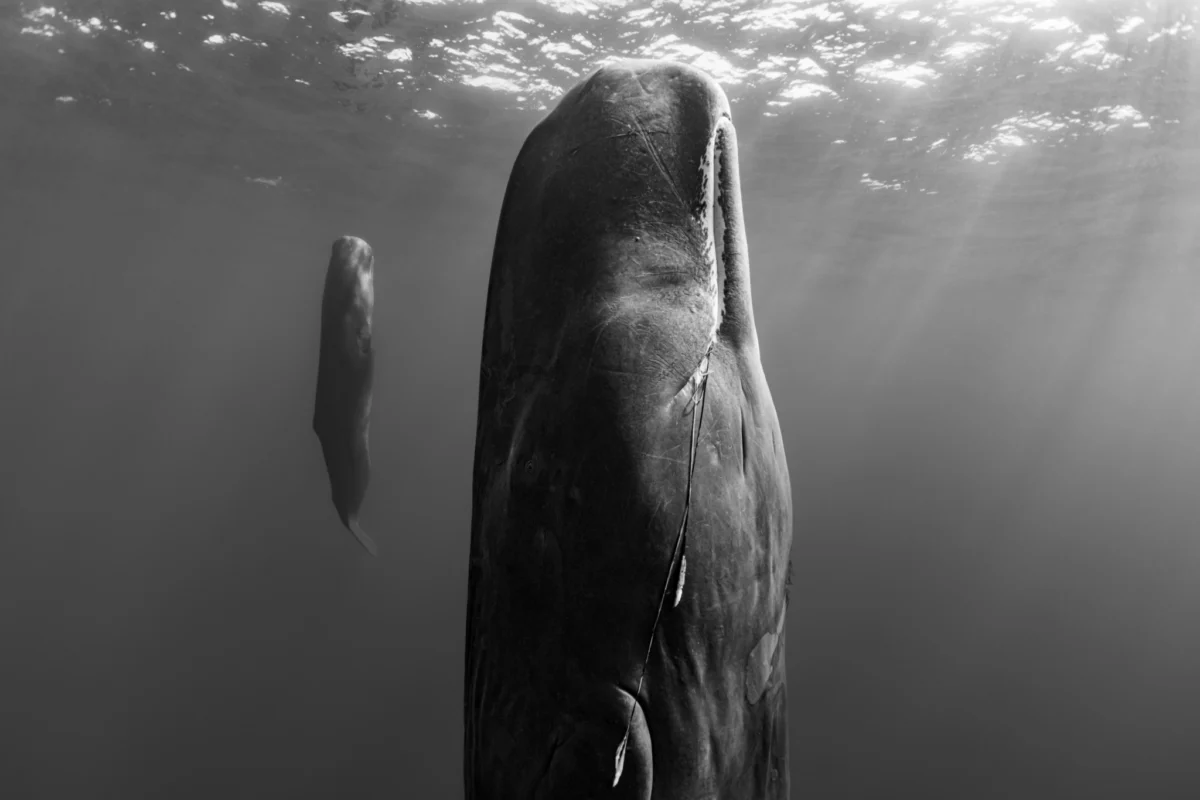
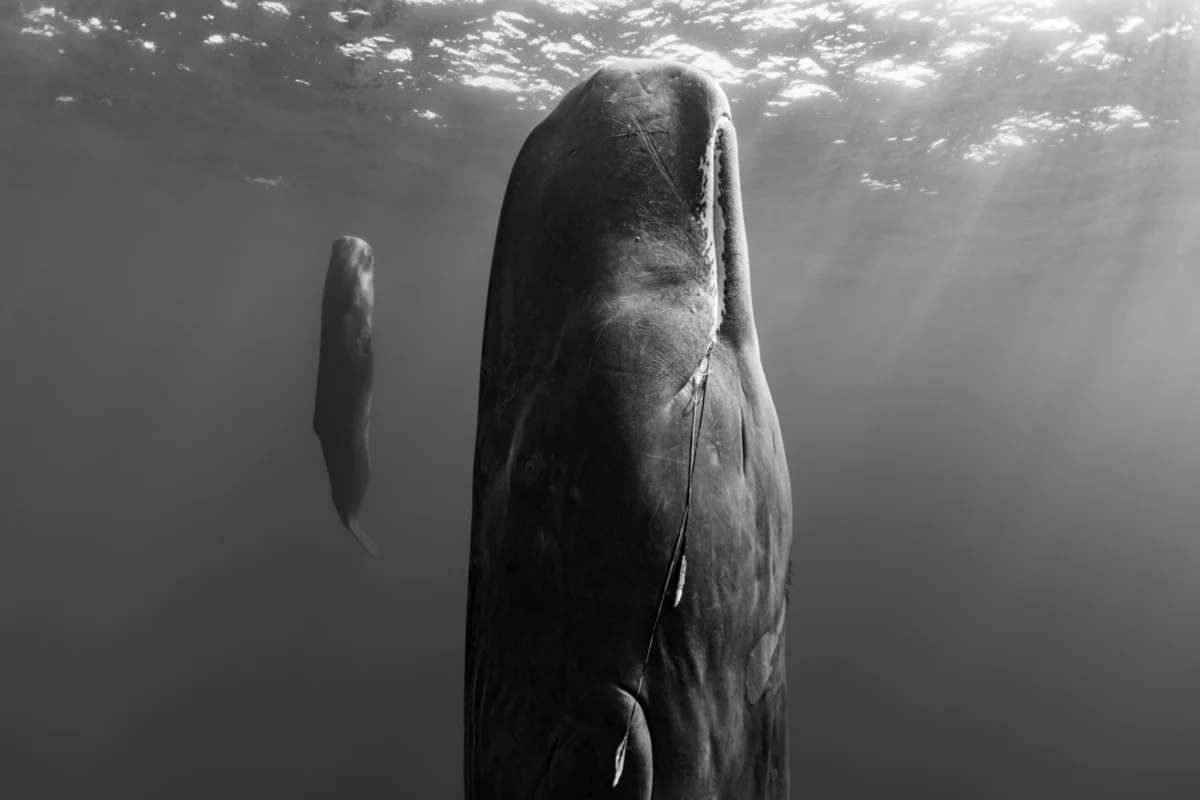
One of the most memorable and eye-opening experiences occurred off the coast of Dominica, where the author had the privilege of swimming with a pod of sperm whales. This encounter provided a unique perspective on these magnificent creatures, particularly during their resting periods. Sperm whales, known for their deep-sea foraging, ascend to the surface to breathe and rest, often suspending themselves vertically in the water column, their heads pointed towards the sky. Utilizing free-diving techniques with a snorkel, the author was able to approach the pod with minimal disruption. The matriarch and her group exhibited a remarkable level of comfort and awareness of the photographer’s presence, a testament to their intelligence and their accustomedness to respectful human observation.
The narrative then shifts to a singular, heartwarming moment: the attention of a young calf, affectionately nicknamed "Ariel" by local residents. Distracted from her nap, Ariel, a juvenile approximately 20 feet in length, made a direct and surprisingly swift approach. The author braced for impact, anticipating a potentially overwhelming encounter. However, Ariel’s intentions were far from aggressive. Instead, she playfully nudged the camera housing with her toothless gums, exhibiting the uninhibited curiosity of a young mammal. This interaction, a far cry from the monstrous portrayal of Moby Dick, revealed Ariel as a vibrant, inquisitive, and remarkably gentle creature. The author’s years of experience working with large, unpredictable wildlife allowed for a calm, measured retreat, enabling a moment of personal reflection amidst this extraordinary encounter. The image captured during this interaction, depicting Ariel emitting a playful stream of bubbles as she barrels past, has become an iconic representation of the unexpected bonds that can form between humans and marine life when approached with respect and understanding.

The Enduring Gift of Nature
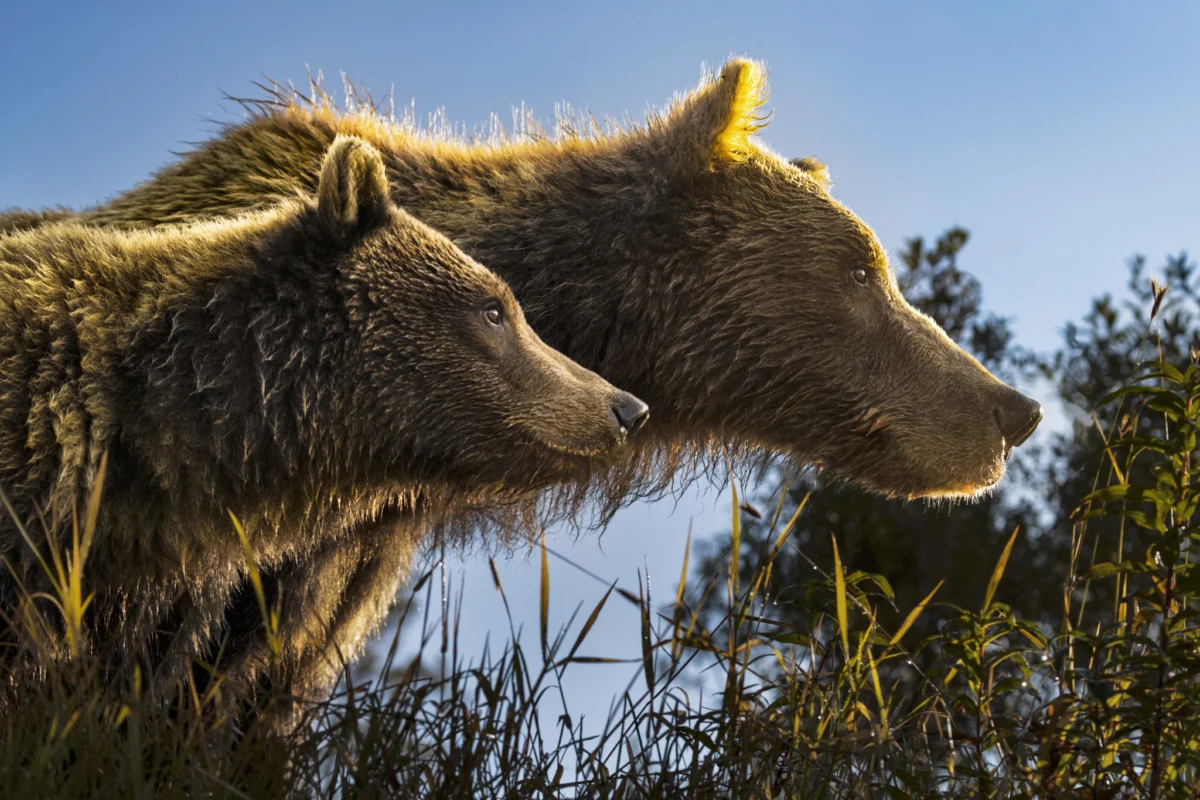
Reflecting on a life spent in pursuit of wild encounters, the author recognizes a profound continuity, tracing a lineage from childhood explorations of the Arctic’s terrestrial fauna to these deep-sea interactions. The early experiences, walking alongside bears and foxes, provided an invaluable foundation for understanding and appreciating Earth’s wildest inhabitants, including the majestic whales of Dominica. The author posits that the more time humanity spends immersed in the natural world, the more readily its wonders unfold, revealing new experiences and fostering deeper connections. In contrast to the ephemeral comforts and conveniences of modern, fast-paced society, nature offers a more profound and enduring gift: genuine connection. This connection, forged through shared presence and mutual respect, is presented not merely as a benefit, but as the ultimate reward, a testament to the intrinsic value of the natural world and humanity’s place within it.
Scientific Context and Conservation Implications
The interactions described underscore the critical importance of understanding whale behavior beyond sensationalized narratives. Sperm whales ( Physeter macrocephalus ) are the largest toothed whales, known for their deep dives in search of squid and fish. Their social structures are complex, with females and young living in pods while males often live solitary lives or in bachelor groups. The matriarchal society observed off Dominica is characteristic of female sperm whale pods.
Supporting Data:
- Sperm Whale Diving Capabilities: Sperm whales are capable of diving to depths exceeding 2,000 meters (6,560 feet) and can remain submerged for over an hour, a feat that requires remarkable physiological adaptations.
- Population Status: While not currently listed as endangered, sperm whale populations have faced historical threats from commercial whaling, and some regional stocks are considered vulnerable or of conservation concern.
- Vocalizations and Communication: Sperm whales produce powerful clicks used for echolocation and communication, playing a vital role in their foraging and social interactions.
The apparent lack of aggression towards humans by sperm whales and orcas, despite their predatory nature, is attributed to several factors:
- Dietary Preferences: Their primary food sources do not typically include humans.
- Cognitive Abilities: These cetaceans possess high levels of intelligence, allowing them to differentiate potential threats from non-threats.
- Learned Behavior: Through generations, they may have learned that humans do not pose a significant threat or provide a food source, especially in controlled or respectful encounters.
The author’s experience with Ariel highlights the playful and curious nature of young whales, a behavior that, while charming, can also pose risks for both the animal and the observer. Young animals, driven by exploration and less inhibited by learned caution, may approach unfamiliar objects or individuals with less trepidation. This underscores the necessity for stringent guidelines and responsible ecotourism practices when interacting with marine wildlife.
Broader Impact and Implications
The narrative serves as a powerful call for greater appreciation and conservation of marine ecosystems. The author’s journey illustrates how personal transformation can arise from deep engagement with the natural world, fostering a sense of responsibility for its protection.
Analysis of Implications:
- Conservation Education: Personal narratives like this are crucial for raising public awareness and fostering emotional connections that drive conservation efforts. By humanizing these magnificent creatures and dispelling myths, the author contributes to a more informed public discourse on marine conservation.
- Ecotourism Ethics: The encounter emphasizes the delicate balance required in ecotourism. While such experiences can be invaluable for education and economic support for local communities, they must be managed with utmost care to minimize disturbance to wildlife. Organizations like the Dominica Sperm Whale Research and Conservation Project, which likely provided the context for "Ariel’s" nickname, play a vital role in ensuring sustainable practices.
- Human-Wildlife Coexistence: The story advocates for a paradigm shift from viewing wildlife as dangerous or alien to recognizing shared ecological spaces and the potential for harmonious coexistence. This requires a commitment to understanding animal behavior, respecting their habitats, and mitigating human impacts.
The legacy of this photographic journey extends beyond individual images; it contributes to a broader understanding of our planet’s biodiversity and the urgent need to protect it for future generations. The "greatest gift of all," as the author concludes, is this profound connection, a reminder of our integral role within the Earth’s intricate web of life.