The global automotive landscape is witnessing a historic convergence of aerial and terrestrial technology as BYD, the world’s leading manufacturer of electric vehicles (EVs), officially launches its integrated smart drone system developed in partnership with DJI, the global leader in civilian drones and creative camera technology. This collaboration marks a significant milestone in the evolution of "intelligent cabins," moving beyond traditional infotainment systems toward a comprehensive, multi-dimensional mobility experience. By embedding high-performance drone technology directly into the vehicle’s architecture, BYD and DJI are redefining the parameters of travel documentation, environmental monitoring, and vehicular safety.
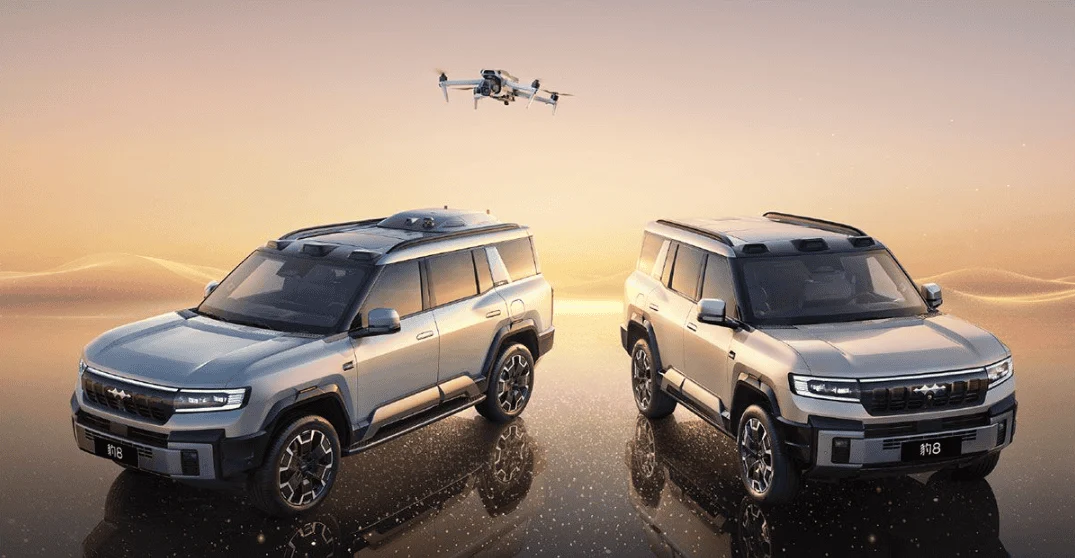
The initiative represents the first mass-produced vehicle-integrated drone system of its kind, specifically designed to operate in tandem with BYD’s high-end electric vehicle lineup. The system is not merely an accessory but a sophisticated technological ecosystem that allows a drone to take off from, land on, and charge within a specialized compartment housed on the roof of the vehicle. This integration leverages BYD’s expertise in power electronics and vehicle software alongside DJI’s industry-leading flight autonomy and imaging capabilities, creating a seamless interface that can be controlled directly via the car’s central touchscreen or through automated intelligent commands.
A New Paradigm in Vehicle-Drone Integration
The core of this innovation lies in the specialized "drone bay" integrated into the vehicle’s roof structure. This bay features an automated hatch and a robotic arm mechanism that manages the deployment and retrieval of the aircraft. When the driver initiates a flight sequence, the hatch opens, and the drone is prepared for takeoff automatically. Upon completion of its mission, the drone utilizes high-precision sensors and GPS coordinates to return to the moving or stationary vehicle, landing with centimeter-level accuracy before being retracted into the bay for automated charging.
This "Vehicle-to-Drone" (V2D) ecosystem is powered by the car’s high-capacity traction battery, ensuring that the drone is always ready for deployment without the need for external charging cables or manual battery swaps. The integration extends to the software layer, where DJI’s flight control algorithms are embedded into BYD’s proprietary operating system. This allows the vehicle’s onboard AI to process real-time aerial data, providing the driver with a "third eye" in the sky that can scout traffic conditions, identify obstacles beyond the line of sight, or capture cinematic footage of the journey.
Technical Specifications and AI Capabilities
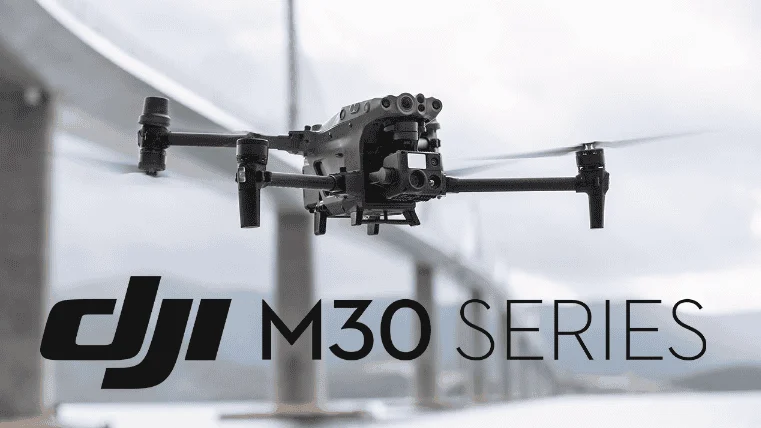
The smart drone utilized in this partnership is a customized variant of DJI’s high-end consumer technology, optimized for the unique challenges of vehicular deployment. It features a high-resolution 4K camera system capable of 60 frames per second, supported by a three-axis mechanical gimbal to ensure stable footage even in high-wind conditions or during rapid vehicle movement. The drone utilizes DJI’s latest transmission technology, providing a low-latency, high-definition video feed directly to the vehicle’s internal displays.
Artificial Intelligence plays a pivotal role in the system’s operation. The drone is equipped with advanced obstacle avoidance sensors that provide 360-degree coverage, allowing it to navigate complex environments such as forested roads or urban canyons autonomously. One of the standout features is the "Follow-Me" mode, which has been recalibrated to handle high-speed vehicular movement. The AI can identify the host vehicle and maintain a consistent distance and angle, capturing dynamic tracking shots that were previously only possible with professional film crews. Furthermore, the drone can perform autonomous "scouting" missions, flying ahead of the vehicle to provide a live feed of road conditions, which is particularly useful for off-road enthusiasts and long-distance travelers.
Chronology of Development and Strategic Vision
The partnership between BYD and DJI was first hinted at during BYD’s "Dream Day" technology showcase in early 2024, where the company outlined its "Whole-Vehicle Intelligence" strategy. At that event, BYD Chairman Wang Chuanfu emphasized that the future of the automotive industry lies not just in electrification, but in the intelligent integration of various technologies that enhance the user experience.
Throughout mid-2024, engineers from both companies worked at dedicated R&D centers in Shenzhen—the headquarters for both giants—to solve the aerodynamic and electromagnetic challenges of landing a drone on a moving electric vehicle. By late 2024, prototype testing was completed in various environments, from the high-altitude plateaus of Western China to the dense urban heat of Shanghai. The official launch in March 2025 signals the transition from experimental prototype to a commercially available feature, initially slated for BYD’s premium "Yangwang" brand before potentially trickling down to other models in the lineup.
Supporting Data and Market Context
The move comes at a time when the global EV market is becoming increasingly commoditized, forcing manufacturers to find new ways to differentiate their products. According to recent market analysis data, the "intelligent cockpit" sector is expected to grow at a CAGR of 12% through 2030. Consumers in the premium segment are increasingly prioritizing software-defined features and lifestyle-oriented technology over traditional performance metrics like horsepower.
BYD’s decision to partner with DJI is a strategic masterstroke. DJI currently holds over 70% of the global civilian drone market, and its reputation for reliability and ease of use is unparalleled. By integrating DJI’s hardware, BYD avoids the pitfalls of developing a drone from scratch while benefiting from the massive DJI user base. Data from consumer surveys indicate that over 40% of premium SUV buyers express interest in integrated outdoor lifestyle technologies, including aerial photography and advanced navigation aids.

Official Responses and Industry Impact
While official statements from the executive level have focused on the "synergy of innovation," industry analysts view this move as a direct challenge to other tech-centric automakers like Tesla, Xiaomi, and Huawei. A spokesperson for BYD stated, "Our goal is to provide a comprehensive intelligent ecosystem. The drone is not a toy; it is an extension of the vehicle’s sensory array and a tool for the modern explorer."
DJI representatives highlighted the technical achievement of the collaboration, noting that "Adapting drone technology for seamless vehicle integration required significant breakthroughs in automated landing and power management. This partnership proves that the sky is no longer a limit for the automotive experience."
Automotive industry experts suggest that this launch could trigger a new "arms race" in vehicle accessories. If successful, it is likely that competitors will seek similar partnerships with drone manufacturers or develop in-house aerial solutions. However, BYD’s first-mover advantage, combined with DJI’s technical dominance, provides a significant barrier to entry for rivals.
Safety, Security, and Regulatory Considerations
Despite the technological marvel, the launch of a vehicle-integrated drone brings several regulatory and safety questions to the forefront. Operating a drone from a moving vehicle is subject to strict aviation laws in many jurisdictions, including the United States (FAA) and the European Union (EASA). BYD has addressed these concerns by implementing "geofencing" software that prevents the drone from taking off in restricted zones, such as near airports or sensitive government installations.
Safety protocols are also embedded into the vehicle’s drive system. The drone bay will only operate when the vehicle is within certain speed parameters or in specific "outdoor modes." Furthermore, the AI system includes an emergency return-to-home feature that triggers if the connection is lost or if the drone’s battery reaches a critical level, ensuring that the expensive hardware is not lost during a journey.
Data privacy is another area of focus. All footage captured by the drone is encrypted and stored locally on the vehicle’s server, with users having full control over what is uploaded to the cloud. This is a critical consideration as global regulators increase scrutiny on how smart vehicles collect and process environmental data.
Future Implications for the Automotive Industry
The launch of the BYD-DJI smart drone is likely the beginning of a broader trend toward multi-modal transport solutions. Future iterations could see drones used for more than just photography and scouting. Potential applications include emergency medical deliveries (where a drone could fly an AED or first aid kit ahead of a vehicle stuck in traffic), automated bridge and road inspections in rural areas, and even integration with smart city infrastructure to help manage traffic flow.
As autonomous driving technology matures, the drone could act as a remote sensor for the car’s self-driving computer, providing high-angle data that ground-based LIDAR and cameras cannot see, such as traffic jams two miles ahead or obstacles around a blind corner. This would effectively extend the "horizon" of autonomous vehicles, significantly increasing safety and efficiency.
Conclusion
BYD’s launch of the smart drone in collaboration with DJI is a bold statement of intent. It signifies the transition of the electric vehicle from a mere mode of transport to a sophisticated mobile command center. By blending the boundaries between the ground and the air, BYD is offering a glimpse into a future where technology is truly integrated, providing users with unprecedented levels of creativity, safety, and situational awareness.
As this technology begins to reach consumers, it will undoubtedly set a new benchmark for what defines a "premium" electric vehicle. The success of this venture will depend on user adoption and the navigation of global regulatory landscapes, but the technological foundation laid by BYD and DJI suggests that the age of the "flying-eye" car has officially arrived. Whether for capturing the perfect travel vlog or ensuring a safe passage through unknown terrain, the integrated smart drone is poised to become an essential tool for the next generation of drivers.