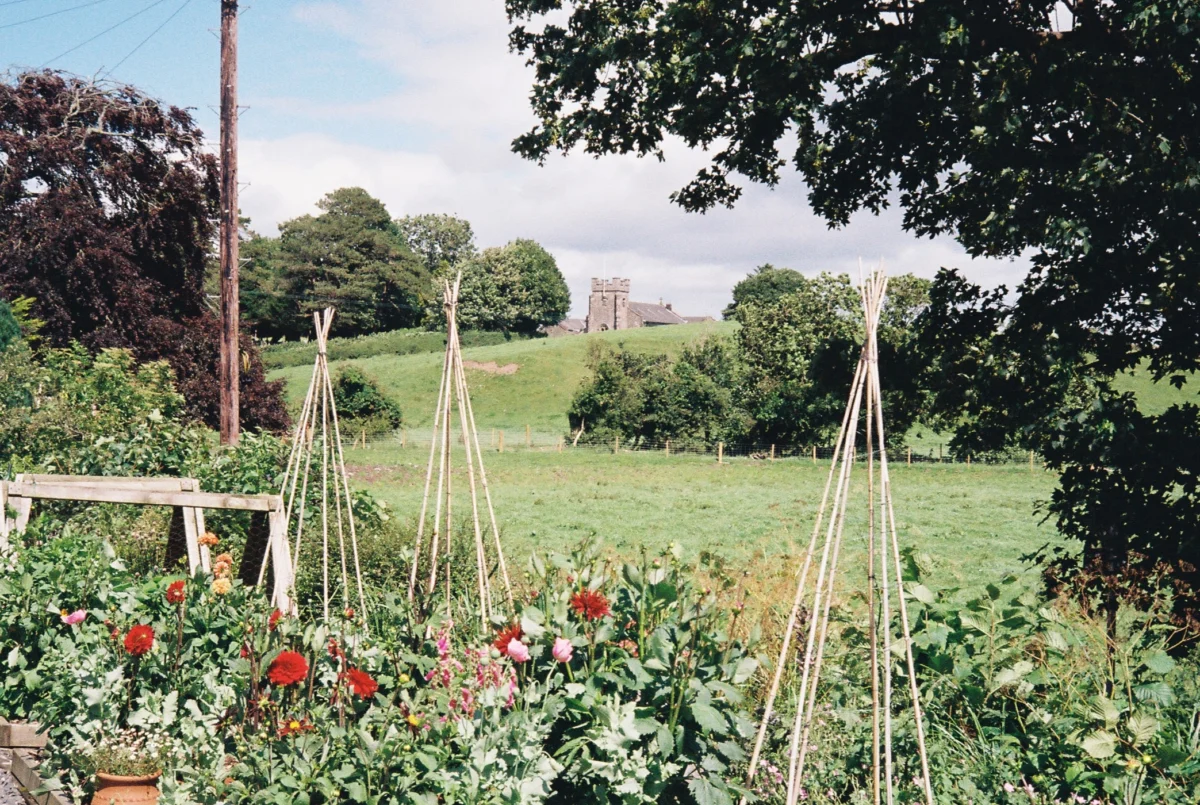
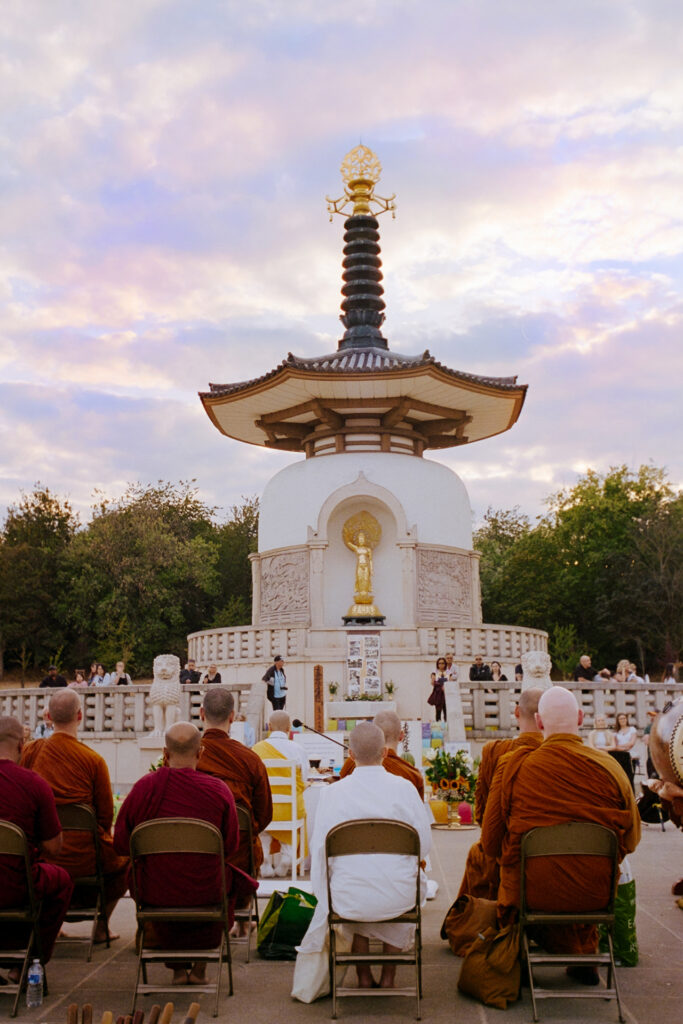
The tranquil shores of Willen Lake in Milton Keynes became a focal point for international reflection on August 6, as hundreds gathered at the Peace Pagoda to commemorate the 79th anniversary of the atomic bombing of Hiroshima. The annual Hiroshima Day ceremony, a cornerstone of the local interfaith calendar, serves as both a solemn memorial for the victims of nuclear warfare and a persistent call for global reconciliation. Led by the Buddhist monks and nuns of the Nipponzan Myohoji order, the event brought together a diverse assembly of residents, activists, and religious leaders, underscoring the enduring relevance of the message of peace in an increasingly volatile geopolitical climate.
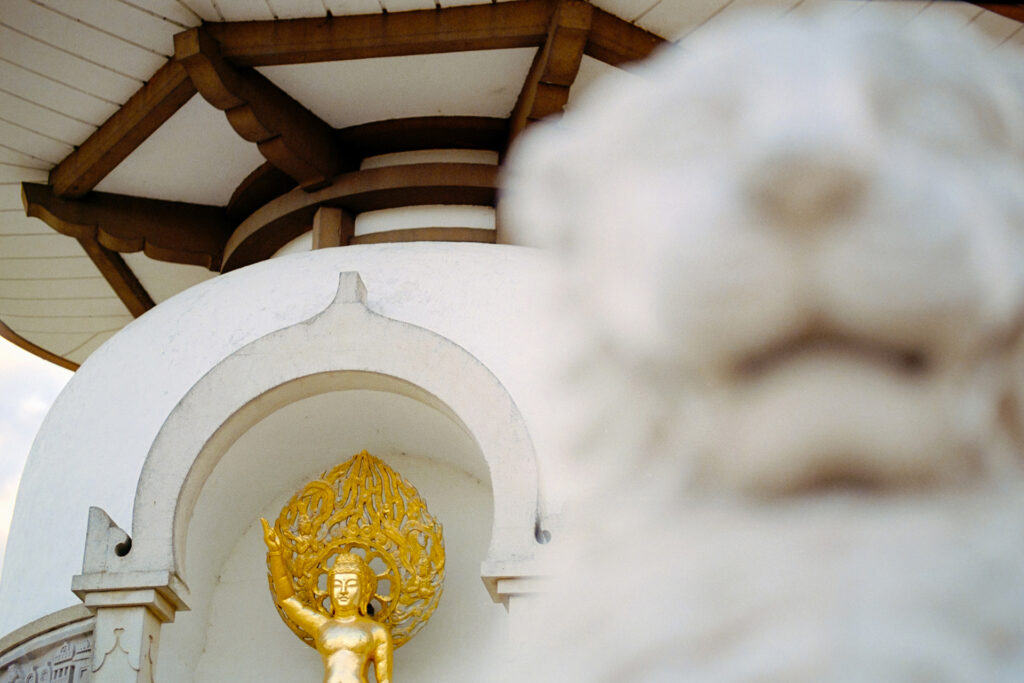
The Milton Keynes Peace Pagoda, the first of its kind to be built in the Western world, provided a symbolic backdrop for the evening’s proceedings. Against the verdant landscape of the park, the ceremony unfolded through a series of traditional rituals, interfaith prayers, and contemporary appeals for disarmament. As the sun set over the lake, the gathering transitioned from a formal assembly to a poignant visual vigil, culminating in the traditional floating of candle-lit lanterns—a practice rooted in Japanese custom intended to guide the spirits of the departed and symbolize the collective hope for a world free from the threat of nuclear annihilation.
Historical Context: The Legacy of August 1945
To understand the weight of the gathering at Willen Lake, one must look back to the events of August 1945. At 8:15 a.m. on August 6, the United States B-29 bomber Enola Gay dropped the "Little Boy" atomic bomb on Hiroshima, a city of significant military and industrial importance. The resulting explosion, equivalent to 15 kilotons of TNT, instantly killed an estimated 70,000 to 80,000 people and razed 70 percent of the city’s buildings. By the end of 1945, the death toll had risen to approximately 140,000 due to burn injuries and the effects of radiation.
Three days later, on August 9, a second plutonium-core bomb, "Fat Man," was detonated over Nagasaki, killing an additional 40,000 people instantly and eventually claiming over 74,000 lives. These two events remain the only instances of nuclear weapons being used in armed conflict. The survivors, known in Japan as Hibakusha, have spent the decades since advocating for the total abolition of nuclear stockpiles, sharing their harrowing testimonies to ensure that such devastation is never repeated. The Milton Keynes ceremony is part of a global "Peace Wave" of events that mirror the official commemorations held in Hiroshima’s Peace Memorial Park.
The Peace Pagoda: A Beacon in Milton Keynes
The choice of the Peace Pagoda as the venue for this remembrance is deeply significant. Completed in 1980, the structure was a gift to the "new city" of Milton Keynes from the Nipponzan Myohoji Buddhist Order. The order was founded in 1917 by Nichidatsu Fujii, a close associate of Mahatma Gandhi, who became convinced after the horrors of World War II that the construction of Peace Pagodas across the globe would serve as spiritual focal points for non-violence.
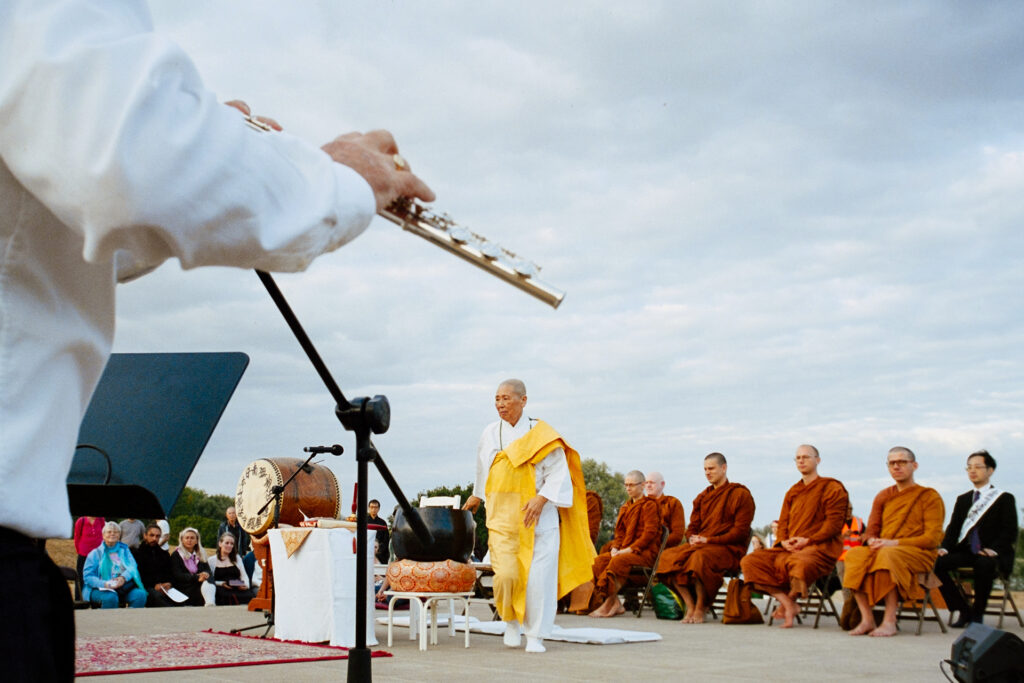
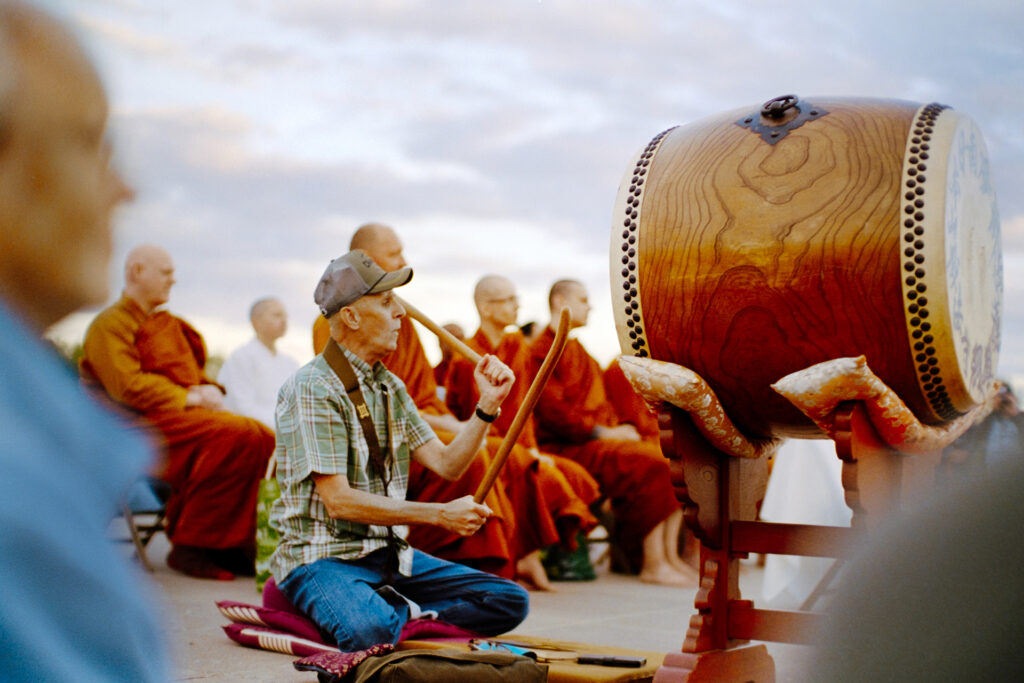
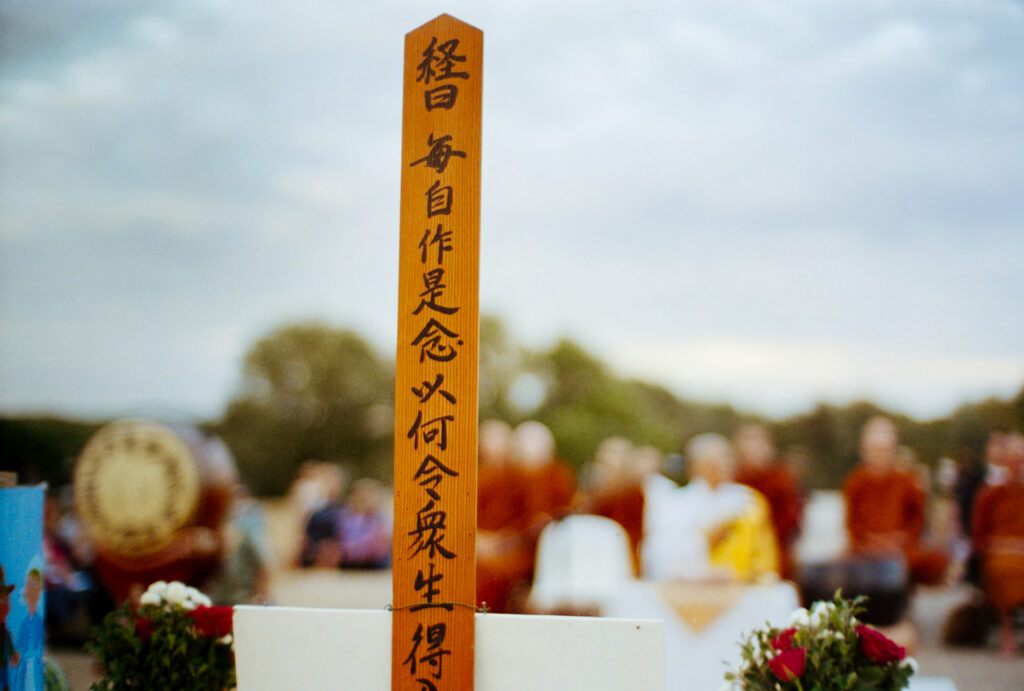
The Milton Keynes Pagoda was the first of two in the United Kingdom—the second being in Battersea Park, London—and it remains a site of pilgrimage and protest. The monks and nuns residing at the nearby temple maintain the site and lead the daily chanting of Namu Myoho Renge Kyo, a mantra intended to evoke the essence of the Lotus Sutra and promote universal peace. For the Hiroshima Day ceremony, this chanting forms the rhythmic heart of the event, accompanied by the steady beat of hand-drums, creating an atmosphere of meditative intensity.
Chronology of the Hiroshima Day Ceremony
The ceremony followed a carefully curated progression designed to move participants from historical mourning to future-oriented hope.
The Opening Invocation
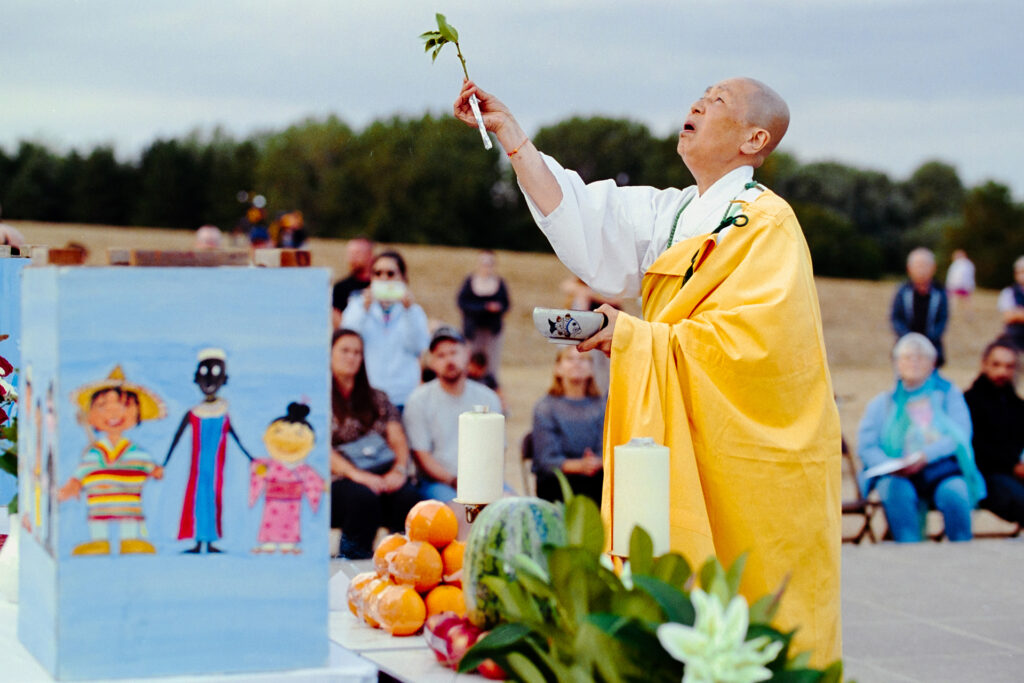
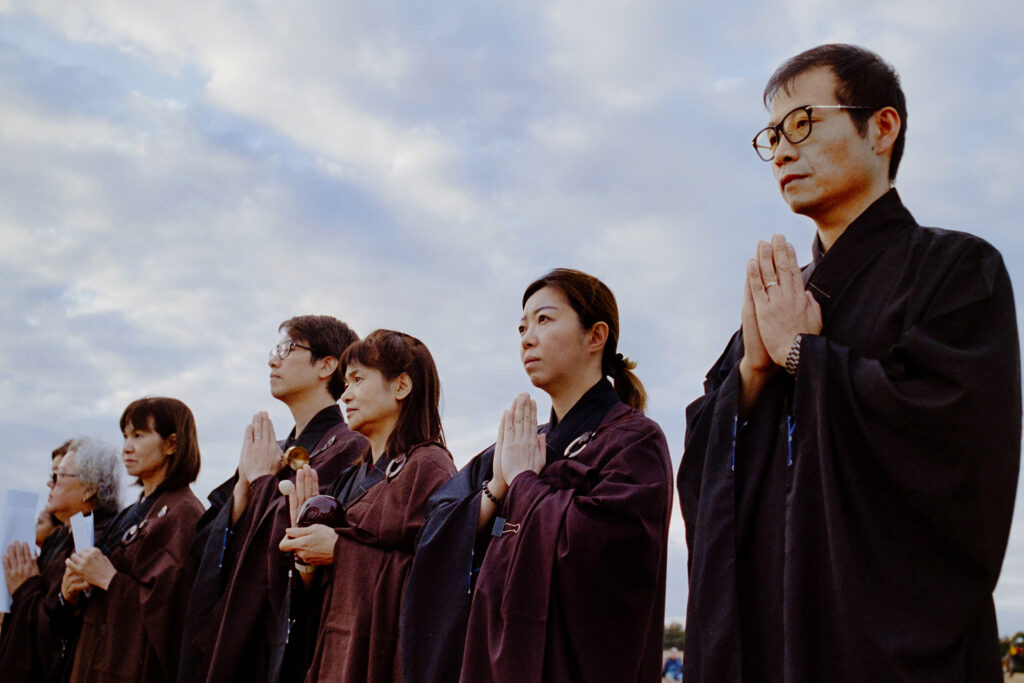
The proceedings began in the late afternoon with the arrival of the Buddhist monastics. The rhythmic drumming and chanting served as a call to order, drawing the scattered crowds toward the base of the Pagoda. Local dignitaries and representatives from various faith groups—including Christian, Muslim, Hindu, and Sikh communities—offered short readings and prayers. This interfaith dimension is a hallmark of the Milton Keynes event, reflecting the city’s diverse demographic and the universal nature of the anti-war sentiment.
Speeches and Testimonies
As the assembly grew, speakers addressed the current state of global security. While the primary focus remained on the victims of 1945, several speakers drew parallels to contemporary conflicts in Europe and the Middle East, noting that the threat of nuclear escalation is higher today than it has been in decades. Reference was made to the "Doomsday Clock," maintained by the Bulletin of the Atomic Scientists, which currently stands at 90 seconds to midnight—the closest it has ever been to global catastrophe.
The Procession to the Lake
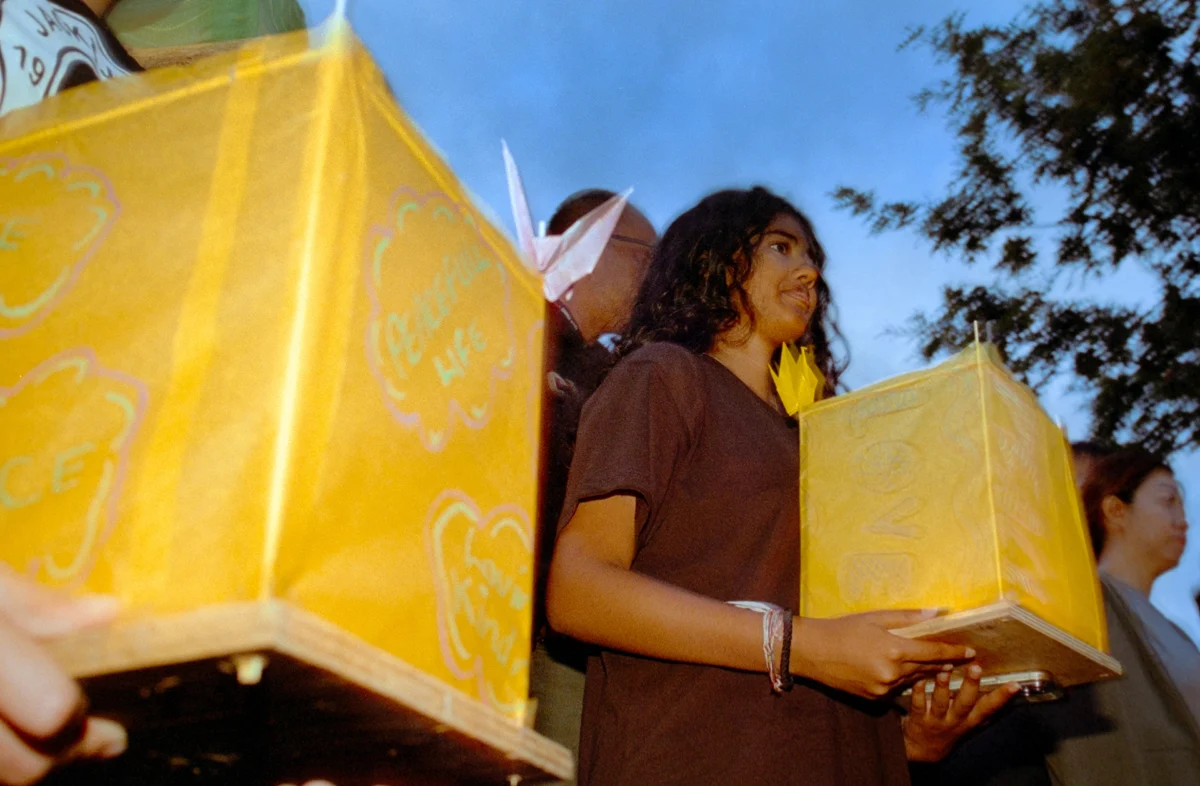
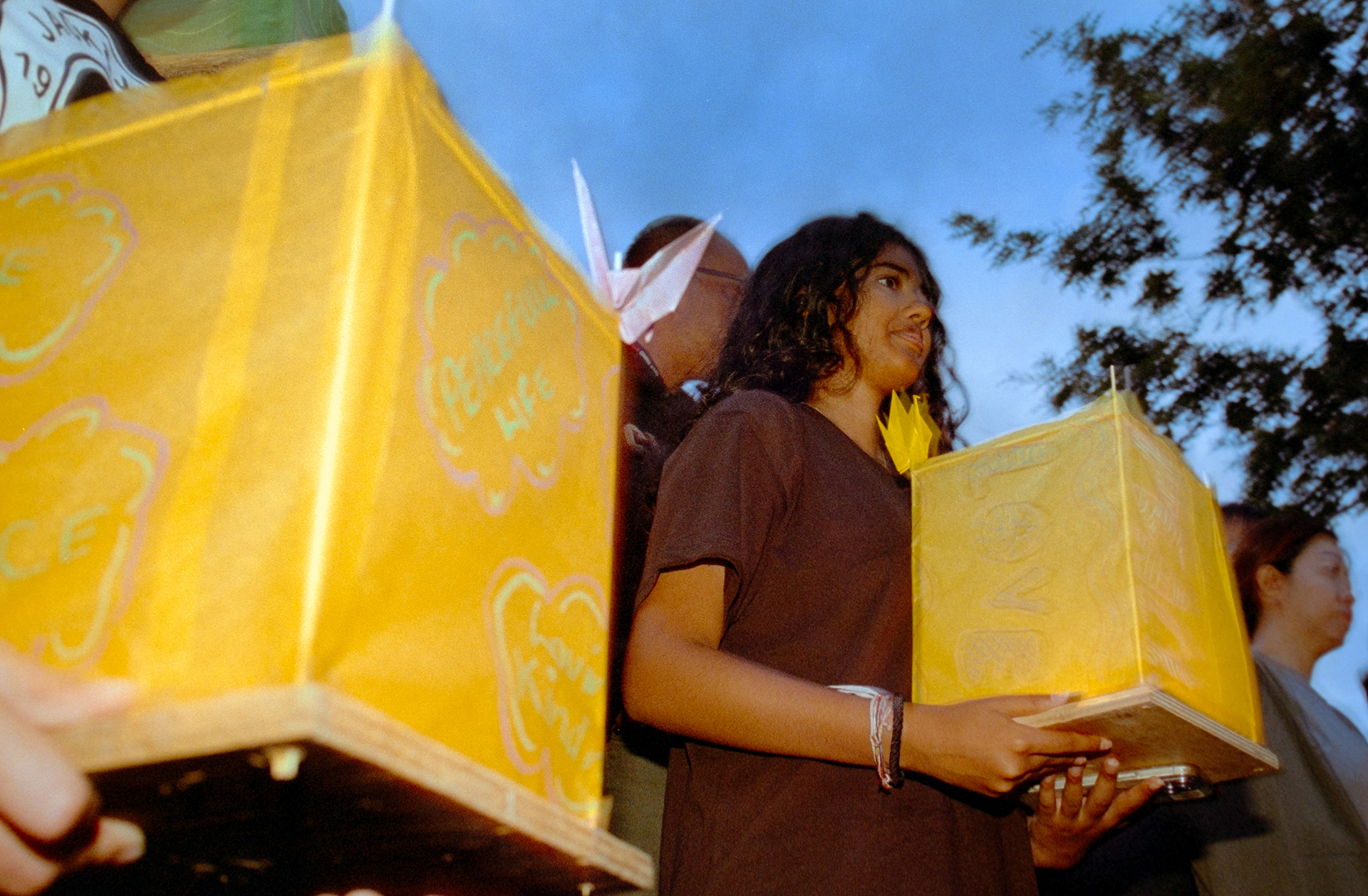
As twilight approached, the formal speeches gave way to a silent procession. Participants carried small, hand-crafted lanterns toward the edge of Willen Lake. This transition from the elevated Pagoda to the water’s edge symbolizes the movement of prayers from the spiritual realm into the physical world.
The Lantern Floating (Toro Nagashi)
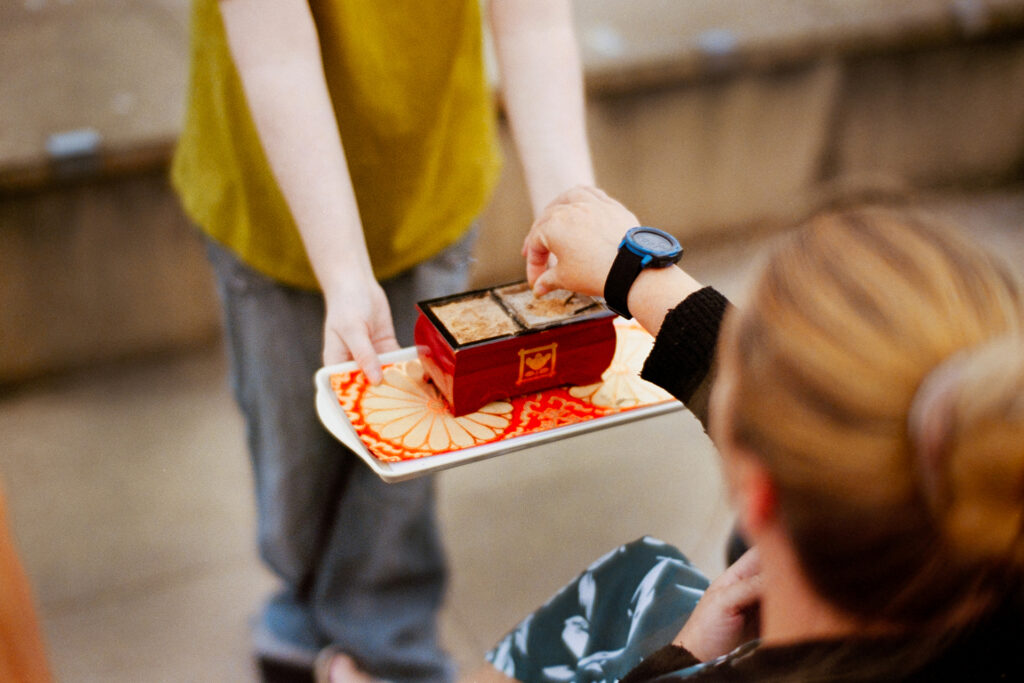
The climax of the evening was the Toro Nagashi, or lantern floating ceremony. Each lantern, constructed of paper and wood with a single candle at its center, bore messages of peace or the names of loved ones. In Japanese tradition, these lanterns are released into rivers or oceans to guide the souls of the ancestors back to the spirit world. At Willen Lake, the sight of dozens of flickering lights drifting across the dark water provided a moment of profound silence, allowing for individual reflection on the human cost of war.
Technical Documentation and Visual Record
The importance of documenting such events has led to a tradition of photographic and artistic witness at the Pagoda. This year, several photographers noted the unique challenges and rewards of capturing the ceremony on traditional film media. The use of high-speed color films, such as Kodak Portra 800, allowed for the capture of the subtle transitions in light—from the golden hour of the afternoon to the deep blues of twilight and the warm, localized glow of the lanterns.
Photographic experts emphasize that capturing the "quiet remembrance" of the event requires a non-intrusive approach. By utilizing available light and wide-aperture lenses, such as 35mm and 75mm primes, documentarians were able to preserve the atmosphere of the vigil without the disruptive use of heavy lighting equipment. The resulting images serve as a permanent record of the community’s commitment to peace, bridging the gap between the historical events of 1945 and the contemporary observers in Milton Keynes.
Supporting Data: The Global Nuclear Landscape
While the ceremony at Willen Lake is a local event, it addresses a global reality backed by sobering data. According to the Stockholm International Peace Research Institute (SIPRI), as of early 2024, the nine nuclear-armed states—the United States, Russia, the UK, France, China, India, Pakistan, Israel, and North Korea—possess a combined total of approximately 12,121 nuclear warheads.
Of these, nearly 9,585 are in military stockpiles for potential use. Approximately 2,100 of these warheads are kept in a state of "high operational alert" on ballistic missiles. The Milton Keynes ceremony aligns with the objectives of the Treaty on the Prohibition of Nuclear Weapons (TPNW), which entered into force in 2021. To date, 93 states have signed the treaty, though none of the nuclear-armed powers have yet joined, highlighting the significant diplomatic hurdles that remain.
Broader Impact and Community Implications
The Hiroshima Day ceremony at the Peace Pagoda is more than a historical reenactment; it is a vital component of the social fabric of Milton Keynes. For the local community, the event fosters a sense of shared responsibility and provides an educational platform for younger generations to learn about the consequences of total war.
Environmental and peace activists at the event also highlighted the intersectionality of nuclear disarmament and climate justice. The concept of "nuclear winter"—a period of global cooling and widespread famine following a nuclear exchange—remains a core argument for the total abolition of these weapons. By gathering at a site of natural beauty like Willen Lake, participants are reminded of the fragility of the ecosystem and the necessity of preserving the planet for future inhabitants.
The ceremony concluded under the stars, with the last of the lanterns disappearing into the darkness of the lake. The monks and nuns returned to the temple, their drums fading into the night, leaving the participants with a renewed sense of purpose. As the world navigates a period of intense international friction, the Milton Keynes Hiroshima Day ceremony stands as a testament to the power of memory and the unyielding hope that the lessons of 1945 will eventually lead to a more peaceful and secure global future.