The demanding yet profoundly rewarding landscape of professional photography and videography sets presents a unique challenge for newcomers and a continuous learning curve for veterans. These high-stakes environments, characterized by their fast pace and the expectation of peak performance from every team member, are critical to the successful execution of commercial, editorial, and artistic projects. With the global content creation industry experiencing exponential growth, understanding the intricate dynamics of a professional production set has become more crucial than ever for aspiring professionals. This article distills key insights from experienced industry practitioners, offering a comprehensive guide to navigating the multifaceted realities of these creative ecosystems, emphasizing preparedness, adaptability, and the nuances of on-set operations.
The Diverse Landscape of Production Environments
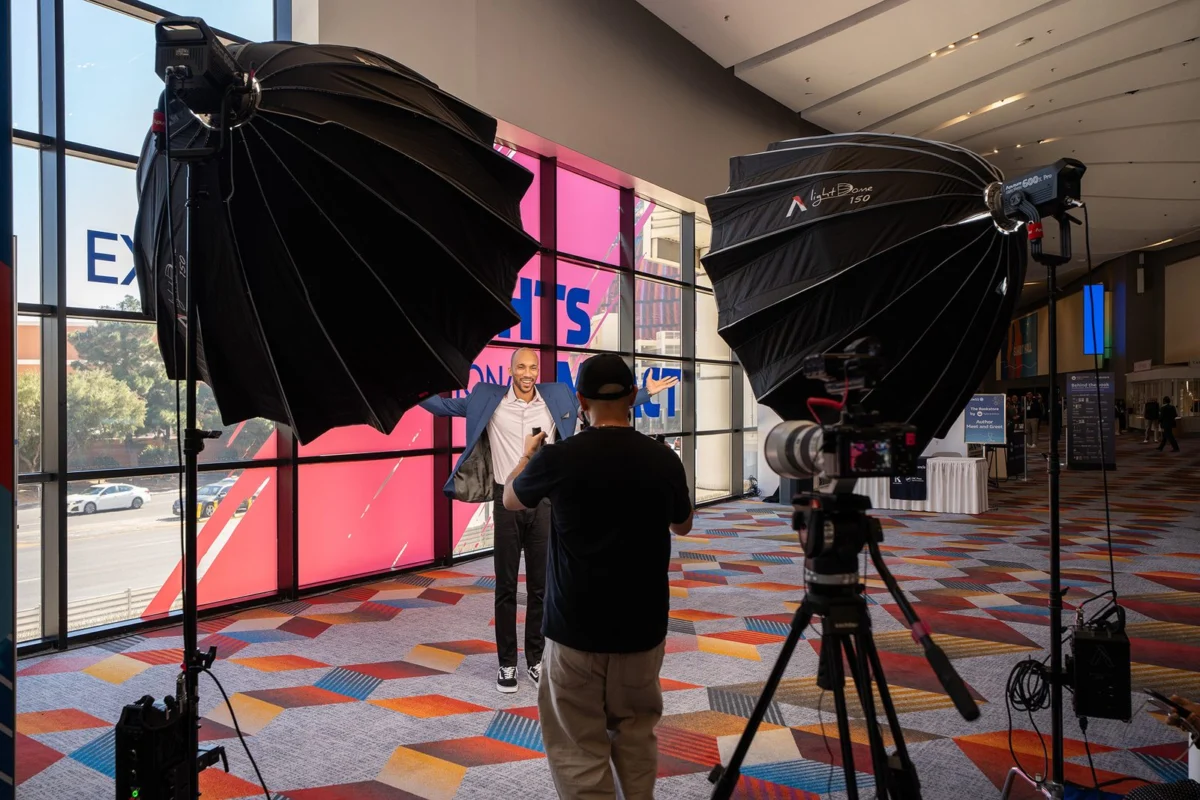
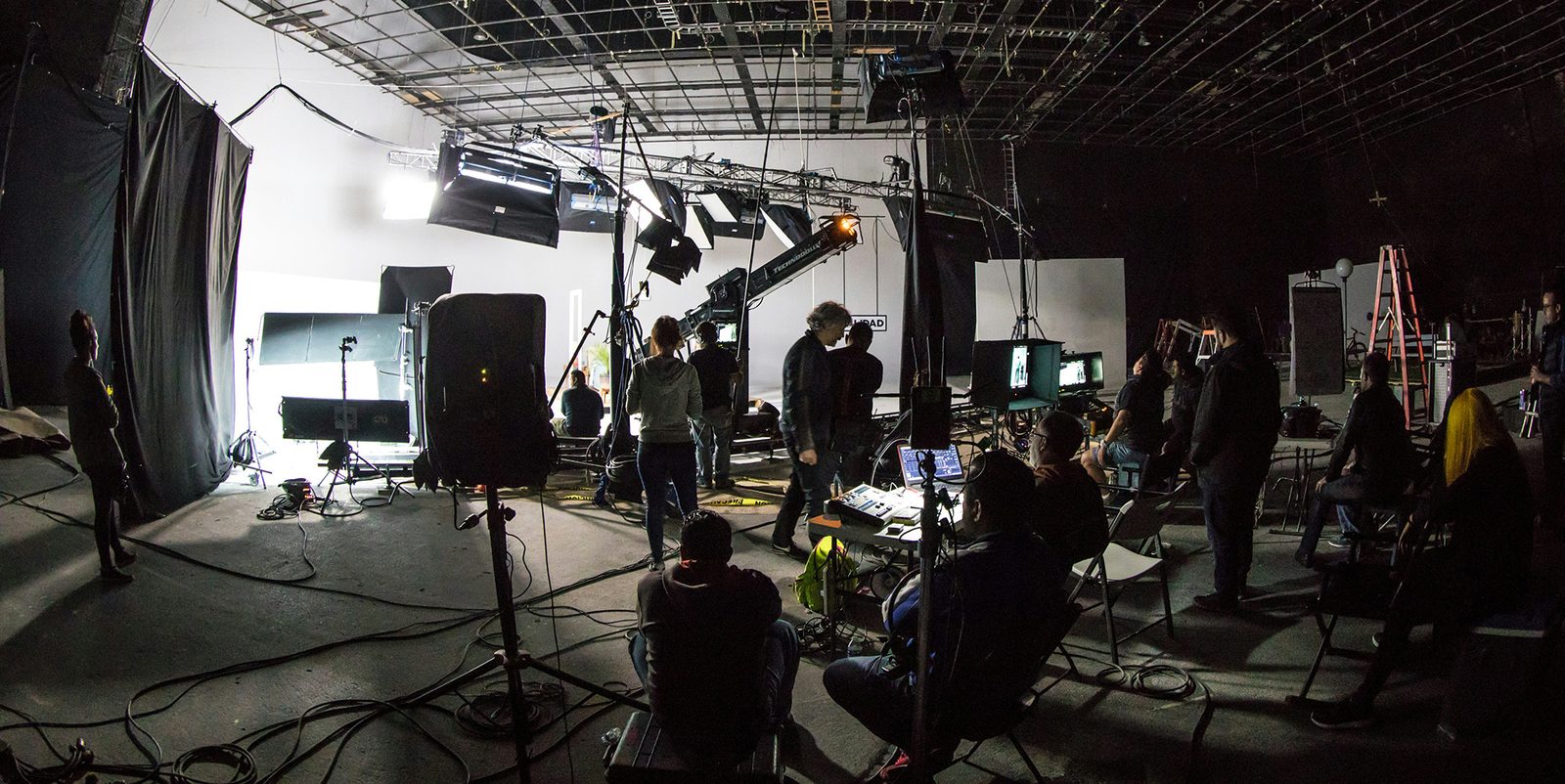
One of the most striking characteristics of professional production sets is their inherent variability. Unlike many standardized workplaces, a photography or videography set can manifest in an astonishing array of forms and scales, dictated by the project’s scope, budget, and creative vision. Experienced professionals frequently recount experiences ranging from a makeshift 200-square-foot studio nestled in an unassuming strip mall, designed for a quick product shoot, to multi-million dollar sound stages equipped with cutting-edge grip and lighting technology, accommodating elaborate film or high-end commercial productions. This vast spectrum underscores the absence of a universal standard across production houses and professional studios.
While pre-production documents often provide preliminary indicators regarding the location and general setup, the specific nuances of a set can vary dramatically. For instance, a small-scale e-commerce shoot might involve a lean team and minimal equipment in a rented co-working space, while a major automotive commercial could demand dozens of crew members, specialized vehicles, elaborate lighting rigs, and multiple location permits, often requiring extensive permitting and logistical coordination. Industry analysts note that this adaptability is not merely a convenience but a necessity, reflecting the diverse demands of clients ranging from independent artists to multinational corporations. The global advertising market, for example, which heavily relies on professional visual content, is projected to reach over $1 trillion by 2028, necessitating a highly flexible and scalable production infrastructure. The ability to pivot between vastly different logistical and creative environments is a hallmark of a seasoned professional in this field. This inherent variability necessitates a mindset of flexibility and an expectation that no two days on set will be identical, setting the stage for the importance of preparedness for the unforeseen.
Mitigating Risk: The Imperative of Redundancy and Contingency Planning
In an environment where every minute translates into significant financial investment and where client expectations are paramount, the concept of "expect the unexpected" transcends mere cliché; it becomes a foundational principle for operational success. Industry veterans universally advocate for robust contingency planning, particularly concerning equipment. The mantra "two is one, one is none" is deeply ingrained in professional production culture, emphasizing the critical importance of backups for every essential piece of gear.
Cameras, lenses, lighting units, wireless triggers, and even seemingly minor accessories like memory cards and batteries are susceptible to malfunction, often at the most inopportune moments. Data from equipment rental houses frequently highlights peak repair requests correlating with high-pressure production periods, underscoring the statistical likelihood of such occurrences. A single hour of downtime on a commercial set, for instance, can incur costs ranging from hundreds to several thousands of dollars in crew wages, talent fees, and location rentals, making equipment failure a significant financial liability that can quickly erode project budgets and client trust. Therefore, a comprehensive backup strategy is not merely a recommendation but a financial safeguard and a professional obligation.
During the pre-production phase, typically days or weeks before the scheduled shoot, a detailed gear list is finalized. When professionals supply their own equipment, a complete duplicate kit for critical components, such as camera bodies, primary lenses, and lighting heads, is standard practice. If production houses are providing the equipment, proactive communication with the grip or rental house during this planning stage is essential. This includes not only confirming the availability of primary requested items but also discussing potential replacements or alternative solutions should a piece of gear be unavailable or fail on the day of the shoot. Creating an itinerary of optional replacements can significantly streamline the morning setup, preventing costly delays and demonstrating foresight. This meticulous approach to equipment management is a cornerstone of professional reliability, ensuring that creative momentum is maintained even in the face of technical challenges and unforeseen circumstances.
The Psychological Ecosystem of a Production Set: Leadership, Morale, and Professionalism
The atmosphere on a professional production set is a delicate ecosystem, profoundly influenced by the leadership at its helm. The emotional tone set by creative directors, producers, or lead photographers/videographers can permeate through the entire crew, dictating the overall morale and efficiency. Stories abound of sets where palpable tension, often stemming from a stressed-out creative director or an anxious marketing team grappling with tight deadlines and client pressures, creates an environment ripe for miscommunication, reduced productivity, and increased errors. Conversely, a calm, confident, and approachable leader can foster a collaborative and enjoyable atmosphere, even amidst the most demanding schedules and complex creative challenges.
This phenomenon is well-documented in organizational psychology, which observes that emotional contagion is particularly potent in high-pressure, collaborative environments. A positive, supportive leadership style has been empirically linked to higher job satisfaction, increased creativity, and reduced error rates among team members. When leaders project a sense of control and optimism, it instills confidence throughout the crew, enabling individuals to perform at their best without the added burden of unnecessary stress. As one seasoned production manager recently stated, "A leader’s demeanor can literally make or break a shoot. A calm presence, even in chaos, is infectious and keeps the team focused and motivated."
For every individual on set, regardless of their position, maintaining a professional and positive attitude is paramount. While the primary objective is to achieve the day’s creative and technical goals, the secondary, equally vital goal is to contribute to a friendly and efficient working environment. This often involves a willingness to "overextend" oneself, taking on tasks that might technically fall outside one’s immediate job description, but doing so with a cooperative spirit. Such a proactive and amiable approach not only smooths the production process but also significantly enhances one’s professional reputation. Industry insiders frequently cite a positive attitude, reliability, and a collaborative spirit as key factors in securing repeat engagements, highlighting that exceptional technical talent alone is often insufficient without the accompanying professionalism and strong interpersonal skills. In a competitive industry, being a pleasure to work with can be as valuable as being highly skilled.
The Dynamic Nature of Production Schedules and Creative Directives
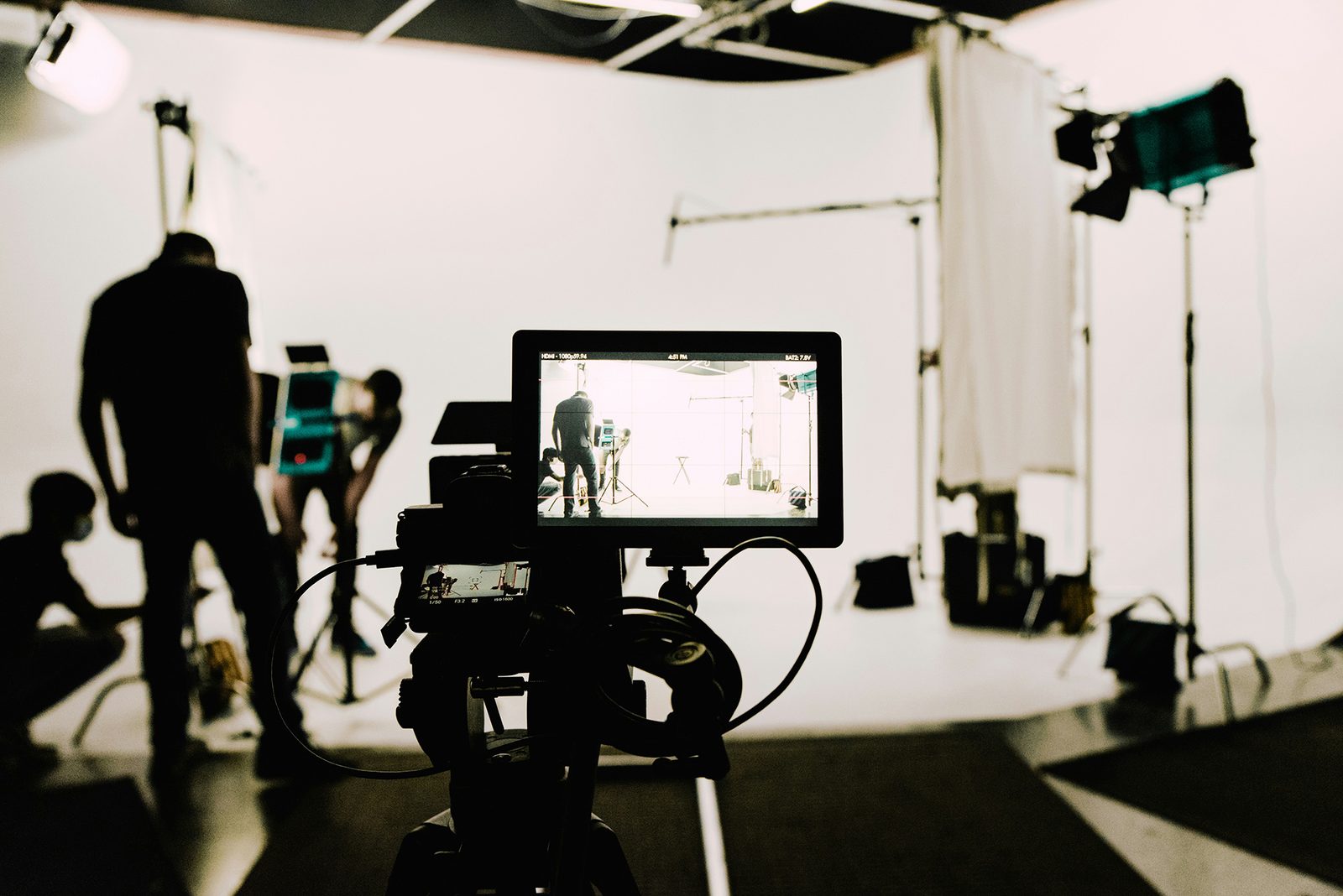
The meticulous planning that goes into a professional shoot often culminates in a detailed shot list and creative deck, typically distributed a day or two before principal photography commences. These documents, often presented as organized PDFs, outline the required images or video sequences, specific stylistic guidelines, and a seemingly rigid shooting schedule. However, one of the most crucial lessons learned by seasoned professionals is the inherently fluid nature of these schedules and directives.
Initial shot lists are often theoretical constructs, designed to provide a framework rather than an unalterable blueprint. Experienced photographers and videographers frequently advise reviewing these documents not just for understanding, but for strategic reorganization. For instance, an initial schedule might dictate shooting product still life in the morning, followed by lifestyle portraits, only to return to product shots in the afternoon. A more efficient approach, which an experienced professional would propose, might involve consolidating all product shots, then all lifestyle shots, to minimize equipment setup and breakdown times, thereby maximizing shooting efficiency and reducing logistical overhead.
Furthermore, production schedules, particularly those crafted by less experienced project coordinators or creative directors, often fail to adequately account for the time required for elaborate setups, intricate lighting adjustments, prop changes, talent wardrobe and makeup, and technical recalibrations. Industry surveys consistently indicate that over 60% of commercial shoots experience some form of schedule deviation, whether being ahead or, more commonly, behind schedule. This fluidity means that professionals should approach the schedule as a guide, not an inflexible mandate. While significant delays warrant concern and proactive problem-solving, minor deviations are a normal part of the process and should not be a source of undue stress. The ability to adapt, reprioritize, and communicate effectively with the team during these inevitable shifts, often occurring in real-time as creative decisions evolve or unexpected challenges arise, is a hallmark of an invaluable crew member.
The Rhythmic Paradox: Pacing and Intensity on Set
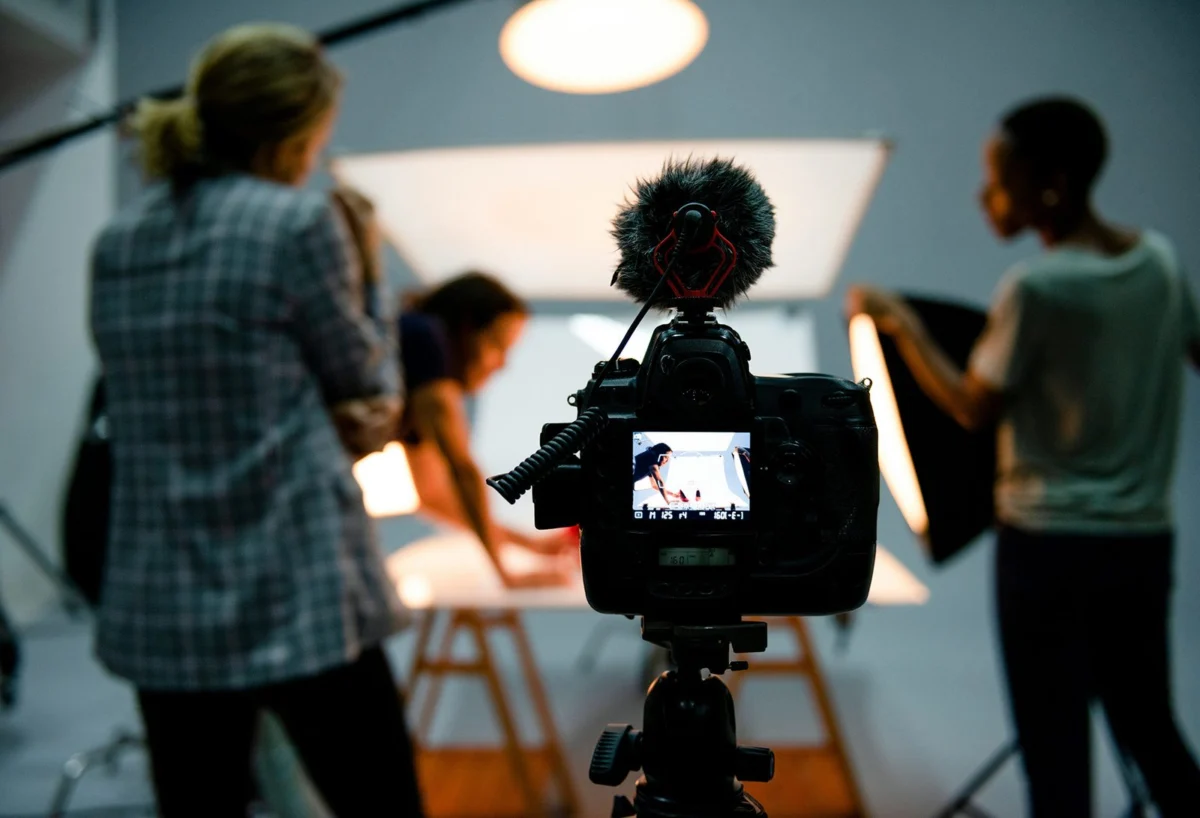
Perhaps one of the most counterintuitive aspects of working on a professional set is its peculiar rhythm: periods of seemingly glacial slowness punctuated by intense, rapid-fire activity. A typical day can involve moments of profound physical exertion—hauling heavy equipment, constantly moving—interspersed with long stretches of waiting, sometimes for hours, as the team prepares for the next setup.
These periods of apparent inactivity are not indicative of inefficiency but are integral to the intricate process of creative production. They are dedicated to meticulous tasks such as precise lighting adjustments, intricate prop styling, detailed hair and makeup for talent, camera calibration, and crucial creative discussions among key stakeholders. During these phases, the entire team might be on standby, observing, or engaging in impromptu meetings to refine creative goals and troubleshoot potential issues. This deliberate pace ensures that when the camera finally rolls, all elements are perfectly aligned to capture the desired outcome without compromise.
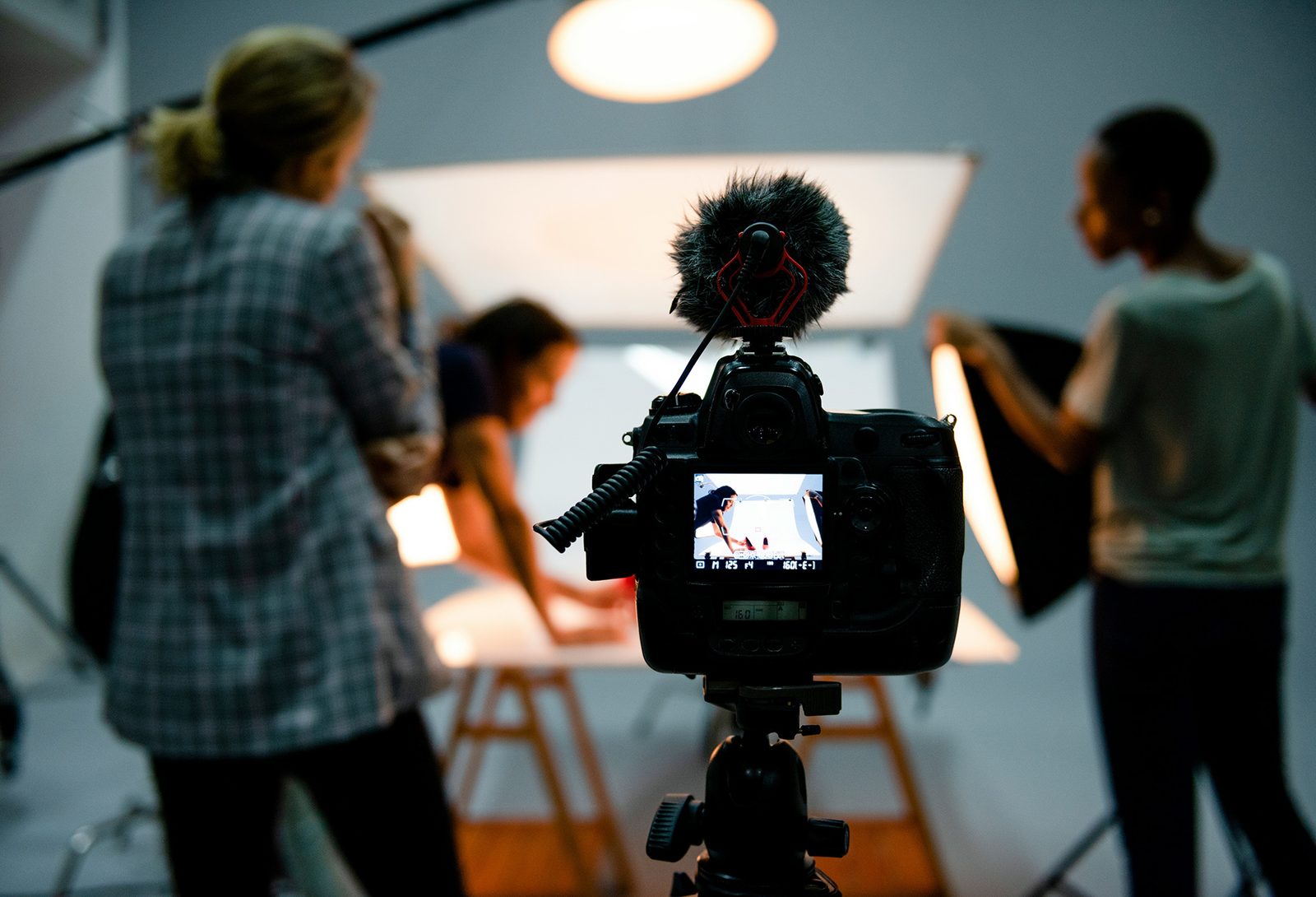
However, once these preparatory stages are complete, the set transforms into a hive of intense activity. Suddenly, the pace accelerates dramatically, often described as "speedrunning" through a creative deck, capturing a multitude of images or video clips as quickly and efficiently as possible. This rapid burst of shooting is necessary to maximize the window of optimal conditions (e.g., natural light, talent availability, set freshness) and to compensate for earlier setup times. This dynamic ebb and flow is a fundamental characteristic of high-stakes creative production, where careful planning leads to intense execution.
Understanding this rhythmic paradox is vital for maintaining composure and efficiency. Newcomers might find the downtime perplexing or even frustrating, feeling unproductive. However, seasoned professionals view these lulls as opportunities: to rest, rehydrate, review upcoming shots, or observe and learn from other departments. It is a time for quiet preparation, ensuring that when the moment arrives for intense action, one is fully ready to contribute effectively. Stressing during the slow periods is counterproductive; instead, embracing the natural ebb and flow allows one to conserve energy and mental focus for when the critical moments demand full engagement, preventing burnout and enhancing performance during peak periods.
Broader Implications and Sustained Success
The insights gleaned from hundreds of commercial productions highlight a universal truth: sustained success on a professional photography or videography set hinges not just on technical prowess, but equally on adaptability, meticulous preparation, and a strong professional ethos. The industry continues to evolve rapidly, driven by technological advancements, the proliferation of digital platforms, and shifting content consumption patterns. Production houses and clients increasingly seek professionals who can not only deliver exceptional visual content but also integrate seamlessly into dynamic, high-pressure team environments, contributing positively to the overall workflow and morale.
For those aspiring to build a lasting career in this competitive field, internalizing these lessons is paramount. The ability to anticipate challenges, mitigate risks through thorough preparation, maintain a positive and collaborative attitude, navigate fluid schedules, and understand the unique pacing of a production day are the cornerstones of professional longevity. These attributes collectively contribute to a reputation for reliability, problem-solving, and professionalism, making an individual an invaluable asset to any production team. As the demand for high-quality visual content continues its upward trajectory—fueled by sectors like e-commerce, digital marketing, and streaming entertainment—the professionals who master these nuanced aspects of set dynamics will be those who consistently find themselves at the forefront of the industry’s most exciting and impactful projects.
This comprehensive understanding not only prepares individuals for the immediate challenges of a shoot but also contributes to the overall health and efficiency of the production ecosystem, fostering a culture of excellence and innovation across the visual media landscape. By embracing these principles, aspiring professionals can transform potentially stressful initial experiences into stepping stones for a successful and fulfilling career, solidifying their place in a vibrant and ever-evolving industry.