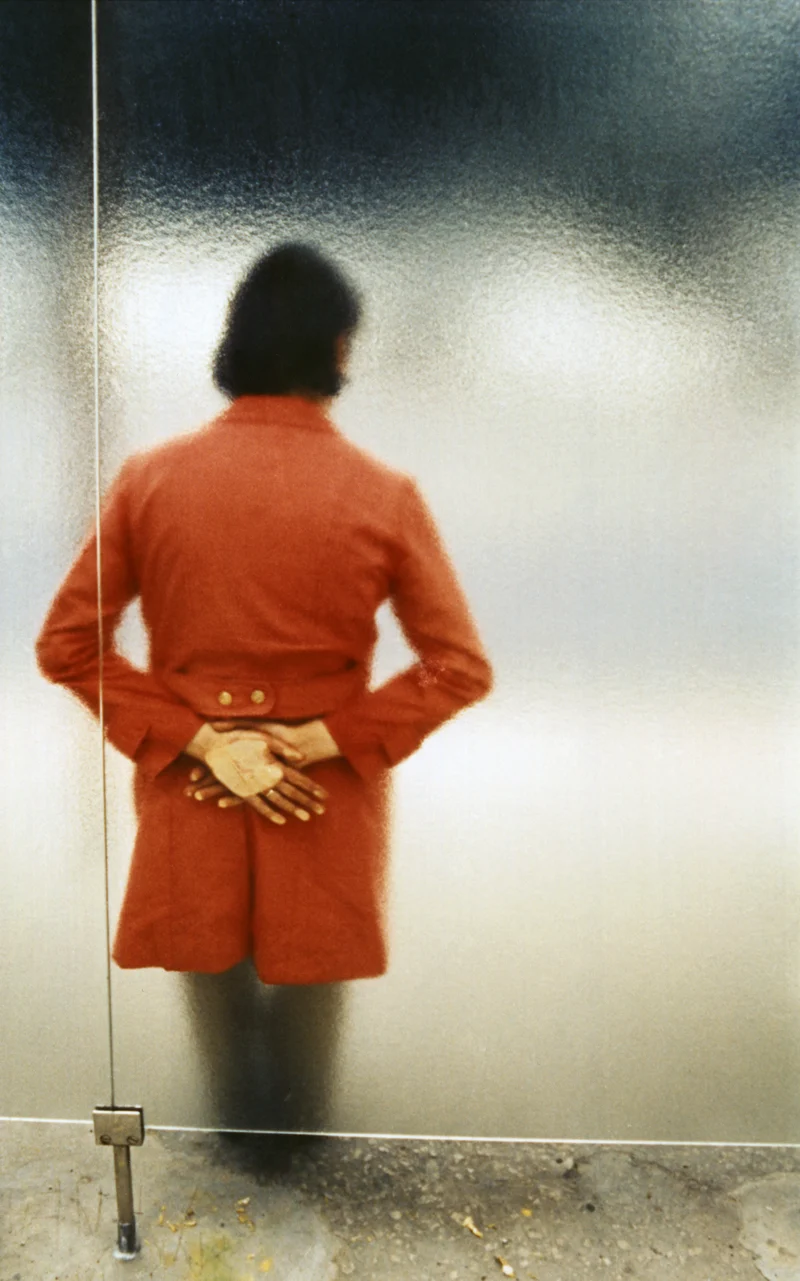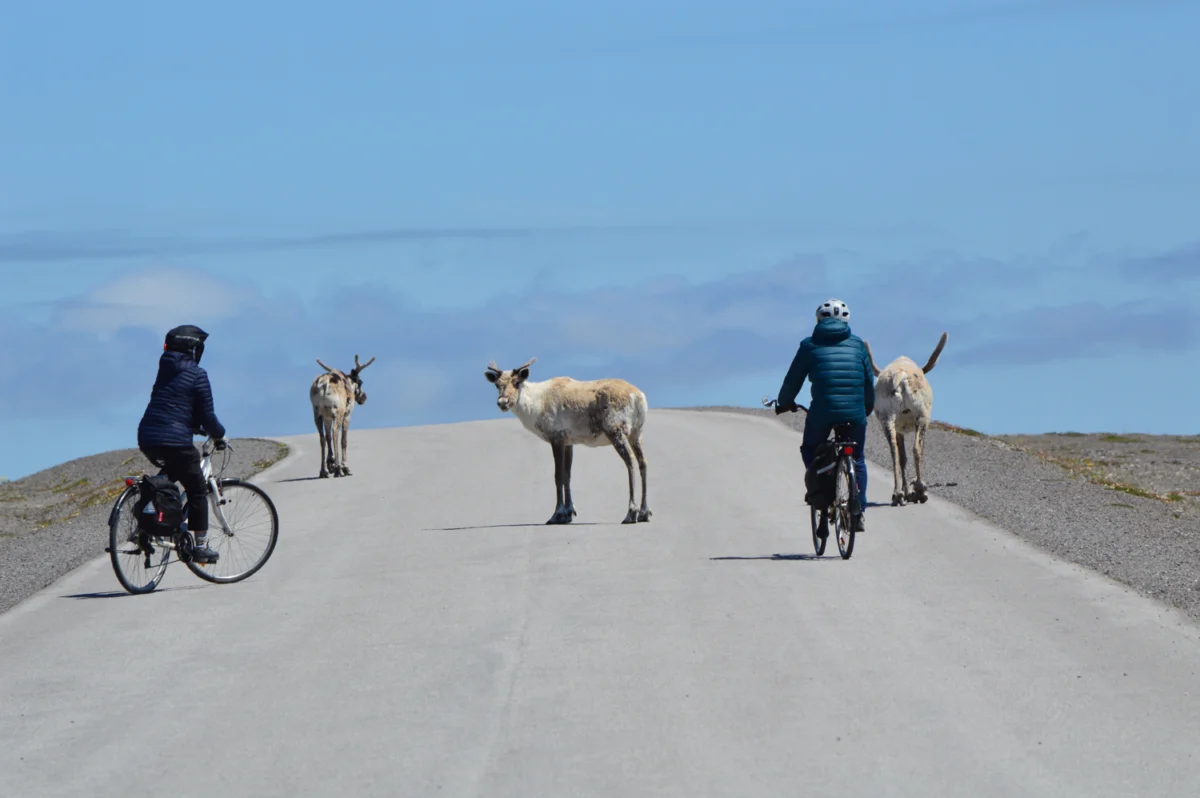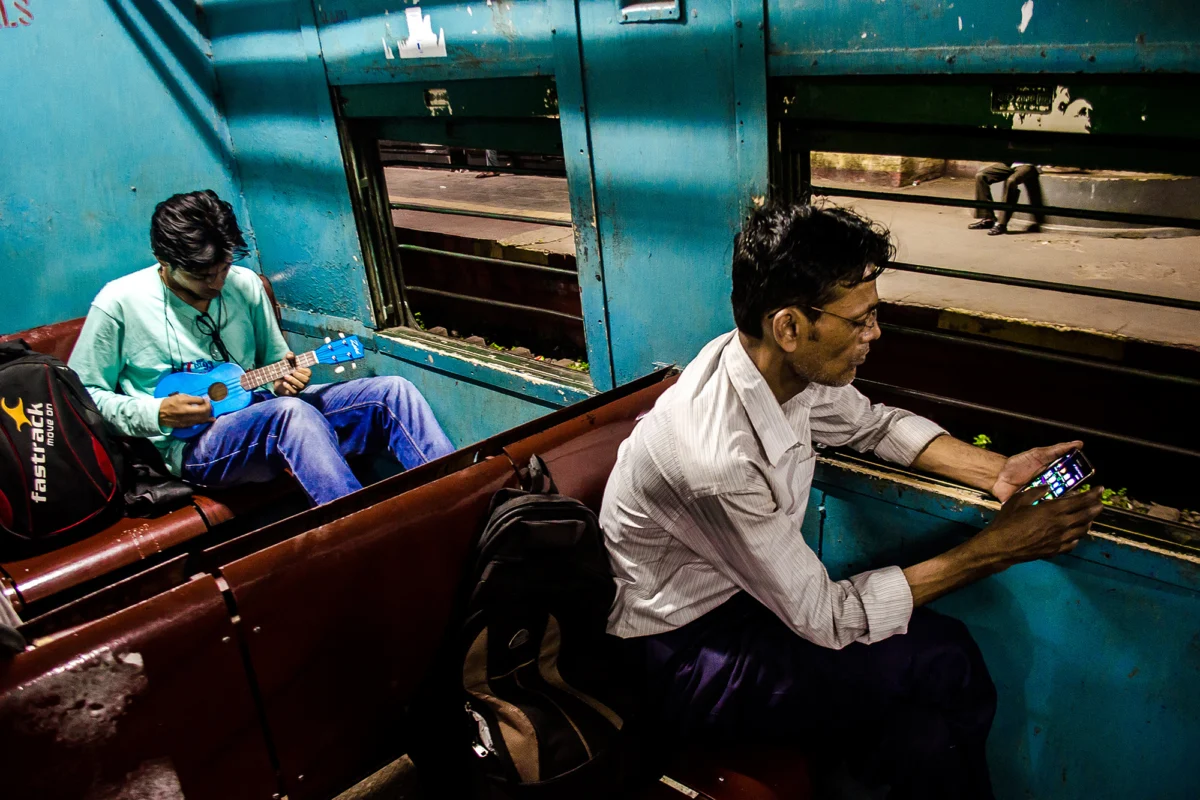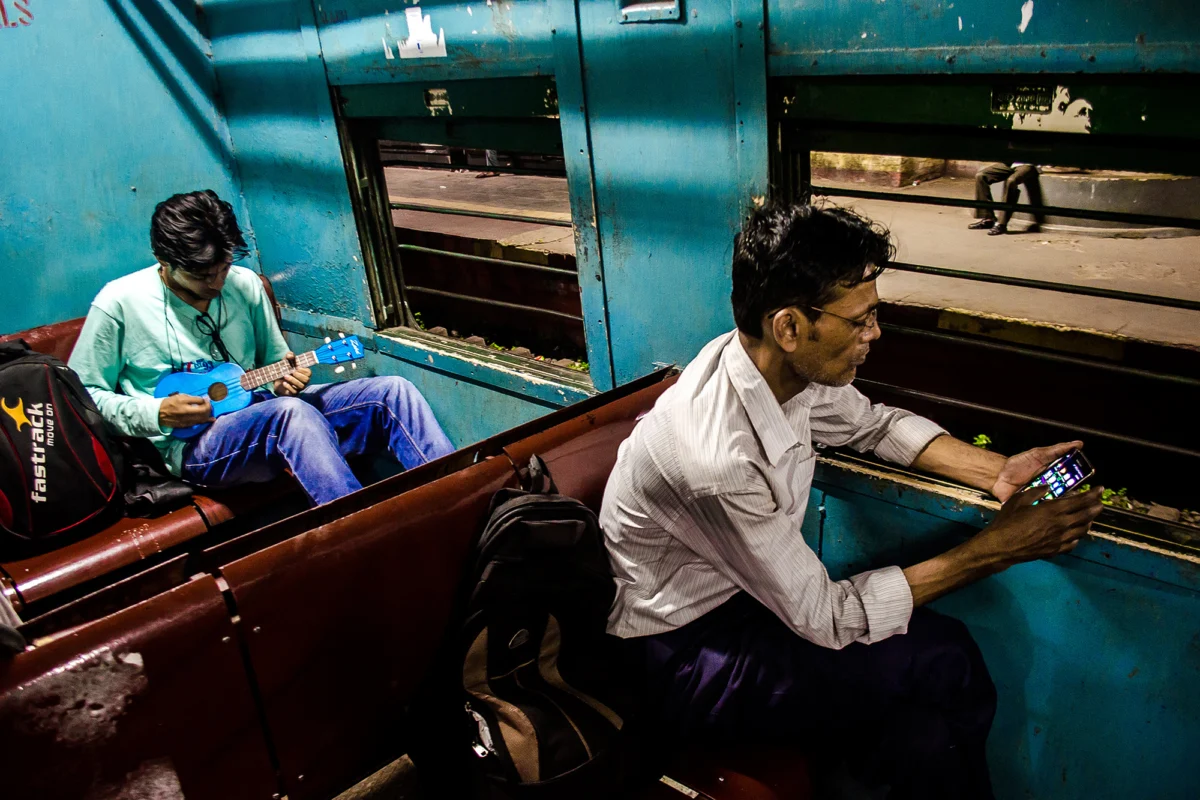
Kolkata-born photographer Ayanava Sil has carved a distinctive path in street photography, transcending the mere pursuit of fleeting moments to embrace a deeper form of visual storytelling. What began as a personal journey of curiosity and technical exploration has evolved into a profound engagement with the human condition, tradition, and the ever-shifting narratives of everyday life. Sil’s approach emphasizes observation, patience, and an artistic sensibility that transforms ordinary scenes into compelling visual essays, a philosophy that has garnered him significant recognition and a dedicated following.
Sil’s foray into photography was not born from formal training but from an organic progression of personal interest. Like many self-taught photographers, his initial engagement was driven by a desire to understand the mechanics of his camera. This technical curiosity, fueled by online resources and platforms like YouTube, laid the groundwork for his photographic endeavors. Early influences, such as the dynamic camera reviews of Kai Wong on DigitalRev TV, provided not only technical insights but also a crucial lesson in capturing candid moments unobtrusively. Wong’s energetic style, demonstrating how to photograph in bustling urban environments without disrupting the natural flow of life, resonated deeply with Sil, shaping his early understanding of street photography ethics.
A pivotal shift in Sil’s perspective occurred with his discovery of the APF Street Photography Magazine. This publication opened his eyes to the transformative power of visual storytelling, illustrating how skilled photographers could imbue seemingly mundane street scenes with profound meaning through meticulous timing, keen observation, and emotional resonance. It was no longer just about documenting what happened, but about interpreting it, revealing the underlying narratives and sentiments.
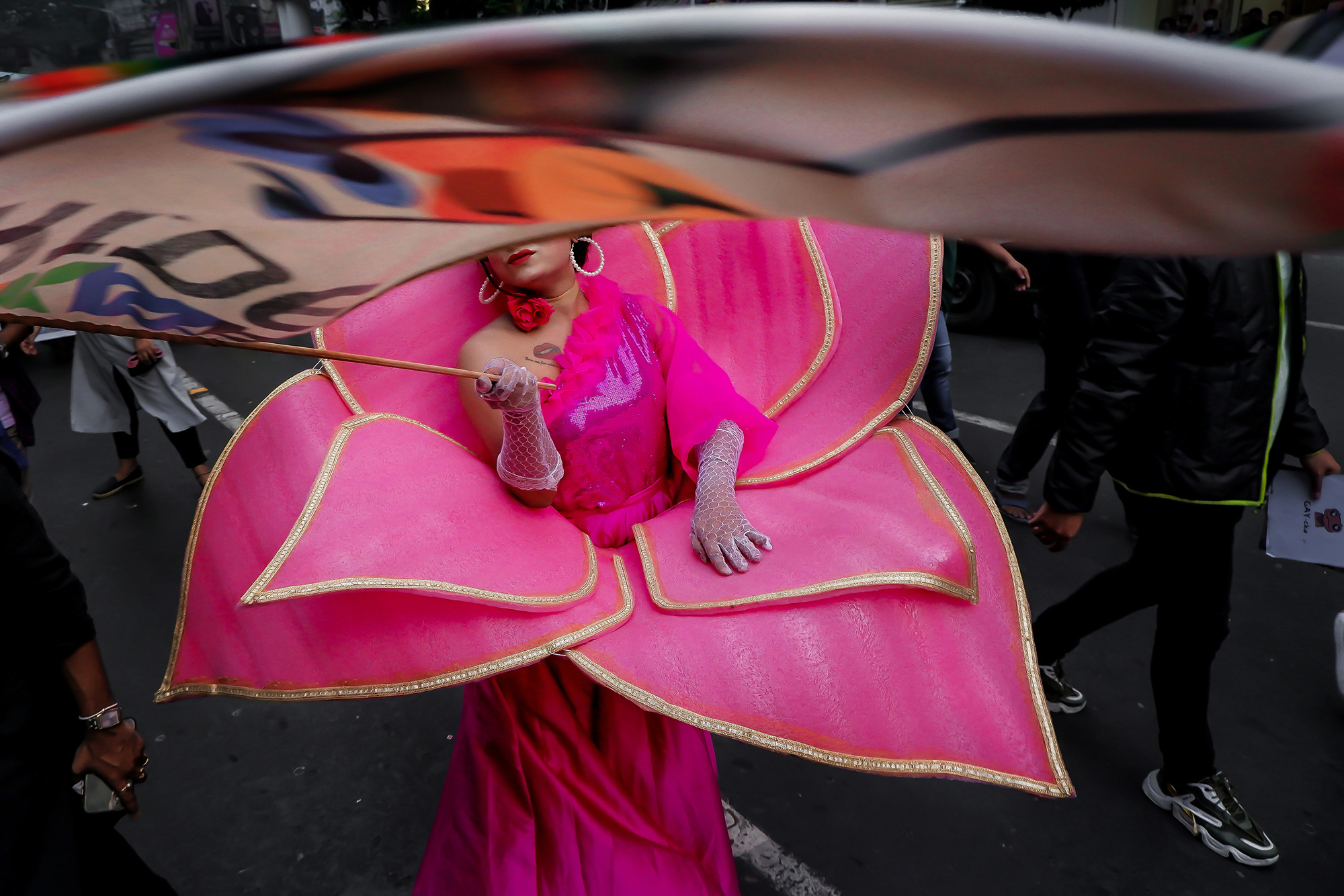
The Revelation of the Familiar
The true turning point in Ayanava Sil’s photographic journey arrived with his encounter with the work of fellow Kolkata street photographer, Soumya Shankar Ghosal. Ghosal’s images, depicting the very streets Sil had known intimately since childhood, profoundly altered his perception of his surroundings. Until this point, Sil, like many budding photographers, harbored the notion that compelling photographic subjects were confined to exotic locales or significant events. Ghosal’s work, however, demonstrated that extraordinary visual narratives were unfolding daily in the most familiar of settings.
"His photographs stayed with me because he was photographing the same city I knew so well, the streets I had grown up around and walked through every day," Sil reflects. "Until then, I believed I had to travel somewhere special to find something worth photographing." This realization was transformative, igniting a deeper passion and shifting his focus from distant horizons to the rich tapestry of his immediate environment. The awareness that captivating stories and "capture-worthy" moments were a constant presence on the streets cemented his commitment to street photography. This understanding fostered a profound appreciation for the dynamic and unpredictable nature of urban life, compelling him to remain present and observant to witness these ephemeral occurrences.
Sil attributes a significant portion of his growth as a self-taught street photographer to the simple, yet fundamental, act of consistent shooting. Beyond the technical mastery of his equipment, this routine provided an invaluable learning laboratory. Each outing offered opportunities to learn from mistakes, to contemplate alternative approaches, and to refine his vision. The sheer volume of images produced allowed for critical self-assessment, enabling him to identify what worked and what didn’t, and to chart his progress.
The Art of Patience: Beyond the Fleeting Moment
A key lesson Sil has learned is the importance of patience. His early work often reflected a frantic pursuit of dramatic moments, leading to an excessive number of exposures and an overreliance on emulating the styles of photographers he admired. This self-imposed pressure, he realized, could sometimes hinder his authentic vision.
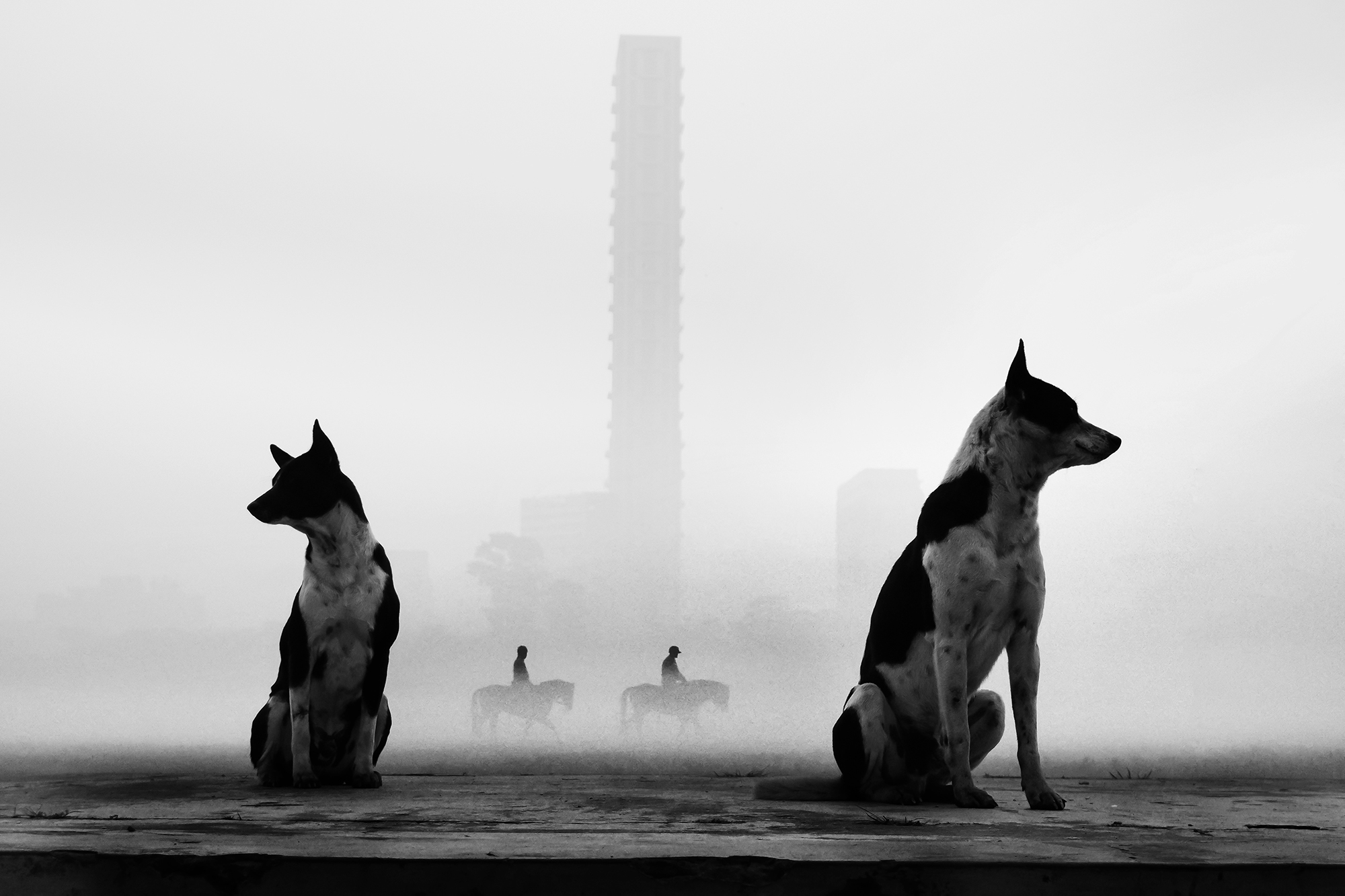
"One of the biggest lessons for me has been learning to slow down," Sil explains. "When I first started, I was always looking for dramatic moments and often took far too many photographs. I was also heavily influenced by photographers I admired, and sometimes I tried too hard to photograph in a style that resembled theirs."
This introspection led to a crucial understanding: "Street photography is not always about chasing a moment. Sometimes, it is about finding a promising scene and waiting for something to happen within it." This shift in mindset marked a maturation in his practice, moving from a reactive approach to a more contemplative and intentional one. This philosophy aligns with broader trends in contemporary street photography, where photographers increasingly prioritize thoughtful composition and atmospheric storytelling over purely documentary snapshotting.
Crafting Visual Narratives: Composition and Artistic Intent
Sil views street photography as a continuous learning process, an arena where his style evolves organically. He embraces this natural development, eschewing rigid creative protocols in favor of an adaptable approach. However, a consistent thread throughout his work is the deliberate injection of an artistic quality, whether he is engaged in street or documentary photography.
"I feel that an artistic approach can give an ordinary moment more life and make the photograph more engaging," he states. This artistic sensibility allows him to present everyday life as compelling narratives rather than disposable snapshots, even when a specific photographic outcome is not initially envisioned.
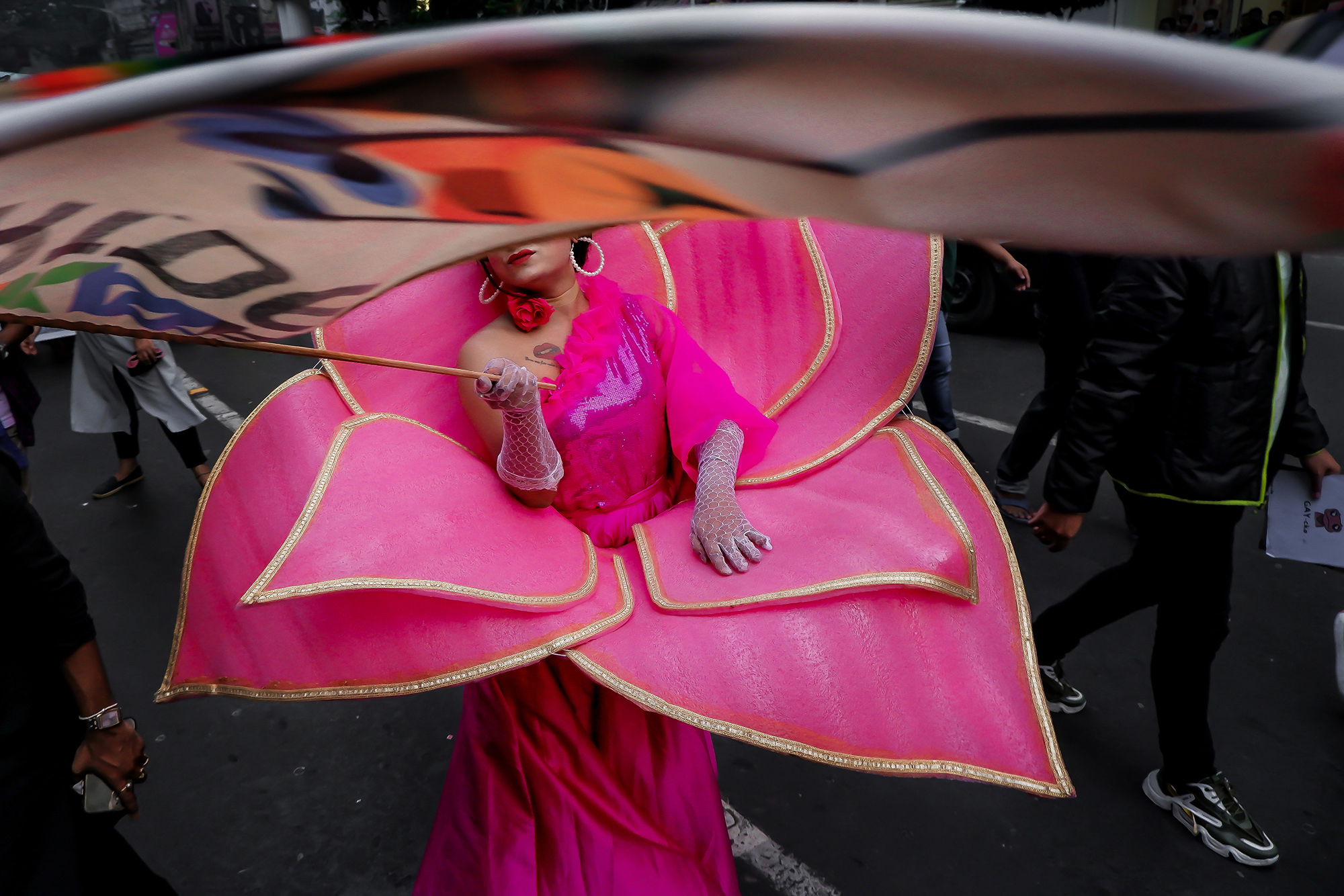
Composition plays a critical role in Sil’s visual storytelling. He strives for clean, purposeful framing, ensuring that each element within the image contributes to the overall message. By minimizing distractions, he effectively directs the viewer’s attention to the essential components of the photograph, enabling him to convey his interpretation of the "soul of a place." His preferred environments are those where life naturally unfolds—bustling markets, serene river ghats, labyrinthine alleys, vibrant festivals, or quiet residential streets. He emphasizes the importance of immersion: "I walk, observe, and try to understand the character of a place before I begin taking photographs." This preparatory phase is crucial for developing an authentic connection with his subject matter.
The Spark of Curiosity: What Makes a Photograph Resonate
For Ayanava Sil, the ideal street photograph is one that ignites curiosity. It need not be an extraordinary event, but rather an image that compels the viewer to pause and engage with it repeatedly. "There should be something in the photograph, a strong composition, a connection between elements, an emotion, or a sense of mystery, that makes me curious," he elaborates. This curiosity can lead to contemplation about the events preceding or succeeding the captured moment, inviting viewers to construct their own interpretations.
"I think that openness is an important part of a strong street photograph," Sil concludes. This inherent openness, combined with his own pervasive curiosity, forms the bedrock of his creative process. His receptiveness to the offerings of the street allows for a meaningful dialogue between himself as the creator and the eventual viewer.
The enduring power of a photograph is a concept Sil deeply values. He explains, "Sometimes I make a photograph and, even years later, I can still remember exactly where I was standing, what I saw, and what I felt at that moment. When a photograph continues to hold a memory long after I have made it, I know I have captured something meaningful." This personal connection to his work underscores the emotional depth he seeks to convey.
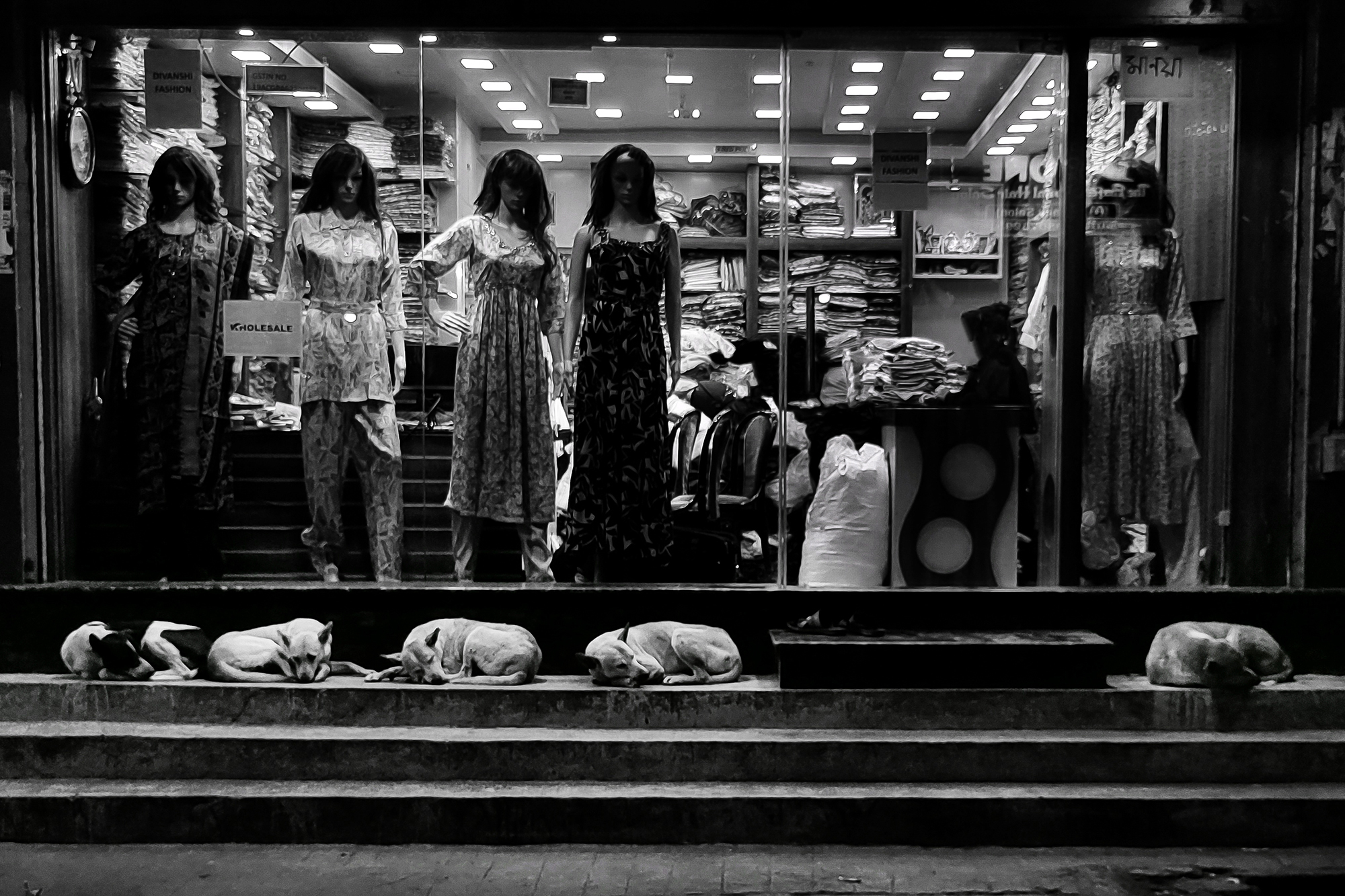
India’s Vibrancy: Tradition and the Modern Dance
India, with its unparalleled vibrancy, energy, and complexity, presents a rich canvas for street and documentary photographers. Sil feels a profound sense of fortune to experience the immense diversity within his home country—the myriad languages, the distinct rhythms of life, the kaleidoscope of traditions, the varied communities, and the unique visual character of each region. "Even within the same city, I can walk from one street to another and feel as though I have entered a completely different world," he observes.
While acknowledging the distinct visual languages of different parts of the world, Sil highlights what makes India particularly compelling for him: "What makes India distinctive for me is the combination of its incredible diversity, emotional openness, social complexity, and the sheer number of stories unfolding around me. Perhaps that is what I love most about photographing India; there is always another story happening just outside the frame. You simply have to be there and notice it."
This inherent diversity, however, necessitates a sensitive approach. Sil is keenly aware of the responsibility that comes with photographing individuals in their daily lives. He emphasizes the importance of respect, ensuring that his subjects are not merely reduced to visual elements but are portrayed with dignity and humanity. His photographs aim to convey a sense of connection and empathy, rather than solely focusing on aesthetic appeal.
Culture and tradition are inextricably woven into the fabric of Indian life, and consequently, into Sil’s street photography. His upbringing in Kolkata, surrounded by its diverse traditions, festivals, and rituals, has undoubtedly shaped his visual language. However, he views tradition not as a separate subject to be sought out, but as an intrinsic element of the world he documents. In India, tradition is not an artifact of the past; it is a living, breathing component of contemporary existence.
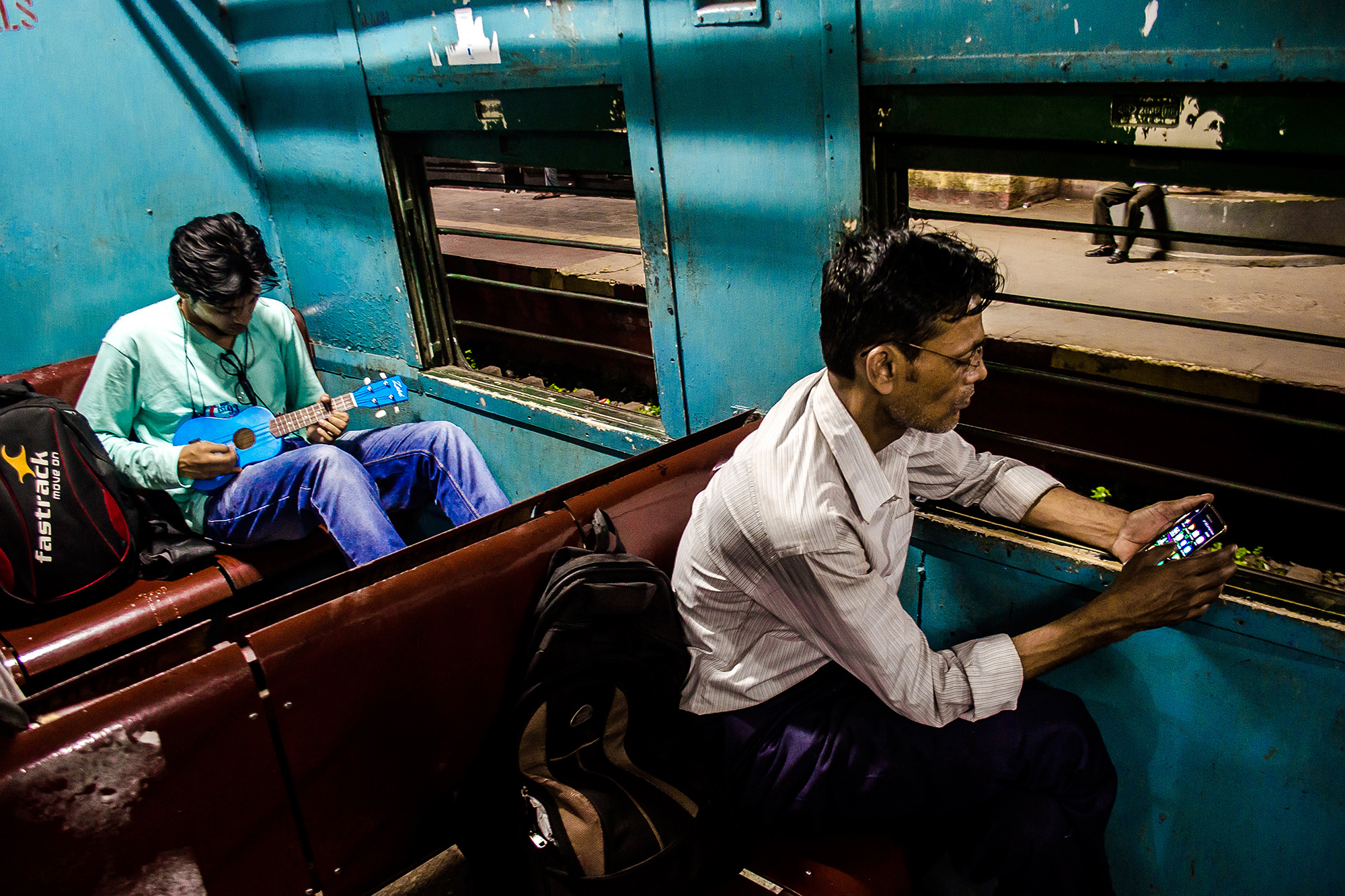
"It lives on the streets, in the way people dress, work, pray, celebrate, travel, and interact with each other," Sil explains. He finds the constant interplay between the past and the present in India particularly fascinating. The juxtaposition of age-old practices with modern developments creates a dynamic visual and human landscape that offers endless storytelling potential. "So, I wouldn’t say that Indian culture and tradition are separate subjects in my photography. They are naturally part of the world I photograph. They shape what I notice, what catches my attention, and how I understand the people and moments in front of me. In many ways, they influence not only what I photograph, but also how I see." This perspective positions his work as a nuanced exploration of contemporary Indian identity, deeply rooted in its historical and cultural context.
The Pursuit of Authenticity: Awards as a By-Product
In the realm of photography, awards often represent a significant milestone, serving as validation of an artist’s skill and vision. However, Ayanava Sil maintains a pragmatic perspective on accolades. He firmly believes that the primary motivation for creating photographs should not be the pursuit of awards.
"The moment I start asking myself, ‘Will this photograph win something?’ I feel that I stop seeing honestly," he states. "For me, the work always has to come first." This commitment to authenticity guides his creative process, compelling him to focus on genuine connection with the subjects and moments before him. Even when he believes he has captured a strong image, his innate drive pushes him to seek something even more profound.
"I think that hunger to find the next photograph keeps me curious and prevents me from becoming satisfied too quickly," Sil remarks. This relentless pursuit of improvement, fueled by an insatiable curiosity, is a hallmark of his dedication.
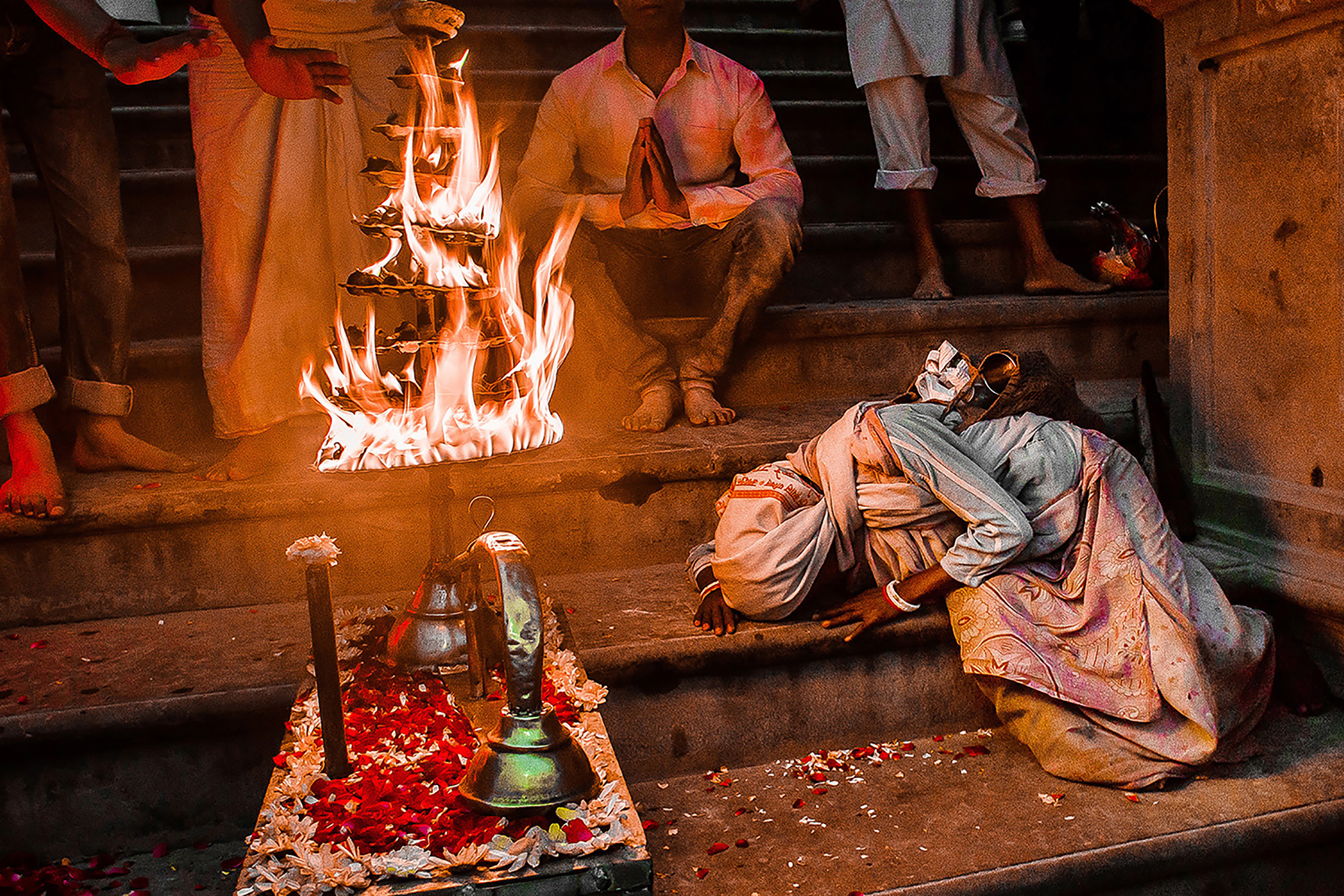
The numerous awards Sil has received are a testament to his hard work and unwavering commitment to honest photographic practice. While he acknowledges the gratitude and encouragement that recognition brings, he views these awards not as definitive proof of success, but as reassurance that his stories resonate with others.
"Ultimately, I see awards as a by-product of the work, not the reason for making it," he emphasizes. His continued dedication stems from the same source as his initial passion: the sheer enjoyment of capturing images, the meditative process of observation and discovery, and the desire to create photographs that will retain their significance over time.
"Poetry of the Ordinary": A Pandemic Revelation
One of Sil’s most cherished photographs, though he believes his best work is yet to come, is from his ongoing series, "Poetry of the Ordinary." This particular image, captured during the unprecedented period of the pandemic lockdown, holds deep personal meaning.
His narrative surrounding the photograph reveals a significant evolution in his perspective: "I took it one evening when the light caught my attention and made me look at my surroundings in a completely different way. Until then, as a street and documentary photographer, I had been mainly interested in photographing people and what was happening outside. I had rarely considered photographing an ordinary space without anyone in it. At first, I wasn’t sure whether this was something I wanted to explore. But that photograph opened up a completely new way of seeing for me. I began noticing things inside my home that I had probably walked past hundreds of times, the way the light fell, the shadows, colours, patterns, frames, and the subtle relationships between objects."
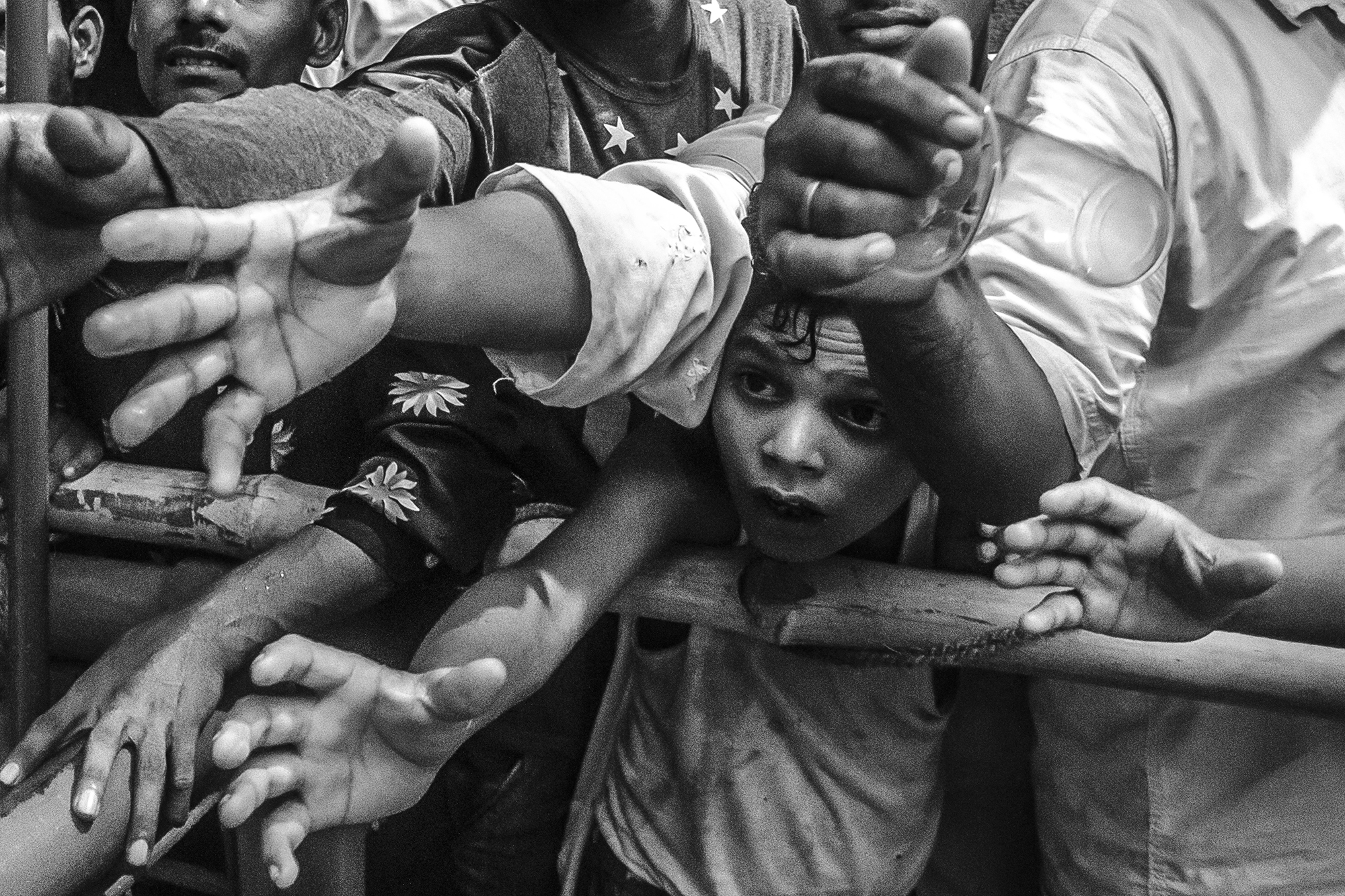
This image taught him a profound lesson: "That is what makes the photograph special to me. It taught me that photography does not always need an extraordinary place, an important event, or a dramatic human moment. Sometimes, all you need is the willingness to look at something familiar in a different way."
The photograph gained even greater significance in 2021 when the legendary American street photographer Joel Meyerowitz saw it and described it as "the kind of picture I felt I could live with." This profound endorsement from a photographer whose work Sil deeply admires served as a powerful reminder of his core motivations. "Hearing those words from a photographer whose work I deeply admire reminded me why I continue to photograph everyday life in the first place," he shares. "So, it may not necessarily be my ‘best’ photograph, but it is certainly one of the photographs closest to my heart. It reminds me that sometimes the most meaningful photographs are hiding in the most familiar places. We just have to see them differently."
The Varanasi Project: A Deep Dive into Spiritual India
Like many artists, Ayanava Sil harbors a dream project, a documentary or street photography endeavor that he has yet to fully embark upon. Rather than seeking distant, exotic locales, his aspiration lies closer to home, focusing on the rich tapestry of everyday life, culture, traditions, and people within his own country. His gaze is set upon Varanasi, an ancient city renowned as the spiritual capital of India.
Sil’s fascination with Varanasi stems from his two previous, albeit brief, visits. He describes the city as an extraordinary environment for a street and documentary photographer, where constant activity unfolds at nearly every turn. "There is something happening on almost every corner. You see children playing on the ghats, priests performing rituals, families celebrating, pilgrims praying, and cremations taking place nearby. Life and death, joy and sorrow, celebration and grief all exist side by side. That contrast fascinates me deeply."
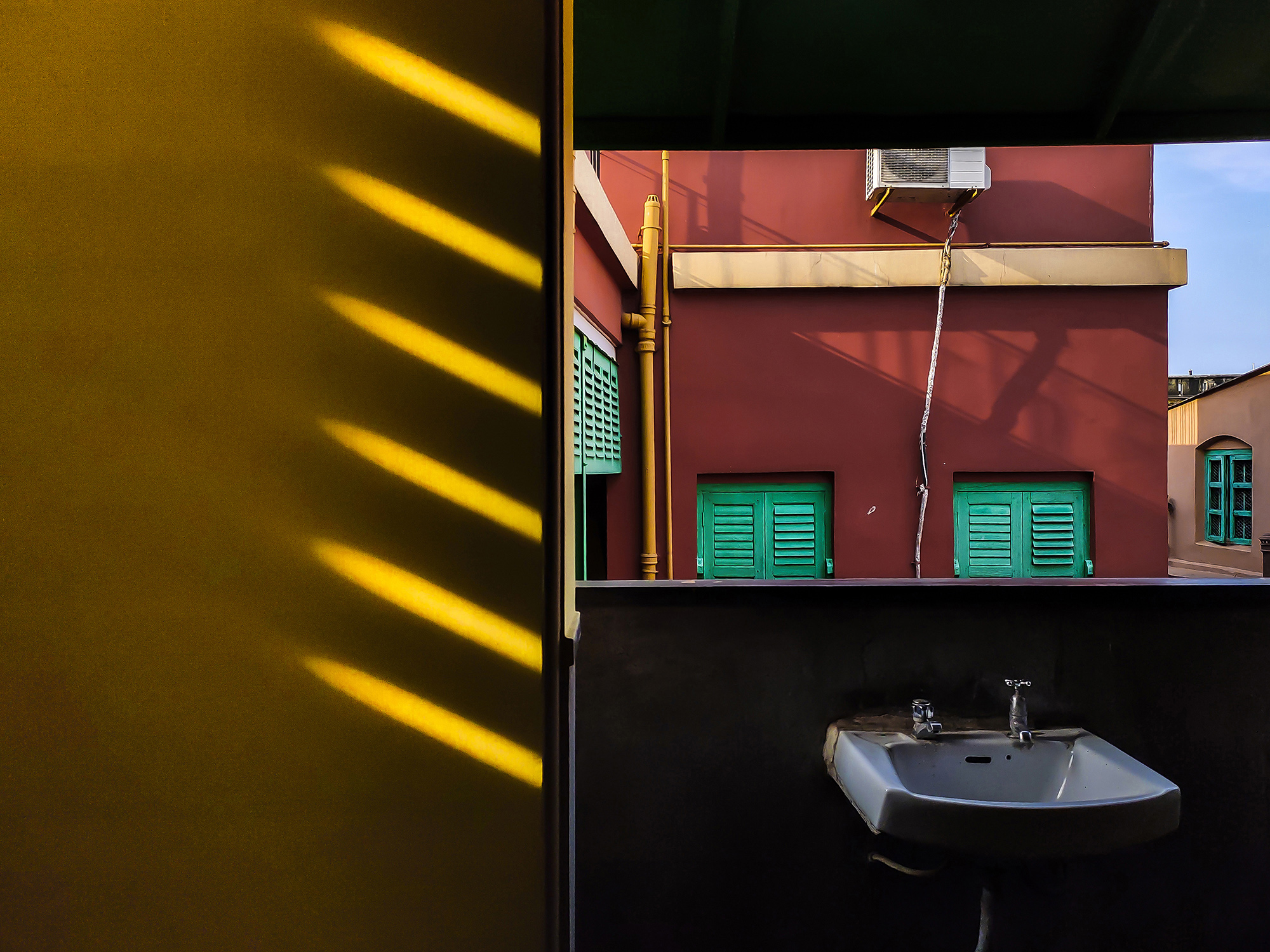
His vision for this project involves an extended period of immersion, ideally spanning different seasons. "I would love to spend a much longer period in Varanasi, ideally across different seasons, and truly immerse myself in the city. I want to experience how it changes with the light, the monsoon, festivals, rituals, and the people who constantly arrive and leave. People often say that Varanasi has changed considerably over the years, and I am sure it has. But I also feel that the city still contains endless characters, stories, and layers waiting to be explored."
This ambitious undertaking would serve as a synthesis of Sil’s artistic interests—people, culture, tradition, spirituality, daily life, and the passage of time. He recognizes that it will be a monumental endeavor, potentially a lifelong commitment, but it is precisely this challenge that excites him. "I would rather spend years building one meaningful body of work than rush to create a quick impression," he asserts. "I want to give the city enough time to speak, and be patient enough to listen." This patient, immersive approach promises to yield a profound and nuanced portrayal of one of India’s most iconic and spiritually significant cities.
To explore more of Ayanava Sil’s award-winning street photography, visit his website and follow him on Instagram at @ayanava3.