The philosophy of creative endurance, often summarized by the Alexandre Dumas axiom that all human wisdom is contained in the words "wait and hope," found a practical application during a recent photographic excursion in a rural township this past spring. While contemporary digital photography often prioritizes the volume of captures and the immediacy of feedback, the traditional film-based approach remains a discipline defined by patience, technical constraints, and the unpredictable alignment of environmental variables. A Sunday afternoon in mid-May served as the backdrop for a series of images that exemplify the "decisive moment," a concept pioneered by Henri Cartier-Bresson, where the visual elements of a scene spontaneously coalesce to form a significant narrative.

The Convergence of Chance and Environment
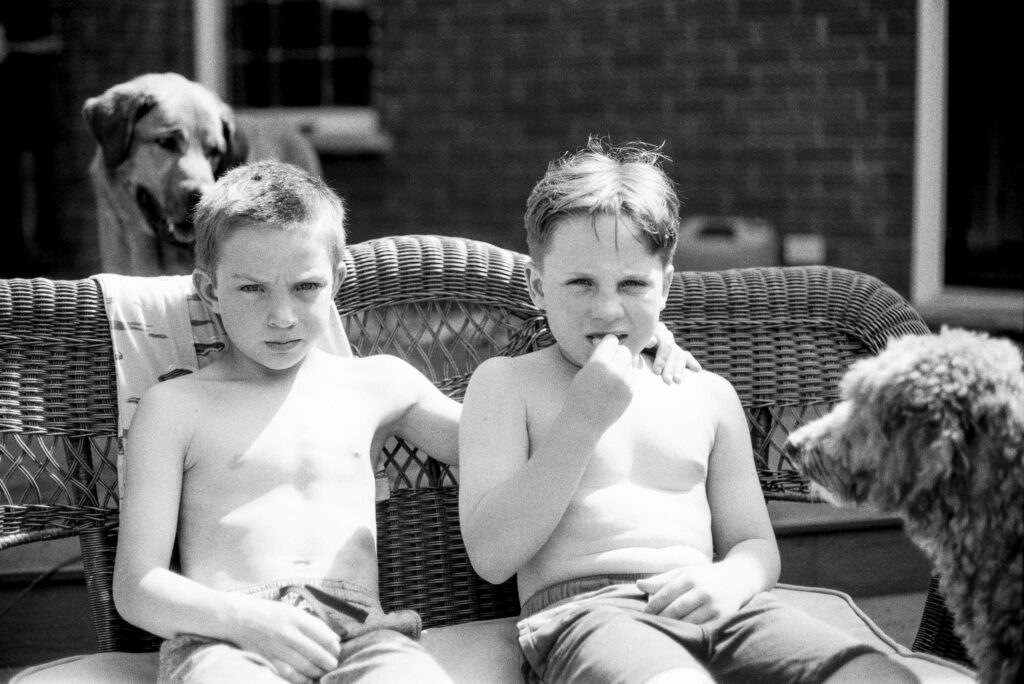
The event took place in a small, rural community located approximately one hour from a major urban center. The subjects of the photographic study were two children, identified as Kipling and Rowly, both of the same age, whose interactions provided a candid look at rural childhood. The setting—a private residence and its adjacent natural landscapes—offered a controlled yet dynamic environment for documentary work.
In the realm of professional photography, the success of a session is rarely guaranteed by the importance of an event. As observed by industry professionals, high-profile gatherings such as airshows or festivals often yield predictable results. In contrast, the most evocative imagery frequently emerges from "uneventful" moments. This particular Sunday began as a routine family visit but evolved into a significant photographic opportunity when the lighting conditions and the subjects’ behavior aligned with the specific characteristics of the film stocks utilized.
Chronology of the Photographic Excursion
The timeline of the day’s events provides insight into the process of capturing high-quality analog imagery.
- Arrival and Initial Observation (1:00 PM): The excursion began upon arrival at a rural residence in mid-May. The immediate interaction between the two primary subjects, Kipling and Rowly, established the narrative theme of "outdoor adventure and general mischief."
- Backyard Documentation (1:30 PM – 2:30 PM): The photographer utilized a Leica MP, a mechanical rangefinder known for its reliability and lack of electronic interference. Initial attempts to capture fast-moving action in the backyard proved challenging, highlighting the difficulties of manual focus and film speed limitations when dealing with erratic movements.
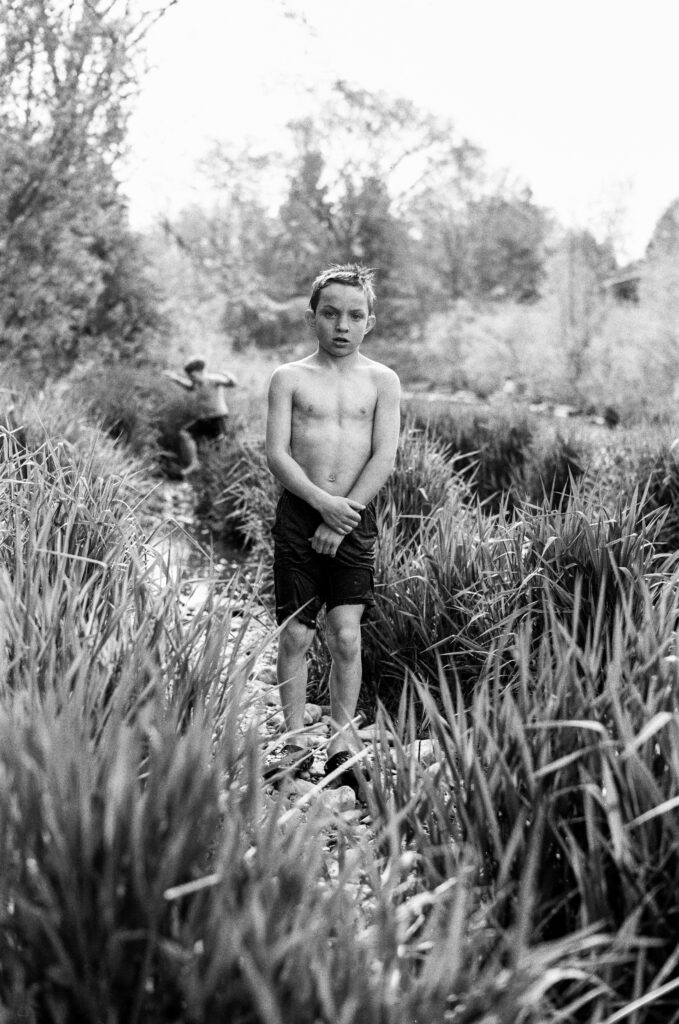
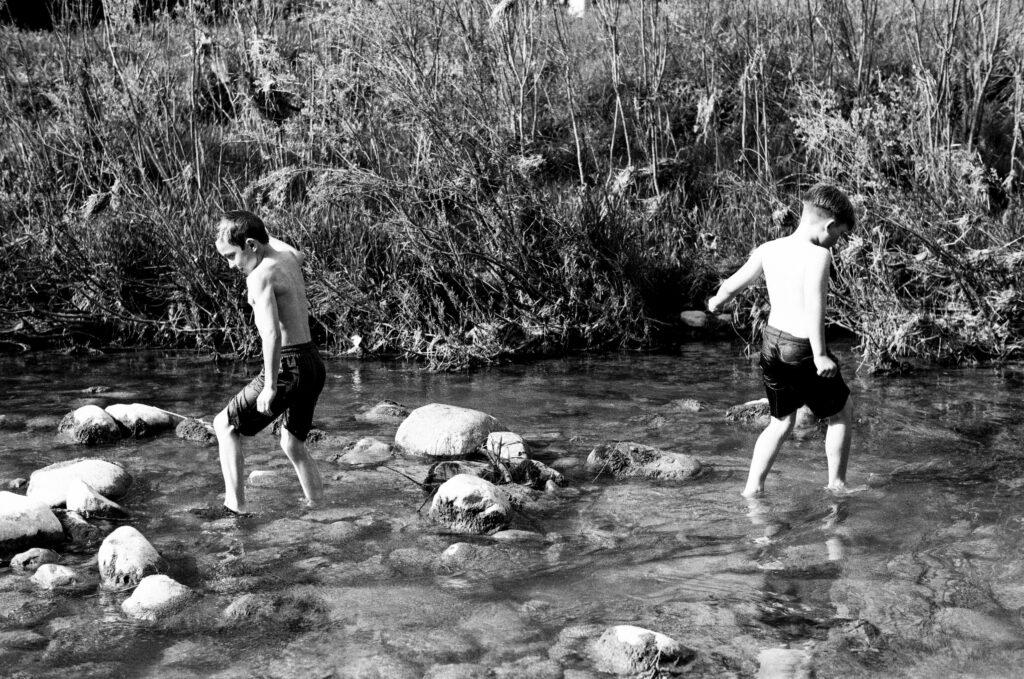
- Transition to the Creek (3:00 PM): As temperatures rose, the subjects relocated to a creek behind the property. This transition was pivotal, as the environmental factors—specifically the interplay of light and shade—reached an optimal state.
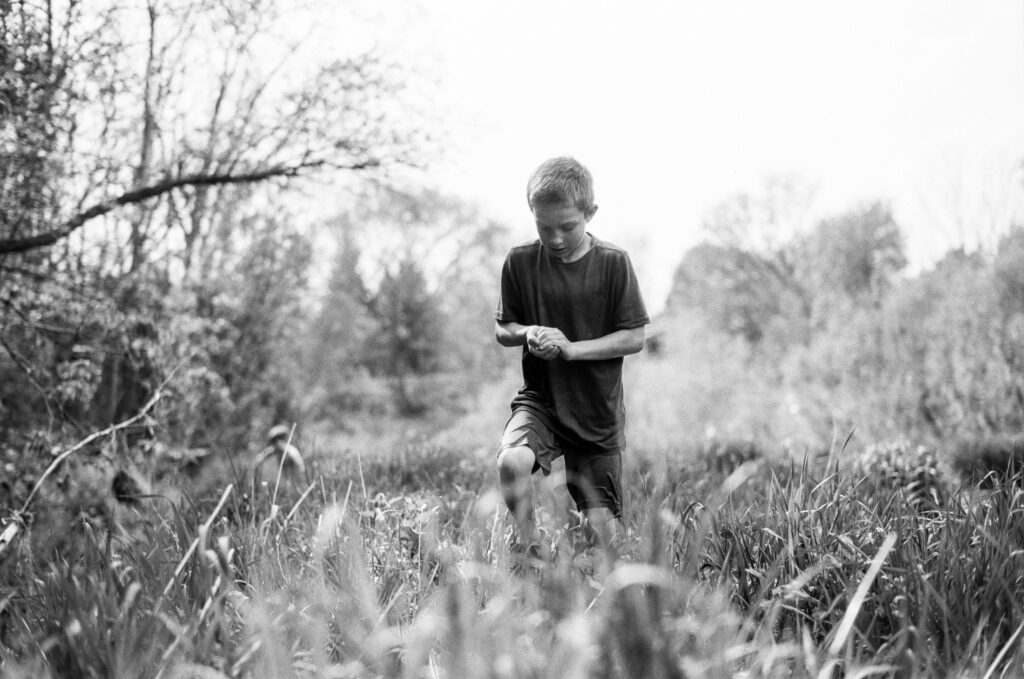
- The Stationary Observation Phase (3:15 PM – 4:30 PM): Unlike the mobile backyard phase, the photographer adopted a stationary position on the bank of the creek. This allowed for a more deliberate composition as the boys engaged in swimming and "hunting for frogs."
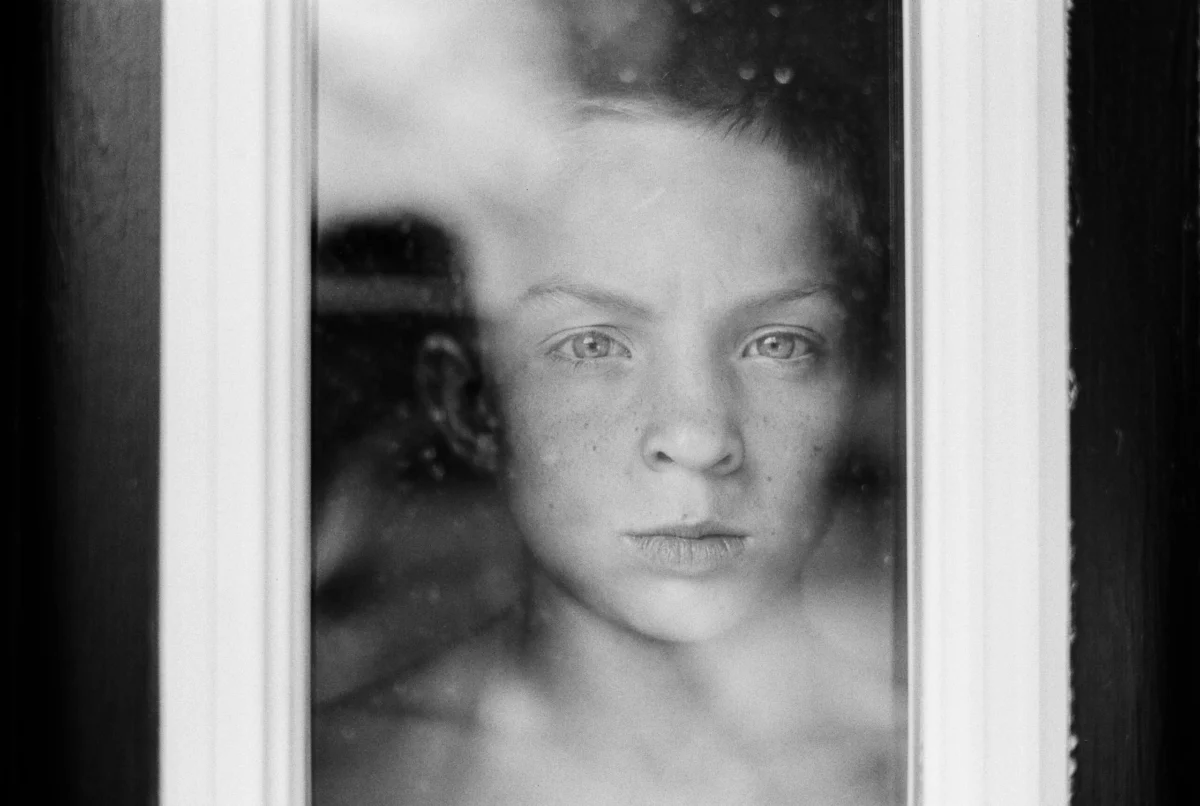
- Post-Activity Portraiture (5:00 PM): The session concluded with a candid portrait of one subject, Rowly, captured through a glass pane as he dried off indoors, providing a stylistic contrast to the outdoor action shots.
Technical Specifications and Tool Selection
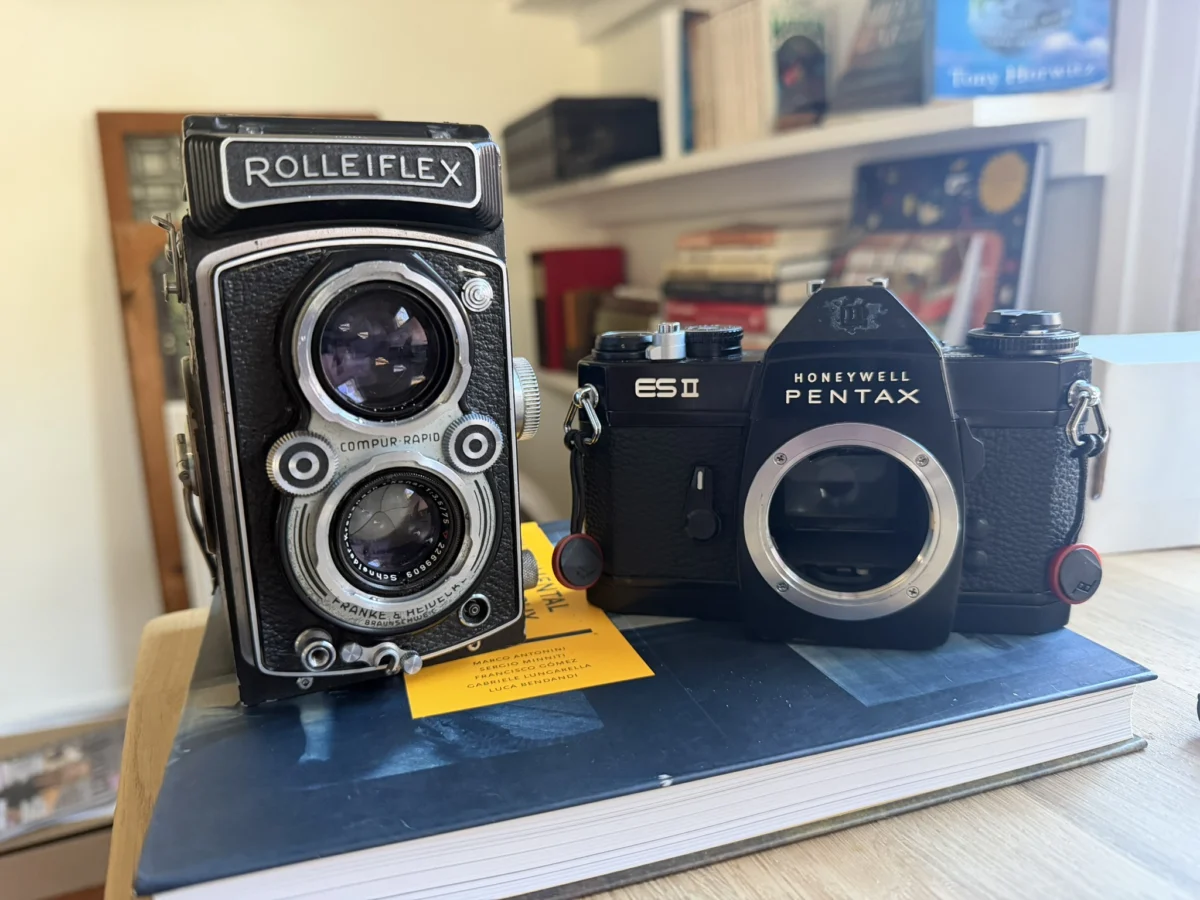
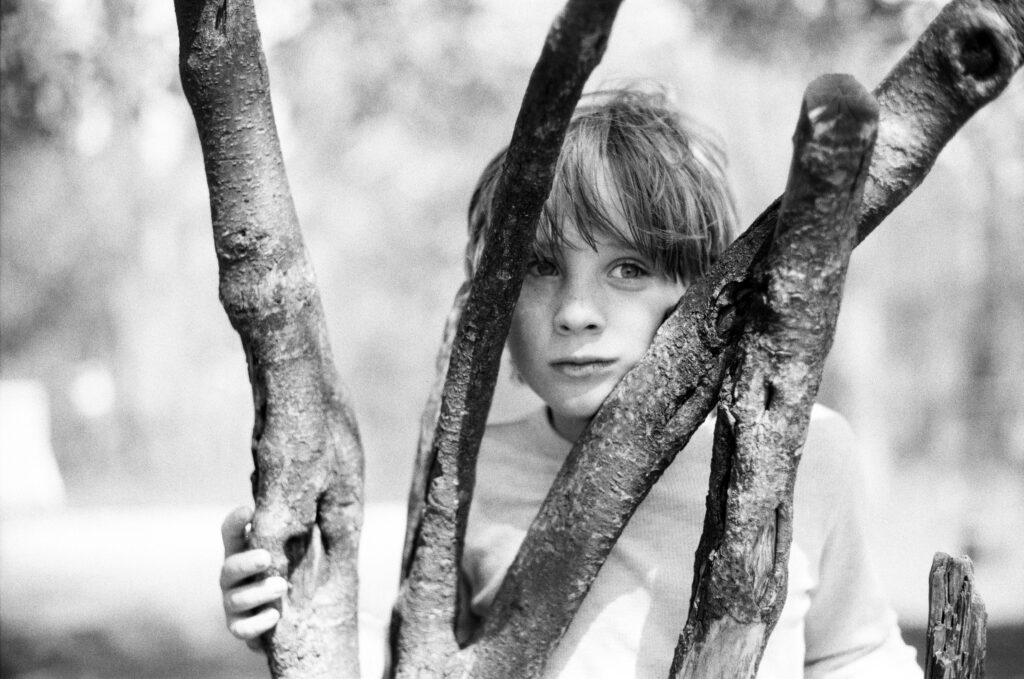
The choice of equipment and media played a critical role in the aesthetic outcome of the project. The Leica MP, a flagship of the analog world, was paired with two distinct film stocks: Kodak T-Max 400 and Ilford Ortho 80 Plus.
Kodak T-Max 400
Kodak T-Max 400 is a panchromatic black-and-white film known for its T-Grain emulsion. This technology allows for high-speed performance (ISO 400) while maintaining a grain structure usually reserved for slower films. In the context of the rural creek, the T-Max 400 provided the necessary latitude to handle the high-contrast lighting found under the forest canopy. It captured the subtle textures of the water and the grassy paths with high resolution and tonal depth.
Ilford Ortho 80 Plus
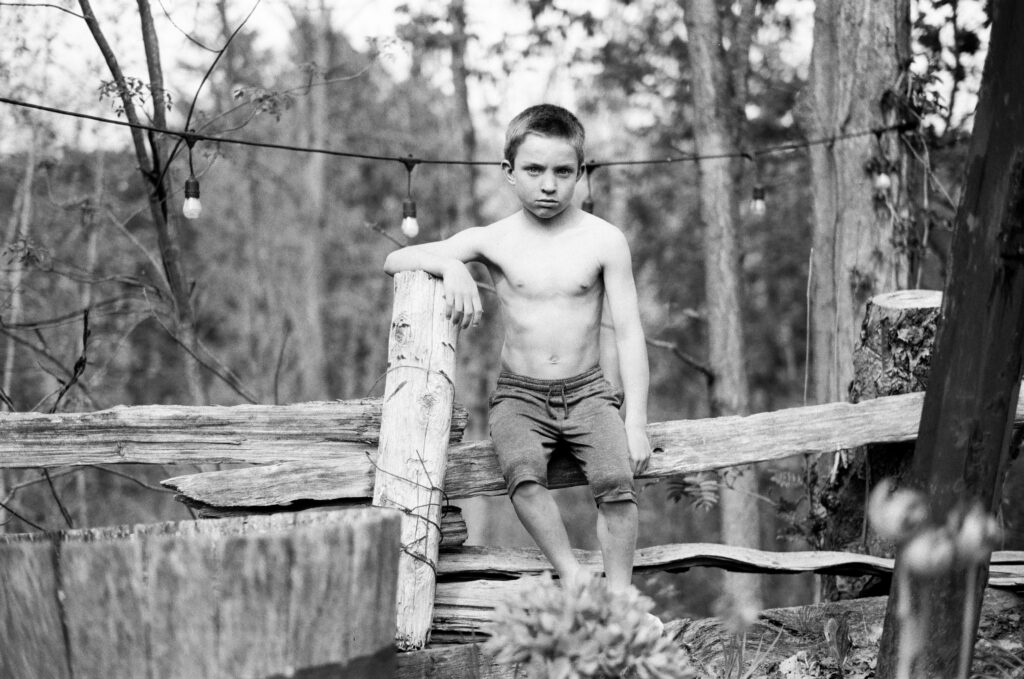
The use of Ilford Ortho 80 Plus represents a more specialized technical choice. Orthochromatic film is sensitive to blue and green light but insensitive to red. This results in a unique rendering of skin tones and foliage. In a springtime setting, where green vegetation is dominant, Ortho 80 Plus produces a luminous, highly detailed interpretation of the landscape. The film’s lower sensitivity (ISO 80) necessitated the favorable lighting conditions found during the afternoon to avoid motion blur, particularly when the subjects were interacting with wildlife, such as frogs.
Market Context: The Resurgence of Analog Photography
The success of this photographic session reflects a broader trend within the imaging industry. Despite the dominance of digital sensors, the market for film photography has seen a significant revitalization over the last five years. According to industry data, Kodak Alaris and Ilford Photo have reported increased demand for black-and-white film stocks, driven by a younger demographic seeking a "tactile" and "authentic" medium.
The Leica MP, used during this event, remains one of the few premium mechanical cameras still in production. Its presence in the market caters to a niche of "purist" photographers who prioritize longevity and mechanical precision over the rapid obsolescence of digital technology. This "Slow Photography" movement emphasizes the value of each frame, contrasting sharply with the "spray and pray" methodology often associated with digital burst modes.
Analysis of the "Decisive Moment" in a Rural Setting
The resulting images from the Sunday excursion are described as being "imbued with the emotions and mood" of the afternoon. From a journalistic and artistic perspective, this success can be attributed to three primary factors:
- Environmental Maturity: In mid-May, the vegetation in the northern hemisphere is lush but not yet overgrown. This provides a clean visual stage that allows subjects to stand out against the background without the visual clutter of late-summer overgrowth.
- Subject Unconsciousness: By "tailing" the subjects for several hours, the photographer allowed the children to become accustomed to his presence. This resulted in candid behavior—hunting for frogs and wading through water—that lacks the artificiality of posed portraiture.
- Patience as a Technical Variable: The photographer’s decision to stay in a single spot on the creek bank illustrates the importance of waiting for the subject to enter the frame, rather than chasing the action. This patience is what Dumas referred to as "wisdom," allowing for the "mysterious concoction of chance, light, and subject" to manifest.
Broader Implications for Visual Documentation
The documentation of Kipling and Rowly’s afternoon serves as a case study for the preservation of memory in the 21st century. In an era where billions of images are uploaded to social media daily, the curated, deliberate nature of film photography offers a different kind of historical record. The "random Sunday afternoon" becomes a permanent artifact through the chemical process of film development.
Experts in the field of visual sociology suggest that these types of images—unplanned, candid, and technically rigorous—hold more long-term value than staged events. They capture the "essence" of a time and place. For the photographer, the rare "winning shot" justifies the weeks of average captures. This reinforces the psychological concept of intermittent reinforcement; the rarity of the perfect shot is exactly what motivates the persistence of the artist.
Conclusion
The photographic Gods, as the narrator suggests, may be "cruel masters" who demand long periods of unproductive effort. However, the successful capture of a series of "unforgettable images" in a rural creek proves that the intersection of traditional technology and disciplined patience remains a viable path for meaningful art. By leveraging the specific qualities of Kodak and Ilford films through the lens of a Leica MP, the photographer was able to transcend the average and document a fleeting moment of childhood and nature.
As the analog revival continues to grow, such excursions highlight the enduring relevance of the "wait and hope" philosophy. For those interested in the technical and artistic progression of film photography, the documentation of these rural adventures provides a blueprint for how to approach the unpredictable nature of the craft. The faith in the medium is kept alive not by the ease of the process, but by the profound quality of the results when chance and preparation finally meet.