Macro wildlife photography stands as one of the most exciting and profoundly rewarding disciplines within the expansive photographic hobby. By intentionally shifting focus to the often-overlooked, smaller subjects inhabiting our world, photographers gain an unparalleled opportunity to discover intricate details that typically escape the naked eye. This specialized approach not only yields truly captivating imagery of creatures and phenomena many people rarely encounter but also fosters a deeper appreciation for the biodiversity existing on a micro-scale. While the vibrant world of insects and the delicate beauty of flowers have traditionally dominated this field, a growing movement encourages photographers to explore a broader spectrum of overlooked subjects, from the scaled textures of reptiles to the ethereal forms of fungi, enriching both the photographic portfolio and our understanding of nature. This article delves into the expanded potential of macro wildlife photography, exploring diverse subject matter, essential equipment, advanced techniques, and critical ethical considerations for capturing the unseen wonders of our planet.
The Allure of the Miniature: A Gateway to Unseen Ecosystems
The intrinsic appeal of macro photography lies in its ability to transport the viewer into a universe previously invisible, transforming the mundane into the magnificent. What appears as a speck to the casual observer can, under a macro lens, reveal an alien landscape teeming with life, complex structures, and vibrant colors. This shift in perspective is not merely aesthetic; it holds significant scientific and educational value, aiding researchers in documenting species, studying behaviors, and contributing to conservation efforts. Historically, the pursuit of magnified observation began with early microscopists in the 17th century, paving the way for photographic technologies to capture these minute worlds. Today, advancements in camera sensors and lens design have made professional-grade macro photography more accessible, attracting a diverse community of enthusiasts eager to document the intricate biodiversity around them. Estimates suggest that arthropods, a prime macro subject group including insects and spiders, account for over 80% of all known animal species, indicating the immense, largely untapped photographic potential in this miniature realm.
Expanding the Macro Horizon: Beyond Insects and Flora
While the classic subjects of character-filled jumping spiders, intricate insect behaviors, and masterpiece-worthy flower petals undoubtedly offer endless visual opportunities, the macro subject library extends far beyond these popular choices. The true wilderness of macro photography often begins when one looks past the conventional, revealing photo-worthy subjects closer than one might imagine, even within a backyard or local park.
-
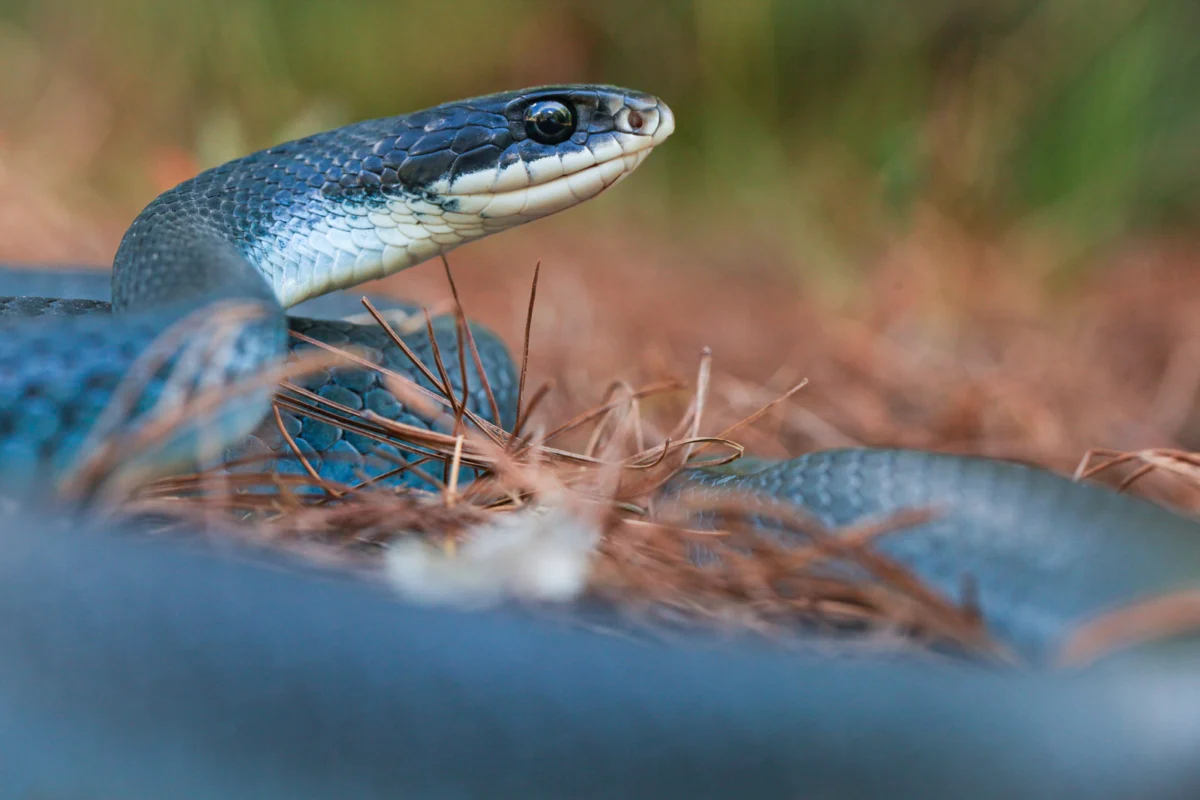
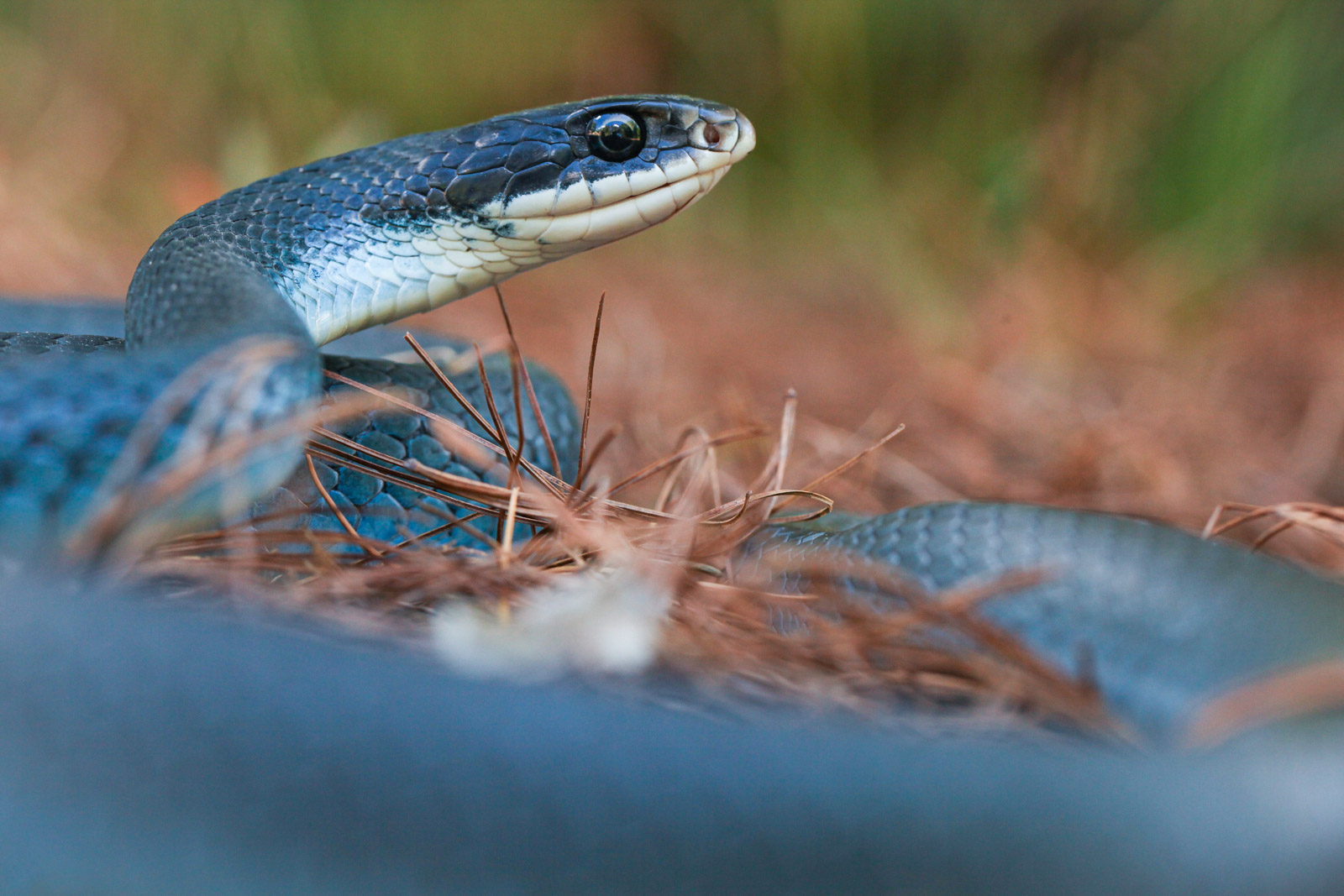
Reptiles and Amphibians: These cold-blooded creatures, with their diverse skins and adaptive features, present a fascinating challenge. Snakes, lizards, and frogs are adorned with unique textures and patterns—from the iridescent scales of a garden snake to the translucent skin of a glass frog. A macro lens can highlight the intricate tessellation of scales, the minute pores on amphibian skin, or the reflective qualities that aid in camouflage or display, offering a close-up investigation into their evolutionary artistry. Documenting these details can be crucial for species identification and understanding their ecological roles.
-
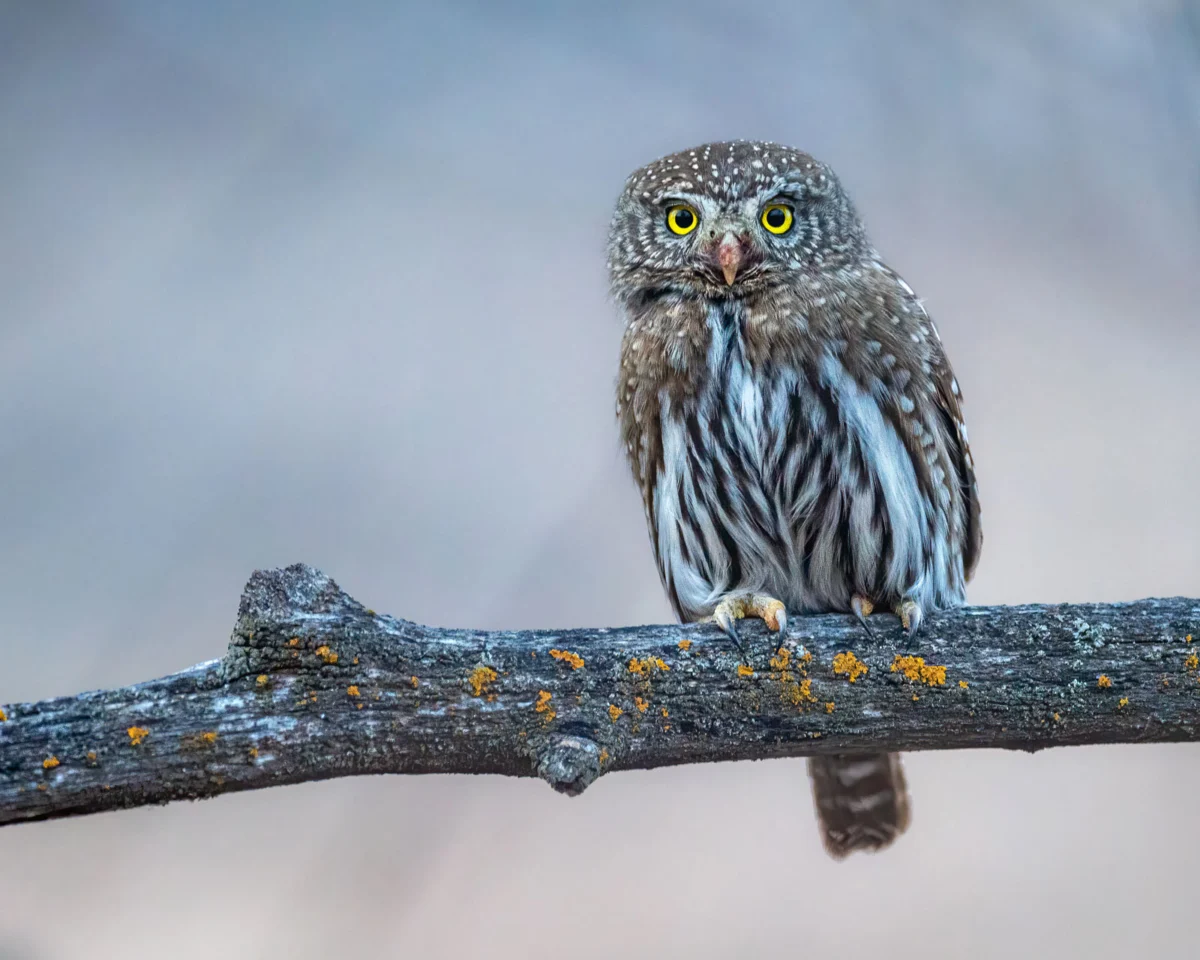
Birds: While most bird photography occurs at a distance, macro opportunities arise with certain body elements. Individual feathers, with their complex barbules and hooks, offer abstract patterns and rich textures. Talons, beaks, and even the intricate structure of a bird’s eye can provide unique macro perspectives. Opportunities might present themselves with ground-dwelling birds, fledglings, or even found feathers, allowing for a detailed study of their natural engineering.

-
Mammals: Capturing mammals at a macro level requires immense patience and luck due to their often fleeting nature. However, the rewards are substantial. The fine hairs of fur, the intricate patterns on whiskers, the detailed structure of an eye reflecting its surroundings, or the pads of paws reveal a surprising depth of detail. Consider a close-up of a bat’s fur, the sensitive whiskers of a rodent, or the unique fingerprints on a primate’s hand for truly compelling, rarely seen imagery.
-
Marine Life: With the appropriate underwater housing and lighting setup, a vibrant, alien world of macro subjects unfolds. Nudibranchs, often called "sea slugs," are renowned for their spectacular colors and bizarre forms. Tiny crustaceans, coral polyps, and various fish larvae offer an endless array of unique features, textures, and behaviors that are almost never captured by the average observer. Underwater macro photography demands specialized skills but promises breathtaking results, contributing significantly to marine biology and conservation awareness.
-
Fungi: Perhaps one of the most accessible yet overlooked subjects, fungi are a macro photographer’s dream due to their static nature. Mushrooms, molds, and lichens boast an incredible variety of unique surfaces, gills, pores, and textures. When captured with a macro lens, these organisms transform into abstract, exciting compositions, revealing their vital role in forest ecosystems as decomposers and nutrient recyclers. Their intricate forms and diverse color palettes provide ample opportunity for creative exploration, especially for those new to macro.
-
Environmental Details: Beyond living organisms, the natural world offers countless macro subjects in its inanimate details. Dew drops clinging to a spiderweb, intricate ice crystals on a leaf, the texture of tree bark, the delicate veins of a fallen leaf, or even the complex structure of sand grains can become compelling abstract images. These subjects are ubiquitous and provide excellent practice for mastering macro techniques without the challenge of moving subjects.

The Essential Toolkit: Precision Gear for Miniature Worlds
Successful macro wildlife photography hinges on having the right equipment that allows for extreme magnification and precise control over light and focus.
-
Macro-Capable Lenses: The cornerstone of macro photography is a dedicated macro lens, designed to achieve a magnification ratio of at least 1:1 (life-size reproduction on the sensor). These lenses come in various focal lengths, each offering distinct advantages:
- Short Focal Lengths (e.g., 50-60mm): Offer a wider field of view and are often more compact and affordable. However, they require getting very close to the subject, which can scare shy wildlife or cast shadows.
- Medium Focal Lengths (e.g., 90-105mm): A popular choice, providing a good working distance for most subjects, allowing for better subject isolation and less disturbance.
- Long Focal Lengths (e.g., 150-180mm): Ideal for skittish subjects, offering the longest working distance. These are often heavier and more expensive but invaluable for capturing cautious creatures.
When choosing, consider factors like minimum focusing distance, image stabilization, and autofocus speed.
-
Budget-Friendly Alternatives: For those new to macro or on a budget, several accessories can convert standard lenses into macro-capable tools:

- Extension Tubes: These hollow tubes sit between the lens and camera body, increasing the lens-to-sensor distance and thus magnification. They contain no optics, so image quality is maintained, though they do reduce the amount of light reaching the sensor.
- Close-Up Filters (Diopters): These screw onto the front of your lens like a filter, acting as a magnifying glass. They are convenient and inexpensive but can sometimes introduce optical aberrations, particularly at the edges of the frame.
- Reverse Mounting Rings: Allow you to mount a standard lens backward onto your camera, converting it into a powerful macro lens. This can achieve very high magnifications but sacrifices electronic communication between the lens and camera.
-
Lighting Solutions: Proper lighting is paramount in macro photography, where ambient light is often insufficient, and depth of field is extremely shallow.
- Flash Units: A dedicated flash is often essential for freezing motion, adding crucial illumination, and allowing for smaller apertures (greater depth of field) without excessively high ISOs.
- Ring Flashes: Mount around the front of the lens, providing even, shadowless illumination ideal for flat subjects.
- Twin Flashes (Macro Flashes): Offer two adjustable flash heads, allowing for more directional lighting and the creation of shadows for added dimension and texture.
- Off-Camera Speedlights: Provide maximum flexibility for creative lighting, allowing the photographer to position the light from any angle.
- Diffusers: Critical for softening the harsh light from a flash, preventing blown-out highlights and creating a more natural, pleasing illumination. DIY diffusers (like translucent plastic or white fabric) or commercially available softboxes are highly effective. The right diffuser can transform a good photo into a great one.
- Reflectors: Small, portable reflectors can bounce ambient light or flash light onto shadowed areas, helping to balance exposure and add catchlights to eyes.
- Continuous LED Lights: While less powerful than flash, continuous LED panels can be useful for focus stacking, where multiple exposures are blended, or for video work.
- Flash Units: A dedicated flash is often essential for freezing motion, adding crucial illumination, and allowing for smaller apertures (greater depth of field) without excessively high ISOs.
-
Stabilization Tools: While mobility is key for many wildlife subjects, some form of stabilization is often beneficial.
- Tripods and Macro Rails: For static subjects like fungi or plants, a sturdy tripod paired with a macro focusing rail allows for precise, millimeter-level adjustments to achieve critical focus and facilitate focus stacking.
- Monopods: Offer a compromise between the stability of a tripod and the mobility of handheld shooting, useful in situations where a tripod is too cumbersome.
- Beanbags and Ground Pods: Invaluable for low-angle shots of ground-dwelling subjects, providing a stable platform for the camera without the bulk of a tripod, allowing for quick repositioning.
Mastering the Art: Techniques for Capturing the Unseen
Beyond gear, mastering specific techniques is crucial for consistently producing high-quality macro wildlife images.

-
Camera Stabilization: For dynamic wildlife subjects, handholding is often necessary. Holding the camera body with two hands, bracing elbows, and maintaining a low center of gravity can improve stability. For ground-level subjects, utilizing a beanbag or even a rolled-up towel beneath the lens can provide a more versatile and adaptable alternative to a tripod, allowing the photographer to get down to the subject’s level without sacrificing stability.
-
Lighting Mastery: Experimentation with flash angles is key. Starting with an on-camera flash (with a diffuser) is a good baseline. However, taking the flash off-camera and experimenting with lighting subjects from the top, side, or even back can dramatically alter the mood and impact of an image. Backlighting, for instance, can create dramatic rim lighting and highlight translucent elements, leading to more emotive, low-key style photographs. Balancing flash with ambient light is also crucial to ensure natural-looking results.
-
Focusing with Precision: Given the razor-thin depth of field in macro photography, achieving critical focus is paramount.
- Autofocus Modes: Cameras with advanced AI focus or continuous autofocus can be useful for subjects with predictable movement. However, at extreme magnifications, autofocus can struggle.
- Single-Shot AF: Works well for static or slow-moving subjects, allowing the photographer to lock focus before recomposing slightly.
- Manual Focus: Often the preferred method for macro, offering ultimate control. Features like "focus peaking" in mirrorless cameras are invaluable, highlighting in-focus areas. The general rule is to focus on the most important detail, typically the eye of an animal, or a distinctive pattern on a plant or fungi.
- Focus Stacking: For subjects that remain perfectly still, focus stacking (taking multiple images at slightly different focus points and blending them in post-processing) can dramatically increase the perceived depth of field, rendering the entire subject sharp.
-
Aperture and Depth of Field Control: A common starting point for small-subject macro shots is f/11. This aperture often provides a reasonable balance between achieving sufficient depth of field to render key features sharp and avoiding excessive diffraction, which can soften image details at very small apertures (e.g., f/16, f/22). Experimentation is vital, as the ideal aperture will vary based on the subject’s size, shape, and desired aesthetic.

-
Always Shoot in RAW: This is a fundamental practice for any serious photographer, especially in macro wildlife. RAW files retain significantly more image data than JPEGs, offering far greater flexibility for adjustments in post-processing. This is invaluable when dealing with fleeting wildlife encounters where there’s little time to perfect camera settings in the field. RAW allows for comprehensive correction of exposure, white balance, color, and recovery of highlight/shadow detail, ensuring that even slightly imperfect captures can be salvaged and refined.
-
Patience and Fieldcraft: Perhaps the most crucial "technique" is the mental one: patience. Macro wildlife photography demands significant patience. Subjects may not appear, or conditions may not be ideal. Mistakes will be made. The ability to remain calm, observe, anticipate, and wait for the opportune moment is what separates successful macro photographers from the frustrated. Understanding animal behavior, moving slowly and quietly, and blending into the environment are critical fieldcraft skills that minimize disturbance and maximize photographic opportunities. Practicing at home with inanimate objects or models can help hone technical skills before facing the unpredictable nature of live subjects.
Ethical Imperatives: Respecting the Miniature World
When venturing into macro wildlife photography, ethical considerations must always take precedence. The welfare of the plant or animal subject is paramount; no photograph is worth causing harm or undue stress. Adhering to a strict code of ethics not only protects nature but also upholds the integrity of the photographic community.

-
Minimize Disturbance: The core principle is to leave no trace and cause no stress. This means observing from a respectful distance, not touching or moving subjects, not altering their habitat (e.g., clearing leaves, breaking branches), and avoiding excessive flash use that might disorient nocturnal creatures. Developing quick and efficient shooting skills through practice ensures minimal time spent in close proximity to the subject.
-
Know Your Subject: Before heading into the field, research the local flora and fauna. Understand if a species is protected, endangered, venomous, poisonous, or particularly susceptible to human presence. This knowledge is crucial for both the photographer’s safety and the subject’s well-being. Local field guides, scientific journals, and reputable wildlife blogs are excellent resources.
-
No Staged or Manipulated Shots: Authenticity is key. True wildlife photography captures animals in their natural state and environment. Avoid staging scenes or manipulating subjects for a better shot. If working with captive animals or in controlled environments (e.g., butterfly gardens), transparency about these conditions is essential when sharing images.
-
Prioritize Safety: Always be aware of your surroundings and potential hazards, both from the environment (e.g., uneven terrain, weather) and from the subjects (e.g., stinging insects, venomous reptiles). Never put yourself or the animal at risk for a photograph.

By prioritizing ethical practices, photographers contribute to a positive image of wildlife photography, set a good example for others, and, most importantly, help ensure that the miniature wonders we cherish today will continue to thrive for future generations.
The Broader Impact: From Personal Discovery to Global Awareness
The journey into macro wildlife photography is more than just capturing images; it is a transformative experience that reshapes one’s perception of the natural world. On a personal level, it cultivates patience, keen observation skills, and an artistic eye for detail and composition. It fosters a deep connection with nature, revealing the complexity and beauty often overlooked in our fast-paced lives.
Beyond individual enrichment, macro photography has a significant broader impact. Captivating macro images can serve as powerful tools for conservation awareness, igniting curiosity and empathy in the public for the smallest creatures and their vital roles in ecosystems. These photographs can highlight the delicate balance of micro-habitats and underscore the threats they face from environmental changes. Furthermore, macro photography contributes to scientific research, providing valuable visual documentation of species, behaviors, and environmental changes, often contributing to citizen science initiatives that track biodiversity.

Ultimately, macro wildlife photography offers a unique lens through which to interpret the world. It reveals that beauty and complexity are not limited to grand landscapes or charismatic megafauna but are intricately woven into the fabric of the smallest living things. Whether it’s the iridescent wing of a butterfly, the textured scales of a snake, the delicate gills of a mushroom, or the human-like hands of a tiny mammal, macro investigation is rarely a dull experience. For those ready to peel back the layers of the visible world and explore the breathtaking complexity beneath, the macro lens awaits, promising endless discoveries and a profound shift in perspective.