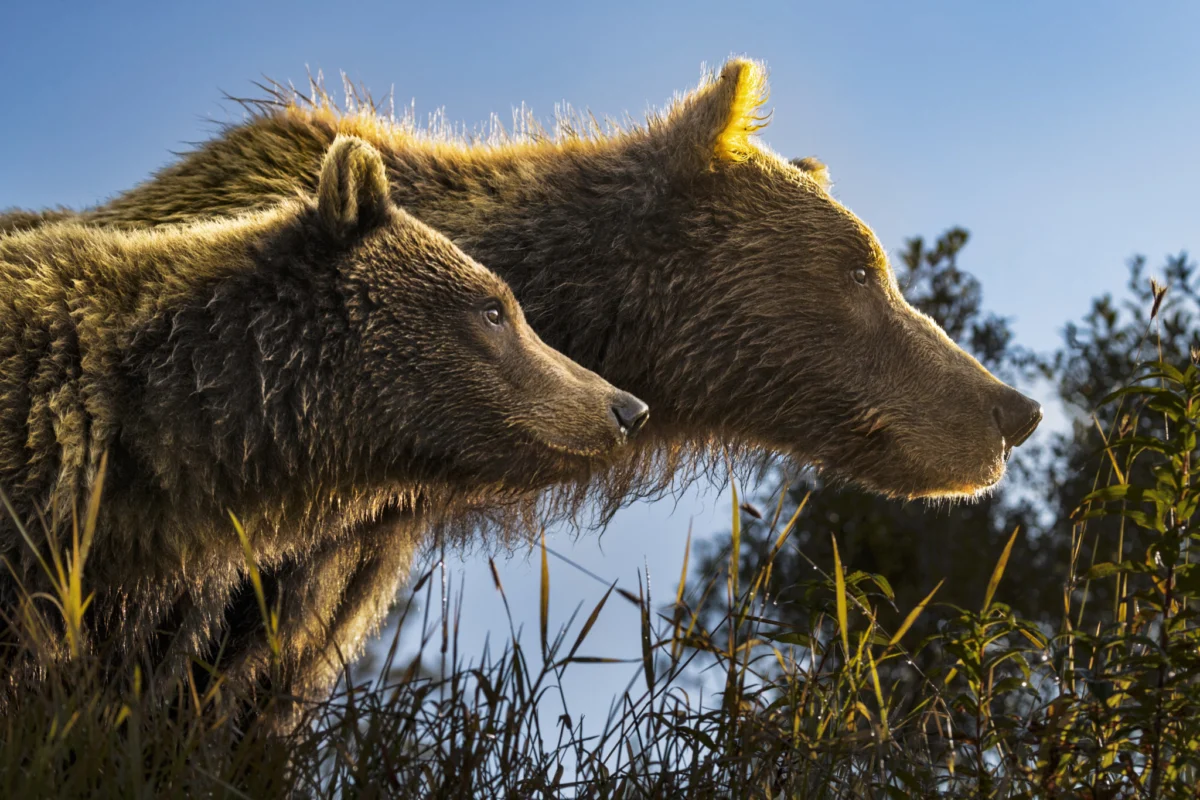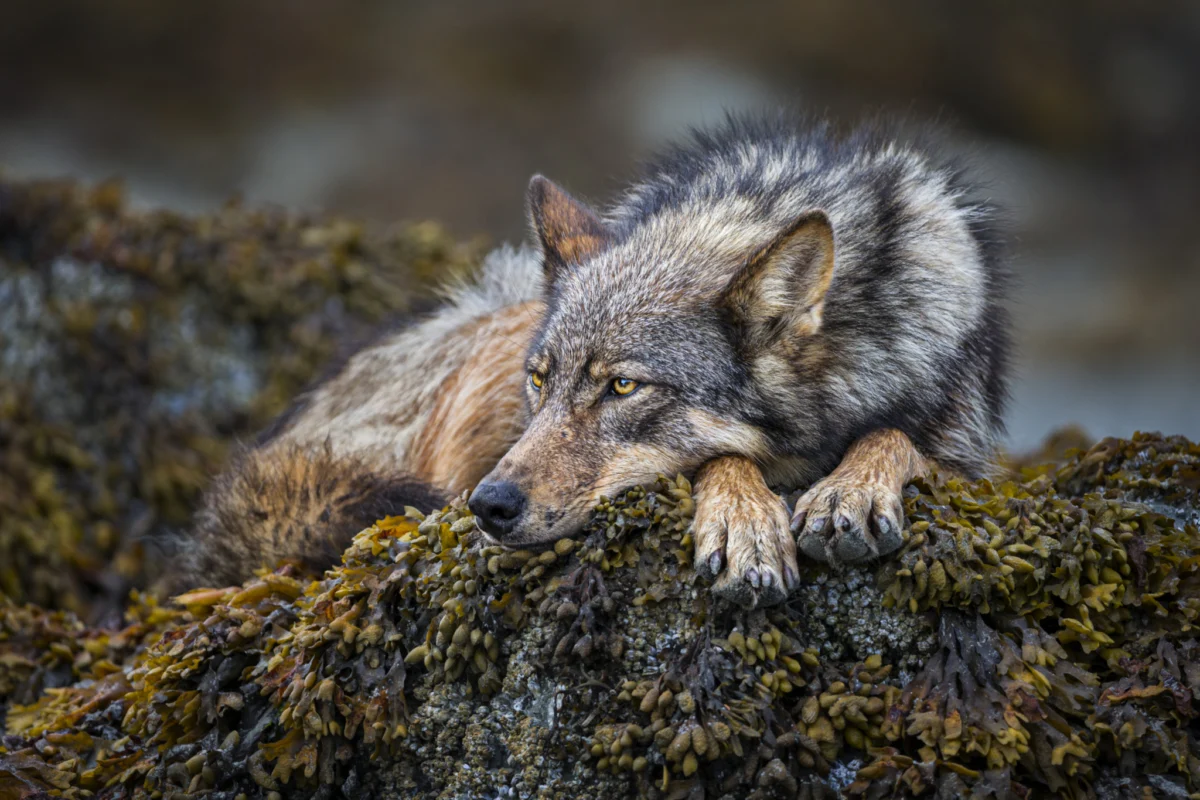
Thirty years ago, an audacious expedition into the remote Barren Grounds, a stark and unforgiving landscape some 300 miles north of the Arctic Circle, marked the beginning of a profound connection with the Canadian wilderness. The journey, spanning three months, involved an arduous 600-mile trek on foot and a 2,000-mile canoe voyage, primarily driven by a personal quest for self-reliance and the ambitious goal of photographing tundra wolves. It was during this solitary immersion that the author first encountered the elusive creature, a moment of intense anticipation culminating in the sight of a lone wolf, its tawny eyes and silver face emerging from the dense willows after a painstaking hour of silent approach. This initial encounter, a testament to the patience and respect required to observe such wild animals, set the stage for numerous subsequent interactions, many of which involved the privilege of being in close proximity to relaxed wolf packs. These experiences underscore a critical truth: wolves, by nature, are inherently cautious and shy, exhibiting a deep-seated wariness of humans. Documented instances of wolf attacks on people are exceptionally rare, with only a handful recorded across North America in the past century. Despite this empirical reality, the archetype of the "big bad wolf" continues to exert a powerful, albeit fictional, influence on the human psyche, perpetuated through centuries of storytelling, folklore, and popular media.
The Enduring Myth and its Modern Repercussions
The persistence of the "big bad wolf" narrative, even in an era of scientific understanding, highlights a deep-seated, often subconscious, fear rooted in childhood tales and ancient legends. While most individuals recognize that wolves do not possess the magical abilities to impersonate relatives or destroy homes with a breath, the ingrained imagery from stories like Little Red Riding Hood continues to shape perceptions. This enduring myth becomes particularly problematic in the context of escalating biodiversity loss across the continent. As natural ecosystems face unprecedented pressures, the wolf, a keystone species, is frequently and unfairly cast as a convenient scapegoat for perceived declines in prey populations.
This tendency to blame wolves for ecological imbalances is not new. When populations of deer, elk, and other ungulates begin to diminish, wolves are often the immediate suspects. This narrative conveniently overlooks a fundamental ecological reality: wolves have been an integral part of the North American landscape for an estimated 30,000 to 50,000 years, predating the arrival of humans by millennia. Their presence has historically played a vital role in maintaining the health and balance of their ecosystems.
The True Drivers of Ecological Devastation
The narrative of the wolf as a destructive force distracts from the far more significant and pervasive environmental damage inflicted by human activities. The relentless expansion of roads, widespread deforestation, extensive mining operations, and aggressive drilling practices have collectively had a devastating impact on wildlife populations and their habitats. These anthropogenic pressures far outweigh any perceived impact of wolf predation.
Despite this overwhelming evidence, a prevailing misconception persists: the belief that restoring nature necessitates controlling or eradicating its wild inhabitants. This misguided approach is evident in the continued implementation of government-sanctioned wolf culls, often justified under the guise of wildlife "management." Simultaneously, corporate interests continue to champion environmentally destructive practices such as oil dredging and copper mining, further exacerbating habitat degradation and biodiversity loss. A stark example of this flawed management strategy is the Canadian government’s taxpayer-funded initiative to exterminate 4,000 wolves in British Columbia alone. This policy, alongside similar initiatives in other regions, represents a profound failure to acknowledge and address the root causes of ecological decline.
A Call for Accountability and a Shift in Perspective
The continued demonization of predators like wolves, who have for millennia served as crucial regulators of their ecosystems, perpetuates a destructive cycle. It hinders genuine efforts to restore ecological balance and instead perpetuates human-induced environmental crises. The beauty and intrinsic value of every animal, regardless of how feared or misunderstood, contribute to the richness and complexity of our planet’s biodiversity.
The path towards healing our fractured relationship with nature requires a fundamental shift in perspective. Instead of focusing on the perceived threat posed by apex predators, humanity must confront the systemic threats that truly endanger our planet. This includes addressing the pervasive impacts of habitat destruction, climate change, pollution, and unsustainable resource extraction. By holding our own species accountable for the true extent of damage inflicted upon our landscapes, we can begin to break the cycle of repeated mistakes and foster a more harmonious coexistence with the natural world.
Historical Context: Wolves in North America
The ecological role of wolves in North America is deeply intertwined with the continent’s natural history. Fossil evidence suggests that wolf ancestors, such as Canis dirus (dire wolves), roamed the land during the Pleistocene epoch. Modern wolves, Canis lupus, established their presence over tens of thousands of years, adapting to diverse environments ranging from arctic tundra to temperate forests.
Their evolutionary journey has shaped them into highly intelligent and socially complex animals. Wolf packs, characterized by intricate social structures and cooperative hunting strategies, have historically exerted a significant top-down influence on prey populations. This predator-prey dynamic, honed over millennia, played a crucial role in maintaining ecosystem health by preventing overgrazing, promoting genetic diversity within prey species, and influencing vegetation patterns. For instance, studies in Yellowstone National Park, following the reintroduction of wolves in the mid-1990s, demonstrated a remarkable ecological cascade. The presence of wolves led to a reduction in elk populations, which in turn allowed riparian vegetation, such as willows and aspen, to recover. This recovery benefited numerous other species, including beavers and songbirds, illustrating the profound interconnectedness of ecosystems.
The Colonial Legacy and the Criminalization of Wolves
The negative perception of wolves in North America is not solely a product of ancient folklore; it is also heavily influenced by colonial attitudes and practices. Early European settlers, accustomed to a landscape largely devoid of large predators, viewed wolves as a direct threat to livestock and a symbol of untamed wilderness that needed to be subdued. This led to widespread bounties and eradication campaigns throughout the 19th and 20th centuries.
In the United States, for example, the U.S. Biological Survey (later the Bureau of Biological Survey and eventually the U.S. Fish and Wildlife Service) actively promoted wolf extermination. By the mid-20th century, wolves had been driven to near extinction in the contiguous United States, with their range drastically reduced. Similar eradication efforts occurred in Canada, driven by agricultural and hunting interests. This historical context is crucial for understanding the deeply ingrained biases that continue to inform contemporary wildlife management policies and public opinion.
Modern Wolf Management: A Complex and Contentious Landscape
Contemporary wolf management in North America is a complex and often contentious issue, characterized by a patchwork of federal, provincial, and territorial regulations. While some jurisdictions have embraced wolf recovery and conservation efforts, others continue to permit or even encourage hunting and culling.
Data on Wolf Populations and Management:
- United States: Following their reintroduction into Yellowstone in 1995 and central Idaho in 1997, wolf populations have rebounded significantly. As of recent estimates, there are over 6,000 wolves in the U.S. (excluding Alaska, which has a larger, stable population). However, wolves remain a highly politicized issue, with ongoing debates about their management, including hunting seasons and delisting from endangered species protections.
- Canada: Wolf populations in Canada are generally more robust than in the U.S., with estimates ranging from 50,000 to 200,000 individuals. However, specific regional populations face threats. The aforementioned plan in British Columbia to cull 4,000 wolves is aimed at protecting endangered caribou populations, a measure that has drawn sharp criticism from conservation groups who argue it unfairly targets wolves and ignores the primary drivers of caribou decline, such as habitat loss and fragmentation.
- Mexico: The Mexican gray wolf, a subspecies of the gray wolf, was once nearly extinct. Intensive conservation efforts, including captive breeding and reintroduction programs, have seen a slow but steady recovery, with populations now numbering in the hundreds.
The scientific consensus is that healthy predator populations are essential for maintaining healthy ecosystems. The "trophic cascade" effect, demonstrated by studies like the Yellowstone example, underscores the far-reaching benefits of apex predators. When wolves are removed or their populations are artificially suppressed, prey populations can surge, leading to overgrazing, habitat degradation, and a decline in biodiversity.
Analysis of Implications: The Ripple Effect of Mismanagement
The continued reliance on wolf culls as a primary management tool has significant ecological and societal implications.
- Ecological Disruption: By removing a key predator, managers risk disrupting the delicate balance of the ecosystem. This can lead to cascading effects, impacting vegetation, other wildlife species, and even soil and water quality. The rationale behind culling often focuses on protecting specific prey species, but this short-term intervention can create long-term ecological instability.
- Economic Costs: Taxpayer-funded culling programs represent a significant financial investment. These resources could potentially be redirected towards more sustainable and effective conservation strategies, such as habitat restoration and addressing the root causes of human-wildlife conflict.
- Erosion of Public Trust: When management decisions appear to be driven by outdated myths or short-sighted economic interests rather than sound scientific principles, it can erode public trust in wildlife agencies. Transparency and science-based decision-making are crucial for fostering public support for conservation.
- Missed Opportunities for Ecotourism: Healthy wolf populations can be a significant draw for ecotourism, providing economic benefits to local communities through guided tours, wildlife viewing, and associated businesses. The continued persecution of wolves can diminish these opportunities.
The Path Forward: Embracing Coexistence
The quote by Robin Wall Kimmerer, "As we learn to listen to the land, we discover that we are not separate from it; we are part of it," encapsulates the fundamental paradigm shift required for effective conservation. Moving beyond the "big bad wolf" narrative necessitates a commitment to understanding the complex ecological roles of predators and recognizing the interconnectedness of all life.
This involves:
- Prioritizing Science-Based Management: Wildlife management decisions must be grounded in robust scientific research and ecological principles, rather than anecdotal evidence or historical biases.
- Addressing Root Causes of Conflict: Instead of solely focusing on predator control, efforts should be directed towards mitigating human-wildlife conflict through measures such as enhanced livestock guarding techniques, secure fencing, and land-use planning that minimizes habitat fragmentation.
- Investing in Habitat Protection and Restoration: The most effective way to ensure the long-term health of ecosystems and the species within them is to protect and restore their natural habitats. This addresses the primary drivers of biodiversity loss.
- Public Education and Outreach: Fostering a greater understanding and appreciation of wolves and their ecological importance is vital. Educational initiatives can help to debunk myths, promote empathy, and build public support for conservation efforts.
The persistent shadow of the "big bad wolf" myth continues to obscure the critical role wolves play in maintaining healthy ecosystems. By embracing scientific understanding, acknowledging historical context, and committing to genuine accountability for human-induced environmental damage, we can begin to foster a future where humans and wolves, and indeed all species, can coexist and thrive. The choice is clear: continue down a path of misguided control and destruction, or embark on a journey of understanding, respect, and true ecological stewardship.