A land of ice is a realm of constant transformation, with new patterns and structures emerging through the clash of natural forces. This immutable truth, a core tenet of the polar environments photographer Paul Nicklen has dedicated his life to documenting, now carries an increasingly somber resonance. Nicklen’s evocative imagery, such as the striking "Ice Waterfall" and "The Last Stand," are more than mere artistic representations of frozen landscapes; they are potent visual narratives, capturing both the sublime beauty and the alarming fragility of Earth’s polar regions in the face of accelerating climate change. His reflections, drawn from a lifetime of immersion in these extreme environments, serve as a critical call to action, underscoring the urgent need for global conservation efforts.
The Ephemeral Majesty of Ice
Nicklen’s personal journey into the world of ice began at the tender age of four, when his family relocated to Baffin Island. This formative experience, spent navigating a frozen realm and learning from Inuit elders, instilled in him a profound connection to the polar landscapes. "That was when I first began to see the world through the ever-changing lens of ice," he recounts, highlighting the profound impact of his childhood in the Arctic. This intimate understanding of the intricate relationship between life and ice forms the bedrock of his photographic philosophy. He observes that the polar regions, often perceived as desolate, are in fact teeming with life that has evolved to depend intrinsically on the ice’s ebb and flow. Animals such as seals, polar bears, and specialized seabirds have not only adapted to the harsh conditions but rely on them for critical life stages, including reproduction and sustenance.
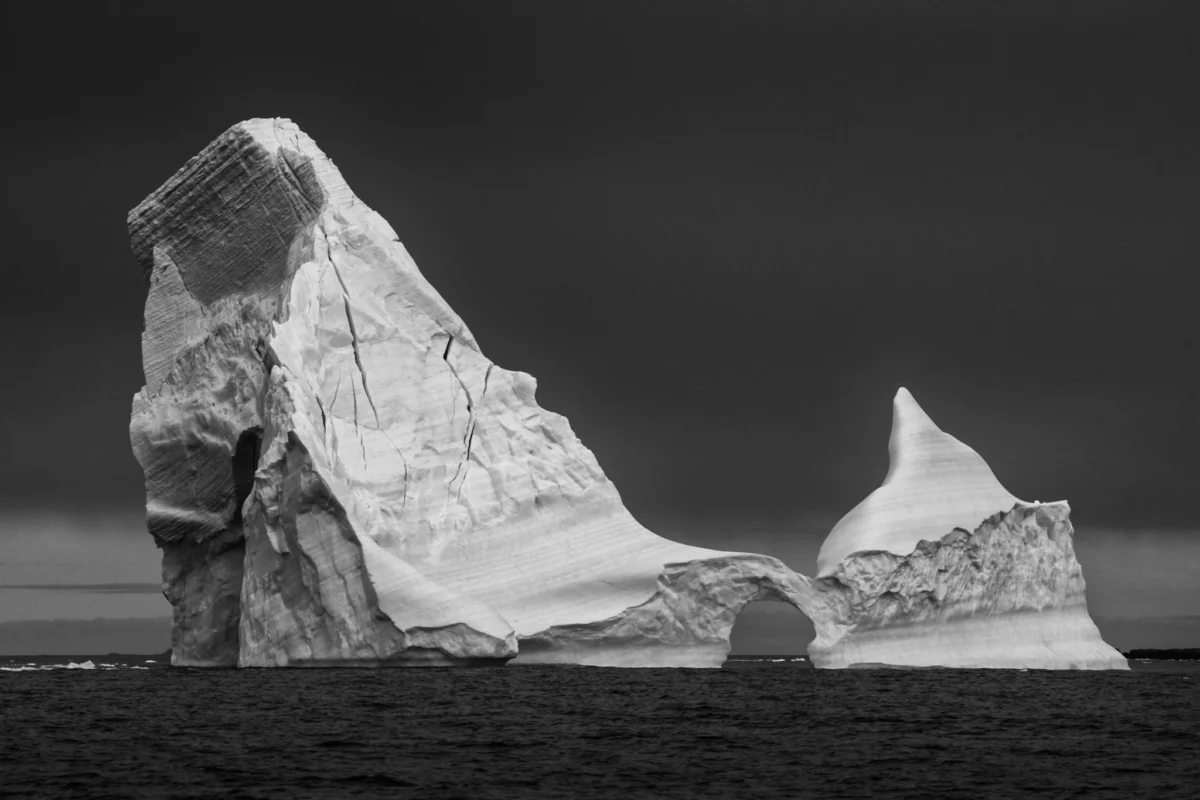
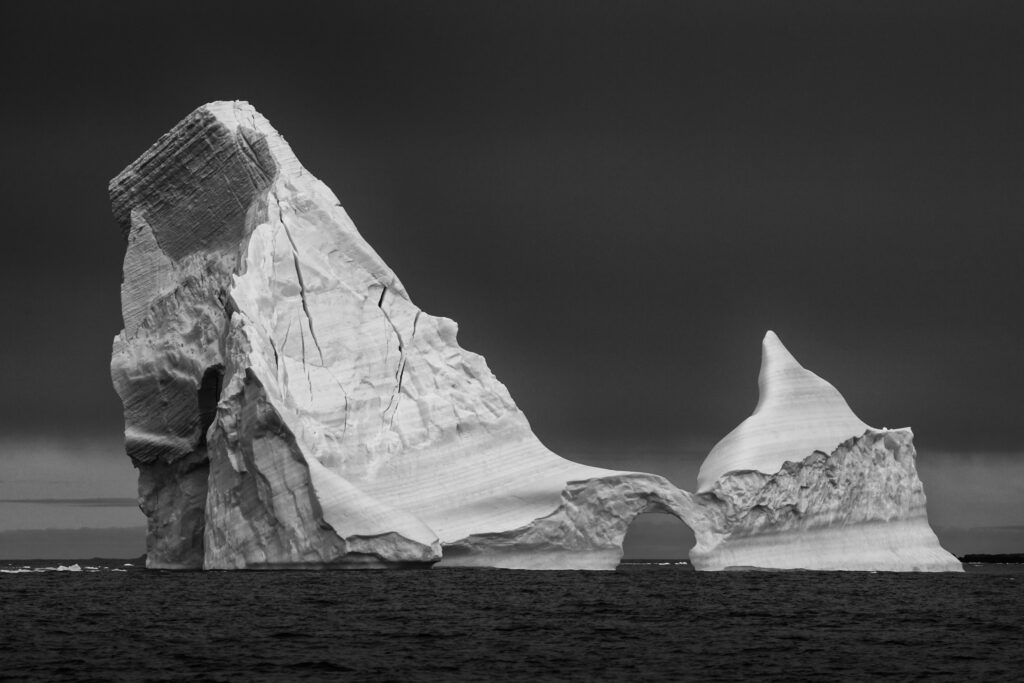
This delicate balance, however, is increasingly threatened. Nicklen’s account of witnessing a magnificent ice arch collapse into the sea during an expedition to Antarctica serves as a poignant metaphor for the broader environmental crisis. "Within seconds, the entire structure gave way and plunged into the sea, crackling like thunder and generating a cascade of waves," he describes. This spectacle, a testament to the power of natural forces over millennia, was a fleeting masterpiece, a dramatic reminder of ice’s impermanence. The photograph, "The Last Stand," captures the poignant beauty of such an ephemeral structure, a stark visual plea for its preservation. The fragility of these natural wonders, carved by the relentless forces of tumultuous seas, extended winters, and raging winds, is a recurring theme in Nicklen’s work.
The Science of a Melting Arctic and Antarctic
The visual narratives captured by Nicklen are underpinned by stark scientific realities. Global temperatures have been on a steady upward trajectory, with the Arctic warming at a rate two to three times faster than the global average, a phenomenon known as Arctic amplification. Data from the National Oceanic and Atmospheric Administration (NOAA) consistently shows record-breaking high temperatures in the Arctic. For instance, the Arctic Report Card, published annually, has documented significant declines in sea ice extent and thickness, particularly during the summer months. In September 2023, Arctic sea ice reached its sixth-lowest extent in the satellite record, according to the National Snow and Ice Data Center (NSIDC).
The implications of this melting ice extend far beyond the aesthetic loss of unique landscapes. The diminishing sea ice directly impacts the hunting grounds of species like polar bears, which rely on ice floes to access their primary prey, seals. A 2020 study published in the journal Nature Climate Change projected that two-thirds of polar bear populations could disappear by the end of the century if greenhouse gas emissions continue on their current trajectory. Similarly, Antarctic ice shelves, vital for stabilizing the continent’s ice sheet, are also experiencing unprecedented melt. The collapse of the Larsen B ice shelf in 2002, for example, a mass of ice the size of Rhode Island, served as a dramatic warning sign. Scientists from the British Antarctic Survey noted that the shelf had been stable for thousands of years, and its rapid disintegration was linked to warming ocean waters and air temperatures.
"Ice Waterfall": A Symbol of Conservation
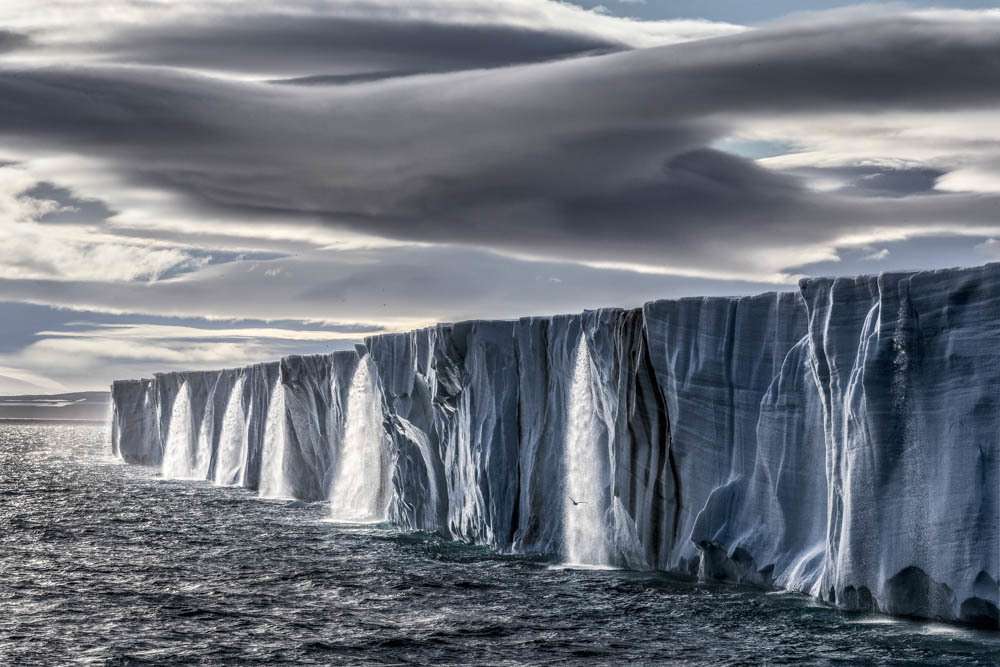
Among Nicklen’s most celebrated works is "Ice Waterfall," an image that has resonated deeply with a global audience and found a place in homes and institutions worldwide. The photograph, featuring dark clouds, dramatic ice falls, and the vast Nordaustlandet ice cap, encapsulates what Nicklen describes as "the confluence of art, storytelling, and conservation." This particular image has been utilized by prominent figures in environmental advocacy, including former U.S. Vice President Al Gore, further amplifying its message. Its inclusion as a gatefold opening spread in National Geographic’s "Cool It" Issue in 2015 and its appearance on the cover of Pearl Jam’s 2020 album "Gigaton" underscore its cultural significance and its role in raising awareness about the plight of polar regions.
The enduring power of "Ice Waterfall," regardless of whether it’s viewed on a small screen or as a large-scale art print, lies in its ability to convey an urgent message. It is a "timeless piece with an urgent call to action," a sentiment that Nicklen repeatedly emphasizes. The photograph serves as a visual testament to the immense power and beauty of the Arctic, while simultaneously acting as a stark reminder of its vulnerability. The dynamic interplay of light, shadow, and the sheer scale of the ice formations evoke a sense of awe, but also a profound sense of loss as these formations face an uncertain future.
The Creative Dance with Light and Ice
Nicklen’s photographic process is deeply intertwined with the unique properties of ice. He notes that "the creative possibilities are limitless" when photographing frozen landscapes. Light interacts with ice crystals in complex ways, bending, refracting, and scattering to create an infinite array of patterns and textures. This dynamic nature means that even repeated shots of the same subject can yield entirely different images. "You could be photographing the same iceberg from the same vantage point, yet every click of the shutter yields a different image," he explains.
However, these ever-shifting conditions also present significant challenges. An overcast sky, for instance, can obscure crucial details, transforming a majestic iceberg into an indistinct mass against a somber horizon. Despite these environmental constraints, Nicklen finds a unique sense of creative freedom in them. He believes these limitations "urge us to explore creative paths we might never have traversed otherwise, resulting in more compelling images and often a better story behind the frame." This philosophy is evident in his approach to capturing the fleeting moments of natural artistry, such as the ice arch’s dramatic collapse, where the urgency of the situation fuels a heightened sense of creative focus.
A Personal and Global Imperative
Nicklen’s reflections are not merely observations of a photographer; they are deeply personal affirmations rooted in his lived experiences. His childhood in the Arctic provided him with an unparalleled understanding of the resilience of life in extreme environments. He learned from Inuit elders, gaining practical skills and a profound respect for the interconnectedness of nature. "Despite our remoteness, I felt intimately connected to the vast, untamed world surrounding me," he recalls, emphasizing the deep sense of belonging he found in the Arctic. This upbringing has instilled in him a lifelong commitment to advocating for the preservation of these vital ecosystems.
The current trajectory of global warming presents a critical juncture for these fragile environments. The diminishing ice in Arctic and Antarctic seas directly threatens the survival of iconic species that have adapted over millennia to these unique conditions. Nicklen expresses a profound sense of concern: "The future of some of Earth’s most iconic animals becomes increasingly uncertain." He has witnessed firsthand the transformations occurring in the Arctic, his childhood home, lamenting, "Over the decades, I have witnessed the Arctic, my childhood home and the first place where I truly belonged, evolve before my eyes."
A Call for Collective Action
Despite the mounting evidence of climate change and its devastating impact on polar regions, Nicklen maintains a message of hope, contingent on collective action. He firmly believes that humanity possesses the capacity to alter its course and protect its fellow wildlife. This conviction is amplified by the support he receives from individuals who share his passion for the natural world. "Despite the growing pressures of a warming world, I still feel we can change our course and protect our fellow wildlife – especially with the support of readers like you who share my love for the natural world," he states.
The broader implications of the melting polar ice extend far beyond the immediate loss of biodiversity and unique landscapes. Melting glaciers and ice sheets contribute significantly to global sea-level rise, posing a threat to coastal communities worldwide. The Intergovernmental Panel on Climate Change (IPCC) has repeatedly warned of the catastrophic consequences of unchecked warming, including increased frequency and intensity of extreme weather events, disruption of ocean currents, and significant socioeconomic impacts. Nicklen’s work, therefore, serves not only as an artistic endeavor but as a crucial component of a global scientific and conservation dialogue.
Looking Ahead: A Shared Responsibility
The photographs of Paul Nicklen are more than just beautiful images; they are powerful messengers. They capture the ephemeral grandeur of a world in flux, a world that is a critical barometer for the health of our planet. The "Ice Waterfall" and "The Last Stand" are potent symbols of both the exquisite beauty and the profound vulnerability of Earth’s polar regions. As the scientific data continues to paint a concerning picture of Arctic and Antarctic transformation, Nicklen’s artistic and advocacy efforts become increasingly vital. His narrative underscores the deep, personal connection many have to these seemingly remote places and highlights the interconnectedness of all life on Earth. The urgent call to action, woven through his imagery and his reflections, is a plea for a shared responsibility to safeguard these irreplaceable natural treasures for future generations. As Nicklen concludes, "We are in this together, and we will solve this together." This sentiment of unity and collaborative effort is the crucial underpinning for any meaningful progress in the fight against climate change and the preservation of our planet’s most extraordinary, and most threatened, ecosystems.