The rapid proliferation of digital content in the internet age has democratized creation and dissemination, but it has simultaneously introduced complex challenges for intellectual property rights, particularly when original works achieve viral status. Such is the case of Iryna Kalamurza, a working photographer from Ukraine, whose captivating stock images of her Jack Russell Terrier, Maya, unexpectedly became the bedrock of widely recognized internet memes. This phenomenon thrusts Kalamurza into an unwitting spotlight, raising fundamental questions about attribution, commercial use, and the practical enforceability of copyright in a globalized digital landscape. Her experience underscores a growing tension between the open, remix culture of the internet and the inherent rights of creators to control and benefit from their artistic output.
The Accidental Genesis of a Global Phenomenon: Maya’s Ascent to Meme Stardom
Iryna Kalamurza, a professional photographer with a keen eye for capturing expressive moments, originally photographed her dog, Maya, for a series of stock images. These photographs, featuring Maya’s distinctively cheerful and almost human-like "smiling" expression, were intended for commercial licensing through conventional stock photography platforms. Kalamurza, like many photographers, sought to diversify her income streams, especially as she navigated the profound personal and professional disruption caused by the Russian invasion of Ukraine, which forced her to flee her home country. Her stock images of Maya were a testament to her skill and her resilience, a small piece of normalcy and creativity amidst chaos.
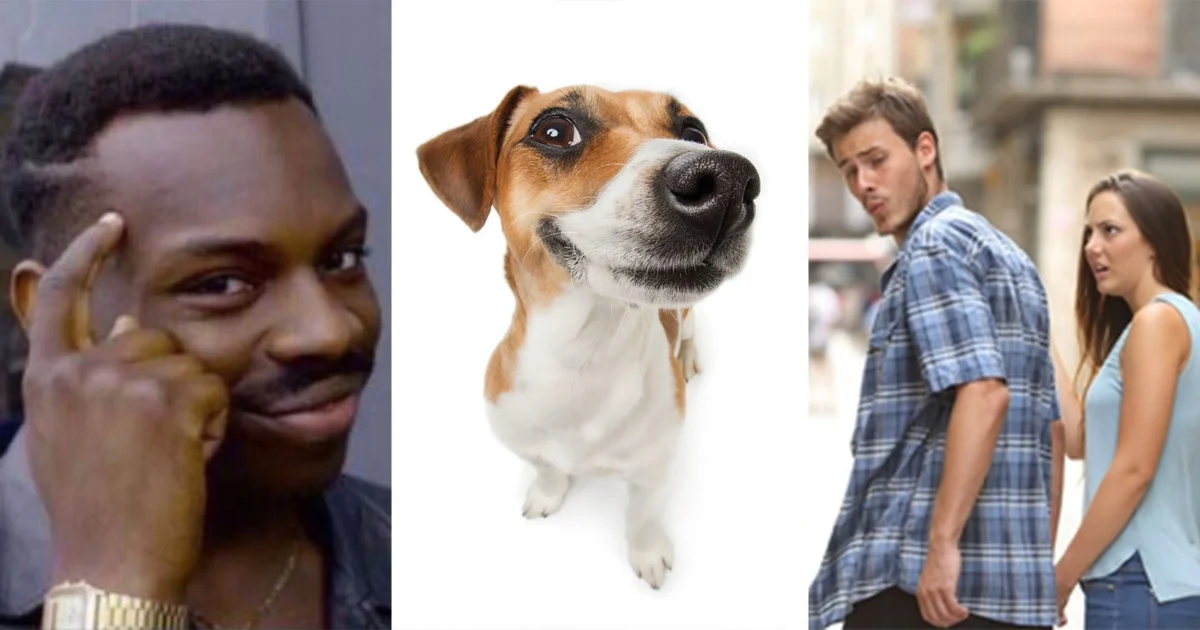
The journey of Maya’s image from a simple stock photograph to an international meme began subtly. The particular image depicting Maya looking upward with an almost ecstatic grin resonated with internet users, primarily because of its innate ability to convey a range of positive and sometimes ironic emotions. The first significant wave of virality saw Maya’s image associated with the "A A Folou" meme, a visual shorthand for joyful affirmation. This quickly evolved into a more complex and widespread phenomenon with the "Wenomechainsama" meme. This particular meme derives its name from a playful, phonetic misinterpretation of a lyric from Calvin Harris’s song "When I Met You in the Summer." The image of Maya, often depicted alongside text mimicking the misheard lyrics, became a ubiquitous symbol of misunderstanding, humor, and communal inside jokes across various social media platforms, forums, and messaging apps.
The timeline of Maya’s viral explosion is difficult to pinpoint precisely, as memes often spread organically and simultaneously across disparate communities. However, by late 2023 and early 2024, the "Wenomechainsama" meme, featuring Kalamurza’s dog, had achieved significant traction, appearing in millions of shares, edits, and variations globally. Concertgoers were seen holding signs featuring Maya’s image, merchandise began to appear, and the dog became an unofficial mascot for a niche but widespread internet culture. Yet, for much of this period, the original creator, Iryna Kalamurza, remained largely unknown to the vast majority of those enjoying and sharing Maya’s image. This disconnect between content popularity and creator recognition lies at the heart of the modern digital copyright dilemma.
The Unseen Battle: Copyright in the Age of Virality
Iryna Kalamurza’s situation exemplifies a critical challenge faced by photographers and visual artists in the digital era: the rapid loss of control over copyrighted material once it enters the internet’s open ecosystem. When PetaPixel spoke with Kalamurza, her primary questions cut to the core of this issue: "When does remix culture become commercial use? And how can photographers establish provenance?" These inquiries are not merely academic; they represent a pressing concern for the livelihoods and creative rights of countless artists.

Legally, copyright vests in the creator the moment a work is fixed in a tangible medium. This grants the creator exclusive rights to reproduce, distribute, perform, display, and create derivative works. However, the internet’s "remix culture," characterized by the rapid alteration, adaptation, and recontextualization of existing content, often blurs the lines, particularly under the doctrine of "fair use" (or "fair dealing" in other jurisdictions). Fair use generally permits limited use of copyrighted material without permission for purposes such as criticism, comment, news reporting, teaching, scholarship, or research. Transformative use, where the new work adds a new meaning, message, or aesthetic to the original, is a key factor in fair use analysis. Memes, by their very nature, are often highly transformative, recontextualizing images for humorous or satirical effect.
The challenge arises when these "transformative" uses, initially non-commercial and purely cultural, begin to intersect with commercial interests. While an individual sharing a meme on social media might fall under fair use or be too minor to pursue, the widespread use of Maya’s image on merchandise, in advertising campaigns, or by entities generating revenue from the meme’s popularity (e.g., ad-supported content farms, influencers monetizing viral trends) undoubtedly constitutes commercial use. In such cases, the original creator would typically be entitled to compensation.
However, enforcing these rights globally presents an almost insurmountable hurdle. Copyright laws vary by country, and pursuing legal action against infringers located in different jurisdictions, particularly those with less stringent intellectual property enforcement or where legal costs are prohibitive, is often impractical for individual creators. The internet’s borderless nature means that an image created in Ukraine can be monetized in Brazil, Indonesia, or any other corner of the globe, creating a jurisdictional nightmare for legal recourse. Services and agencies exist that specialize in tracking down infringers and negotiating settlements, but these often involve significant upfront costs or a percentage of any recovered damages, making them inaccessible or unappealing for many photographers, especially those already under financial strain.
Precedent and the Economic Imperative
Iryna Kalamurza is not alone in this predicament. The photographer behind the immensely popular "Distracted Boyfriend" meme, Antonio Guillem, faced similar challenges. His stock photograph, originally taken in 2015, became one of the most recognizable memes globally. While Guillem has acknowledged the widespread use and the difficulty of controlling it, he has also pursued licensing opportunities when significant commercial entities sought to use the image. His experience highlights a potential path: while individual, non-commercial meme creation is largely uncontrollable, large-scale commercial exploitation offers a window for creators to assert their rights.
The economic implications for photographers are substantial. A single viral image, if properly licensed, could generate significant revenue through various commercial applications, from advertising campaigns to product branding. Stock photo agencies typically charge hundreds or even thousands of dollars for extended or commercial licenses, depending on usage scope and duration. When an image achieves the ubiquity of Maya’s, its market value, were it to be properly licensed for all commercial uses, could easily run into tens or even hundreds of thousands of dollars. The loss of this potential income directly impacts photographers’ ability to sustain their careers, invest in new equipment, or simply make a living, especially for those like Kalamurza, who are facing extraordinary personal circumstances.
Establishing Provenance: A Creator’s Quest for Recognition
Beyond monetary compensation, the desire for attribution and recognition, or "provenance," is a fundamental aspect of artistic integrity. As Kalamurza correctly questioned, how can creators establish authorship in an environment where content is constantly stripped of its context? While most casual meme sharers might never seek out the original creator, those who do – or commercial entities that should – ought to be able to easily identify the source.

Kalamurza has taken proactive steps to reclaim Maya’s narrative and establish her authorship. She created social media pages dedicated to Maya, where she shares original photos and connects with fans, including many from Brazil who have become enamored with the dog. This direct engagement helps to build a community around the original source and provides a verifiable link back to her work. Furthermore, getting her story published on established platforms like PetaPixel.com is a crucial strategy. Reputable news outlets and industry publications carry significant weight and visibility, ensuring that information about the creator is indexed by search engines and becomes part of the public record.
In the digital age, establishing provenance requires a multi-pronged approach:
- Metadata: Embedding copyright information, contact details, and other relevant data directly into image files (EXIF/IPTC data) is a foundational step, though this data can easily be stripped by various platforms.
- Watermarking: While often seen as aesthetically unpleasing, subtle watermarks can serve as a persistent reminder of authorship.
- Copyright Registration: Registering a copyright with national offices (e.g., U.S. Copyright Office) provides stronger legal standing in infringement cases, though it does not prevent the initial unauthorized use.
- Blockchain Solutions: Emerging technologies offer promising avenues for immutable provenance. Platforms using blockchain can create an unalterable record of creation and ownership, making it easier to track and verify original works.
- Active Online Presence: Maintaining a professional website, portfolio, and active social media channels allows creators to showcase their work, share their stories, and provide official contact points for licensing inquiries.
- Strategic Public Relations: Sharing one’s story with industry media, as Kalamurza has done, can significantly boost visibility and solidify authorship in the public consciousness. This also serves as a deterrent for some commercial infringers who might prefer to avoid negative publicity.
The growing threat of AI-driven content generation further complicates provenance. Large Language Models (LLMs) and image generation AI often scrape vast quantities of online data, including copyrighted images, to train their algorithms. This raises new legal and ethical questions about fair compensation for the creators whose work contributes to these powerful new tools. By actively publishing and documenting her work and its viral journey, Kalamurza is not only asserting her claim but also creating a traceable digital footprint that even AI crawlers might eventually pick up, potentially feeding attribution into future AI-generated content or search results.
Broader Implications: The Future of Digital Art and Attribution
The saga of Iryna Kalamurza and Maya the dog is more than just an interesting anecdote about internet fame; it is a microcosm of the profound shifts occurring in the creative industries. It highlights the inherent tension between the internet’s capacity for boundless sharing and the fundamental rights of creators to control and monetize their work.
For independent photographers and artists, the ability to protect intellectual property is directly tied to their economic viability. Without clear mechanisms for attribution and compensation, the incentive to create original, high-quality content diminishes. This could lead to a less diverse and potentially lower-quality digital landscape, as creators either abandon digital platforms or resort to more restrictive distribution models.
The ongoing debate also calls for a re-evaluation of societal norms regarding digital content. While the impulse to share and remix is powerful and culturally enriching, it must be balanced with an understanding of the labor and creativity involved in producing original works. Education on copyright and ethical digital citizenship is crucial for fostering an online environment that respects creators.
Ultimately, Iryna Kalamurza’s experience with Maya’s viral images serves as a poignant reminder of the bittersweet nature of digital virality. There is immense satisfaction in seeing one’s work resonate globally, connecting with millions across cultures and continents. Maya’s infectious joy has undoubtedly brought smiles to countless faces, a powerful testament to Kalamurza’s photographic talent. Yet, this widespread appreciation often comes at the cost of creative control and financial reward, leaving creators in a frustrating limbo. As the digital realm continues to evolve, the collective efforts of creators, legal experts, technology developers, and platforms will be essential in forging a future where virality can coexist harmoniously with fair attribution and equitable compensation for the artists who enrich our digital world. The journey to achieve this balance is ongoing, and stories like Iryna and Maya’s are crucial in driving the conversation forward.