A new educational initiative from acclaimed photographer Erik Kuna is set to address a critical, yet often neglected, aspect of photographic practice: comprehensive camera and lens maintenance. The initiative, presented through a dedicated online class, aims to equip photographers with the practical skills and knowledge necessary to extend the lifespan and optimize the performance of their valuable equipment, drawing directly from Kuna’s extensive 15-year career navigating some of the world’s most challenging shooting environments.
The Imperative of Proactive Camera Maintenance
For many photographers, the routine cleaning and meticulous care of camera gear often falls by the wayside, relegated to a task postponed until visible issues, such as sensor dust artifacts, begin to mar images or equipment performance noticeably degrades. This reactive approach, however, frequently leads to more significant problems, including costly repairs, premature equipment replacement, and compromised image quality. The investment in modern photographic equipment—ranging from high-resolution digital single-lens reflex (DSLR) and mirrorless cameras to specialized lenses—represents a substantial financial commitment for both professional and amateur enthusiasts. Protecting this investment through diligent maintenance is not merely a recommendation; it is an economic and creative imperative.
Industry data consistently highlights that environmental contaminants—such as dust, sand, moisture, and even skin oils—are leading causes of equipment malfunction and premature wear, often surpassing manufacturing defects in frequency. These elements can infiltrate sensitive electronic components, degrade optical coatings, and interfere with delicate mechanical parts, thereby shortening the operational life of a camera system. A 2022 survey by a leading photography equipment insurance provider indicated that a significant percentage of repair claims could be linked to preventable issues stemming from inadequate cleaning and maintenance routines. The class directly confronts this pervasive issue by offering a structured, actionable framework for preventative care.
Erik Kuna’s Proven Approach and Expertise
At the core of this new class is Erik Kuna’s unparalleled practical experience. Over a decade and a half, Kuna has honed a comprehensive camera maintenance routine while shooting in an array of "seriously tough conditions," a testament to the robustness and efficacy of his methods. His portfolio includes extensive work in environments characterized by extreme temperatures, high humidity, corrosive salt spray, and pervasive dust—conditions that notoriously accelerate equipment degradation. For instance, documenting space launches often exposes gear to fine particulate matter and sudden atmospheric changes, while outdoor adventure photography can involve prolonged exposure to dirt, moisture, and impact risks. It is through these demanding experiences that Kuna has developed and refined techniques that not only clean but also protect sensitive camera components.
A key highlight of Kuna’s expertise, and a central pillar of the course, is his proficiency in sensor cleaning. He has successfully performed over 1,000 sensor cleanings without a single instance of damage, a statistic that underscores his meticulous approach and deep understanding of the delicate nature of digital camera sensors. This track record addresses one of the most significant fears among photographers: the potential to inadvertently damage their camera’s most crucial component during self-maintenance. Kuna’s methodology demystifies this process, transforming a daunting task into a manageable and safe routine.
The class curriculum is meticulously designed to cover essential maintenance aspects, including:
- Spotting Sensor Dust: Techniques for diagnosing the presence and location of dust particles on the sensor using test shots, enabling targeted cleaning efforts.
- Step-by-Step Sensor Cleaning: A detailed, practical guide to safely cleaning a camera sensor, covering both dry (blower, brush) and wet (swab, solution) cleaning methods, emphasizing correct product usage and technique.
- Proper Lens Care: Comprehensive instructions on cleaning lens elements (front and rear), lens barrels, and electronic contact points, crucial for maintaining optical clarity and communication with the camera body.
- Avoiding Damaging Products: Identification of common household items or incorrect cleaning solutions that can cause irreversible damage to camera bodies, lenses, and sensors, providing safe alternatives.
- General Body Maintenance: Guidance on cleaning external camera surfaces, battery compartments, memory card slots, and port covers to prevent ingress of contaminants.
A Historical Perspective on Camera Care: From Film to Digital
The evolution of camera technology has profoundly influenced maintenance practices. In the film era, camera care primarily focused on external cleanliness, lens optics, and the integrity of the film chamber to prevent light leaks or dust from affecting the film emulsion. Photographers routinely cleaned lenses with specialized cloths and solutions, used air blowers to clear dust from mirror boxes, and ensured that mechanical components like shutter mechanisms and film advance levers operated smoothly. Internal sensor cleaning, as we know it today, was non-existent, as film itself was a disposable medium, and dust on the film plane would be discarded with each roll. The primary concerns were mechanical reliability and optical purity.
The advent of the digital revolution in the late 1990s and early 2000s, with the widespread adoption of CCD and later CMOS sensors, introduced an entirely new paradigm for camera maintenance. Unlike film, the digital sensor is a permanent, light-sensitive component directly exposed to the environment during lens changes, particularly in DSLR cameras when the mirror flips up. These sensors, often electrically charged, act as magnets for microscopic dust particles. Dust settling on the sensor surface casts shadows onto the image, appearing as noticeable spots, especially at smaller apertures. Early digital photographers often grappled with this new challenge, initially relying heavily on manufacturers for professional sensor cleaning due to the perceived fragility and complexity of the task.
With the emergence of mirrorless camera systems in the late 2000s and their subsequent market dominance, the sensor’s vulnerability to dust has become even more pronounced. In mirrorless cameras, the sensor is typically exposed directly to the environment whenever a lens is removed, lacking the protection offered by a reflex mirror found in DSLRs. While modern cameras often feature advanced weather sealing and some incorporate sensor-shake dust reduction systems, these measures do not eliminate the need for manual cleaning. The evolution of cleaning tools—from simple air blowers to specialized sensor swabs and cleaning solutions—has also made DIY sensor cleaning more accessible, albeit still requiring precise knowledge and technique, which Kuna’s class aims to provide.
Industry Standards and Manufacturer Recommendations
Major camera manufacturers, including Canon, Nikon, Sony, and Fujifilm, universally emphasize the importance of maintaining camera equipment. Their official recommendations typically advise users to perform basic external cleaning (lenses, camera body) with approved products and to exercise extreme caution when dealing with internal components, particularly the sensor. While some manufacturers provide limited guidance on dry sensor cleaning methods (e.g., using a blower), they generally recommend professional service for any persistent or embedded sensor dust issues, or for deeper internal cleaning. This stance is primarily driven by warranty considerations and the desire to prevent user-induced damage.
Improper cleaning techniques, the use of abrasive materials, or unsuitable chemical solutions can lead to scratches on the sensor’s protective filter or damage to optical coatings on lenses. Such damage can void warranties and necessitate costly out-of-warranty repairs, which can often exceed the cost of professional cleaning services. For instance, a professional sensor cleaning service typically ranges from $50 to $100, depending on the region and service provider. By contrast, a damaged sensor might require a replacement costing hundreds of dollars. Erik Kuna’s class directly addresses this by teaching safe, manufacturer-aligned practices, empowering photographers to perform routine maintenance confidently and effectively, thereby reducing reliance on professional services for common issues. The knowledge gained can represent significant savings over the lifetime of a camera system, easily amounting to hundreds or even thousands of dollars in averted service fees and extended equipment lifespan.
The Economic and Creative Imperatives of Proactive Maintenance
The benefits of adopting a proactive maintenance routine extend far beyond merely preventing repairs. Economically, extending the operational life of camera equipment means delaying costly upgrades or replacements. Considering that a professional camera body can cost several thousand dollars and a high-quality lens similarly, proper care translates into substantial long-term savings. Furthermore, well-maintained equipment often holds its resale value better, offering a stronger return on investment should a photographer decide to upgrade.
From a creative standpoint, pristine equipment is fundamental to producing high-quality imagery. Sensor dust and smudged lenses detract from image clarity, introduce unwanted artifacts, and necessitate time-consuming and often imperfect post-processing corrections. A survey among professional photographers indicated that equipment reliability and image quality consistency are among their top three concerns when undertaking critical assignments. Ensuring lenses are spotless and sensors are free of dust means that photographers can focus on composition, lighting, and capturing the decisive moment, rather than battling technical imperfections. This efficiency enhances creative flow and ensures that the final output meets the highest professional standards, reinforcing a photographer’s reputation and client satisfaction.
Broader Implications: Sustainability and Professionalism
Beyond individual benefits, proactive camera maintenance carries broader implications for environmental sustainability and professional ethos. In an era of increasing concern over electronic waste (e-waste), extending the lifespan of complex electronic devices like cameras contributes positively to reducing the overall volume of discarded electronics. By maintaining gear instead of prematurely replacing it, photographers participate in a more sustainable consumption model, lessening the environmental footprint associated with manufacturing and disposal.
Moreover, a photographer who meticulously cares for their equipment projects an image of professionalism and dedication to their craft. It signals attention to detail, reliability, and respect for the tools of their trade. Clients often observe the condition of a photographer’s equipment, and a well-maintained kit instills confidence in the photographer’s ability to deliver high-quality results without technical hitches. This aspect of professionalism can be subtle but is nonetheless impactful in building and maintaining a successful career.
Accessing Erik Kuna’s Expertise
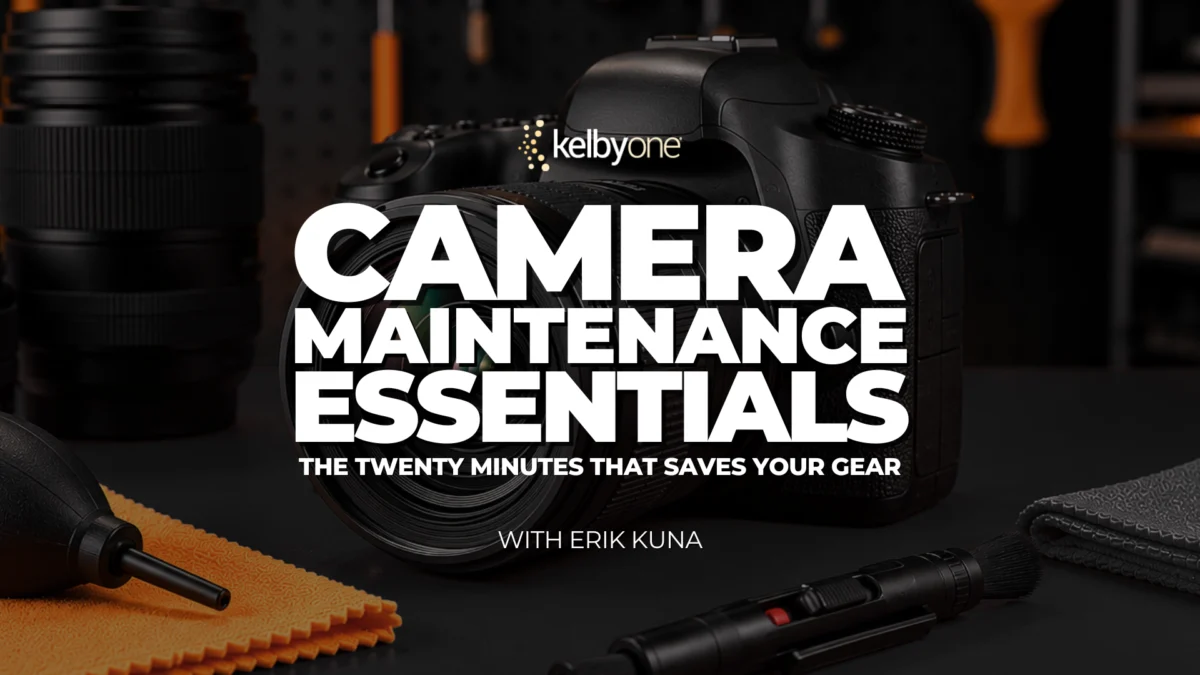
Erik Kuna’s new class, "Camera Maintenance Essentials: The Twenty Minutes That Saves Your Gear," is now available, offering a practical pathway to mastering these crucial skills. The course is structured to be accessible, delivering actionable advice that can be integrated into any photographer’s routine. It distills Kuna’s 15 years of hard-won knowledge into an efficient, easy-to-follow format, designed to empower photographers to take control of their equipment’s longevity and performance.
The class is hosted on the KelbyOne platform, known for its comprehensive photography and Photoshop education. As Kuna himself describes it, this course represents "the twenty minutes that saves your gear," emphasizing the efficiency and high return on investment of time spent learning and applying these essential maintenance practices.
Photographers interested in safeguarding their equipment investment, enhancing image quality, and bolstering their professional practice can learn more about Erik Kuna’s approach and enroll in the class via the provided link [kel.by/kunacamera]. A preview of the class content, including Erik Kuna’s personal insights into its value, is available through the embedded video below, providing a direct introduction to the expertise offered.
[Embedded YouTube Video: Camera Maintenance Essentials: The Twenty Minutes That Saves Your Gear with Erik Kuna, width="1050" height="591"]
This initiative represents a timely and valuable resource for the photographic community, underscoring that proactive maintenance is not just a chore, but a fundamental pillar of successful and sustainable photographic practice.