Macro wildlife photography stands as one of the most compelling and intrinsically rewarding disciplines within the vast photographic hobby. By intentionally shifting focus to the miniature subjects that often escape casual observation, photographers gain unparalleled access to a universe of intricate details and captivating behaviors. This specialized field not only allows for the creation of truly arresting imagery of creatures and phenomena rarely glimpsed by the human eye but also plays an increasingly vital role in scientific documentation and public appreciation of biodiversity. While traditional macro subjects like insects and flowers have long captivated enthusiasts, this article aims to broaden the perspective, encouraging photographers to explore a wider spectrum of overlooked subjects, alongside the essential gear, techniques, and ethical considerations necessary for success.
The Allure of the Unseen: Beyond Insects and Flowers
The initial draw to macro photography often leads practitioners to the vibrant world of insects and the delicate artistry of flowers. These subjects, with their intricate anatomies, vivid colorations, and accessible nature, serve as ideal entry points. From the charismatic, watchful eyes of a jumping spider to the exquisitely detailed architecture of a dew-kissed flower petal, the common perception holds that bugs and botanical specimens dominate the macro photography landscape due to their readily apparent visual appeal and the relative ease of finding them. Indeed, these subjects consistently deliver eye-catching visuals that fulfill the desire to reveal hidden beauty.
However, the realm of photo-worthy macro subjects extends far beyond these popular choices. The beauty of macro wildlife photography lies in its omnipresence; a potential subject can be found almost anywhere, provided one knows where and how to look. The following sections delve into alternative subjects that are often closer and more abundant than many photographers realize, offering fresh challenges and unique photographic opportunities.
Reptiles and Amphibians: Textures and Iridescence Up Close
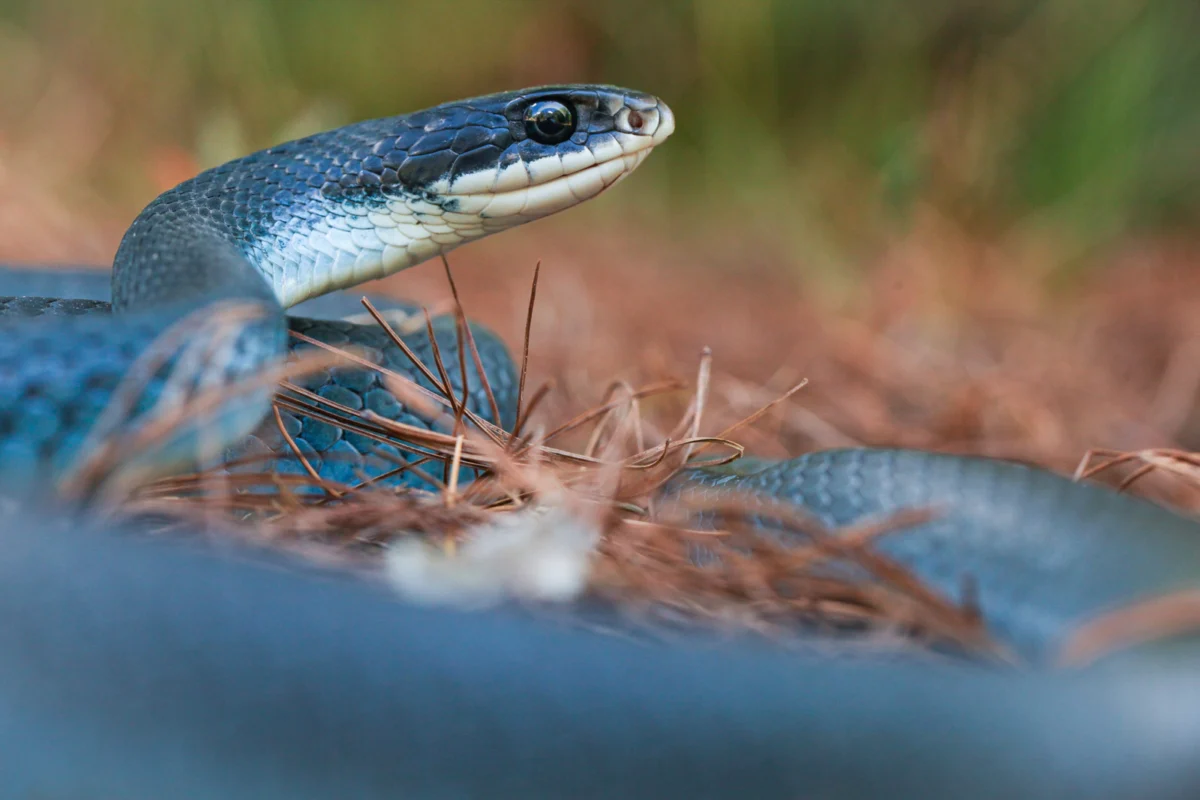
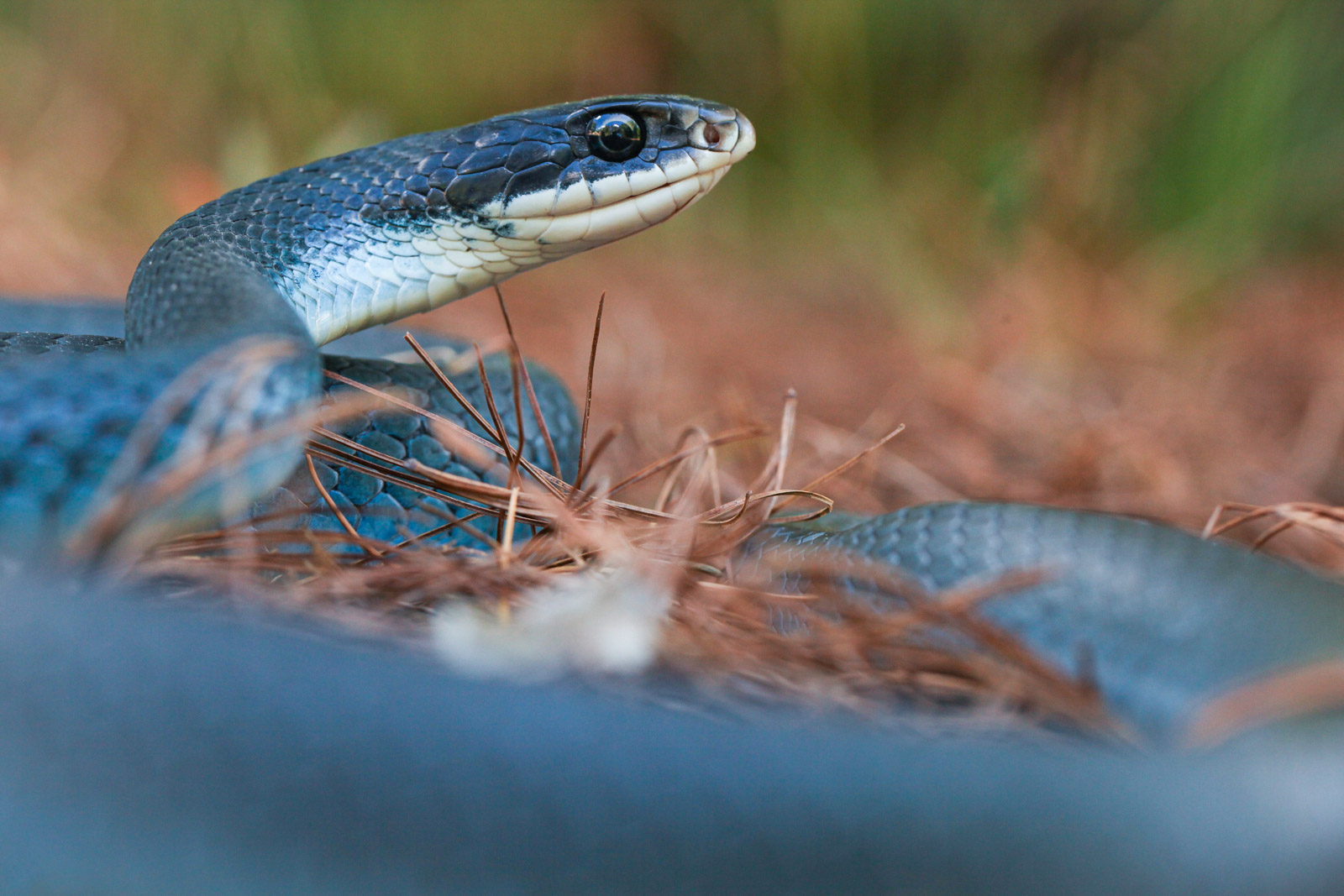
Snakes, lizards, and various amphibian species present a treasure trove of macro opportunities. These cold-blooded creatures, frequently adorned with complex scales, fascinating skin patterns, and often iridescent sheens, are practically inviting a close-up investigation. A macro lens can transform the perception of a common garden lizard, revealing a mosaic of scales that shimmer with unexpected colors or a texture that resembles ancient armor. Amphibians, with their permeable skin, can display remarkable translucency or vibrant, warning colorations, making for truly unique captures. The intricate details of a frog’s skin, the texture of a toad’s warty back, or the subtle patterns on a snake’s scales offer endless possibilities for exploring form and light. These subjects not only provide stunning visual content but also contribute to a deeper appreciation of their often-misunderstood beauty and ecological roles.
Avian Details: Feathers, Talons, and Beaks
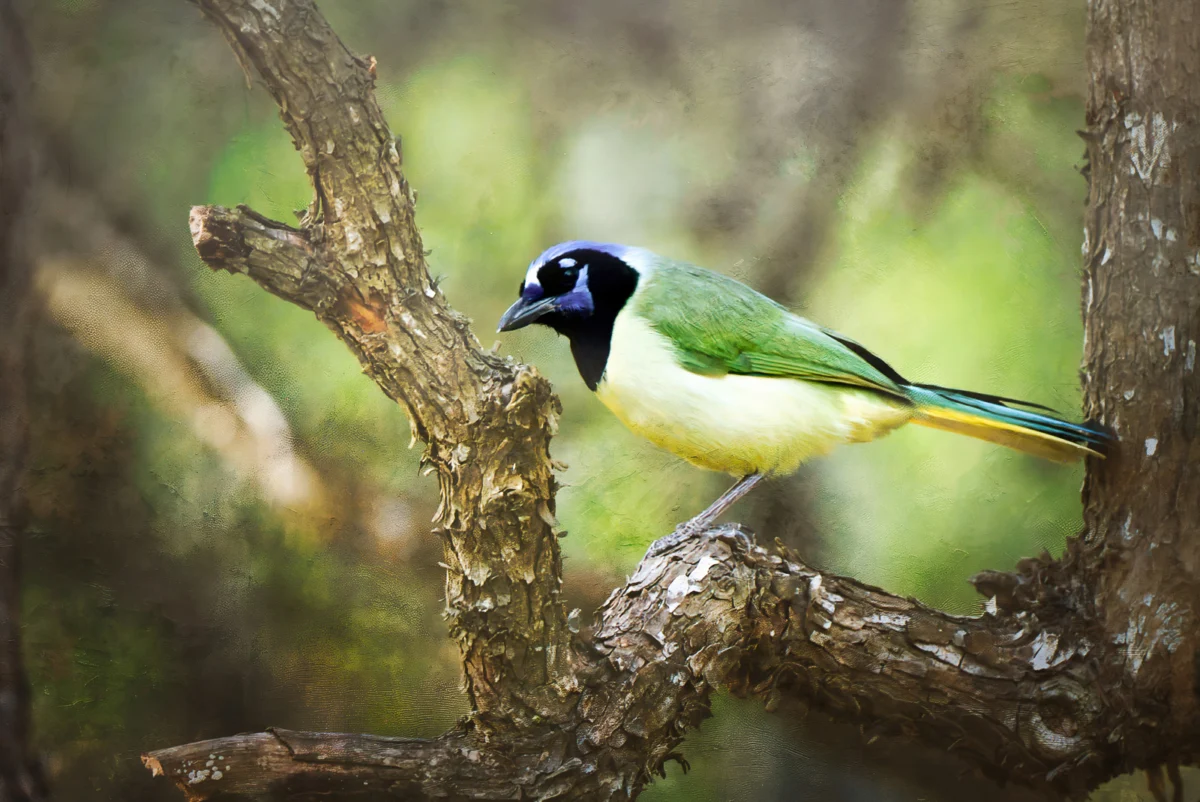
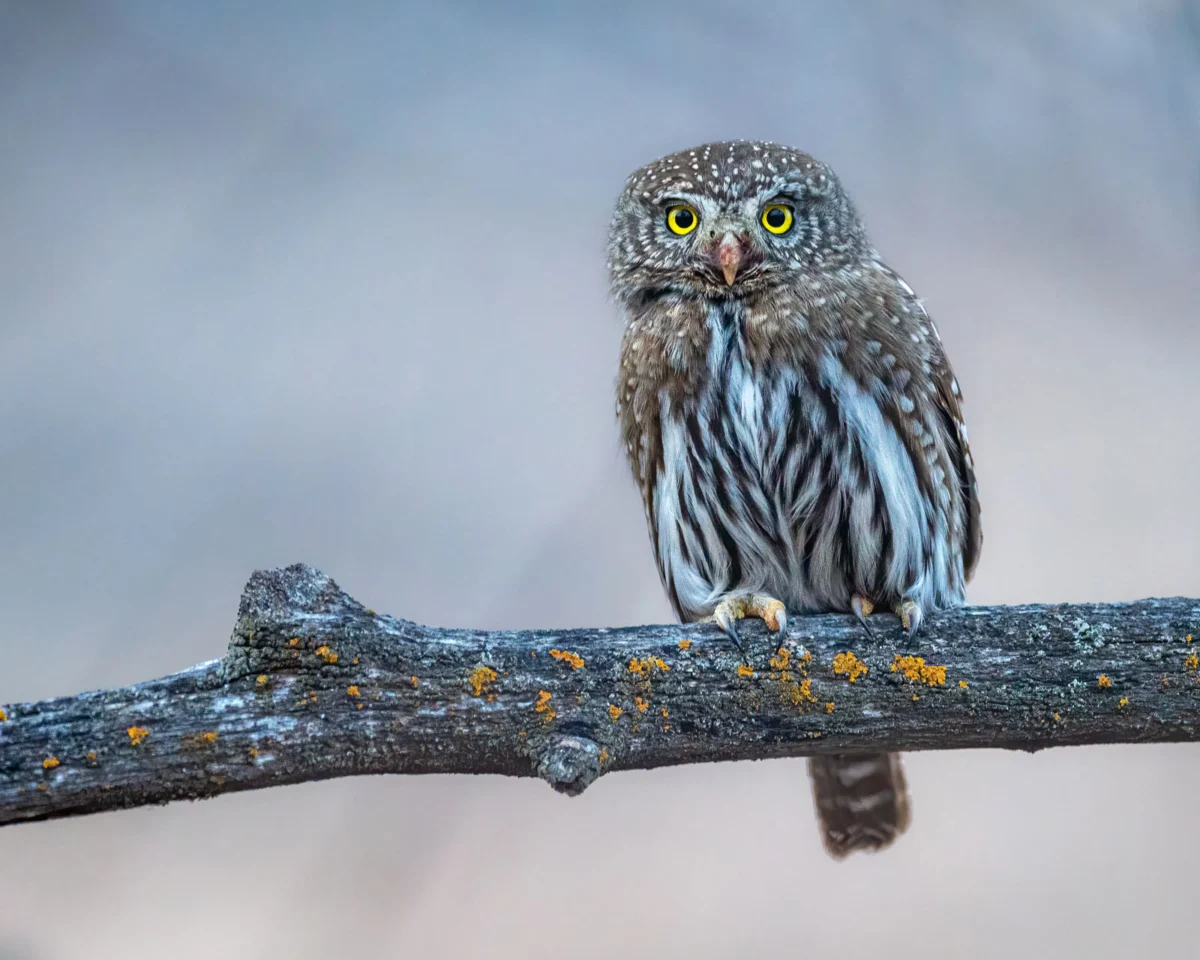
While bird photography typically involves long telephoto lenses to capture subjects from a distance, macro opportunities within the avian world are available for the observant photographer. Rather than focusing on the entire bird, macro photography allows for a singular focus on specific body elements: individual feathers, the sharp curve of a talon, or the unique structure of a beak. A close-up of a feather can reveal a complex interplay of barbs and barbules, showcasing nature’s engineering. The weathered texture of a raptor’s talon or the subtle grooves on a finch’s beak can tell a story of survival and adaptation. Such images provide a fresh, intimate perspective on creatures usually admired from afar, highlighting the intricate details that contribute to their overall majesty.
Mammalian Miniatures: Fur, Whiskers, and Expressive Eyes

Similar to birds, photographing mammals often involves capturing them in their wider environment. However, with a keen eye and opportune circumstances, mammalian macro photography is entirely feasible and highly rewarding. The texture of fur, the delicate precision of whiskers, the intricate patterns within an eye, or the fine lines on a paw pad offer a wealth of detail. Imagine capturing the individual strands of a squirrel’s bushy tail, the sensitive whiskers of a shrew, or the profound depth within the eye of a mouse. These close-ups can evoke a surprising sense of connection and wonder, revealing the often-human-like expressions and delicate features of even the smallest mammals. Such encounters are often fleeting, demanding quick reflexes and preparedness, but the resulting images are incredibly impactful.
Subaquatic Wonders: The Hidden Depths of Marine Life
Venturing into the underwater realm unlocks an entirely new dimension of macro photography. With the appropriate waterproof housing and lighting setup, a vibrant, often alien world of marine life becomes accessible. From the fantastical forms of nudibranchs, often dubbed "sea slugs" but displaying an incredible array of colors and patterns, to the minute details of fish scales or the complex structures of crustaceans, marine subjects offer unparalleled visual diversity. Many underwater species possess unique features, bioluminescent qualities, and camouflage adaptations that are rarely captured, owing to their size and aquatic environment. Macro underwater photography not only produces breathtaking images but also serves as a critical tool for marine biologists, documenting species and highlighting the delicate balance of aquatic ecosystems. Organizations like the Marine Conservation Society frequently utilize such imagery to raise awareness about marine biodiversity and conservation needs.
Fungi: Static Beauty in Abstract Forms
Perhaps one of the most accessible yet consistently overlooked macro subjects is fungi. Unlike most wildlife, fungi remain stationary, offering photographers ample time to compose and refine their shots. They boast an astonishing variety of unique surfaces, textures, and forms, ranging from the smooth, gelatinous caps of some species to the intricate gill structures of others. When captured with a macro lens, these humble organisms transform into abstract masterpieces, showcasing patterns, colors, and designs that evoke a sense of otherworldly beauty. From the delicate fuzz on a rotting log to the vibrant caps emerging from damp earth, fungi provide endless opportunities for creative exploration, making them an ideal subject for photographers seeking artistic and visually rich macro imagery. Whether in a dense rainforest, a sparse desert, or even a local backyard, a worthy macro wildlife photography subject is always within reach, waiting to be discovered.

Precision Tools for Miniature Worlds: Essential Macro Photography Gear
Achieving successful macro wildlife photography requires not just a discerning eye but also the right equipment. The technical demands of capturing extreme close-ups necessitate specialized tools to magnify subjects, control light, and ensure sharpness.
The Macro-Capable Lens: Your Window to the Microcosm
At the heart of any macro setup is a lens specifically designed for close-up work. A true macro lens typically offers a reproduction ratio of 1:1 (life-size) or greater, allowing small subjects to fill the frame. The choice of macro lens depends on various factors, including budget, desired working distance, and the types of subjects being photographed. For instance, longer focal length macro lenses (e.g., 100mm or 180mm) provide greater working distance, which is crucial for skittish wildlife, minimizing disturbance.
For those new to the hobby or working with a limited budget, several cost-effective alternatives can deliver impressive macro results. Extension tubes, which fit between the camera body and a standard lens, increase the lens’s minimum focusing distance and magnification. Close-up filters, which screw onto the front of a lens like a filter, act as magnifying glasses. While dedicated macro lenses offer superior optical quality and convenience, these accessories provide an excellent entry point into the world of extreme close-up photography.

Illumination: The Critical Role of Light
Adequate and controlled lighting is arguably as important as, if not more important than, the lens itself in macro photography. At extreme magnifications, the depth of field becomes incredibly shallow, and ambient light often proves insufficient to properly illuminate the subject, leading to underexposed or flat images.
-
Flash Units: To achieve stand-out images with sufficient illumination and creative control, photographers typically combine a light source, usually an external flash, with a diffuser. While a camera’s built-in flash can be used in a pinch, it offers limited control over light direction and quality, often resulting in harsh, unflattering light. Off-camera flashes or dedicated macro ring lights provide much greater flexibility. An off-camera flash can be positioned to sculpt the light, creating shadows that add depth and dimension. Ring lights, which attach to the front of the lens, provide even, shadowless illumination, ideal for revealing intricate details.
-
Diffusers: The quality of light is paramount, and this is where a diffuser becomes indispensable. A diffuser softens and spreads the light from the flash, preventing harsh highlights and deep, distracting shadows. This results in more evenly lit subjects with gentle transitions, enhancing texture and color. Photographers often experiment with various diffusers, from simple homemade solutions like tracing paper or soft plastic to specialized commercial products such as foldable diffusers for body-mounted flashes or dedicated softboxes for off-camera units. The right diffuser can transform a good image into a great one, revealing subtle nuances that would otherwise be lost.
With a macro-capable lens mounted on the camera and a well-diffused flash, photographers are well-equipped to embark on their journey into the hidden world of macro wildlife.

Mastering the Art: Techniques for Captivating Macro Wildlife Shots
Beyond the gear, successful macro wildlife photography hinges on mastering a set of specific techniques that address the unique challenges of working with tiny, often moving subjects and extremely shallow depths of field.
Camera Stabilization: Finding Your Foundation
Unlike landscape photography where a sturdy tripod is almost always recommended, small-subject macro wildlife photography often demands mobility. For active subjects, handholding the camera, combined with a body-mounted flash, is frequently the most practical approach. This allows for quick adjustments to follow moving subjects. When pursuing ground-dwelling creatures, or if a slightly more stable platform is desired without sacrificing flexibility, a beanbag or a rolled-up towel placed under the camera can provide excellent, versatile stabilization, allowing the photographer to get low and steady the shot. While tripods can be used for static subjects like fungi or certain plants, their rigidity can hinder the swift compositional changes often required in wildlife encounters.
Strategic Lighting: Sculpting with Light

Starting with the flash mounted directly to the camera body is a good initial step to understand its basic effect. However, truly creative macro lighting involves experimenting with flash positioning. Taking the flash off-camera and positioning it from the top, side, or even behind the subject can dramatically alter the mood and visual impact of an image. Backlighting, for instance, can create stunning rim lighting effects, highlighting the contours of a subject and separating it from the background, adding a sense of drama and three-dimensionality. Side lighting can emphasize texture and form, while top lighting can reveal subtle details. Mastering flash angles allows for emotional depth, creating images that range from crisp, detailed scientific studies to moody, artistic low-key compositions.
Focus and Depth of Field: Precision in the Miniature
Achieving critical focus is paramount in macro photography, where depth of field is measured in millimeters. The choice of focusing mode often comes down to personal preference and the subject’s behavior. If your camera features an advanced AI focus or tracking mode, it can be invaluable for subjects that move unpredictably. For more controlled focus, a "one-shot" or single-point autofocus can be used. For ultimate precision, particularly with static subjects or for achieving a specific focal plane, manual focusing is often preferred. Generally, the focus should be on the most crucial detail of the image, which is most commonly the eye of an animal, or a distinctive pattern on a scale or feather.
Regarding aperture, a common starting point for small-subject macro shots is around f/11. This aperture provides a reasonable balance between maintaining a usable depth of field to keep key features in focus and minimizing diffraction, which can soften images at very small apertures (e.g., f/16 or f/22). From f/11, photographers can experiment, opening up to f/8 for shallower depth of field and more background blur, or closing down to f/13 or f/16 for greater depth of field if the subject allows. For subjects requiring even greater depth of field, techniques like focus stacking, where multiple images are taken at different focus points and then combined in post-processing, can be employed to create a single image with exceptional sharpness from front to back.
The RAW Advantage: Maximizing Post-Processing Potential

Shooting in RAW format is a fundamental best practice for any serious photographer, and it is especially critical in macro wildlife photography. RAW files capture the maximum amount of image data from the camera sensor, providing significantly more flexibility and latitude for adjustments during post-processing compared to compressed JPEG files. In the field, wildlife encounters can be fleeting and unpredictable, leaving little time to perfect camera settings. Shooting in RAW allows photographers to comprehensively adjust exposure, white balance, color, and recover highlight and shadow details with much greater effectiveness, correcting any imperfections or missed settings from those rapid, on-the-fly moments. This ensures that even images captured under less-than-ideal conditions can be salvaged and optimized to their fullest potential.
Cultivating Patience: The Mental Game
Beyond the technical aspects, patience is an indispensable virtue in macro wildlife photography. Subjects may be elusive, uncooperative, or simply not present when desired. Mistakes will inevitably occur – missed shots, out-of-focus images, or poorly lit compositions. The ability to clear one’s mind, manage frustration, and calmly refocus on the task at hand is crucial for achieving consistent success. Many hours can be spent observing, waiting for the perfect moment, or slowly approaching a subject without disturbing it. This mental discipline not only improves results but also enhances the overall enjoyment and connection with the natural world. Practicing macro photography at home with models or inanimate objects can help hone technical skills and refine artistic vision in a controlled environment, preparing the photographer for the dynamic challenges of the field.
Ethical Lens: Responsible Macro Wildlife Photography
In all forms of wildlife photography, but particularly when working at such close quarters as in macro, the welfare of the subject—be it plant or animal—must always be the paramount concern. No photograph, regardless of its artistic or scientific merit, is worth causing harm, distress, or disturbance to a living creature. Professional journalistic standards demand adherence to strict ethical guidelines.

-
Minimize Disturbance: Exemplary photographers consistently capture outstanding imagery without impacting the natural behavior or well-being of their subjects. This requires a deep understanding of animal behavior, a slow and deliberate approach, and the ability to work quickly and efficiently once a suitable subject is located. Prior practice in controlled settings allows photographers to be swift and minimize their presence in the field, reducing the time a subject might be aware of their proximity. This principle aligns with the "Leave No Trace" philosophy, extending it to minimizing impact on wildlife.
-
Know the Animal in Front of You: Before venturing into the field, it is always prudent to research the potential subjects. Understanding whether a species is protected, venomous, poisonous, or particularly susceptible to human contact is vital for both the photographer’s safety and the animal’s welfare. Consulting local field guides, conservation websites, and wildlife blogs can provide essential knowledge about species behavior, habitat, and any specific considerations for interaction. This informed approach ensures that photographers can anticipate reactions, maintain appropriate distances, and avoid situations that could endanger either themselves or the wildlife.
-
Setting a Standard: By consistently prioritizing animal welfare, photographers set a positive example for peers and the wider public. This responsible conduct contributes significantly to conservation efforts by fostering respect for wildlife and its habitats. It helps ensure that the animals and ecosystems we admire and seek to photograph will thrive for future generations. The images captured with an ethical lens often carry a deeper narrative, celebrating nature’s resilience and beauty without exploitation.
The Broader Canvas: Impact and Future Directions
The profound impact of macro wildlife photography extends far beyond the individual hobbyist. It serves as a powerful tool for scientific advancement, conservation advocacy, and public engagement.

-
Scientific Contribution: Macro photography is invaluable to scientific research. It allows entomologists, botanists, and marine biologists to document intricate morphological details of species, aiding in identification, classification, and the study of evolutionary adaptations. Macro images have contributed to the discovery of new species and provided critical data on population health and habitat changes. Researchers frequently rely on high-resolution macro photographs to share findings and educate peers.
-
Conservation Awareness: By revealing the extraordinary beauty and complexity of the miniature world, macro photography fosters a deeper sense of empathy and connection with nature. Images of delicate insect wings, vibrant fungal structures, or the intricate patterns of a tiny frog can ignite public interest in species that might otherwise be overlooked. This heightened awareness is crucial for galvanizing support for conservation initiatives, highlighting the importance of protecting even the smallest components of our ecosystems. It underscores the idea that every creature, no matter how small, plays a vital role in the intricate web of life.
-
Artistic Expression: Beyond its scientific and educational value, macro photography offers boundless opportunities for artistic expression. The ability to manipulate light, composition, and focus to transform a common object into a work of abstract art is a significant draw for creative individuals. This artistic freedom encourages experimentation and pushes the boundaries of visual storytelling.
-
Community and Education: The growing community of macro photographers worldwide actively shares knowledge, techniques, and discoveries, fostering a vibrant learning environment. Online platforms and workshops dedicated to macro photography inspire new enthusiasts and help refine the skills of experienced practitioners, further broadening the discipline’s reach and impact.
In Conclusion

Macro photography’s enduring popularity, particularly across social media and among photography enthusiasts, is easily understood. The unique capacity to unveil the hidden qualities of often-overlooked subjects, bringing their intricate details and behaviors to the forefront, is profoundly captivating. Embarking on a journey into macro wildlife photography not only transforms the way viewers interpret the natural world but also fundamentally alters the photographer’s own perception, fostering a heightened awareness of the smaller, often unnoticed aspects of wildlife. Whether it is the iridescent shimmer of a butterfly’s wing, the intricate texture of a snake’s scales, or the surprisingly human-like dexterity of a monkey’s hand captured in close-up, the exploration through a macro lens is an endlessly fascinating and rarely dull experience. For those eager to discover the unseen wonders that lie beneath the surface of everyday perception, the macro world awaits. Equip yourself, cultivate patience, and step out to reveal the extraordinary details that define our planet’s rich biodiversity.