The landscape of commercial fleet branding is undergoing a transformative shift as the industry moves toward 2026, driven by a synthesis of aesthetic innovation and functional necessity. For years, the vehicle wrap industry was polarized between two primary finishes: high-gloss, which mimics traditional automotive paint, and ultra-matte, which offers a modern, stealth-like appearance. However, as the market reaches a point of saturation with these singular textures, designers and fleet managers are increasingly adopting "hybrid surface finishes." This design philosophy involves the strategic layering of matte and glossy textures on a single vehicle to enhance brand legibility, mitigate environmental challenges like sunlight glare, and create a multi-dimensional visual experience that captures consumer attention more effectively than traditional methods.
The Evolution of Vehicle Wrap Technology: A Chronological Perspective
To understand why hybrid surfaces are dominating the 2026 design cycle, it is essential to trace the technological trajectory of the vehicle wrap industry over the past two decades. In the early 2000s, vehicle graphics were largely limited to simple "cut vinyl" lettering and basic logos. The primary goal was identification rather than branding. By 2010, the advent of high-resolution wide-format digital printing allowed for full-color "bus wraps" and complex imagery, leading to a decade dominated by high-gloss finishes that prioritized vibrant, saturated colors.
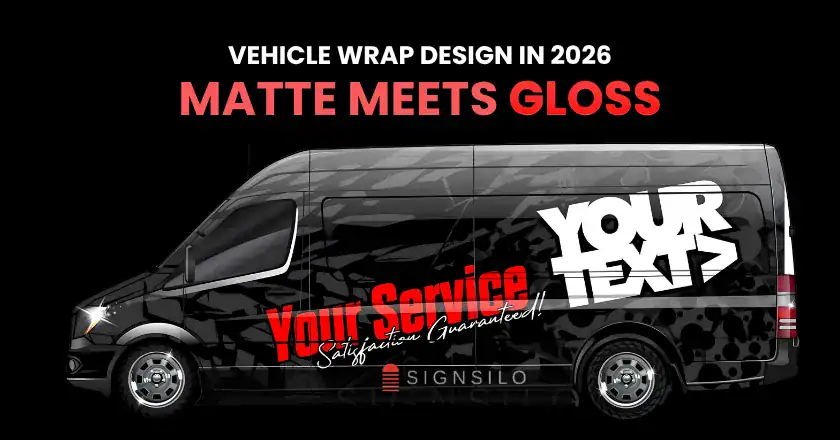
Between 2018 and 2023, the industry saw the "Matte Revolution." Influenced by luxury automotive trends and the rise of "stealth" aesthetics in the consumer market, commercial fleets began adopting matte and satin finishes. While these provided a premium feel, they often lacked the "pop" required for high-speed recognition on highways. By 2024, the limitations of both extremes became apparent. Gloss wraps were often unreadable in high-noon sun due to specular reflection, while full matte wraps often appeared "flat" or dusty under overcast skies. The 2026 trend of hybrid texturing represents the maturity of the industry—a "best of both worlds" approach that uses contrast as a functional tool rather than just a stylistic choice.
The Science of Readability and Light Diffusion
The primary driver behind the hybrid movement is the practical science of outdoor visibility. Fleet vehicles operate in diverse and often harsh lighting conditions. When a vehicle is wrapped entirely in a high-gloss film, the surface acts as a mirror. In direct sunlight, the reflection of the sun (glare) can completely obscure critical branding elements such as phone numbers, QR codes, and web addresses. This "washout" effect significantly reduces the Return on Investment (ROI) for mobile advertising.
Hybrid finishes solve this by utilizing matte surfaces for the "information layer." By placing essential text and contact details on a matte background, designers ensure that light is diffused rather than reflected. This makes the text readable from a variety of angles, regardless of the sun’s position. Conversely, the "brand layer"—which includes logos, decorative accents, or hero images—is executed in a high-gloss finish. This creates a "selective pop" effect. The gloss elements catch the light and draw the eye from a distance, while the matte elements provide the clarity needed once the viewer’s attention has been captured.

Market Data and the Economic Impact of Fleet Branding
The shift toward more sophisticated wrap designs is supported by robust market data regarding the efficacy of mobile billboards. According to industry statistics from the Outdoor Advertising Association of America (OAAA), a single intra-city truck can generate between 30,000 and 70,000 impressions daily. In a competitive urban environment, the "cost per thousand" (CPM) for vehicle wraps remains one of the lowest of any advertising medium, often calculated at less than $0.70 per thousand impressions.
However, as the volume of wrapped vehicles increases, the "clutter" factor becomes a challenge. In 2026, fleet managers are finding that standard gloss wraps are becoming "visual noise." Internal industry surveys from 2025 indicated that 64% of consumers found multi-textured designs more "memorable" and "premium" than single-finish wraps. Furthermore, the longevity of hybrid wraps is being noted as an economic benefit. High-traffic areas of a vehicle, such as the lower panels, can be wrapped in textured or matte "ruggedized" films that hide micro-scratches and road debris better than high-gloss films, maintaining the vehicle’s professional appearance for a longer duration before requiring a re-wrap.
Industry Responses and the Role of Professional Design Resources
The transition to hybrid surfaces requires a higher level of technical proficiency during the design and installation phases. Leading wrap shops have noted that the "hit rate" for successful branding is significantly higher when using precise digital templates. This is where specialized resource platforms like SignSilo have become integral to the workflow of modern sign shops.
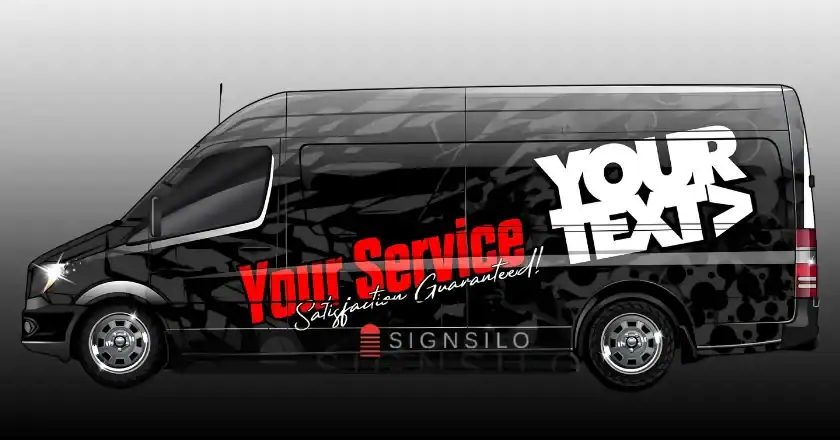
Industry experts suggest that the success of a hybrid wrap depends on "vector-perfect" preparation. Because the transition between matte and gloss must be seamless, designers cannot afford the slight misalignments that occur with low-quality vehicle outlines. SignSilo’s library of over 24,000 vehicle templates—covering everything from the latest electric delivery vans to heavy-duty freight trucks—provides the sub-millimeter accuracy required to plan where a matte finish ends and a gloss accent begins.
Furthermore, the integration of high-resolution textures and wrap-specific "mockup" tools allows designers to demonstrate the hybrid effect to clients before a single inch of vinyl is printed. This reduces "proof-to-production" friction, a common bottleneck in the industry. As one lead designer for a national logistics firm noted, "In 2026, we aren’t just selling a color; we are selling a tactile experience. Being able to show a client how a gloss logo will sit on a matte charcoal background using SignSilo’s assets is what closes the deal."
Subscription Models and the Democratization of Design
As the complexity of fleet graphics rises, the cost of the creative assets required to produce them could potentially alienate smaller print shops. However, the market has responded with tiered subscription models that democratize access to professional-grade tools. SignSilo, for example, offers a structured pricing system that allows boutique shops to compete with national agencies:

- The Essential Plan ($39/month): Aimed at small businesses, providing 25 downloads per month, which is sufficient for local contractors or small-scale fleet projects.
- The Professional Plan ($69/month): Designed for high-volume wrap shops, offering 50 downloads per month, including a wider array of vehicle templates and high-resolution metallic and carbon fiber textures.
- The Premium Plan ($149/month): Tailored for large-scale production houses and agencies managing national accounts, providing 100 downloads per month and the full spectrum of creative resources.
These plans ensure that the 2026 hybrid trend is not restricted to luxury brands but can be implemented by local plumbing fleets, delivery services, and independent contractors looking to elevate their professional image.
Broader Implications: Sustainability and Material Innovation
Looking beyond the immediate visual impact, the move toward hybrid surfaces is also intersecting with the industry’s push for sustainability. Many of the new matte and textured films being introduced in 2026 are PVC-free and utilize water-based adhesives. Because hybrid designs often involve "layering" or "spot finishing," manufacturers are developing thinner films that reduce the total weight of the wrap, a minor but measurable factor in the fuel efficiency of large electric vehicle (EV) fleets.
The rise of EVs has also influenced the hybrid trend. Electric vehicles often feature minimalist, futuristic body lines. Designers are finding that hybrid textures—such as a matte body with "electric blue" gloss accents—complement the aesthetic of EVs more effectively than the "over-the-top" graphics of the internal combustion engine era. This alignment of material science, vehicle design, and branding strategy suggests that the hybrid surface trend is not merely a passing fashion but a foundational shift in how commercial identity is projected in the physical world.

Conclusion: The New Standard for Mobile Identity
As we progress through 2026, the "Matte Meets Gloss" philosophy is setting a new benchmark for the vehicle wrap industry. By addressing the fundamental flaws of single-texture wraps—namely glare and visual flatness—hybrid surfaces offer a sophisticated solution that enhances both form and function. With the support of comprehensive design databases like SignSilo and the continued innovation of vinyl manufacturers, fleet branding is evolving into a high-precision discipline. For businesses, the message is clear: in an increasingly crowded visual environment, the key to standing out is not just being seen, but being legible, memorable, and professional in every possible light.