The Strategic Evolution of Generative Video
The introduction of the AI Video Generator is the culmination of a multi-year strategy by Shutterstock to lead the ethical adoption of artificial intelligence in the creative sector. While the market has seen a proliferation of experimental AI tools over the past 24 months, many have operated in a "gray zone" of copyright law, often trained on scraped data without the consent of original creators. Shutterstock’s approach differentiates itself by prioritizing a "responsible AI" framework.
This launch follows the successful rollout of the company’s AI Image Generator in early 2023. By expanding into video, the platform is responding to a massive surge in demand for short-form video content across social media, digital advertising, and corporate communications. Market research indicates that video content now accounts for over 80% of all internet traffic, yet the barrier to entry for professional video—encompassing filming, editing, and licensing—remains high for small-to-medium enterprises (SMEs). The new generator seeks to bridge this gap by providing a streamlined, browser-based interface that requires no prior technical expertise in cinematography or post-production.
Technical Foundation and Partnerships
At the core of Shutterstock’s new offering is a sophisticated multi-model architecture. Rather than relying on a single proprietary engine, the platform leverages the strengths of diverse technological frameworks. The integration of Google’s advanced machine learning models and Runway’s specialized video generation technology allows for a high degree of stylistic versatility and temporal consistency—two areas where AI video has historically struggled.
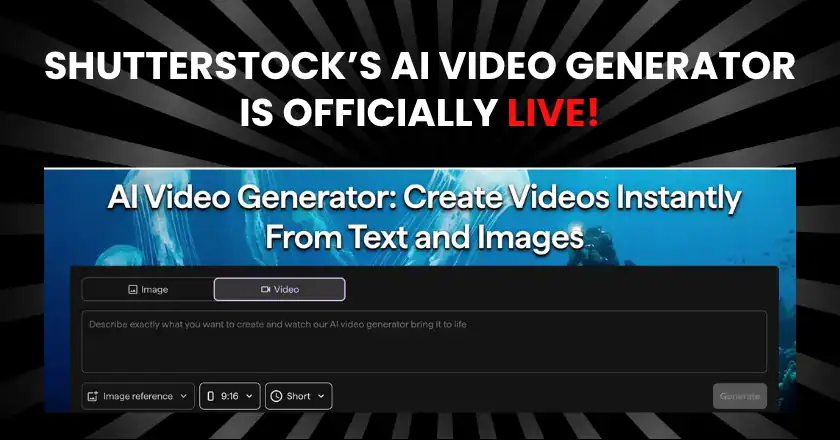
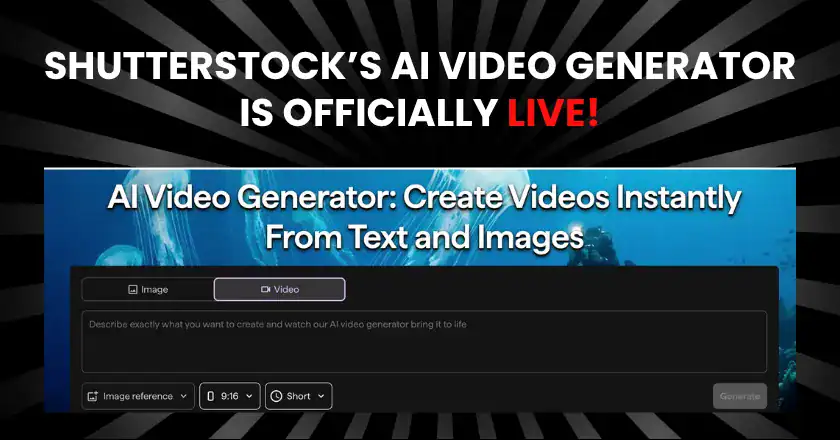
The tool utilizes a "text-to-video" interface where users input descriptive prompts. These prompts are processed by the underlying models to generate footage that adheres to specific lighting, camera movements, and subject matter requirements. Unlike earlier iterations of AI video, which were often marred by "hallucinations" or distorted frames, the current iteration focuses on producing stable, high-definition assets that can be seamlessly integrated into professional workflows.
Solving the Legal Puzzle: Indemnification and Ethics
Perhaps the most critical feature for corporate users is Shutterstock’s commitment to legal safety. The "wild west" era of AI has left many enterprises hesitant to use generated content for fear of copyright infringement lawsuits. To mitigate this risk, Shutterstock has built its models on a foundation of licensed data.
For enterprise-level customers, Shutterstock offers full indemnification, similar to the protections provided for its traditional stock library. This means that if a generated video is challenged on copyright grounds, the company stands behind the user. This legal shield is made possible by the "Contributor Fund," an initiative established by Shutterstock to compensate the artists, photographers, and videographers whose work is used to train the AI models. To date, this fund has distributed millions of dollars to contributors, setting a precedent for how tech companies can respect intellectual property while advancing innovation.
A Chronology of Innovation
The path to the AI Video Generator launch has been marked by several strategic acquisitions and partnerships:
- October 2022: Shutterstock announces a groundbreaking partnership with OpenAI to integrate DALL-E 2 into its platform, becoming one of the first major stock agencies to embrace generative AI.
- January 2023: The official launch of the AI Image Generator occurs, allowing users to create custom visuals from text.
- May 2023: The company acquires GIPHY from Meta, significantly expanding its footprint in short-form, "snackable" visual content.
- July 2023: Shutterstock introduces its "Trust" initiative, detailing its commitment to ethical AI and the Contributor Fund.
- Early 2024: Pilot programs for AI video are initiated with select enterprise partners to refine the user interface and output quality.
- Present Day: The AI Video Generator is released to the general public, integrated directly into the existing Shutterstock creative suite.
Target Demographics and Use Cases
The versatility of the AI Video Generator makes it an essential tool for various sectors of the creative economy:
- Social Media Managers: The need for daily, high-engagement video content on platforms like TikTok, Instagram Reels, and LinkedIn is constant. The AI generator allows managers to produce "B-roll" footage or abstract backgrounds that would otherwise require expensive location shoots.
- Small Business Owners: For entrepreneurs operating on limited budgets, professional advertising has often been out of reach. The generator allows for the creation of high-quality product showcases and promotional clips at a fraction of the cost of a traditional production agency.
- Creative Directors and Filmmakers: In the pre-production phase, the tool serves as a powerful mood-boarding asset. Directors can quickly visualize complex scenes, lighting setups, and color palettes to communicate their vision to clients and crew before a single frame is shot.
- Educators and E-learning Developers: Complex concepts can be illustrated through custom-generated animations, making educational content more engaging and accessible without the need for a dedicated animation team.
Market Implications and Competitive Landscape
The launch of Shutterstock’s AI Video Generator places it in direct competition with other tech giants and specialized AI startups. Adobe recently teased its Firefly Video Model, and OpenAI’s Sora continues to generate headlines, though it remains largely inaccessible to the general public.

Shutterstock’s advantage lies in its existing ecosystem. By embedding the video generator within a platform that already hosts millions of music tracks, sound effects, and static images, the company provides a "one-stop shop" for content creators. A user can generate a video clip, license a matching audio track, and add an overlaying stock graphic all within the same session. This level of integration is a significant hurdle for standalone AI tools that lack a supporting library of creative assets.
Furthermore, the focus on "commercial readiness" is a strategic move to capture the enterprise market. While tools like Kling or Luma Dream Machine offer impressive visual fidelity, they often lack the robust licensing frameworks required by global brands and legal departments.
Supporting Data and Industry Sentiment
Industry analysts suggest that the generative AI market is poised for exponential growth. According to a report by Bloomberg Intelligence, the generative AI market is expected to reach $1.3 trillion by 2032. Video is projected to be the fastest-growing segment within this space.
Early feedback from the creative community suggests a mixture of excitement and cautious optimism. While some traditional videographers express concern regarding the automation of their craft, many industry veterans view AI as a "force multiplier." By automating the production of routine or generic footage, creators can focus their energy on high-level storytelling, strategy, and complex cinematography that AI cannot yet replicate.
Shutterstock has addressed these concerns by positioning the tool as a complementary asset rather than a replacement. The company emphasizes that the AI is designed to handle the "heavy lifting" of content generation, allowing human creativity to remain at the center of the production process.

Conclusion: Stepping Into the Future of Motion
The official launch of the Shutterstock AI Video Generator marks the end of the experimental phase of AI video and the beginning of its practical, commercial era. By combining the technological prowess of Google and Runway with a deep commitment to ethical licensing and user-friendly design, Shutterstock has set a new standard for the industry.
To encourage adoption and allow users to explore the capabilities of the new system, Shutterstock is currently offering two free generations for all registered users. This low-risk entry point is expected to drive significant traffic to the platform, as creators from all backgrounds seek to test the boundaries of what is possible when human imagination meets machine intelligence. As the technology continues to evolve, the distinction between "found" footage and "generated" footage will likely blur, ushering in a new age of digital storytelling where the only limit is the clarity of the prompt.