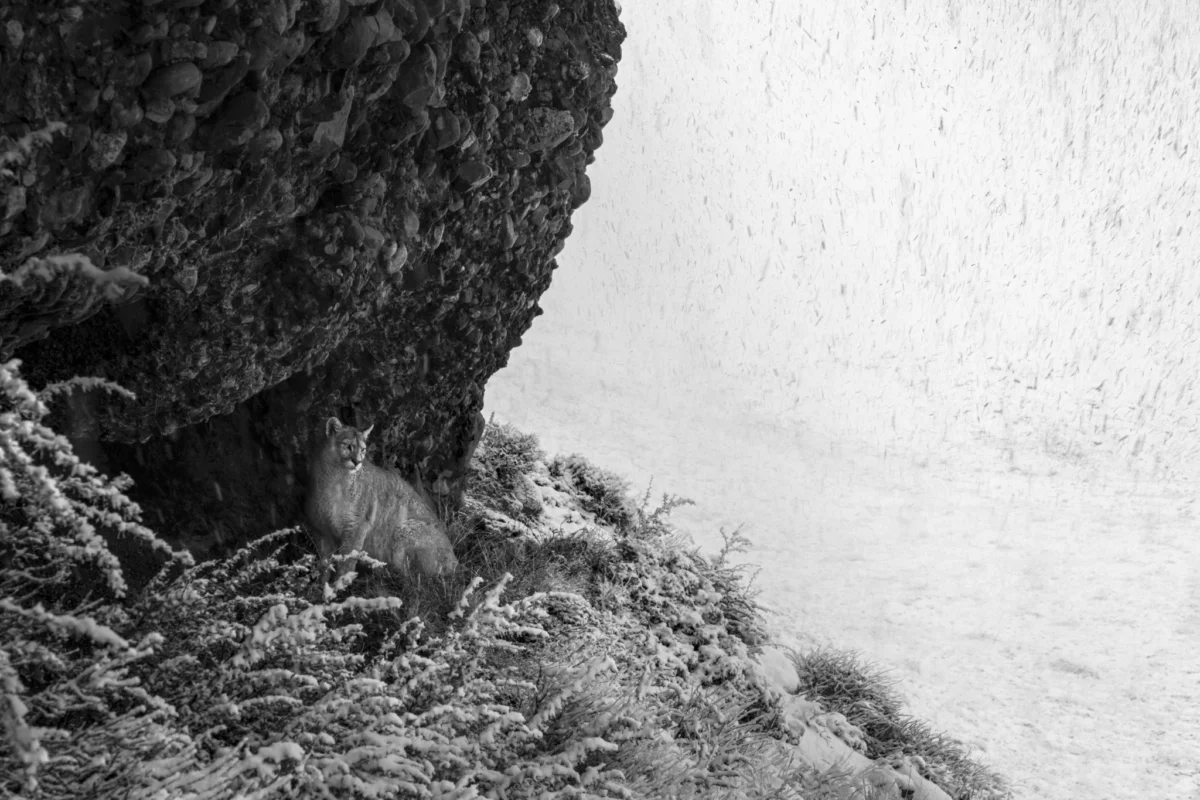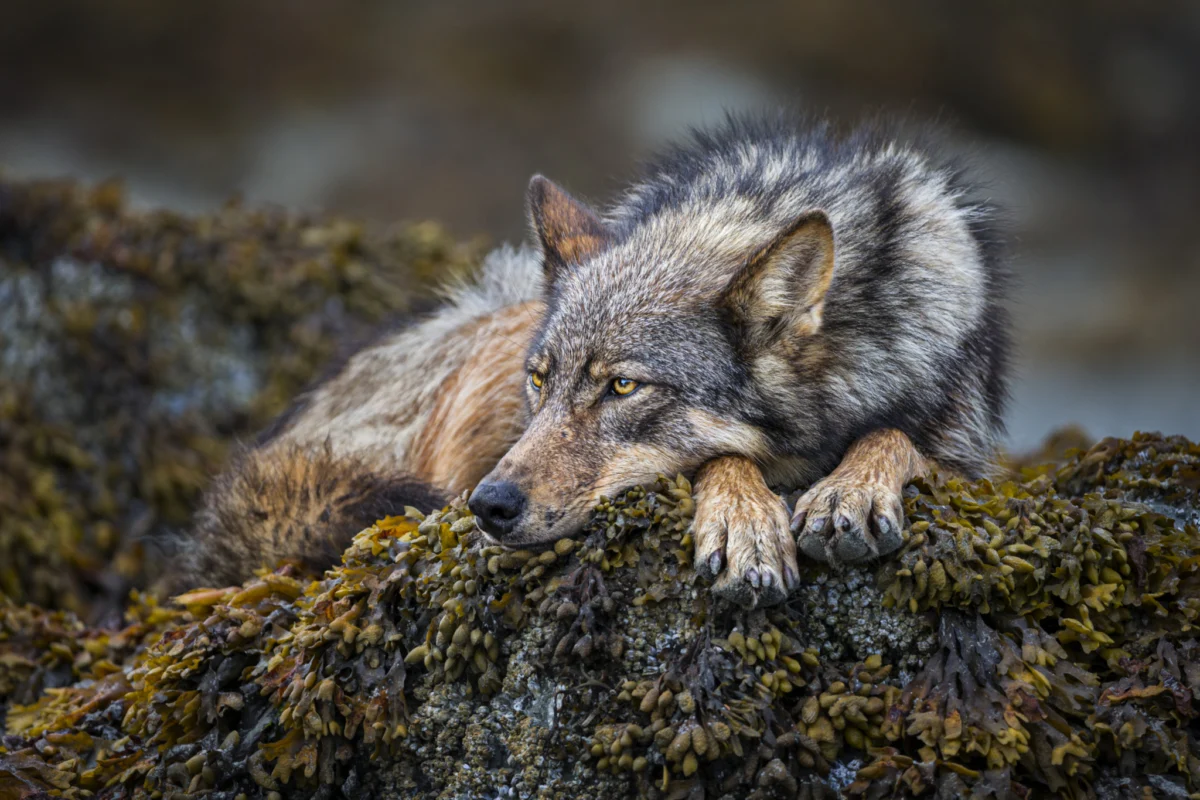
Thirty years ago, a journey into the vast, untamed expanse of the Canadian Barren Grounds, a region aptly named for its stark beauty and challenging environment, marked the beginning of a profound connection with the wild. This immersive experience, undertaken alone with a pilot as the sole link to civilization, involved a solitary three-month expedition. Over this period, the author navigated more than 600 miles on foot and canoed over 2,000 miles through the remote Canadian wilderness, driven by a dual objective: to test personal endurance and to document the elusive tundra wolf. It was within this crucible of isolation and natural grandeur that the first intimate encounter with these magnificent predators occurred. After weeks of patient observation and fruitless searching, a flicker of movement, initially mistaken for a rock, revealed itself to be a lone wolf. The arduous approach, involving an hour of crawling through dense lupine and willow thickets, culminated in a breathtaking moment of connection—a glimpse of tawny eyes, alert ears, and the silvered face of a creature that embodies the wild spirit of the North.
This foundational experience, etched into memory, has been replicated through numerous subsequent encounters with wolf packs, some of which have allowed for astonishing proximity, a testament to the gradual earning of trust. Wolves, by their very nature, are inherently cautious and shy, exhibiting a deep-seated wariness of human presence. Documented instances of wolf attacks on humans are exceedingly rare, with a mere handful recorded across the entirety of North America over the past century. Despite this empirical evidence, the deeply ingrained archetype of the "big bad wolf" continues to exert a powerful influence on the human psyche, perpetuated through centuries of folklore, literature, and popular media. This persistent narrative, often rooted in fictional dramatizations, contributes to an enduring, albeit often irrational, fear.
The cultural persistence of the "big bad wolf" narrative, despite its stark contrast with scientific understanding of wolf behavior, has tangible consequences in contemporary wildlife management debates. While most individuals acknowledge that wolves do not transform into deceptive figures or possess supernatural abilities to destroy homes, the foundational fear cultivated by childhood stories and ancient legends lingers. Fairy tales, such as "Little Red Riding Hood," while seemingly innocuous, can inadvertently reinforce negative perceptions. As biodiversity continues its alarming decline across the continent, the fictional villain can become a convenient scapegoat, deflecting attention from the more complex and systemic issues contributing to ecological imbalance.
When populations of prey species, such as deer, elk, and caribou, experience a decline, wolves are frequently the first to be blamed. This immediate attribution of fault, often preceding thorough ecological investigation, overlooks the extensive evolutionary history of wolves in North America. These predators have inhabited the continent for an estimated 30,000 to 50,000 years, a period predating the arrival of the first humans by millennia. Their presence has been integral to the ecological fabric of North America for tens of thousands of years, playing a crucial role in shaping ecosystems and maintaining natural balances.
The True Architects of Ecological Disruption
In stark contrast to the often-exaggerated threat posed by wolves, the most significant damage to wildlife and their habitats in North America stems from human activities. The relentless expansion of infrastructure, including roads, deforestation for logging and agriculture, extensive mining operations, and oil and gas drilling, has inflicted far more profound and widespread harm on ecosystems and their inhabitants. These industrial and developmental pursuits fragment habitats, pollute environments, and directly displace or kill wildlife on a scale that dwarfs any perceived impact of wolf predation.
Despite the overwhelming evidence of human-induced ecological devastation, a persistent belief in controlling and eradicating wildlife, particularly predators, as a solution for restoring natural landscapes continues to influence policy and public perception. This approach often manifests in government-sanctioned wolf culls, implemented under the guise of wildlife "management." These programs, which involve the systematic killing of wolves, are often controversial and scientifically debated, as they can disrupt complex ecosystem dynamics and fail to address the root causes of wildlife population declines.
The Canadian government, for instance, has been at the forefront of such controversial initiatives. In British Columbia, a taxpayer-funded program aimed at exterminating approximately 4,000 wolves has been implemented. This extensive cull is justified by proponents as a measure to protect endangered caribou herds. However, critics argue that this approach is a simplistic and ineffective solution, failing to address the primary drivers of caribou decline, such as habitat loss due to industrial development and the impact of climate change.
A Cycle of Misguided Management
The historical context of human-wolf interactions in North America is crucial for understanding the current predicament. Following European colonization, wolves were systematically persecuted across the continent. Driven by a desire to protect livestock and expand agricultural lands, governments offered bounties for wolf pelts, leading to widespread hunting and trapping. This intensive eradication campaign, spanning centuries, decimated wolf populations and pushed them to the brink of extinction in many regions.
By the mid-20th century, wolves had been largely extirpated from the contiguous United States and significantly reduced in Canada. The ecological consequences of their absence were profound. Without the natural predation of wolves, prey populations, such as elk and deer, began to overgraze vegetation, leading to habitat degradation, soil erosion, and a decline in biodiversity. This period served as an inadvertent, and costly, ecological experiment, demonstrating the critical role of apex predators in maintaining ecosystem health.
The resurgence of wolf populations in certain areas, often through natural recolonization or reintroduction programs, has been met with mixed reactions. While conservationists and ecologists celebrate these recoveries as ecological successes, some communities, particularly those reliant on livestock ranching or hunting, continue to express concerns about depredation and competition. These concerns, while valid in some instances, are often amplified and politicized, leading to the perpetuation of outdated and harmful management strategies.
The Ethical and Ecological Imperative of Accountability
The continued reliance on wolf culls as a primary wildlife management tool represents a fundamental misunderstanding of ecological principles and a failure to hold the true culprits of environmental degradation accountable. Until humanity begins to acknowledge and address the pervasive damage inflicted by industrial activities, habitat destruction, and climate change, the same ecological mistakes will inevitably be repeated. The focus on eradicating wolves distracts from the urgent need to implement sustainable practices, protect vital habitats, and mitigate the overarching threats that endanger the planet’s biodiversity.
The narrative of the wolf as a villain is a convenient, but ultimately destructive, simplification of complex ecological realities. Every species, including those that may inspire fear or misunderstanding, plays an integral role in the intricate web of life. The fear surrounding wolves is largely a cultural construct, a relic of historical animosity and fictional portrayals, rather than a reflection of their actual ecological impact.
Towards a Paradigm Shift in Human-Nature Relations
The author’s deep personal connection with wolves, cultivated over decades of observation and respectful coexistence, underscores a crucial message: understanding and appreciation are the antidotes to fear and misunderstanding. By shifting our perspective from one of adversarial control to one of ecological stewardship, we can begin to mend our fractured relationship with the natural world.
The beauty and resilience of animals like wolves serve as powerful reminders of the intricate balances that sustain life on Earth. Villainizing these apex predators, whose presence has historically maintained ecosystem health for millennia, only serves to deepen the cycle of destruction. Embracing a holistic approach to conservation, one that prioritizes addressing systemic threats such as habitat fragmentation, pollution, and climate change, is the essential first step towards genuine ecological healing and a more harmonious coexistence with the wild.
The implications of continuing with misguided management strategies are far-reaching. The ongoing extermination of wolves, for example, can have cascading effects throughout the ecosystem. Without the regulatory pressure of predators, prey populations can increase unchecked, leading to overgrazing, which in turn can result in soil degradation, loss of plant diversity, and a decline in the populations of smaller animals and insects that rely on those plants. This ripple effect can fundamentally alter the structure and function of entire ecosystems.
Furthermore, the financial and human resources dedicated to wolf culls could be far more effectively allocated to conservation efforts that address the root causes of ecological decline. Investing in habitat restoration, sustainable land-use practices, and community-based conservation initiatives would yield more significant and lasting benefits for both wildlife and human well-being.
The scientific community has consistently highlighted the vital role of apex predators in maintaining biodiversity and ecosystem resilience. Organizations such as the International Union for Conservation of Nature (IUCN) advocate for the protection of large carnivores, recognizing their ecological importance. Despite this scientific consensus, political and economic pressures often override ecological considerations, leading to the continuation of outdated and harmful practices.
Ultimately, the enduring shadow of the "big bad wolf" narrative serves as a powerful metaphor for humanity’s own struggles to reconcile its actions with the needs of the natural world. Until we can confront our own role in environmental degradation and embrace a paradigm of coexistence rather than control, the cycle of ecological imbalance and the perpetuation of misguided management strategies will continue to threaten the health of our planet and the rich tapestry of life it supports. The call for accountability extends not just to government policies but to individual choices and collective actions that shape our relationship with the wild. The wisdom of the land, as eloquently stated by Robin Wall Kimmerer, reminds us that we are not separate from nature, but an intrinsic part of it. Recognizing this interconnectedness is the crucial step towards a sustainable and harmonious future.